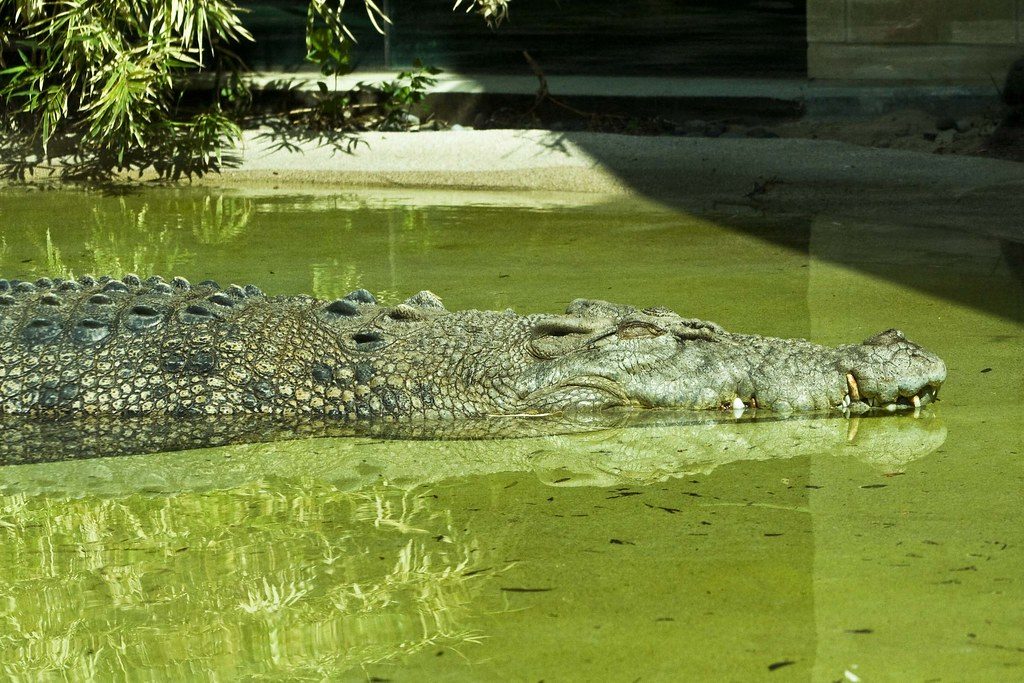
A fatal crocodile attack at a popular beach in Puerto Vallarta has renewed attention on the challenges of sharing coastal environments with wildlife. The incident occurred near a resort shoreline where estuaries, mangroves, and the Pacific Ocean meet, creating habitat for American crocodiles.
Although such attacks are extremely uncommon, wildlife experts say they highlight the importance of respecting warning signs and understanding the risks that exist in natural habitats.
What happened in Puerto Vallarta?
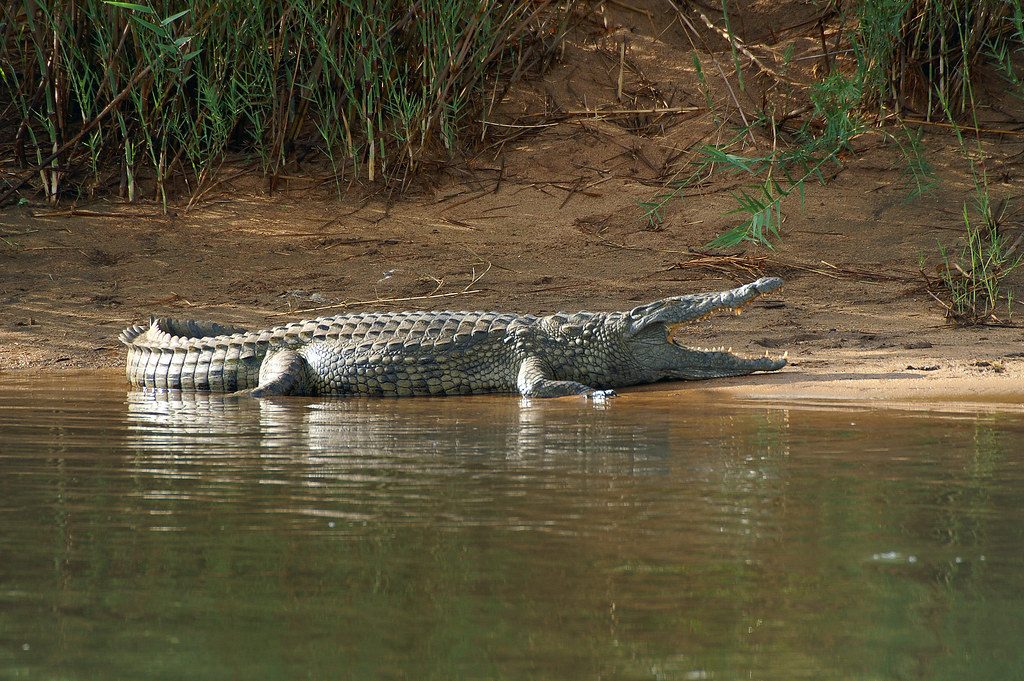
Authorities said a 28-year-old man was attacked by a crocodile while near the shoreline in front of the Marriott Puerto Vallarta Resort & Spa. Emergency responders and the Mexican Navy searched overnight before recovering his body the following morning.
Officials later described the incident as unusual and urged visitors to stay away from areas where crocodiles are known to live.
Why are crocodiles found near beaches?
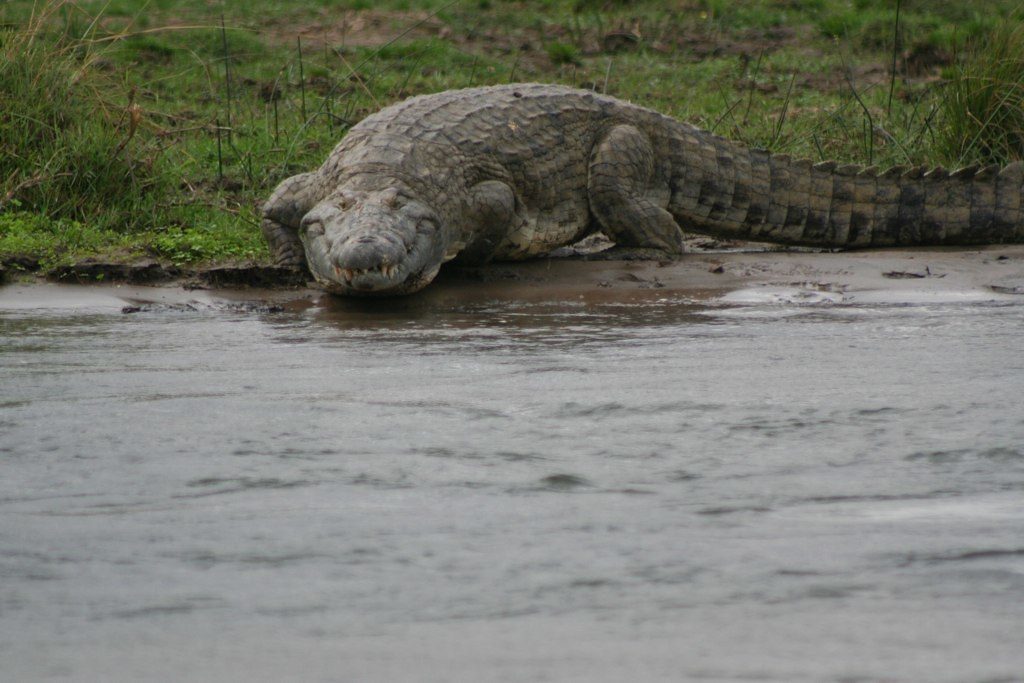
American crocodiles naturally inhabit estuaries, mangroves, lagoons, rivers, and coastal wetlands. During the rainy season, rising water levels can connect these habitats, allowing crocodiles to move between inland waterways and nearby beaches.
As coastal development expands, encounters between people and wildlife can become more likely.
Are crocodile attacks common?
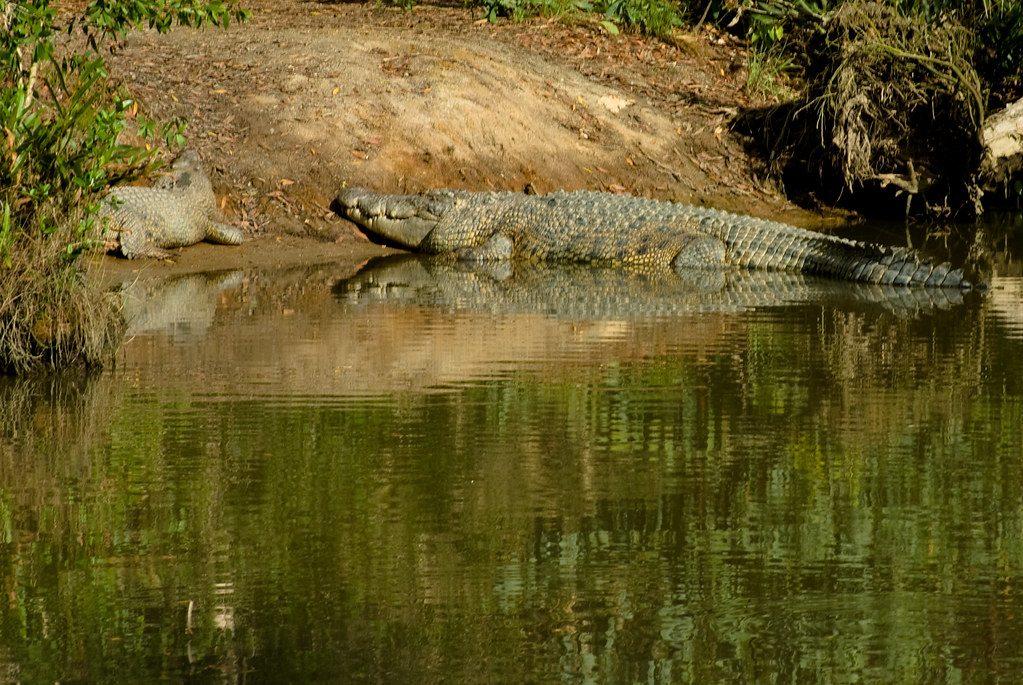
Fatal crocodile attacks remain rare, especially in tourist destinations. Most crocodiles avoid people, and serious incidents are uncommon when visitors follow safety advice and avoid entering known crocodile habitat.
Experts emphasize that the presence of warning signs usually reflects known wildlife activity rather than an immediate danger to everyone in the area.
How authorities are responding

Following the attack, local authorities renewed warnings advising residents and tourists to avoid swimming near estuaries, canals, and mangroves where crocodiles may be present. Resort officials stated that warning signs, red flags, and nighttime patrols were already in place before the incident.
Officials continue monitoring wildlife activity in the area.
Staying safe around crocodile habitat
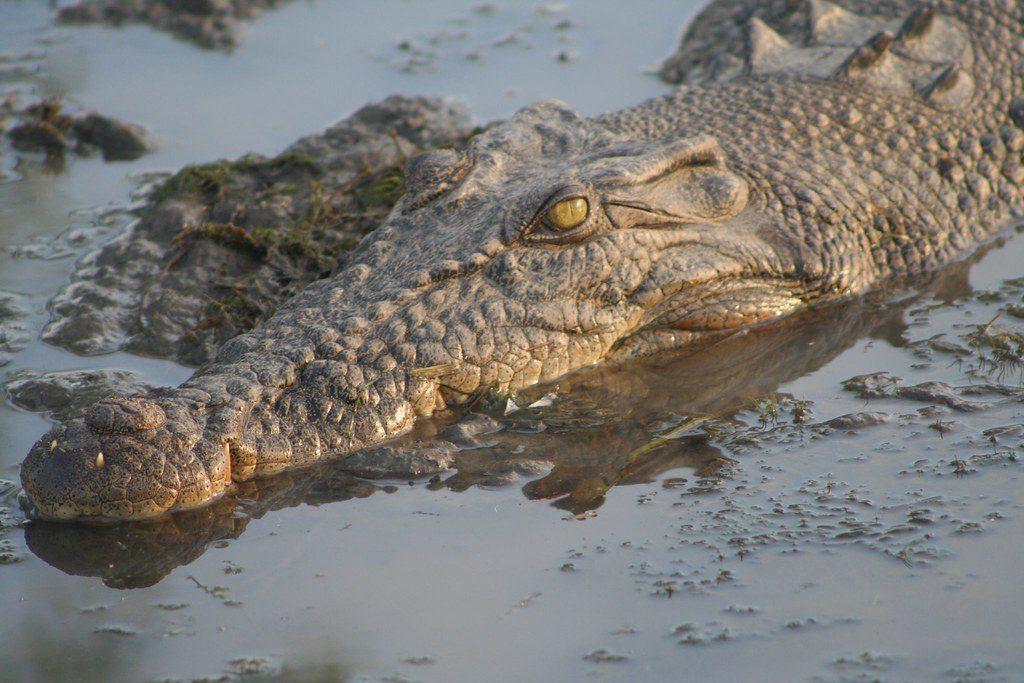
Wildlife experts recommend obeying posted warning signs, avoiding swimming in areas known to contain crocodiles, and using extra caution near river mouths and mangrove systems, especially at dawn, dusk, and night when crocodiles may be more active.
Giving wildlife plenty of space remains the best way to reduce the risk of dangerous encounters.
Balancing conservation and public safety
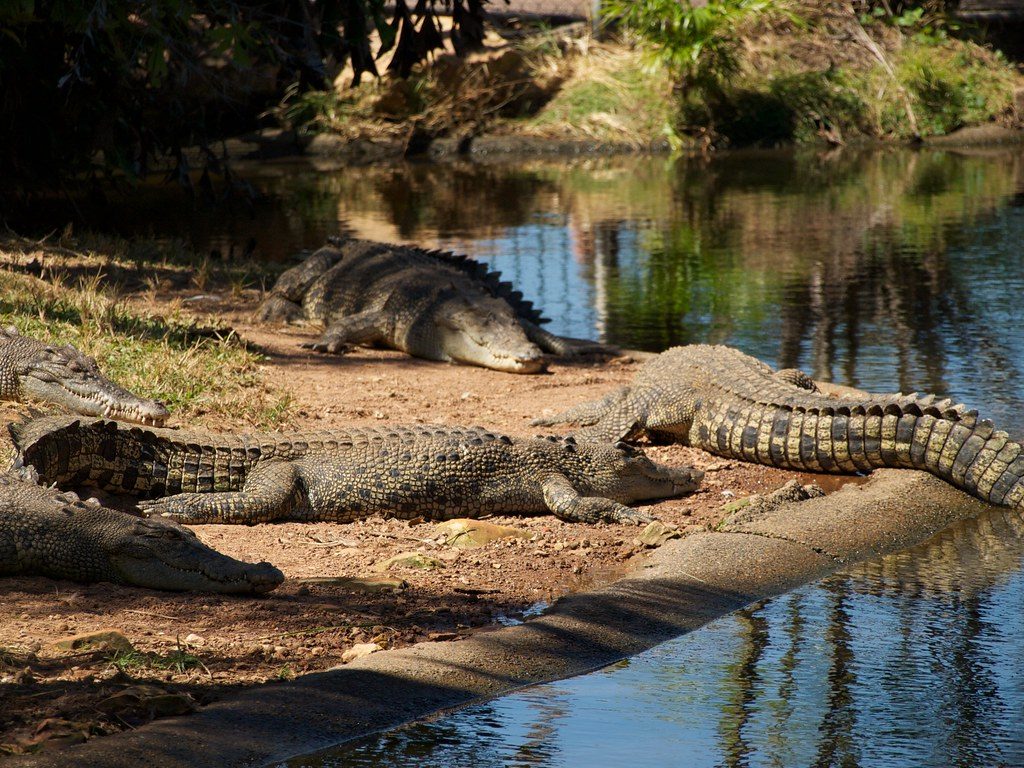
American crocodiles are a protected native species that play an important ecological role in coastal wetlands. Managing tourism alongside wildlife conservation requires public awareness, habitat protection, and effective safety measures.
Understanding where crocodiles naturally occur helps visitors enjoy these environments more safely while respecting the animals that live there.
Featured Image: “Crocodile” by AndreaTX is licensed under CC BY-NC-ND 2.0
Leave a Reply