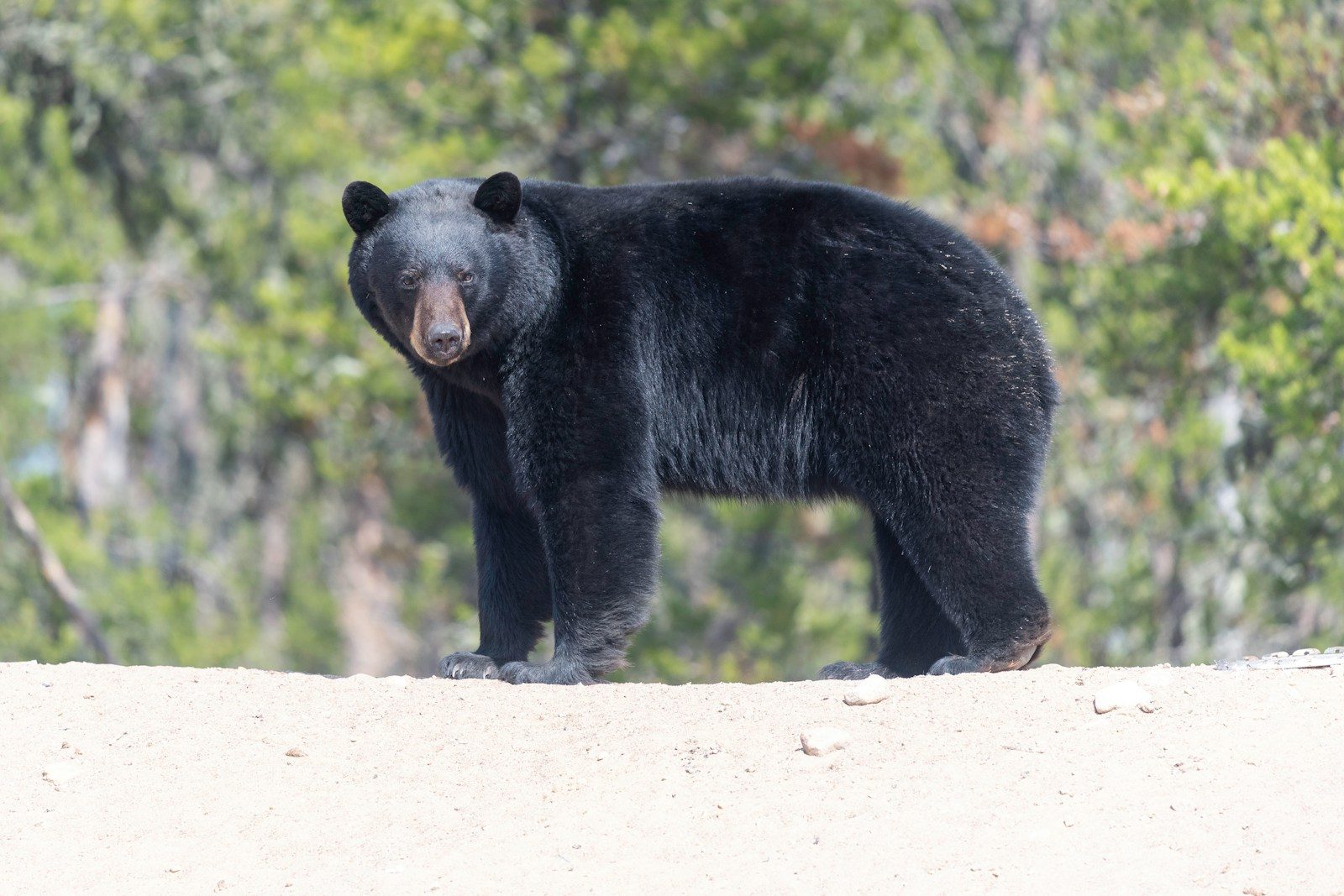
A bear euthanized after repeated break-ins at a family’s home has sparked fresh concerns about safety in bear country. When wild animals begin entering homes for food, they can become a danger to people and are much harder to manage. In this recent Idaho case, a black bear repeatedly returned to the same property after finding easy meals.
This article explains what happened, why wildlife officials decided to euthanize the bear, and how food left around homes can change a bear’s behavior. You will also learn simple steps that families can take to help keep both people and bears safe.
The bear entered a family’s home
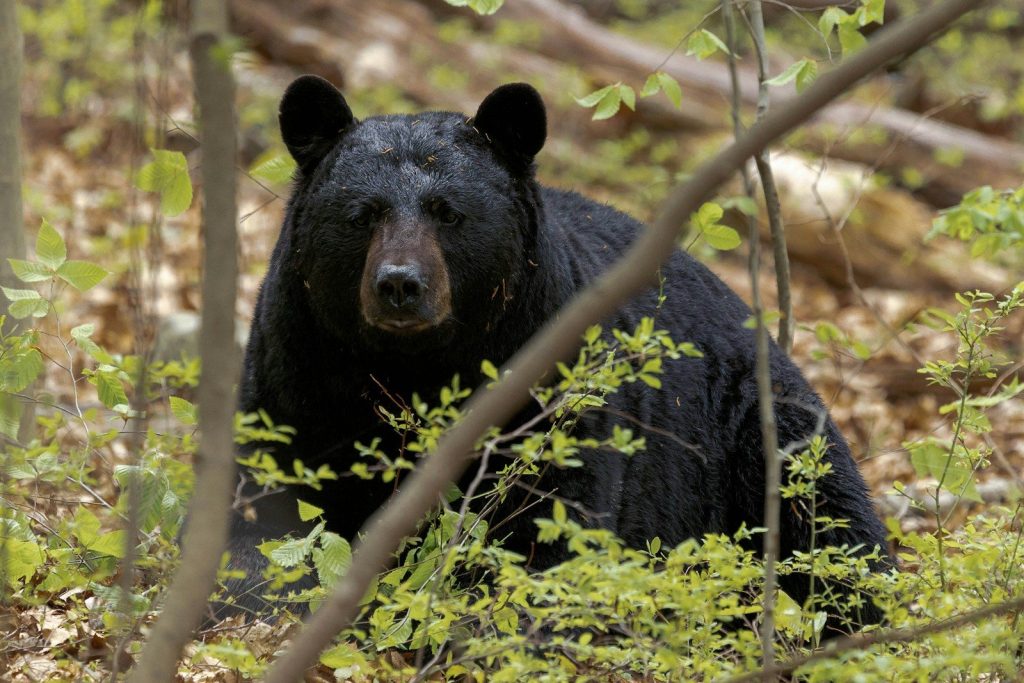
The incident happened in Swan Valley, Idaho, on the night of July 12. A male black bear tore through a window screen and entered an occupied home while the family was asleep.
The homeowners did not wake up during the break-in. They discovered the next morning that their kitchen had been ransacked and that the bear had eaten a pumpkin pie left on the table.
The bear returned the next night
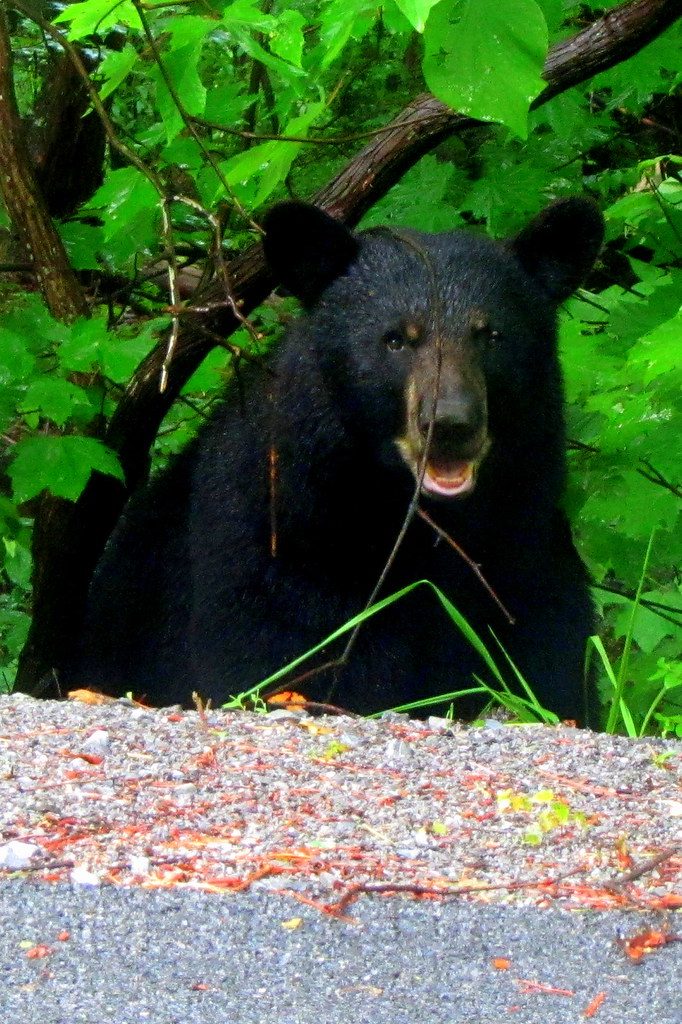
The bear came back to the same property the following night. This time, it knocked over a garbage can and found more food in the unsecured trash.
Wildlife experts say bears quickly remember places where they find easy meals. Once they become used to human food, they often return again and again, increasing the chance of dangerous encounters.
Why officials chose euthanasia
After the second visit, Idaho Fish and Game set a trap to capture the bear. Once it was caught, the agency humanely euthanized the animal because it had entered an occupied home and posed a risk to public safety.
Officials explained that relocating the bear was not an option. Bears that break into homes for food often continue the same behavior after being moved, creating safety problems in another community.
How human food changes bear behavior
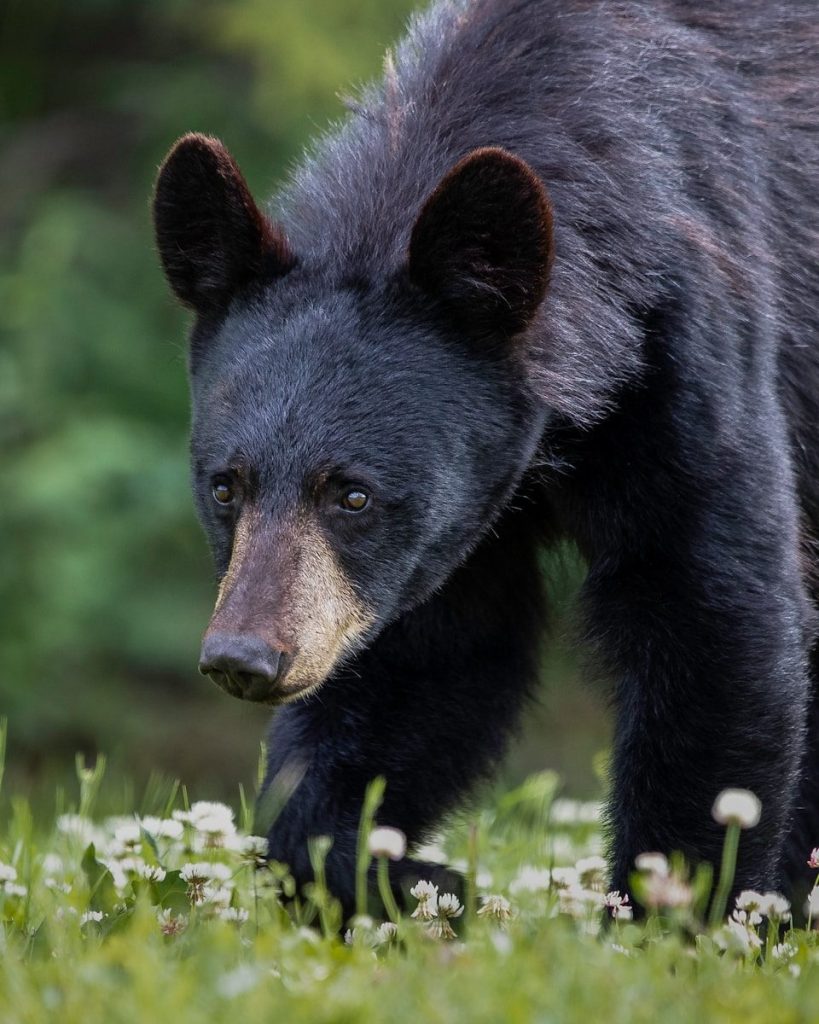
Black bears naturally eat berries, plants, insects, and other wild foods. However, they are also strong scavengers and will search for garbage, pet food, or leftovers when those items are easy to reach.
After a bear receives food from people, it can become food-conditioned. This means it starts connecting homes and neighborhoods with easy meals instead of searching for natural food in the wild.
How families can prevent bear visits
Wildlife officials encourage people living in bear country to lock up garbage, store pet food indoors, and remove leftovers from outside. Cleaning grills and keeping doors and windows secure also helps reduce the chance of attracting bears.
Window screens alone are not enough to stop a determined bear. Families should lock doors and close windows whenever possible, especially at night, to help keep wildlife outside.
What this case teaches homeowners

The Swan Valley incident shows how quickly a bear can lose its fear of people after finding food at a home. Although the family was not hurt, the repeated break-ins made the situation too dangerous to ignore.
Wildlife agencies say the best way to protect both people and bears is to prevent bears from finding human food in the first place. Keeping neighborhoods free of food attractants helps bears stay wild and reduces the need for difficult management decisions.
Leave a Reply