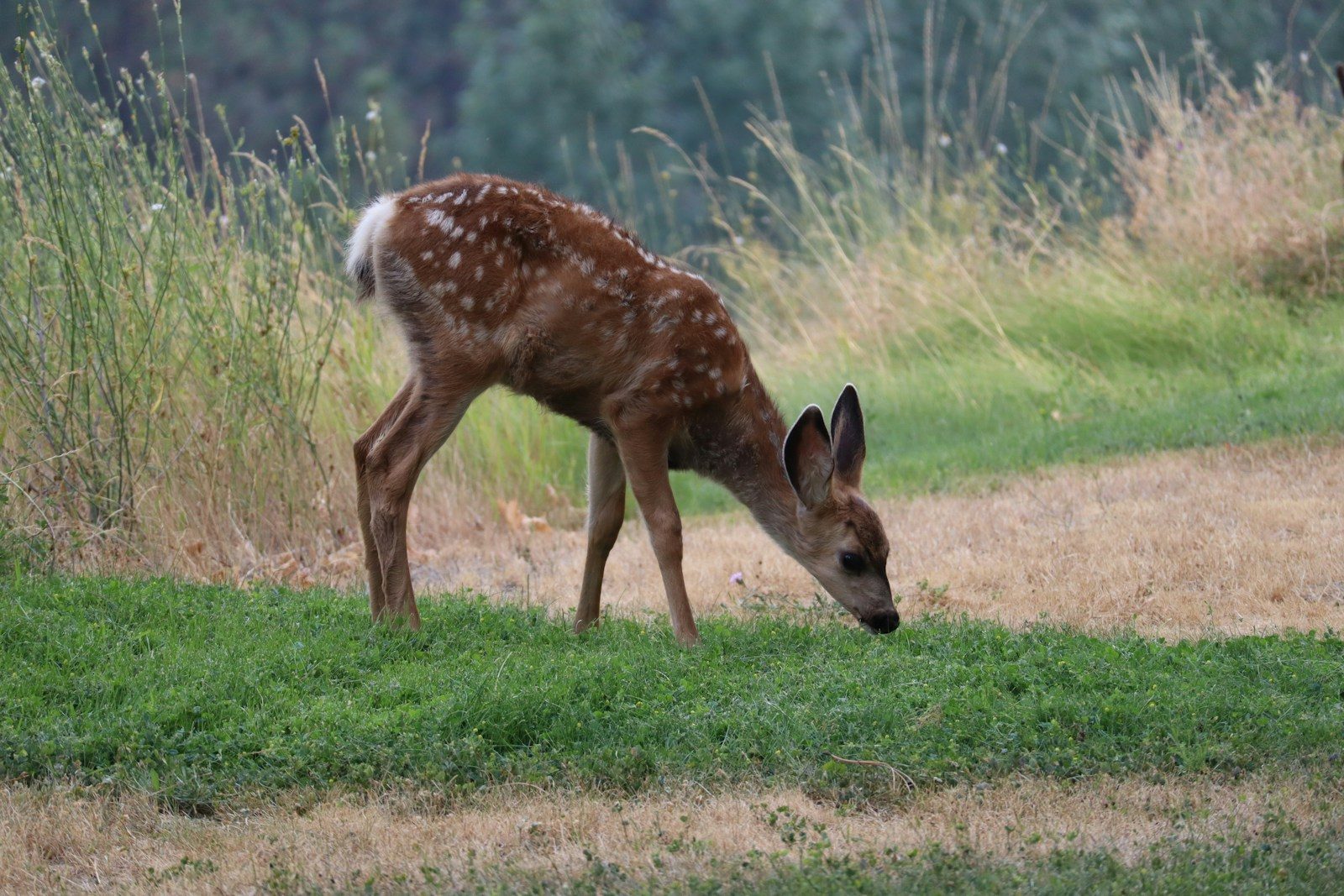
Have you ever wondered which state has the most deer? The answer may not be what you expect. The state with the most deer in the U.S. may surprise you because it isn’t known only for big cities or wide-open deserts. Texas is home to the largest population of white-tailed deer in the country, with an estimated 5 million animals spread across most of the state.
This article explains why Texas has so many deer, where they live, how they benefit the environment, and how wildlife experts manage the population. You’ll also learn why deer are such an important part of Texas’ wildlife and economy.
Texas leads the nation in deer

Texas has more white-tailed deer than any other U.S. state. Wildlife officials estimate that about 5 million white-tailed deer live across 252 of the state’s 254 counties.
The large population has grown thanks to strong fawn survival in recent years and ongoing wildlife management. Deer can be found in forests, grasslands, ranches, and even near cities.
Why Texas supports so many deer
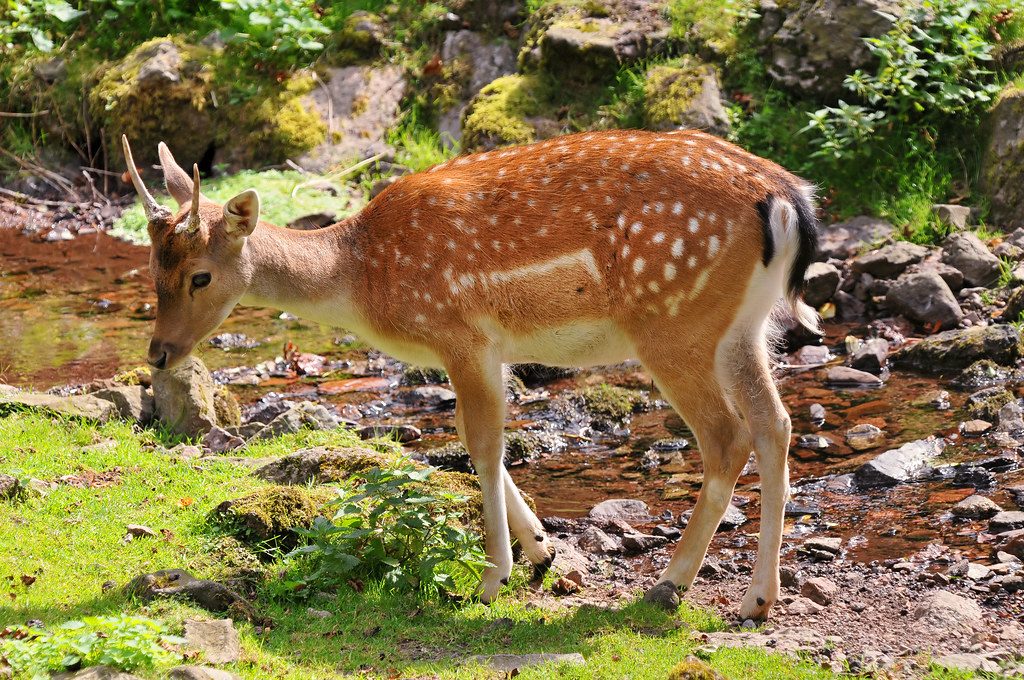
Texas is the second-largest state in the country, giving deer plenty of space to live. The state also has many different habitats, including woodlands, brush country, and rolling hills that provide food, water, and shelter.
Mild winters in many parts of Texas help deer survive from year to year. Good habitat management by landowners and wildlife experts also supports healthy deer populations.
White-tailed deer thrive across the state
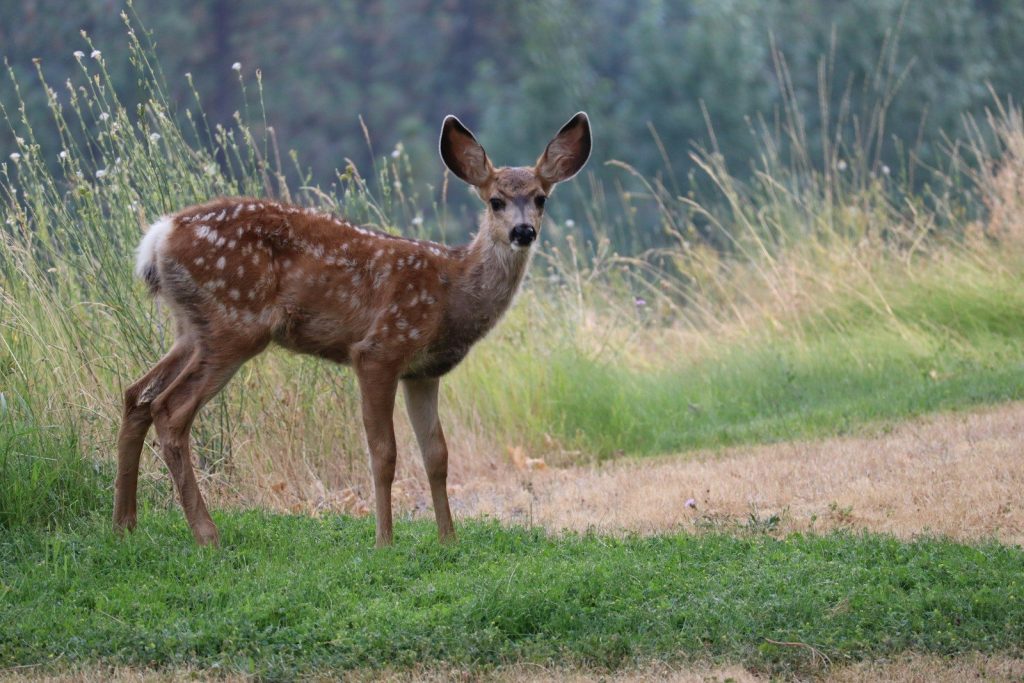
White-tailed deer are the most common big game animal in Texas. They are easy to recognize by the bright white underside of their tails, which they raise as a warning when danger is nearby.
The highest deer numbers are found in regions such as the Edwards Plateau, also called the Texas Hill Country. Some areas have especially high deer densities because they offer excellent habitat and abundant natural food.
Deer play an important role
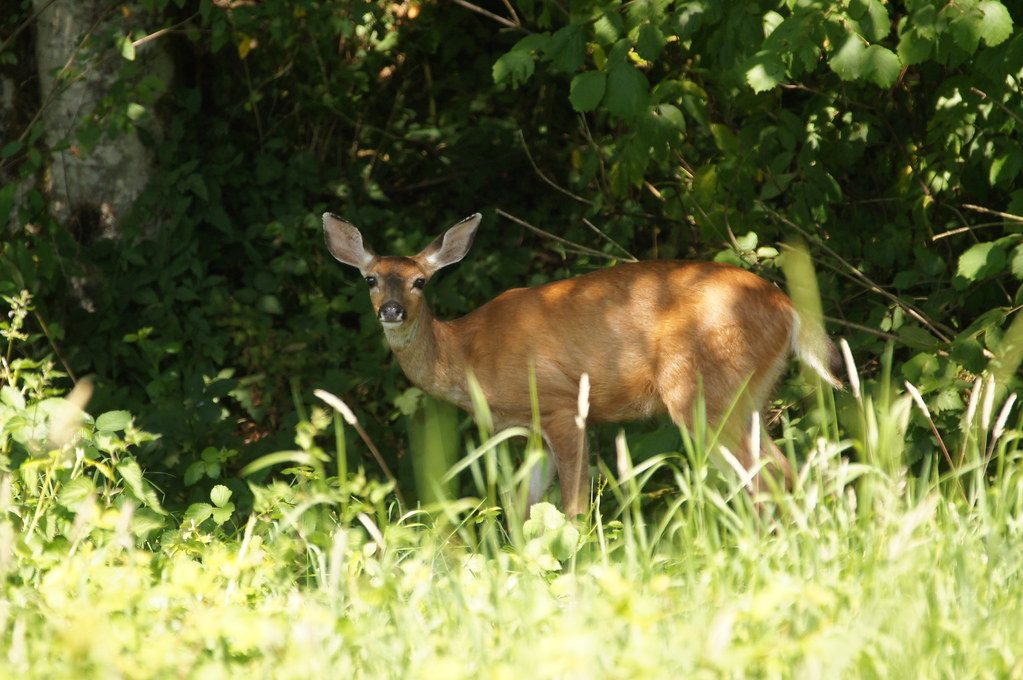
Deer are an important part of healthy ecosystems. They help spread plant seeds and provide food for predators and scavengers, making them an important link in nature.
They also have major economic value. Deer hunting supports jobs, local businesses, and landowners while generating billions of dollars each year for Texas’ economy.
Managing the deer population

Wildlife officials carefully monitor deer numbers through surveys and research. They use harvest data, habitat studies, and population estimates to keep deer numbers at healthy levels.
Proper management helps prevent problems caused by overpopulation, including damage to crops, forests, and native plants. It also helps reduce the risk of deer-vehicle collisions in some areas.
Why Texas continues to stand out
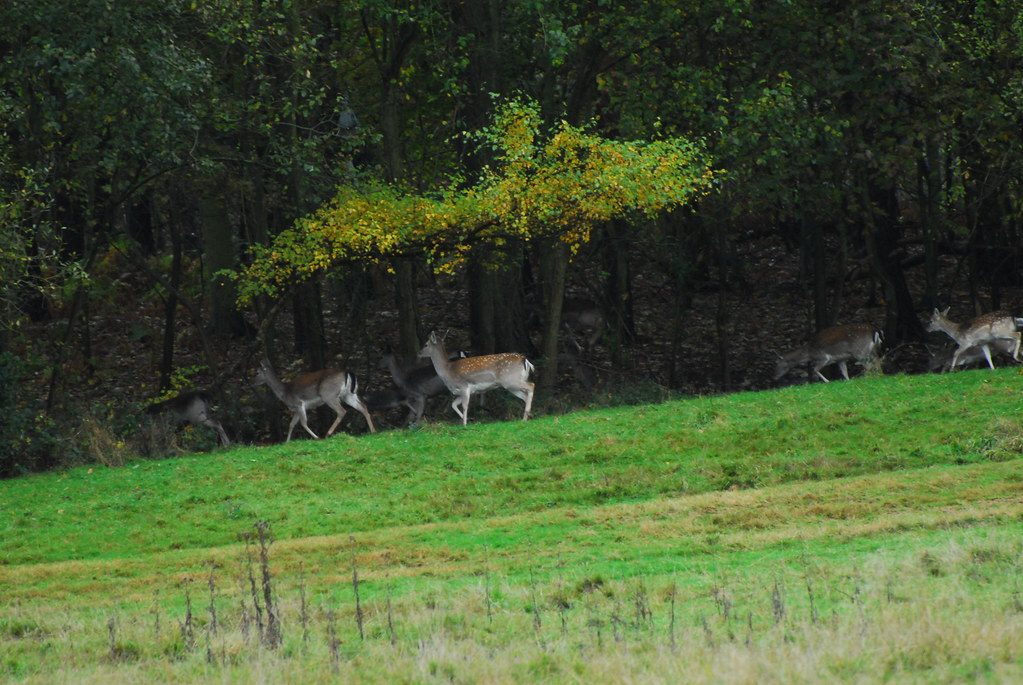
No other state comes close to matching Texas in total white-tailed deer numbers. Its large size, varied habitats, and strong conservation efforts make it an ideal place for the species to thrive.
Whether people enjoy watching wildlife, photographing deer, or hunting during the season, white-tailed deer remain one of Texas’ most recognizable and valued animals. Their success is the result of both natural conditions and careful wildlife management.
Featured Image: Photo by Divide By Zero on Unsplash
Leave a Reply