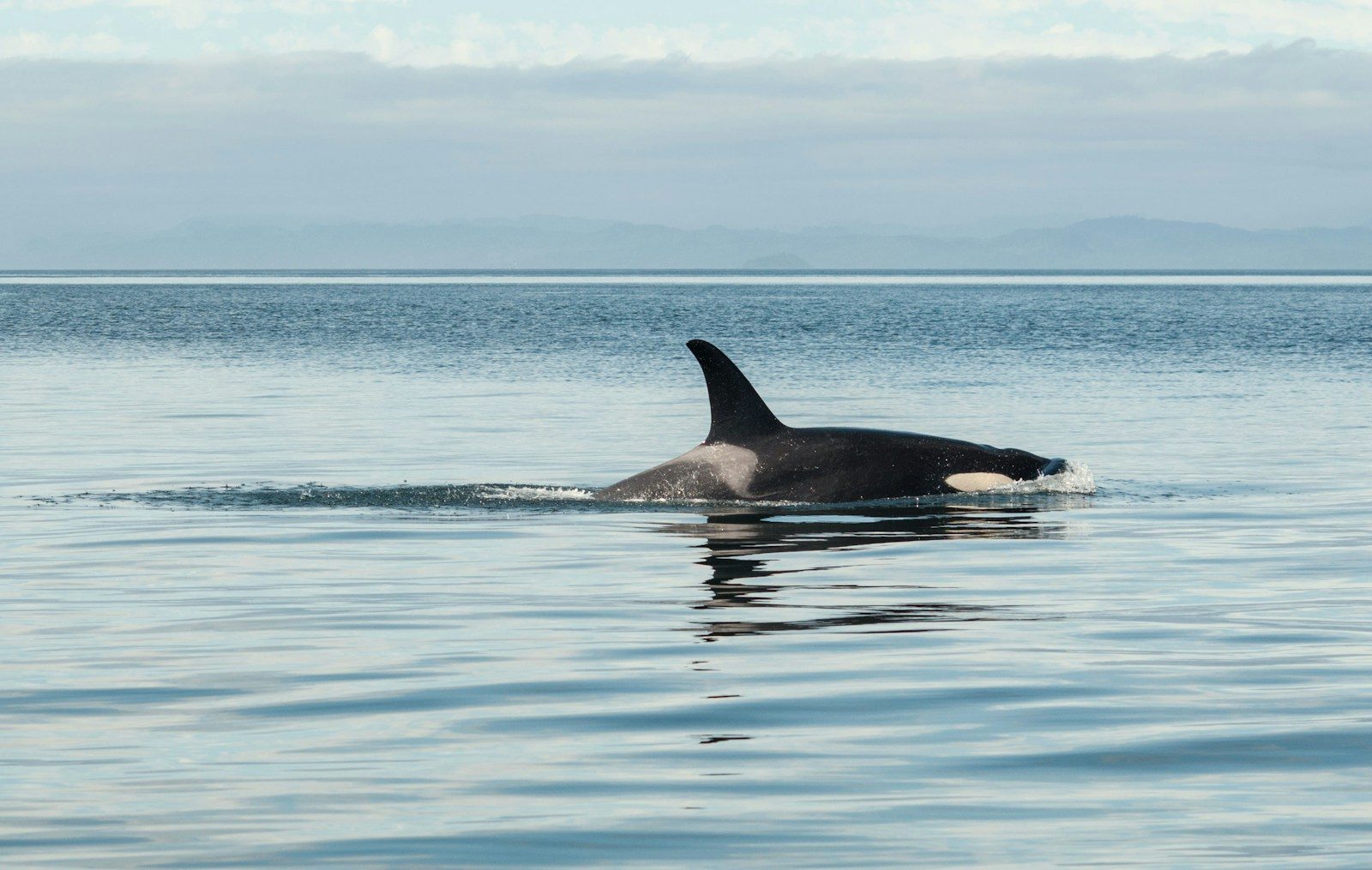
The ocean can change in seconds when people meet one of its largest predators. A story where a 5,000kg orca meets a boat with dramatic results has drawn worldwide attention after video showed a killer whale interacting with the rudder of a sailing yacht in the Strait of Gibraltar. While the footage looked calm at times, experts say these encounters can still damage boats and should be taken seriously.
This article explains what happened during the encounter, why some Iberian orcas interact with boats, what scientists know about this unusual behavior, and how sailors can stay safer if they meet these powerful marine mammals.
The encounter was caught on camera

The widely shared video showed several Iberian orcas swimming around a sailing yacht in the Strait of Gibraltar. Underwater footage captured one or more whales investigating and biting the boat’s rudder while the crew remained on board.
Although the encounter appeared peaceful in parts of the video, reports indicated that the yacht’s steering system was damaged during the interaction. The crew later used emergency steering to safely continue their journey.
Why the rudder attracts orcas
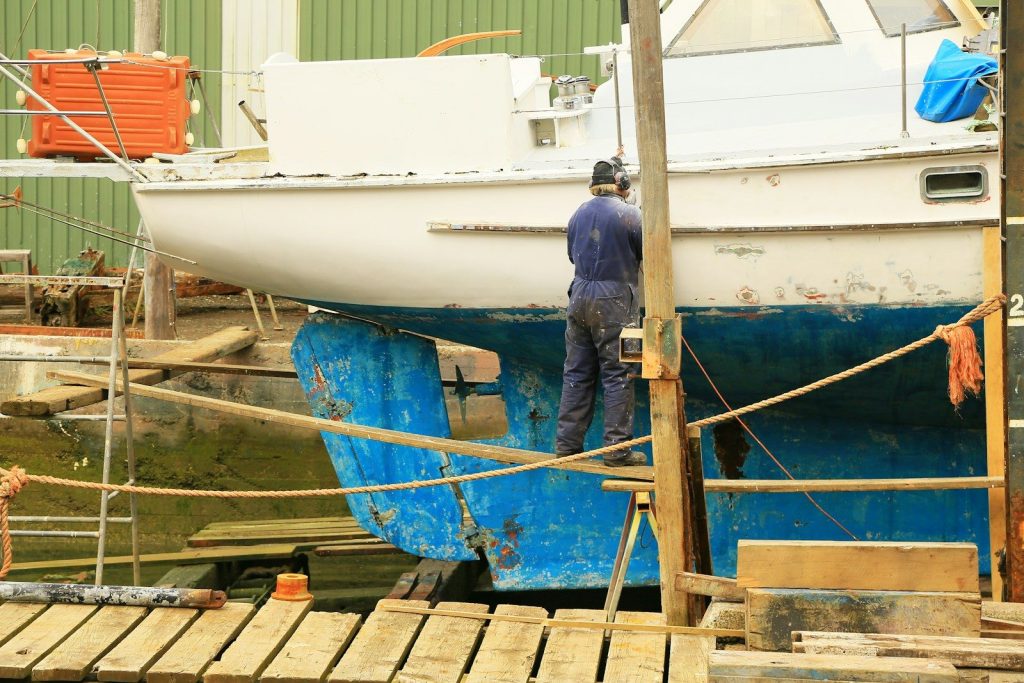
Scientists have found that Iberian orcas usually focus their attention on a boat’s rudder rather than people. The whales often bump, push, or bite the steering system instead of approaching passengers.
Researchers are still studying why this behavior began around 2020. Some experts believe it may be a learned behavior passed between younger whales, while others say the exact cause remains unknown.
These interactions can damage boats
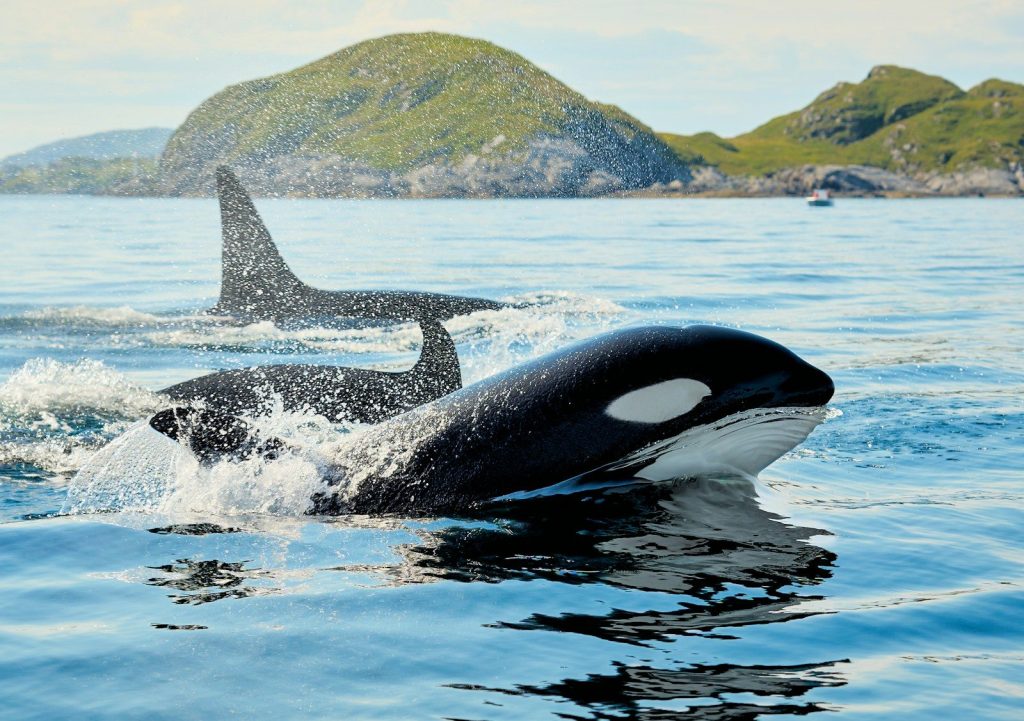
Many sailors have reported damaged rudders after encounters with Iberian orcas. In some cases, boats have lost steering, and a small number of yachts have later sunk because of severe damage.
Even though the whales rarely show interest in humans themselves, the damage they cause to vessels can create dangerous situations at sea. That is why authorities closely monitor reports of these interactions.
Experts recommend keeping distance

Marine experts stress that boaters should never try to approach or attract orcas. They also warn against intentionally seeking encounters to capture photos or videos because doing so may increase risks for both people and whales.
Authorities in affected areas continue to provide updated guidance for sailors traveling through waters where orca interactions have been reported. Recommendations may vary depending on local conditions and the latest research.
Orcas are powerful marine mammals
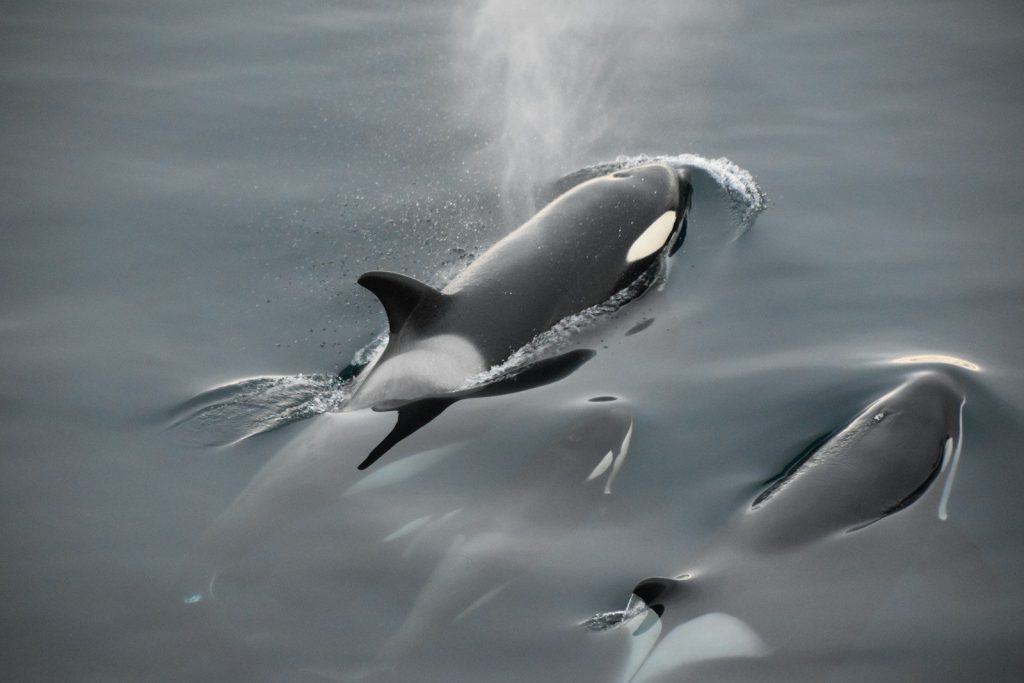
An adult male orca can weigh around 5,000 kilograms, or even more, depending on its age and size. Despite their massive weight, they are fast, intelligent animals that live in close family groups.
Orcas are apex predators that hunt fish, seals, dolphins, and other marine animals. Their intelligence and teamwork make them among the ocean’s most skilled hunters.
Scientists continue studying the behavior

Researchers continue collecting reports from sailors to better understand these unusual boat interactions. Every documented encounter helps scientists learn more about the whales and how their behavior may be changing.
Although the viral footage was dramatic, experts say it should not encourage people to seek close encounters with wild orcas. Respecting marine wildlife from a safe distance remains the best way to protect both animals and boaters.
Leave a Reply