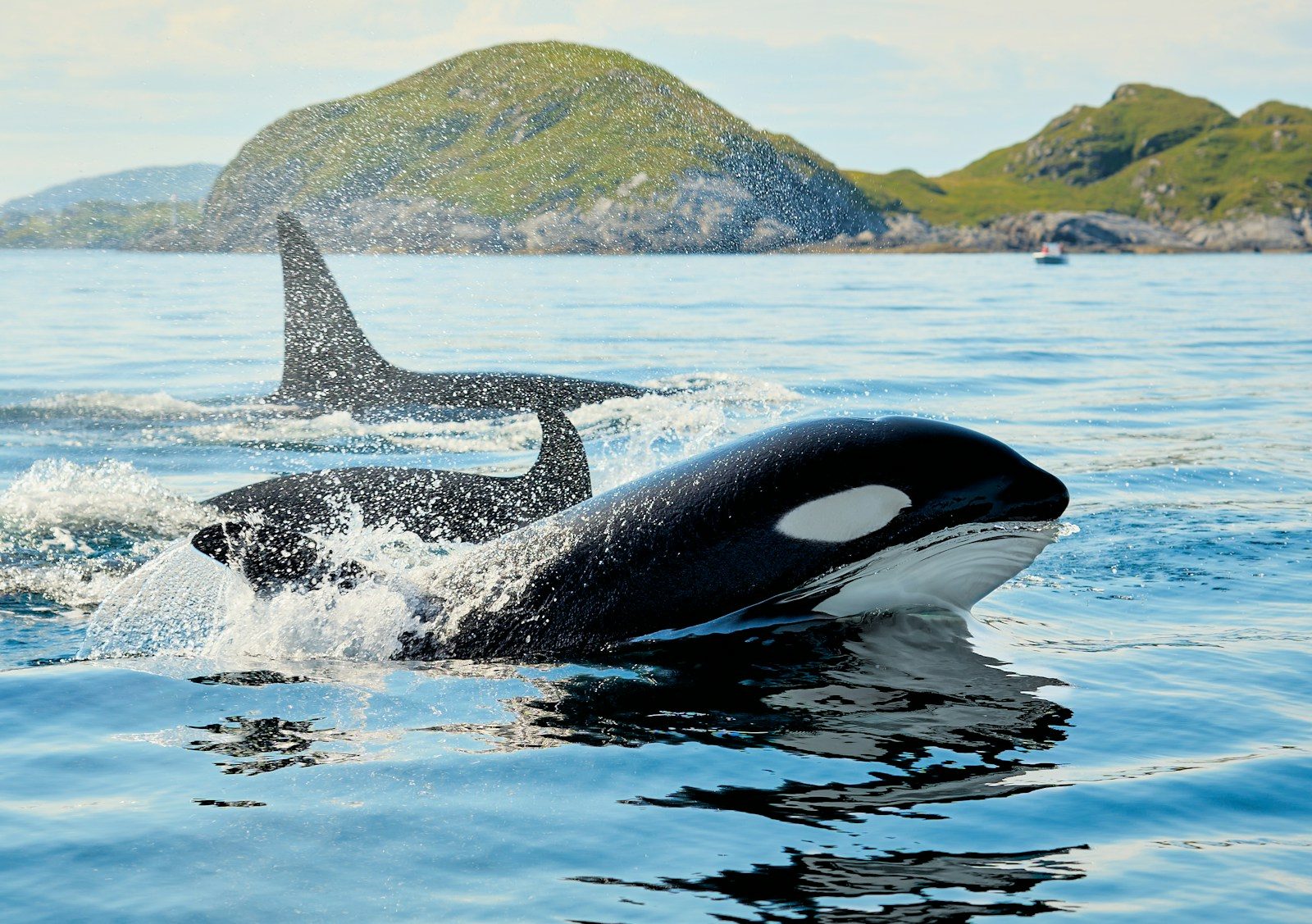
What happens when wild animals lose a family member? The question has fascinated scientists for years. Research into how orcas and elephants show signs of grieving their dead suggests these highly social animals often display unusual behaviors after a loss. While scientists cannot say exactly what animals feel, many observations suggest responses resembling human grief.
This article explains what researchers have seen in wild orcas and elephants, why these behaviors matter, and what they reveal about the strong social bonds these animals form. You’ll also learn why scientists continue to study these emotional responses with care.
Orcas stay close to lost family members
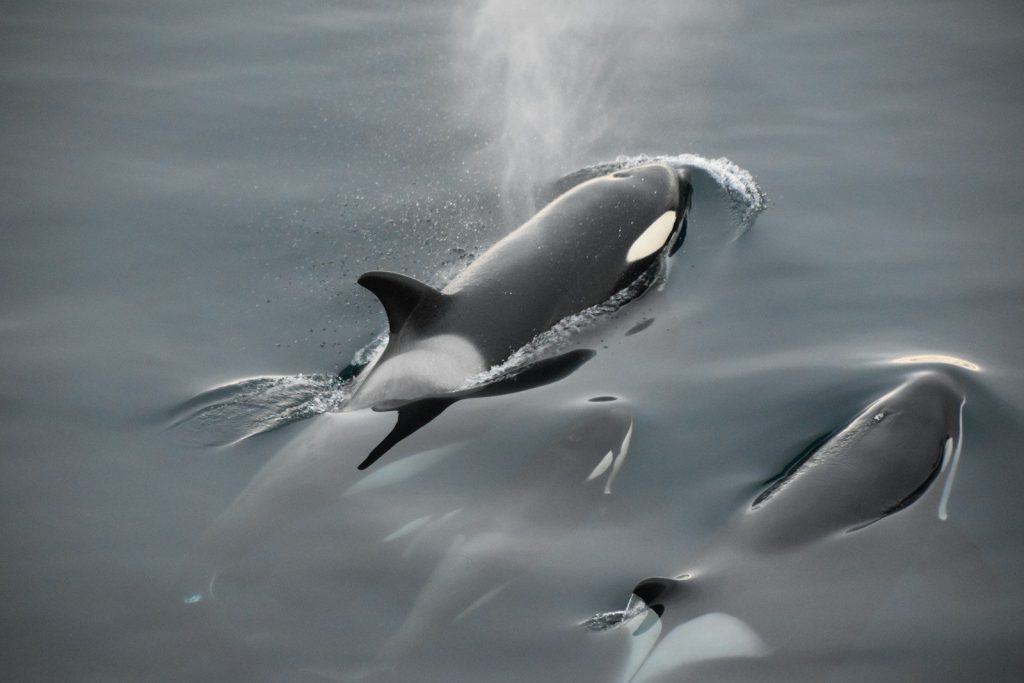
Orcas live in close family groups, and mothers often stay with their calves for life. Researchers have documented cases in which mother orcas carried the bodies of their dead calves for days, sometimes pushing them to the surface or balancing them on their heads.
One of the best-known examples involved a Southern Resident killer whale named Tahlequah, which carried her dead calf for 17 days over hundreds of miles. Scientists say this was one of the longest documented displays of death-related behavior in marine mammals.
Elephants respond to death in special ways
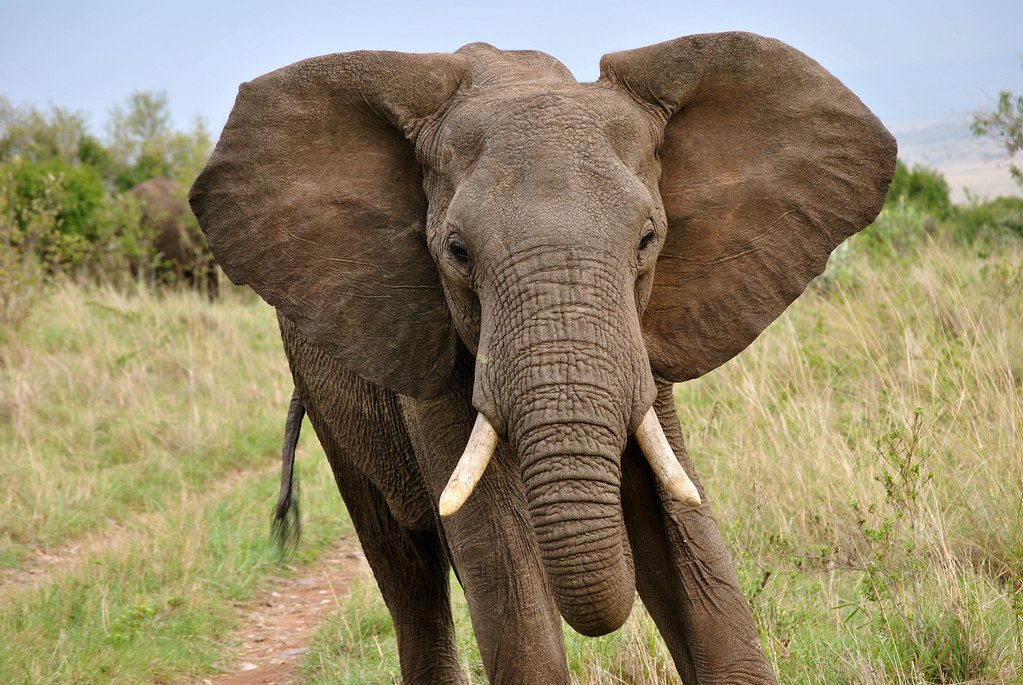
Elephants have also shown remarkable reactions when another elephant dies. Researchers have observed them touching the body with their trunks, standing quietly nearby, and returning to the same location long after the death.
In several studies, elephants also showed unusual interest in the bones and skulls of other elephants. Scientists say these repeated behaviors suggest that elephants recognize the importance of deceased members of their species.
Strong family bonds may explain the behavior
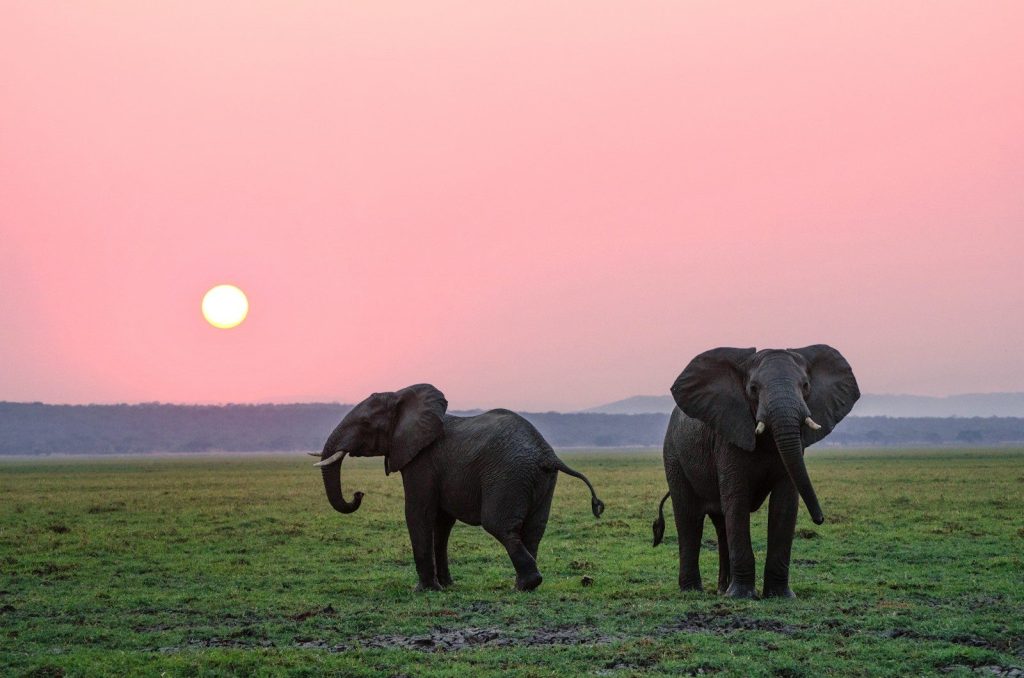
Both orcas and elephants live in tightly connected family groups. Young animals depend on older relatives for protection, learning, and survival, creating relationships that can last for many years.
Because these social bonds are so strong, researchers believe the loss of a family member may affect the animals’ behavior. The closer the relationship, the more noticeable the response may become.
Scientists study behavior carefully

Researchers are careful not to assume animals experience emotions exactly as humans do. Instead, they focus on observable behaviors, such as carrying a dead calf, guarding a body, or repeatedly returning to the place where an animal died.
These behaviors are part of a growing field of research called animal thanatology, which studies how animals respond to death. Scientists use long-term observations to better understand these responses.
Similar patterns appear in both species
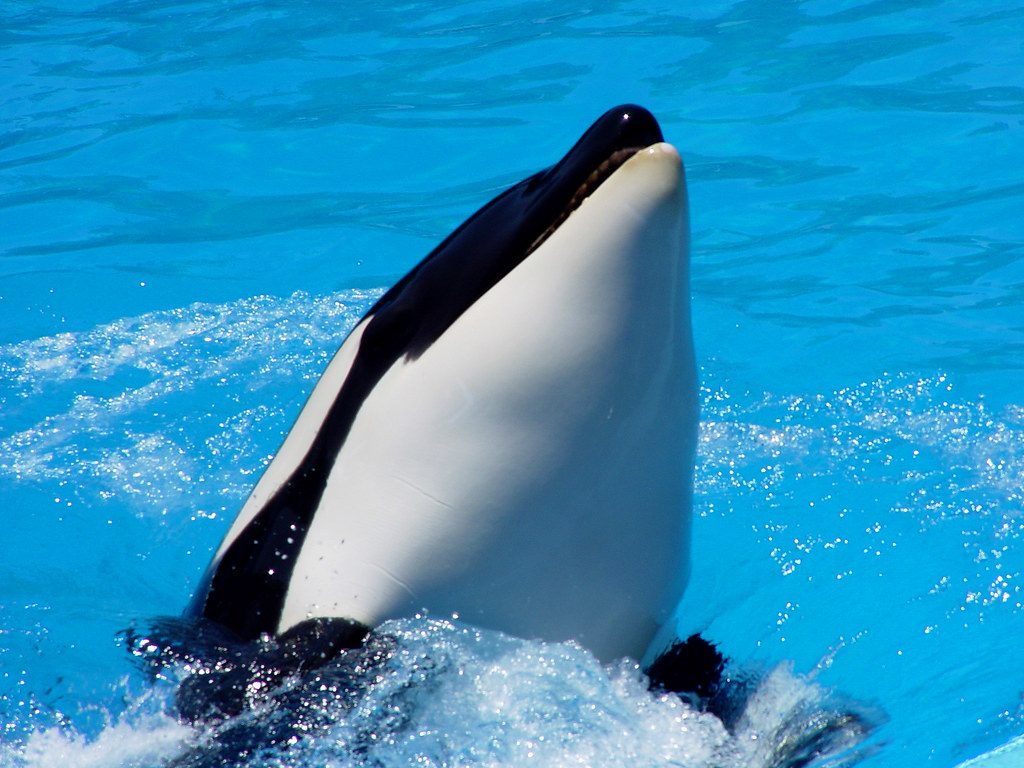
Although orcas live in the ocean and elephants live on land, both species show prolonged attention toward dead family members. They may remain nearby, touch the body, or change their normal daily behavior after a loss.
Scientists believe these similarities may be linked to the animals’ intelligence, long lifespans, and complex social lives. However, researchers continue to study these behaviors because many questions remain unanswered.
Why these discoveries matter

Learning about animal responses to death helps scientists better understand social behavior in wildlife. It also reminds people that many species form deep relationships within their families and groups.
The research encourages greater respect for wildlife and supports conservation efforts that protect animals living in stable family groups. As scientists gather more evidence, they continue to learn about the emotional complexity of some of Earth’s most intelligent animals.
Featured Image: Photo by Vidar Nordli-Mathisen on Unsplash
Leave a Reply