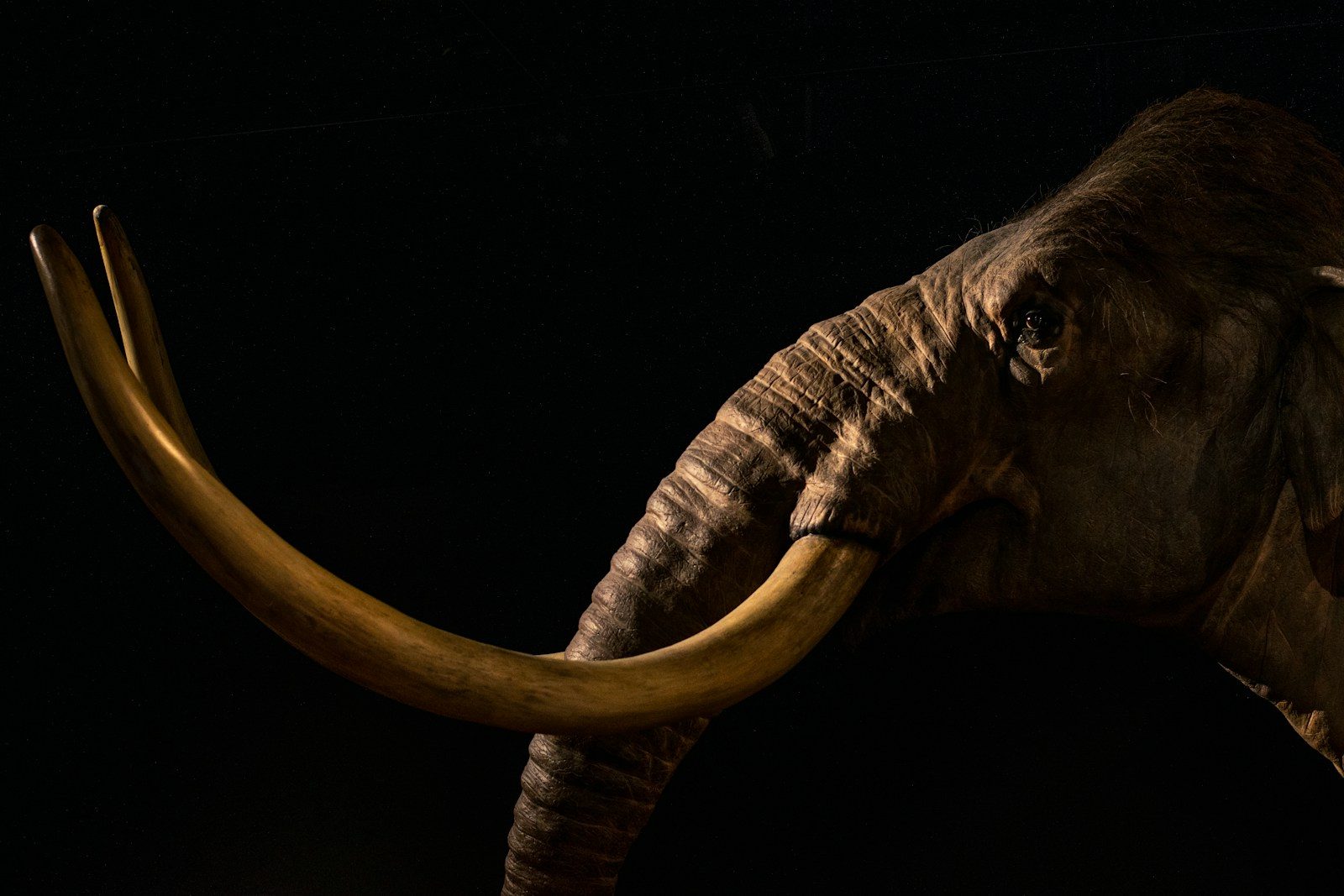
Scientists expected an exciting mammoth discovery, but the truth turned out to be very different. The ancient backbone once linked to a mammoth turns out to be from a whale, changing what researchers thought they knew about two old fossils stored in Alaska for decades.
This article explains how scientists solved the mystery, why the bones were first mistaken for mammoth remains, and what DNA testing revealed. You’ll also learn why this surprising discovery is important and how modern science continues to improve our understanding of the past.
The fossils puzzled scientists
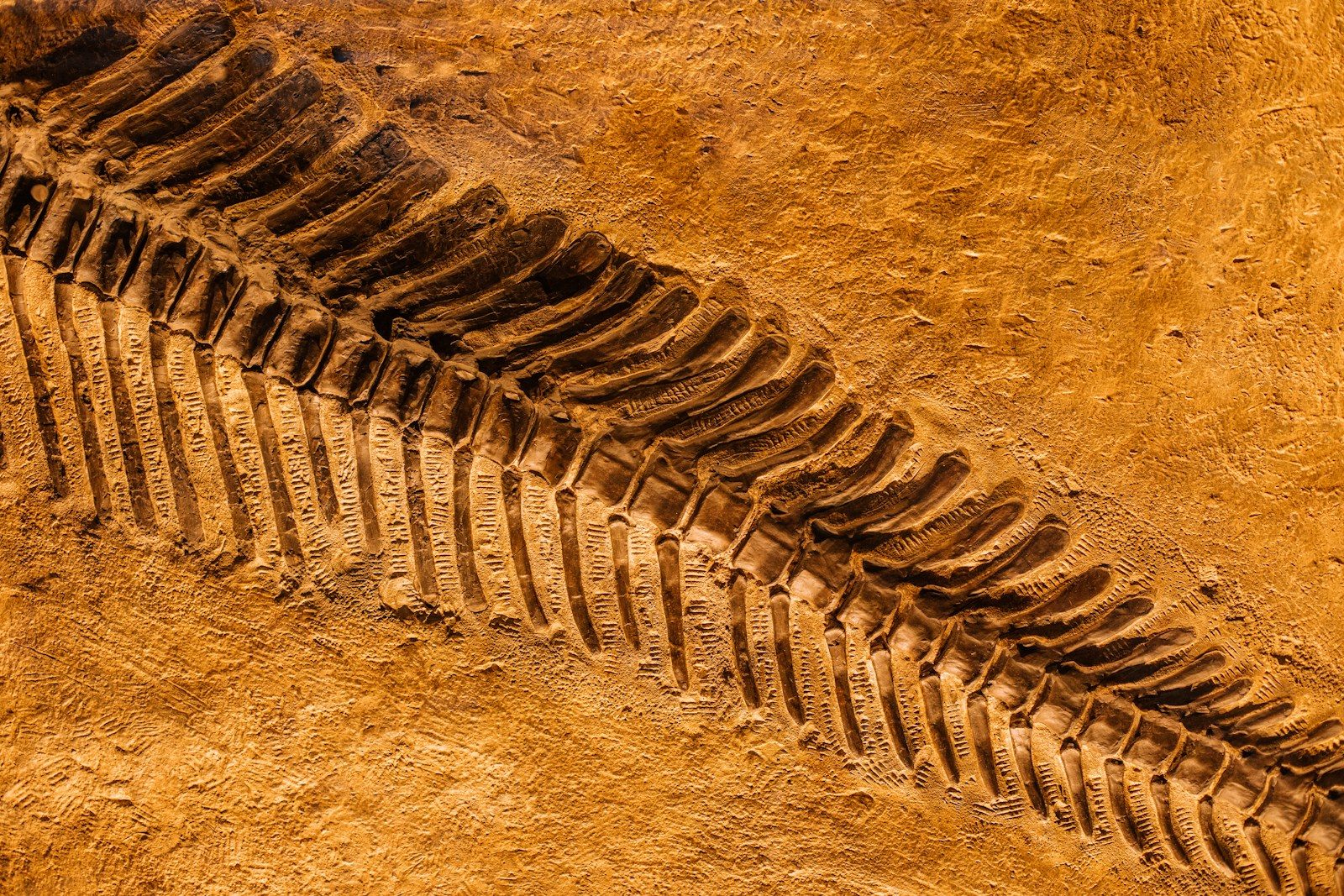
The bones were collected in Alaska during the early 1950s and stored in a museum. Because they looked like parts of a mammoth backbone and were found in an area known for Ice Age fossils, they were labeled as mammoth remains.
Years later, researchers decided to study the fossils again. When radiocarbon dating suggested the bones were only a few thousand years old, scientists realized something did not match the known timeline of mammoth extinction.
DNA revealed a surprising answer

Researchers used stable isotope testing and ancient DNA analysis to learn more about the fossils. The tests showed that the bones did not belong to a land animal that ate plants.
Instead, DNA identified the fossils as coming from two different whale species. One belonged to a minke whale, while the other came from a North Pacific right whale, proving the original identification was incorrect.
Why the mistake happen
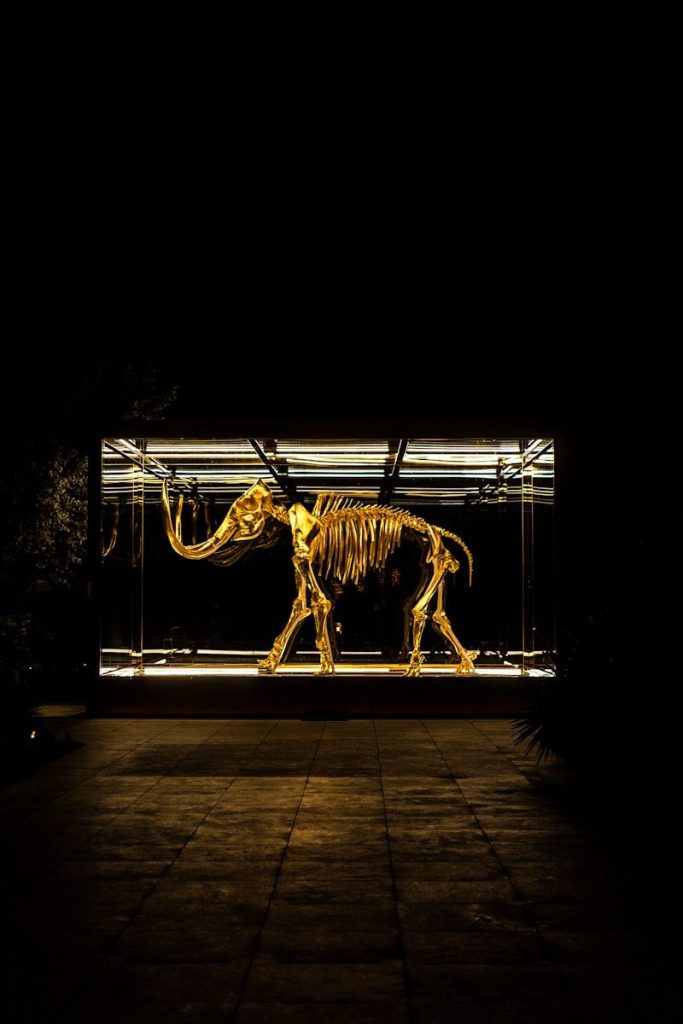
The backbone pieces from whales and mammoths can look very similar, especially after thousands of years underground. Their size and shape made it difficult to identify them by appearance alone.
Scientists said the bones could not be correctly identified using visual clues by themselves. Modern DNA testing provided the clear evidence needed to determine the fossils’ true origin.
How whale bones reached inland Alaska
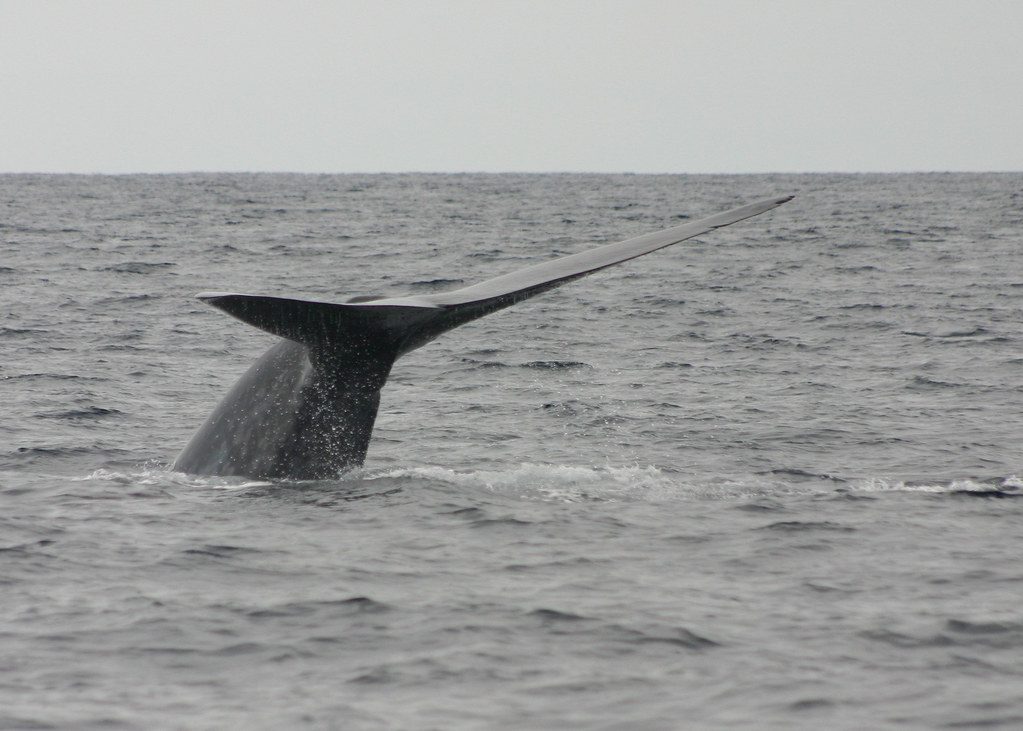
The fossils were reportedly found near Fairbanks, about 250 miles from the nearest coastline. This raised a new mystery because whales live in the ocean, not far inland.
Researchers suggested several possible explanations. Ancient people may have carried the bones inland through trade, museum records may have mixed up the collection location, or another unknown event may explain how the bones ended up there.
Why the discovery matters

Finding young mammoth fossils would have changed what scientists know about when mammoths disappeared from mainland Alaska. Instead, the study showed the importance of checking old discoveries with new technology.
The research also added valuable information about ancient whales. Even though the fossils were not mammoths, they are still important museum specimens that may help future scientists answer new questions.
Science keeps improving
Many museum collections contain fossils that were identified decades ago using the best methods available at the time. Today’s tools allow researchers to study those same specimens in much greater detail.
This discovery shows that science is always testing ideas with new evidence. Careful research helps scientists correct mistakes and build a more accurate picture of Earth’s history.
Featured Image: Photo by April Pethybridge on Unsplash
Leave a Reply