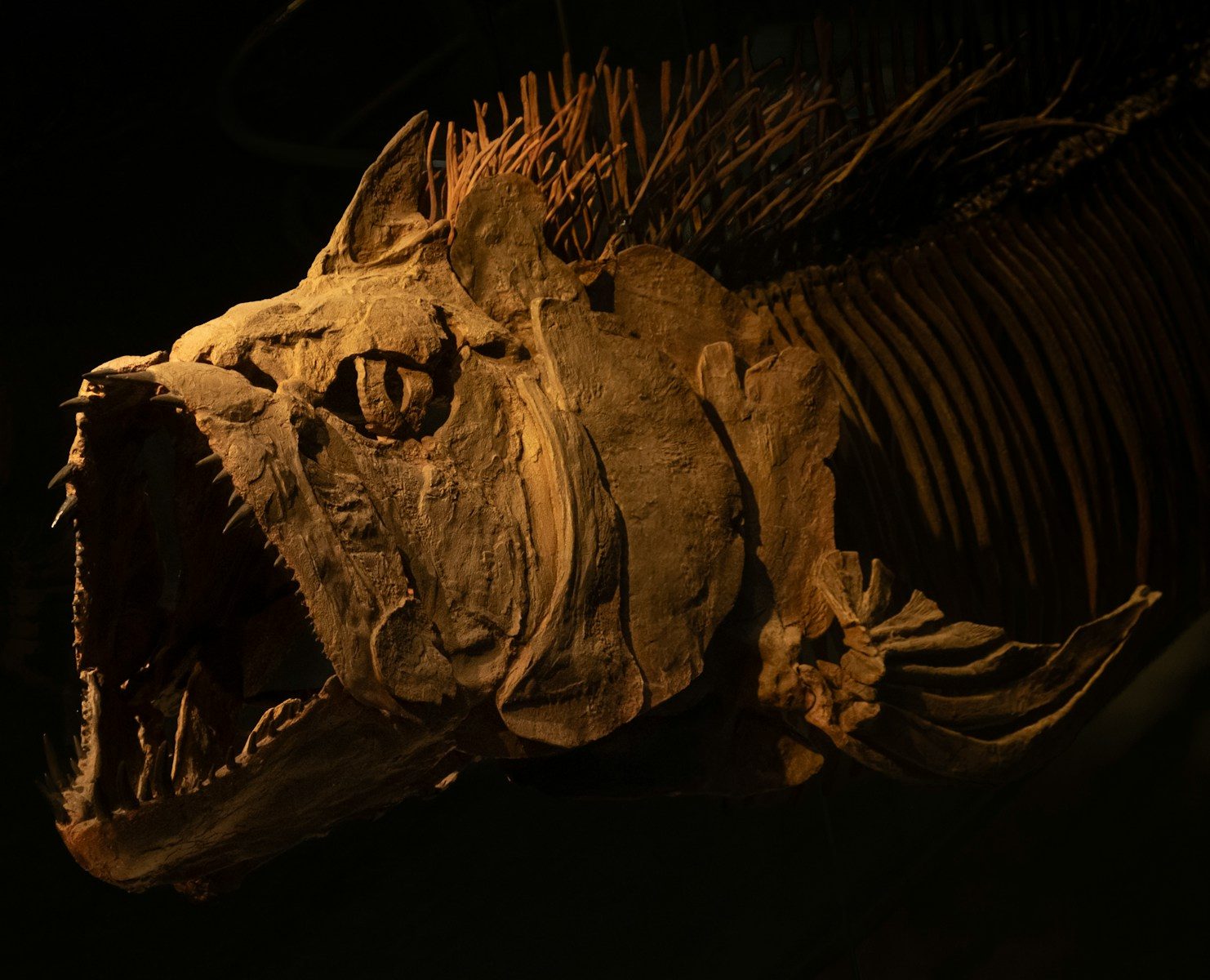
Imagine taking a walk through your local park and discovering something that lived hundreds of millions of years ago. The story of ancient fish remains being uncovered in a Leeds park has amazed scientists after a rare fossil was found hidden inside ancient rock at Roundhay Park in Leeds, England. The discovery offers a new look at life long before dinosaurs appeared on Earth.
This article explains what was found, why the fossil is so important, how experts identified it, and what it tells us about prehistoric Leeds. You’ll also learn why this remarkable find is helping scientists better understand Earth’s ancient past and the animals that once lived there.
A remarkable fossil was uncovered
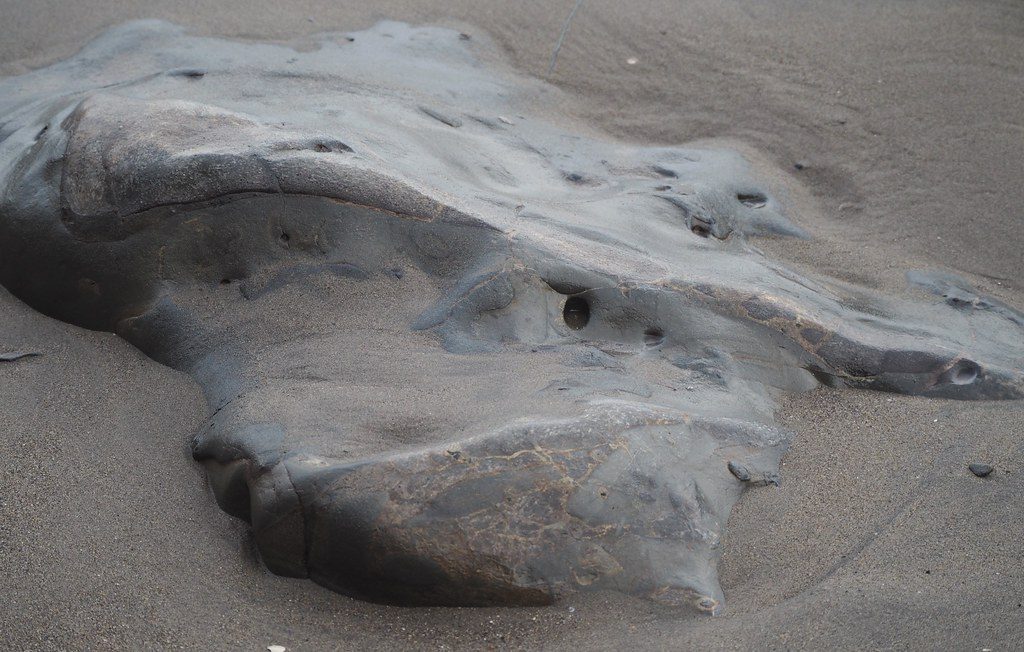
The fossil was discovered by geologist Ru Smith of the Yorkshire Geological Society during a reconnaissance walk before a planned field trip. While splitting open a piece of shale, he found part of the skull of a prehistoric coelacanth, an ancient lobe-finned fish.
Experts later confirmed that the fossil is about 320 million years old. It is now considered the oldest known coelacanth fossil ever discovered in Yorkshire and has been donated to Leeds Museums and Galleries for preservation.
The park looked very different long ago
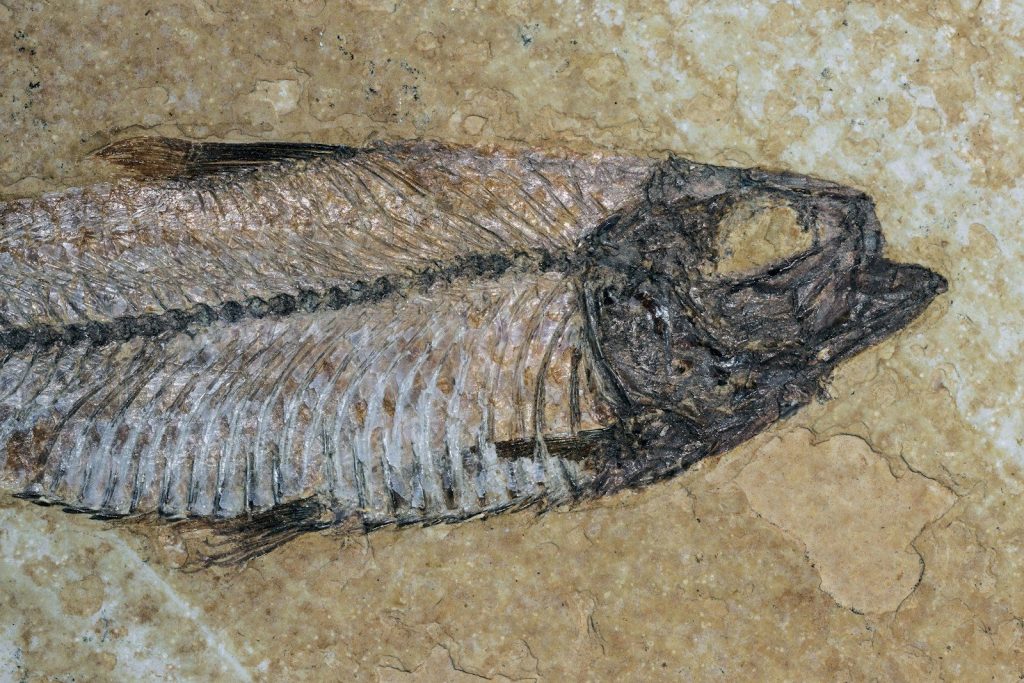
Today, Roundhay Park is one of Leeds’ most popular green spaces. However, about 320 million years ago, the area was located near the Equator and covered by the warm waters of a tropical lagoon.
The fossil formed during the Carboniferous Period, long before the dinosaurs appeared. At that time, giant insects, early amphibians, and many ancient fish species lived in and around these warm wetlands.
Why the fossil matters
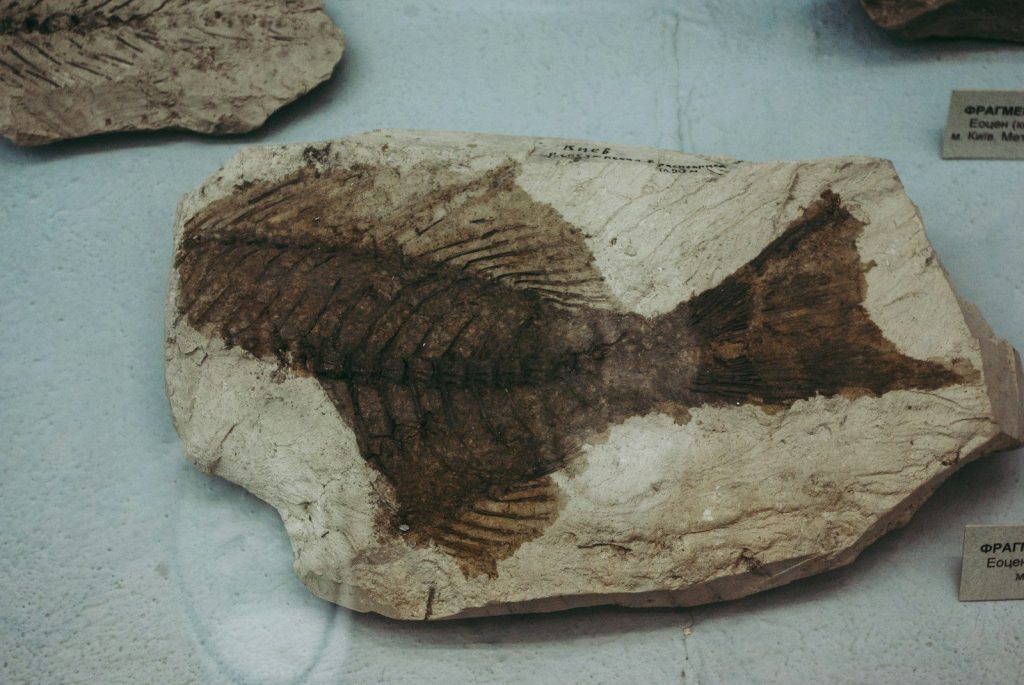
The skull bone belongs to a coelacanth, a group of fish often called “living fossils.” Scientists once believed coelacanths became extinct with the dinosaurs until a living specimen was discovered off the coast of South Africa in 1938.
Finding such an old fossil helps researchers better understand how these unusual fish evolved. Because the Leeds specimen is older than other Yorkshire discoveries, it fills an important gap in the region’s fossil record.
Experts carefully studied the discovery

After the fossil was found, specialists examined its shape and bone structure before confirming its identity. The exact location where it was uncovered has not been shared publicly to help protect the site and support future scientific research.
The fossil has been added to the natural sciences collection at Leeds Discovery Centre. Visitors will be able to learn about the discovery and see how prehistoric life once existed beneath what is now a city park.
Fossils help reveal Earth’s history
Every fossil provides clues about ancient environments, climate, and the animals that once lived there. By studying rocks and fossils together, scientists can recreate ecosystems that disappeared millions of years ago.
The Leeds discovery shows that ordinary places can hold extraordinary secrets beneath the ground. Even city parks can preserve evidence of life from a world that looked completely different from today.
A discovery that inspires curiosity

The coelacanth fossil reminds people that science often begins with careful observation and patience. A single rock split open at the right moment revealed an animal that swam through ancient waters hundreds of millions of years ago.
Researchers hope discoveries like this encourage more people to learn about geology, fossils, and Earth’s history. Responsible fossil collecting and scientific study continue to uncover new pieces of our planet’s remarkable story.
Leave a Reply