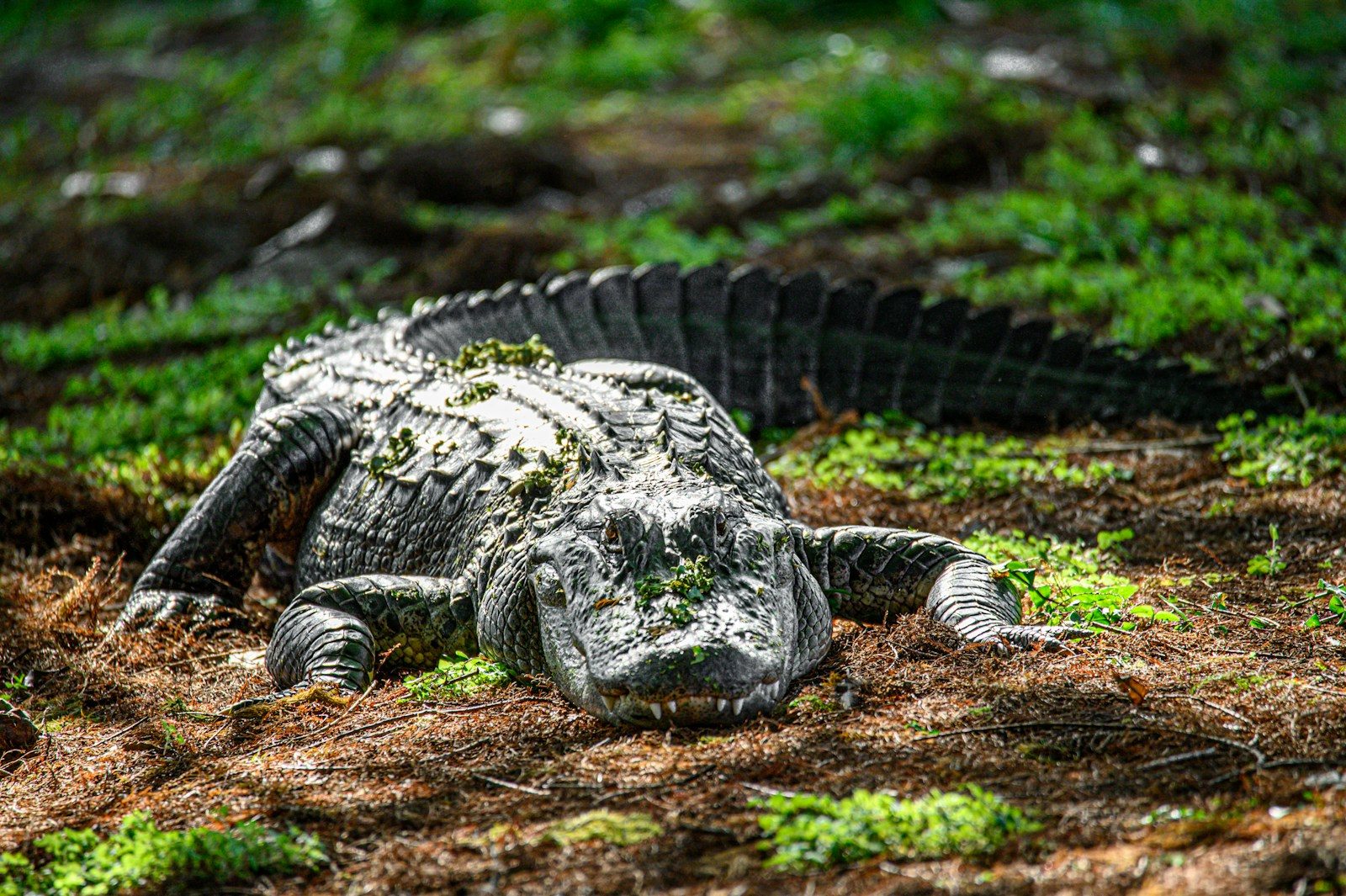
A quiet morning quickly turned into an unforgettable wildlife encounter when a Florida family received a Ring camera alert showing an unexpected visitor in their backyard. A 9-foot alligator had crashed through the screened pool enclosure and was calmly swimming in the family’s pool.
Wildlife officers later removed the reptile safely, reminding residents that alligator encounters become more common during the warmer months.
An unexpected backyard guest
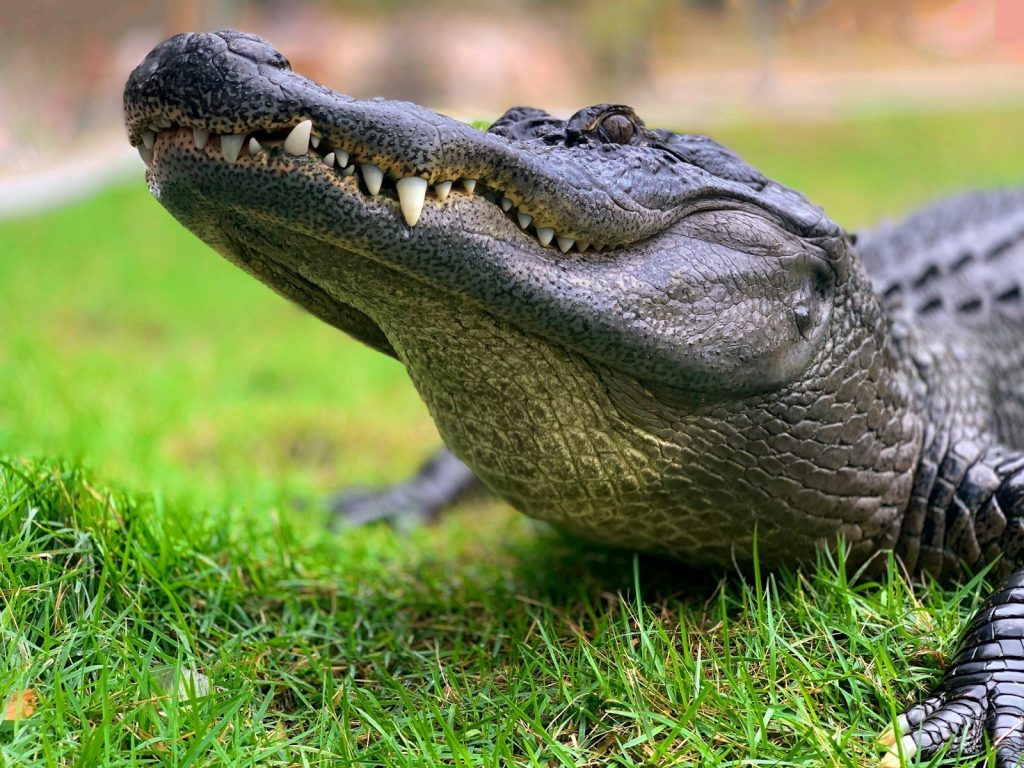
The family discovered the alligator after reviewing footage from their home security camera. The large reptile had broken through the pool enclosure before entering the water, where it remained until wildlife officials arrived.
Fortunately, no one was injured during the incident.
Why do alligators enter swimming pools?
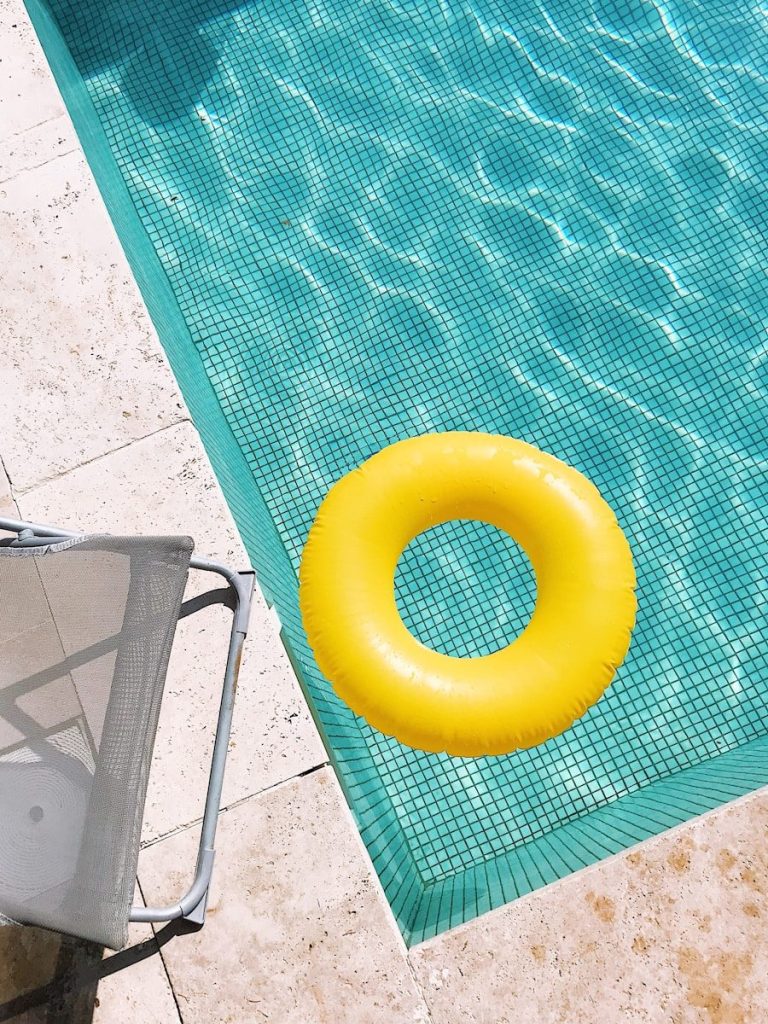
Swimming pools can attract alligators because they resemble natural bodies of water. During mating and nesting season, alligators often travel longer distances in search of territory, mates, or suitable habitat.
As they move through neighborhoods, they may accidentally enter fenced yards or pools.
How wildlife officers handled the situation
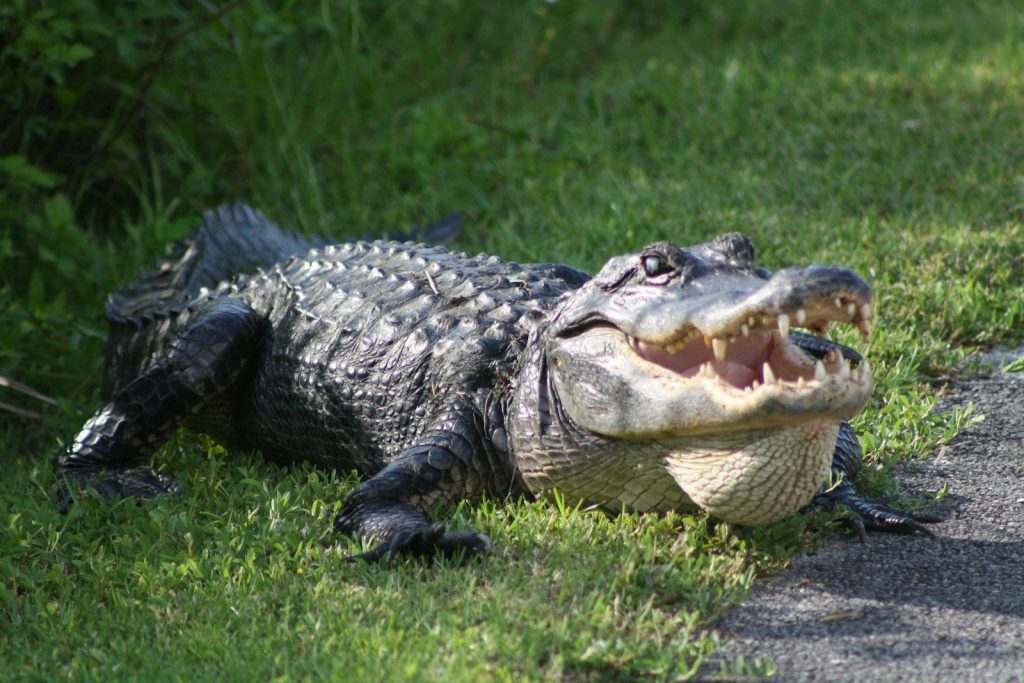
Licensed nuisance alligator trappers safely captured and removed the reptile after it was reported. Florida relies on trained professionals to respond to alligator-related incidents in residential areas.
Residents are strongly advised not to approach or attempt to remove an alligator themselves.
Living alongside alligators
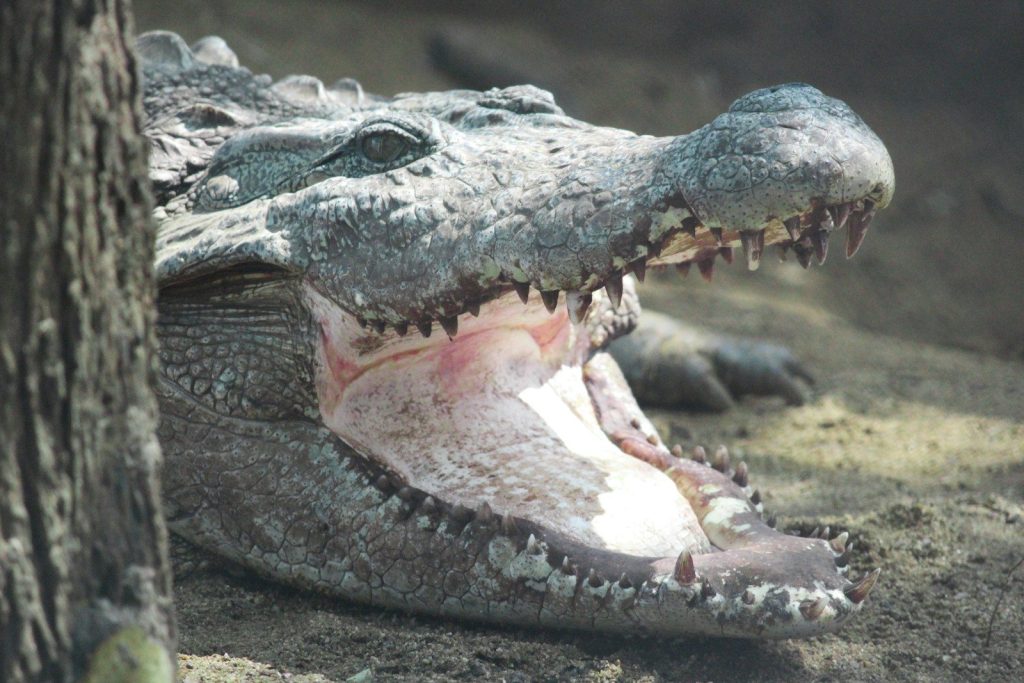
American alligators are native to Florida and play an important role in wetland ecosystems. They help maintain healthy habitats by creating water-filled depressions, known as “alligator holes,” that provide refuge for many other species during dry periods.
Most alligators avoid people unless they are threatened or become accustomed to human food.
Staying safe around backyard wildlife
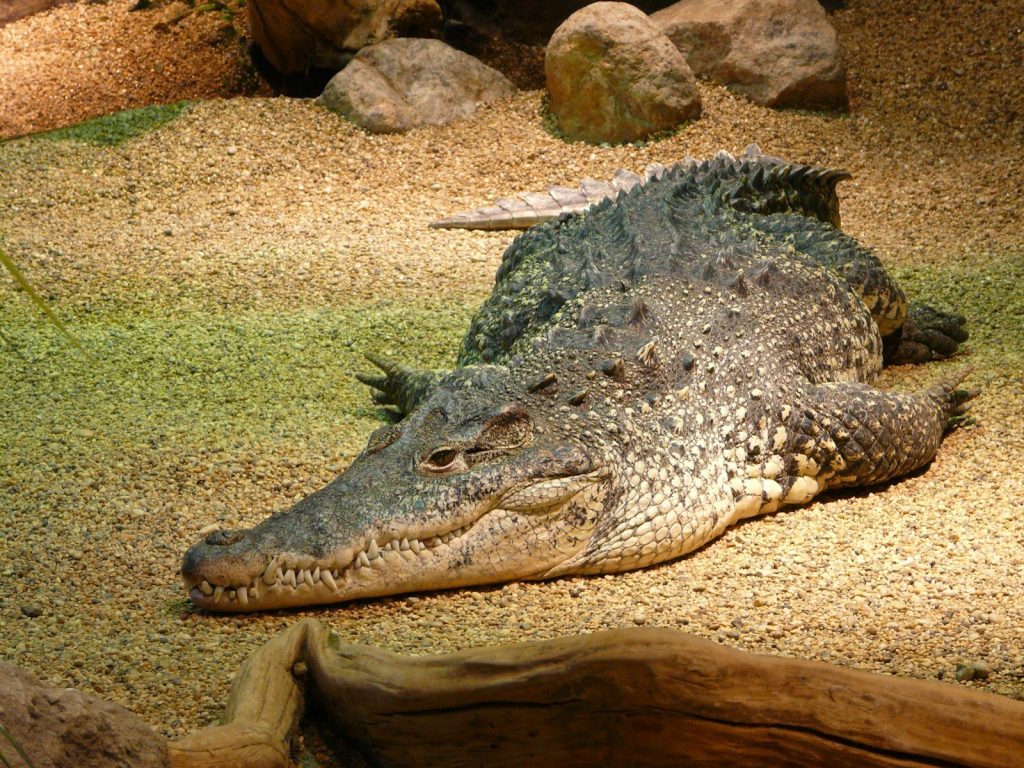
Wildlife experts recommend keeping a safe distance from alligators, supervising children and pets near water, and never feeding wild alligators. Feeding can cause them to lose their natural fear of humans, increasing the risk of dangerous encounters.
If an alligator appears in a residential area, it should be reported to local wildlife authorities rather than handled by homeowners.
Why do these encounters increase each year?
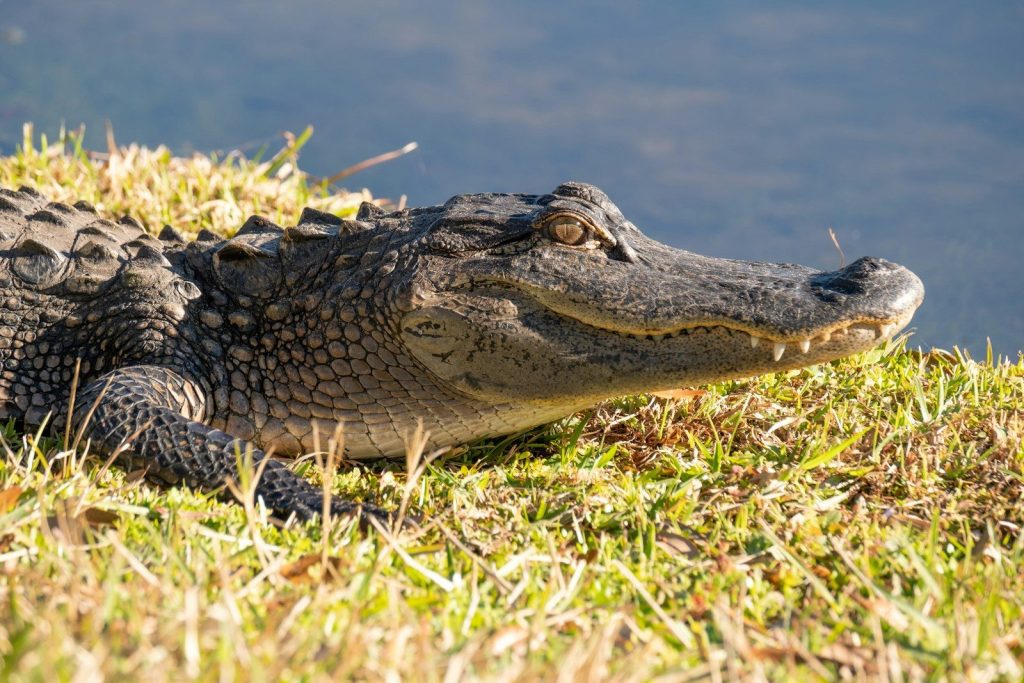
Florida’s growing population continues to expand into areas that overlap with natural wetlands. As neighborhoods develop near lakes, ponds, and canals, encounters between people and alligators become more frequent.
Most of these situations end safely when residents report the animal promptly and allow trained professionals to manage the response.
Leave a Reply