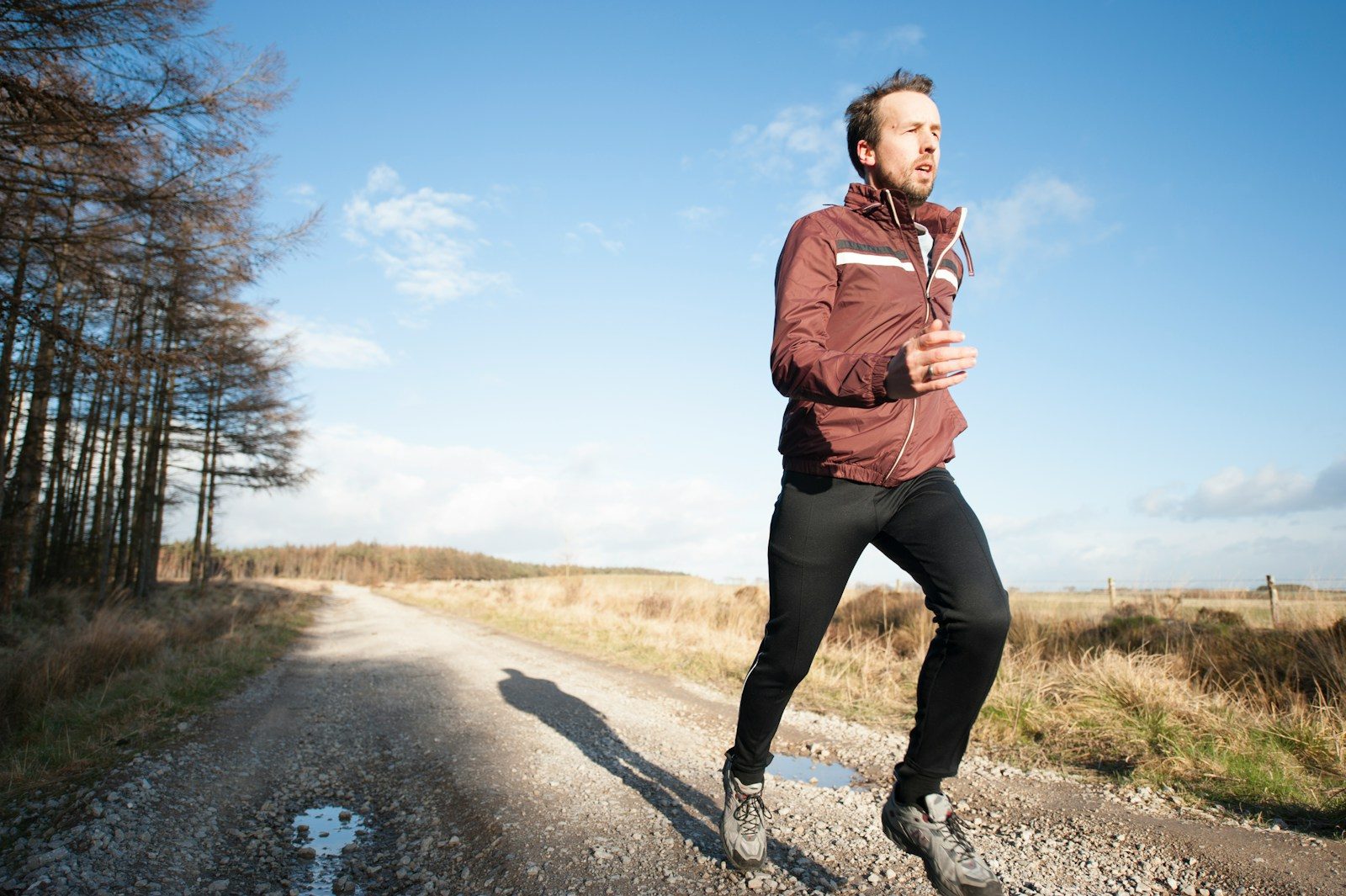
A solo trail run near Anchorage suddenly became a dangerous wildlife encounter when a woman came across a brown bear. The Alaska runner bear attack happened on August 13, 2026, on the Wolverine Bowl trail near the Prospect Heights trailhead. The woman was injured during the encounter but managed to deploy the bear spray she was carrying and make her own way back to the trailhead.
She was later taken to a local hospital for treatment. Wildlife officials searched the area afterward but did not find a bear. The incident has brought fresh attention to the challenges of sharing Anchorage’s trails with large wildlife, especially during summer when thick plants can make animals difficult to see until they are close.
The runner encountered a brown bear alone
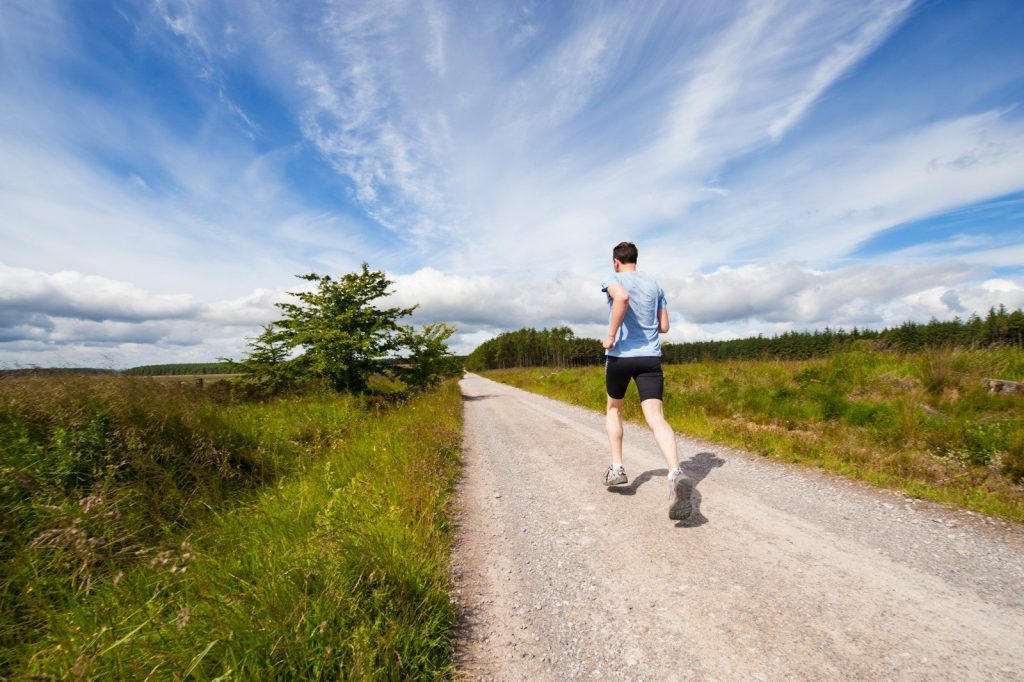
The woman was trail running alone on the Wolverine Bowl trail when she encountered the brown bear. The incident happened near the Prospect Heights trailhead in Anchorage, an area where developed neighborhoods sit close to large stretches of natural habitat. Alaska officials did not provide the woman’s name in their initial announcement. They also did not explain exactly how close she was to the animal when the encounter began or what the bear was doing immediately beforehand. Those missing details matter because they make it impossible to say exactly what caused the bear to react.
What officials did confirm is that the woman was injured during the encounter. She was carrying bear spray and managed to deploy it before getting herself back to the trailhead. She was then transported to a local hospital for treatment. Initial reports did not clearly state how severe her injuries were, so describing them as minor or serious would go beyond the available information. The important confirmed outcome is that she escaped the encounter, reached the trailhead, and received medical care after facing a brown bear while running alone.
Wildlife biologists searched the attack site
The Alaska Department of Fish and Game responded after learning about the encounter. Wildlife biologists interviewed the injured runner and traveled to the location where the attack had taken place. They searched for the bear and looked for other signs that could help them understand what happened. Samples were also collected from the area. However, the team did not locate any bears during its search, leaving officials without an animal at the scene to examine or observe.
That means several questions about the encounter remained unanswered in the first reports. Officials did not announce whether the bear was male or female, whether cubs were nearby, or whether food had attracted it to the area. There was also no confirmation that the bear remained close to the trail after the attack. Rather than guessing, wildlife officials focused on warning people about the encounter and gathering evidence. They also asked the public to report brown bears in Anchorage and to report wild animals showing unusual or aggressive behavior so officials could respond when necessary.
Thick summer plants can hide nearby bears
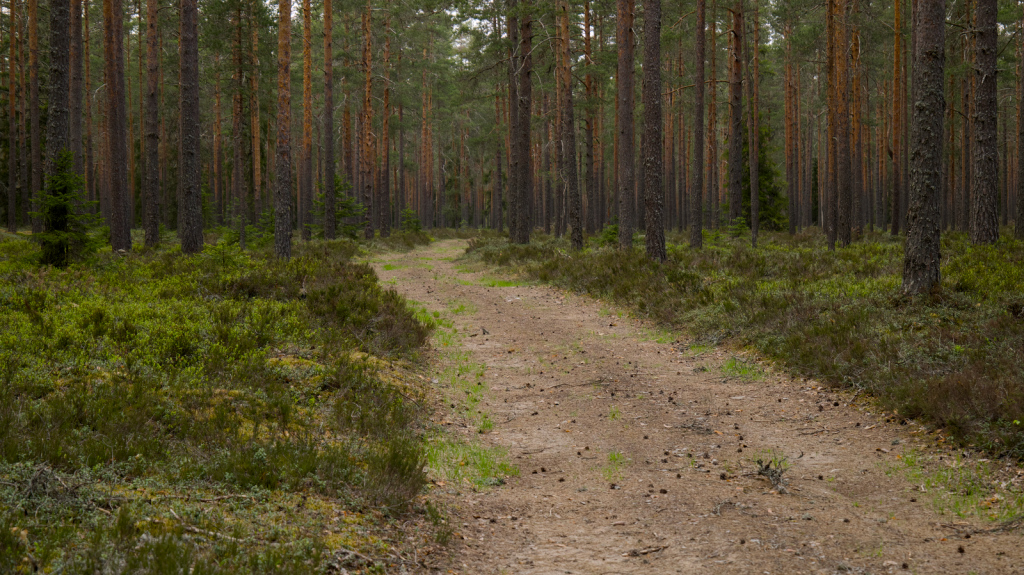
Summer conditions can make wildlife encounters harder to avoid. Alaska officials specifically warned that thick and dense summer foliage can block a person’s view along a trail. A bear may be close without a runner or hiker realizing it. The same problem can work in both directions because an animal may also have little warning that a person is approaching. That creates the possibility of a sudden meeting at close range, even when neither the person nor the animal was deliberately moving toward the other.
The department said people should pay attention to visibility when choosing routes in bear country. Officials also pointed to places that can naturally attract bears, including streams where salmon are present. The Wolverine Bowl encounter shows why awareness becomes especially important when vegetation is thick. A person moving quickly along a trail may cover ground faster than someone walking, while plants can hide what is ahead. The department posted warning signs near the Prospect Heights trailhead following the attack and advised people to respect any trail closures in the area.
Officials warned against running from a bear

The Alaska Department of Fish and Game provided general safety information after the attack. Officials explained that a surprised bear can react defensively, particularly in situations involving cubs or a food source. A bear that feels threatened may show clear signs of agitation before or during an encounter. The department stressed the importance of remaining calm and avoiding sudden behavior that could make the situation worse. It also specifically warned people not to run from a bear during an encounter.
The department encouraged people traveling through bear country to remain aware of their surroundings and avoid surprising wildlife whenever possible. Groups can make their presence easier for animals to notice, while pets should remain controlled around wildlife. The agency also encouraged people to make their presence known on trails and never deliberately approach a bear. These precautions cannot remove every risk because wildlife encounters can happen suddenly. However, the advice is designed to reduce the chances that an unexpected meeting with a bear will become a dangerous confrontation.
Another Anchorage bear encounter happened in July
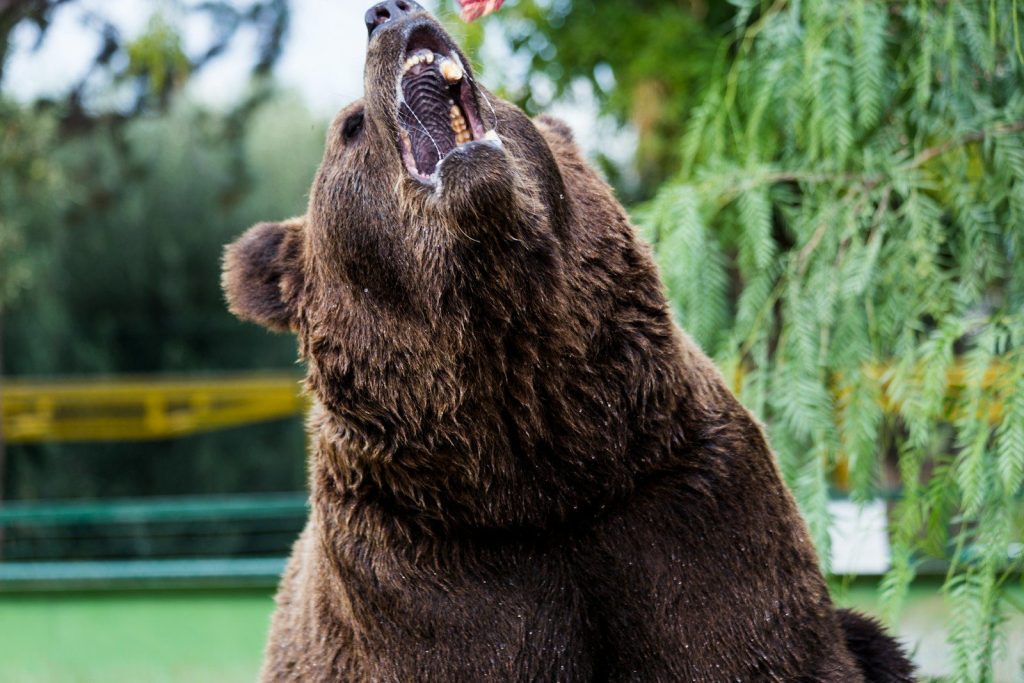
The Wolverine Bowl attack was not the only recent Anchorage bear incident. Less than a month earlier, another woman was injured during a bear encounter in the Bear Valley area of south Anchorage. She had been walking with a friend and 3 dogs on an unofficial trail near Chugach State Park when a bear emerged from thick vegetation. Officials said the trail was heavily overgrown, which reduced visibility and increased the chance of unexpectedly encountering wildlife.
In that July incident, the bear made brief contact with one of the hikers before leaving. The injured woman was reported to have suffered injuries that were not considered life-threatening and was expected to recover. That case and the August Wolverine Bowl encounter were separate events and should not be presented as attacks by the same animal. However, both areas with thick vegetation are around Anchorage. Together, they show how quickly people using trails near the city can find themselves sharing a small space with large wildlife that may have been hidden only moments earlier.
Warning signs now remind trail users of the risk
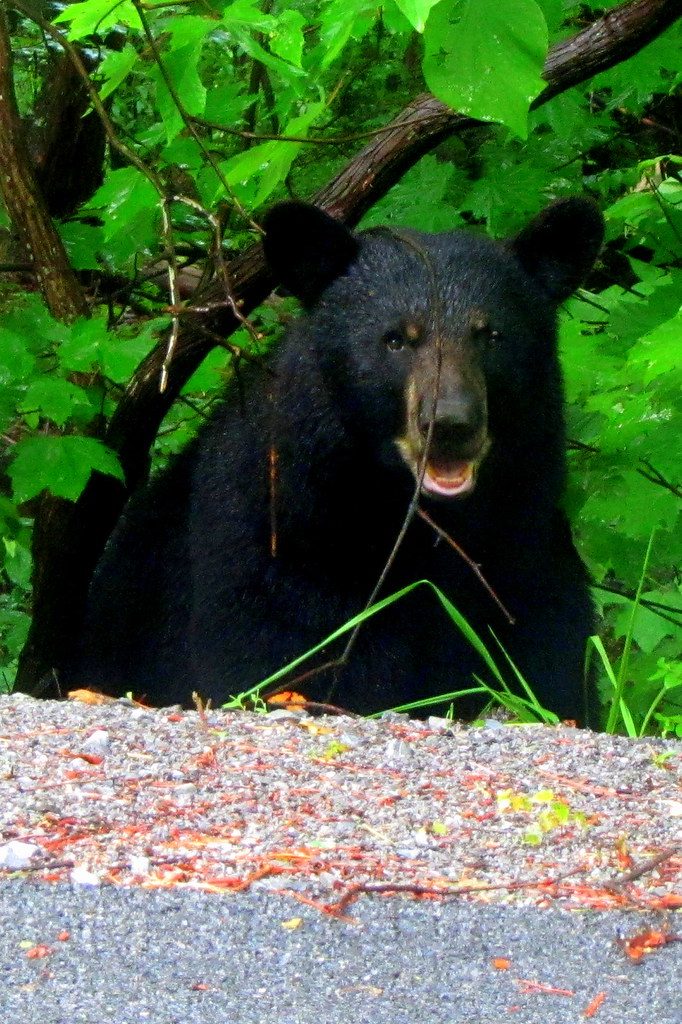
After the Wolverine Bowl attack, wildlife officials placed warning signs around the Prospect Heights trailhead. The signs were intended to make people aware of the recent encounter and the possible presence of bears. Officials also told hikers to stay away from trails that had been closed. The response did not mean officials had confirmed that the same bear was waiting near the trail. In fact, biologists searched the area and did not locate a bear. The warnings were a precaution following a confirmed attack.
The incident also shows why wildlife awareness matters even close to a major Alaska city. The woman had been doing something ordinary, running on a trail, when the encounter suddenly became dangerous. She was able to make it back to the trailhead and receive treatment, but the attack shows how little warning a wildlife encounter may provide. Officials continue to rely on reports from the public when bears or other wild animals behave unusually. For trail users, the larger lesson is simple. Natural areas around Anchorage remain wildlife habitat, even when a trail begins close to homes and city streets.
Featured Image: Photo by Jenny Hill on Unsplash
Leave a Reply