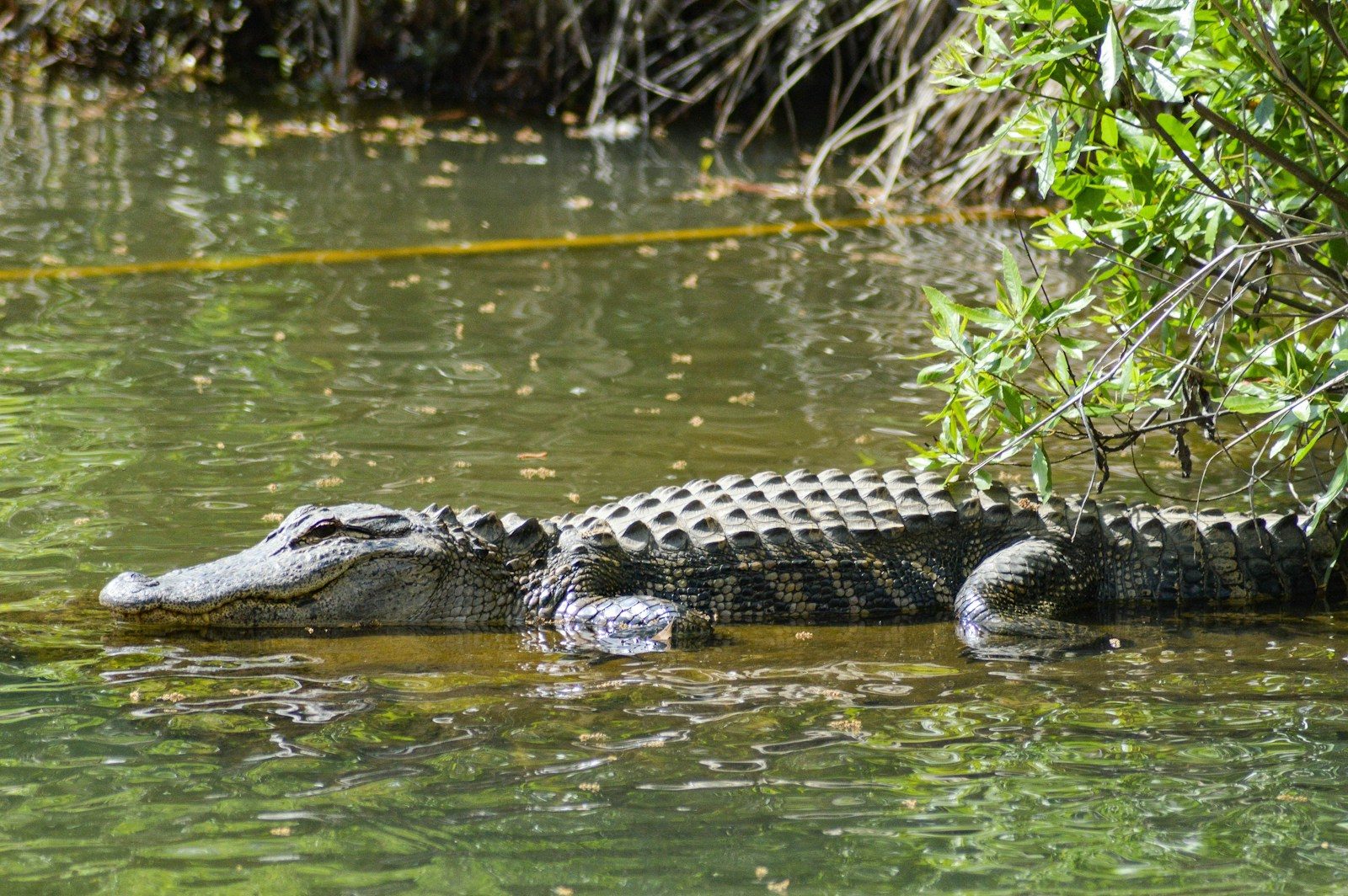
Imagine going outside for a normal walk and suddenly seeing an alligator moving in your direction. That happened to Cristina while she was outside her apartment complex in Tampa, Florida. Her Tampa alligator encounter actually started with a much calmer animal. She noticed a large turtle walking along the sidewalk and pulled out her phone to record it. Then she spotted an alligator nearby.
Cristina kept filming as the reptile walked toward her, creating a tense moment that quickly attracted attention online. Fortunately, the alligator eventually changed direction and headed toward a nearby pond. The encounter offers a useful reminder about how people should behave when they unexpectedly find themselves close to an alligator.
A turtle first caught Cristina’s attention
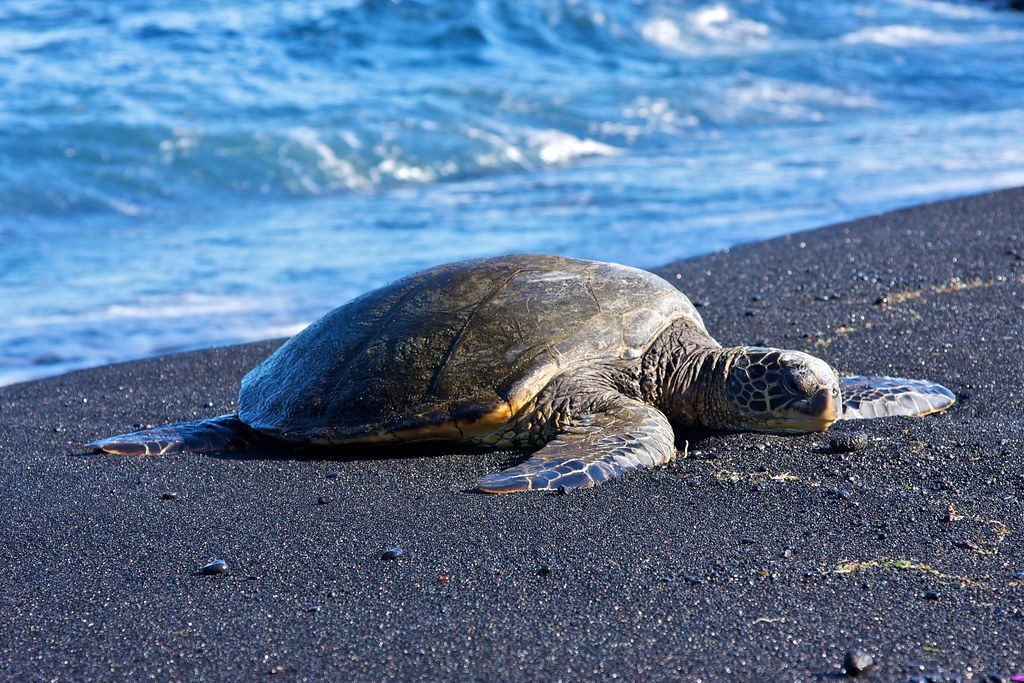
Cristina was walking outside her Tampa apartment complex when she noticed something unusual on the sidewalk. A large turtle was casually making its way along the path. The sight was interesting enough that Cristina took out her phone and began recording. At that point, there was little reason to expect that another much larger reptile would soon become the main subject of her video.
While filming the turtle, Cristina noticed an alligator. It was also moving across the developed area rather than remaining beside the water. More importantly, it appeared to be walking in her general direction. Cristina continued recording as she reacted to what she was seeing. A simple turtle sighting had suddenly turned into a close encounter with one of Florida’s most recognizable wild animals.
The alligator started walking toward her
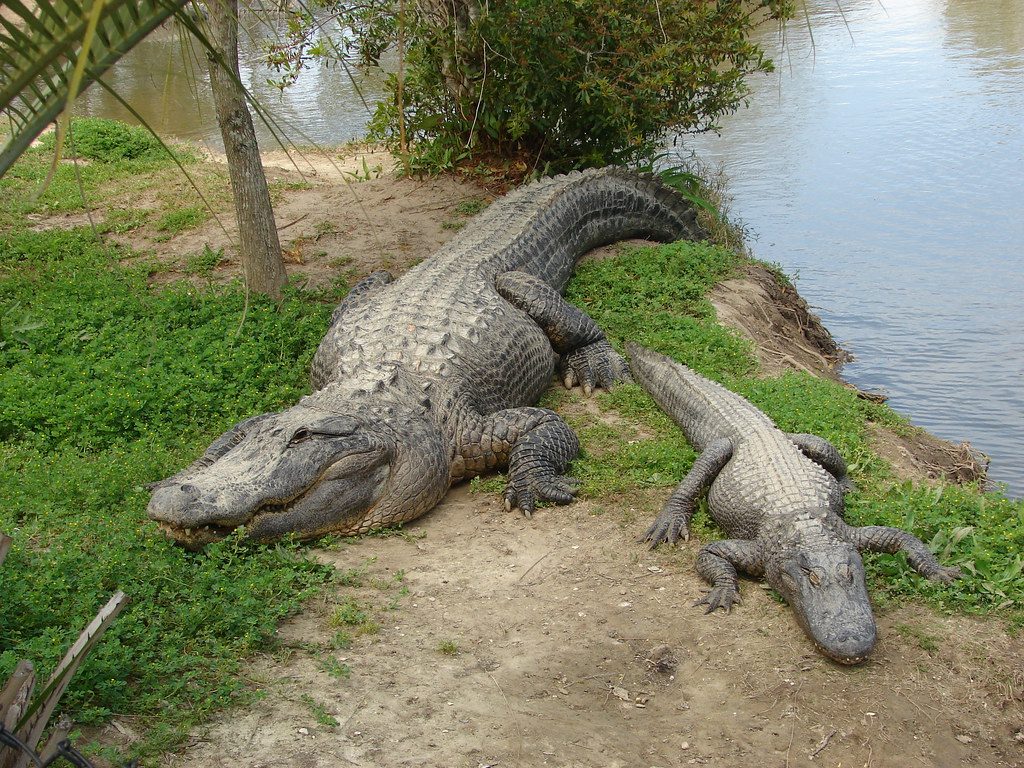
As the alligator continued moving, Cristina became increasingly concerned because its path was bringing it closer to where she stood. Her reaction captured the surprise of seeing such a large reptile walking through an area used by people. She nevertheless kept her phone recording, documenting the animal as it crossed the area.
It is important not to assume that the alligator was hunting Cristina or deliberately trying to attack her. The video description only shows that the animal moved in her direction for a period of time. Its later behavior provides an important clue about where it may have been heading. Instead of continuing toward Cristina, the alligator eventually changed direction and walked toward a nearby pond.
The alligator eventually headed for water
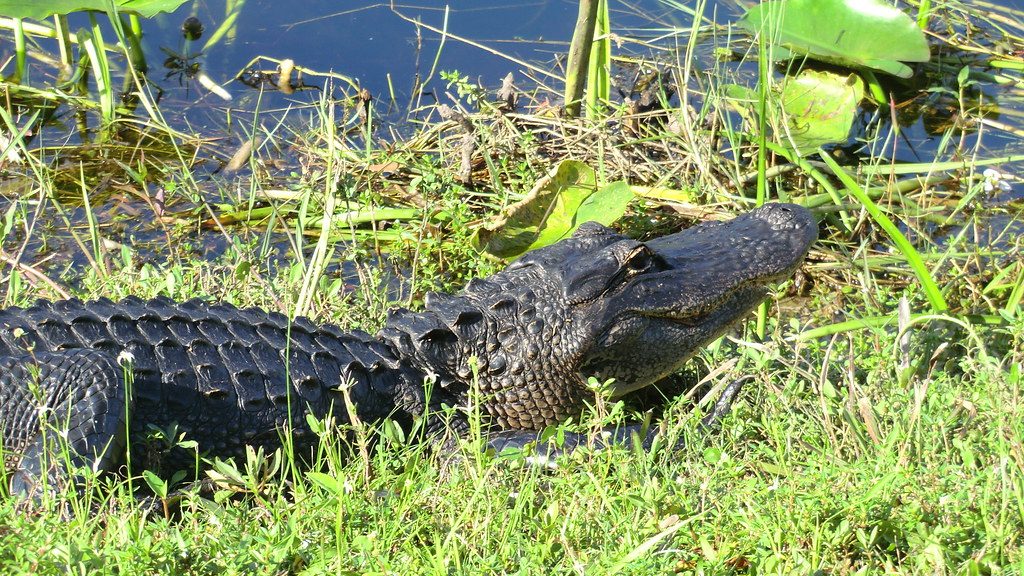
The most important moment came when the alligator stopped moving toward Cristina and turned away. It headed toward a nearby pond, increasing the distance between itself and the woman. Cristina’s reaction showed clear relief as she realized the animal was no longer approaching her. The encounter ended without any reported physical contact between Cristina and the alligator.
That outcome also shows why observing an animal’s direction does not always reveal its intention. An alligator crossing a sidewalk may simply be moving between areas of habitat. Florida has alligators throughout the state, and they inhabit ponds, lakes, rivers, swamps, and other wetlands. The Florida Fish and Wildlife Conservation Commission says alligators occur in all 67 Florida counties. Seeing one around developed areas is therefore possible, particularly when water is nearby.
Florida has about 1.3 million alligators
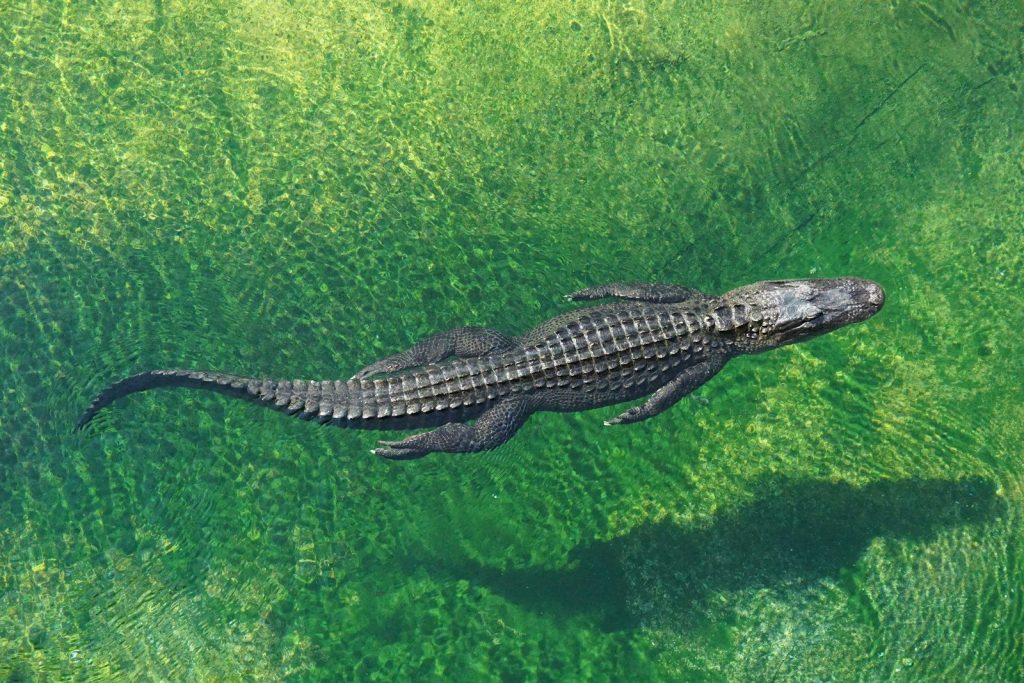
Florida has a large and stable American alligator population. The Florida Fish and Wildlife Conservation Commission estimates that the state has about 1.3 million alligators of every size. They can be found in all 67 counties and live in wetlands where they have suitable food and shelter. That makes occasional encounters between people and alligators an expected part of living around Florida waterways.
That does not mean people should become casual about approaching them. FWC advises anyone who sees an alligator to maintain a safe distance. People should also never feed one because feeding can cause alligators to lose their natural wariness of humans and begin connecting people with food. Florida officials say serious injuries from alligators are rare, but the possibility of conflict still exists when humans and large wild animals share the same environment.
Running in zigzags is a common myth
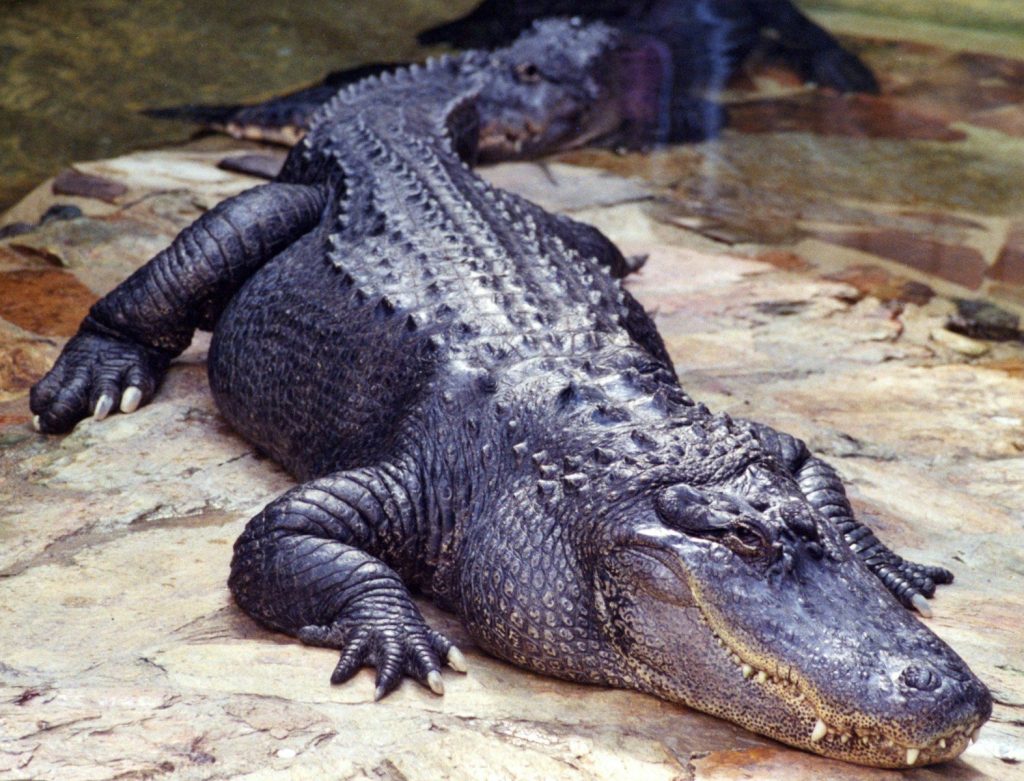
One of the most persistent pieces of alligator advice says that a person should run in a zigzag pattern if an alligator gives chase. That advice sounds convincing because alligators have large bodies and short legs, but it is not recommended. University of Florida wildlife specialists specifically identify the zigzag idea as a myth. Zigzagging makes a person cover more ground instead of creating distance as efficiently as possible.
Fortunately, an alligator chasing a person across land without being provoked is considered extremely unusual. University of Florida guidance says that if the rare situation of an aggressive charge does happen, a person should move quickly and directly away rather than trying to weave from side to side. More commonly, someone who spots an alligator has an opportunity to simply keep plenty of distance and avoid approaching or disturbing it.
Keeping your distance is the safest response
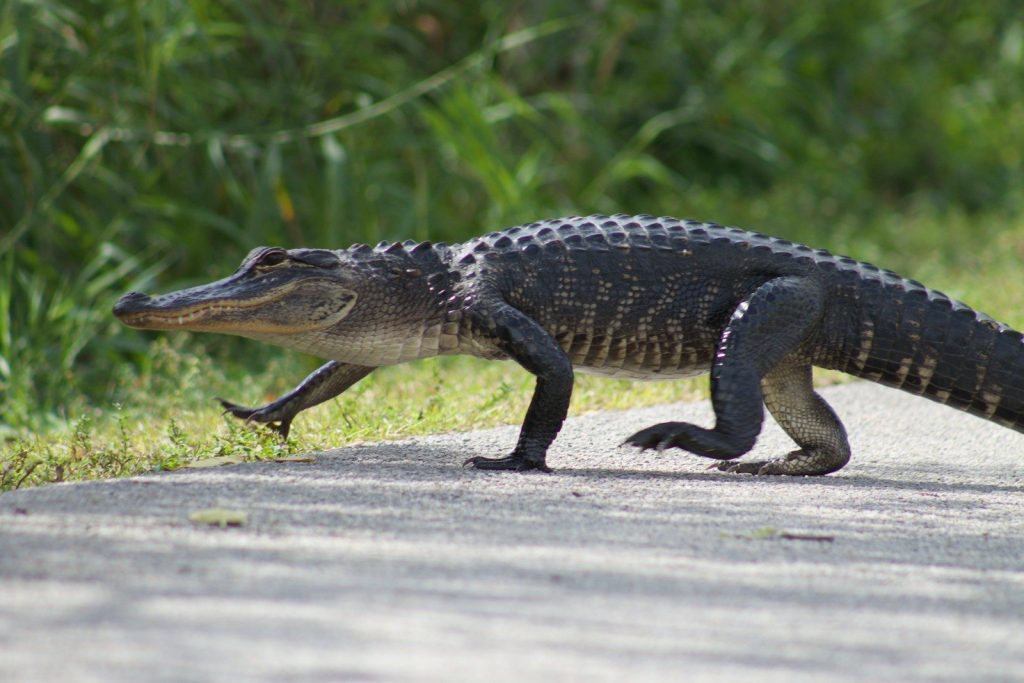
Cristina’s video may be entertaining to viewers, but the safest wildlife encounter is one that remains at a distance. FWC recommends keeping away from alligators and never feeding them. People should also keep pets leashed and away from the water’s edge because pets can resemble animals that alligators naturally hunt. Swimming should be limited to designated areas during daylight hours because alligators are most active between dusk and dawn.
Anyone concerned about an alligator that appears to threaten people, pets, or property can report the situation to Florida wildlife officials. The state operates a nuisance alligator program designed to respond to possible threats in developed areas. Cristina’s encounter ultimately ended without an attack when the animal turned toward the pond. Her unexpected walk still demonstrates why people living around Florida waterways should remain aware of their surroundings and give wild alligators the space they need.
Featured Image: Photo by Matthew Essman on Unsplash
Leave a Reply