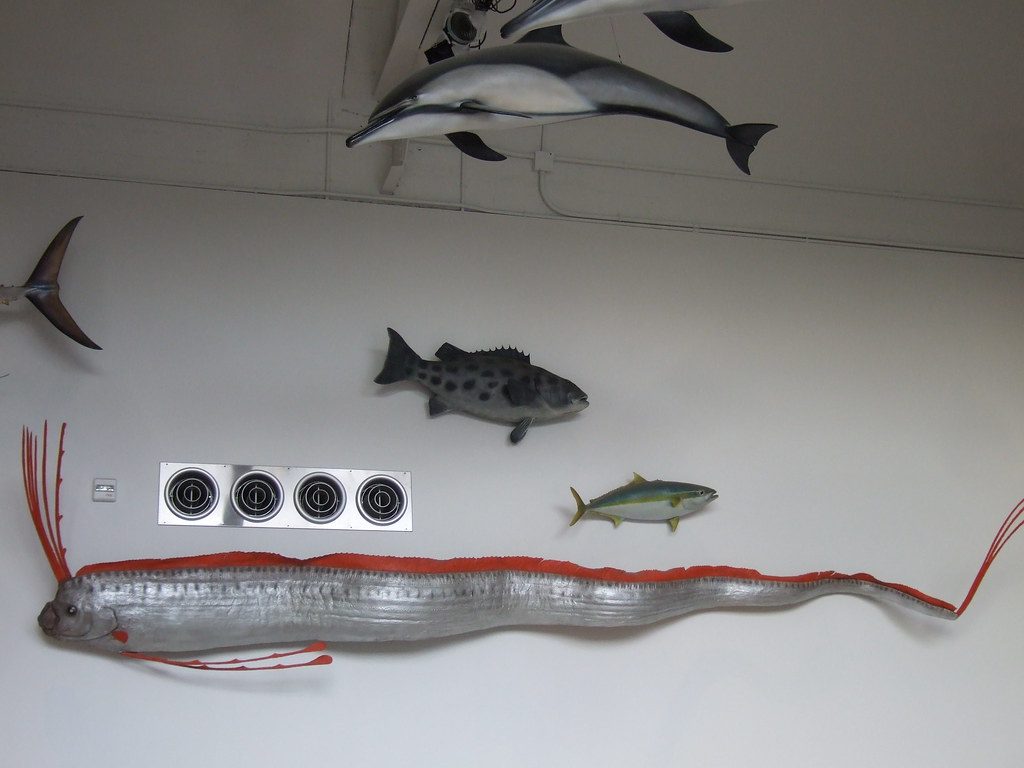
Imagine heading out to sea, hoping to find dolphins or whales, and instead meeting one of the ocean’s strangest giants. Expedition leader Isabelle Nelson Morales experienced exactly that when her group spotted a giant oarfish at the ocean surface. The long silver animal was swimming near their boat, far from the deep water where oarfish normally spend their lives.
Nelson Morales had never seen one before and initially had no idea what she was looking at. The animal continued swimming around the area and sometimes moved toward deeper water before returning. Eventually, the group entered the water and observed it from a respectful distance. The encounter gave them an unusual look at a deep-sea fish rarely seen alive near the surface.
A strange silver shape appears in the water
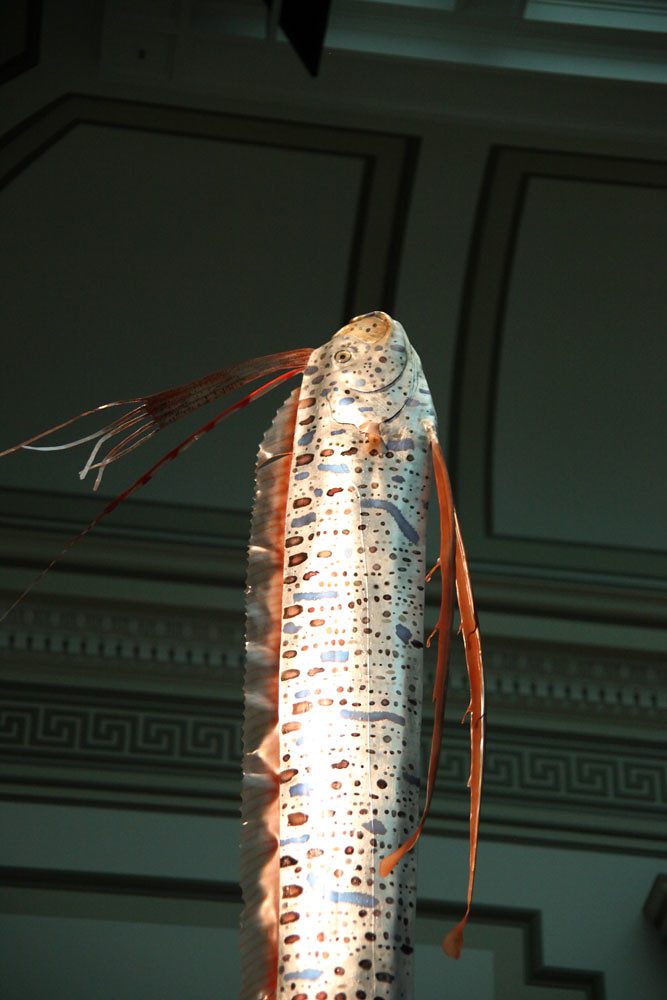
Nelson Morales had set out on an ocean safari expecting the kinds of large marine animals her group normally encountered. Dolphins, whales, and sharks would not have been surprising. Near the end of the trip, however, she noticed something very different. A huge shiny shape was moving through the water, and its extremely long body immediately caught her attention. She told The Dodo that she had no idea what the animal was when she first saw it.
The boat captain eventually identified the strange visitor as an oarfish. Instead of quickly disappearing, the fish remained visible and gave the passengers time to watch it. According to Nelson Morales, it swam in circles and sometimes dipped into deeper water before returning to the surface. That behavior made an already unusual sighting even more memorable because the group was able to observe the animal for longer than a brief glimpse.
The oarfish keeps returning to the surface

Seeing an oarfish close to the surface is unusual because these animals normally spend their lives much deeper in the ocean. Their normal habitat keeps them away from most swimmers, boaters, and divers. As a result, people are much more familiar with photographs of stranded or dead oarfish than with encounters with living animals swimming freely in the sea.
That made the behavior described by Nelson Morales especially interesting. The oarfish did not simply appear once and vanish into deeper water. It remained around the area, swimming in circles and moving between different depths. Once the group believed the animal appeared calm, they entered the water to get a better look while maintaining some distance. Nelson Morales said the fish repeatedly moved toward them, causing the swimmers to move out of its path.
Oarfish can grow to extraordinary lengths

After returning to shore, Nelson Morales began researching the animal she had just encountered. One fact stood out immediately. Giant oarfish are recognized as the longest living bony fish. Their narrow bodies can reach remarkable lengths while maintaining the ribbonlike shape that makes them look unlike most familiar fish.
Nelson Morales estimated that the individual her group encountered measured somewhere between 13 and 16 feet long. That estimate was not an official scientific measurement, so it should be treated as her assessment of the animal rather than a confirmed length. Even at that size, however, the fish would not represent the maximum possible length for its kind. Oarfish can grow considerably longer, helping explain why unexpected encounters with them have inspired stories about enormous sea creatures.
The doomsday fish story is not supported
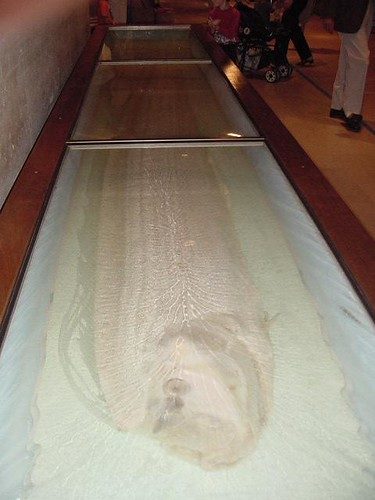
Oarfish have also gained a mysterious reputation because of stories linking their appearances with natural disasters. They are sometimes called “doomsday fish” in popular coverage because unusual deep-sea fish sightings have been associated with beliefs about coming earthquakes. The idea has become especially connected with Japan, where stories about unusual deep-sea animals have a long history.
Scientific evidence does not support using oarfish sightings to predict earthquakes. Researchers examined records of 336 deep-sea fish appearances between 1928 and 2011 and compared them with earthquake records. Only 1 case showed a possible relationship under the conditions studied. Researchers concluded that a useful connection between deep-sea fish appearances and earthquakes could hardly be found. Seeing an oarfish may therefore be exceptionally rare, but it is not a reliable warning that an earthquake or tsunami is coming.
Scientists rarely see them behaving at the surface

The depth at which oarfish normally live makes studying their natural behavior difficult. Scientists cannot observe them as easily as animals that regularly swim near beaches or spend time at the ocean surface. When oarfish do appear in shallow water or on beaches, they may already be in poor condition. That means even a sighting does not always provide researchers with a clear picture of how a healthy oarfish normally behaves.
Nelson Morales recognized how unusual her experience had been after learning more about the species. Her group had not simply found the body of a deep-sea fish on a beach. They watched a living oarfish moving through the water and were able to observe it from nearby. The supplied account says the fish appeared relatively calm as it circled, moved deeper, resurfaced, and sometimes approached the swimmers. Without a scientific examination, however, its health at the time cannot be determined with certainty.
The rare encounter changed how she saw oarfish
For Nelson Morales, learning about the folklore did not make the encounter frightening. She viewed seeing such an elusive animal as an extraordinary piece of luck. Rather than treating the oarfish as a warning of disaster, she saw the encounter as a sign that she had happened to be in the right place at an incredibly unusual moment.
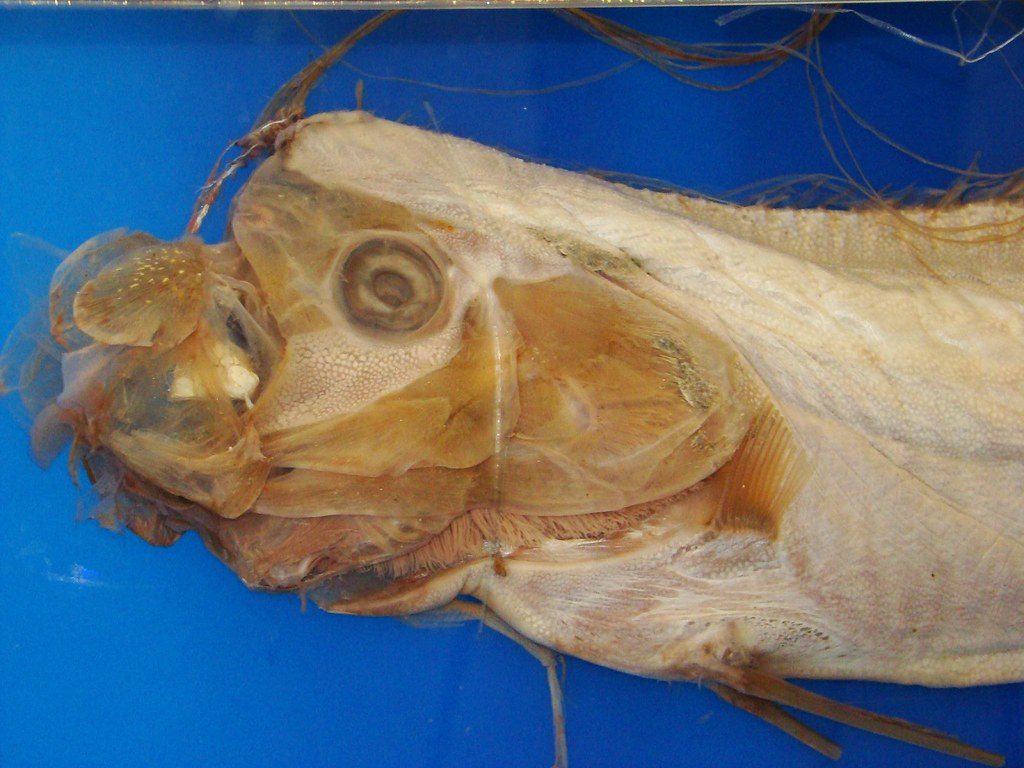
Its appearance also surprised the people on the boat. The animal had a long silver body, a distinctive crest, and elongated fins that gave it an unusual shape as it moved through the water. The encounter challenged the idea that an unfamiliar deep-sea creature must automatically look frightening. For Nelson Morales, it became one of the most memorable animals she had encountered at sea. The oarfish eventually disappeared, but the footage offered a rare look at an animal that normally lives far beyond the everyday reach of people.
Leave a Reply