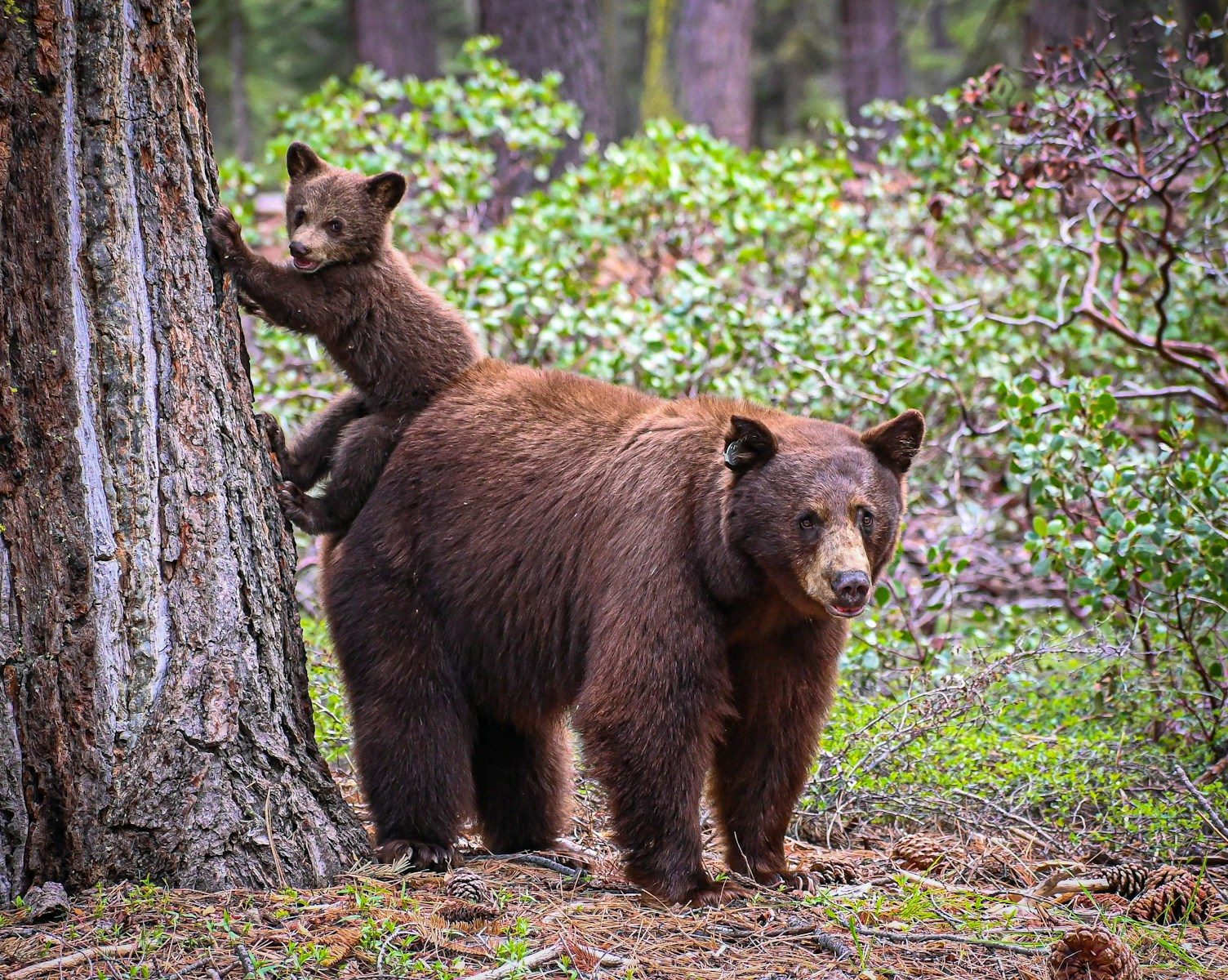
A bear killing in Alaska can quickly become a painful reminder of how fragile wildlife can be. The Alaska bear poaching case on Esther Island drew wide attention after a mother black bear and her two newborn cubs were illegally killed inside their den in April 2018. The case became especially troubling because a wildlife camera had recorded the shooting.
This article explains what happened, why the case shocked many people, how investigators found the evidence, and what happened to the men responsible. It also clears up an important detail: reports sometimes say three cubs, but the verified Esther Island case involved two cubs.
What happened on Esther Island

The killings happened on Esther Island in Prince William Sound, Alaska, in April 2018. Andrew Renner and his son, Owen Renner, traveled to the bear’s den while the mother was hibernating with her newborn cubs. The two men shot the mother and then killed both cubs inside the den.
The bears were part of a wildlife study. A motion-activated camera had been placed near the den by the Alaska Department of Fish and Game and the U.S. Forest Service. The camera recorded the incident, giving investigators strong evidence of what had happened.
The killing was illegal
The men were not legally allowed to kill the bears in this way. After the shooting, they removed the mother bear’s tracking collar and took parts of her body with them. They also returned to the area later, apparently trying to remove signs that could connect them to the killing.
The camera footage helped investigators piece together the events. The case showed why wildlife research cameras can be important, especially in remote places where crimes against animals may otherwise be hard to prove.
Why the case shocked Alaska
The case drew strong attention because the bears were killed while inside their den. The mother was not simply encountered in the wild during a normal hunt. She was resting with newborn cubs, which made the killing especially disturbing to many people.
The fact that the men later tried to hide evidence also added to the public concern. The case became an example of how illegal wildlife killings can harm more than individual animals. They can also damage public trust in hunting and wildlife management.
The video changed the investigation
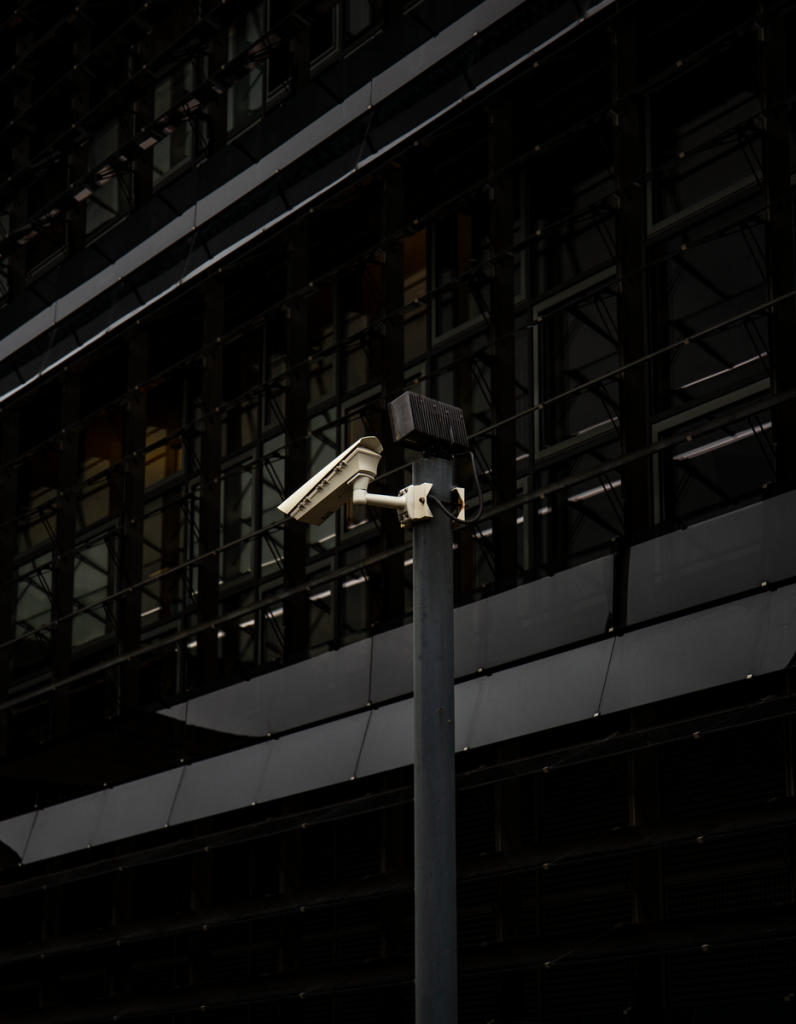
Without the hidden camera, proving exactly what happened could have been much harder. The footage showed the men approaching the den, shooting the mother, and killing the cubs. Investigators were able to use the recording along with other evidence gathered during the case.
The camera was part of a study, not a device placed there to watch for hunters. That made the discovery unusual. A tool meant to help scientists learn about bears also became key evidence in a criminal investigation.
What happened to the father and son

Andrew Renner and Owen Renner were later prosecuted for the illegal killing. Both were found guilty of wildlife offenses connected to the incident. The case resulted in jail time, fines, loss of hunting privileges and other penalties.
The case also showed that wildlife laws can carry serious consequences. Alaska depends on careful wildlife management, and illegal killings can undermine efforts to study and protect animal populations.
Why the case still matters

The Esther Island case remains a reminder that wild animals need protection even in places where hunting is part of local life. Alaska has large bear populations, and wildlife officials work to balance hunting, research, conservation and public safety.
It is also important to keep the facts straight. The verified Esther Island case involved one mother black bear and two newborn cubs, not three. Another Alaska case in Kodiak involved a mother brown bear with three cubs that was accidentally killed by hunters in 2015, but those three cubs survived and were later placed in new homes.
Featured Image: Photo by Cristina Glebova on Unsplash
Leave a Reply