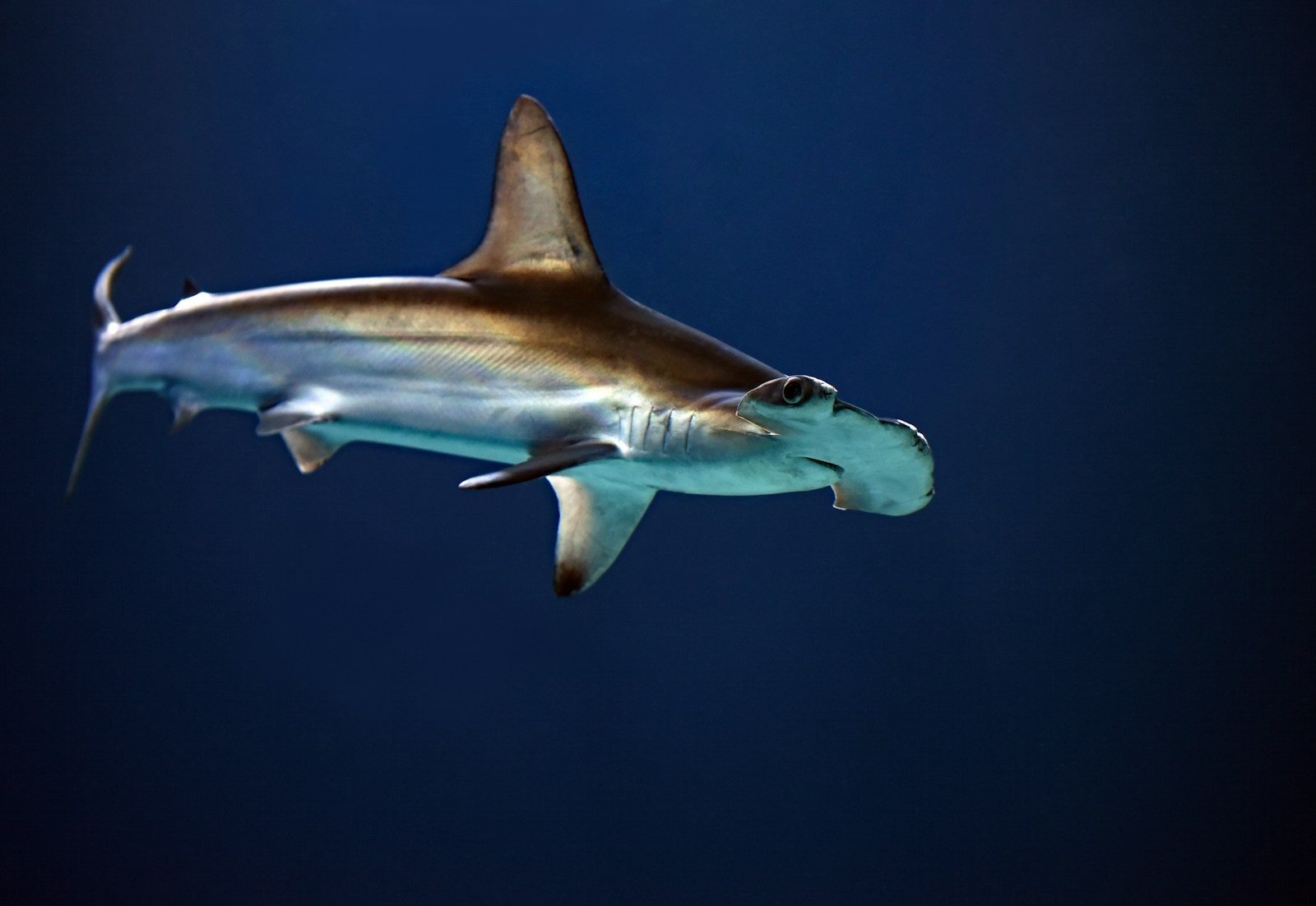
Seeing a shark near a busy California beach can quickly get people’s attention. The waters around Malibu Pier have seen both hammerhead and great white shark sightings over the years, including an eight-foot hammerhead that was spotted in 2015 and a large great white filmed beneath the pier in 2025. These encounters may sound alarming, but shark sightings are a normal part of life along the Southern California coast.
Here is what is known about the Malibu sightings, why sharks come close to shore, and what swimmers should understand about these animals.
An eight-foot hammerhead was spotted

In September 2015, an approximately eight-foot hammerhead shark was spotted near Malibu Pier. The shark first took a fisherman’s bait and broke free, then became hooked again on another fishing line a short time later.
Los Angeles County lifeguards went into the water to check the sighting and warned people nearby. Kayakers and paddleboarders left the water, while some surfers stayed. Lifeguards did not close the beach because officials said the shark did not appear to pose a threat.
A great white was filmed near the pier
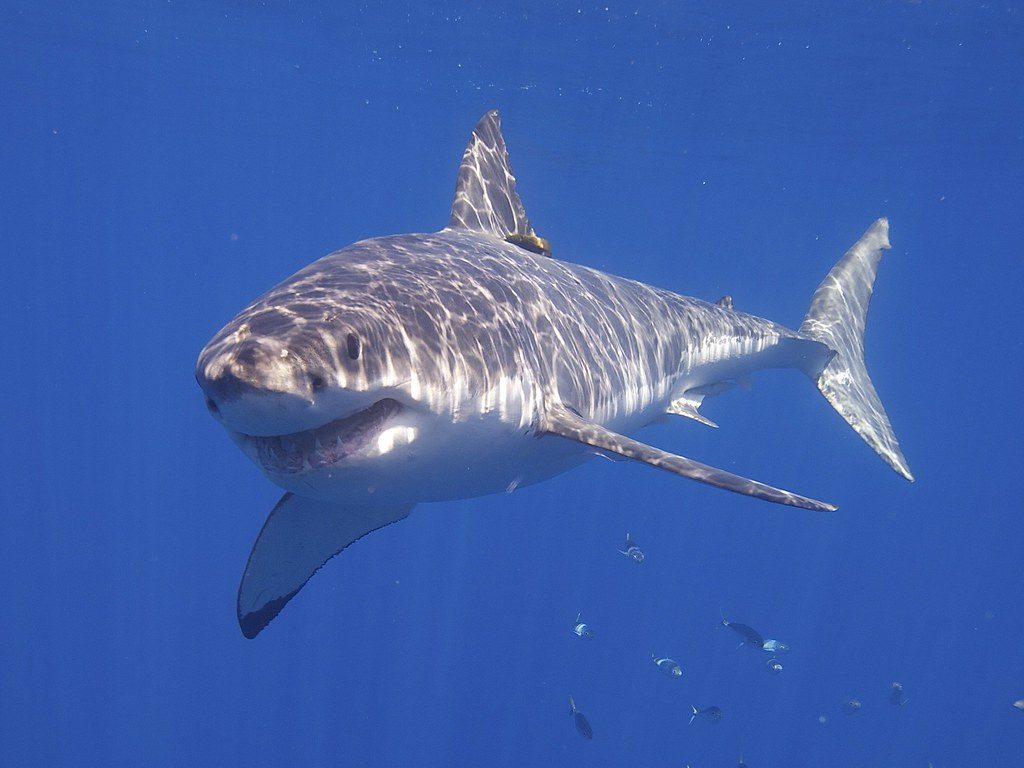
A separate sighting in 2025 involved a much larger great white shark. Video published in September showed a large shark swimming beneath and close to Malibu Pier, only a few hundred feet from the area where surfers gather.
The footage was shared by wildlife filmmaker Carlos Gauna, also known as The Malibu Artist. The sighting stood out because large adult great whites are less common close to shore than young great whites, which often use Southern California waters as a nursery.
Why sharks visit Southern California

Southern California waters provide food and shelter for many shark species. Young great white sharks, in particular, are often found in the region because they can feed on fish and stingrays while growing in relatively warm coastal water.
That does not mean every shark sighting signals danger. Sharks are part of the natural ocean environment, and their presence near beaches does not automatically mean that an attack is likely. Their movements can change with food, water conditions and other natural factors.
Hammerheads and great whites differ

Hammerhead sharks are easy to recognize because of their wide, hammer-shaped heads. Different hammerhead species live in warm and tropical waters around the world, and some can enter coastal areas.
Great white sharks have a very different body shape and are powerful predators that can grow much larger. Southern California is known for young great whites, while sightings of much larger adults near busy coastal areas are less common and can draw more attention.
What swimmers should know

A shark near a beach does not automatically mean the water is unsafe. Still, swimmers and surfers should take official warnings seriously and leave the water when lifeguards ask them to do so.
People should also avoid swimming near schools of fish, fishing activity or areas where marine animals are feeding. If someone sees a shark, the safest choice is to stay calm, keep the animal in sight when possible and slowly leave the water.
Why these sightings matter
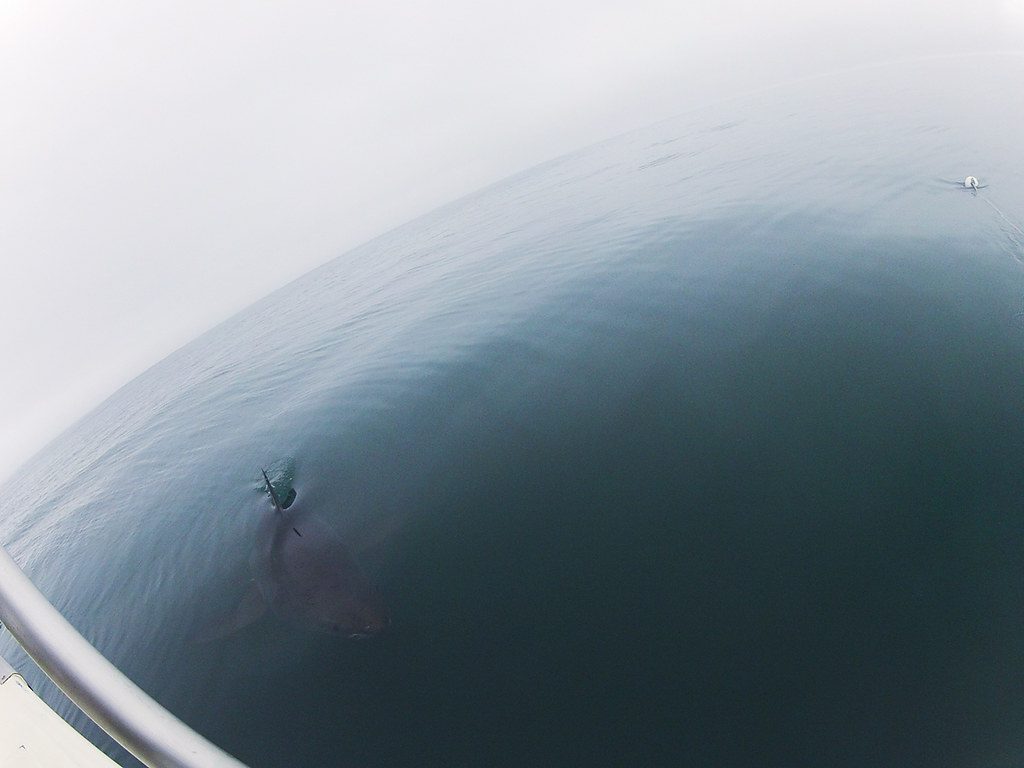
Shark sightings can give scientists and the public a better look at animals that normally spend much of their time below the surface. Drone footage has become especially useful for showing how sharks move along the Southern California coastline.
The Malibu sightings also show why it is important to separate a shark sighting from a shark attack. The 2015 hammerhead was described by lifeguards as not posing a threat, while the 2025 great white footage showed the animal swimming near the pier without evidence of an attack.
Featured Image: Photo by David Clode on Unsplash
Leave a Reply