
What if a dolphin could turn an empty seashell into a hunting tool? A rare dolphin hunting technique called “shelling” has now been captured on video in Australian waters, giving scientists a close look at a behavior that is rarely seen. Indo-Pacific bottlenose dolphins were filmed carrying large shells containing fish, lifting them above the water, and shaking them so the fish slipped into their mouths. The footage was recorded in Queensland and also showed a calf copying the behavior of an adult female.
This article explains how shelling works, where it was seen, why the footage matters, and what it may tell us about how dolphins learn.
Dolphins turn shells into hunting tools
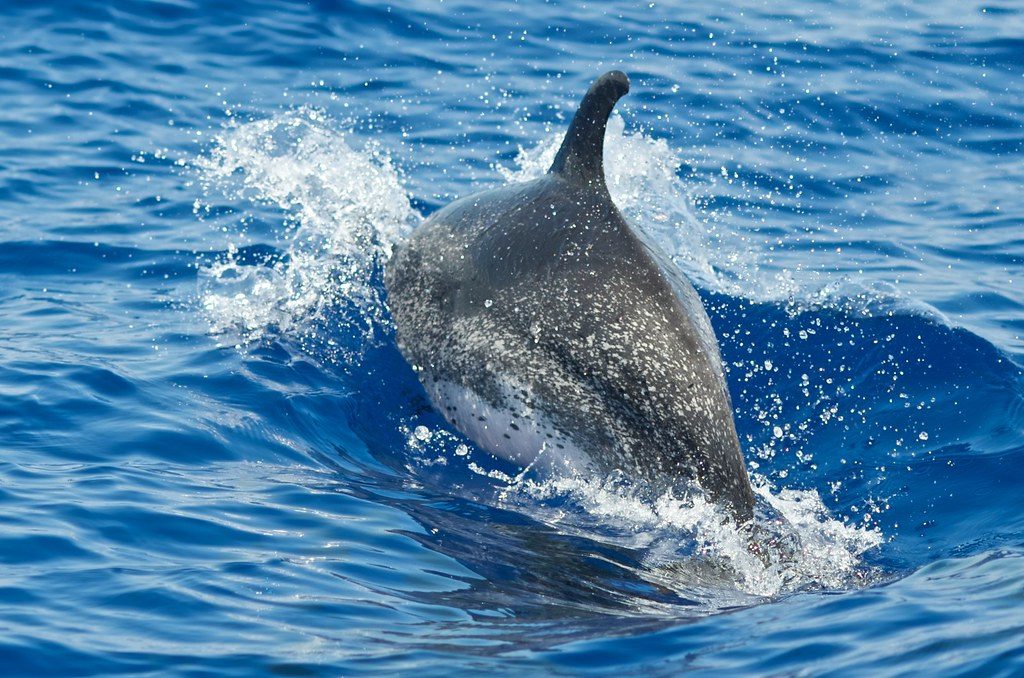
Shelling is a clever way for dolphins to catch fish. A dolphin gets a fish into a large, empty gastropod shell and then carries the shell toward the surface. The dolphin tips or shakes the shell, allowing water and the trapped fish to fall toward its mouth.
The behavior is different from simply picking up an object while playing. The shell is used as part of a clear feeding process. Scientists have studied shelling before in Shark Bay, Western Australia, but it is considered very rare and has been difficult to observe in the wild.
The new footage came from Queensland

The new observations were made in the Great Sandy Marine Park near Hervey Bay, Queensland. Researchers from the University of the Sunshine Coast recorded the behavior between July and October 2025. The findings were later published in the journal Marine Mammal Science.
The footage is important because it provides the first filmed record of shelling on Australia’s east coast. Earlier reports of the behavior came from Shark Bay on the west coast, showing that this unusual hunting method occurs in widely separated dolphin groups.
A calf was seen copying an adult
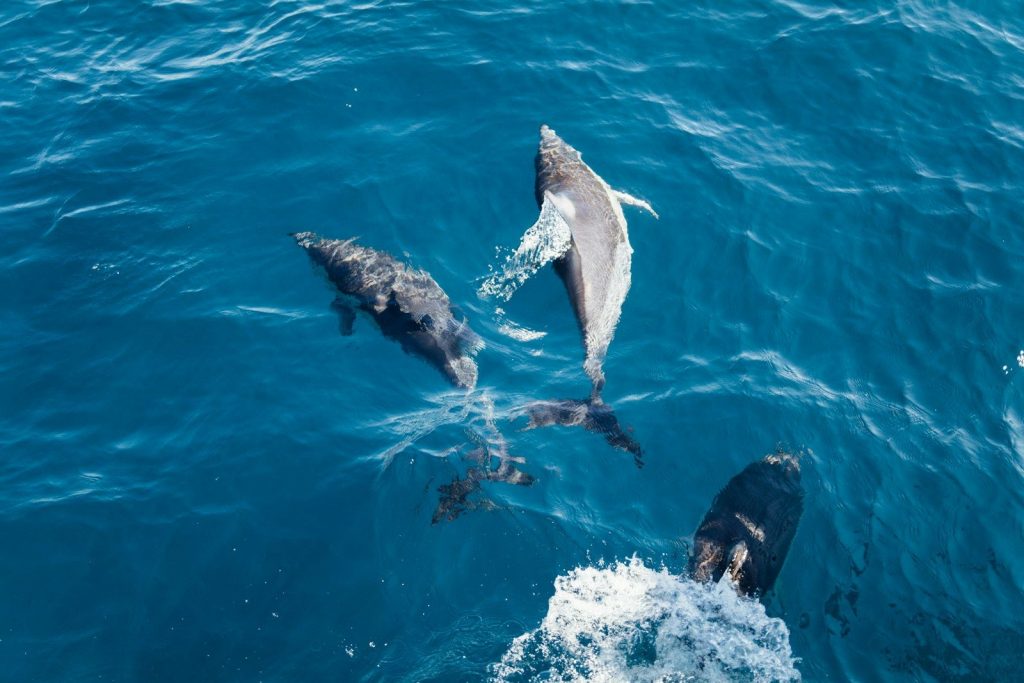
One of the most interesting parts of the footage involved an adult female and a calf. Researchers saw the adult using a shell and later observed the calf similarly handling a shell. This raised the possibility that the young dolphin was learning the skill by watching its mother.
Scientists are careful about calling this proof of teaching. The footage provides potential evidence of maternal social learning, but more observations are needed to show exactly how the behavior is learned and passed between dolphins.
Shelling is not the dolphins’ only tool use
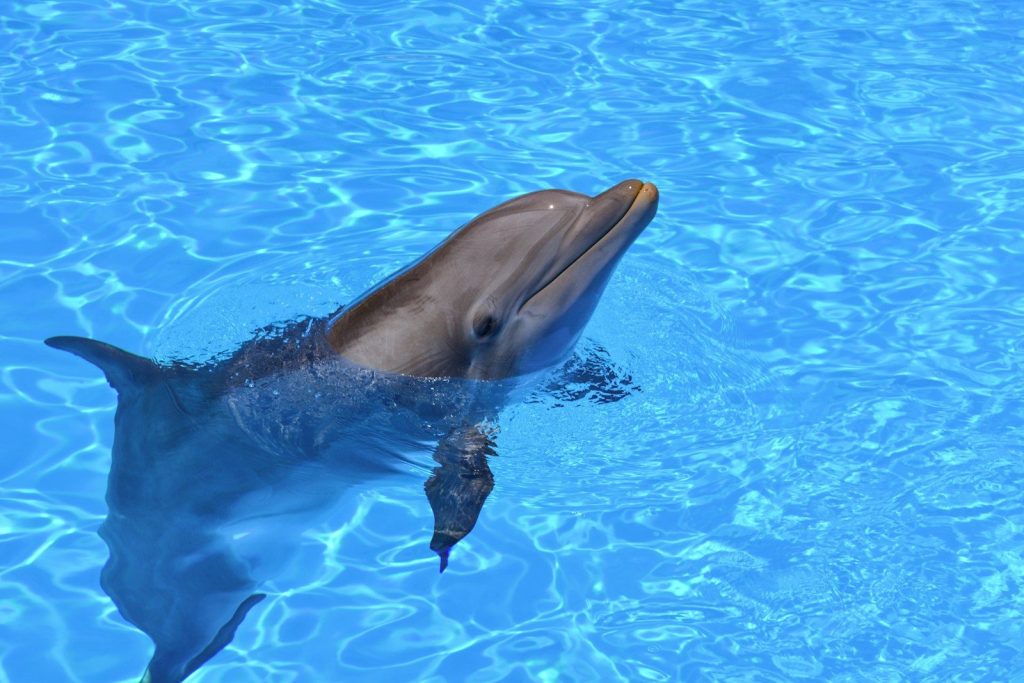
Dolphins are already known for using objects while searching for food. In Shark Bay, some Indo-Pacific bottlenose dolphins use marine sponges over their beaks while searching the seafloor. The sponge can help protect the dolphin’s snout as it looks for prey.
Shelling is different because the shell helps hold or carry the prey. These behaviors show that dolphins can use objects in different ways while feeding. They also add to growing evidence that some dolphin skills are learned through social contact rather than being purely instinctive.
The behavior may be more common than thought

The new discovery does not mean Queensland dolphins suddenly learned shelling. Researchers believe the behavior may have been happening in the area for years without being properly recorded. Local guides even had older photographs that appeared to show similar behavior dating back to 2019.
That possibility highlights how hard it can be to study wild dolphins. They spend much of their lives underwater, move over large areas, and may use unusual behaviors only at certain times. More careful watching could reveal shelling in other places too.
What the footage tells scientists

The shelling footage gives researchers a rare chance to study dolphin tool use in real conditions. It shows that dolphins can use an object during a series of actions that helps them get food, rather than simply carrying an object without a clear purpose.
It also raises new questions about dolphin culture and learning. If calves learn shelling from their mothers, the skill could be passed through generations. Scientists will need more observations to understand how widespread the behavior is and whether different dolphin groups have their own learned hunting methods.
Featured Image: Photo by Paul Orford on Unsplash
Leave a Reply