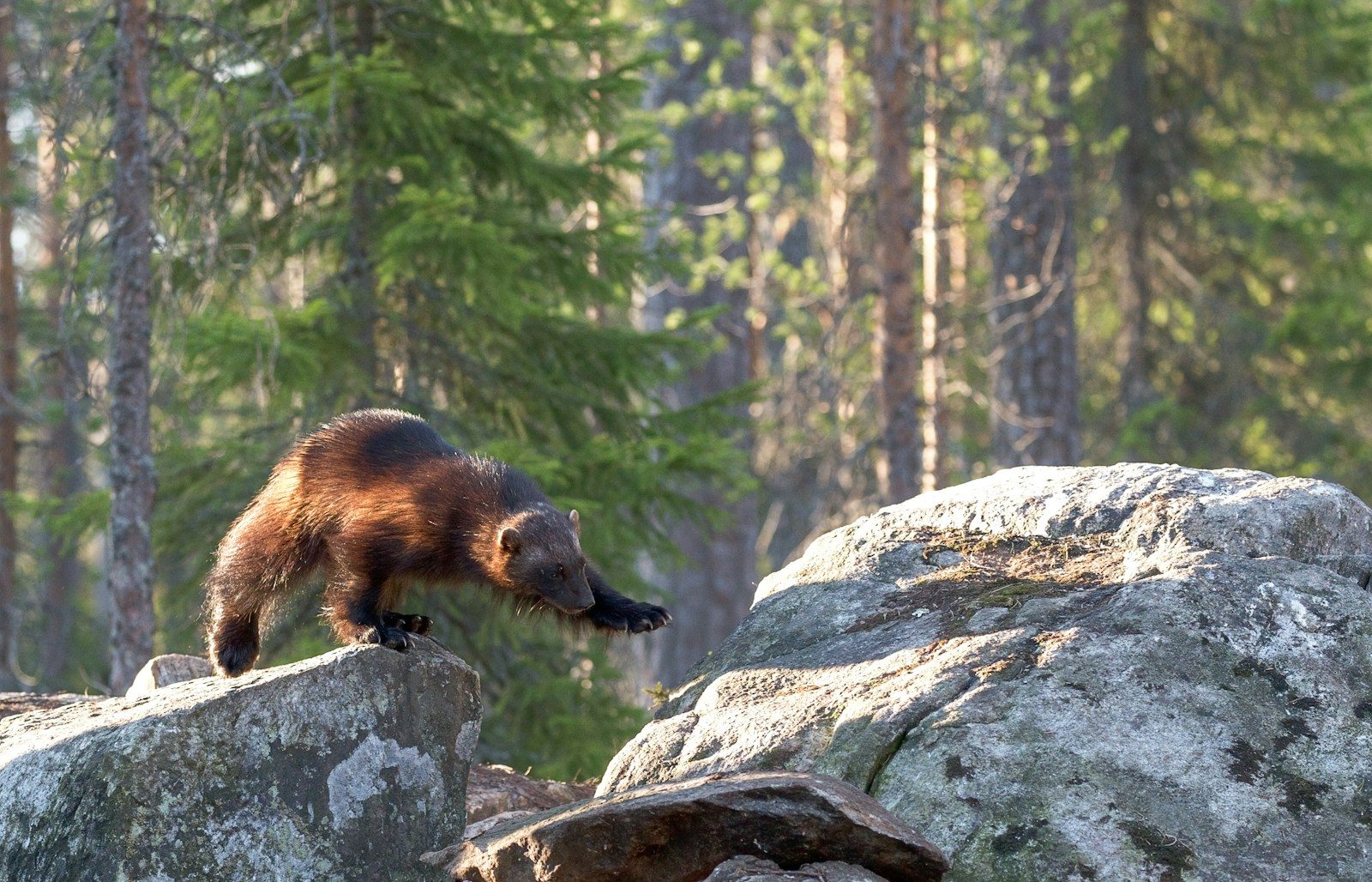
Hidden wildlife cameras often capture interactions that people would otherwise never see. Based on your description, one animal appears to climb higher while another approaches from below, creating a tense encounter with no human presence influencing the outcome.
Similar trail-camera footage has documented predators approaching animals that retreat into trees. In one verified Maine recording, for example, a bobcat pursued raccoons and followed one partway up a tree before eventually leaving.
Climbing can provide an immediate escape

For many climbing species, a tree can offer valuable separation from an animal approaching on the ground. Getting higher can force a potential predator to abandon its approach or attempt a much more difficult pursuit.
But climbing does not automatically guarantee safety. Some predators can climb surprisingly well, so the outcome depends heavily on the species involved, the tree, and whether the pursuing animal considers continuing worthwhile. The Maine footage showed a bobcat climbing after a raccoon before the encounter ended without an apparent capture.
The animal below may be assessing the situation
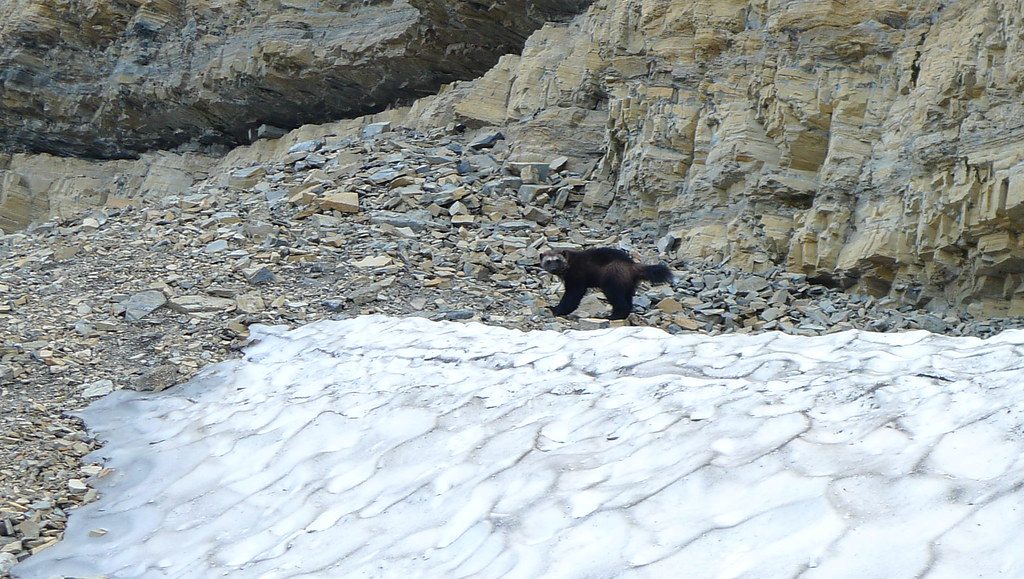
An approaching animal does not necessarily mean an attack is about to happen. Wild animals investigate one another for many reasons, including competition, territorial behavior, access to food, and predation.
That distinction matters when interpreting short clips. Without identifying the animals and observing what happened before and after the recorded sequence, it would be speculative to describe the encounter confidently as hunting, play, or simple curiosity.
Body movements provide important clues
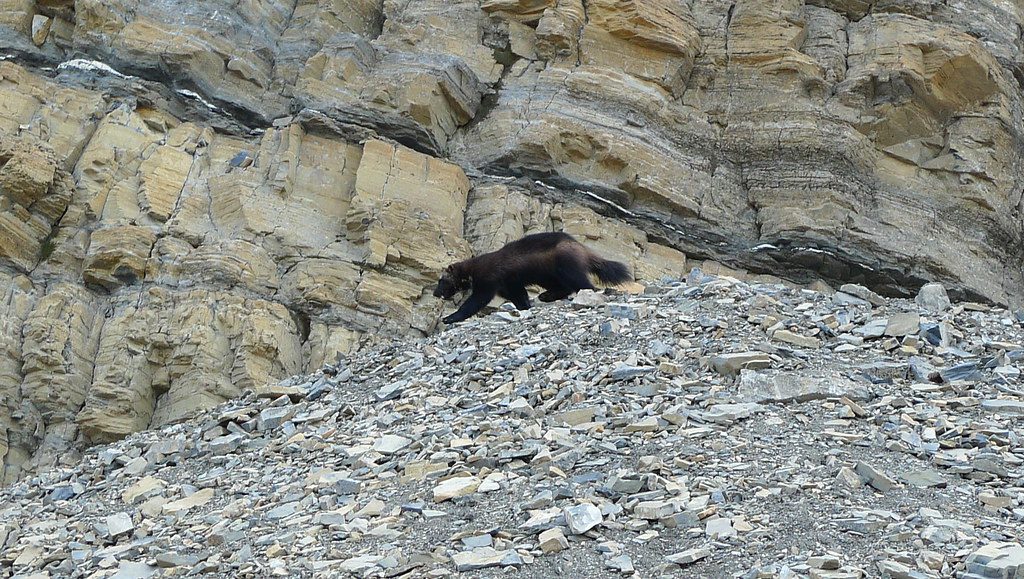
Researchers can learn much more from an encounter by examining posture, movement, distance, and how each animal responds when the other changes position. Retreating, freezing, approaching, and climbing can all provide clues, but individual actions still need to be interpreted within the species’ normal behavior.
Trail cameras are particularly valuable because they can capture these behaviors without a person standing nearby. Researchers use such cameras to observe wildlife populations and interactions that might otherwise be difficult to document directly.
Unexpected encounters happen frequently
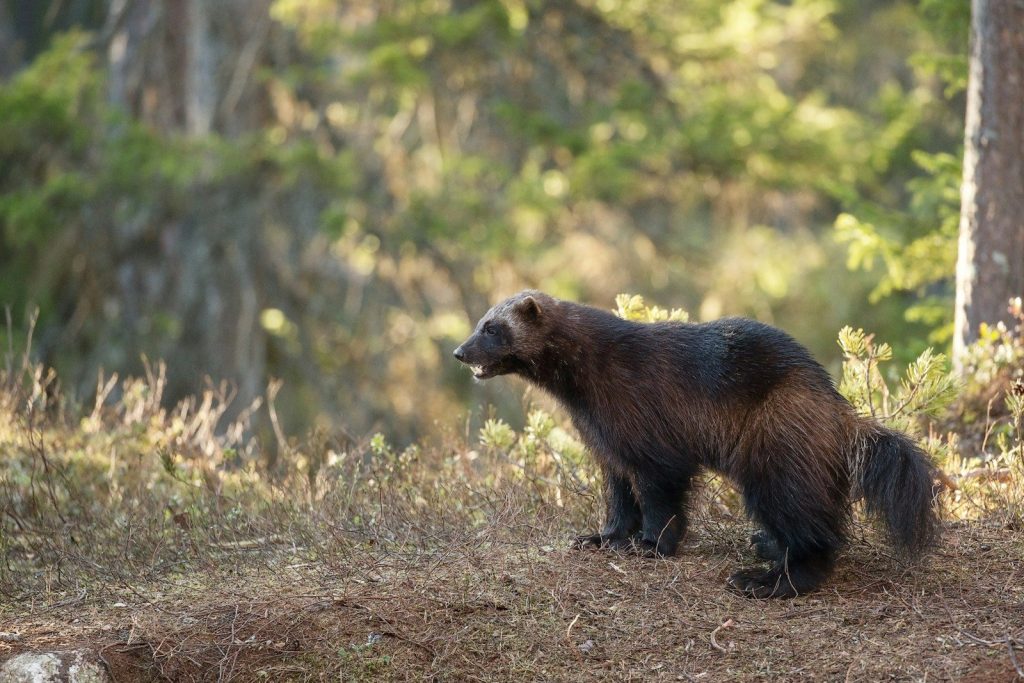
Different species often occupy the same trails, feeding areas and other useful parts of a habitat. That overlap means cameras sometimes record animals encountering species they would normally prefer to avoid.
Some interactions become confrontational. A trail camera in South Lake Tahoe, for example, recorded three coyotes pursuing two raccoons and forcing the raccoons into a tree during a nighttime encounter in January 2026.
Cameras reveal behavior humans rarely witness

Motion-triggered cameras can remain in forests for long periods and activate when animals pass. This gives researchers and wildlife enthusiasts opportunities to observe behavior at night and in secluded locations without continuously operating a camera by hand.
They can also reveal surprisingly complex relationships between species. In Minnesota, trail cameras used by the Voyageurs Wolf Project documented interactions involving a gray wolf and a black bear around fish near a creek, demonstrating how different predators can encounter the same food resources.
The footage alone cannot reveal intent

The strongest conclusion from a short wildlife recording is often simply what can actually be seen. One animal approached, another changed its position, and both responded to the other’s movements. Assigning emotions or motives such as friendship, bravery, or deliberate teasing would require evidence that the clip probably cannot provide.
That uncertainty is part of what makes remote wildlife footage useful. Instead of showing animals behaving around people, trail cameras can capture unscripted encounters and give researchers evidence from which more careful questions about competition, predation, and animal behavior can be investigated.
Leave a Reply