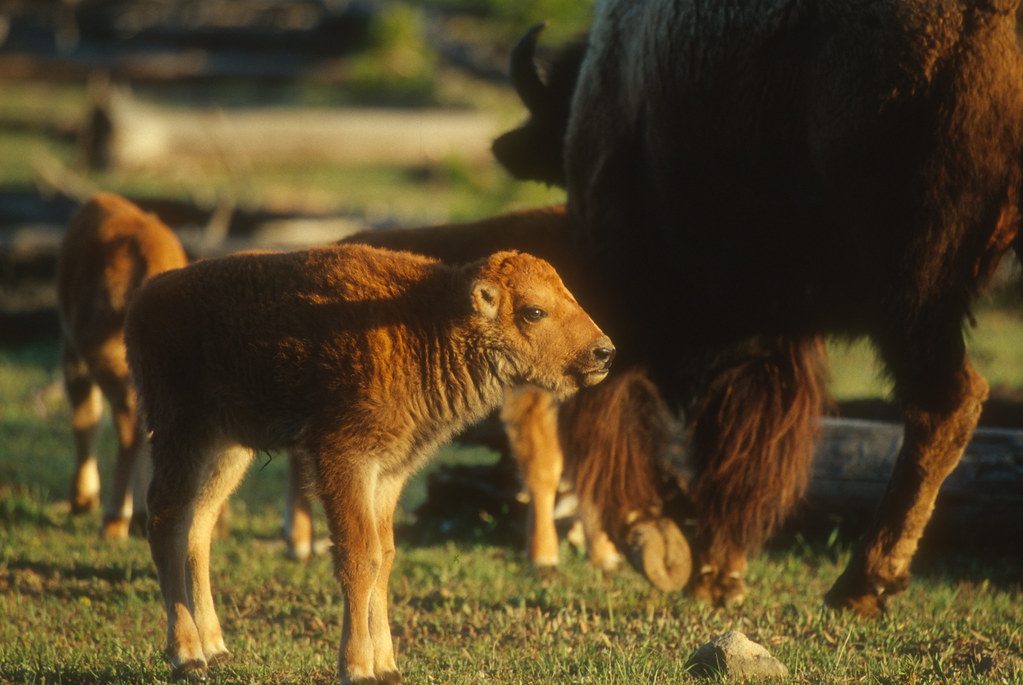
Baby season has officially arrived at Yellowstone National Park, bringing one of the most exciting wildlife moments of the year for visitors and nature lovers. If you have ever dreamed of seeing wild animals take their first steps in the open American wilderness, this is the time when Yellowstone truly comes alive. From newborn bison calves to bear cubs emerging from winter dens, the park turns into a natural nursery filled with movement, growth, and survival. Yellowstone baby season officially begins in spring as temperatures rise and snow melts, triggering a wave of animal births across valleys, forests, and rivers.
In this article, you will learn how baby season unfolds in Yellowstone, which animals are born first, where they are most often seen, and how they survive in the wild. You will also discover how different species raise their young and why spring is such an important time for the entire ecosystem. By the end, you will have a clear and simple understanding of how life restarts each year in one of America’s most famous national parks.
Spring awakening across Yellowstone
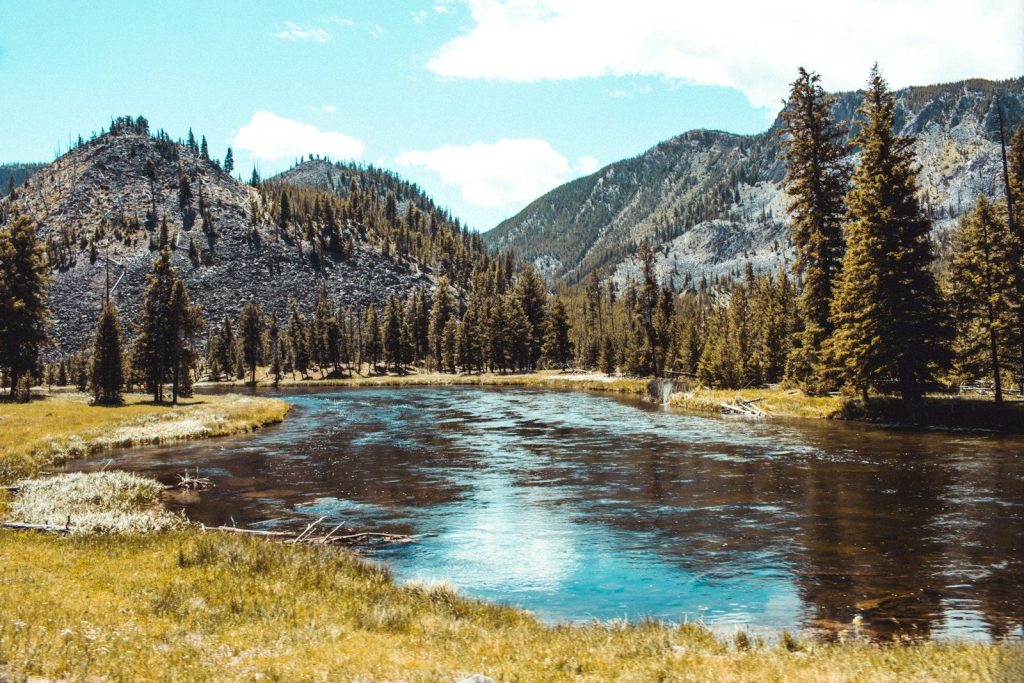
Spring in Yellowstone National Park is the official start of baby season, and it begins when winter snow slowly melts and fresh grass starts to grow. This change is important because animals rely on new plants for food, and mothers need strong nutrition after winter or pregnancy. Wildlife activity increases quickly as animals move from winter survival mode into raising their young.
This season is also a turning point in the park’s ecosystem. Many animals give birth during this time because food becomes more available and the weather becomes less harsh. Meadows, river valleys, and open plains become busy with movement as mothers guide their newborns through their first days of life. Visitors often notice that the park feels more alive, not just because of the animals, but because of the constant sound and motion of new life.
Bison calves taking their first steps
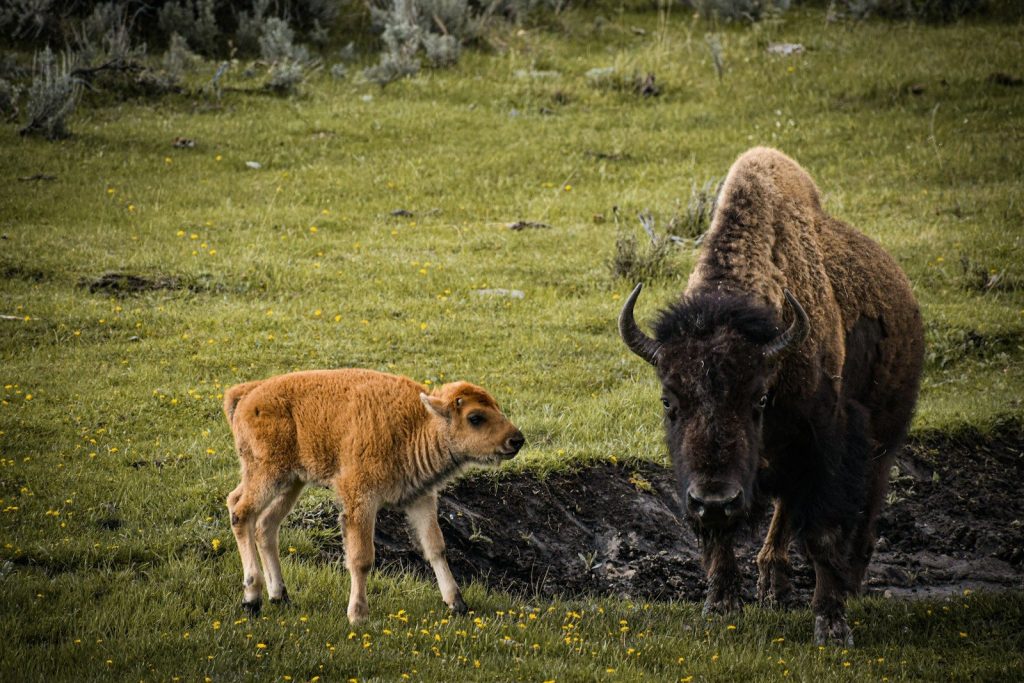
Bison calves are some of the first babies born in Yellowstone’s baby season, usually arriving in late April through May. These calves are often called “red dogs” because of their reddish fur at birth. One of the most surprising facts is how quickly they can move. Within just a few hours, a newborn calf can stand, walk, and follow its mother.
This fast development is important because Yellowstone is a wild environment with predators like wolves and bears. Bison herds protect their young by staying close together, forming a strong group defense. The calves stay near their mothers at all times, learning how to move with the herd and survive in open grasslands. Even though they look playful, their early life is full of constant learning and protection.
Bear cubs emerging into the world
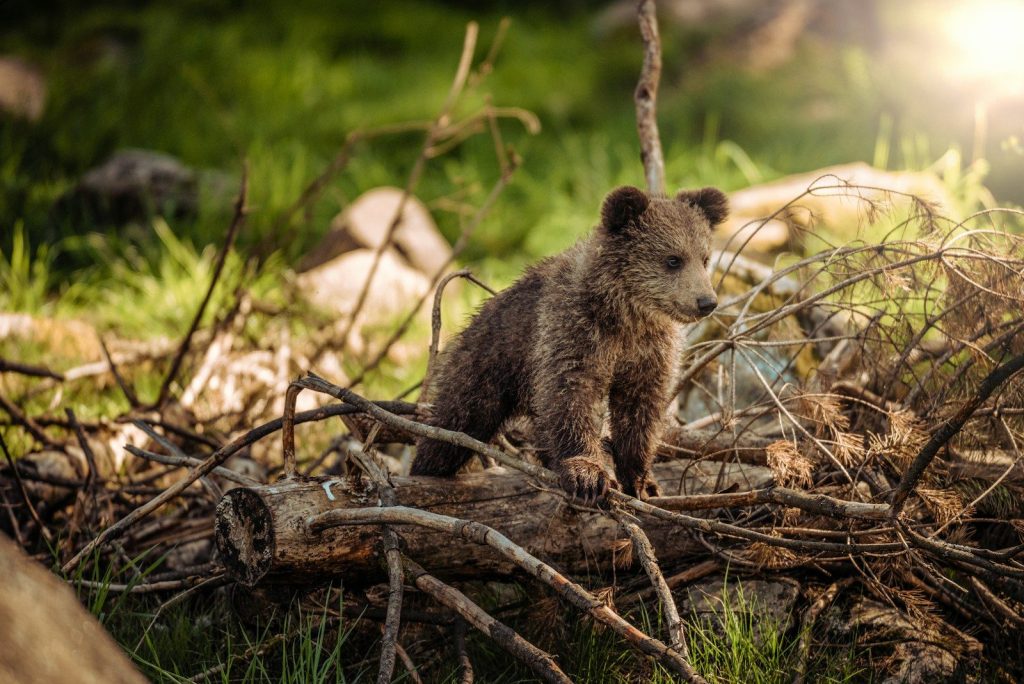
Bear cubs are another major part of Yellowstone’s baby season, especially black bear and grizzly bear cubs. These cubs are usually born during winter while their mothers are in dens, and they emerge in spring when temperatures rise. This first moment outside the den is extremely important because it is their first real experience with the outside world.
At first, bear cubs are very small and depend completely on their mother for food, safety, and guidance. They stay close to her while learning how to walk, climb, and search for food. In Yellowstone, cubs often stay with their mothers for more than a year, which helps them learn survival skills in a tough environment. Seeing bear cubs in the wild is rare and exciting, but they are always closely protected by their mothers, who can be very defensive.
Elk calves hidden for survival
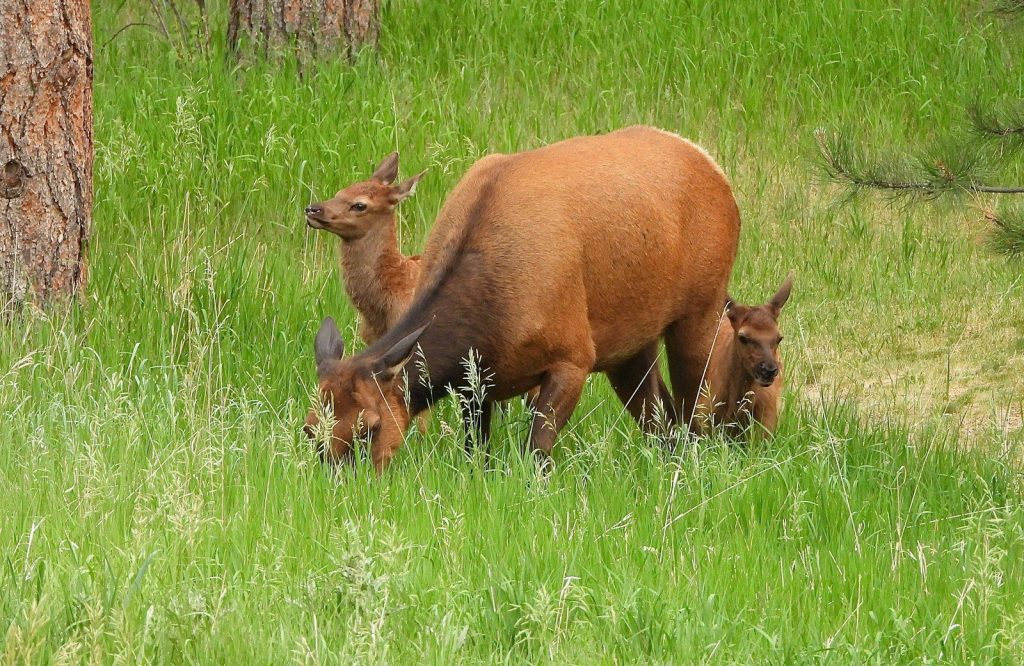
Elk calves are usually born slightly later in the season, often from May to June, and they have a very different survival strategy compared to other animals. When they are born, they are often hidden in tall grass or thick bushes to stay safe from predators. Their spotted coats help them blend into the environment, making them harder to see.
Mother elk visit their calves several times a day to feed them, but they often stay away for long periods so they do not attract attention. This hiding behavior is one of the most important survival tools in the wild. After a few weeks, the calves grow stronger and begin joining larger groups, where they learn how to move safely and stay protected in the open landscape.
Other newborn wildlife in the park
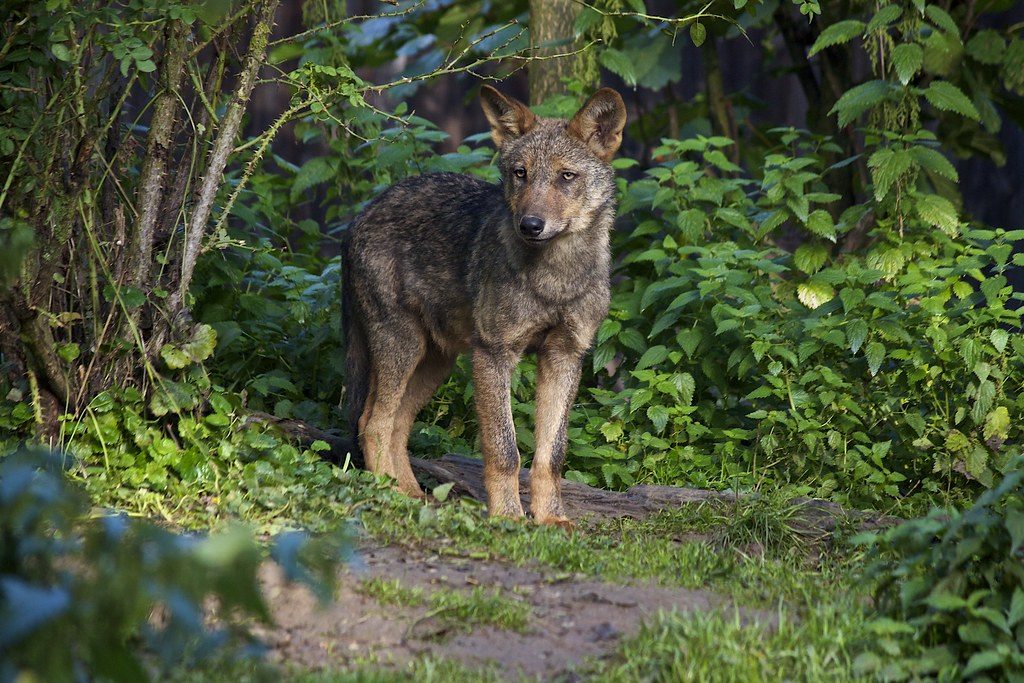
While bison, bears, and elk are the most well-known, Yellowstone’s baby season includes many other animals as well. Species like pronghorn, bighorn sheep, wolves, and smaller mammals also give birth in spring. Each species has its own way of protecting and raising its young based on its environment and natural threats.
Pronghorn fawns, for example, are able to run very quickly within days of being born, helping them escape danger in open areas. Bighorn sheep often give birth on steep cliffs where predators cannot easily reach them. Even smaller animals like foxes and ground squirrels add to the busy spring season, showing how wide and diverse Yellowstone’s wildlife truly is.
Where visitors can safely observe baby animals

Yellowstone baby season attracts many visitors, but it is important to watch wildlife safely and respectfully. Popular areas for viewing include wide valleys and open spaces where animals naturally gather. However, animals are still wild, and mothers can become very protective if they feel threatened.
Park rules require visitors to keep a safe distance from all wildlife. Staying far away helps protect both people and animals, especially newborns that are still learning how to survive. The best way to enjoy the experience is by using binoculars or zoom lenses, staying in vehicles when needed, and following park guidelines at all times.
Leave a Reply