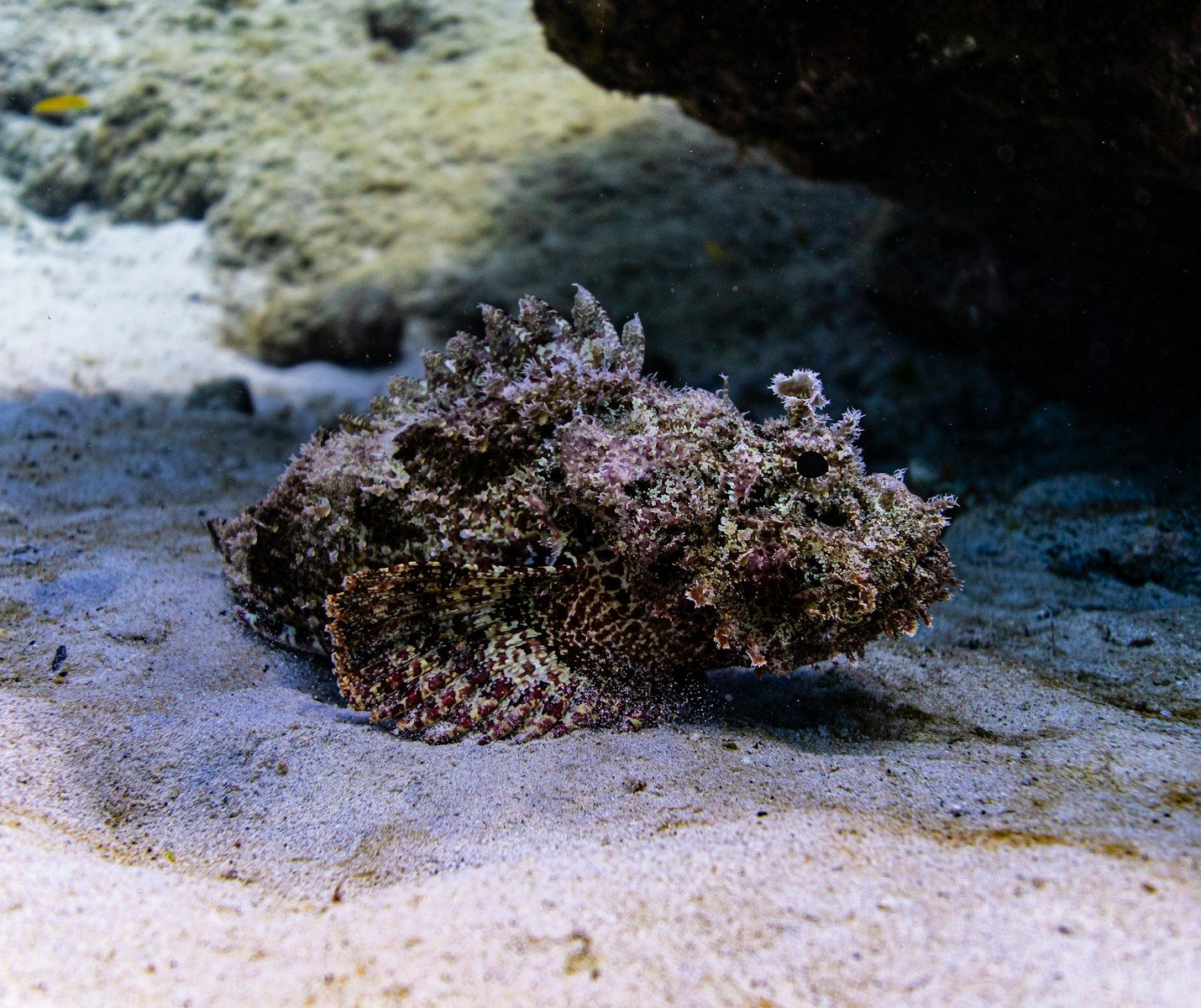
Reeling in a large fish is exciting, but sometimes the catch can be surprisingly dangerous. A huge catch turned out to be one of the ocean’s most dangerous fish when an angler accidentally hooked a stonefish, the world’s most venomous fish. The unusual catch served as a reminder that some marine animals can be harmful even if they look harmless.
This article explains what happened, why stonefish are so dangerous, how they use their venom, and what people should know if they ever encounter one.
An unexpected catch
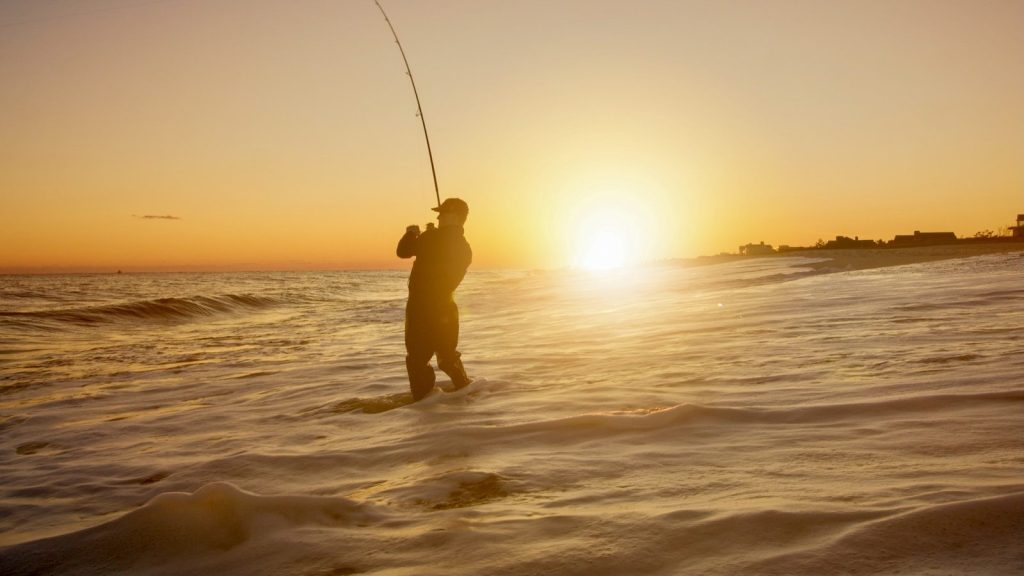
An angler fishing in Australia’s Noosa River was surprised after pulling in what first looked like an unusual rock-covered fish. The catch turned out to be a large stonefish, a species famous for its powerful venom and remarkable camouflage.
The fisherman safely removed the hook and returned the fish to the water. The encounter quickly gained attention because stonefish are rarely seen so clearly, even though they may be present in shallow coastal waters.
Why are stonefish so dangerous?
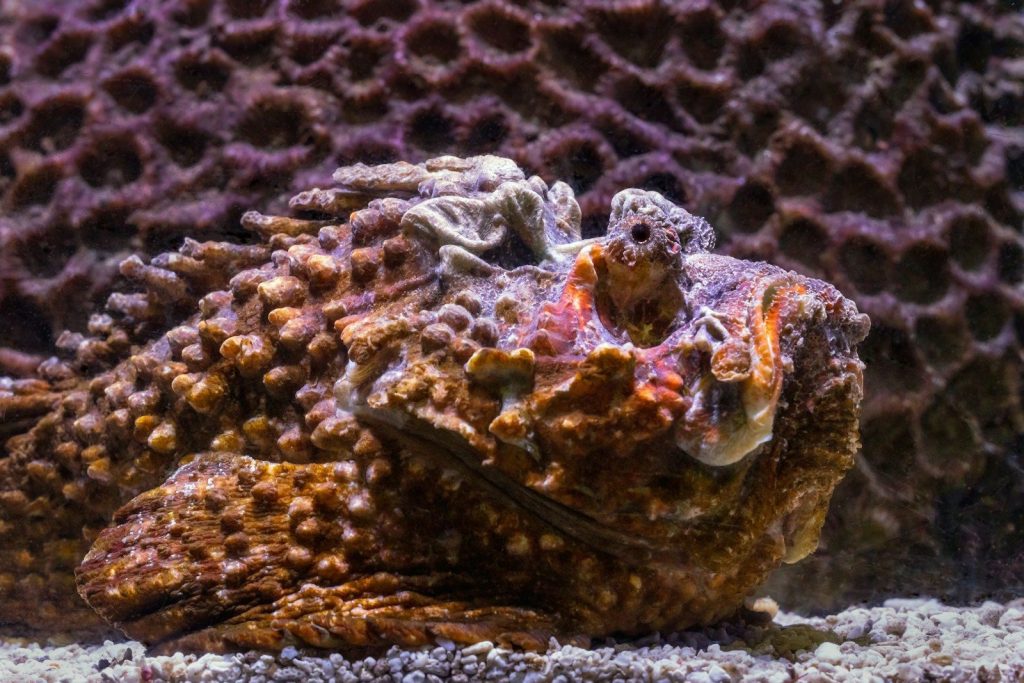
Stonefish are widely recognized as the most venomous fish in the world. They have sharp dorsal spines connected to venom glands that release venom when someone accidentally steps on or presses against them.
Unlike sharks or other predators, stonefish do not chase people. Most injuries happen because the fish blends so well into rocks, coral, or the seafloor that swimmers and waders do not see it before making contact.
Masters of camouflage
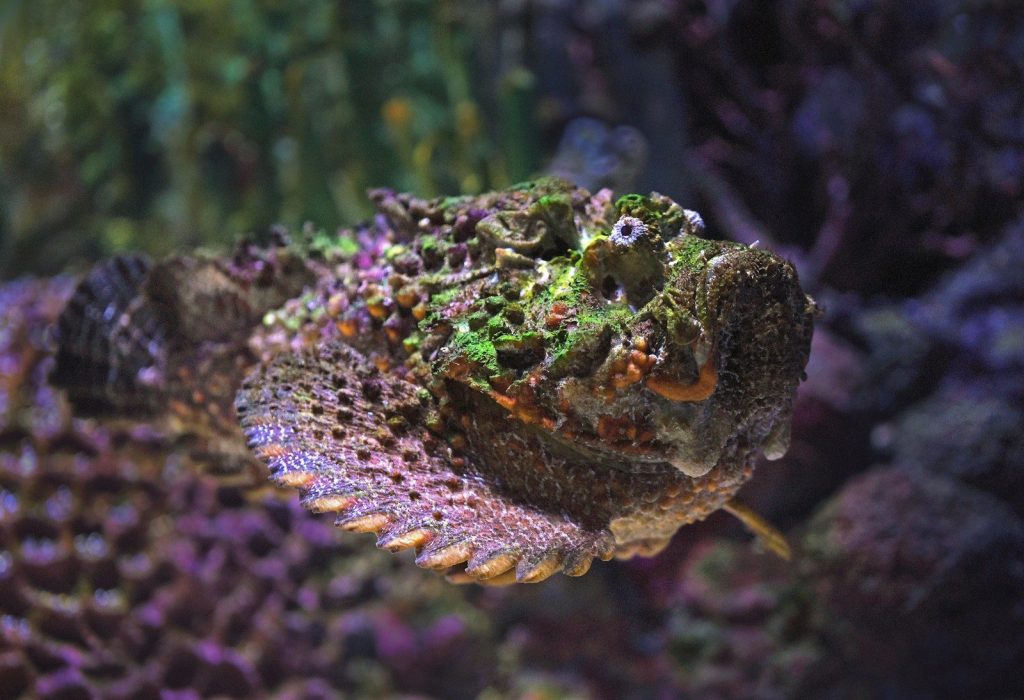
A stonefish spends much of its life lying motionless on the ocean bottom. Its rough skin, uneven shape, and colors closely match nearby rocks and coral, making it extremely difficult to spot.
This camouflage helps the fish in two ways. It protects the stonefish from predators while also allowing it to surprise small fish and crustaceans that swim close enough to become prey.
How the venom works
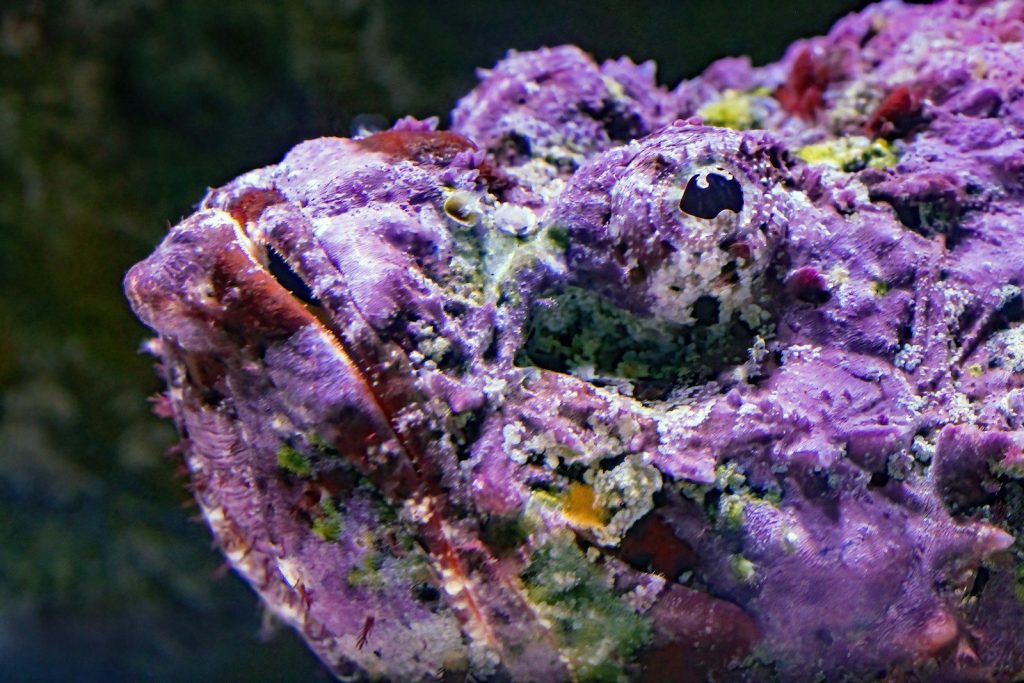
The venom is mainly used for defense rather than hunting. When pressure is placed on the dorsal spines, venom is injected into the animal or person touching the fish.
A stonefish sting causes intense pain and can also affect the muscles, nerves, and heart. Severe cases require immediate medical treatment, which is why experts urge anyone stung by a stonefish to seek emergency care as quickly as possible.
Where stonefish live
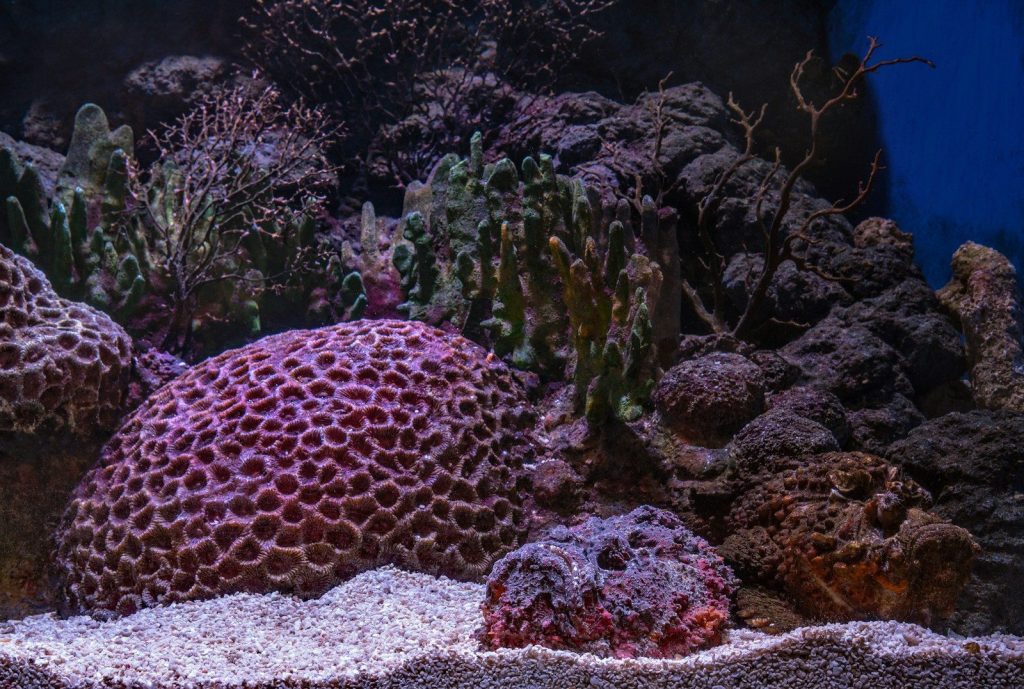
Stonefish are most commonly found in the warm coastal waters of the Indo-Pacific region, including Australia and Southeast Asia. They often live around coral reefs, rocky shorelines, estuaries, and shallow coastal habitats.
Because they stay hidden on the bottom, people may never notice one nearby. Wearing protective footwear in areas where stonefish are known to live can help reduce the risk of accidental contact.
What anglers and swimmers should remember
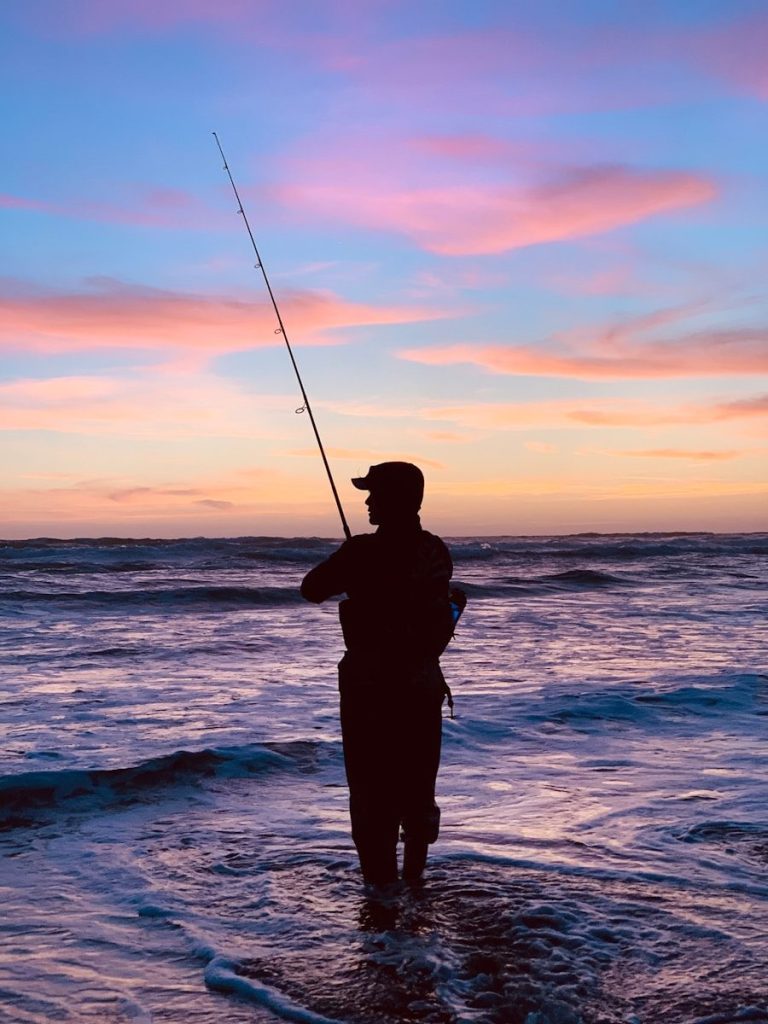
If someone catches a stonefish, experts recommend handling it with extreme care or avoiding direct contact altogether. Even after being caught, the venomous spines remain dangerous.
The Noosa River catch also reminds people that not every unusual-looking fish is harmless. Learning about local marine wildlife and following safety advice can help anglers, swimmers, and beach visitors stay safe while enjoying the water.
Featured Image: Photo by James Packer on Unsplash
Leave a Reply