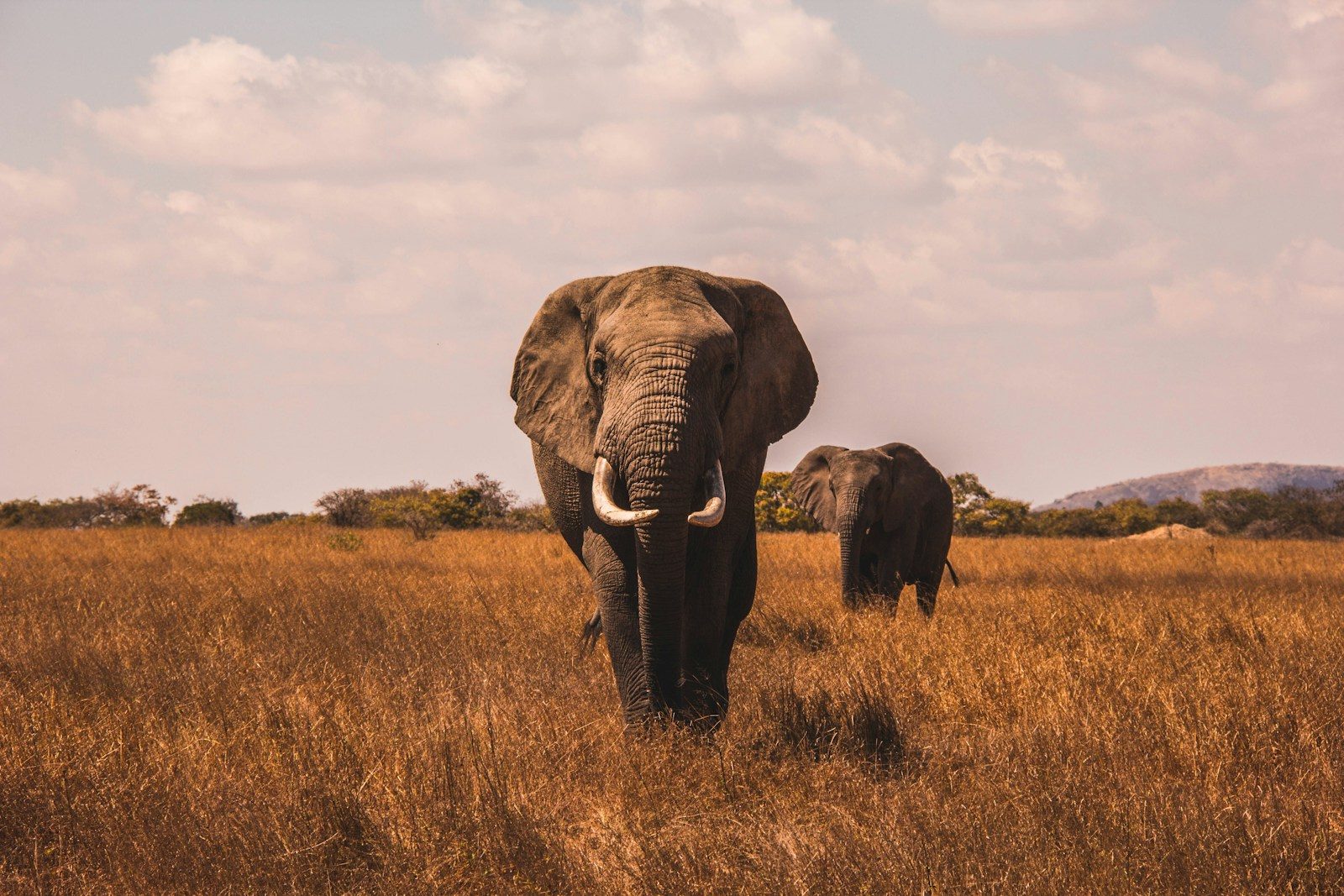
How can the same wild elephant be connected to a family’s heartbreak more than a decade apart? An elephant tied to four deaths in the same family over 14 years has renewed concerns about human-wildlife conflict in Nepal. Officials say the elephant, known as Dhurbe, was linked to the deaths of two members of one family in 2012 and two more relatives in 2026 after the family had moved to a different area.
This article explains what happened, why the attacks occurred, how officials tracked the elephant, and what the tragedy reveals about the growing challenge of keeping both people and wildlife safe.
Who is the elephant known as Dhurbe?
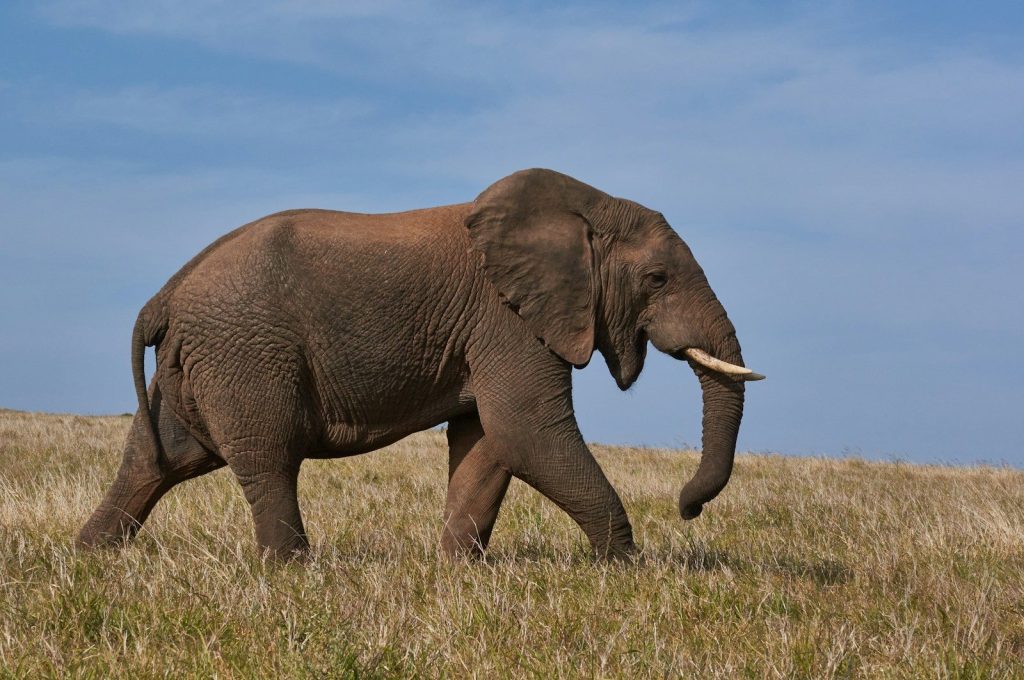
Dhurbe is a wild male Asian elephant that lives around Chitwan National Park in southern Nepal. Wildlife officials have monitored the elephant for years because of its repeated involvement in deadly encounters with people.
According to park officials, Dhurbe has been linked to numerous human deaths over the years. The elephant has also damaged homes and farms, making it one of Nepal’s most closely watched wild elephants.
How one family suffered repeated losses
The family’s tragedy began in December 2012 when Dhurbe fatally attacked Shanichara Bote’s parents near Madi, close to Chitwan National Park. After the attack, Bote moved his family about nine miles away, hoping the relocation would keep them safe.
In July 2026, officials say the same elephant broke into the family’s home in Jagatpur. The attack killed Bote’s 25-year-old daughter-in-law, Ashika Bote, and his four-year-old grandson, Bharat Bote, bringing the family’s death toll linked to the elephant to four over 14 years.
How officials confirmed the elephant’s identity
Wildlife authorities had fitted Dhurbe with a satellite tracking collar to monitor its movements. Park officials said location data placed the elephant near the family’s home when the latest attack happened.
The tracking system sends regular location updates, allowing rangers to follow the elephant’s movements. However, officials acknowledge that monitoring alone cannot always prevent sudden encounters between people and wild elephants.
Why do human-elephant conflicts happen
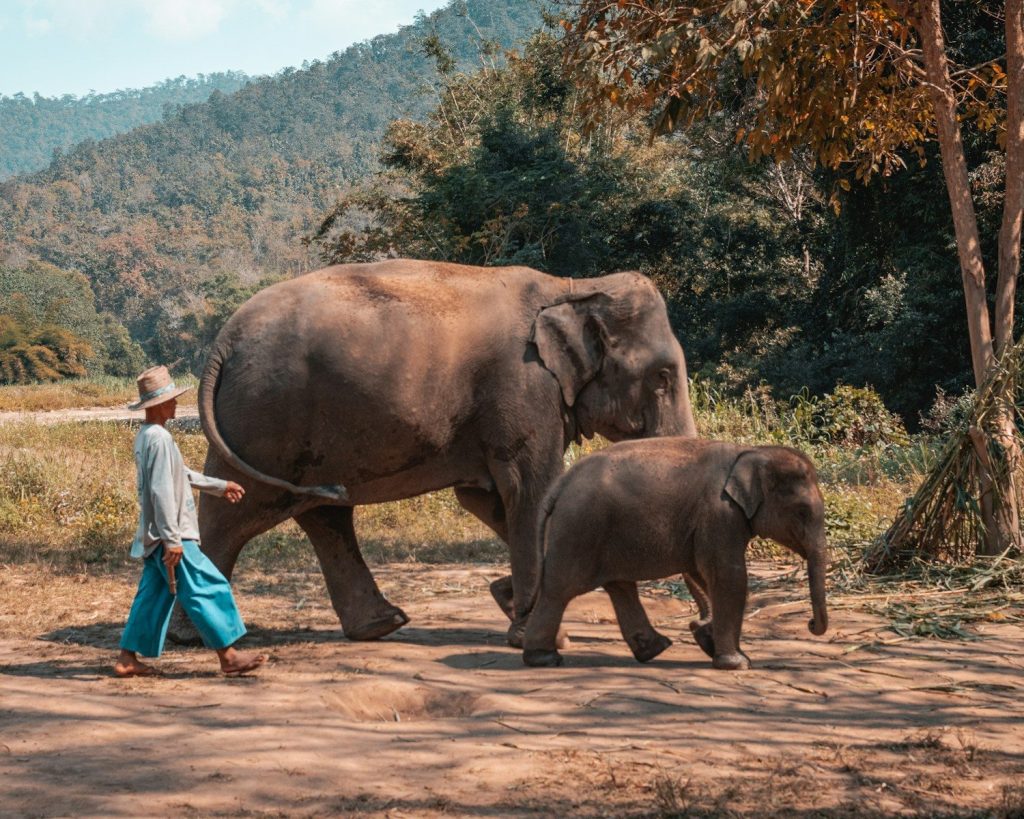
Asian elephants need large areas to find food and water. As forests become fragmented and more land is used for farming and housing, elephants are more likely to enter villages in search of food.
Experts say these encounters are becoming more common in parts of South Asia where people and wildlife share the same landscape. Most elephants avoid people, but dangerous situations can occur when animals feel threatened or enter populated areas.
What authorities are doing

Following earlier attacks, Nepal deployed large search teams and attempted to locate Dhurbe. Officials also replaced the elephant’s tracking collar several times to improve monitoring after earlier devices stopped working.
Park officials continue to watch the elephant’s movements and warn nearby communities when it approaches populated areas. They also encourage residents to report elephant sightings as quickly as possible.
Why has the tragedy drawn attention

The repeated attacks on one family have highlighted the emotional and practical challenges faced by communities living near wildlife habitats. Even after relocating, the family could not completely avoid the risk posed by roaming elephants.
The incident has renewed calls for stronger safety measures, improved wildlife monitoring, and long-term conservation strategies that protect both local residents and endangered Asian elephants. Experts say reducing conflict requires balancing human safety with wildlife conservation.
Leave a Reply