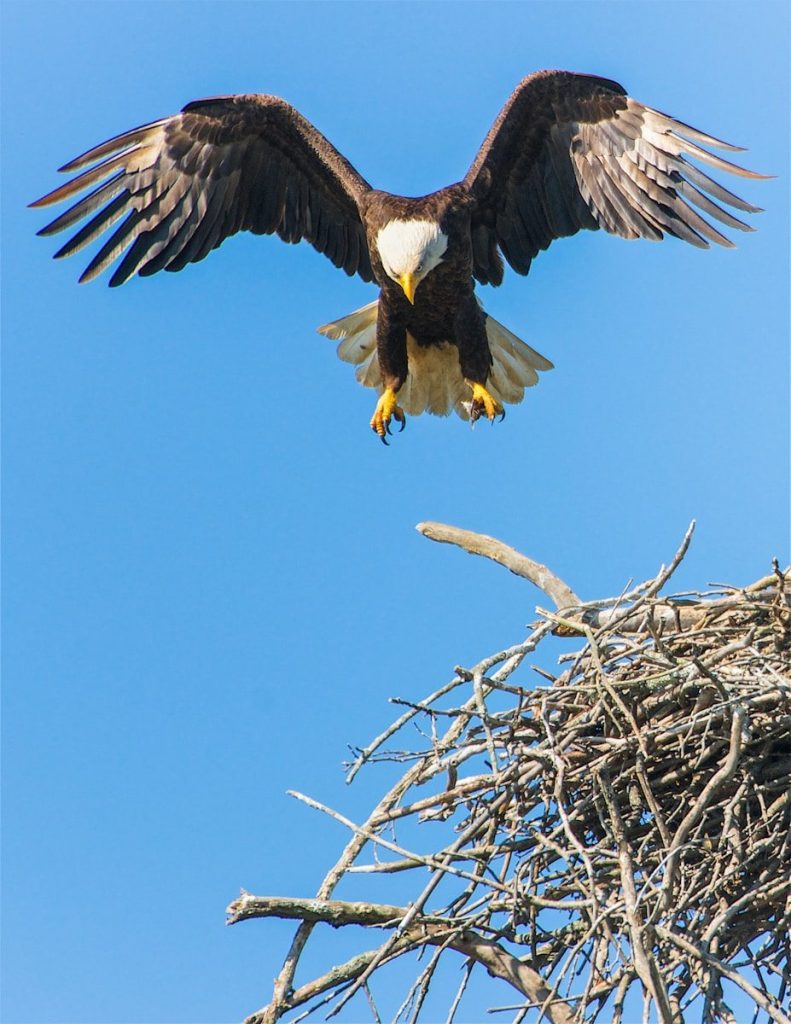
Author: Ethan

  • Rescuers free dog who had lived his entire life in a box

    Rescuers free dog who had lived his entire life in a box

    Imagine spending your entire life in a space so small that you can barely turn around. For one dog, that nightmare was real. The story of a dog rescued after living his whole life in a box has touched animal lovers around the world and raised important questions about animal neglect and welfare.

    This heartbreaking rescue shows both the cruelty that some animals face and the incredible compassion of the people who step in to help. In this article, you will learn what happened to the dog, how rescuers saved him, the physical and emotional effects of long-term confinement, and how he slowly began a new life filled with care and safety.

    The shocking discovery that changed everything

    a frozen lake with trees in the background
    Photo by Alan Alves on Unsplash

    The dog’s story came to light when a concerned person discovered a wooden box that appeared abandoned near a river. At first, there was no clear sign that a living animal was trapped inside. When the box was opened, rescuers found a severely neglected dog who had been confined in the cramped space with almost no room to move.

    The condition of the box revealed how desperate the dog had become. Reports described visible scratch and bite marks around the enclosure, showing repeated attempts to escape. The dog had no access to food or water and appeared extremely thin. Animal welfare workers quickly realized they were dealing with a case of severe neglect that required immediate intervention.

    Life inside a tiny wooden prison

    A dog is looking out from inside a box.
    Photo by Vicky on Unsplash

    Living in a confined space for a long period can have devastating effects on any animal. Dogs are naturally active creatures that need room to walk, play, explore, and interact with people. When these needs are denied, both their bodies and minds suffer. In this case, the dog had spent much of his life in conditions that prevented normal movement and healthy development.

    Experts in animal welfare have long warned that prolonged confinement can lead to muscle weakness, poor physical condition, and emotional distress. Dogs kept in tiny spaces often miss out on basic experiences that help them learn and build confidence. They may never have the chance to run freely, interact with other animals, or experience positive human attention. Over time, this isolation can create deep emotional scars that are difficult to heal.

    The physical toll of years of neglect
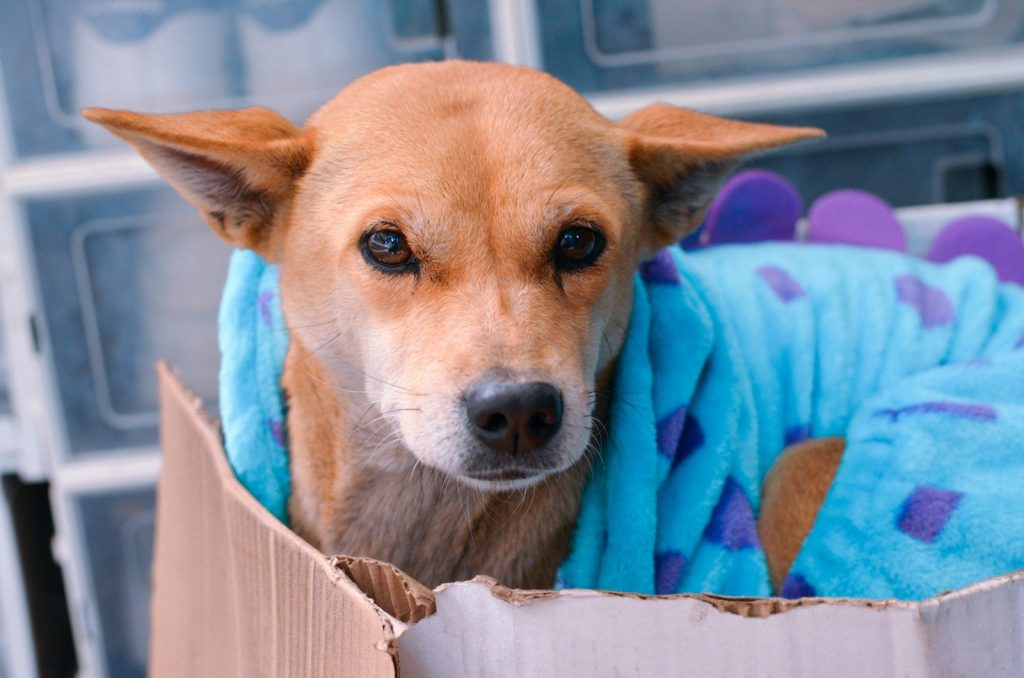
    A brown dog with a blue blanket in a cardboard box
    Photo by Vicky on Unsplash

    When rescuers examined the dog, they found clear signs of suffering. He was underweight and showed evidence of long-term neglect. His body carried wounds and scars, and his overall condition suggested that he had endured hardship for a significant period. Animal welfare workers immediately began providing medical care and nutritional support to help stabilize him.

    Physical recovery for neglected dogs is rarely quick. Malnourished animals often require carefully managed feeding plans because sudden changes in diet can create health complications. Veterinarians must also assess injuries, infections, dental problems, and other conditions that may have developed over months or years. In many rescue cases, rebuilding strength takes weeks or even months, but proper care can lead to remarkable improvements.

    The emotional wounds were harder to see

    golden retriever lying on floor
    Photo by REGINE THOLEN on Unsplash

    While physical injuries can often be treated with medicine and nutrition, emotional trauma is more difficult to measure. Dogs that have spent years in isolation may struggle with fear, anxiety, and uncertainty. They often need time to learn that people can be trusted and that they are no longer in danger.

    Animal behavior specialists frequently observe that rescued dogs progress at different speeds. Some begin showing affection quickly, while others remain cautious for months. Positive experiences, patience, and consistent routines are essential during recovery. Many rescue stories show that even dogs who suffered extreme neglect can gradually gain confidence when surrounded by kindness and stability. Experiences shared by rescue dog owners often highlight small but meaningful milestones, such as a dog finally relaxing enough to sleep deeply, play with toys, or seek affection from family members.

    A rescue team determined to give him a future
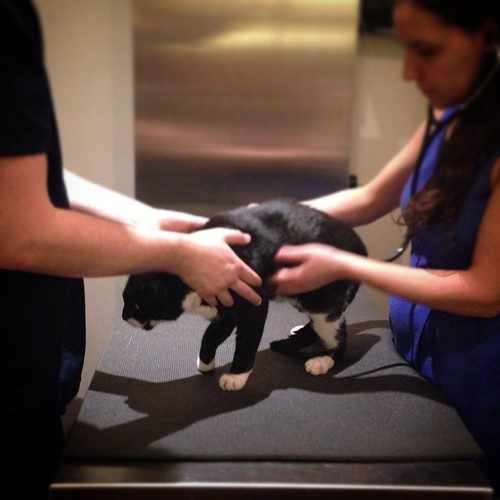
    Waiting for the X-ray results, but not looking too good.. #BrokenLeg #cat #vet” by monicamüller is licensed under CC BY-NC-ND 2.0

    The dog’s rescue marked the beginning of a completely different life. After being removed from the box, he was transferred to animal welfare professionals who could provide the long-term care he needed. Shelters and rescue organizations often work together in severe neglect cases because rehabilitation requires significant resources, including medical treatment, behavioral support, and foster care.

    Despite everything he had endured, rescuers noted encouraging signs in his personality. Stories like this often reveal the resilience of dogs, many of which continue to show friendliness even after experiencing terrible treatment. The people caring for him focused on creating a safe environment where he could slowly learn what a normal life looked like. Every meal, gentle interaction, and comfortable place to rest helped replace painful memories with positive experiences.

    A new chapter filled with hope
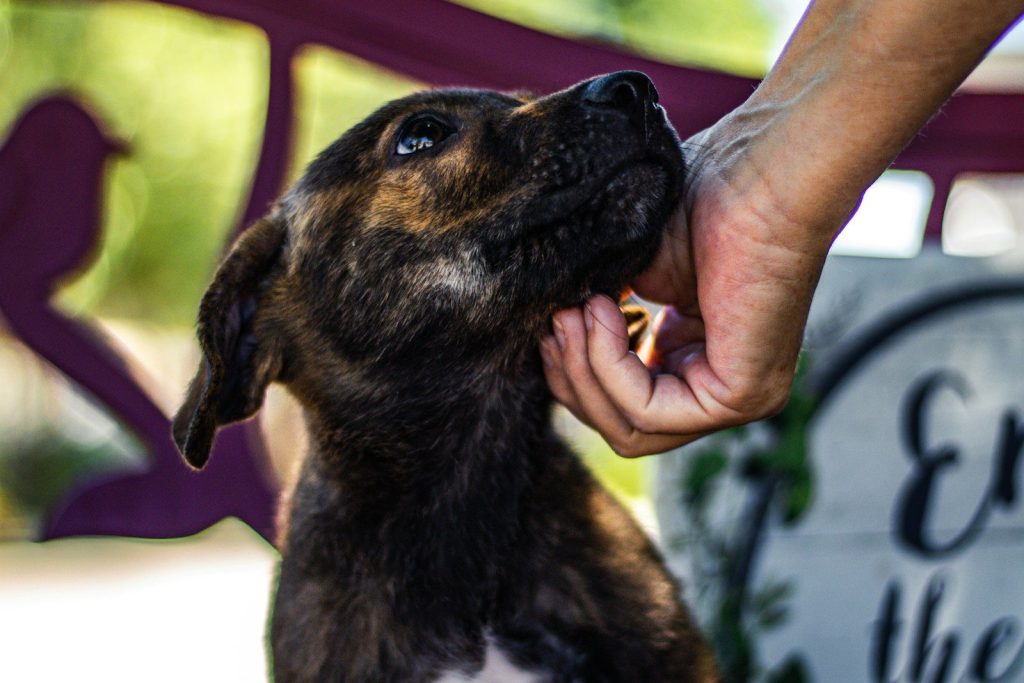
    person holding brown and white short coated dog
    Photo by Madeline Bowen on Unsplash

    One of the most inspiring parts of this story is that the dog eventually found a loving home. The person who helped save him developed a strong connection with him and later adopted him. This outcome demonstrates the powerful bond that can form between rescuers and the animals they help. For a dog who once faced an uncertain future, having a permanent home represented a life-changing victory.

    Successful adoptions give rescued animals the chance to experience things they may have never known before. A comfortable bed, regular meals, veterinary care, and affection can transform a dog’s quality of life. Although the memories of neglect may never completely disappear, many rescued dogs go on to enjoy happy lives. Their stories remind people that recovery is possible and that compassion can make a profound difference.

    Why stories like this matter

    Man is looking at a screen with his head down.
    Photo by Alicia Christin Gerald on Unsplash

    Cases involving severe neglect often spark public concern because they reveal the importance of responsible pet ownership. Dogs depend entirely on humans for their safety, health, and well-being. When those responsibilities are ignored, animals can suffer greatly. Stories like this encourage communities to report suspected neglect and support organizations that work to protect vulnerable animals.

    Animal rescue groups across the country continue to save dogs from difficult situations every year. Whether a dog has been abandoned, chained outside for years, confined in a cage, or trapped in a tiny enclosure, dedicated rescuers help provide a second chance. These efforts not only save individual animals but also raise awareness about the standards of care that every pet deserves.

  • A rise in rescues is helping orphaned and abandoned animals get adopted

    A rise in rescues is helping orphaned and abandoned animals get adopted

    Many animals never get the chance to grow up in a safe home. Every year, orphaned kittens, abandoned puppies, and other vulnerable animals are left without the care they need. The good news is that a rise in rescues is helping orphaned and abandoned animals get adopted more often than before. Rescue groups, shelters, foster families, and volunteers are working together to save animals and connect them with loving homes.

    Animal rescue efforts have become an important part of modern pet welfare. More communities now support adoption programs, foster networks, and rescue organizations that give homeless animals a second chance. As these efforts grow, thousands of animals that once faced uncertain futures are finding permanent families. This article explores how rescue programs are helping orphaned and abandoned animals and why adoption continues to play a vital role in animal welfare.

    Rescue groups are saving more vulnerable animals

    helicopter, rescue helicopter, air rescue, emergency helicopter, rescue operation, rescue, emergency doctor, accident rescue, patient transport, emergency, flying, mission, aviation, transport, propeller, rotor, mountain rescue, heaven, helicopter, helicopter, helicopter, helicopter, helicopter
    Photo by Ralphs_Fotos on Pixabay

    Animal rescue organizations often step in when orphaned or abandoned animals are found. These groups work alongside shelters, veterinarians, and local communities to provide immediate care. Young animals that lose their mothers need food, warmth, medical treatment, and constant attention. Rescue teams are trained to provide this support until the animals are healthy enough for adoption.

    Recent shelter data shows that millions of animals enter shelters and rescue organizations each year. While shelters continue to face capacity challenges, rescue groups help reduce pressure by taking in animals that need special care. Transfers between shelters and rescues allow more animals to receive treatment and rehabilitation before being placed with adoptive families. This teamwork has become one of the most effective ways to increase successful adoptions.

    Foster homes help animals prepare for adoption

    puppy lying on magazine beside food bowl
    Photo by Vijesh Datt on Unsplash

    Many orphaned and abandoned animals spend time in foster homes before finding permanent families. Foster caregivers provide a safe and calm environment where animals can recover physically and emotionally. Young kittens may need bottle feeding every few hours, while frightened dogs may need time to rebuild trust in people.

    Foster care also helps shelters create more space for incoming animals. Animals living in foster homes often learn household routines, social skills, and basic training. This makes them more attractive to potential adopters because families can better understand the animal’s personality and needs. Foster programs have become one of the strongest tools for improving adoption outcomes.

    Adoption programs are reaching more families

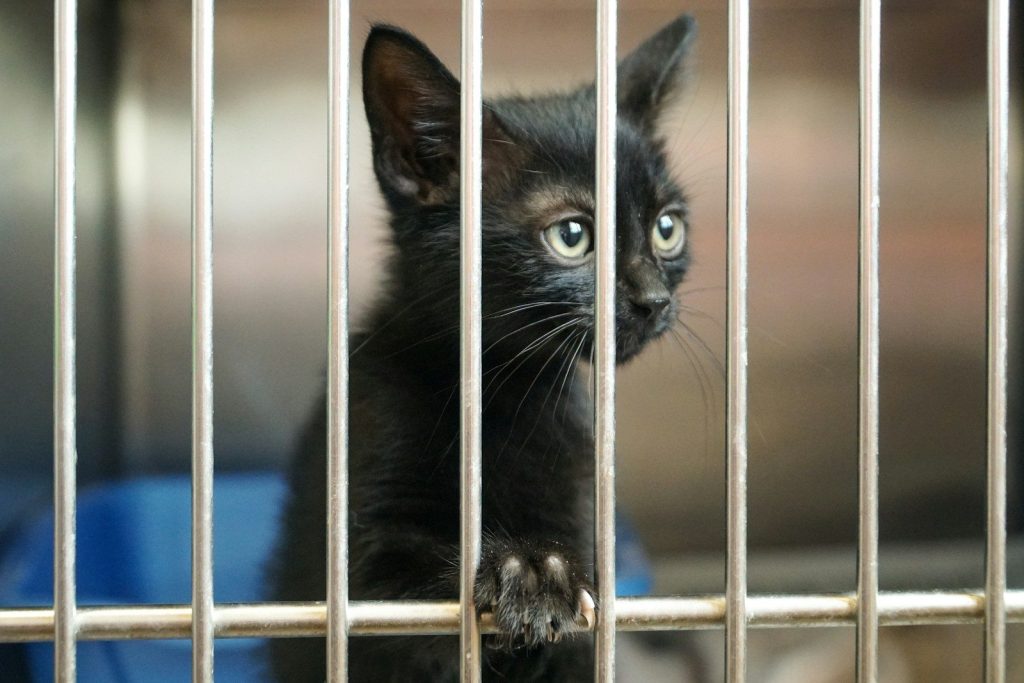
    shallow focus photography of black kitten
    Photo by Thomas Park on Unsplash

    Shelters and rescue groups have expanded their adoption efforts in recent years. Many organizations now use websites, social media, and community events to showcase available animals. Photos, videos, and adoption stories help potential pet owners learn about animals waiting for homes.

    These outreach efforts have increased public awareness about adoption. More people understand that adopting from a shelter or rescue can save a life while providing a loving companion. Adoption events held in parks, pet stores, and community centers make it easier for families to meet animals in person. As a result, many orphaned and abandoned pets are finding homes faster than they might have in the past.

    Medical care improves animals’ chances of finding homes

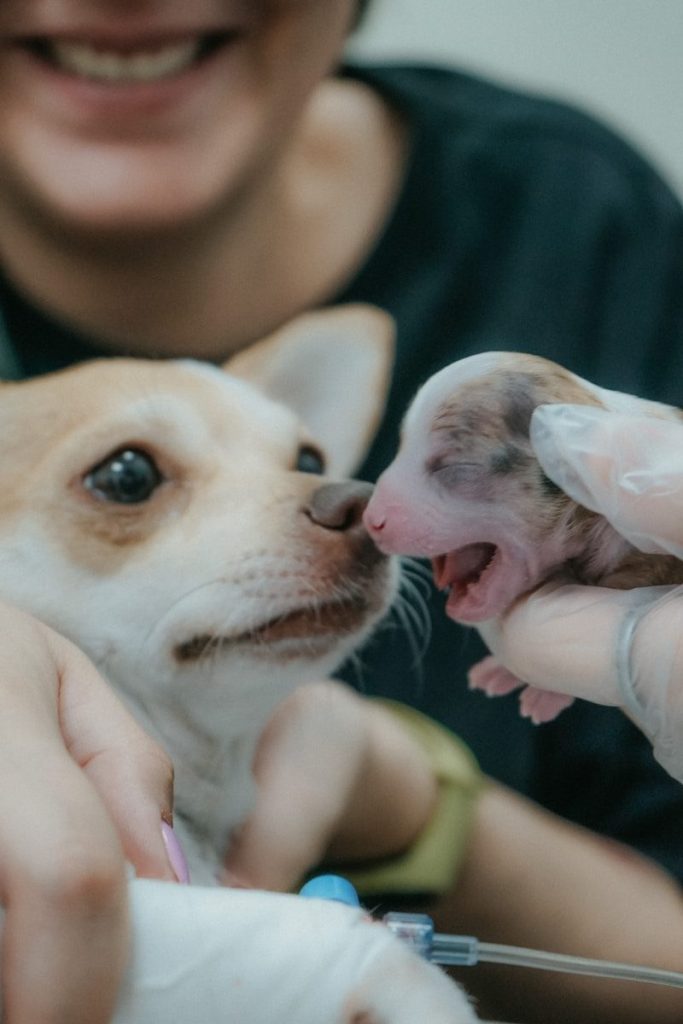
    a person holding a baby
    Photo by Anya Prygunova on Unsplash

    Many abandoned animals arrive at shelters with health problems. They may suffer from injuries, infections, malnutrition, or untreated illnesses. Rescue organizations invest significant resources into veterinary care to help these animals recover and become adoptable.

    Modern rescue programs often include vaccinations, spaying and neutering, microchipping, and medical treatment before adoption. Animals that receive proper healthcare are more likely to live long, healthy lives with their new families. Medical rehabilitation also allows shelters to save animals that might once have faced poor outcomes due to treatable conditions.

    Community support strengthens rescue efforts

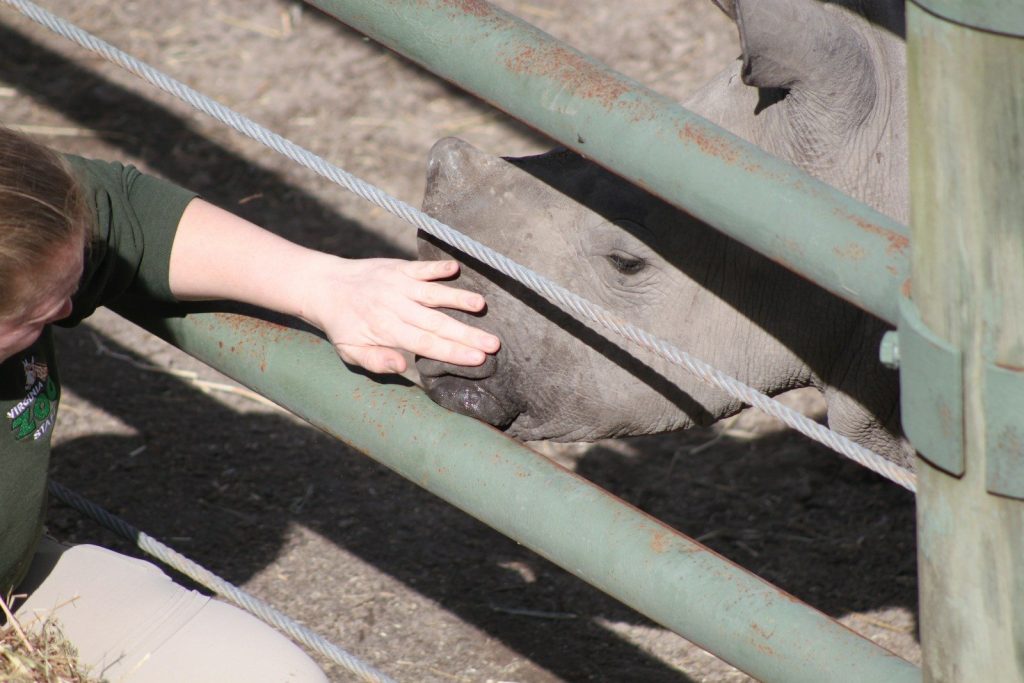
    a woman is petting a baby elephant through a fence
    Photo by em b on Unsplash

    The success of animal rescues depends heavily on community involvement. Volunteers donate time to care for animals, transport them to appointments, clean facilities, and assist with adoption events. Donations from individuals and businesses help cover food, medical supplies, and shelter operations.

    Communities also support rescues through education and awareness programs. Many organizations teach responsible pet ownership, encourage spaying and neutering, and help families keep their pets during difficult times. These efforts reduce the number of animals entering shelters while increasing support for adoption. Strong community involvement creates a better safety net for vulnerable animals.

    Challenges remain despite growing adoption success

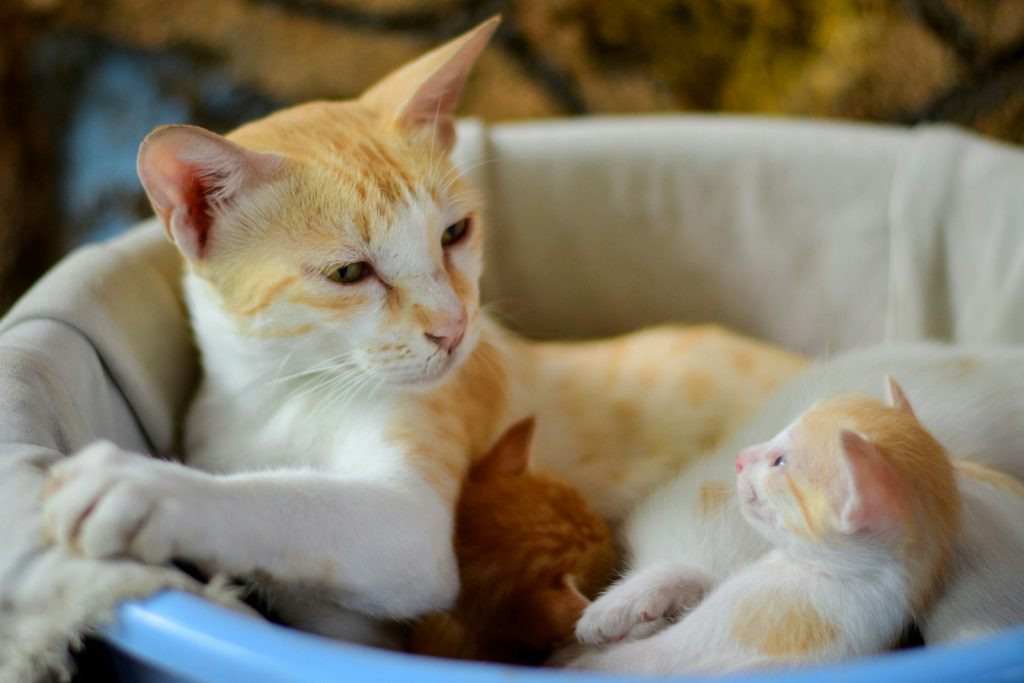
    orange tabby cat on blue plastic basin
    Photo by Prasad Panchakshari on Unsplash

    Although rescue efforts are helping more animals, challenges still exist. Shelters across the country continue to care for large numbers of dogs and cats. Some animals, especially older pets, large dogs, or animals with medical needs, may wait longer for adoption. Limited funding and staffing shortages can also place pressure on rescue organizations.

    Economic difficulties can contribute to pet abandonment when families struggle with housing, food costs, or veterinary expenses. Rescue groups often work beyond their normal capacity to help animals affected by these situations. Even with these challenges, growing adoption programs, foster networks, and community partnerships continue to improve outcomes for countless orphaned and abandoned animals.

  • Ranking dog breeds based on their intelligence levels

    Ranking dog breeds based on their intelligence levels

    Have you ever wondered which dog breeds are the smartest? Many people think intelligence in dogs is only about learning tricks, but it is much more than that. Some dogs learn commands very quickly, while others are great problem-solvers or have strong natural skills for herding, guarding, or tracking.

    When discussing dog breeds ranked by intelligence, experts often look at trainability, obedience, problem-solving ability, and how well dogs work with people. This article explores how canine intelligence is measured and highlights some of the smartest dog breeds in the world. By the end, you will understand why certain breeds consistently top intelligence rankings and why every dog can be smart in its own way.

    How dog intelligence is measured

    a small white dog running across a sandy beach
    Photo by Nick Fewings on Unsplash

    Dog intelligence is not measured the same way human intelligence is measured. Researchers and canine experts generally look at several different types of intelligence. These include instinctive intelligence, adaptive intelligence, and working or obedience intelligence. Instinctive intelligence refers to the tasks a breed was developed to perform, such as herding sheep or retrieving game. Adaptive intelligence measures a dog’s ability to solve problems on its own.

    Working and obedience intelligence is the type most often used in breed rankings. It focuses on how quickly a dog learns new commands and how reliably it follows them. Much of the widely known ranking system comes from research by psychologist Stanley Coren, who gathered information from hundreds of professional dog obedience judges. His work showed clear differences in how quickly various breeds learned and responded to commands.

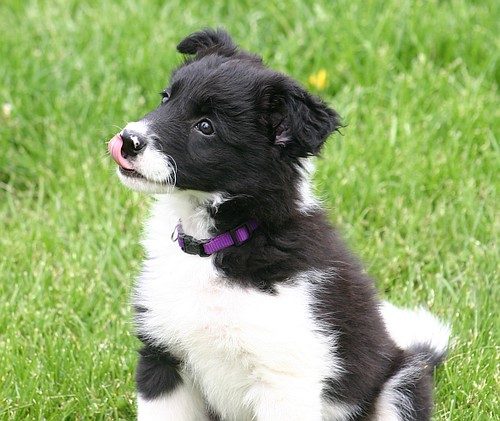
    Border Collie leads the rankings

    Mom’s New Border Collie Puppy, Lee” by kate.gardiner is licensed under CC BY-NC 2.0

    The Border Collie is widely considered the most intelligent dog breed in the world. These dogs were developed to herd sheep and other livestock, and they are known for their incredible focus, energy, and ability to learn. Border Collies can often understand new commands after only a few repetitions and perform them with remarkable accuracy.

    Their intelligence goes beyond obedience. Border Collies are excellent problem-solvers and can make decisions independently while working. Many owners describe them as dogs that seem to think several steps ahead. Because of their intelligence and energy, they need plenty of mental stimulation and exercise. Without enough activity, they can become bored and develop unwanted behaviors.

    Poodle and German Shepherd follow closely

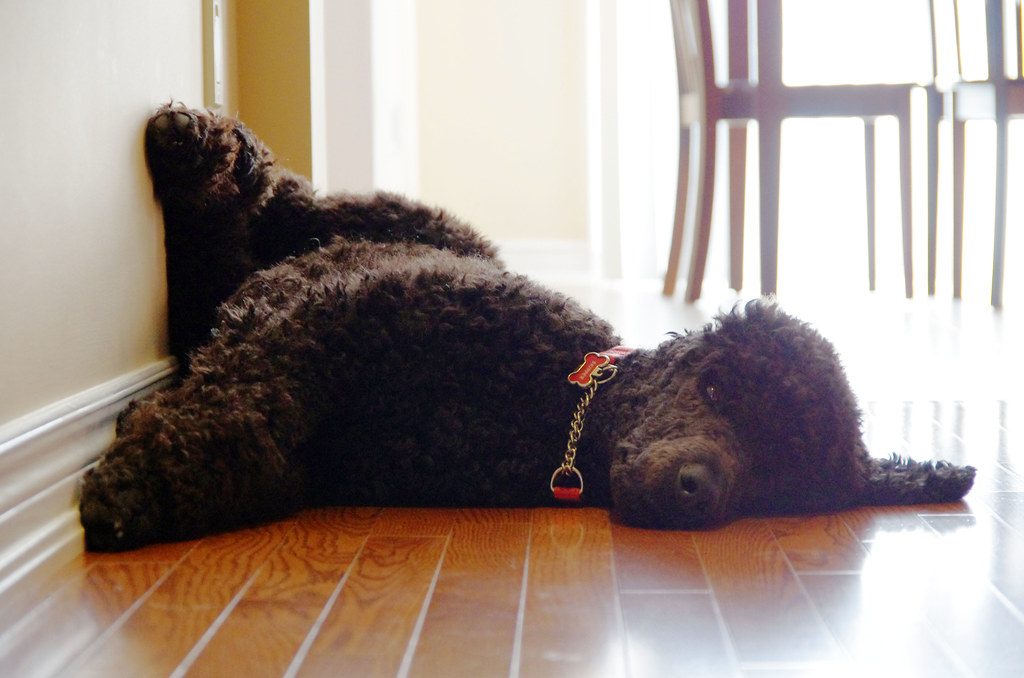
    Guard Poodle On Duty” by vladm2007 is licensed under CC BY-NC 2.0

    The Poodle often surprises people by ranking near the very top of intelligence lists. While many people know Poodles for their stylish appearance, they are actually highly intelligent working dogs. They learn commands quickly, excel in obedience training, and perform well in activities such as agility, tracking, and service work.

    The German Shepherd is another breed known for exceptional intelligence. These dogs are commonly used in police work, military operations, search-and-rescue missions, and service roles. Their ability to learn complex tasks, remember commands, and work closely with people makes them one of the most versatile breeds. German Shepherds combine intelligence with loyalty and courage, which is why they remain popular worldwide.

    Golden Retrievers and Dobermans shine

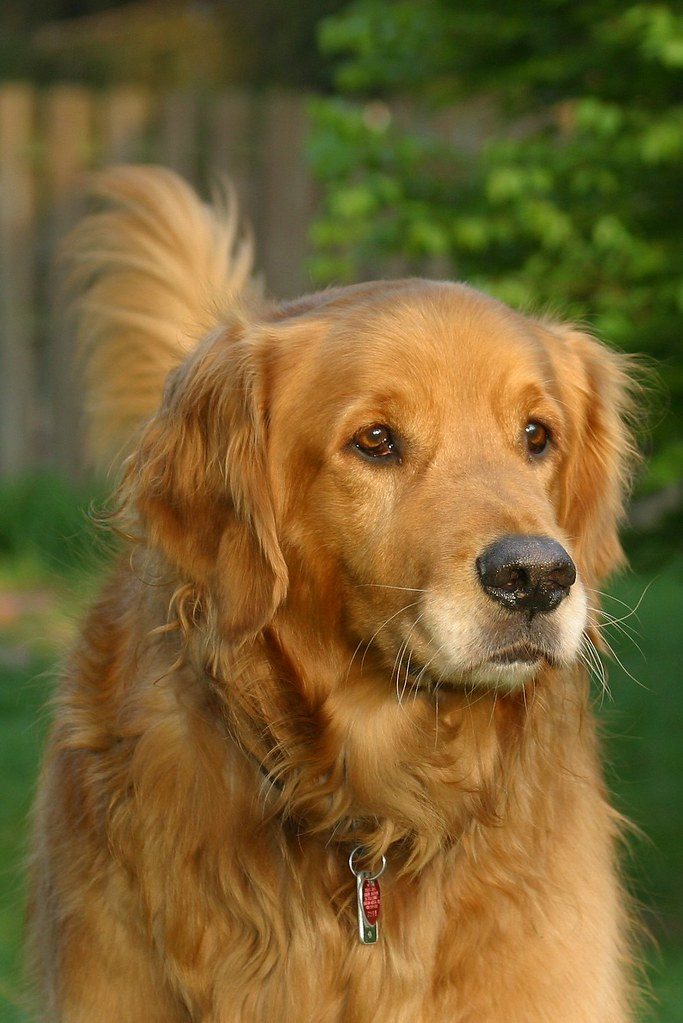
    Golden Retriever” by rkleine is licensed under CC BY-NC 2.0

    Golden Retrievers are famous for their friendly personalities, but they are also among the smartest dog breeds. They learn quickly and are eager to please, which makes training easier for many owners. Their intelligence and gentle nature make them excellent service dogs, therapy dogs, and family pets.

    Doberman Pinschers are equally impressive when it comes to intelligence. They are known for their alertness, confidence, and ability to learn complex commands. Dobermans were originally developed for protection work, and their intelligence helps them assess situations quickly. With proper training and socialization, they become reliable companions who can excel in many different activities.

    Other highly intelligent breeds

    Shetland Sheepdog” by Shames Privacy is licensed under CC BY 2.0

    Several other breeds consistently appear near the top of intelligence rankings. The Shetland Sheepdog is often praised for its ability to learn commands rapidly and perform well in obedience competitions. Despite its smaller size, it possesses remarkable intelligence and a strong desire to work with people.

    Labrador Retrievers, Papillons, Rottweilers, and Australian Cattle Dogs are also highly regarded for their intelligence. Labrador Retrievers are among the most popular service and assistance dogs because they are trainable and eager to work. Papillons demonstrate that small dogs can be extremely intelligent, while Rottweilers combine intelligence with strength and confidence. Australian Cattle Dogs are known for their problem-solving skills and strong work ethic developed through generations of herding livestock.

    Why rankings do not tell the whole story

    person holding brown and white short coated dog
    Photo by Madeline Bowen on Unsplash

    Although intelligence rankings are useful, they do not tell the entire story. Most rankings focus heavily on obedience and trainability. Some breeds may rank lower simply because they were bred to work independently rather than follow human commands immediately. This does not mean they are less intelligent.

    For example, scent hounds can follow complex trails for miles using their powerful sense of smell. Terriers often show excellent problem-solving abilities when hunting small animals. Many dog experts point out that intelligence comes in different forms. A dog that seems stubborn during training may actually be making independent decisions based on its instincts and breeding history. Different breeds excel at different tasks, making intelligence much more complex than a simple list can show.

    Every dog has unique strengths

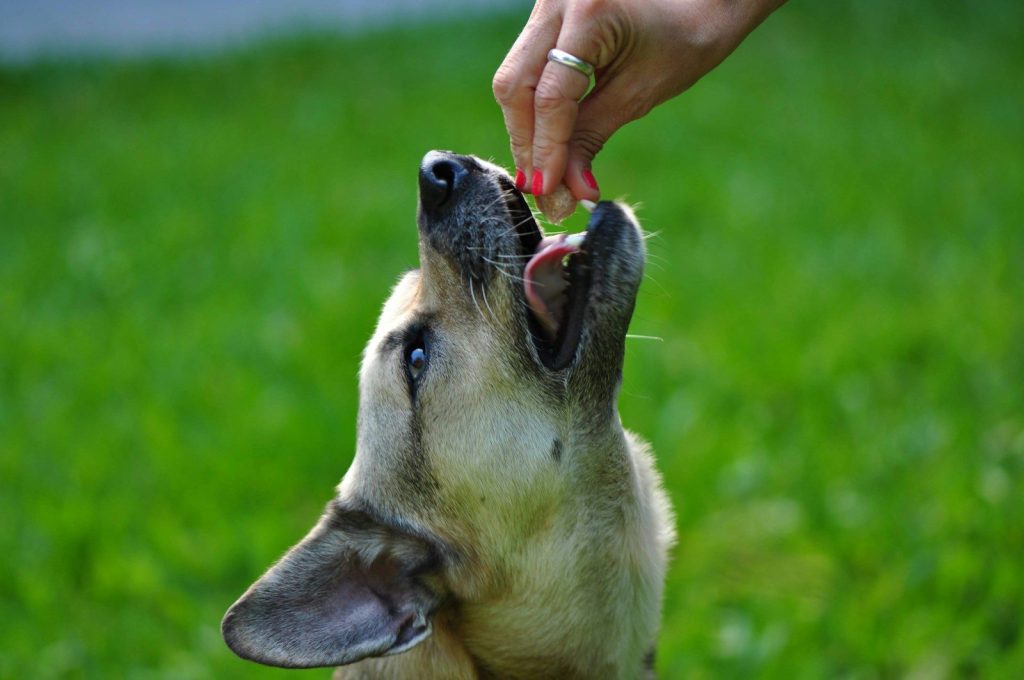
    a person feeding a dog a piece of food
    Photo by Juan Pablo Mascanfroni on Unsplash

    One important lesson from canine intelligence research is that every dog has strengths. Some dogs are exceptional at learning commands, while others are skilled at reading human emotions, solving problems, or performing specialized tasks. Researchers have even found that many dogs can understand a large number of words and human cues, showing just how closely they connect with people.

    A breed’s ranking should never be the only factor when choosing a dog. Energy level, temperament, size, grooming needs, and compatibility with your lifestyle are just as important. A highly intelligent dog may require more mental stimulation and training than some owners can provide. In many cases, the best dog is not necessarily the smartest one but the one whose personality and needs match your home and family.

  • Why orca families depend heavily on their grandmothers

    Why orca families depend heavily on their grandmothers

    Orcas are known for their strong family bonds, but one family member plays a bigger role than many people realize. Scientists have discovered that grandmother orcas help keep their families alive and healthy, especially during hard times. This finding has changed the way researchers understand whale societies and even offers clues about why some animals, including humans, live long after they stop having babies.

    If you have ever wondered why orca families depend heavily on their grandmothers, the answer comes down to food, experience, leadership, and survival. Research has shown that grandmothers can improve the chances of young whales living longer and thriving in difficult conditions. By learning about these remarkable animals, you can better understand one of the most successful family systems in the natural world.

    Orca families stay together for life

    orca” by Christopher.Michel is licensed under CC BY 2.0

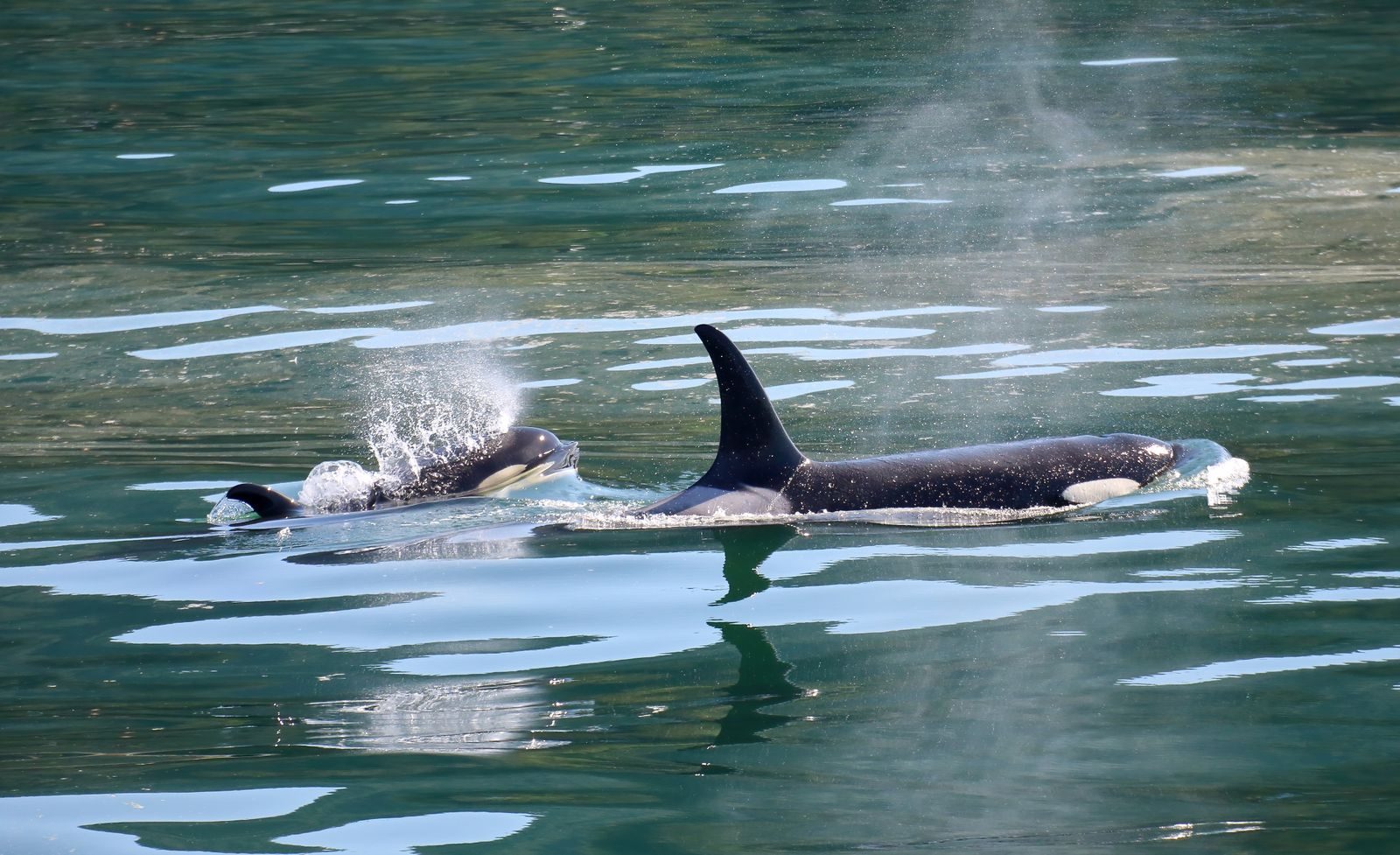
    Unlike many animals, orcas usually live in close family groups called pods. Sons and daughters often stay with their mothers for their entire lives. This means several generations can travel, hunt, and socialize together every day. Because families remain connected for decades, older females stay closely involved with their children and grandchildren.
    This lifelong family structure creates a unique role for grandmothers. Since they remain with their descendants, they can continue helping long after raising their own calves. Researchers studying resident orcas in the Pacific Northwest have found that these older females remain active members of the pod and contribute to the success of younger generations. Their constant presence allows knowledge and support to be shared throughout the family.


    Grandmothers help young whales survive

    two black and white orca swimming in a body of water
    Photo by Stephen Walker on Unsplash

    One of the most important discoveries about orca grandmothers is their effect on calf survival. Studies tracking multiple generations of whales found that grandchildren are more likely to survive when a grandmother is alive. The benefits become especially clear when resources are limited and life becomes more challenging.

    Scientists found that the loss of a grandmother can increase the risk of death for her grandchildren. Older females appear to provide support that helps younger family members overcome difficult conditions. Their presence acts like a safety net for the pod, giving younger whales a better chance to reach adulthood. This survival advantage helps explain why grandmother orcas are considered such valuable members of their families.

    Experience makes older females valuable leaders

    two black dolphins on body of water during sunrise
    Photo by Bart on Unsplash

    Orcas can live for many decades, and older females accumulate a huge amount of knowledge during their lives. They learn where food can be found, how prey moves throughout the seasons, and which routes are safest. This information becomes incredibly valuable when conditions change.

    Research suggests that older females often take leadership roles, especially during years when food is scarce. Their experience allows them to guide family members toward feeding areas that younger whales may not know about. In this way, grandmother orcas act as living libraries of knowledge. Instead of relying only on instinct, younger whales can benefit from the wisdom gathered by older generations over many years.

    Food sharing strengthens the entire pod

    Orca calf and Mother” by alumroot is licensed under CC BY-NC 2.0

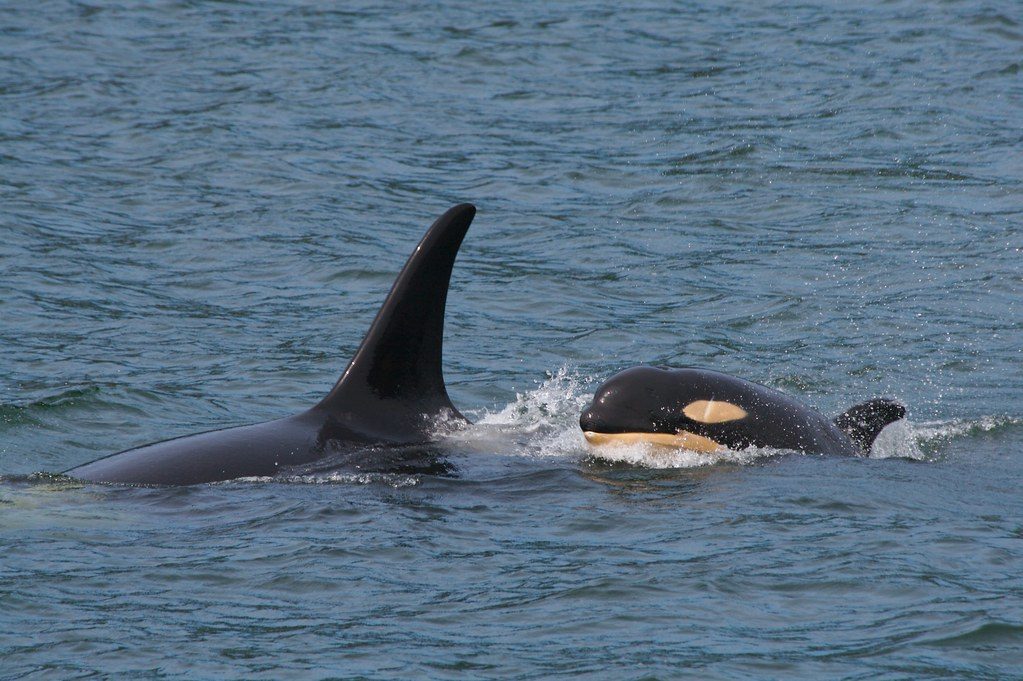
    Food sharing is another reason grandmothers are so important. Orcas do not simply hunt for themselves. Family members often share food with one another, creating a cooperative system that helps the whole group survive. Older females are known to participate in this sharing network.

    When prey such as Chinook salmon becomes harder to find, food sharing can make a major difference. A grandmother who helps distribute food may prevent younger whales from going hungry during difficult periods. This support is especially important for growing calves and nursing mothers, which require large amounts of energy. By helping feed relatives, grandmothers improve the health and stability of the entire family.

    Grandmothers become even more important during hard times

    A serene view of orcas swimming in Telegraph Cove, BC, with scenic mountainous background.
    Photo by marnock on Pexels

    The value of grandmother orcas becomes most obvious when food supplies decline. Many resident orcas depend heavily on salmon, and salmon numbers can vary from year to year. During periods of low salmon abundance, families face greater challenges finding enough food.

    Studies have shown that the benefits provided by grandmothers are strongest when resources are scarce. Their knowledge, leadership, and support help families cope with difficult conditions. As environmental pressures increase, older females may become even more critical to the survival of future generations. This means protecting grandmother whales is not just about saving individual animals. It is also about preserving the knowledge and support systems that keep entire pods functioning successfully.

    What grandmothers teach us about orca society

    A serene group of orcas gliding through the calm waters of Telegraph Cove, BC.
    Photo by marnock on Pexels

    The story of the grandmother orcas reveals just how complex whale societies can be. These animals are not simply groups of individuals traveling together. They are closely connected families where cooperation, learning, and support play major roles in survival. Older females serve as leaders, teachers, caregivers, and providers, helping younger generations navigate the challenges of life in the ocean.

    Their importance also gives scientists new clues about the evolution of long life spans and menopause. Humans and a few whale species share the unusual trait of living long after reproduction ends. In both cases, older females appear to improve the success of their descendants through knowledge, guidance, and care. The more researchers study orcas, the clearer it becomes that grandmothers are not just helpful members of the pod. They are often one of the main reasons the family thrives.

  • A starving mother dog refuses to abandon her six puppies in the woods

    A starving mother dog refuses to abandon her six puppies in the woods

    What would you do if you found a starving mother dog alone in the woods with her puppies? That heartbreaking situation became real when animal rescuer Audrey Freeman discovered an abandoned mother dog and her six puppies in a forest. The rescue quickly went viral on TikTok and inspired an outpouring of support.

    Despite being severely malnourished, the mother dog never gave up on her babies and did everything she could to keep them safe. This story follows the brave dog’s rescue, her journey to recovery, and the kindness that changed her life and those of her puppies.

    A heartbreaking discovery in the woods

    long-coated white puppy litter
    Photo by Jametlene Reskp on Unsplash

    At the end of May, animal rescuer Audrey Freeman responded to a situation that would soon capture the attention of many people online. Deep in the woods, she found a mother dog living with her six puppies after they had been abandoned.

    The scene was difficult to witness. The mother dog was extremely thin and weak, yet she remained close to her puppies. Even in her poor condition, she continued caring for them and protecting them as best as she could.

    The mother dog’s condition shocked rescuers

    brown short coat medium dog on grey concrete road during daytime
    Photo by Dasha Urvachova on Unsplash

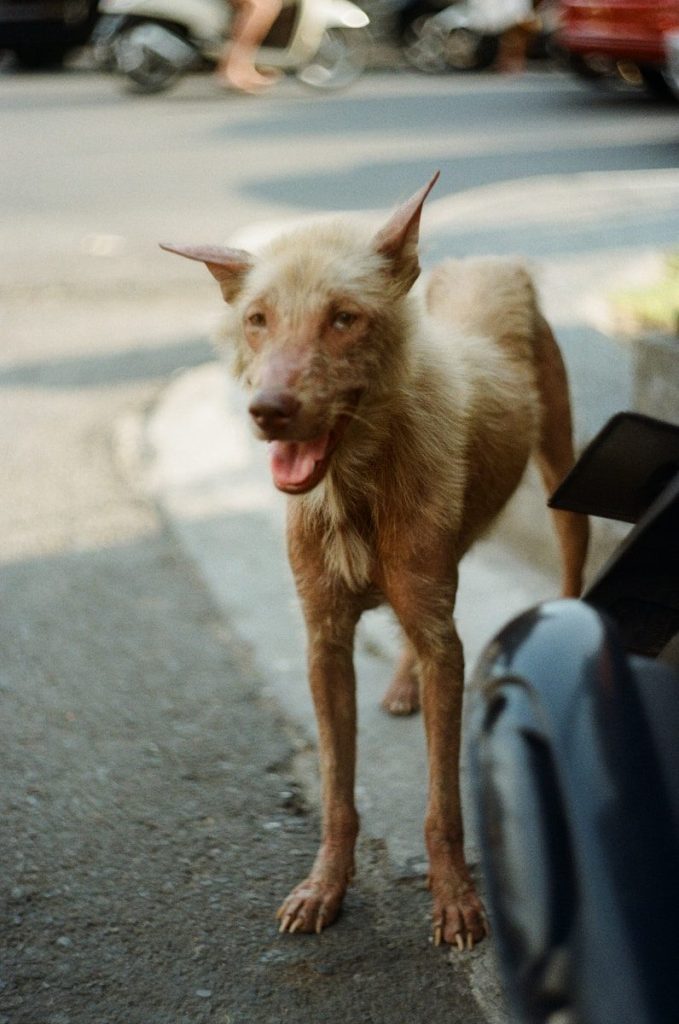
    The dog was suffering from severe malnutrition when Audrey found her. Her body showed clear signs of hunger, and her ribs were visible through her skin. It was obvious that she had not been getting enough food for a long time.

    When Audrey arrived, the dog stood up and walked toward her while wagging her tail. However, she was so weak that the simple act of wagging her tail caused her to stumble. Her condition showed just how much she had sacrificed to make sure her puppies could eat.

    A meal brought hope to the family

    a brown and white dog eating food out of a bowl
    Photo by Ayla Verschueren on Unsplash

    Audrey quickly provided food for the mother dog and her six puppies. The hungry family eagerly ate their meal, giving rescuers a glimpse of hope for their future.

    The sight of the dogs finally getting food touched many people online. Viewers who watched the rescue videos became emotional and shared messages of support. Many were moved by the mother’s determination to care for her puppies despite her own suffering.

    TikTok users stepped in to help

    person holding black iphone 5
    Photo by Solen Feyissa on Unsplash

    As the rescue story spread across TikTok, thousands of people followed the family’s progress. The videos received a strong emotional response from viewers who wanted to help the dogs recover.

    Many people sent donations to support the care of the mother dog and her puppies. This generosity provided valuable assistance as the family began receiving the food, shelter, and medical attention they needed after their rescue.

    Arya begins her recovery journey

    dog lying on floor
    Photo by Daniele Franchi on Unsplash

    After being rescued, the mother dog was given a new name: Arya. Audrey later shared updates showing that Arya was slowly improving and becoming healthier with proper care.

    One of the most encouraging signs was her weight gain. Her ribs became less visible as she received regular meals and attention. While her recovery was still in the early stages, the positive changes showed that she was moving in the right direction.

    Health challenges remain ahead

    a brown and white dog laying on top of a floor
    Photo by Joylynn Goh on Unsplash

    Although Arya’s condition improved, health examinations revealed another challenge. Several medical checks showed that she tested positive for heartworm and would require treatment.

    Audrey explained that Arya’s recovery would need to happen one step at a time. With continued care, treatment, and support, the goal is to help her regain her strength while ensuring her puppies continue to grow and thrive alongside her.

  • Hawk accidentally delivers a kitten to a backyard, changing its life forever

    Hawk accidentally delivers a kitten to a backyard, changing its life forever

    Have you ever heard of a kitten arriving from the sky? Most lost or rescued cats are found in backyards, streets, or shelters, but one tiny kitten had a much more unusual journey. A hawk reportedly dropped a small Tabby kitten into a neighbor’s yard, sparking a story that quickly went viral online.

    The surprising rescue left viewers shocked, amused, and concerned for the kitten’s well-being. This article explores how the kitten was found, the injuries he suffered, the care he received, and the funny reactions that followed his incredible arrival.

    A kitten arrives in an unexpected way

    “Black Footed Cat (Kitten)” by Asten is licensed under CC BY-NC 2.0

    The cat distribution system is a popular joke among cat lovers. Many people believe that cats somehow find their way into their future homes through strange and unexpected circumstances.

    Recently, a kitten named Chopper became the center of one of the most unusual stories yet. According to a TikTok video shared by user @pandoraadventures, a hawk dropped the fluffy Tabby kitten into the creator’s neighbor’s yard, leaving everyone stunned by the bizarre event.

    Chopper quickly captured hearts online

    brown tabby kitten on white textile
    Photo by Tobias on Unsplash

    The video introduced viewers to Chopper, a tiny kitten with fluffy fur and a worried expression. Sitting inside a kennel, he appeared confused and overwhelmed after his unexpected adventure.

    His small size and adorable appearance immediately drew attention from animal lovers. Many viewers felt sympathy for the kitten and hoped he would receive the care and comfort he needed after such a frightening experience.

    The kitten faced a difficult challenge

    close up photo of kitten lying on white textile
    Photo by freddie marriage on Unsplash

    While Chopper survived the incident, he did not escape without injury. In a follow-up video, his owner explained that the kitten had suffered damage to one of his back legs.

    The injury added another challenge to an already stressful situation. Despite what happened, there was encouraging news for those following his story. Chopper was receiving professional medical care and support as he began his recovery.

    Veterinarians shared hopeful news

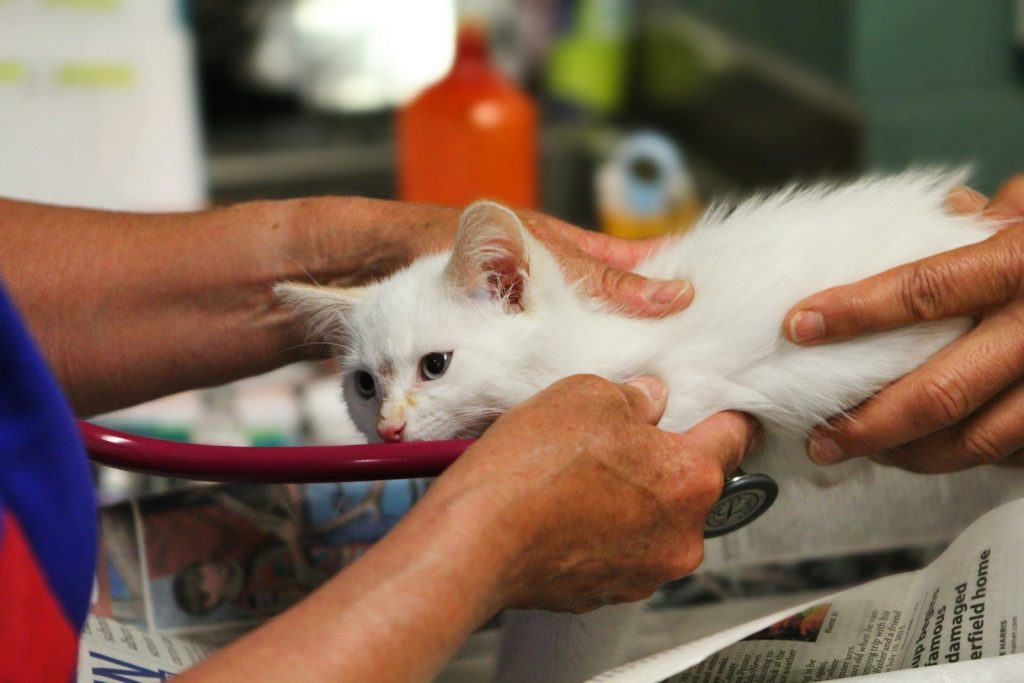
    A white kitten being examined by a veterinator
    Photo by Judy Beth Morris on Unsplash

    After examining the kitten, veterinarians provided a positive update about his condition. They believed Chopper had a good chance of regaining the use of his injured back leg over time.

    This news brought relief to many people who had become invested in his story. Although recovery may take time, the veterinarian’s assessment offered hope that the young kitten could eventually return to a normal, active life.

    Recovery will take time and patience

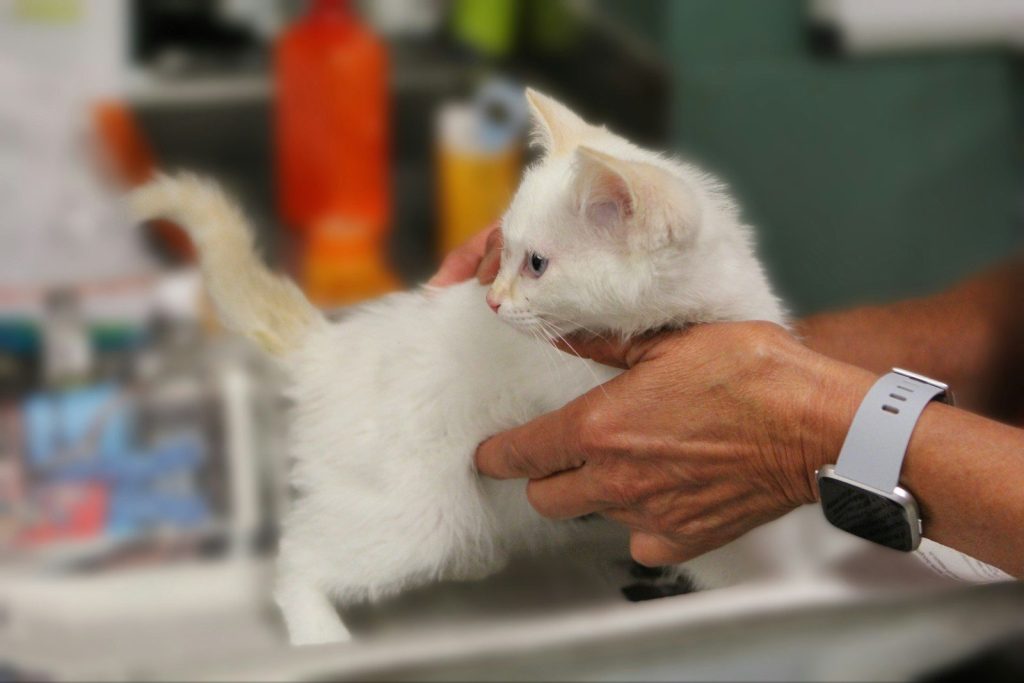
    A person holding a small white kitten in their hands
    Photo by Judy Beth Morris on Unsplash

    Physical injuries were not the only concern. Chopper’s owner explained that the kitten appeared traumatized by the frightening experience of being carried and dropped by a hawk.

    Even so, she remained optimistic about his future. She shared her belief that Chopper would be OK and would continue to improve with proper care, attention, and a safe environment where he could heal both physically and emotionally.

    The internet responds with humor

    A person holding a smart phone with social media on the screen
    Photo by Berke Citak on Unsplash

    As the story spread online, viewers filled the comments section with jokes about the famous cat distribution system. Many people found creative ways to explain the kitten’s unusual arrival.

    One person joked that the economy had become so bad that birds were now working as delivery drivers. Others imagined hawks joining the cat distribution system as official delivery workers. The playful comments added a lighthearted touch to a story that had started with concern for a vulnerable kitten.

  • 6 things you should never do to your dog, according to experts

    6 things you should never do to your dog, according to experts

    Every dog owner wants the best for their furry friend. However, even the most loving pet parents can make mistakes that may affect a dog’s health, happiness, and safety. Some habits may seem harmless at first, but they can create serious problems over time.

    Understanding these common dog care mistakes can help owners provide a better life for their pets. This article explores six important things dog owners should never do and explains why avoiding these mistakes can help dogs stay healthy, comfortable, and emotionally secure.

    Leaving a dog alone in a car

    long-coated brown dog staring on vehicle window
    Photo by Tim Mossholder on Unsplash

    Many people underestimate how quickly the inside of a car can become dangerous for a dog. Even when the weather is cool outside, a parked vehicle can trap heat and become extremely warm within a short time.

    A dog left alone in a car can suffer from overheating, serious illness, or even death if conditions become too severe. In addition to health risks, unattended dogs may also become targets for theft. For these reasons, dogs should never be left alone inside a parked vehicle.

    Making a dog live on a chain

    yellow labrador retriever lying on wooden floor
    Photo by Sam Chan on Unsplash

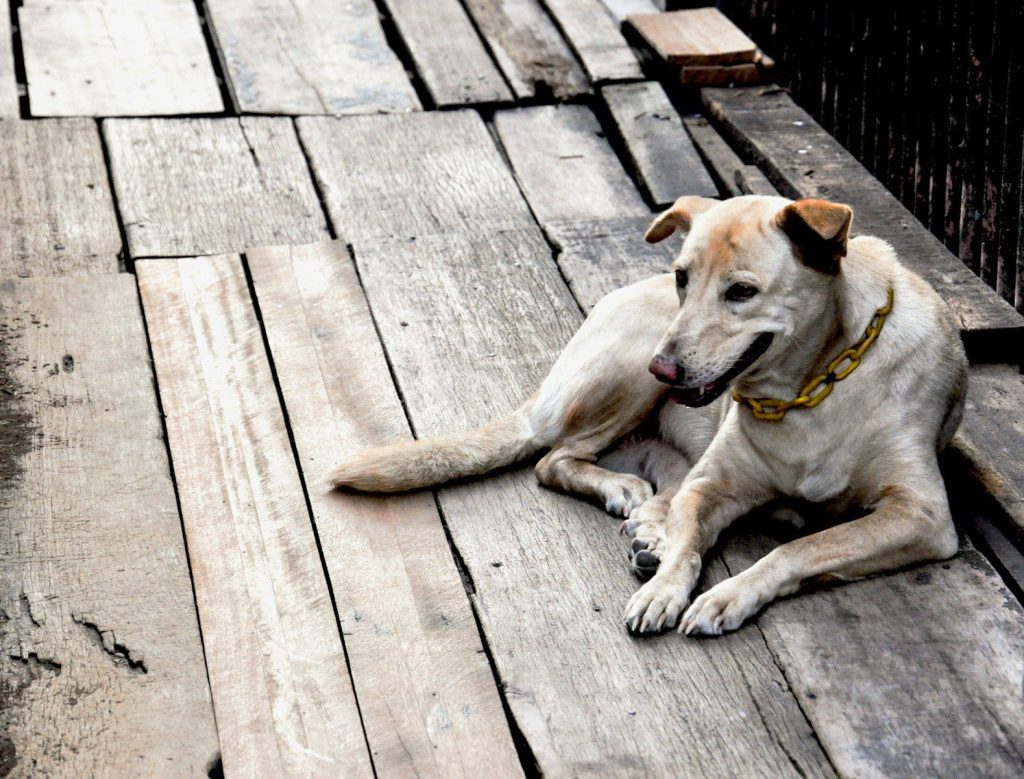
    Dogs enjoy spending time outdoors, and temporary supervised tethering can sometimes be appropriate when conditions are safe. However, there is a major difference between short-term supervision and chaining a dog.

    Dogs need companionship, mental stimulation, and regular interaction with people. Leaving a dog chained outside while family members spend their time indoors can lead to loneliness and emotional distress. Dogs thrive when they are treated as part of the family rather than being isolated from it.

    Neglecting your dog’s dental health

    long-coated brown dog
    Photo by Brian Brxtn on Unsplash

    Dental care is often overlooked by dog owners, even though it plays an important role in overall health. Many dogs develop dental problems that go unnoticed because owners do not regularly check or clean their teeth.

    Veterinarians recommend regular dental examinations and routine oral care. Brushing a dog’s teeth can help prevent problems before they become serious. Owners should use dog-specific products because human toothpaste may contain ingredients that can make dogs sick if swallowed.

    Using physical punishment

    white and brown short coated dog lying on green grass during daytime
    Photo by Alexas_Fotos on Unsplash

    Some people still believe that hitting a dog is an effective form of discipline. However, physical punishment can damage the bond between a dog and its owner while creating fear and confusion.

    Dogs learn best through positive guidance and consistent training. When a dog is hit, trust can be broken, making the animal feel insecure. Fearful dogs may become anxious and can struggle to develop healthy behavior patterns.

    Ignoring a dog’s emotions

    dog lying on floor
    Photo by Daniele Franchi on Unsplash

    Dogs are more emotionally aware than many people realize. Research has shown that dogs can experience emotions and respond to the feelings of the people around them.

    Because dogs form strong emotional connections with their families, negative treatment can affect their well-being. Constant yelling, harsh treatment, or purposely upsetting a dog can damage both its emotional health and its relationship with its owner.

    Skipping veterinary visits

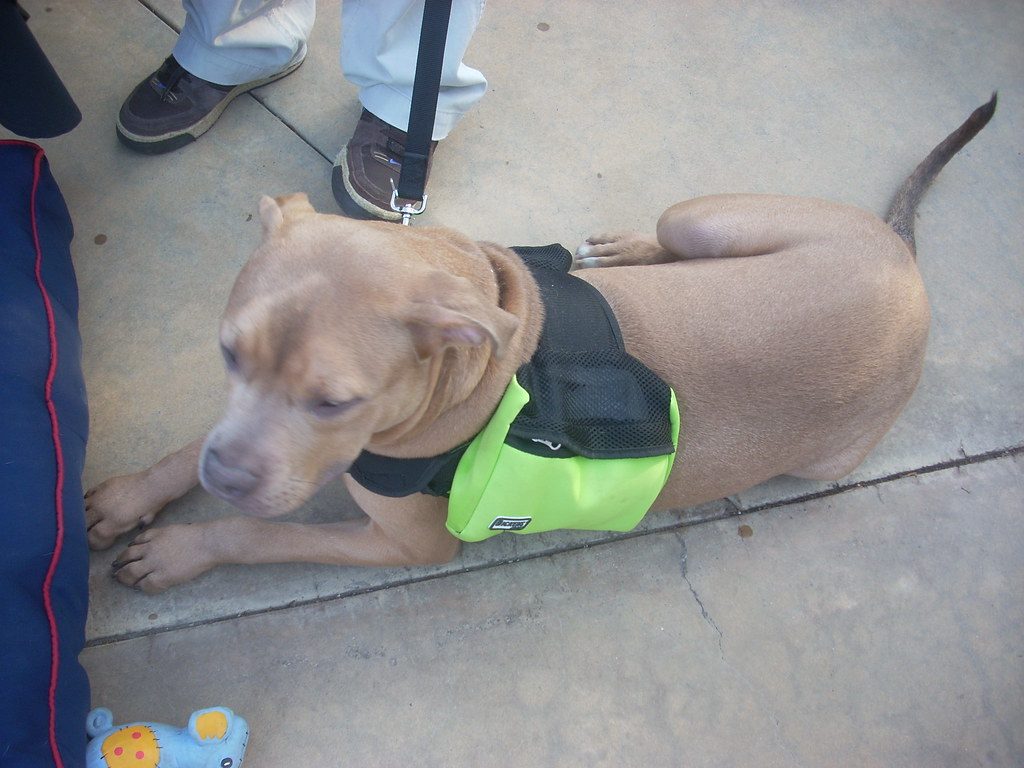
    Pancake the pit bull at Dog Day Afternoon in downtown L.A.” by LA Wad is licensed under CC BY-NC-SA 2.0

    Some dog owners try to diagnose health problems online rather than seeking professional veterinary care. While online information can be useful for learning more about a condition, it should not replace expert medical advice.

    When a dog begins acting differently or shows signs of illness, prompt veterinary attention is important. Regular checkups can help identify health concerns early and ensure that dogs receive the treatment they need before problems become more serious.

  • Stray puppy leads rescuer to six siblings abandoned on a roadside couch, saving them all

    Stray puppy leads rescuer to six siblings abandoned on a roadside couch, saving them all

    What would you do if you spotted a lonely puppy running along a roadside? For one Texas animal rescuer, that simple moment turned into a life-saving mission. While driving through her community, Zully Vasquez Ventura noticed a small puppy in the distance.

    What happened next led her to six more puppies living in heartbreaking conditions. The rescue showed how one brave puppy helped save his entire family. This story follows the discovery, the rescue effort, and the journey of seven puppies who finally got a chance at a better life.

    A surprising sight on the roadside

    selective focus photography of three brown puppies
    Photo by Anoir Chafik on Unsplash

    Zully Vasquez Ventura was driving through her community in Cleveland, Texas, when she noticed something furry moving near the road. As she got closer, she realized it was a small puppy all alone.

    Concerned for the puppy’s safety, Ventura slowed her vehicle and carefully approached him. At first, she found it unusual to see only one puppy because abandoned puppies are often found with littermates nearby.

    The puppy had something important to show

    brown and white short coated dog lying on gray concrete floor
    Photo by Ioana Cristiana on Unsplash

    As Ventura watched, the puppy looked at her and then turned away. Instead of running off, he headed toward an old couch that had been left along the roadside.

    Ventura followed the puppy and soon discovered he was not alone. At first, she spotted two puppies on the couch. As she moved closer, she realized there were more and more puppies hiding there, bringing the total number to seven.

    Living in difficult conditions

    three puppies are standing on a pile of rubble
    Photo by Rishu Bhosale on Unsplash

    The puppies were excited to see Ventura and greeted her with wagging tails and playful energy. Despite their happy behavior, their living conditions were heartbreaking.

    The puppies were surrounded by trash and surviving by eating garbage from the street. Ventura also noticed their poor skin condition and knew they were suffering. Seeing how vulnerable and hungry they were, she decided she could not leave them behind.

    A rescue mission comes together

    a group of dogs running down a road
    Photo by Lesya Tyutrina Andrey Biyanov on Unsplash

    Ventura has spent years helping abandoned and neglected dogs in the Colony Ridge neighborhood. She regularly feeds stray animals and works with rescue groups to save as many dogs as possible.

    Although rescuing seven puppies seemed challenging, the puppies made it easy. When Ventura called out to them, they eagerly followed her and ran toward her vehicle. She safely placed them in crates inside her air-conditioned van.

    Searching for the puppies’ mother

    brown and white short coated puppy on gray concrete floor during daytime
    Photo by Chirag Dulyan on Unsplash

    After securing the puppies, Ventura drove around the area looking for their mother. She called out and searched nearby, hoping to reunite the family if possible.

    Despite her efforts, she could not find the mother dog. Ventura believed the puppies may have been abandoned, while their mother was not. Without finding an adult dog in the area, she focused on getting the puppies the help they urgently needed.

    The puppies begin a new chapter

    brown and white short coated medium sized dog on gray concrete floor during daytime
    Photo by Moin Garana on Unsplash

    Ventura shared the puppies’ story on social media and asked for assistance from rescue organizations. Rescue groups stepped forward to help, and a foster caregiver quickly took the puppies to a veterinarian.

    The medical examination revealed serious health issues. The puppies were suffering from severe mange, some had broken teeth likely caused by eating trash, and one puppy appeared to have a snake bite. Thanks to Ventura, the foster caregiver, and the rescue groups, all seven puppies are now safe and receiving the care they need to recover.

  • Experts reveal why cats never truly forget their owners

    Experts reveal why cats never truly forget their owners

    Many people believe cats are independent animals that quickly forget the people in their lives. Because they often seem calm and self-sufficient, some pet owners worry that their cats will not remember them after a long absence. However, experts say that the idea is far from the truth.

    Cats have complex memory systems that help them remember people, places, smells, sounds, and daily routines. These memories can last for months or even years. This article explores how cats remember their owners, why those memories are so strong, and the signs that may show a cat is missing someone special.

    Cats have a more complex memory than many people think

    silver tabby kitten on floor
    Photo by Loan on Unsplash

    Cats do not simply remember faces. According to veterinary nurse Jane Davidson, their memories are linked to many aspects of their environment, including sights, sounds, smells, and routines.

    Because cats build memories through multiple experiences, they often create strong associations with the places and people around them. These layers of memory help them feel safe and comfortable in their daily lives.

    Research suggests pets can recall past experiences

    brown tabby cat
    Photo by Jae Park on Unsplash

    A study conducted by researchers at the Center on Autobiographical Memory Research at Aarhus University examined how pets remember past events. The findings suggested that both cats and dogs can recall specific experiences.

    Many pet owners reported that their animals appeared to remember previous events when something familiar triggered those memories. A location, smell, or routine could bring those memories back, as people sometimes unexpectedly remember experiences.

    Strong bonds can last a lifetime

    white cat sleeps under white comforter
    Photo by Kate Stone Matheson on Unsplash

    A viral Instagram video featuring two rescue cats named Pumpkin and Oreo sparked discussion about whether cats ever forget their owners. The video suggested that even a few months of living together can create a lasting bond.

    Heather, the cat’s owner, found the idea comforting because it highlighted the deep connection between pets and their humans. Experts interviewed about the topic agreed that strong relationships often become part of a cat’s long-term memory.

    Cats remember more than just people

    selective focus photography of orange and white cat on brown table
    Photo by Amber Kipp on Unsplash

    Experts explain that cats not only remember their owners as individuals. They also remember the entire environment connected to that person, including feelings of safety, comfort, and stability.

    A home that provides secure places to sleep, eat, and play becomes part of a cat’s memory. Owners are naturally connected to those positive experiences, making it difficult for a cat to forget them.

    Smells and routines help keep memories alive

    black and white cat lying on brown bamboo chair inside room
    Photo by Manja Vitolic on Unsplash

    Veterinarian Iryna Smyrnova explained that cats can remember owners for months or even years when the relationship involves regular care, affection, and routine. Familiar experiences strengthen these memories over time.

    Scents play an especially important role in helping cats remember. Smells, sounds, and prior interactions can all trigger memories, helping cats maintain strong connections even after periods of separation.

    Signs your cat may be missing you

    shallow focus photo of orange cat near laptop computer
    Photo by Catherine Heath on Unsplash

    Experts say that cats usually do not forget their owners when they go on vacation. However, some cats may show changes in behavior while their favorite person is away.

    Common signs can include eating less, playing less, spending more time in places that smell like their owner, or becoming more vocal. Some cats may hide more often, sleep more than usual, or search areas where their owner normally spends time.

  • Bald eagle’s strange behavior leads workers to make a surprising discovery

    Bald eagle’s strange behavior leads workers to make a surprising discovery

    Have you ever wondered what it means when an animal starts acting strangely in the wild? In some cases, unusual behavior is not random at all. It can be a sign that something important is happening nearby. That is exactly what happened when workers noticed a bald eagle acting in an unusual way and decided to investigate further.

    In this article, you will learn how a bald eagle’s odd behavior led to a surprising discovery, what experts know about bald eagle habits, and why these powerful birds sometimes act in unexpected ways. You will also understand how wildlife workers safely respond when nature gives hidden clues. By the end, you will see how one eagle’s actions helped reveal something important in the natural world.

    What made the bald eagle act strangely

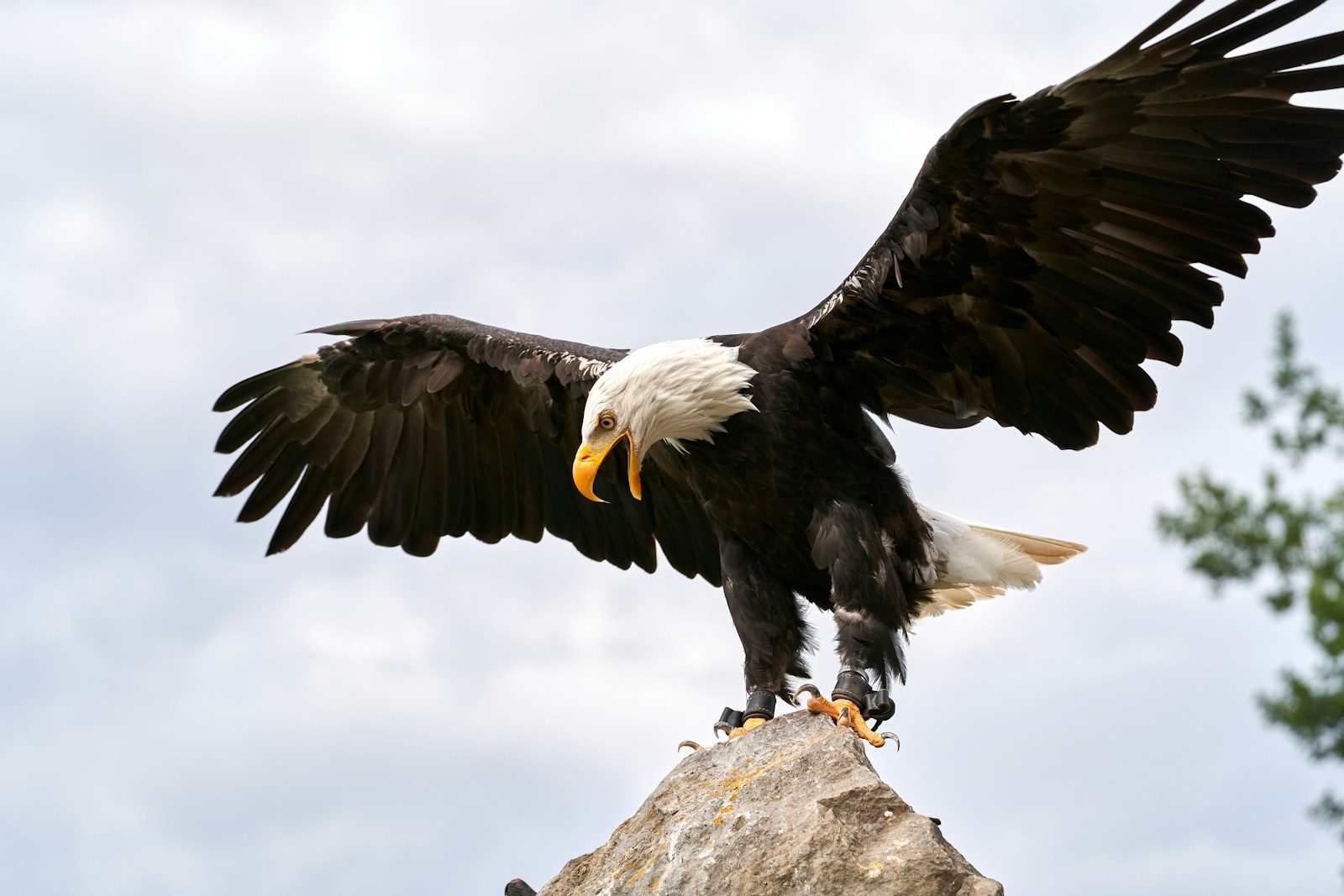
    “Schriever photographer snares elusive bald eagle photos” by DVIDSHUB is licensed under CC BY 2.0

    Workers first noticed that the bald eagle was not behaving like a typical bird of prey. Instead of flying long distances to hunt or resting high in the treetops, it kept returning to the same spot again and again. It also became very protective of one area, diving toward anyone who came too close.

    This kind of behavior caught attention because bald eagles are usually careful but predictable hunters. They normally spend their time near water, watching for fish and guarding their territory from a distance. When an eagle suddenly becomes overly focused on one location, it often signals that something important, like a nest or young chicks, may be nearby.

    Why bald eagles show unusual behavior

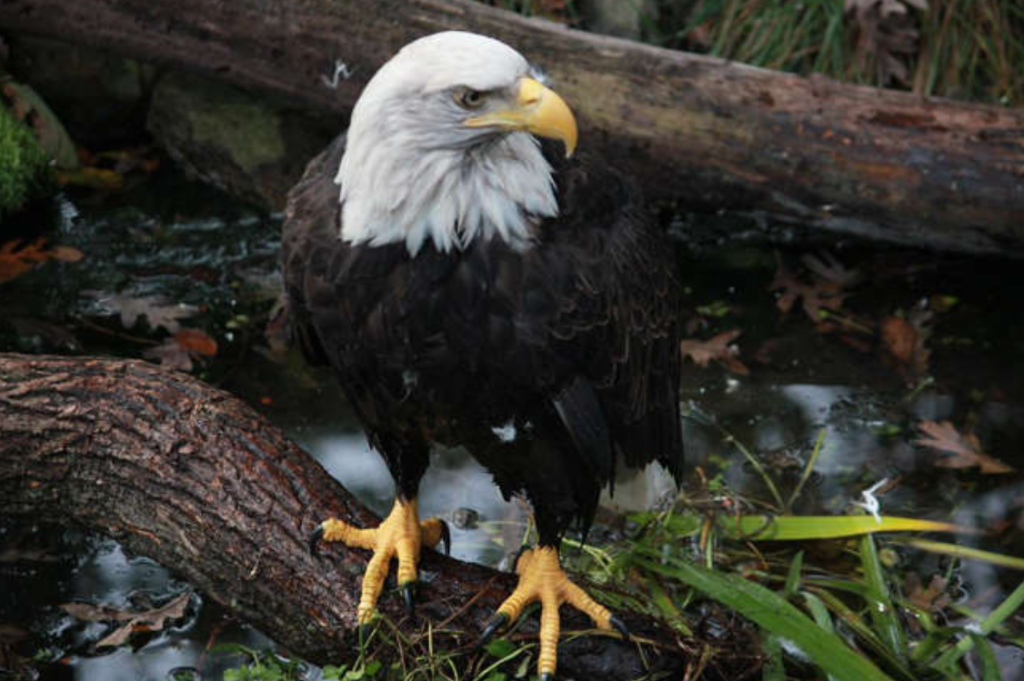
    “Bald Eagle” by Shakespeare1980 is licensed under CC BY-SA 2.0

    Bald eagles are known for strong territorial instincts, especially during nesting season. When they are protecting eggs or eaglets, they can become extremely defensive. They may swoop down, call loudly, or repeatedly circle one area to warn others away.

    Experts explain that this behavior is completely natural. Bald eagles often reuse the same nests for many years and continue adding new sticks and materials each season. Some of these nests can become massive over time, sometimes weighing hundreds or even thousands of pounds. Because of this, eagles will guard their nesting sites with great care, especially when young birds are present.

    How workers noticed the pattern

    2 men standing on brown grass field during daytime
    Photo by BĀBI on Unsplash

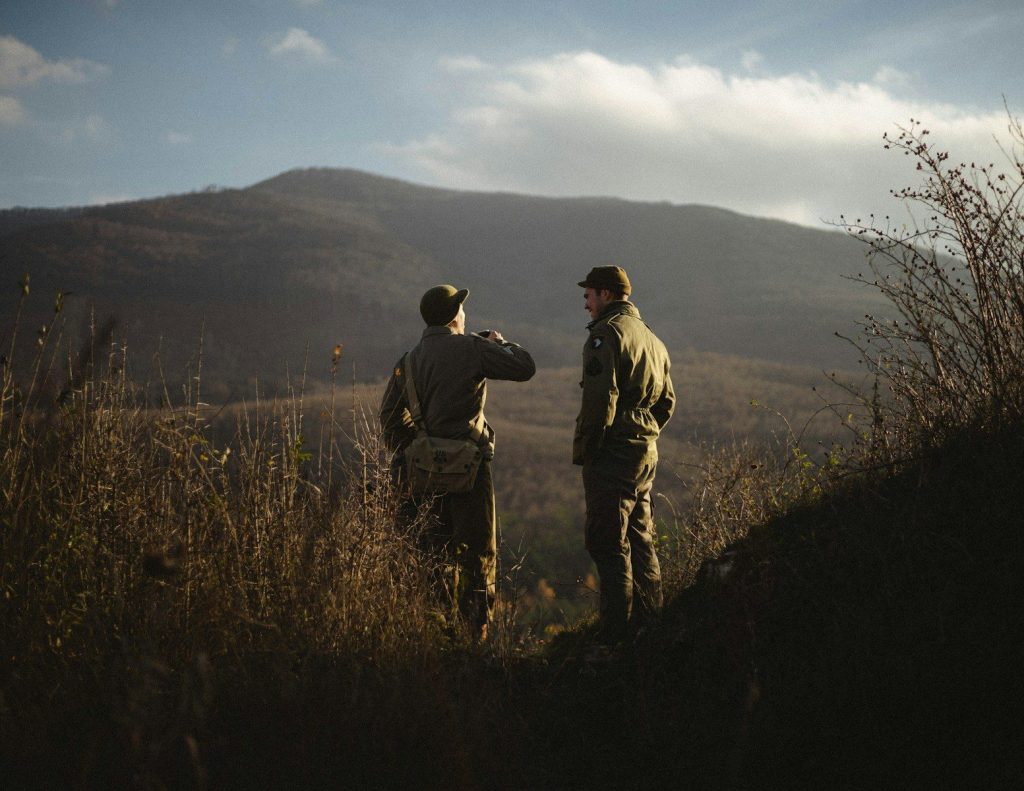
    Wildlife workers began paying closer attention after seeing the eagle return to the same location multiple times a day. They also observed that it reacted strongly to nearby movement, even from far away. This level of alertness suggested that the bird was protecting something valuable.

    To understand the situation better, workers quietly monitored the area without disturbing the bird. They used safe observation methods, keeping a distance so the eagle would not feel threatened. Over time, they began to notice signs that confirmed their suspicions. The eagle was not acting randomly. It was guarding a hidden nest.

    The surprising discovery in the area

    Two brown hawks are looking at the camera.
    Photo by Hrithik Mohan on Unsplash

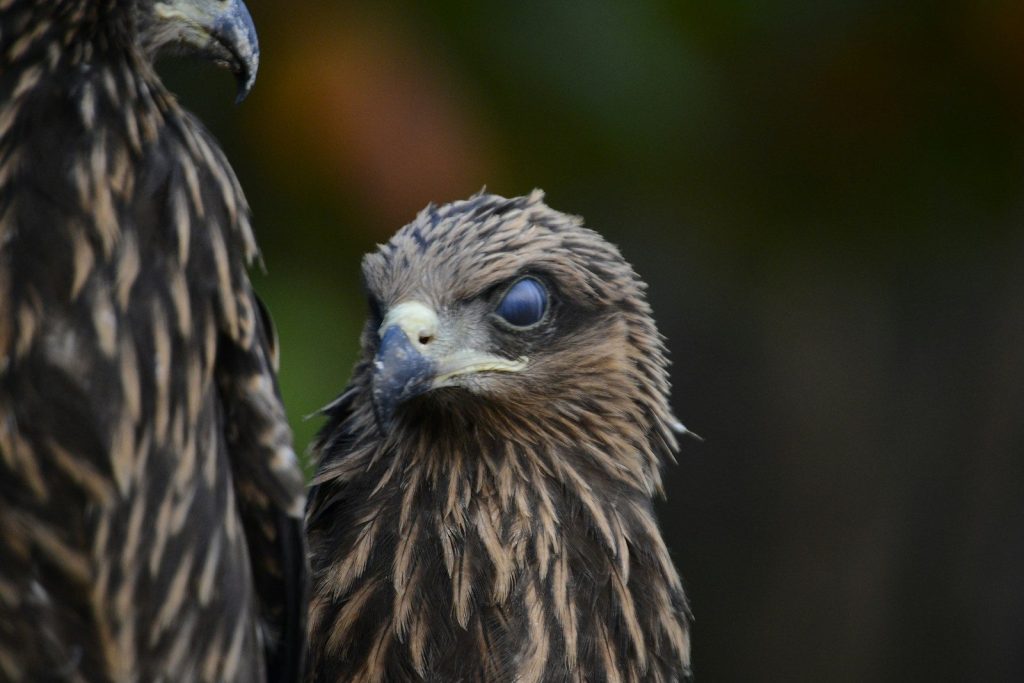
    After careful observation, workers eventually discovered what the eagle had been protecting. Hidden within a large tree near the water was a nest containing young eaglets. The nest had been carefully built and blended into the surroundings, making it difficult to spot at first glance.

    Inside the nest were signs of active care, including fresh food remains and protective positioning by the adult eagle. This explained the bird’s strange behavior all along. It was not lost or confused. It was a parent doing everything possible to protect its young during a critical stage of development.

    Why is this discovery important for wildlife experts

    three people in lab coats looking at a tablet
    Photo by National Cancer Institute on Unsplash

    Findings like this help scientists and wildlife workers better understand bald eagle behavior in the wild. Bald eagles are powerful birds, but they are also sensitive during nesting periods. They depend on quiet, safe environments to raise their young successfully.

    This discovery also highlights how human observation can help protect wildlife. By noticing unusual patterns instead of ignoring them, workers were able to confirm the presence of a nest without disturbing it. This allows conservation teams to monitor the area and ensure the eagles remain safe from human interference or environmental threats.

    How bald eagle behavior helps protect their young

    bald eagle flap its wing from nest
    Photo by Richard Lee on Unsplash

    Bald eagles use a range of behaviors to keep their young safe. They may fly in wide circles above their territory or sit quietly in tall trees watching for danger. If they feel threatened, they can react quickly with strong defensive dives.

    These behaviors are especially important because eaglets are vulnerable in their early weeks. They rely completely on their parents for food and protection. By staying alert and aggressive when needed, adult eagles increase the chances that their young will survive and grow strong enough to leave the nest.