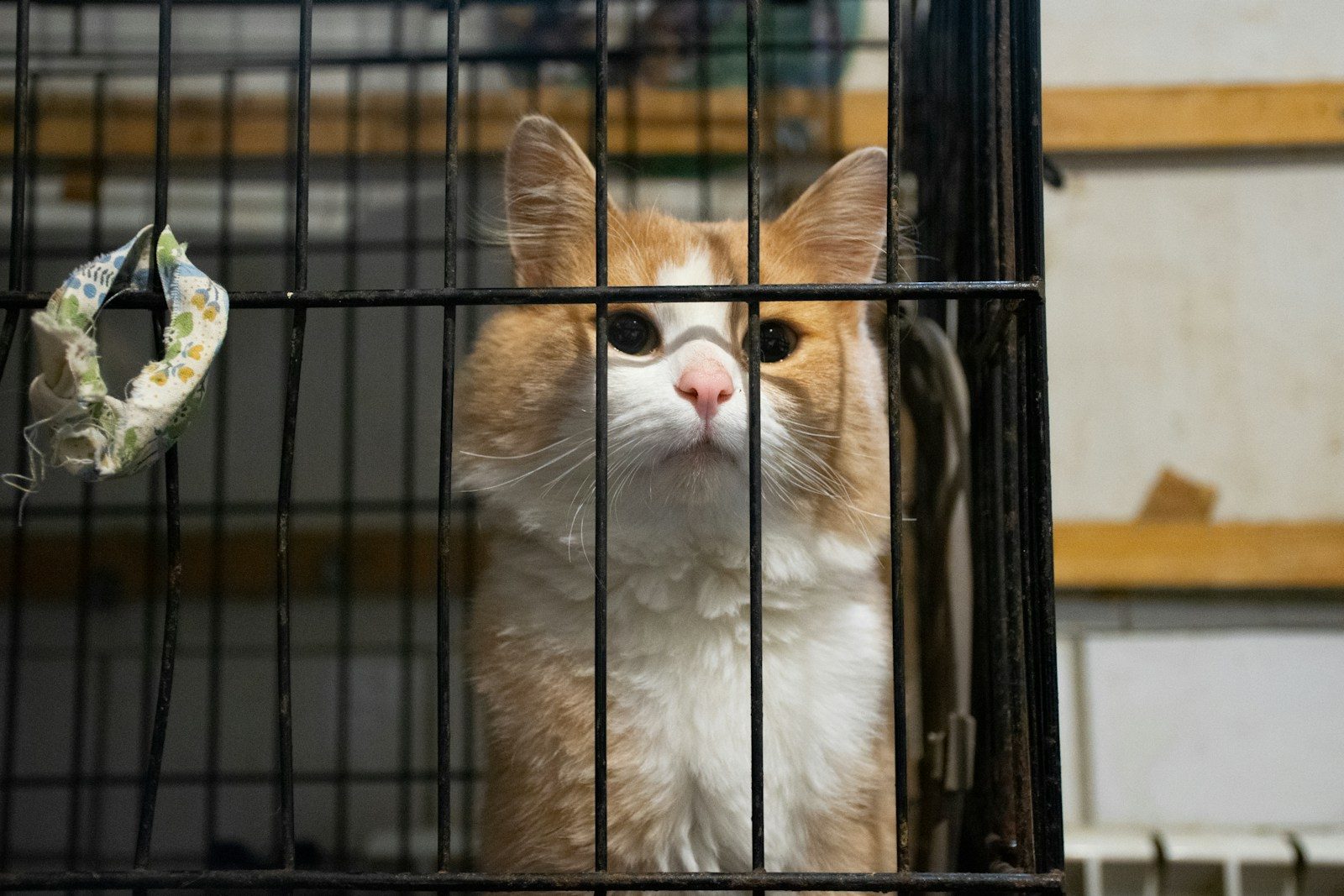
Many animals never get the chance to grow up in a safe home. Every year, orphaned kittens, abandoned puppies, and other vulnerable animals are left without the care they need. The good news is that a rise in rescues is helping orphaned and abandoned animals get adopted more often than before. Rescue groups, shelters, foster families, and volunteers are working together to save animals and connect them with loving homes.
Animal rescue efforts have become an important part of modern pet welfare. More communities now support adoption programs, foster networks, and rescue organizations that give homeless animals a second chance. As these efforts grow, thousands of animals that once faced uncertain futures are finding permanent families. This article explores how rescue programs are helping orphaned and abandoned animals and why adoption continues to play a vital role in animal welfare.
Rescue groups are saving more vulnerable animals

Animal rescue organizations often step in when orphaned or abandoned animals are found. These groups work alongside shelters, veterinarians, and local communities to provide immediate care. Young animals that lose their mothers need food, warmth, medical treatment, and constant attention. Rescue teams are trained to provide this support until the animals are healthy enough for adoption.
Recent shelter data shows that millions of animals enter shelters and rescue organizations each year. While shelters continue to face capacity challenges, rescue groups help reduce pressure by taking in animals that need special care. Transfers between shelters and rescues allow more animals to receive treatment and rehabilitation before being placed with adoptive families. This teamwork has become one of the most effective ways to increase successful adoptions.
Foster homes help animals prepare for adoption
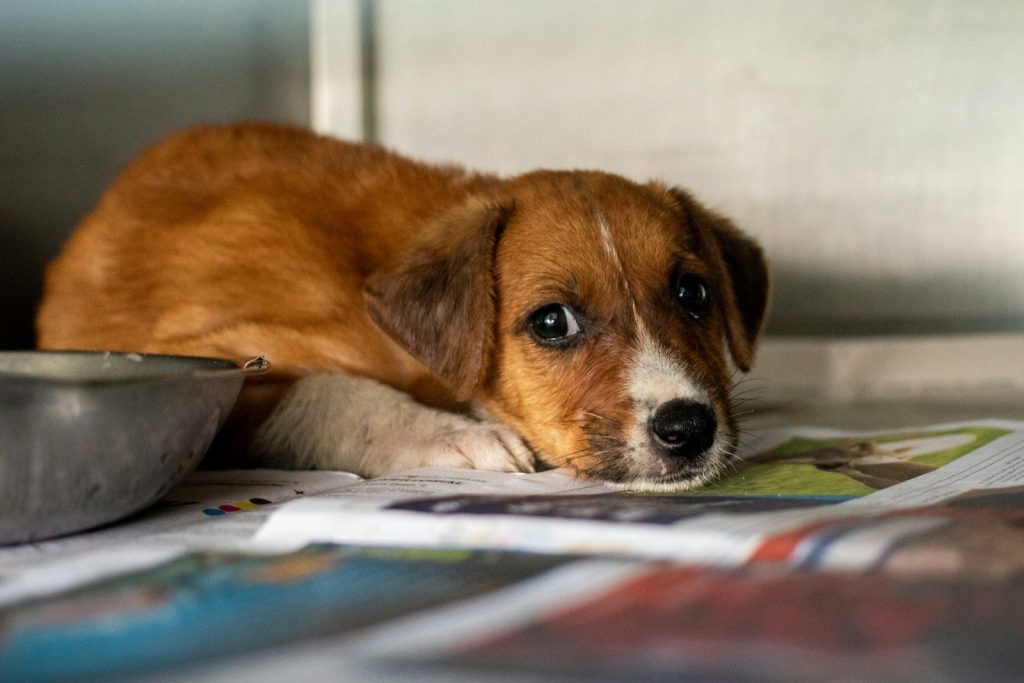
Many orphaned and abandoned animals spend time in foster homes before finding permanent families. Foster caregivers provide a safe and calm environment where animals can recover physically and emotionally. Young kittens may need bottle feeding every few hours, while frightened dogs may need time to rebuild trust in people.
Foster care also helps shelters create more space for incoming animals. Animals living in foster homes often learn household routines, social skills, and basic training. This makes them more attractive to potential adopters because families can better understand the animal’s personality and needs. Foster programs have become one of the strongest tools for improving adoption outcomes.
Adoption programs are reaching more families
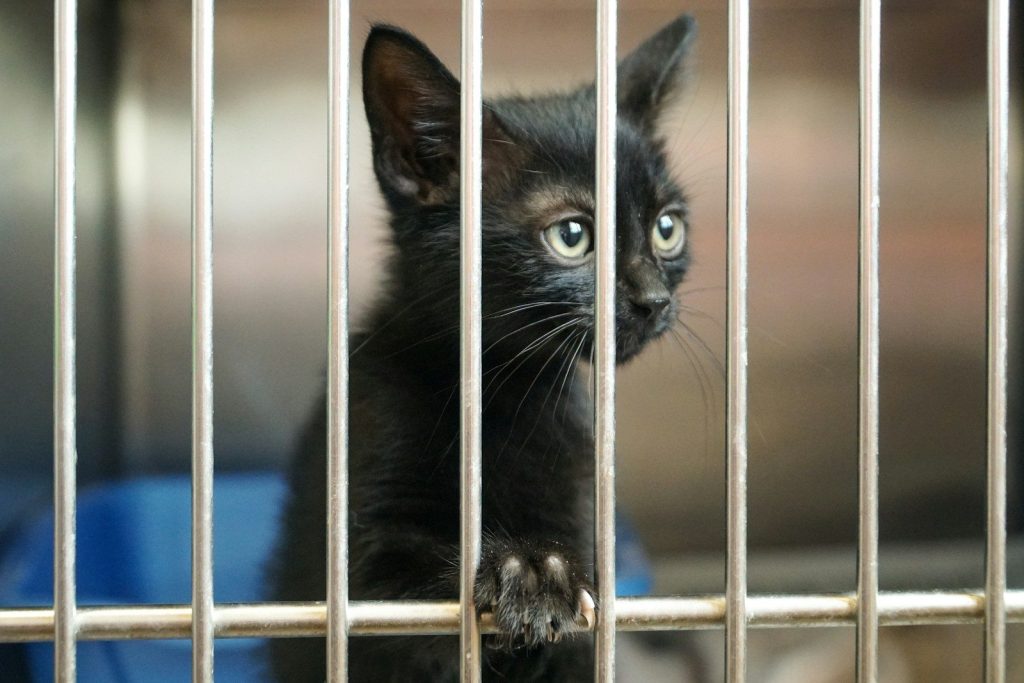
Shelters and rescue groups have expanded their adoption efforts in recent years. Many organizations now use websites, social media, and community events to showcase available animals. Photos, videos, and adoption stories help potential pet owners learn about animals waiting for homes.
These outreach efforts have increased public awareness about adoption. More people understand that adopting from a shelter or rescue can save a life while providing a loving companion. Adoption events held in parks, pet stores, and community centers make it easier for families to meet animals in person. As a result, many orphaned and abandoned pets are finding homes faster than they might have in the past.
Medical care improves animals’ chances of finding homes
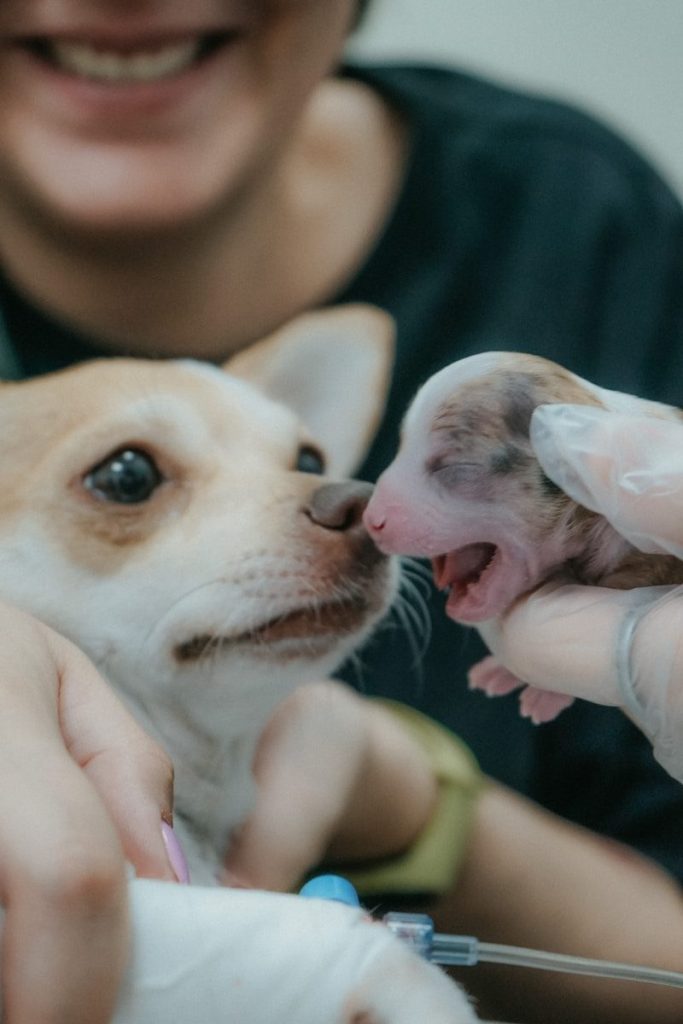
Many abandoned animals arrive at shelters with health problems. They may suffer from injuries, infections, malnutrition, or untreated illnesses. Rescue organizations invest significant resources into veterinary care to help these animals recover and become adoptable.
Modern rescue programs often include vaccinations, spaying and neutering, microchipping, and medical treatment before adoption. Animals that receive proper healthcare are more likely to live long, healthy lives with their new families. Medical rehabilitation also allows shelters to save animals that might once have faced poor outcomes due to treatable conditions.
Community support strengthens rescue efforts
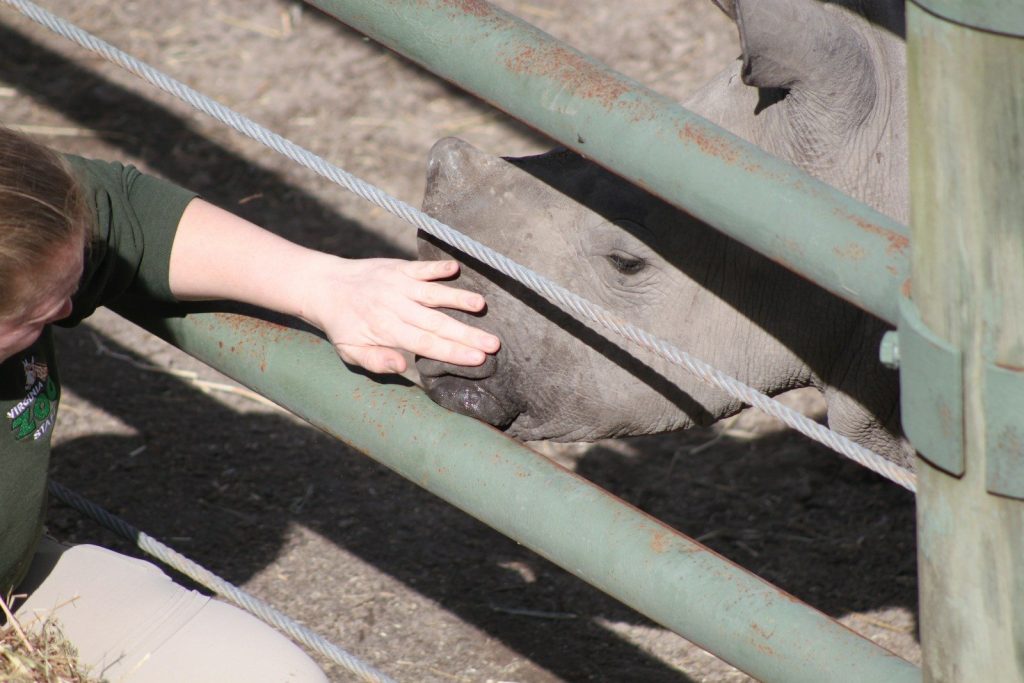
The success of animal rescues depends heavily on community involvement. Volunteers donate time to care for animals, transport them to appointments, clean facilities, and assist with adoption events. Donations from individuals and businesses help cover food, medical supplies, and shelter operations.
Communities also support rescues through education and awareness programs. Many organizations teach responsible pet ownership, encourage spaying and neutering, and help families keep their pets during difficult times. These efforts reduce the number of animals entering shelters while increasing support for adoption. Strong community involvement creates a better safety net for vulnerable animals.
Challenges remain despite growing adoption success
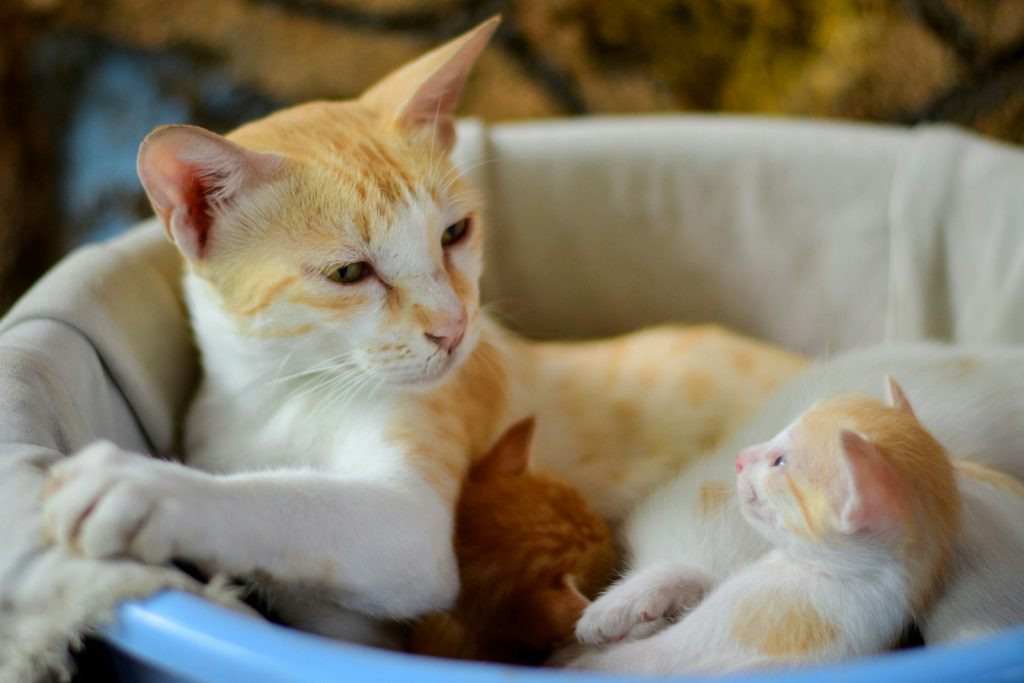
Although rescue efforts are helping more animals, challenges still exist. Shelters across the country continue to care for large numbers of dogs and cats. Some animals, especially older pets, large dogs, or animals with medical needs, may wait longer for adoption. Limited funding and staffing shortages can also place pressure on rescue organizations.
Economic difficulties can contribute to pet abandonment when families struggle with housing, food costs, or veterinary expenses. Rescue groups often work beyond their normal capacity to help animals affected by these situations. Even with these challenges, growing adoption programs, foster networks, and community partnerships continue to improve outcomes for countless orphaned and abandoned animals.
Leave a Reply