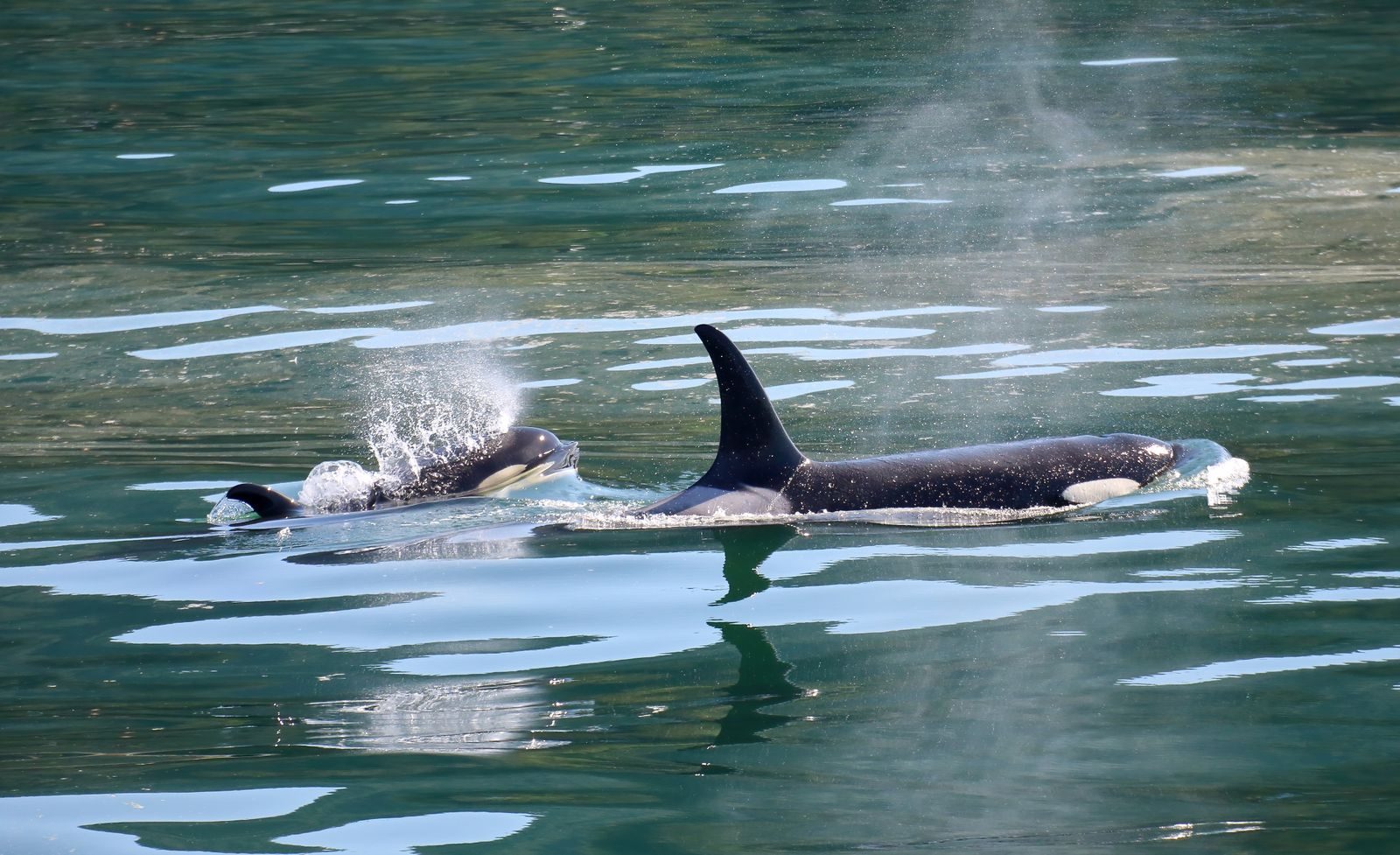
Orcas are known for their strong family bonds, but one family member plays a bigger role than many people realize. Scientists have discovered that grandmother orcas help keep their families alive and healthy, especially during hard times. This finding has changed the way researchers understand whale societies and even offers clues about why some animals, including humans, live long after they stop having babies.
If you have ever wondered why orca families depend heavily on their grandmothers, the answer comes down to food, experience, leadership, and survival. Research has shown that grandmothers can improve the chances of young whales living longer and thriving in difficult conditions. By learning about these remarkable animals, you can better understand one of the most successful family systems in the natural world.
Orca families stay together for life
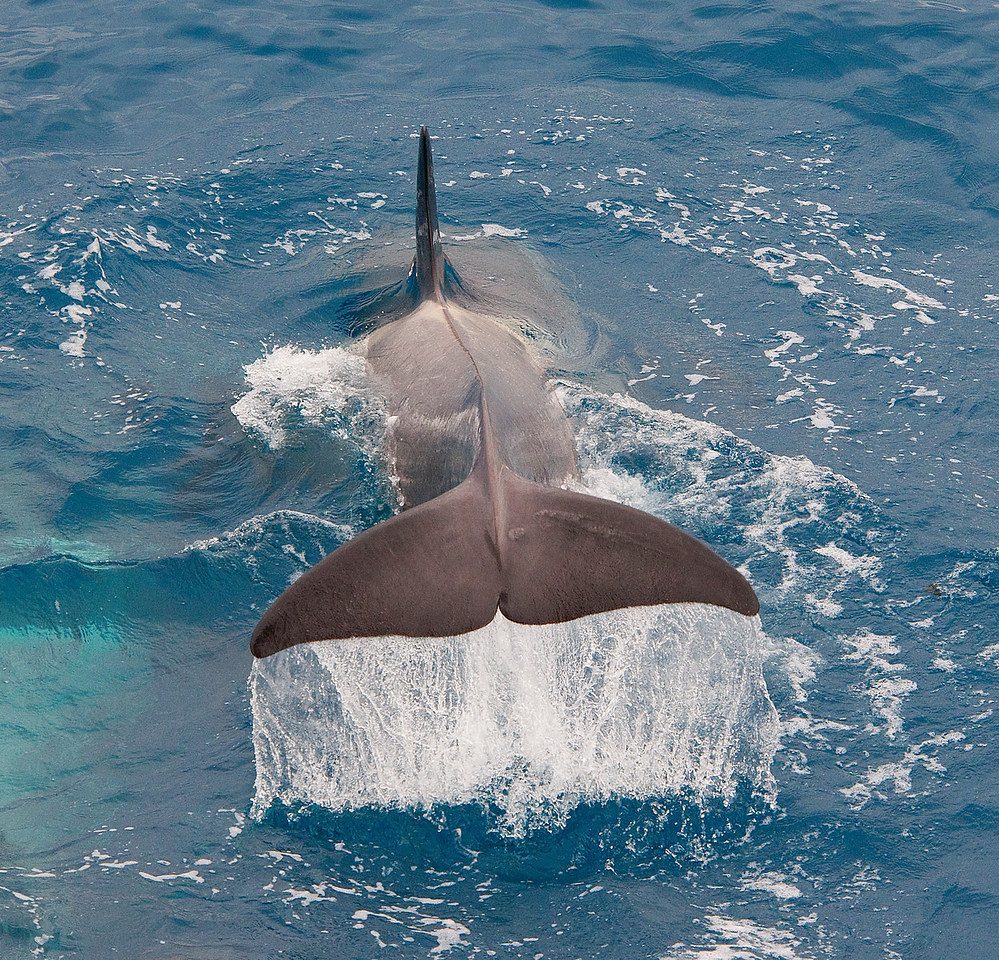
Unlike many animals, orcas usually live in close family groups called pods. Sons and daughters often stay with their mothers for their entire lives. This means several generations can travel, hunt, and socialize together every day. Because families remain connected for decades, older females stay closely involved with their children and grandchildren.
This lifelong family structure creates a unique role for grandmothers. Since they remain with their descendants, they can continue helping long after raising their own calves. Researchers studying resident orcas in the Pacific Northwest have found that these older females remain active members of the pod and contribute to the success of younger generations. Their constant presence allows knowledge and support to be shared throughout the family.
Grandmothers help young whales survive
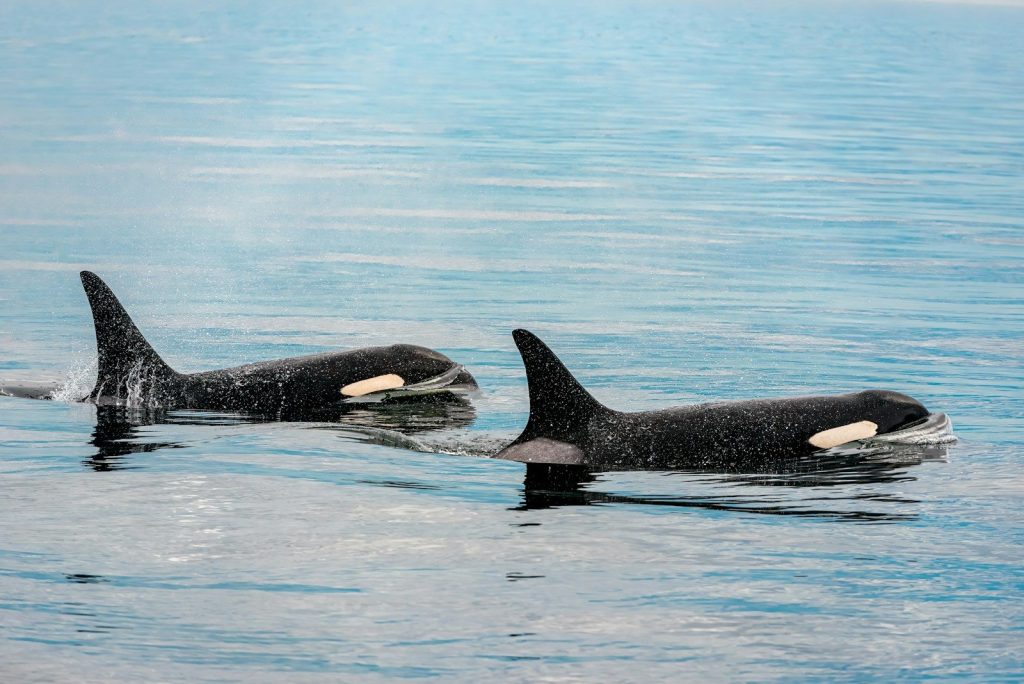
One of the most important discoveries about orca grandmothers is their effect on calf survival. Studies tracking multiple generations of whales found that grandchildren are more likely to survive when a grandmother is alive. The benefits become especially clear when resources are limited and life becomes more challenging.
Scientists found that the loss of a grandmother can increase the risk of death for her grandchildren. Older females appear to provide support that helps younger family members overcome difficult conditions. Their presence acts like a safety net for the pod, giving younger whales a better chance to reach adulthood. This survival advantage helps explain why grandmother orcas are considered such valuable members of their families.
Experience makes older females valuable leaders
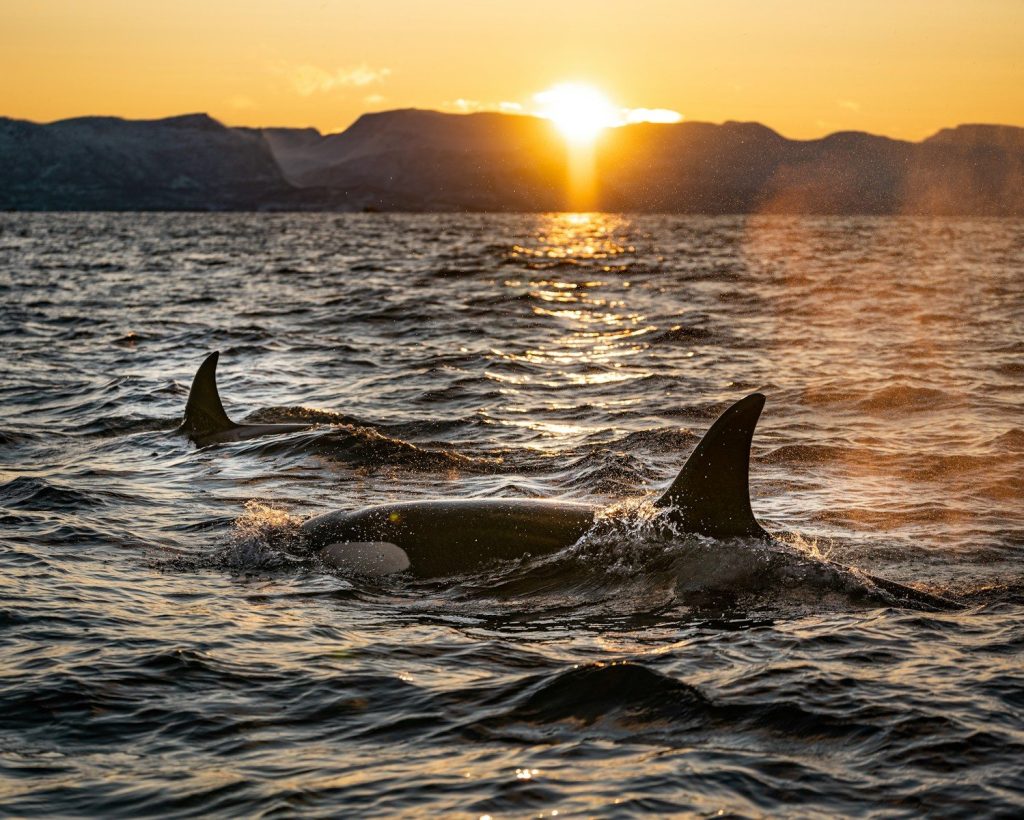
Orcas can live for many decades, and older females accumulate a huge amount of knowledge during their lives. They learn where food can be found, how prey moves throughout the seasons, and which routes are safest. This information becomes incredibly valuable when conditions change.
Research suggests that older females often take leadership roles, especially during years when food is scarce. Their experience allows them to guide family members toward feeding areas that younger whales may not know about. In this way, grandmother orcas act as living libraries of knowledge. Instead of relying only on instinct, younger whales can benefit from the wisdom gathered by older generations over many years.
Food sharing strengthens the entire pod
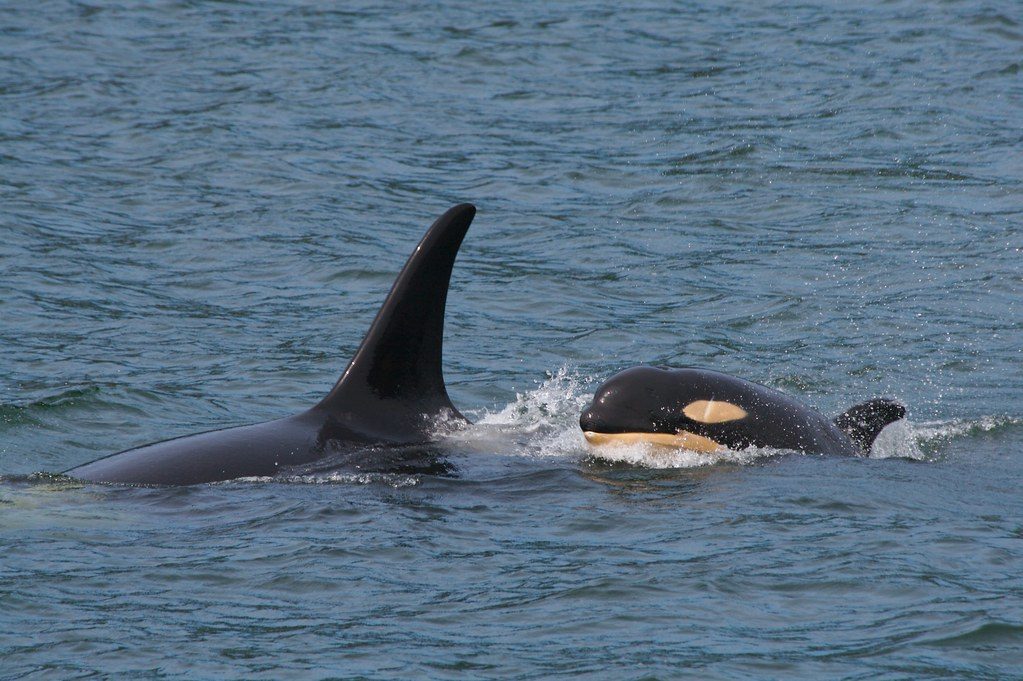
Food sharing is another reason grandmothers are so important. Orcas do not simply hunt for themselves. Family members often share food with one another, creating a cooperative system that helps the whole group survive. Older females are known to participate in this sharing network.
When prey such as Chinook salmon becomes harder to find, food sharing can make a major difference. A grandmother who helps distribute food may prevent younger whales from going hungry during difficult periods. This support is especially important for growing calves and nursing mothers, which require large amounts of energy. By helping feed relatives, grandmothers improve the health and stability of the entire family.
Grandmothers become even more important during hard times
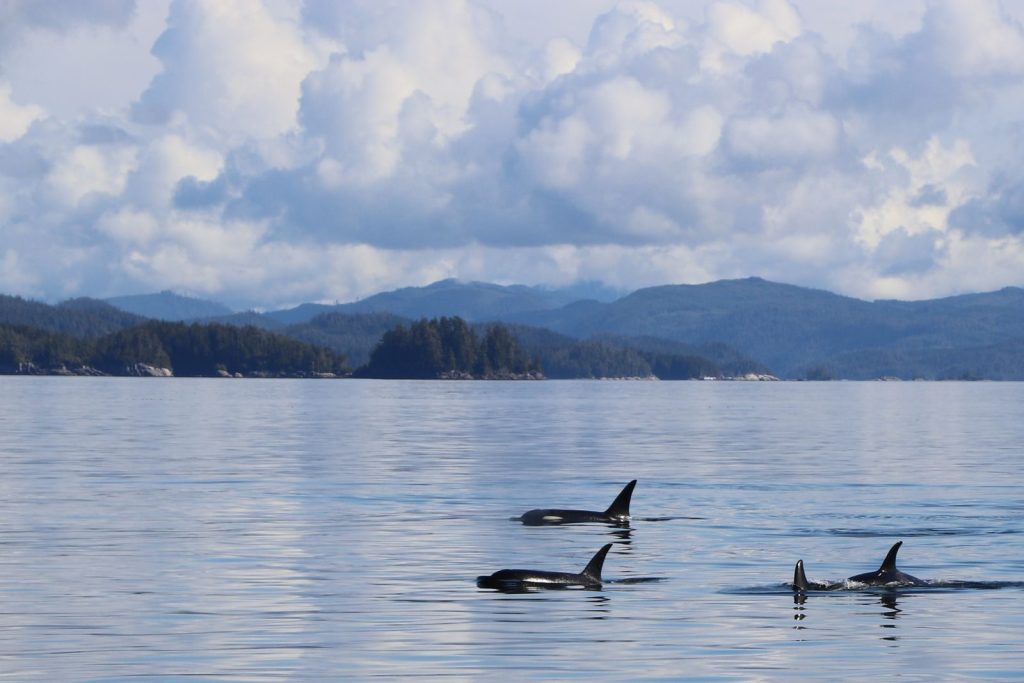
The value of grandmother orcas becomes most obvious when food supplies decline. Many resident orcas depend heavily on salmon, and salmon numbers can vary from year to year. During periods of low salmon abundance, families face greater challenges finding enough food.
Studies have shown that the benefits provided by grandmothers are strongest when resources are scarce. Their knowledge, leadership, and support help families cope with difficult conditions. As environmental pressures increase, older females may become even more critical to the survival of future generations. This means protecting grandmother whales is not just about saving individual animals. It is also about preserving the knowledge and support systems that keep entire pods functioning successfully.
What grandmothers teach us about orca society

The story of the grandmother orcas reveals just how complex whale societies can be. These animals are not simply groups of individuals traveling together. They are closely connected families where cooperation, learning, and support play major roles in survival. Older females serve as leaders, teachers, caregivers, and providers, helping younger generations navigate the challenges of life in the ocean.
Their importance also gives scientists new clues about the evolution of long life spans and menopause. Humans and a few whale species share the unusual trait of living long after reproduction ends. In both cases, older females appear to improve the success of their descendants through knowledge, guidance, and care. The more researchers study orcas, the clearer it becomes that grandmothers are not just helpful members of the pod. They are often one of the main reasons the family thrives.
Leave a Reply