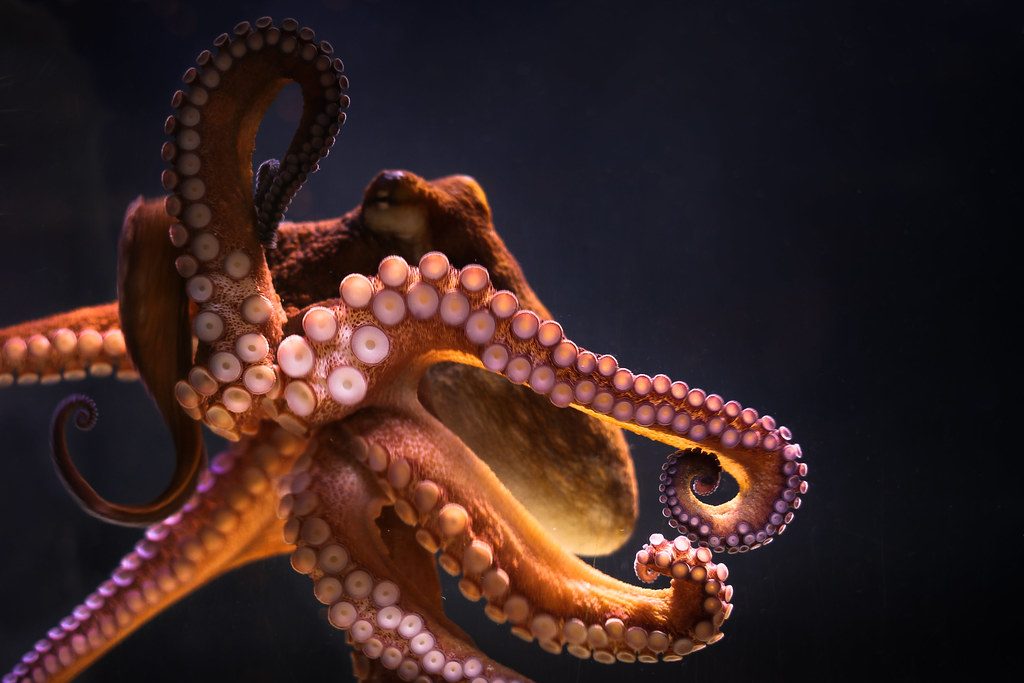
A diver helps a stranded octopus return to the water story has touched people around the world because it shows how a small act of kindness can help a wild animal. The rescue happened after a diver noticed that an octopus had been pulled onto a pier by a fisherman.
Instead of letting the animal face a dangerous drop back into the sea, the diver carefully carried it to nearby steps and gently released it into the water. This article explains what happened, why the rescue mattered, how octopuses survive, and what people should know if they ever find a stranded marine animal.
How the rescue happened
The rescue took place at Rye Pier in Port Phillip Bay, Victoria, Australia. Diver Jules Casey had just finished a dive when she saw a fisherman pull up a small octopus onto the pier. She asked if she could return the animal to the sea, and the fisherman agreed.
Instead of dropping the octopus from the tall pier, Casey carried it down nearby stairs to the water. She gently placed it into the sea, giving it a much safer return to its natural home. The rescue was captured on video and quickly spread online.
Why dropping the octopus was not the best choice
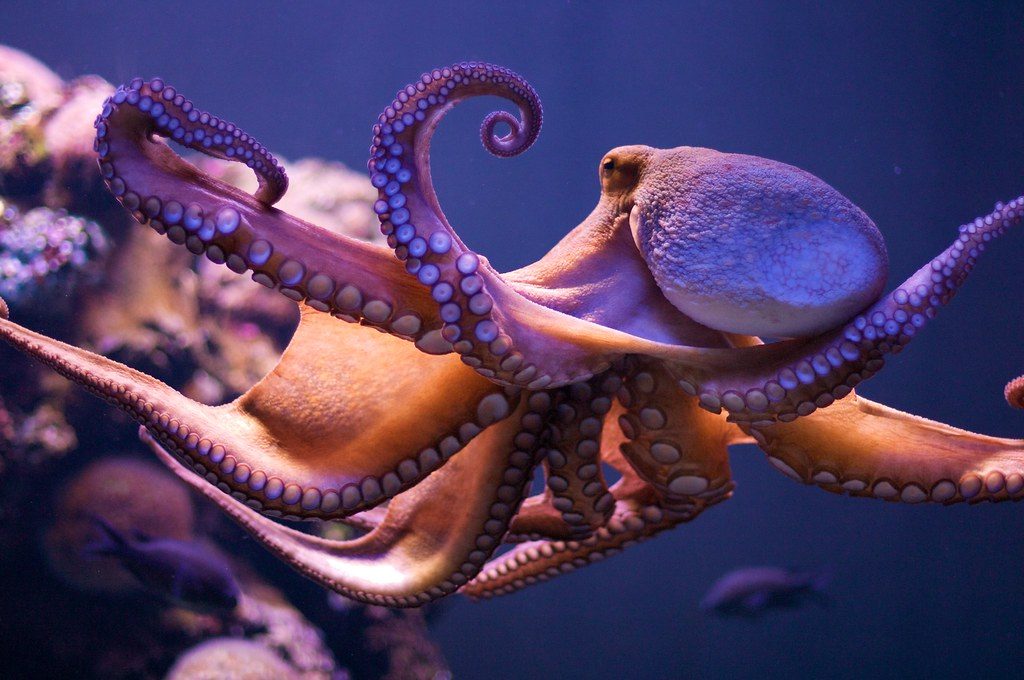
Although octopuses live in the ocean, dropping one from a high pier can be risky. The impact could injure the animal or leave it stunned before it reaches safety in the water.
By walking down the stairs, the diver avoided that danger. The careful release gave the octopus a better chance to recover and swim away normally without added stress.
Why do octopuses need to stay in water?
Octopuses breathe with gills, which work best when they stay wet underwater. They can survive for a short time out of water if their gills remain moist, but they cannot stay on land for long.
These animals also have soft bodies without bones, making them easier to injure when handled roughly. A gentle release back into the water is much safer than tossing or dropping them.
Octopuses are smart marine animals
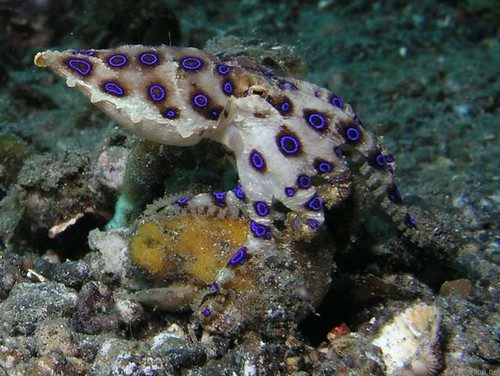
Scientists consider octopuses among the most intelligent invertebrates on Earth. They can solve simple problems, open containers, remember places, and learn from experience.
They also protect themselves by changing color, squirting ink, and squeezing through very small spaces. Their flexible bodies help them hide from predators and explore rocky underwater habitats.
Why wildlife rescues matter
Small rescues can make a big difference when an animal is stranded because of fishing, changing tides, or human activity. Helping wildlife safely return to its habitat can improve its chances of survival.
At the same time, experts remind people that wild animals should only be handled when necessary. Whenever possible, trained wildlife rescuers or local authorities should be contacted for injured marine animals.
The rescue inspired people around the world

The video became popular because it showed a calm and respectful way to help wildlife. Many viewers praised the diver for taking a few extra minutes to protect the octopus instead of choosing the faster option.
The rescue also reminded people that simple acts of care can protect ocean life. Whether exploring a beach, pier, or shoreline, treating marine animals with respect helps keep wild ecosystems healthy for the future.
Featured Image: “Key West Octopus” by Joe Parks is licensed under CC BY-NC 2.0
Leave a Reply