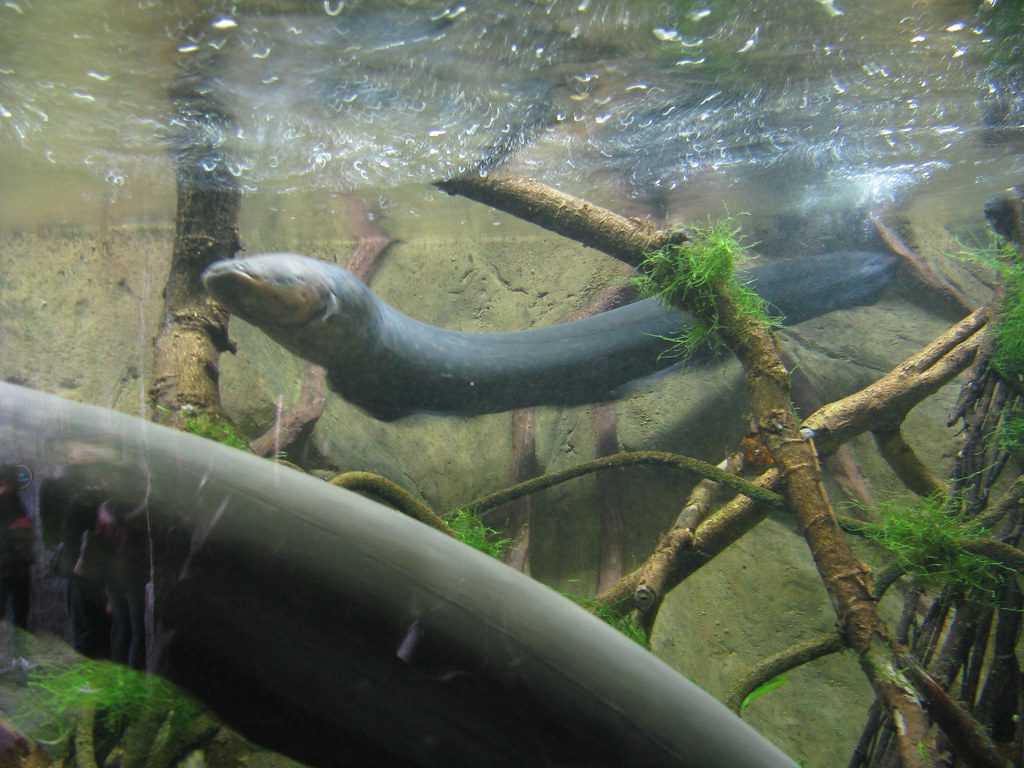
Have you ever wondered how a fish can catch its prey without sharp teeth or great speed? An electric eel’s high-voltage shock is one of nature’s most powerful hunting tools. Electric eels generate strong bursts of electricity that can stun prey in an instant, making it easy to catch a meal. These freshwater fish are not true eels, but they are famous for their electric abilities.
In this article, you’ll learn how electric eels produce electricity, how they use it to hunt, where they live, and why scientists consider them some of the most remarkable predators in the animal world.
How electric eels produce electricity
Electric eels have three special electric organs that make up most of their bodies. These organs contain thousands of cells called electrocytes, which work together like tiny batteries to create electricity.
When the eel sends a signal through these cells, they discharge at the same time. The combined effect creates a powerful electric pulse that can reach hundreds of volts, depending on the species.
How the shock captures prey
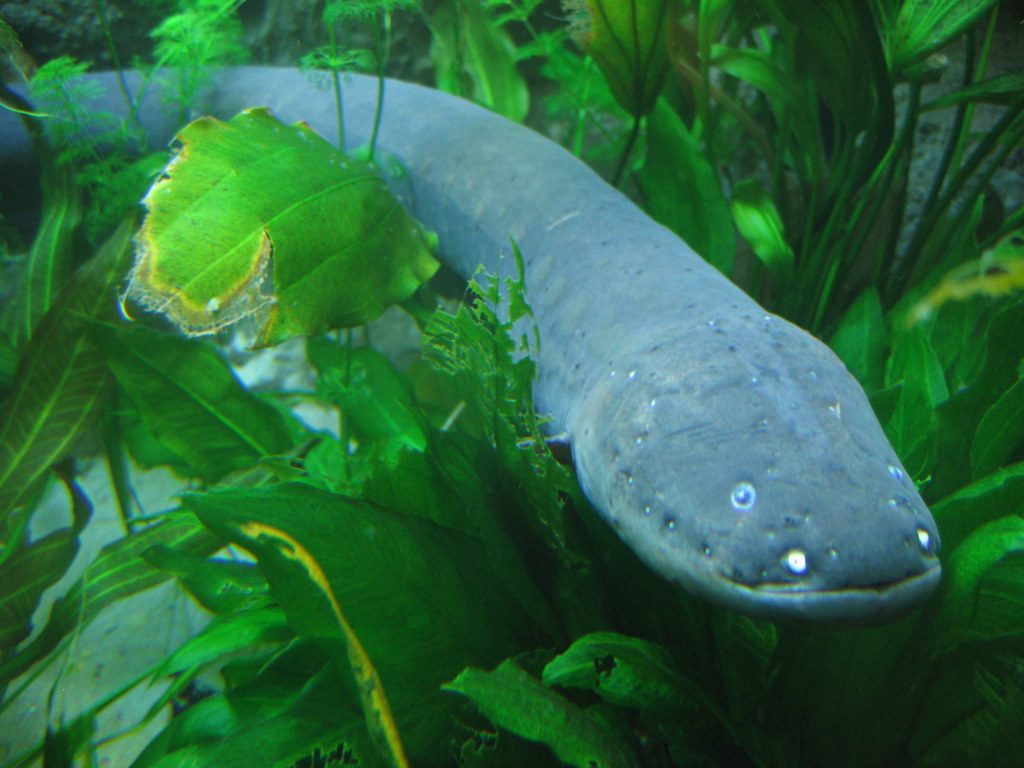
Electric eels often hunt fish, amphibians, and other small animals in dark, muddy water. They release a high-voltage burst that activates the prey’s muscles, causing it to lose control and become unable to escape.
Once the prey is stunned, the eel quickly swims in and swallows it. This hunting method lets the eel catch fast-moving animals that would otherwise be difficult to capture.
Why do they also use weak electric signals
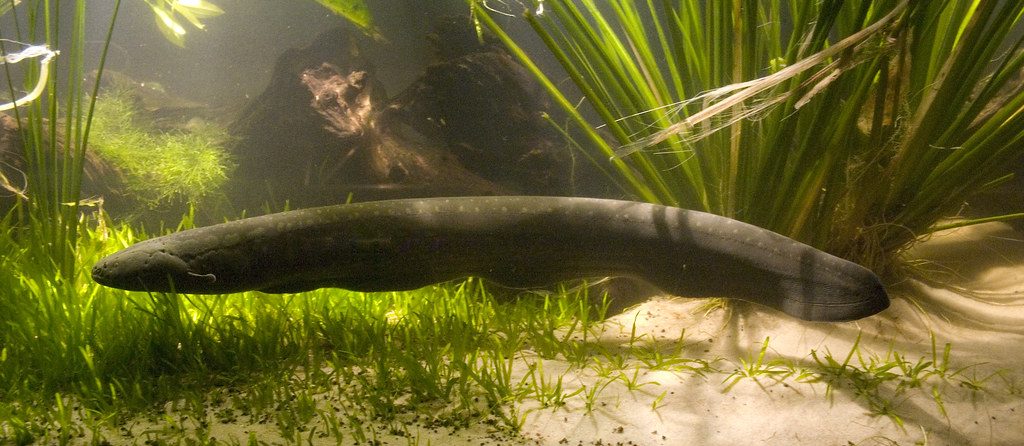
Electric eels do not use strong shocks all the time. Most of the day, they produce weak electrical signals that help them move through cloudy water where their eyesight is poor.
These low-voltage signals also help the eel detect nearby objects and locate hidden prey. When it is ready to attack, it switches to powerful high-voltage pulses.
Where electric eels live
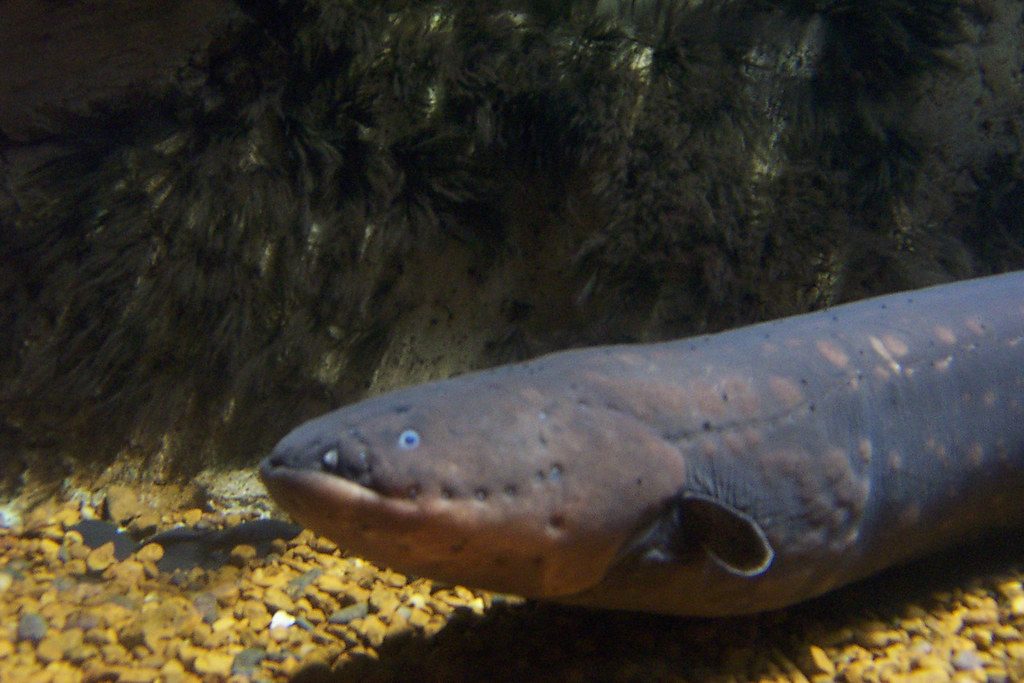
Electric eels live in freshwater habitats across the Amazon and Orinoco river basins in South America. They prefer slow-moving rivers, swamps, ponds, and flooded forests with muddy water.
Although they spend nearly all their time underwater, electric eels breathe air. They regularly swim to the surface because they get much of their oxygen directly from the atmosphere.
Are electric eels dangerous?

Electric eels mainly use their strongest shocks to catch prey or defend themselves from threats. Healthy adults are rarely killed by a single shock, but repeated shocks can be dangerous and may even cause drowning if someone is in the water.
Scientists also discovered that electric eels can leap partly out of the water while shocking a threat. This behavior increases the strength of the electrical contact with animals above the water’s surface.
Why scientists study electric eels

Researchers continue to study electric eels because their hunting behavior is unlike that of almost any other fish. Their electrical system has helped scientists better understand animal behavior, nerve signals, and bioelectricity.
Scientists have also learned that electric eels use their high-voltage pulses not only to stun prey but also to precisely track moving targets during the final moments of a hunt.
Leave a Reply