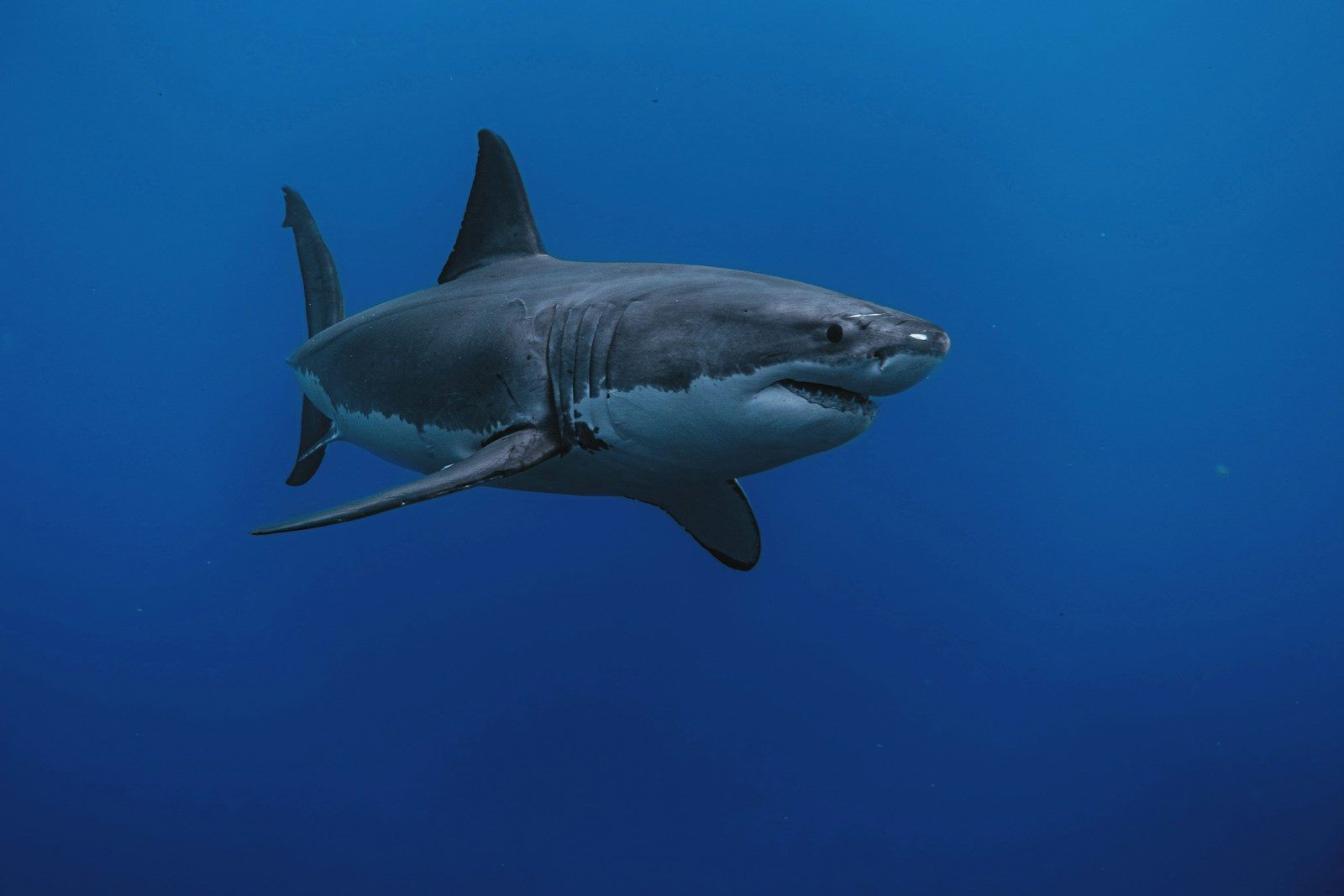
A day of spearfishing turned into tragedy when a great white shark attack claimed a swimmer’s life near Rottnest Island. The fatal incident shocked Australia and reminded people that even experienced ocean users can face serious risks in shark habitats.
This article explains what happened, who the victim was, how emergency crews responded, what authorities know about the shark, and the important safety lessons that followed. Understanding the facts can help people make informed choices before entering the water.
What happened during the attack
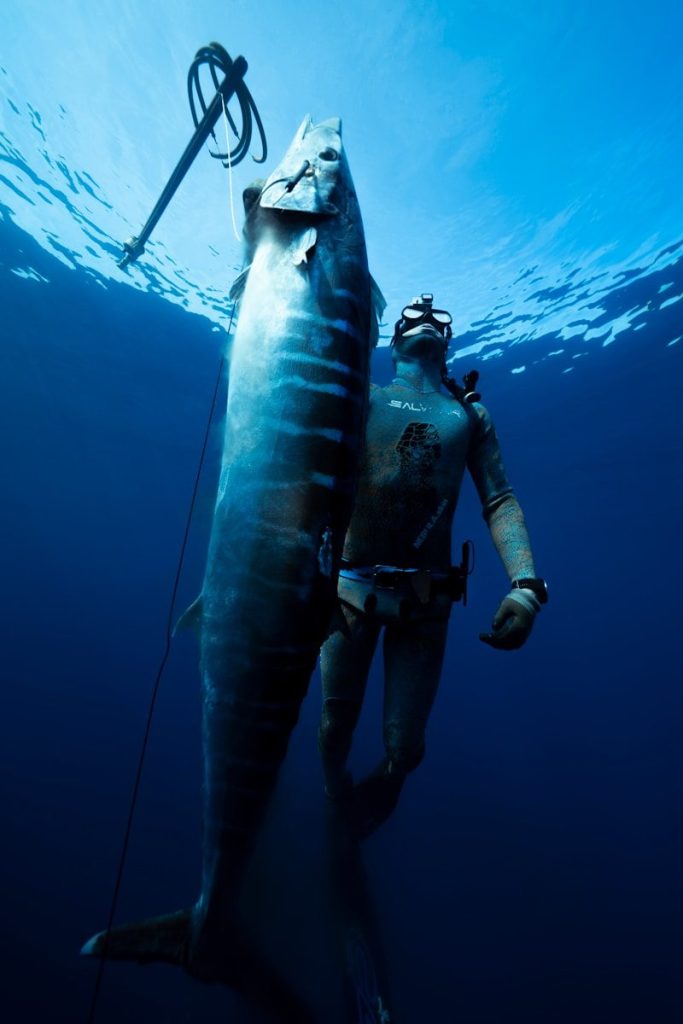
The attack happened on May 16, 2026, at Horseshoe Reef near Rottnest Island, about 19 miles west of Perth, Western Australia. The victim, 38-year-old Steven Mattaboni, was spearfishing with three friends when he was bitten by a shark on his lower legs.
His friends quickly pulled him onto their boat and began CPR while returning to shore. Emergency crews, including paramedics and a rescue helicopter, were waiting at Geordie Bay, but despite their efforts, he could not be revived.
Who was the victim?
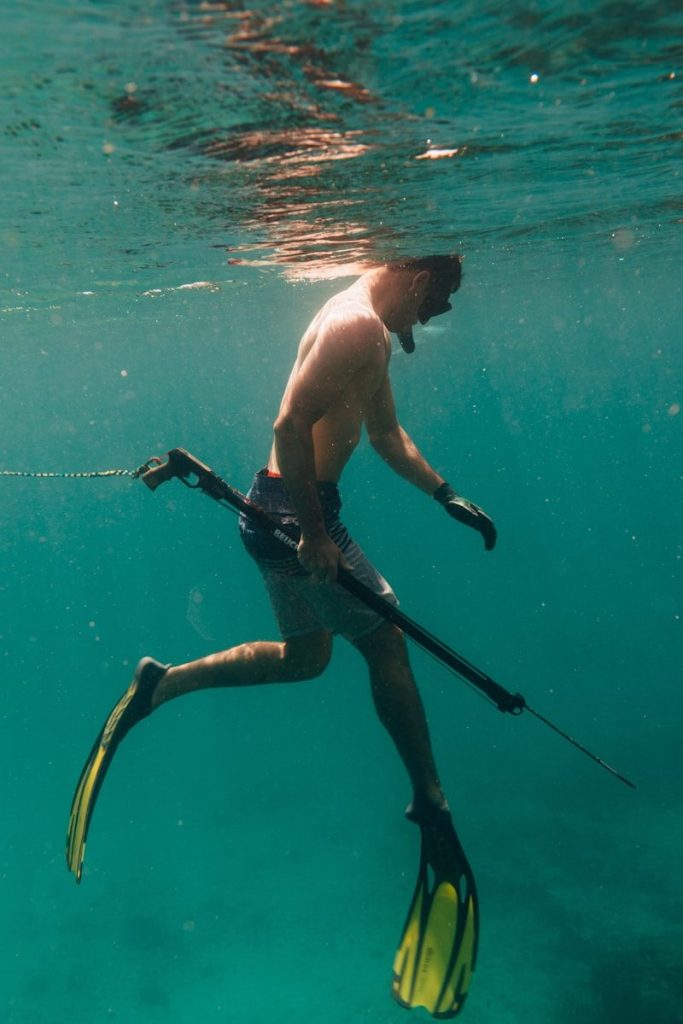
Steven Mattaboni was a father of two young daughters and an experienced spearfisher who spent much of his free time on the ocean. Friends and family described him as kind, generous, and deeply devoted to both his family and the marine environment.
People who knew him said he had completed many similar diving trips over the years. According to a close friend, there were no warning signs before the attack, making the tragedy even more shocking for everyone involved.
What authorities know about the shark
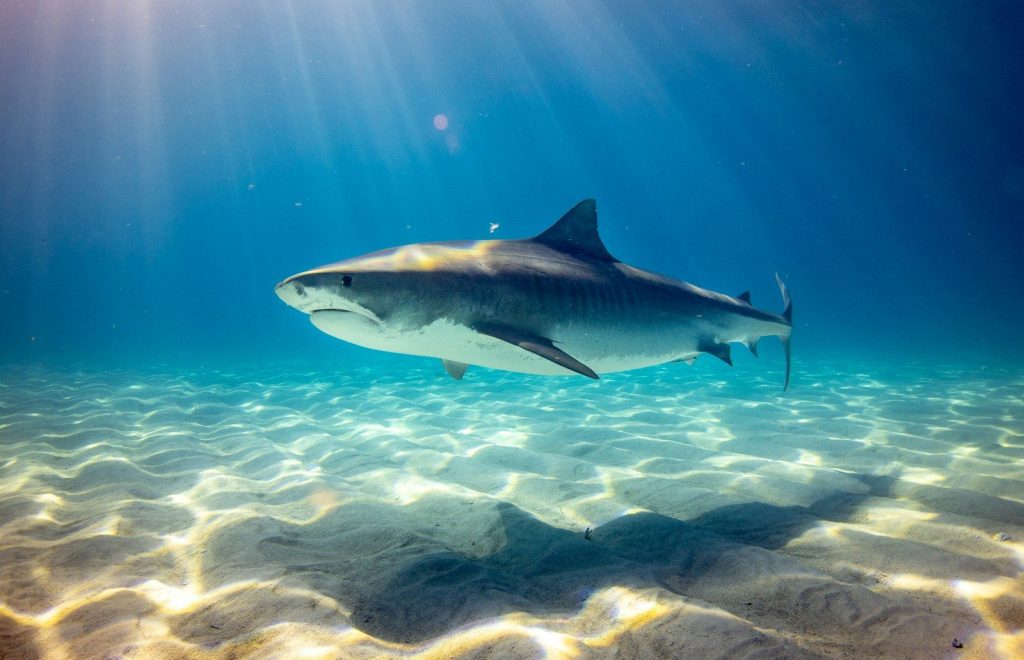
Western Australia’s Department of Primary Industries and Regional Development said the shark involved was reported to be a great white measuring about 13 feet long. Officials monitored the area after the incident and advised people to use extra caution.
Investigators have not suggested the shark was deliberately hunting people. Great white sharks naturally live in Australian coastal waters, and experts say encounters with humans remain uncommon even in areas where sharks are present.
How emergency crews responded

Emergency services received reports of the attack shortly before 10 a.m. Police, paramedics, and rescue teams responded quickly after the victim’s friends called for help from the water.
Authorities later closed nearby areas and monitored local waters to protect other swimmers, divers, and boaters. Police also confirmed that a report would be prepared for the coroner as part of the official investigation.
Why shark attacks happen
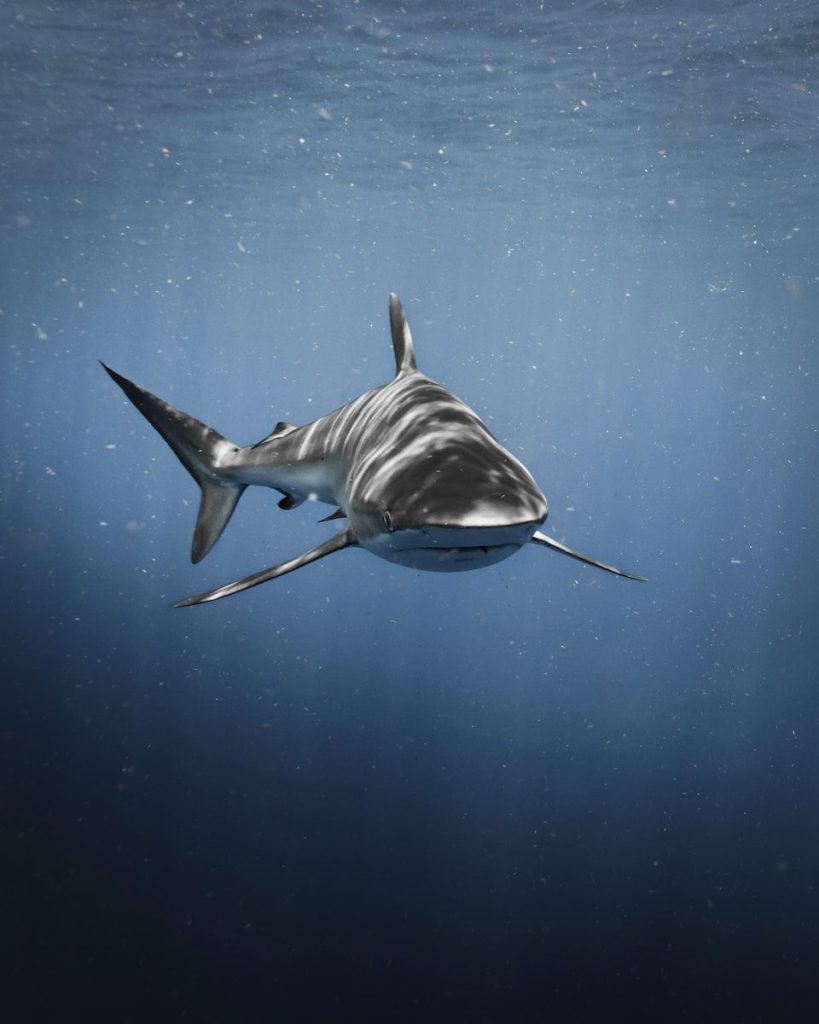
Marine experts explain that sharks do not usually target humans as prey. Many shark bites happen because sharks mistake people for natural prey or investigate unfamiliar movement in the water.
Spearfishing can sometimes increase the chance of attracting sharks because struggling fish and blood in the water may draw their attention. Even so, fatal shark attacks remain very rare compared with the millions of people who enter the ocean every year.
Staying safe in shark habitat
Experts recommend swimming at patrolled beaches whenever possible and avoiding the water if shark warnings have been issued. People should also avoid swimming alone, especially during dawn, dusk, or in areas where baitfish are gathering.
Divers and spearfishers should remain alert to changing ocean conditions and follow local safety advice. While no precaution can remove all risk, following official guidance can help reduce the chance of a dangerous encounter.
Featured Image: Photo by Gerald Schömbs on Unsplash
Leave a Reply