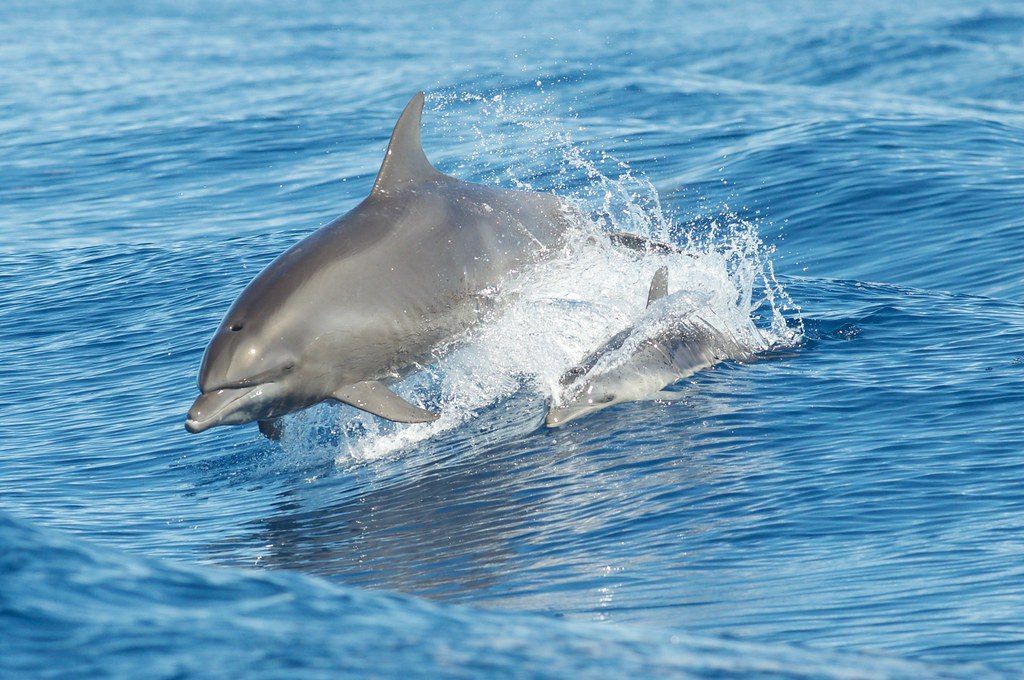
Swimming beside a wild dolphin may sound like an unforgettable Hawaii experience. For the dolphin, however, the encounter can mean losing valuable time to rest. That is why Hawaii’s spinner dolphin rules require people to keep their distance. Since October 2021, federal regulations have prohibited people from swimming with, approaching, or remaining within 50 yards of Hawaiian spinner dolphins in covered waters.
The rule applies to swimmers, boats, and other objects. It was created after years of concern about people repeatedly getting close to dolphins during an important part of their daily routine. Understanding the rule starts with understanding why these dolphins spend their days close to Hawaii’s shores.
Hawaii’s 50-yard dolphin rule is already in force
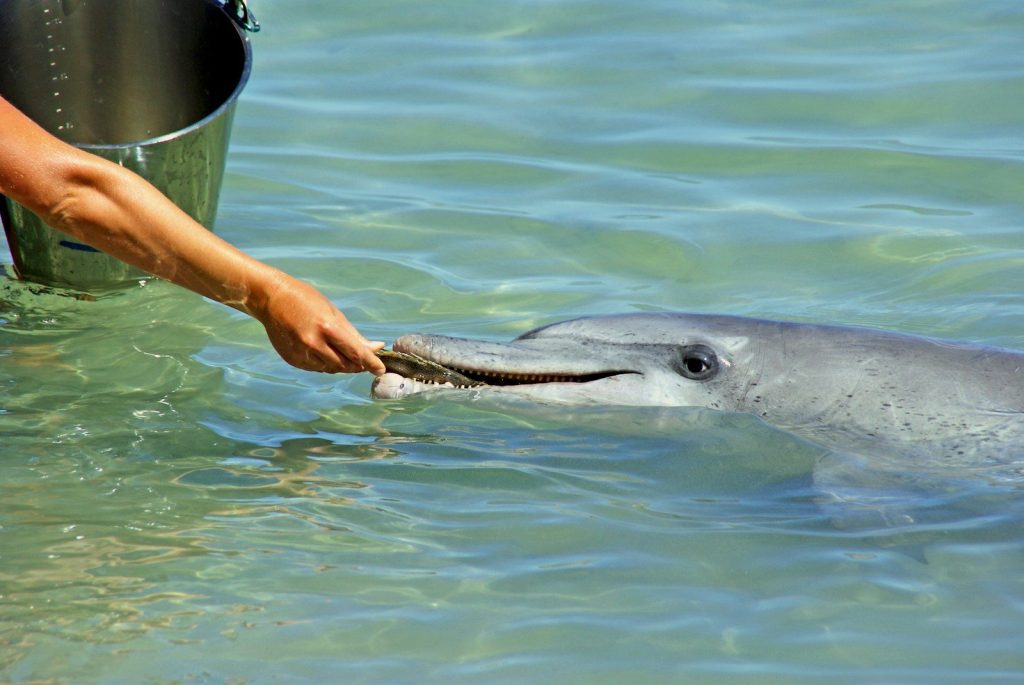
NOAA Fisheries finalized the Hawaiian spinner dolphin rule on September 28, 2021. It became effective one month later, on October 28. The regulation prohibits swimming with, approaching, or remaining within 50 yards of a Hawaiian spinner dolphin. That distance equals about 45.7 meters. The restriction applies to people, vessels, and objects in waters within 2 nautical miles of the main Hawaiian Islands. It also covers designated waters between Maui, Lānaʻi, and Kahoʻolawe.
The regulation goes beyond someone simply swimming directly toward a dolphin. NOAA also prohibits interception, sometimes called leapfrogging. That means a person or boat cannot deliberately move into a dolphin’s path so the animal ends up coming within 50 yards. The rule contains specific exceptions for situations such as a dolphin unexpectedly approaching someone. In that case, a swimmer should not engage with or pursue the animal and should move away. A vessel that is underway may continue normal navigation without trying to engage or pursue the dolphin.
Spinner dolphins need quiet time during the day
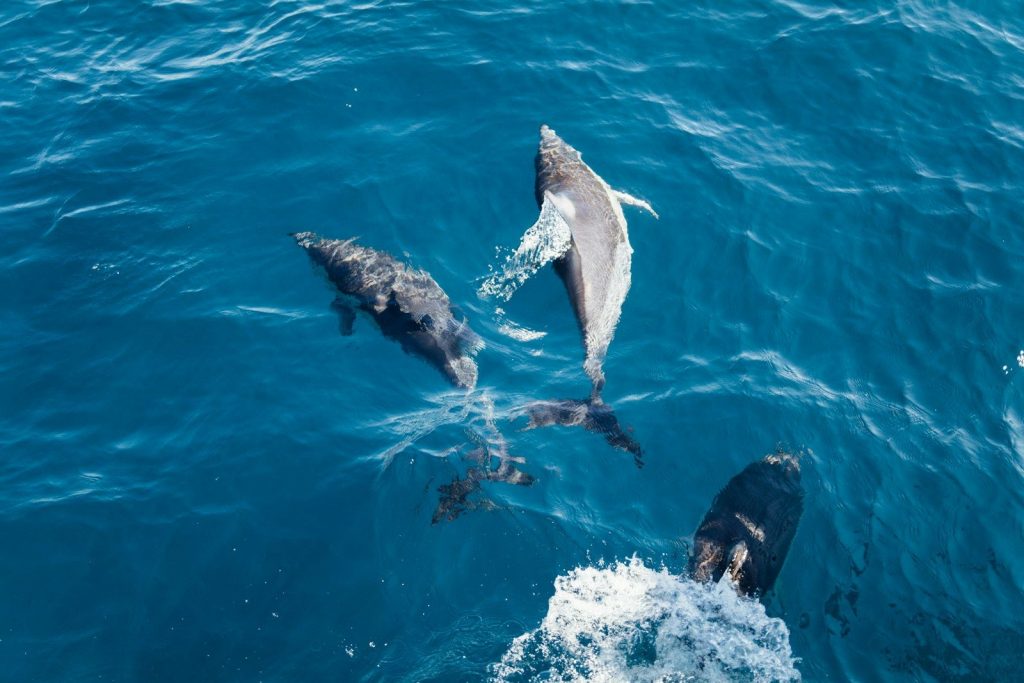
The reason for the rule becomes clearer when looking at the dolphins’ daily routine. Hawaiian spinner dolphins commonly feed offshore during the night. During daylight hours, they return toward Hawaii’s coast and use sheltered areas for important resting behavior. This brings them into some of the same waters used by swimmers, kayakers, boaters, and wildlife tours.
That overlap created a problem. People could find spinner dolphins fairly easily during the time when the animals needed to rest. NOAA says dolphin-directed activities grew over time, putting more pressure on these groups. At some locations, researchers observed as many as 13 tour boats around one dolphin group at the same time. More than 60 swimmers were sometimes in the water trying to interact closely with the animals. The dolphins could therefore face human activity during a part of the day that was supposed to be used for recovery.
Getting too close can disturb resting dolphins
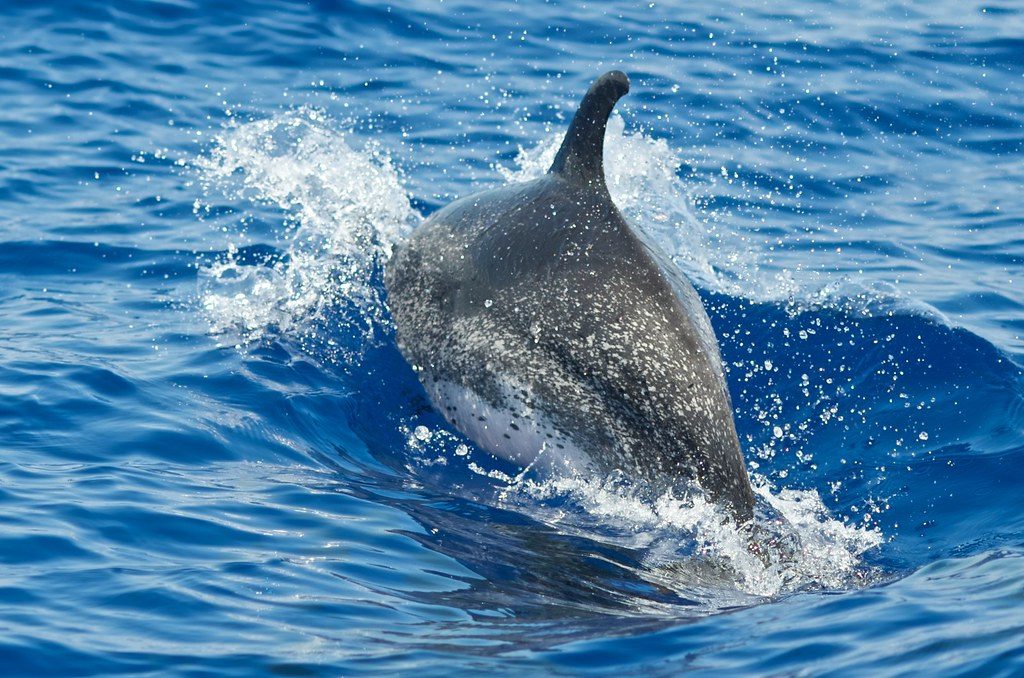
A dolphin swimming away from a person may look like a simple movement. For researchers, it can be evidence of a larger problem when close encounters happen repeatedly. NOAA explains that dolphins approached by people or vessels may increase their swimming speed or change direction. That requires energy and interrupts normal resting behavior.
Scientists are concerned about the repeated nature of these disturbances. One swimmer getting too close may last only a short time. But another swimmer, kayak, or boat can arrive later. NOAA says scientific studies have found changes in spinner dolphin behavior and reductions in resting behavior when human activity is present. Constant disturbance may affect the energy dolphins have available for other important activities, including feeding and caring for their young.
Swimming with dolphins is part of the restriction
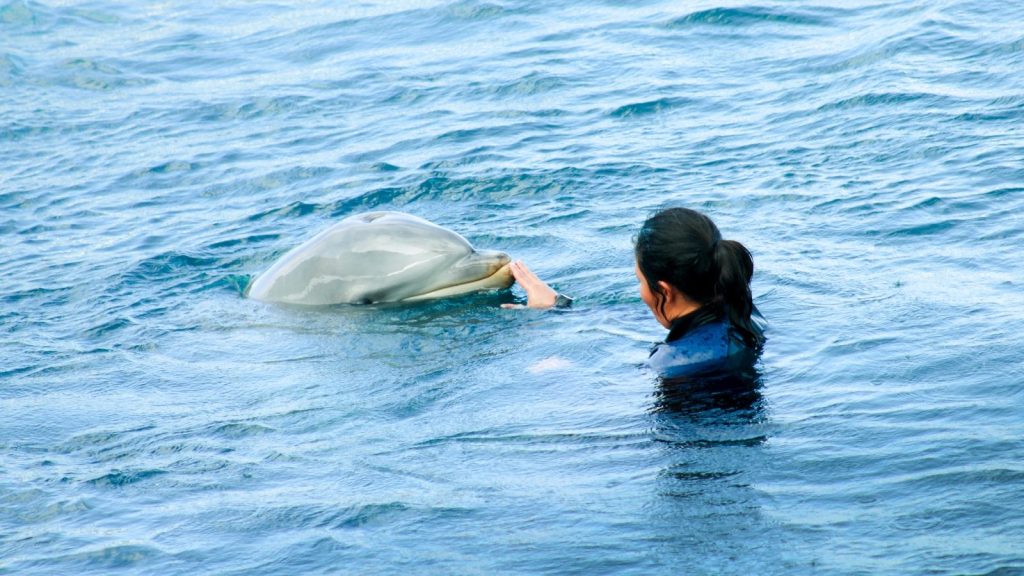
The rule directly addresses one of the activities that attracted visitors to Hawaiian spinner dolphins. People cannot intentionally swim with wild Hawaiian spinner dolphins in the regulated area. Tour participants are covered by the same distance requirement as individual swimmers. Commercial wildlife tour operators must also keep their vessels at least 50 yards away.
Other ways of approaching the dolphins are also covered. NOAA says the regulation applies to vessels and objects, including boats, canoes, paddleboards, and drones. A person cannot get around the rule by positioning something in front of moving dolphins and waiting for them to come closer. That interception method is specifically prohibited.
Hawaii has already dealt with dolphin harassment
Concerns about close encounters did not begin with the 2021 distance rule. The Marine Mammal Protection Act already prohibited harassment of protected marine mammals. Hawaii and federal officials had dealt with cases involving people getting too close to spinner dolphins before the new distance requirement took effect.
In one documented case, authorities investigated a dolphin tour operator who drove a boat in circles around a spinner dolphin pod and repeatedly intercepted the animals. Passengers were placed in the water in their path. A judge found the behavior amounted to harassment, and the operator was fined $2,500.
The goal is wildlife viewing without interference
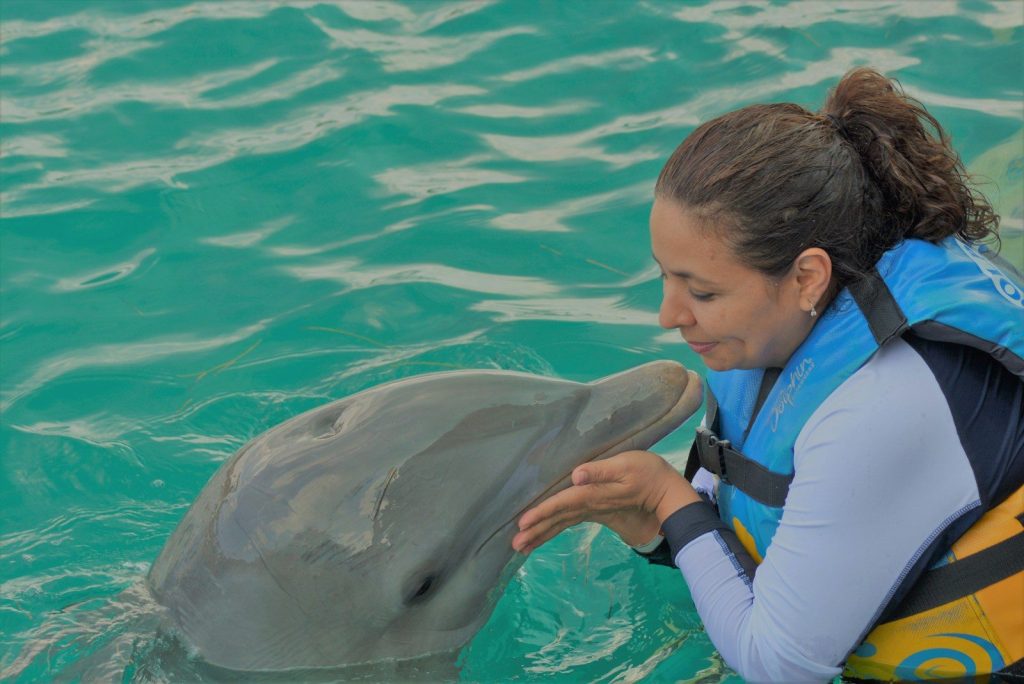
The Hawaii rule highlights an important difference between seeing a wild animal and interacting with it. A person can enjoy watching a dolphin without swimming beside it, chasing it, touching it, or forcing it to change direction. NOAA says people can responsibly watch Hawaiian spinner dolphins while remaining at least 50 yards away.
That distance matters because the dolphins are not visiting Hawaii’s nearshore waters simply to interact with people. These areas are part of their natural daily routine. They feed offshore during the night and return closer to shore during daylight hours to rest. Giving them space allows that behavior to continue with less interference.
Featured Image: “Atlantic Bottlenose Dolphins” by btrentler is licensed under CC BY 2.0
Leave a Reply