Could every animal be born with something like a lifetime supply of heartbeats? It sounds strange, but scientists have noticed an interesting pattern across many mammals. Small animals often have very fast hearts and short lives. Large mammals tend to have slower hearts and longer lives. When researchers combine heart rate with lifespan, many mammals end up with roughly 1 billion heartbeats over a lifetime.
Humans are one major exception. We can reach around three times that number. The pattern does not mean every animal has a hidden heartbeat counter. Instead, it gives scientists a fascinating way to study how body size, metabolism, heart rate, and lifespan may be connected.
Many mammals follow a surprising pattern
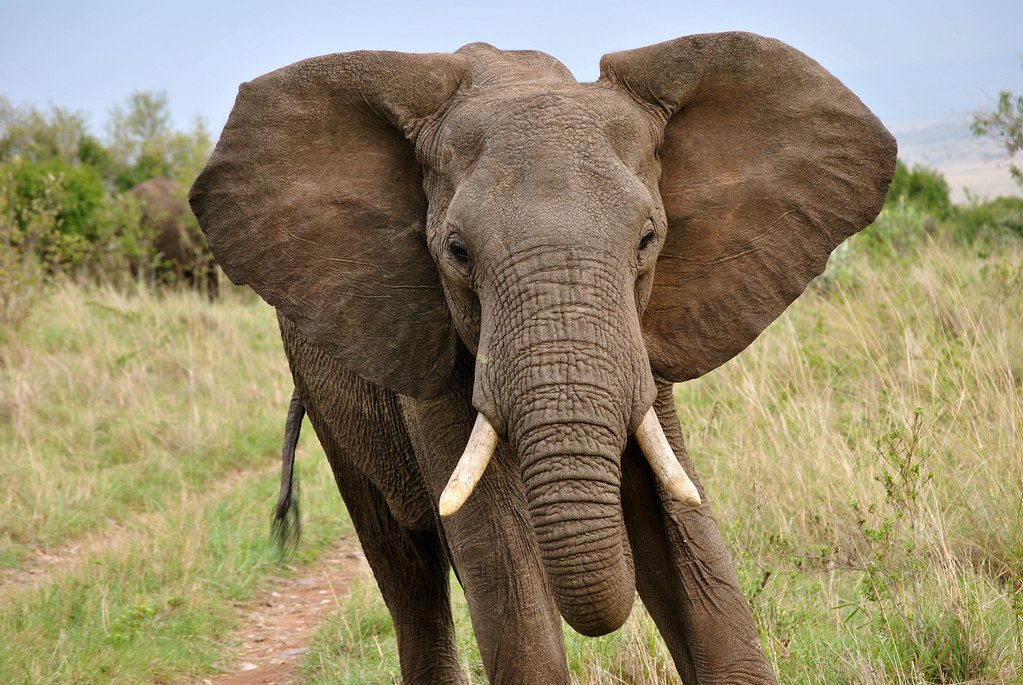
Imagine comparing a tiny mouse with a huge elephant. Their bodies could hardly look more different, yet there is an interesting connection between the speed of their hearts and how long they live. Small mammals generally have faster heart rates and shorter lifespans. Large mammals tend to have slower heart rates and longer lives. When these numbers are combined, researchers have found that many mammals fall surprisingly close to a common range for total lifetime heartbeats.
The number is often simplified to about 1 billion beats. Different scientific studies have produced somewhat different estimates. One analysis calculated an average of 730 million beats, while other research has placed the number around 1.1 billion or 1.5 billion. The important point is not one exact number. It is the broad pattern across animals of very different sizes. A tiny mammal may race through heartbeats quickly, while a much larger animal uses them at a far slower rate.
Small mammals tend to have faster hearts
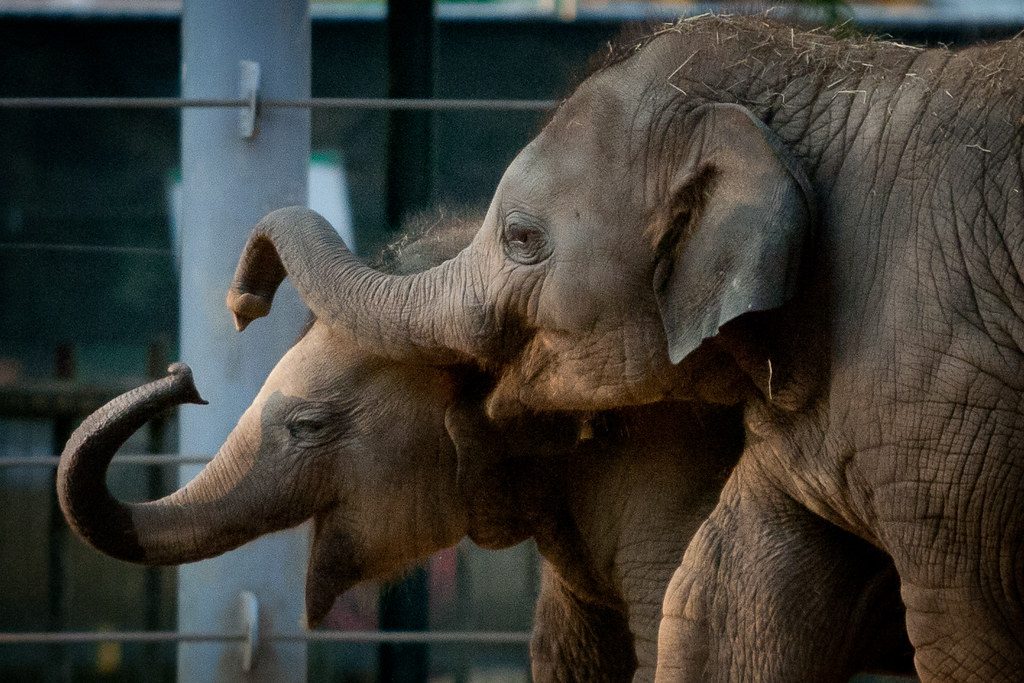
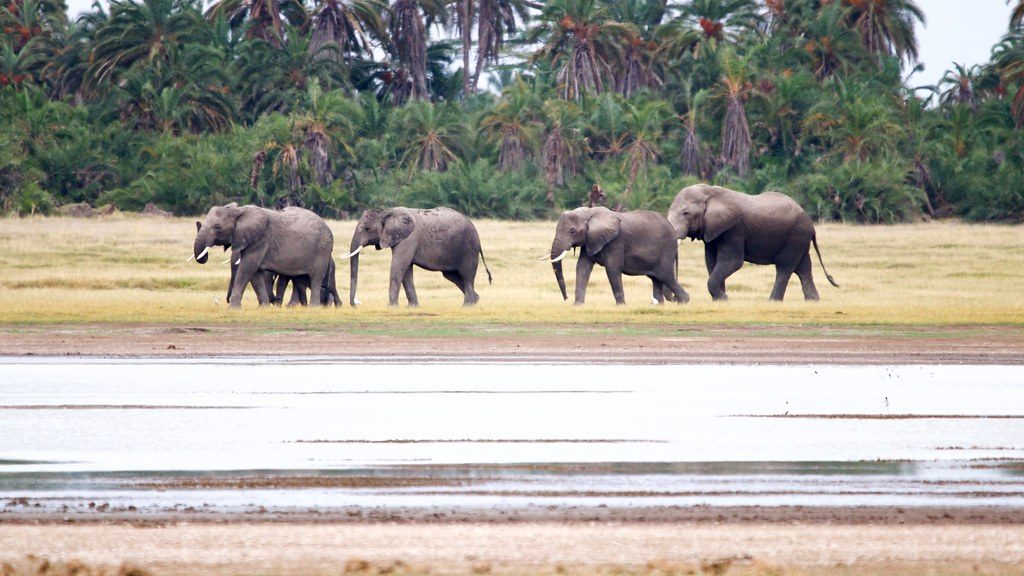
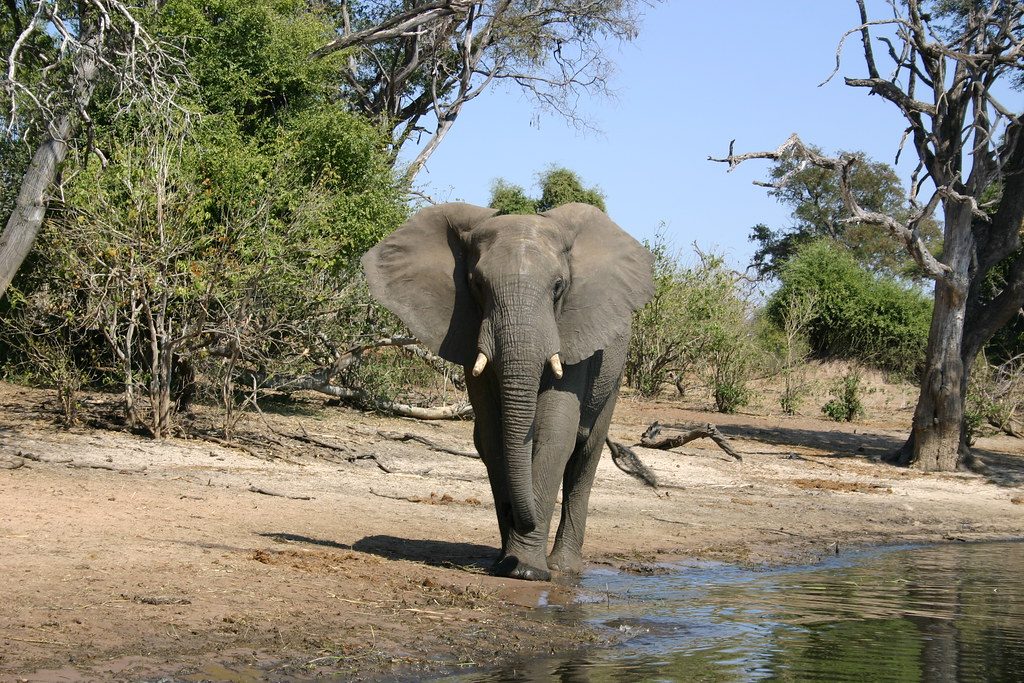
Body size is closely connected with heart rate across mammals. Small animals tend to have hearts that beat much faster than those of large animals. A mouse can have a resting heart rate of hundreds of beats per minute. An elephant’s heart can beat only a few dozen times per minute. The difference is linked in part to the different energy demands of their bodies.
Scientists describe these relationships using something called allometric scaling. In simple terms, many parts of biology change in predictable ways as animals become larger. Heart rate generally falls as a mammal’s body mass rises. Metabolic rate also changes with body size. Small mammals use energy very quickly for their size, while larger animals generally operate at a slower pace per unit of body mass.
Metabolism may help explain the connection
Heart rate is only one piece of the puzzle. Scientists have long studied the connection between body size and metabolism. Metabolism describes the many chemical processes that keep an organism alive. Those processes require energy, and different animals use that energy at very different rates.
Smaller mammals generally have higher metabolic rates for their body size. Their hearts beat quickly, and many biological processes happen at a faster pace. Larger mammals usually have slower heart rates and lower metabolic rates for their size. Researchers have developed mathematical models to describe how these changes scale as body mass increases.
Humans do not follow the simple rule

Humans make the pattern more interesting because we are clear outliers compared with many other mammals. Our resting heart rates are not extremely slow, yet we can live for many decades. As a result, the human heart can produce roughly 3 billion beats over a long lifetime.
More recent research suggests that this may not be a human-only exception. Other primates can also accumulate around 3 billion lifetime heartbeats. A study comparing primates, rodents, and other mammals found that primates generally lived much longer at similar heart rates than many nonprimate mammals. Humans fit into this broader primate pattern rather than standing completely alone.
A billion heartbeats is not a countdown clock
The idea of having a fixed number of heartbeats can easily create the wrong impression. Someone might think that making the heart beat faster during exercise would use up heartbeats and shorten life. That is not what the research shows. Lifetime heartbeat comparisons are observations across species, not instructions for how individual people should manage their heart rate.
Scientists instead study heart rate as one part of a much larger biological system. Metabolism, genetics, body size, aging, disease, environment, and many other factors influence how long an animal lives. Even animals of similar size can have very different life spans. Birds provide some striking examples because some can live much longer than mammals of similar body size despite having high metabolic rates.
The pattern reveals something deeper about life
The real value of the heartbeat pattern is not predicting exactly when an animal will die. It gives scientists another way to study how living bodies change with size. From tiny mammals to enormous ones, body mass is connected with heart rate, metabolism, circulation, and lifespan in patterns that researchers can describe mathematically.
Scientists are still studying why these relationships exist and how universal they really are. Even the familiar idea that heart rate scales perfectly with body mass according to one simple mathematical rule remains an active area of research. A 2026 study of biological pacemakers noted that measured scaling can vary between animal groups and different physical conditions.
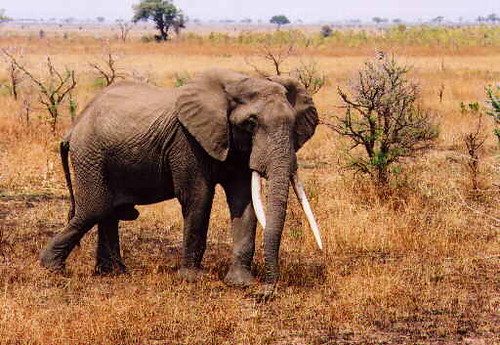
Featured Image: “Elephant” by NH53 is licensed under CC BY 2.0
Leave a Reply