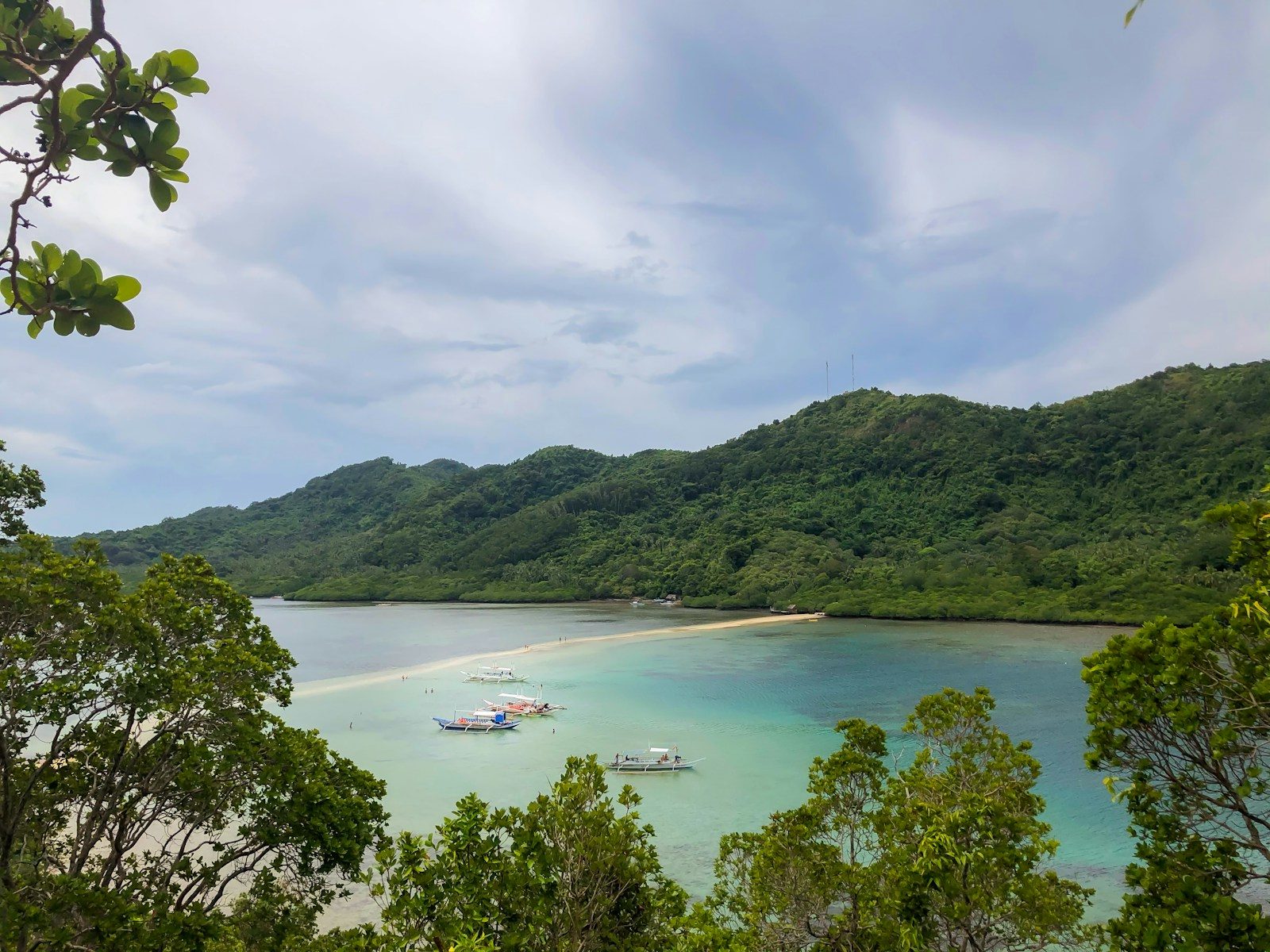
A violent storm, a sinking fishing boat, and an island famous for venomous snakes turned one fishing trip into an extraordinary survival story. In February 2019, six fishermen ran into trouble near Ilha da Queimada Grande off Brazil. Four managed to reach the rocky coast of the island, better known as Snake Island. They remained there for three days while waiting for rescue.
The island is the only natural home of the golden lancehead, a rare venomous snake found nowhere else on Earth. The fishermen knew about that danger, so they avoided moving deep into the vegetation. Their experience offers a remarkable look at one of Brazil’s most unusual islands and the rare species that live there.
A storm sinks the fishermen’s boat
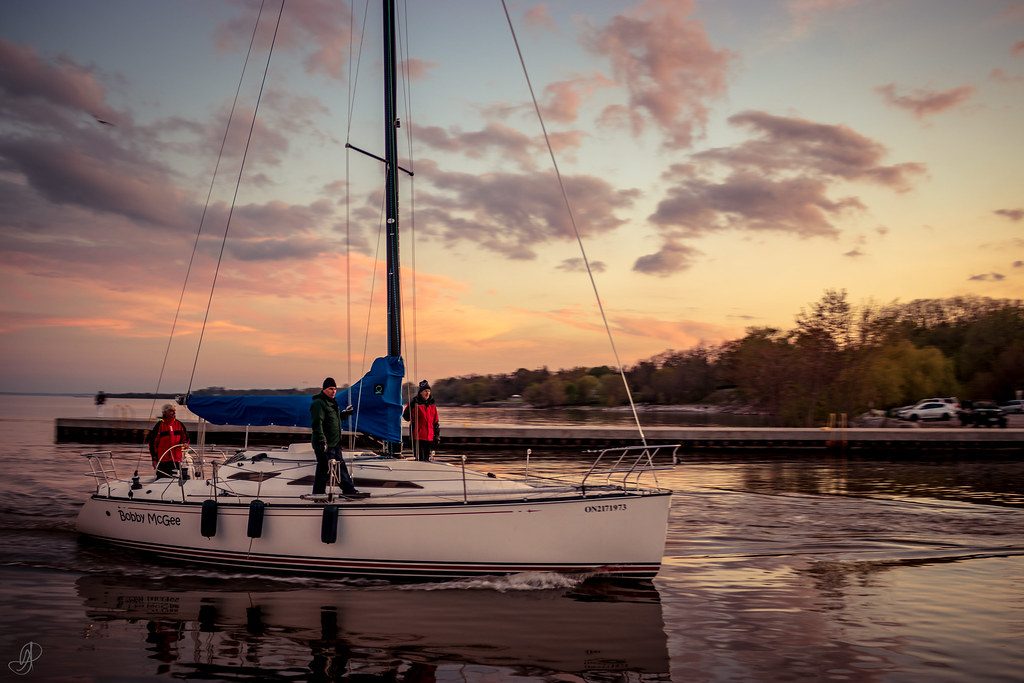
The six fishermen left Santos on February 27, 2019, aboard a fishing vessel called the Oldemar II. Their trip changed when they encountered a strong storm near Ilha da Queimada Grande. Contemporary reports described high waves hitting the vessel before it overturned and sank. The accident happened more than 30 km from the mainland, leaving the crew in a dangerous situation in rough water.
Four of the fishermen managed to swim to Ilha da Queimada Grande. Contemporary reports do not support the latter claim that the other two deliberately chose to stay aboard because they preferred the sinking boat to the snake-filled island. The four survivors reported that they did not see the other two men after the vessel went down. Brazilian authorities began searching for them while the four survivors remained stranded on the island. The two missing fishermen were later reported to have died.
Four survivors reach the rocky island
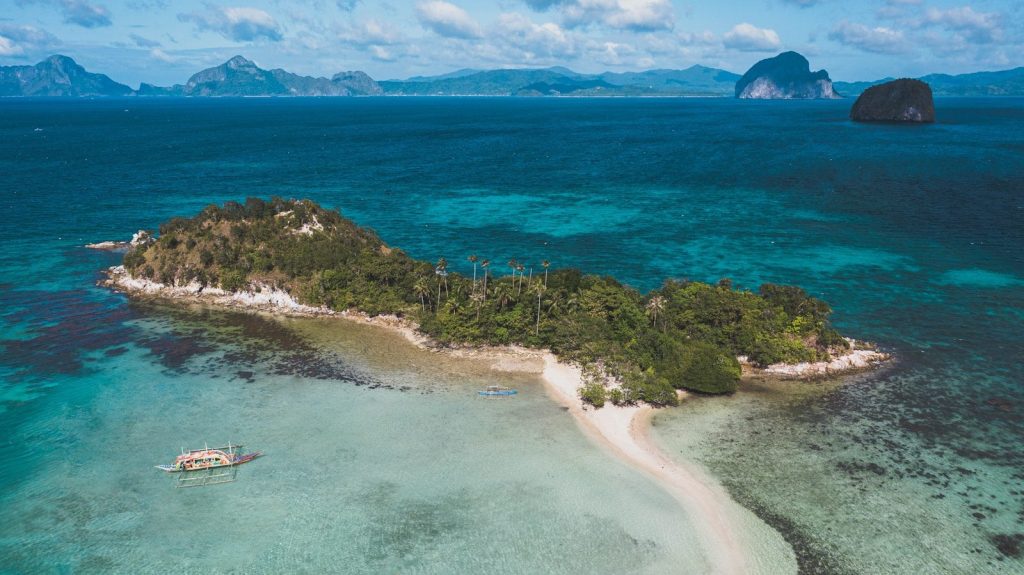
Reaching land solved only one part of the problem. Ilha da Queimada Grande is uninhabited and has no normal facilities for stranded visitors. More importantly, the fishermen knew the island was famous for its population of golden lanceheads. Instead of moving deep into the vegetation, they stayed around the rocky coastal area.
Their decision limited how much of the island they had to cross while waiting for help. The men spent three days there. They collected rainwater to drink and ate green bananas that they could reach near the edge of the vegetation. One survivor later recalled the cold as another major problem. The men stayed close together at night to keep warm. During the day, they took turns resting while the others remained alert. Their experience was difficult, but all four men who reached the island survived.
A passing boat finally spots the men
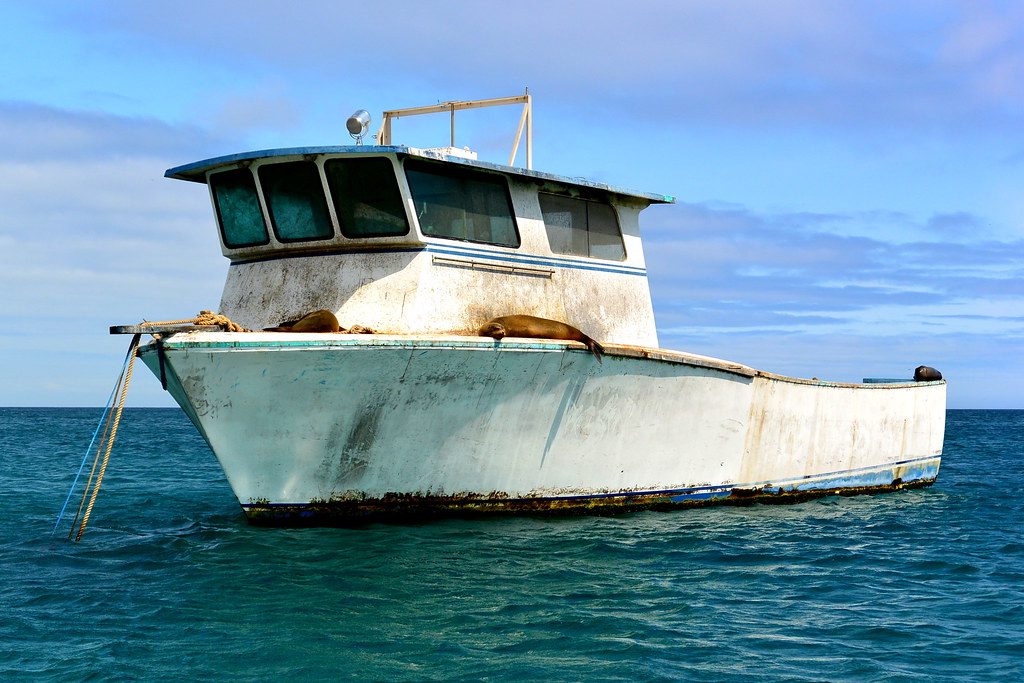
The stranded fishermen did not have to wait indefinitely. On March 2, three days after the accident, a boat carrying divers passed near Ilha da Queimada Grande. The people aboard noticed the stranded men signaling from the rocky coast and moved in to help them.
The four survivors were taken aboard and transported back toward the mainland. They were then taken to a medical facility in Itanhaém. Contemporary reports said they were released after receiving medical attention. Their rescue ended three days of uncertainty following the sinking of the Oldemar II.
Snake Island has a rare golden lancehead
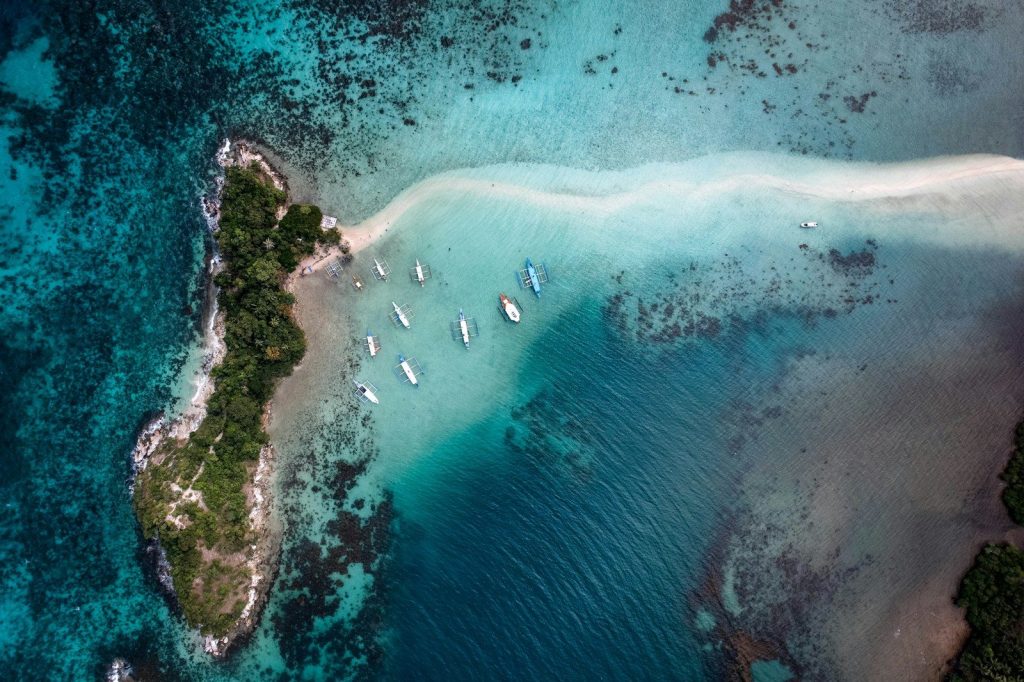
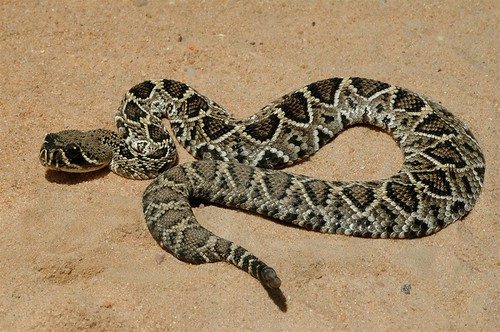
Ilha da Queimada Grande is famous because it is the only natural home of the golden lancehead. Its scientific name is Bothrops insularis. The snake developed as an isolated island species and is not naturally found anywhere else in the world.
The species is venomous and protected. Its limited home makes conservation especially important because the entire wild population depends on one small island. The Brazilian government includes the golden lancehead among the threatened species protected within the conservation area containing Queimada Grande and nearby Queimada Pequena.
The island’s snake numbers are often exaggerated
Snake Island has collected dramatic stories over the years. One of the most repeated claims says there can be one snake for every square meter of land. Some versions make the number even higher. These figures have helped give the island its frightening reputation, but they should not be treated as a precise scientific count.
Researchers who carried out systematic population work produced much lower estimates for the golden lancehead. Scientific literature has commonly placed the population in the range of about 2,000 to 4,000 snakes. One field study concluded that its best estimate was near the lower end of that range. Most of the snakes were concentrated in the forest habitat rather than being spread evenly across every square meter of the island.
Snake Island remains protected and restricted

Queimada Grande is not an ordinary tourist island. It forms part of a federally protected conservation area managed for its ecological importance. Access is restricted, and scientific visits require authorization. Researchers from institutions such as Instituto Butantan have studied the golden lancehead and the unusual ecosystem that allowed it to develop.
The island also has a lighthouse. Historical information from the local government says the lighthouse became automated in 1918, removing the need for people to live there permanently. Today, Queimada Grande remains uninhabited. Its isolation has helped preserve an ecosystem containing a snake found nowhere else.
Leave a Reply