Seeing an opossum near your home may not seem like a big deal. With their pale faces, bare tails, and slow movements, these animals are often seen as strange or even scary. But the facts about opossums tell a very different story. The Virginia opossum is North America’s only marsupial, and its unusual body and behavior help it survive in many places. From carrying tiny babies in a pouch to pretending to be dead when frightened, the opossum has several surprising traits.
Here is why this often-misunderstood animal deserves a closer look.
Opossums are North America’s only marsupials
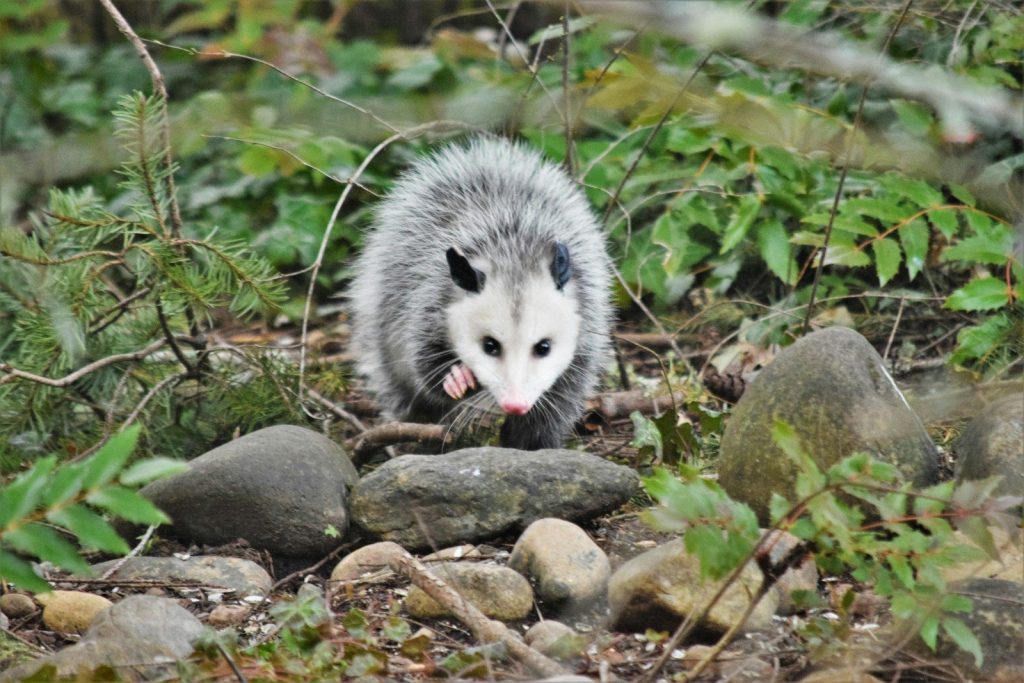
The Virginia opossum is the only marsupial found naturally north of Mexico. Marsupials are mammals whose young are born very small and continue developing after birth, often inside a pouch. This puts opossums in the same broad group as kangaroos and wallabies, even though they look very different.
Opossums live across much of the eastern United States and also occur in parts of the West. They can adapt to forests, fields, wetlands, and areas close to people. Their ability to eat many kinds of food and use different shelters has helped them survive in changing environments.
Their babies have an amazing start
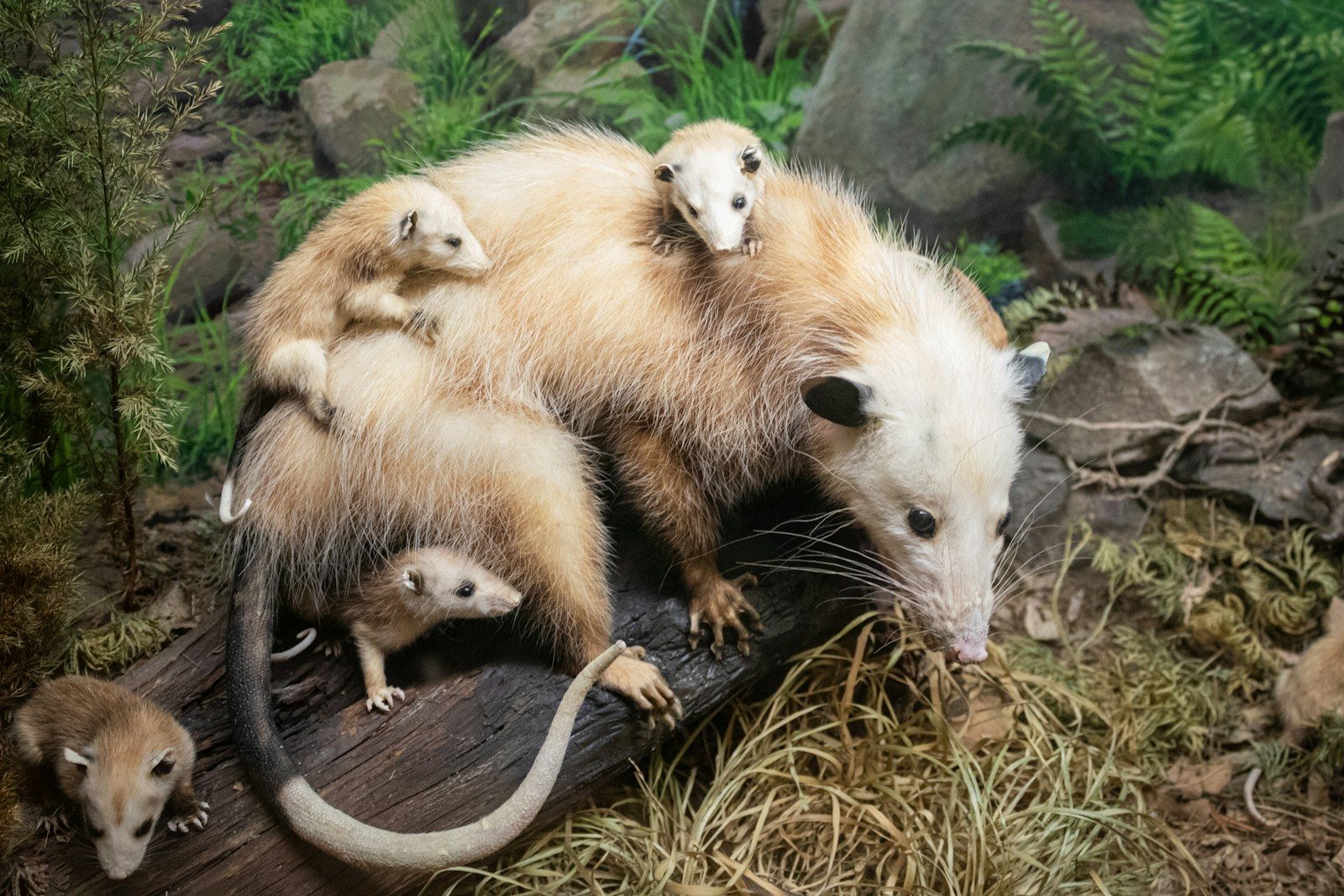
A female opossum can give birth to many tiny young at one time. The newborns are extremely small and underdeveloped, then crawl from the birth opening to the mother’s pouch, where they attach to a nipple and continue growing.
A female can have as many as 25 young in a litter, although not all survive. Once they become too large for the pouch, young opossums may ride on their mother’s back. This unusual system gives helpless newborns a safe place to develop during their earliest weeks.
Their tails and feet are built for climbing
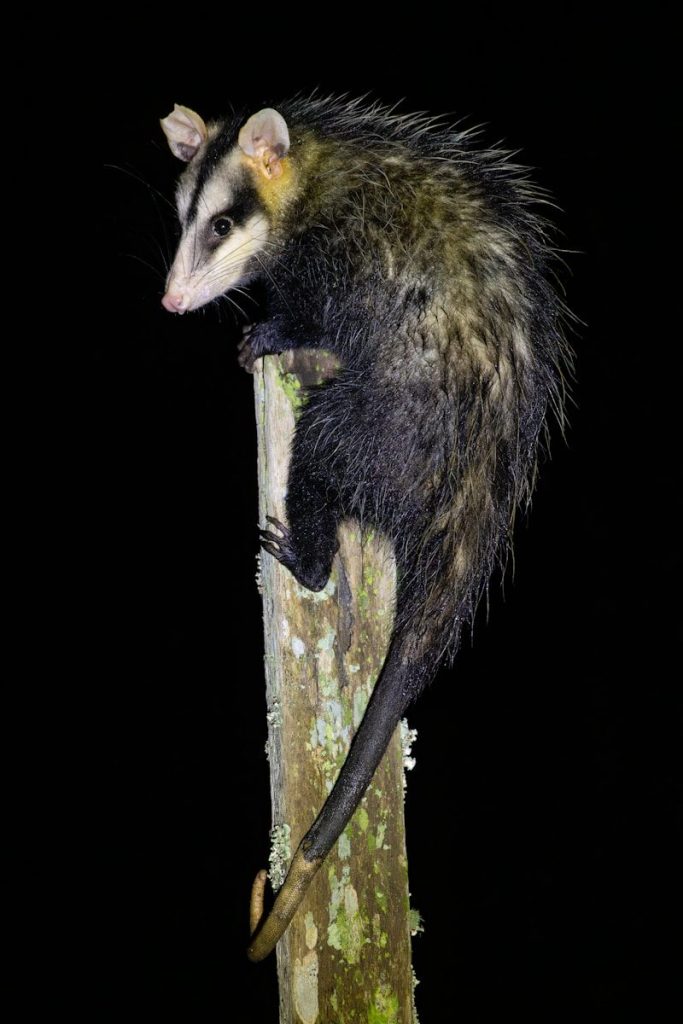
An opossum’s tail is more useful than it looks. It is prehensile, which means it can grip objects, and it helps with balance while the animal moves through trees. Opossums can also use their tails to help carry nesting material.
Their feet are just as unusual. The hind feet have a clawless, opposable big toe that works somewhat like a thumb. Combined with sharp claws and strong limbs, this helps opossums climb and hold onto branches.
Playing dead is a real survival trick
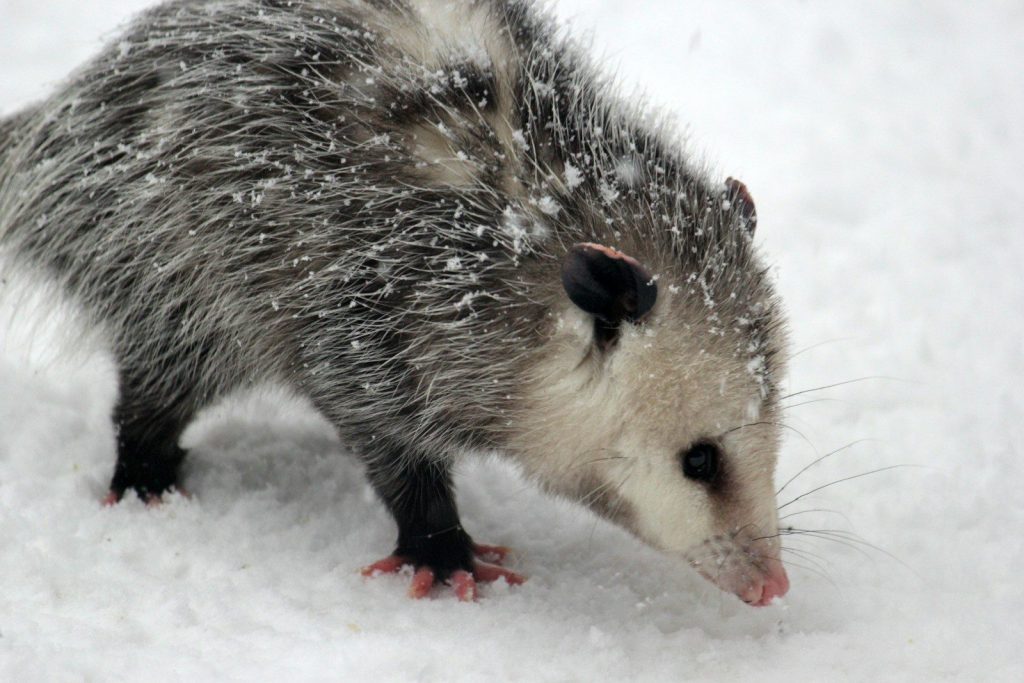
One of the opossum’s best-known behaviors is playing dead. When extremely frightened, an opossum can enter an involuntary state in which it becomes still, slows its breathing, and may release a bad smell. It is not simply choosing to act like a dead animal.
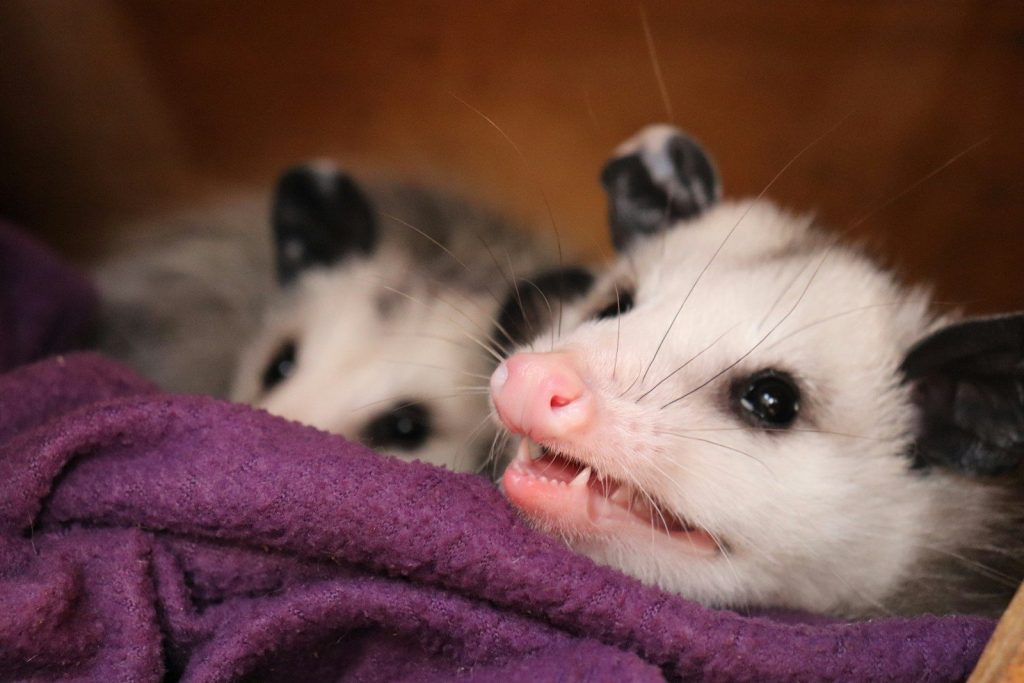
This behavior can confuse predators that prefer live prey. Opossums may also hiss, show their teeth, or try to escape when threatened. Despite their scary appearance when defending themselves, they generally prefer avoiding conflict rather than attacking people.
They are useful neighborhood scavengers
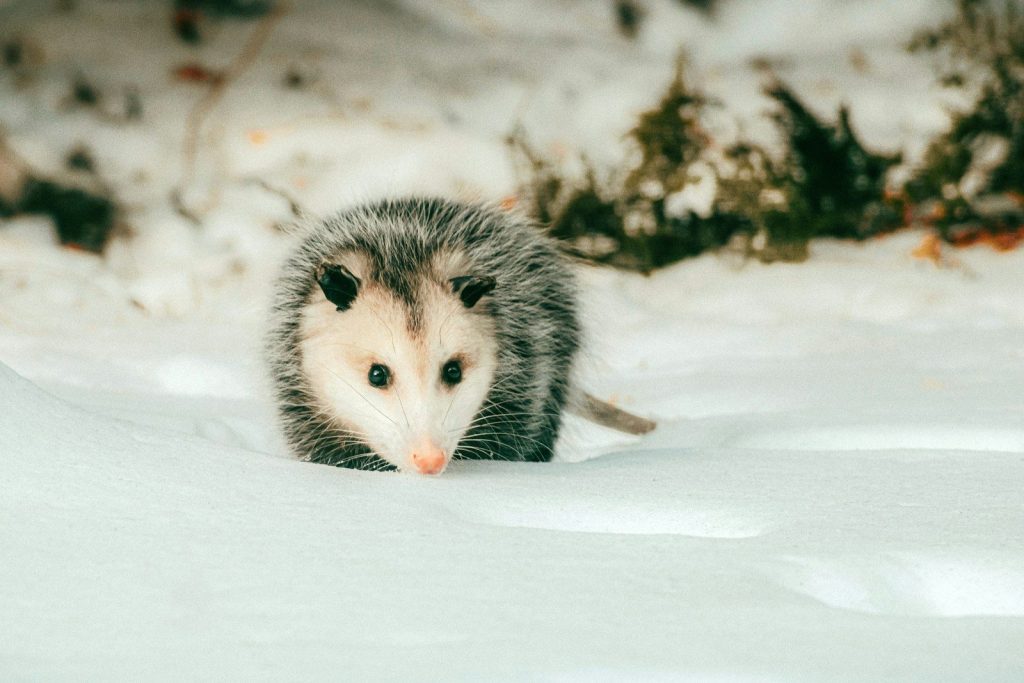
Opossums are omnivores, so they eat both plants and animals. Their meals can include insects, worms, fruits, seeds, small animals, carrion, and other available foods. This flexible diet helps them find food in many different habitats.
They also play a cleanup role by eating carrion and other food that could otherwise remain in the environment. Opossums are sometimes credited with eating huge numbers of ticks, but the popular claim that every opossum removes thousands of ticks should be treated carefully because the evidence is not as simple as that claim suggests.
Their strange features help them survive
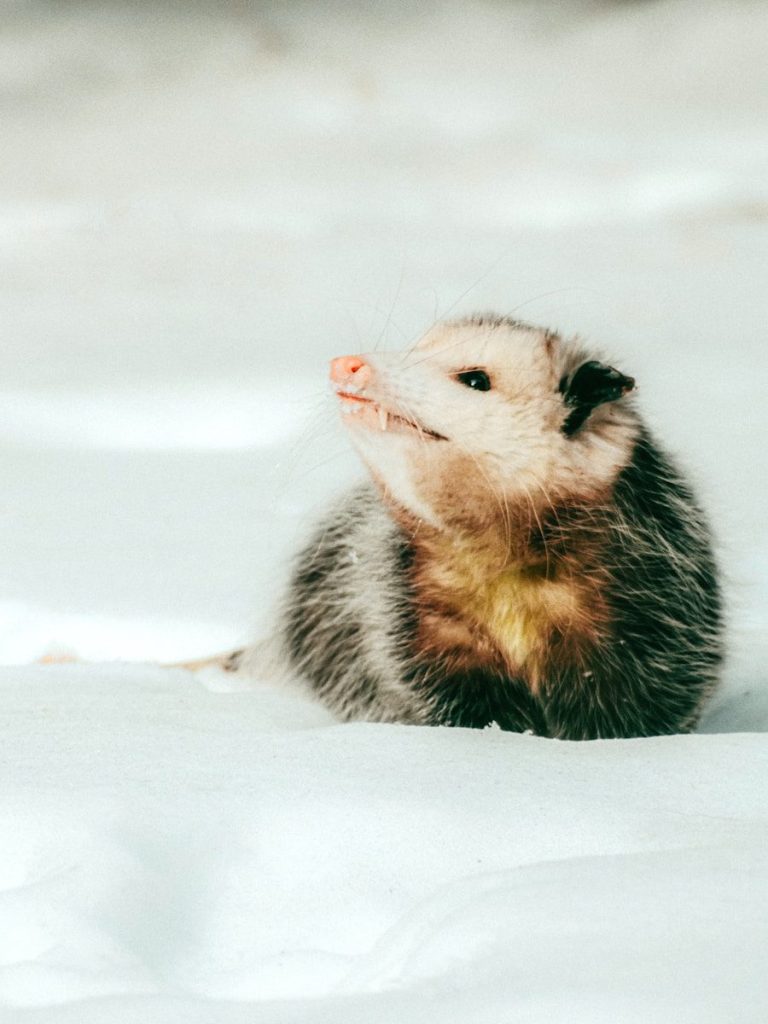
Opossums have another surprising feature: they usually have a lower body temperature than many other mammals. This may help explain why rabies infections are uncommon in opossums, although they are not completely immune and should still be treated as wild animals.
They also have up to 50 teeth, more than most North American land mammals. Their short lives in the wild, often around one to two years, make their ability to survive predators, traffic, weather, and food shortages even more impressive.
Leave a Reply