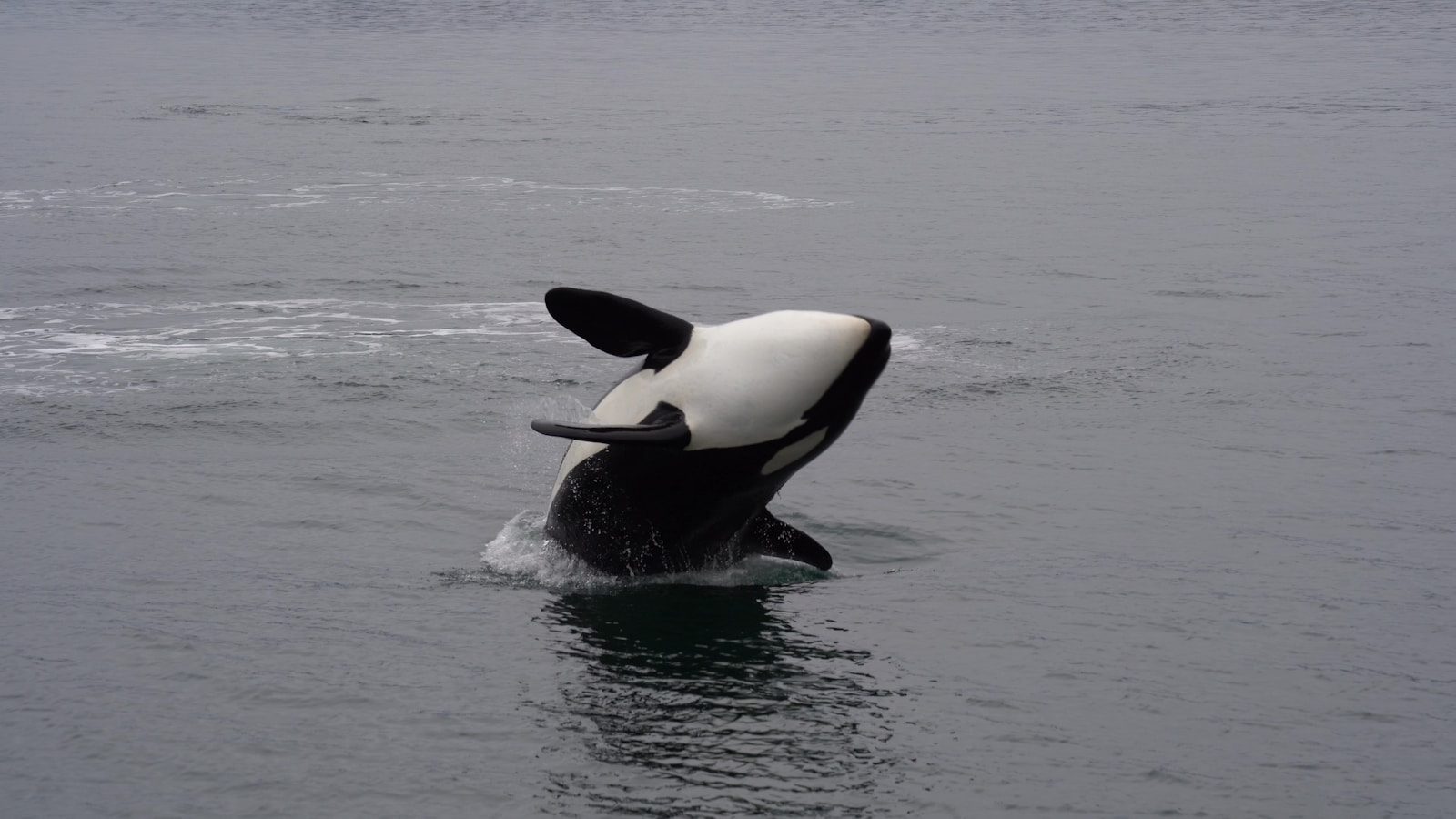
Imagine seeing an orca lead a hunting team that includes people. It sounds like something from a movie, but a remarkable story from Australia says this really happened. In Twofold Bay near Eden, New South Wales, orcas worked around human whalers for generations, helping drive much larger baleen whales toward boats. This unusual relationship is one of the clearest recorded examples of humans and wild orcas working together during whale hunts. The story also connects to the Yuin people and includes a famous orca named Old Tom.
Here is what is known about this remarkable chapter in history.
The hunts took place in Twofold Bay
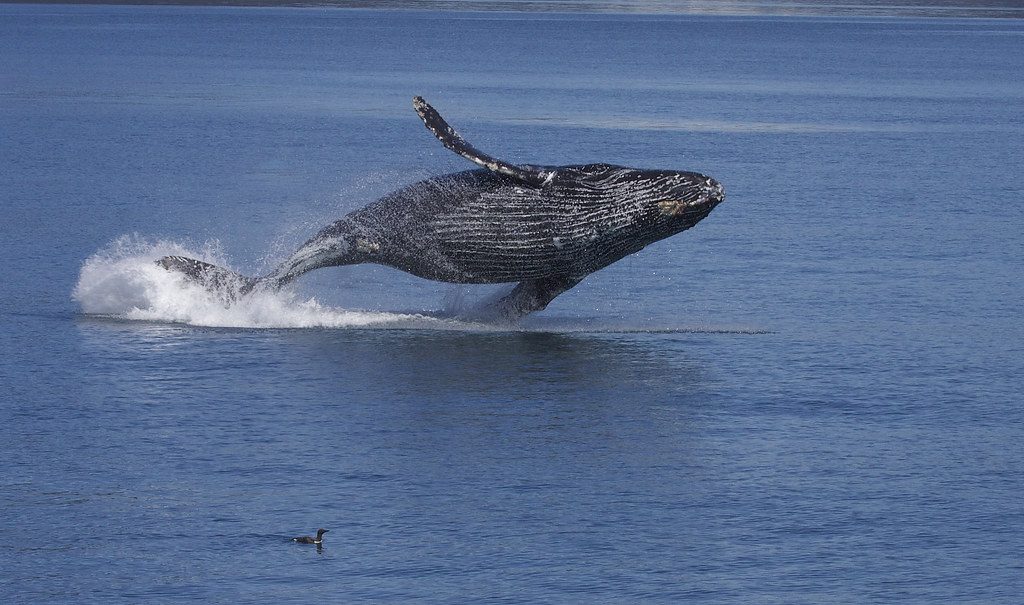
Twofold Bay was an important place for migrating baleen whales, including humpback and southern right whales. In the 1800s, human whalers used small boats to hunt whales in and around the bay, creating the setting for an unusual partnership with local orcas.
Historical accounts describe orcas moving near the bay and helping herd whales toward shallower water. The whales they targeted could be much larger than the orcas themselves, making the teamwork especially striking.
The orcas helped guide the whales
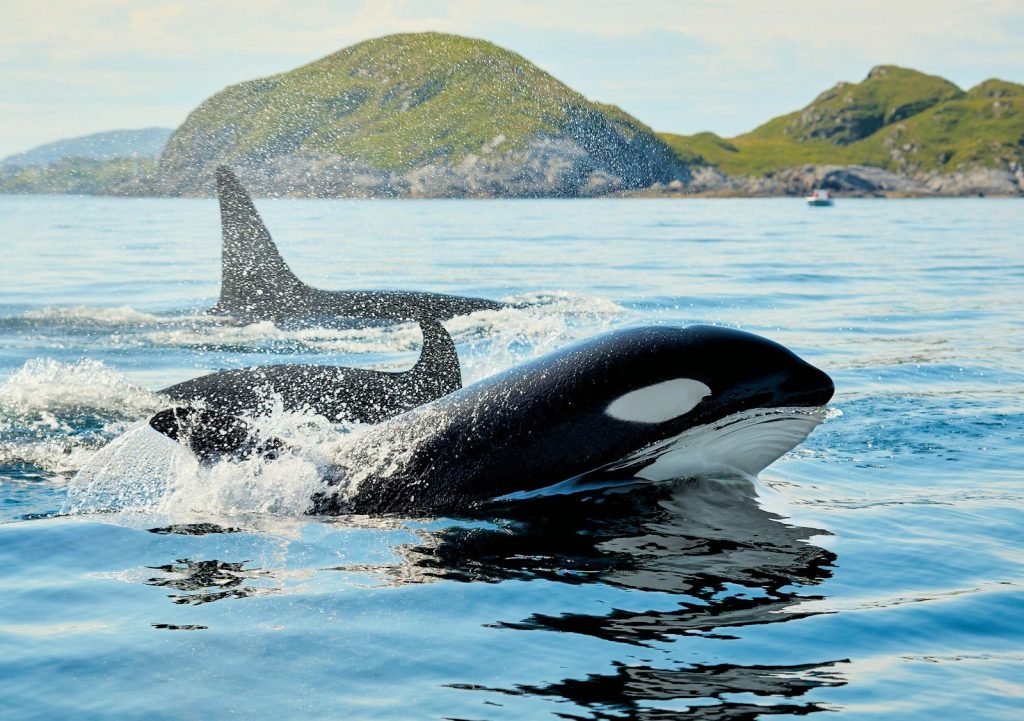
The orcas did not simply follow the human boats. Accounts describe them locating and chasing baleen whales, then driving the animals toward areas where human whalers could reach them. This gave the hunters a major advantage.
The humans would then pursue the whale in small boats and use harpoons. Once a whale was killed, the orcas were allowed to feed on parts of the carcass before the humans took the remaining valuable parts.
Old Tom became the most famous orca
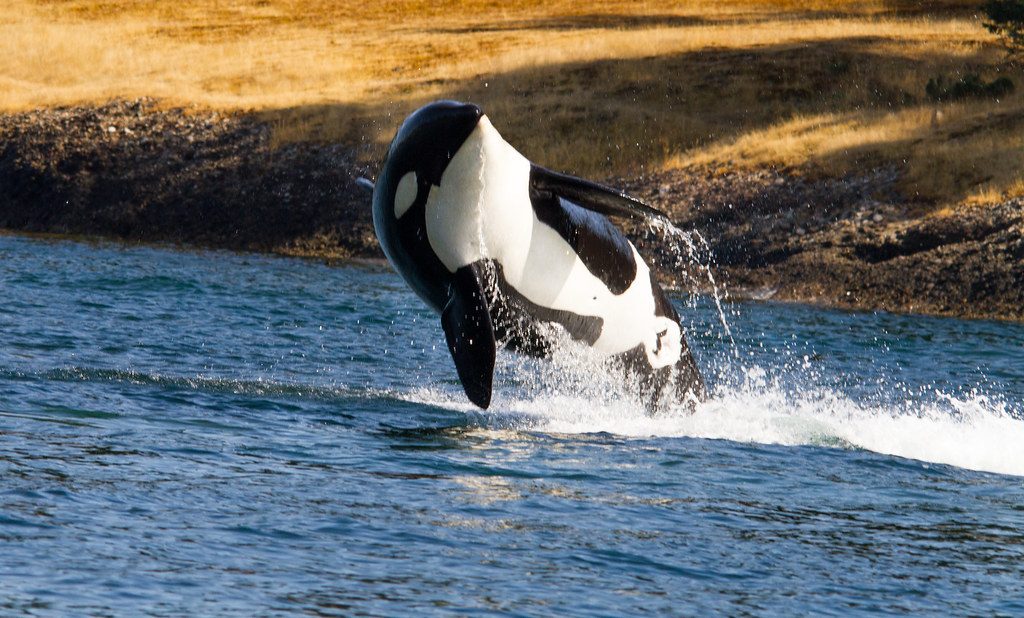
Among the orcas at Eden, Old Tom became the best known. He was a large male with a distinctive tall dorsal fin and was repeatedly seen around the whaling boats. His behavior became an important part of local stories about the unusual hunts.
Old Tom was also reported to help during chases. His skeleton is now preserved at the Eden Killer Whale Museum, where it provides a physical link to this unusual period. Wear on his teeth has been connected with reports that he sometimes grabbed ropes during hunts.
The story goes back before European whaling
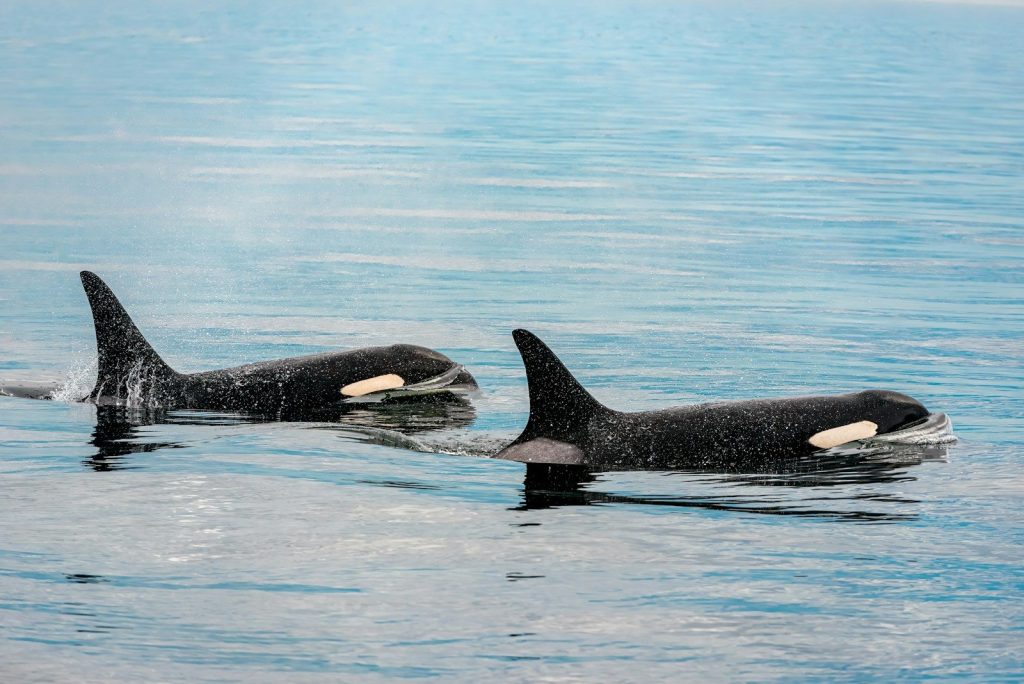
The relationship between people and orcas in the area did not begin with European whalers. Local Yuin people had their own long history with the waters and whales of Twofold Bay, and accounts describe a cultural connection between the Yuin and the orcas.
Some Yuin traditions regarded the orcas as important spiritual beings connected with ancestors. This makes the history more complex than a simple story about European whalers discovering helpful animals.
Why would the orcas work with humans?

Scientists cannot ask the old orcas why they joined the hunts, so their exact motivation cannot be proven. However, the behavior appears to have offered the animals a food reward because they could eat preferred parts of the whale after the kill.
The relationship was therefore likely based on repeated behavior rather than human-style friendship. The orcas gained food, while the humans gained help finding and controlling large whales. That makes the story a rare example of cooperation between wild animals and people.
The unusual partnership eventually ended
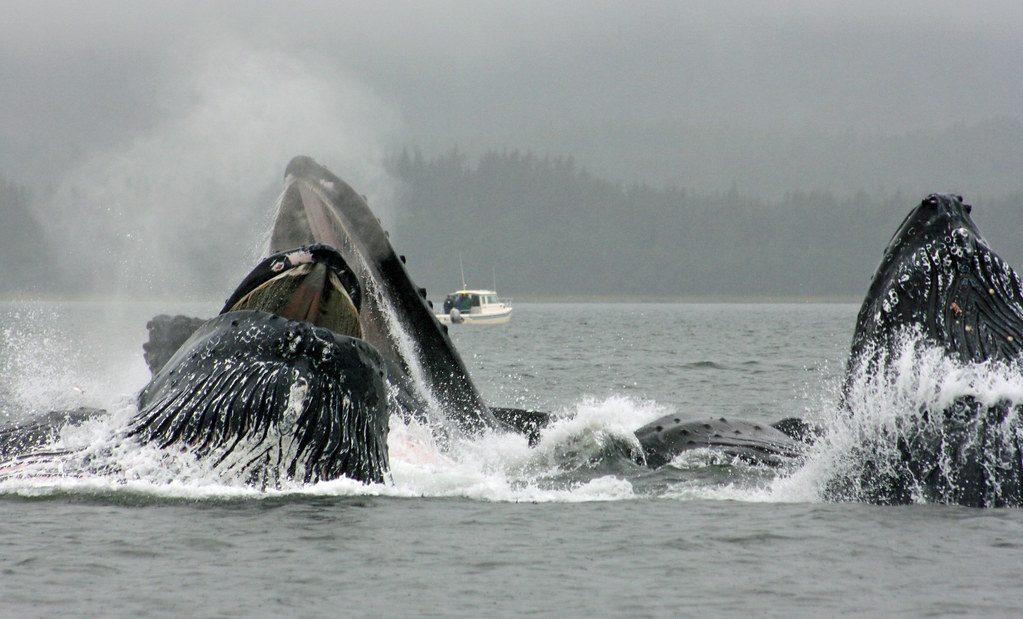
The recorded cooperation lasted for many decades, with reports placing the best-known period from about the 1840s into the early 20th century. As whaling continued and whale numbers fell, sightings of the local orcas also became less common.
Eden’s whaling operation ended in the late 1920s, and Old Tom died in 1930. Today, his preserved skeleton and the records from Twofold Bay remain evidence of a relationship that is unusual in the history of both humans and wild orcas.
Featured Image: Photo by Rudi De Meyer on Unsplash
Leave a Reply