How do animals find food when there is almost no sunlight to see? Deep-sea predators have solved this problem with some of the strangest hunting tools in the ocean. Far below the surface, many animals use glowing body parts, large eyes, sharp senses, and special camouflage to find prey. Some do not chase their meals at all. Instead, they wait quietly and let prey come close. These deep-sea hunting methods show how animals can survive in one of Earth’s darkest and hardest places.
Here is how predators find, surprise, and capture food where ordinary vision is of little help.
The deep ocean has very little light
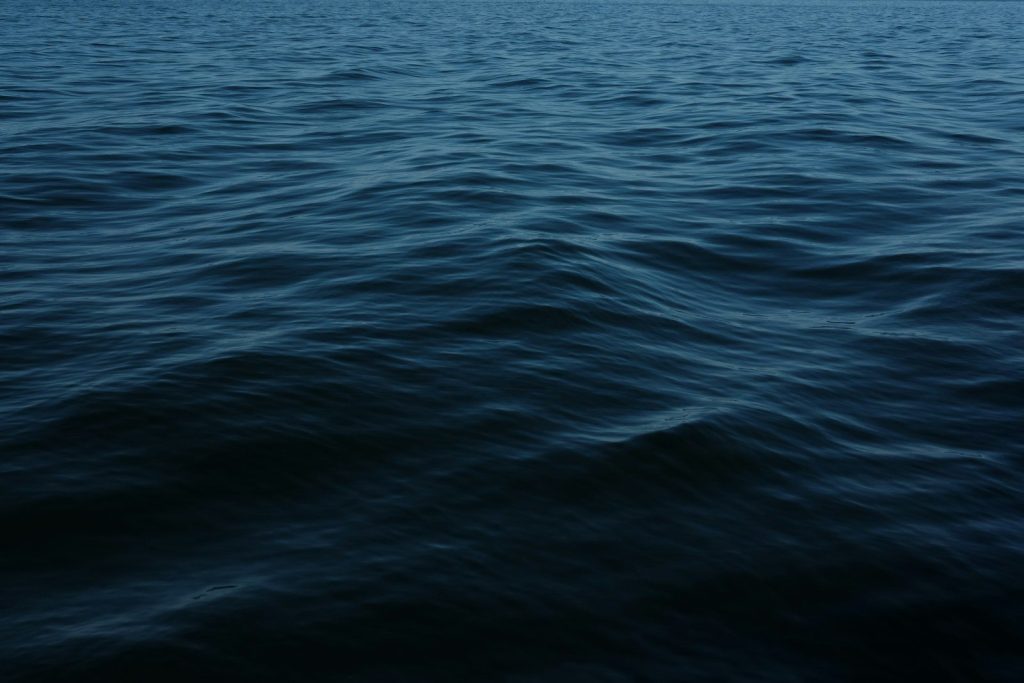
Sunlight fades quickly as it travels through seawater. Below the sunlit parts of the ocean, natural light becomes extremely weak, and in the deep sea there is no sunlight at all. Animals living there must depend on other ways to find food and avoid becoming food themselves.
Many deep-sea animals can detect the small amounts of light that remain at depth, while others rely on light made by living creatures. This natural light is called bioluminescence. It can help animals attract prey, find other animals, or escape predators.
Anglerfish use a glowing lure
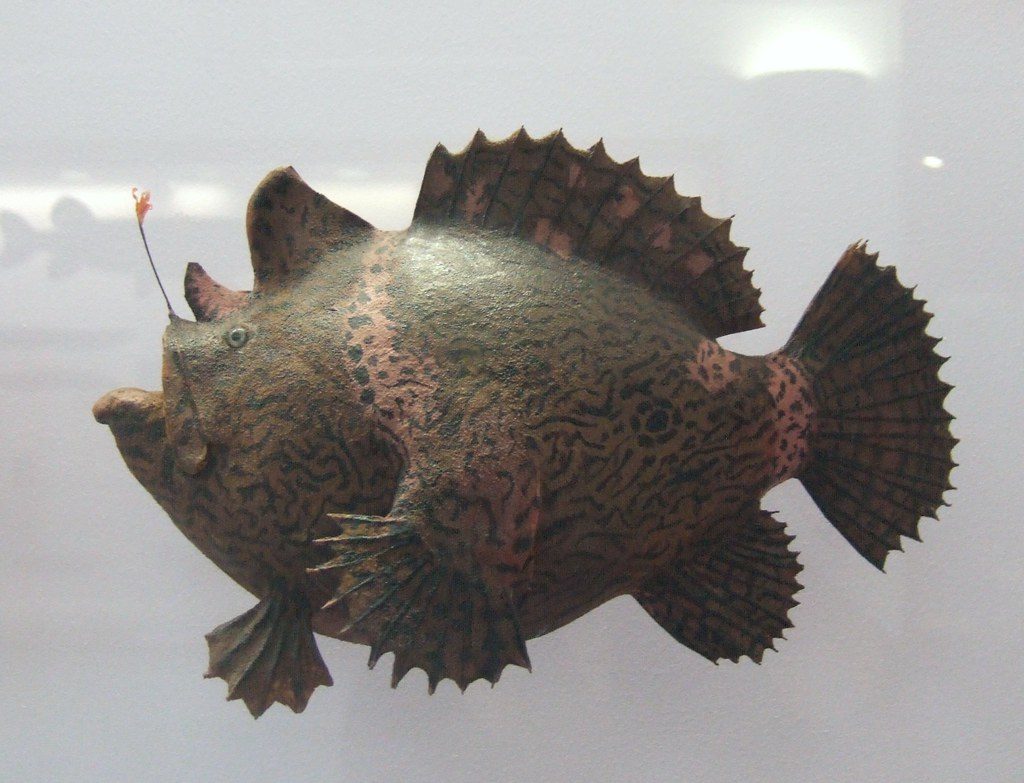
The deep-sea anglerfish has one of the best-known hunting tricks in the ocean. A female anglerfish has a long structure that works like a fishing rod, with a glowing lure at the end. The light comes from bacteria living with the fish.
The glowing lure can attract small animals toward the anglerfish’s mouth. Instead of spending lots of energy chasing prey through the dark, the predator can wait for food to come close and then strike.
Some predators have huge mouths
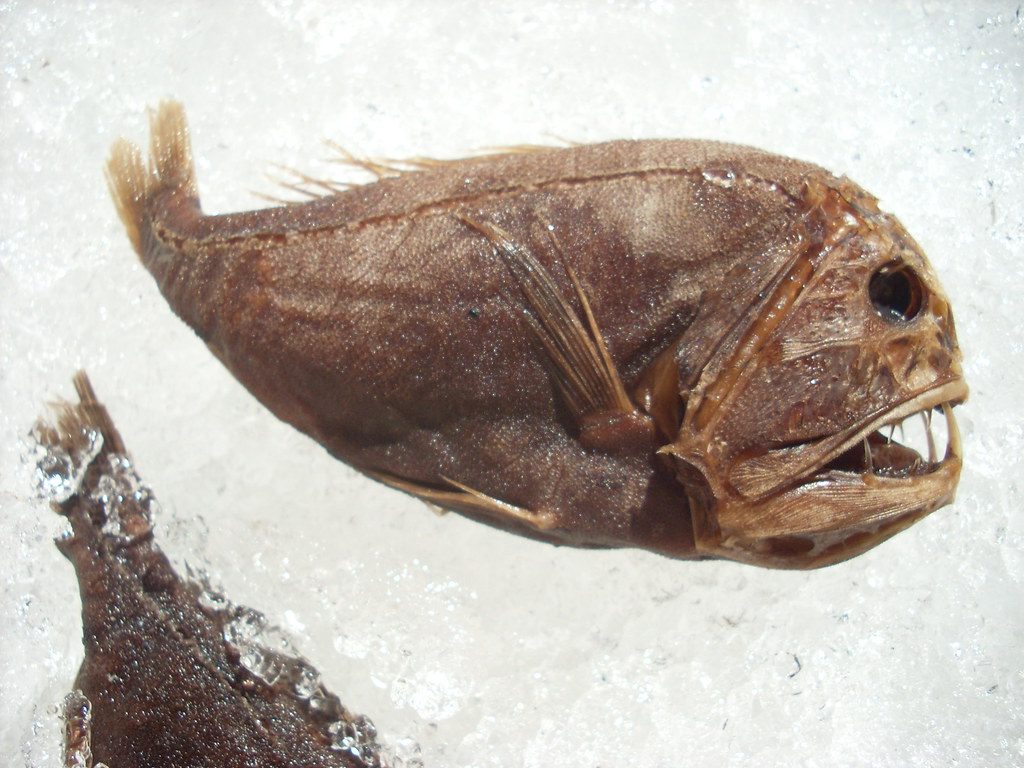
Food can be hard to find in the deep sea, so some predators have body parts that help them make the most of every meal. Fangtooth fish and black swallowers, for example, have large mouths and teeth that help them grab prey.
The black swallower can take in prey much larger than its own body size. This ability is useful in a place where a predator may not know when its next meal will appear. A rare feeding chance can be too important to waste.
Their eyes and senses are built for darkness
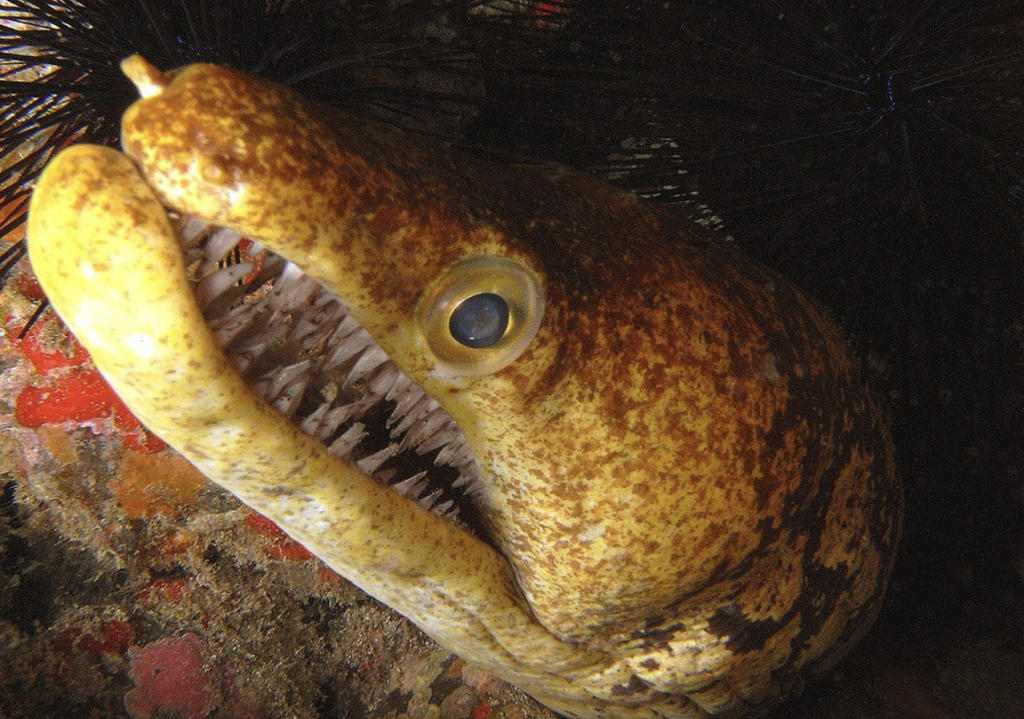
Some deep-sea animals have large eyes that can collect the small amount of light available. Others have eyes suited to detecting the blue light that is common in the deep ocean. Many deep-sea animals do not have normal color vision because most colors disappear as sunlight travels downward.
Sight is not the only tool predators use. Animals can also detect movement, vibrations, chemicals, and flashes of light. These senses help predators find prey even when seeing it clearly is difficult.
Darkness also helps predators hide
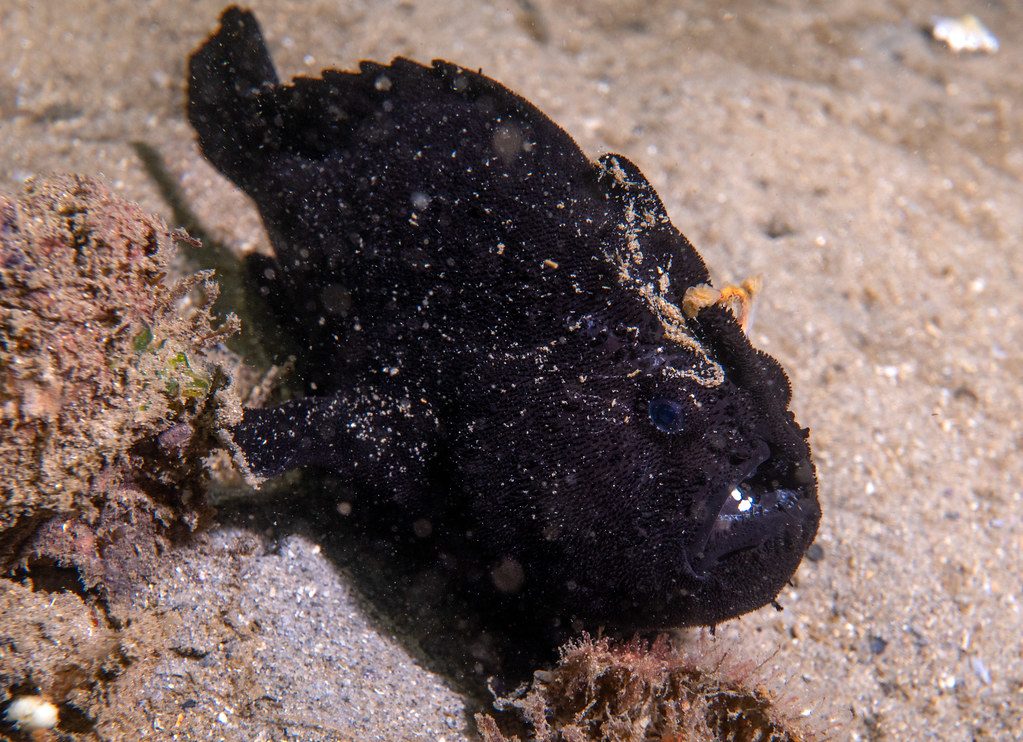
The darkness is not only a problem. It can also give predators a place to hide. Some deep-sea fish have extremely dark skin that absorbs light, making their bodies difficult to see even when another animal produces a flash.
Other animals use red or transparent bodies as camouflage. Red light does not reach the deep sea, so red animals can appear almost black there. This can make them harder for other animals to spot.
Hunting in darkness takes many forms
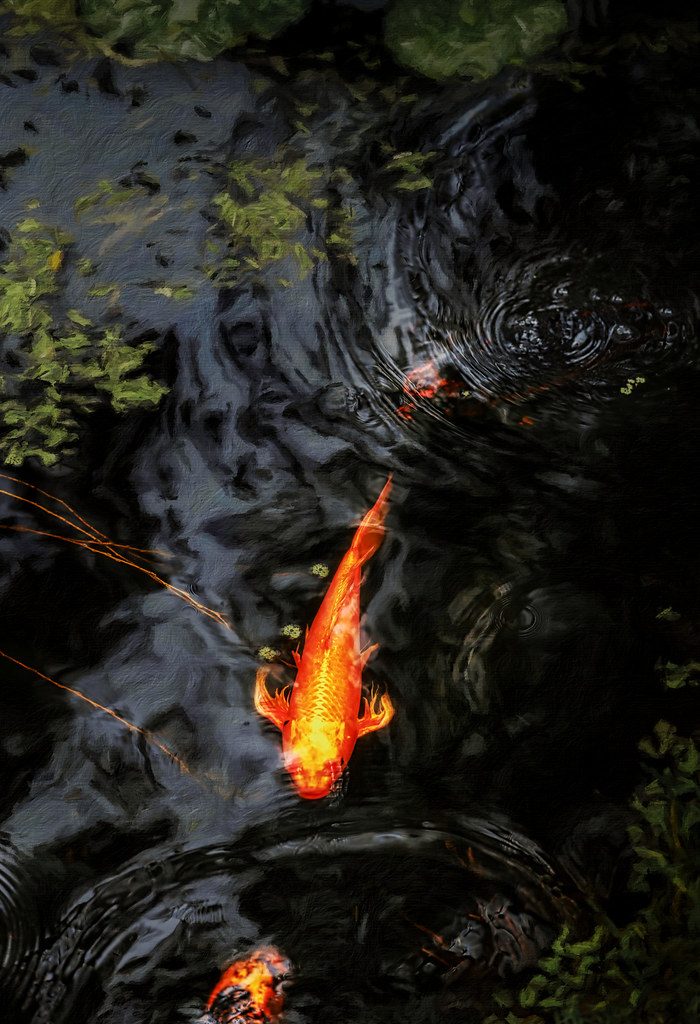
There is no single way to hunt in the deep sea. Some predators use glowing lures, while others wait for food to drift past. Large mouths, strong teeth, sensitive eyes, and other senses all give different animals a chance to find food.
The deep sea is still difficult for scientists to explore, so many of its hunting behaviors are not fully understood. What is clear is that darkness has shaped life in remarkable ways. Predators that live there have evolved tools that let them find food, stay hidden, and survive where sunlight cannot reach.
Featured Image: “Stingray, Grand Cayman” by GANDALF_GREY is licensed under CC CC0 1.0
Leave a Reply