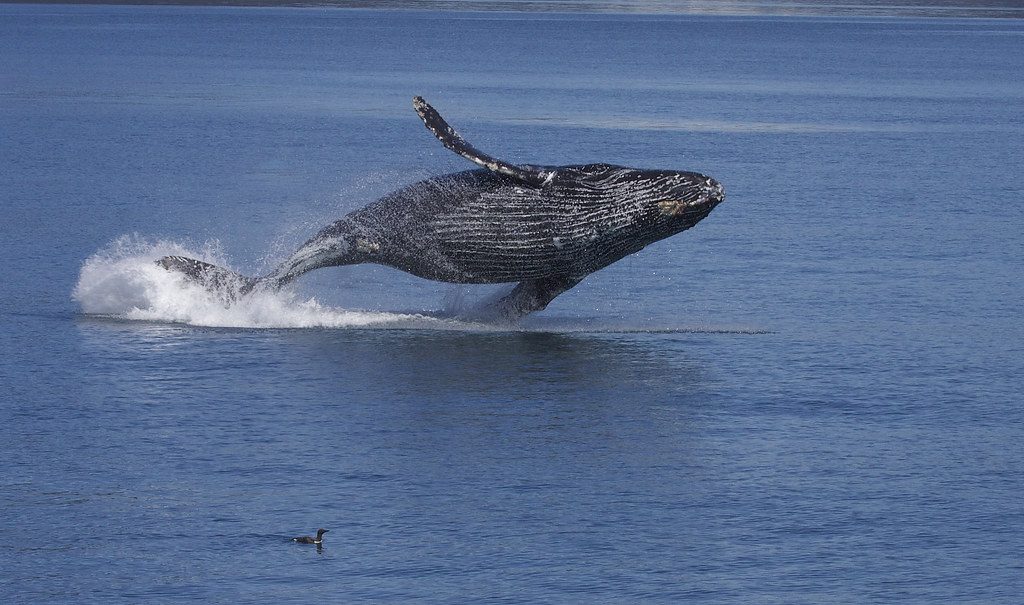
Imagine standing on a boat when a huge humpback whale suddenly rises from the ocean only meters away. Marine photographer and whale researcher Jodi Frediani has captured moments just like this during years of watching whales in different parts of the world. Her videos show humpback whales breaching, diving, slapping their tails, feeding together, and swimming close to boats.
The footage comes from Monterey Bay in California, Alaska, and the Silver Bank in the Dominican Republic. Together, the scenes give viewers a close look at several kinds of humpback whale behavior and show how quickly a quiet stretch of ocean can turn into a remarkable wildlife display.
Humpback whales surface close to boats

Some of Frediani’s most striking footage shows humpback whales appearing only meters from boats. A calm patch of water can suddenly change when a whale breaks the surface. Its large body rises above the waves before slipping back into the ocean. For people watching from a nearby boat, the size of the animal becomes much easier to understand when it appears so close. Frediani’s collection includes several encounters where whales move near vessels while continuing their normal activity in the water.
Frediani has documented similar close encounters in Monterey Bay for years. In one earlier Monterey Bay event, she photographed a humpback whale breaching just yards from boats and recorded repeated breaches, tail movements, and slaps at the surface. Her work shows that a whale encounter can change from quiet observation to a powerful surface display in seconds. The animals decide where they move, while photographers and boaters can only watch the scene unfold. That unpredictability is one reason these encounters can produce such memorable images.
Giant tail slaps create dramatic ocean scenes
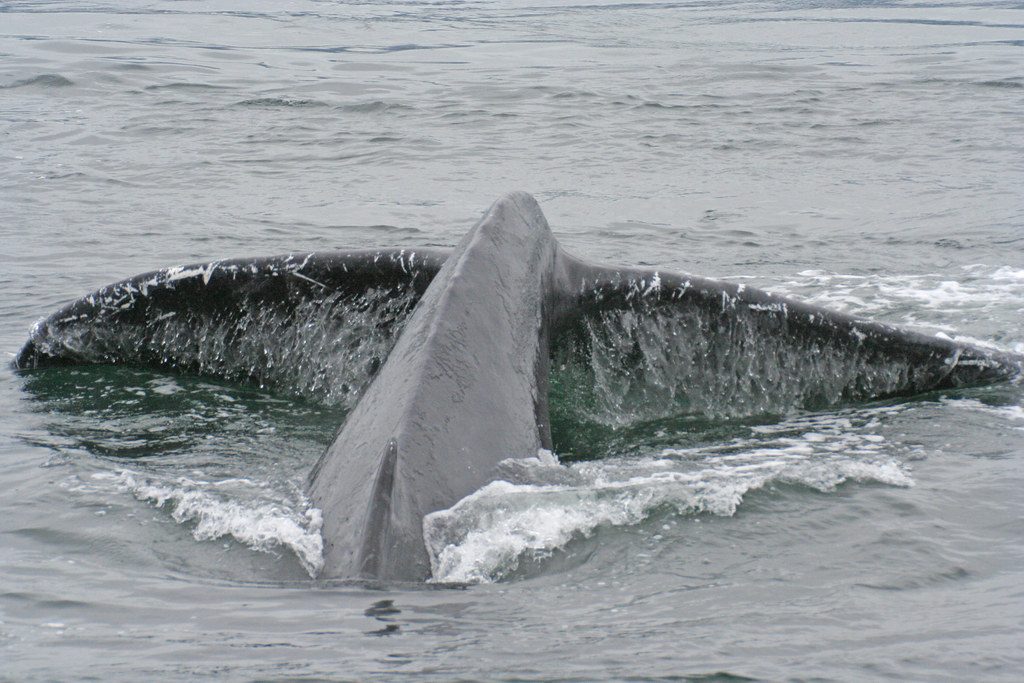
A humpback whale does not need to leap completely from the water to create an impressive display. Frediani’s footage also shows whales lifting their tails and striking the ocean surface. A large tail moving through the water can send spray into the air and create a clear disturbance around the animal. From a nearby boat, the movement can look especially dramatic because viewers can see the size of the tail compared with the surrounding waves and vessels. These scenes form an important part of Frediani’s collection of humpback whale behavior.
The videos also include whales diving beneath the surface after appearing above the water. Their tails can remain visible for a short time as the rest of the body disappears. Frediani has spent more than 25 years seriously photographing whales and other marine species, allowing her to document many different actions rather than one kind of encounter. Her collection includes feeding, migration, and social behavior, as well as the dramatic surface movements that are easiest for people on boats to see.
Breaching whales rise above the water
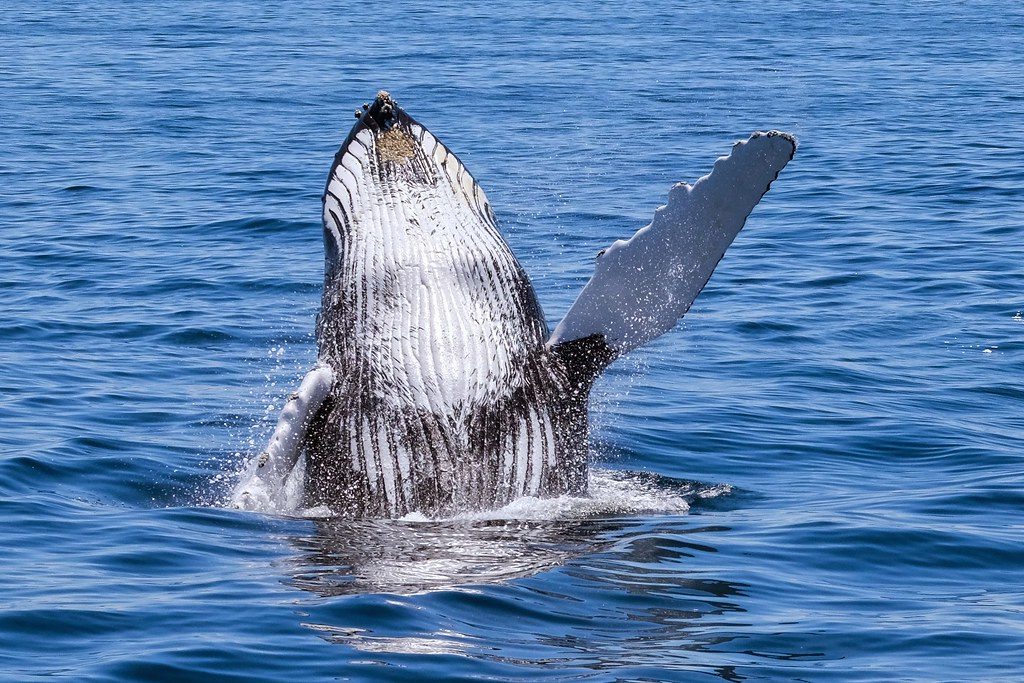
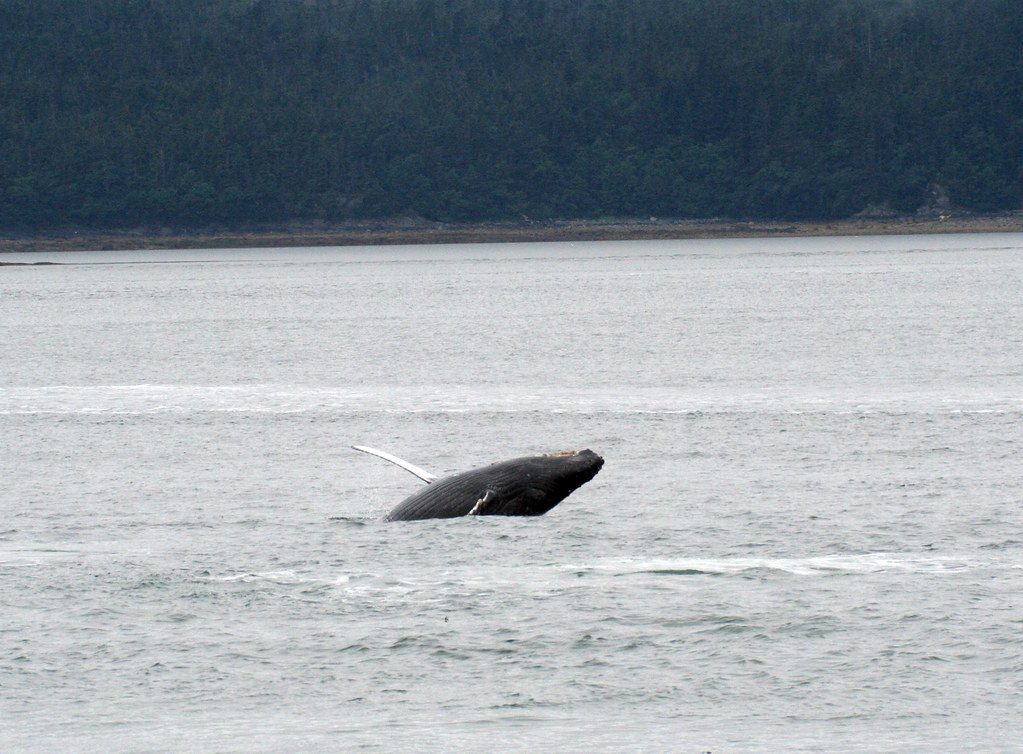
Breaching creates some of the most dramatic moments in Frediani’s whale photography. During a breach, much of a humpback whale’s body rises above the ocean before returning to the water. The movement happens quickly, which means a photographer must be ready when the whale appears. Frediani’s images from Monterey Bay have captured whales rising from the water close enough to nearby boats that passengers could clearly see the animals above the waves. Earlier photographs credited to her have also documented repeated breaching during a single whale watching encounter.
A breach also gives viewers a different look at the whale’s body. When a humpback remains underwater, people on a boat may see only its back, blow, or tail. A leap exposes far more of the animal for a brief moment. Frediani’s footage combines these airborne displays with quieter scenes of whales swimming, diving, and feeding. That mix helps show how much their visible behavior can change during time spent at sea. One moment may show only a small part of a whale, while the next can show a huge animal rising above the surface.
Groups of humpback whales feed together
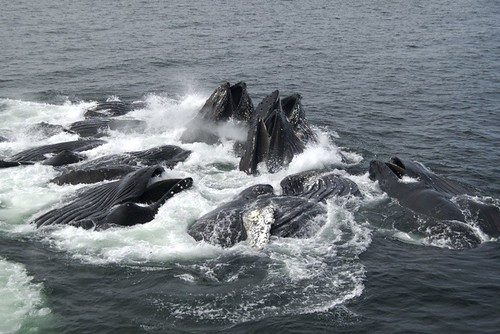
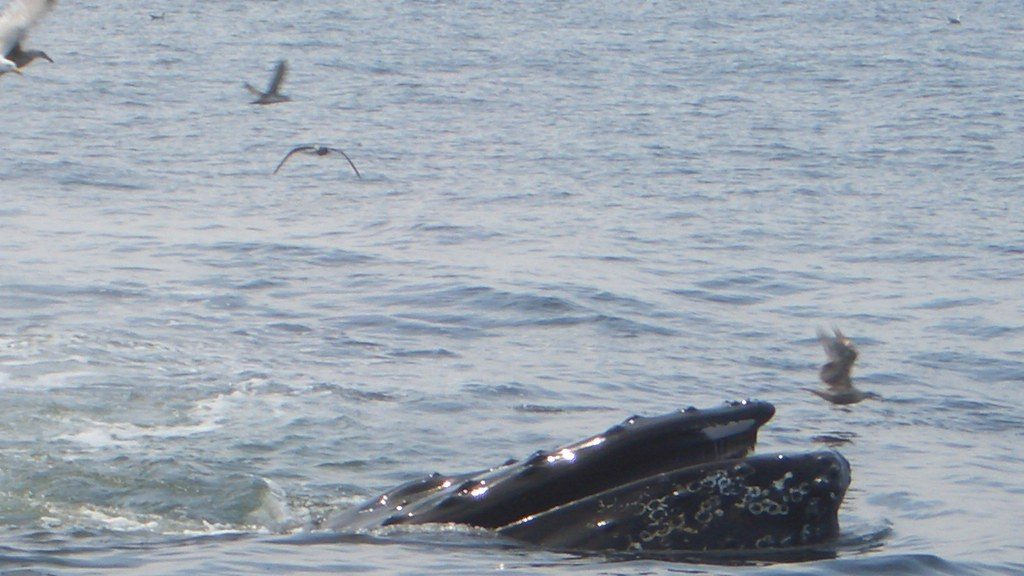
Some of the footage moves beyond single whales and shows groups working together while feeding. Frediani has recorded humpback whales using a behavior known as bubble net feeding. During this method, whales release bubbles underwater around prey. The bubbles help gather the prey into a smaller area, making it easier for the whales to move upward and feed. Humpback whales are well known for using bubbles in this way, and groups can work together as part of the process.
The result can be spectacular when viewed from the surface. Several whales may rise through the same area of water as they feed, creating splashes and movement while seabirds gather nearby. Images from Monterey Bay show multiple humpback whales reaching the surface together during feeding activity. Frediani’s footage adds these coordinated feeding scenes to her wider record of whale behavior. Instead of showing only one animal swimming past a boat, the videos can show several whales taking part in the same feeding event at once.
Jodi Frediani has followed whales for decades
Frediani’s connection with photography began long before these recent whale videos. She has said that her father gave her her first camera when she was 12 years old. She later began taking whale and marine wildlife photography seriously and has now spent more than 25 years doing the work. Based in Santa Cruz, California, she is known as both a photographer and a whale researcher. Her years on the water have taken her to several major locations where humpback whales can be observed.
One of those locations is the Silver Bank off the Dominican Republic. Profiles of Frediani say she has spent more than 20 years swimming with and photographing humpback whales there. She has also spent many years photographing marine life in Monterey Bay. The recent collection includes footage from those waters as well as Alaska. These different locations have allowed her to record feeding, movement, migration, and social interactions across many encounters rather than relying on one short trip or one group of whales.
The footage shows many sides of humpback whale behavior
What makes the collection stand out is the range of actions captured on camera. Some scenes are built around raw movement, with whales breaching above the surface or striking the water with their tails. Others are quieter, showing whales swimming alongside boats or disappearing beneath the waves. The feeding footage adds another layer by showing groups working in the same area. Together, these moments present several different parts of humpback whale life instead of focusing only on the largest or loudest displays.
Frediani’s long experience also means the footage covers more than one location and one type of encounter. Monterey Bay, Alaska, and the Silver Bank each appear in the collection described in the recent report. The videos bring those separate experiences together through one subject: humpback whales moving through the ocean. For viewers, the result is a close look at animals that can appear calm one moment and highly active the next. A whale may glide beside a boat, dive beneath the surface, strike the water with its tail, or join other whales during a feeding event.
Featured Image: “Breaching Humpback Whale (Megaptera novaeangliae)” by Gregory ‘Slobirdr’ Smith is licensed under CC BY-SA 2.0
Leave a Reply