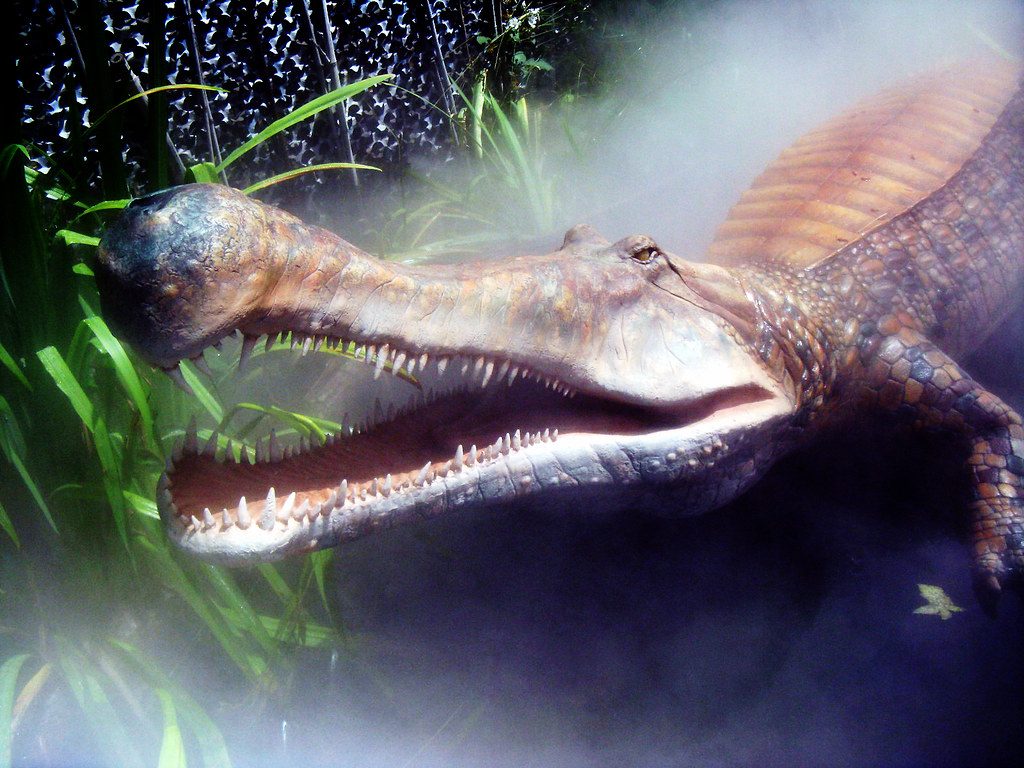
Long before modern crocodiles appeared, a gigantic predator ruled the waterways of prehistoric Africa. Known as Sarcosuchus, this enormous reptile lived during the Early Cretaceous Period and grew to sizes that make today’s largest crocodiles seem small. Its massive jaws, armored body, and ambush-hunting skills helped it become one of the most feared predators of its time.
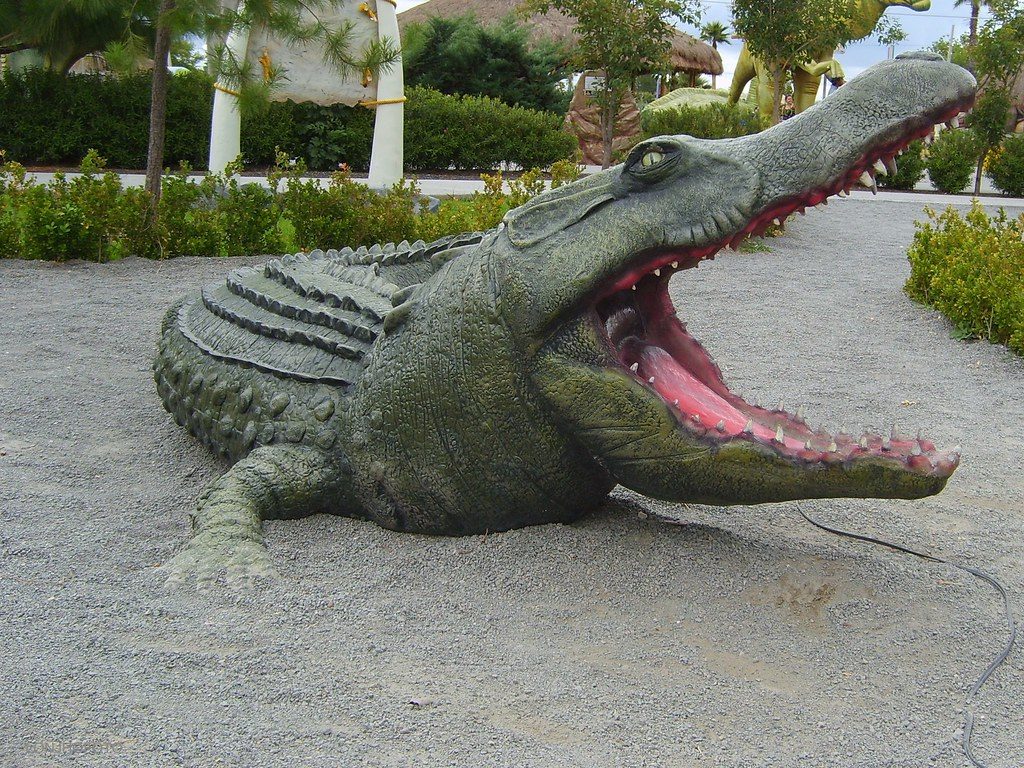
Nicknamed “SuperCroc,” Sarcosuchus is believed to have stretched more than 30 feet in length and weighed several tons. Fossil discoveries suggest it lived alongside dinosaurs, making it one of the most impressive reptilian hunters ever discovered. Even millions of years after its extinction, Sarcosuchus continues to fascinate scientists and dinosaur enthusiasts worldwide.
A giant among crocodile relatives
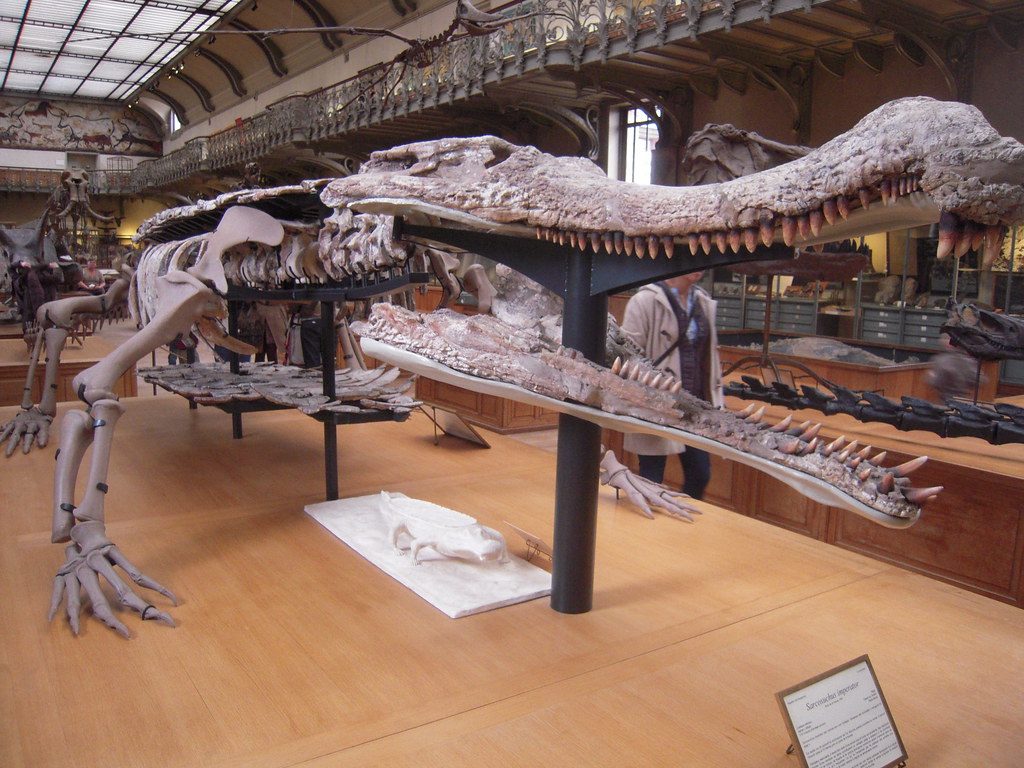
Sarcosuchus was not a true modern crocodile, but it belonged to an ancient group of crocodile-like reptiles. It lived roughly 110 million years ago in what is now North Africa, when large river systems crossed regions that are mostly desert today.
Scientists estimate that some individuals may have reached lengths exceeding 30 feet. This made Sarcosuchus one of the largest crocodile-like animals ever known, significantly larger than most living crocodilians.
Built for power
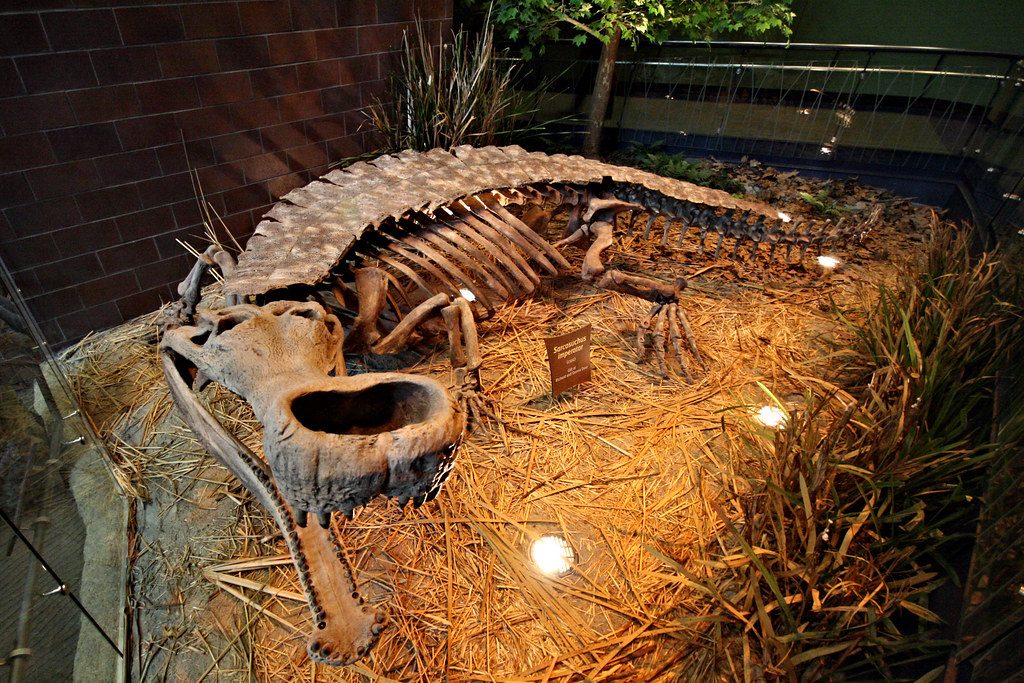
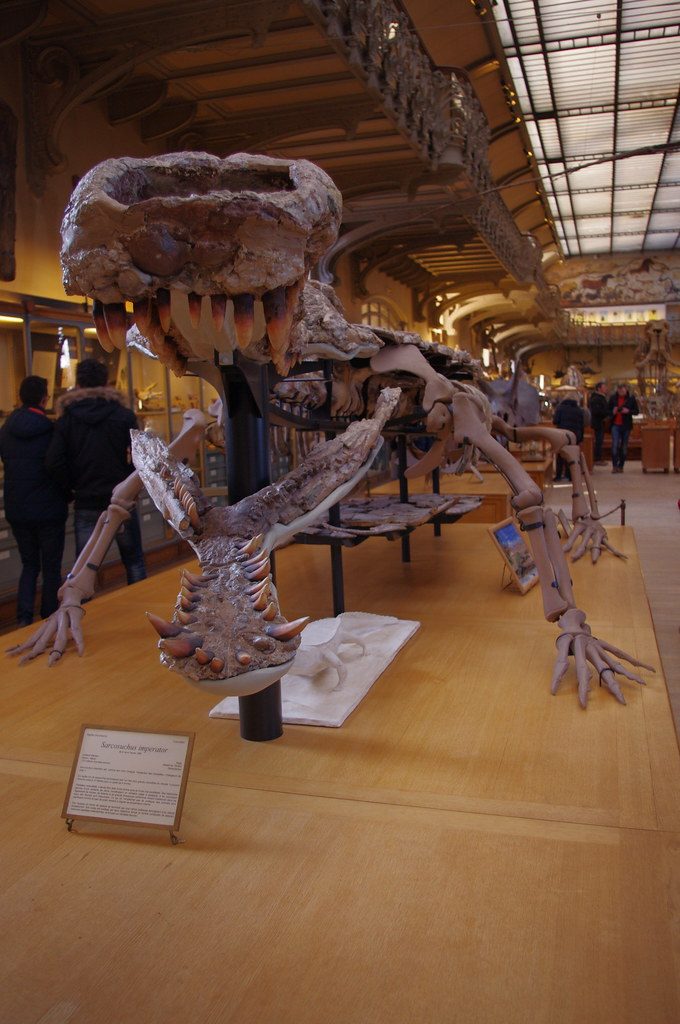
One of the most impressive features of Sarcosuchus was its enormous skull. Some fossil skulls measure more than five feet long, providing enough room for hundreds of sharp teeth designed to grip struggling prey.
Its body was protected by thick armored plates called osteoderms. These natural shields helped defend the animal while also providing support for its huge frame as it moved through rivers and along muddy shorelines.
The ambush hunter of ancient rivers
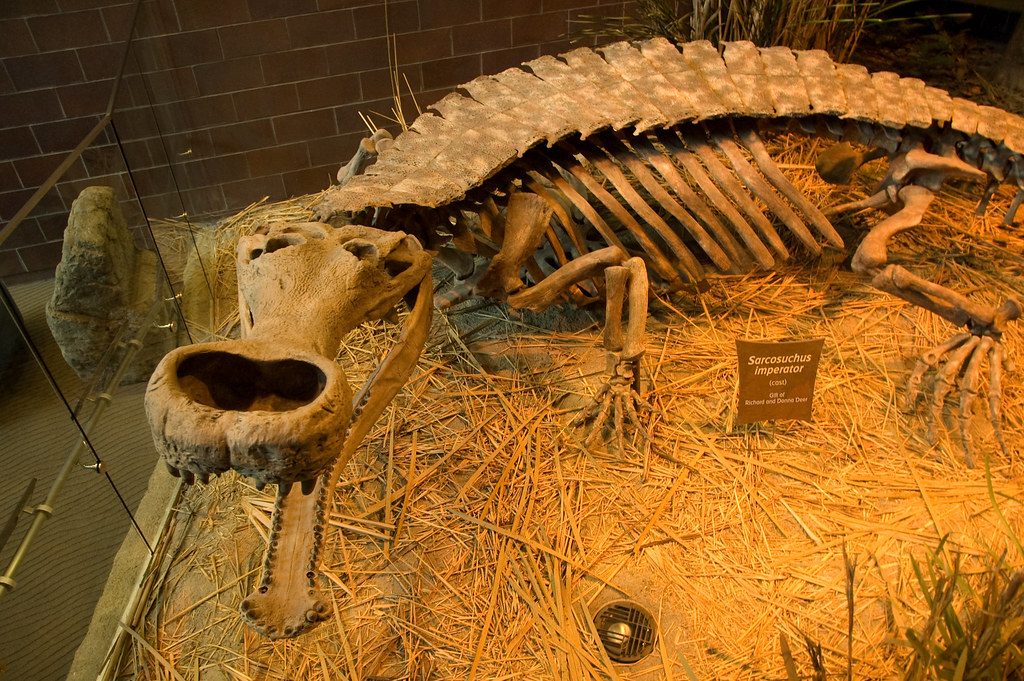
Like modern crocodiles, Sarcosuchus likely relied on stealth rather than speed. It could remain mostly hidden beneath the water’s surface while waiting for prey to approach the shoreline.
When an opportunity presented itself, the giant predator could launch a sudden, powerful attack. Its long jaws and powerful muscles made it well-suited for grabbing animals that came too close to the water.
Did it really hunt dinosaurs?
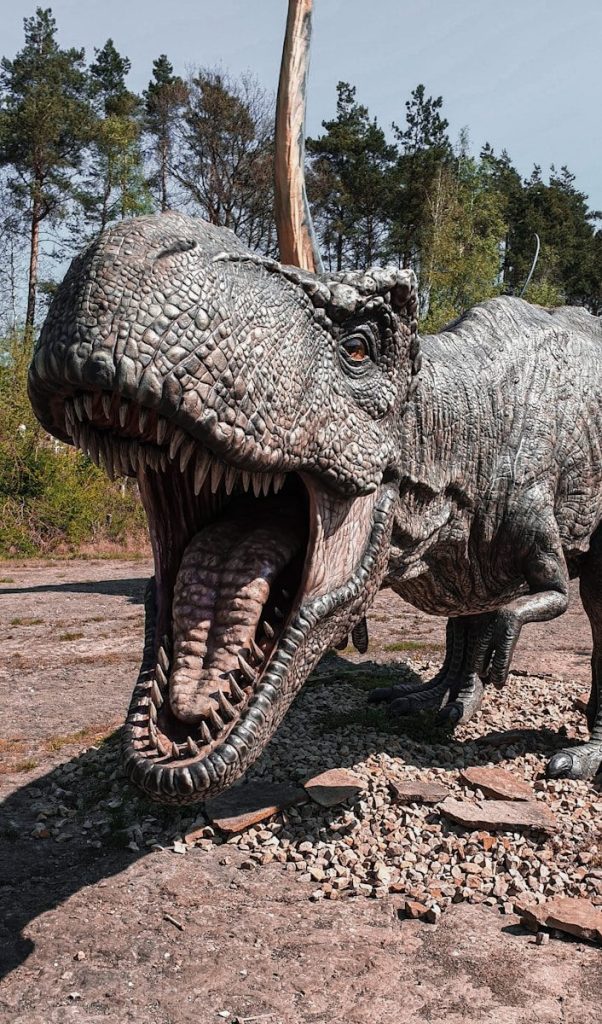
The nickname “dinosaur killer” comes from evidence suggesting that Sarcosuchus lived alongside many dinosaur species. Some paleontologists believe large dinosaurs may occasionally have become targets, especially young or smaller individuals.
While direct proof of dinosaur hunting remains limited, its size and strength certainly made such encounters possible. Any animal approaching the riverbank would have faced a serious threat from a predator of this scale.
Life in a prehistoric ecosystem
The world of Sarcosuchus looked very different from today’s Sahara Desert. During the Early Cretaceous, the region contained rivers, wetlands, and abundant wildlife that supported a variety of large predators.
These waterways were home to fish, reptiles, and dinosaurs, creating a rich ecosystem where competition for food was intense. Sarcosuchus occupied a position near the top of this ancient food chain.
Why Sarcosuchus still fascinates scientists
Every new fossil helps researchers better understand how giant crocodile relatives evolved and adapted to their environments. Sarcosuchus offers a glimpse into a time when reptilian predators reached extraordinary sizes.
Its combination of immense length, powerful jaws, and dinosaur-era habitat has made it one of the most famous prehistoric reptiles ever discovered. Even today, SuperCroc remains a symbol of the incredible predators that once ruled Earth’s waterways.
Leave a Reply