Blog

  • Judge halts extended red snapper season in four states over environmental concerns

    Judge halts extended red snapper season in four states over environmental concerns

    Recreational fishing is a major activity along the Atlantic coast. When fishing seasons change, it can affect anglers, charter boat operators, and local businesses. A recent court decision has brought new attention to the debate over red snapper management.

    The red snapper season was expected to be the longest in years, but a federal judge stopped the plan just before it began. This article explains why the season was blocked, what the decision means for fishermen and environmental groups, and how the dispute reflects a larger debate over fishing regulations and conservation efforts.

    Why was the red snapper season blocked?
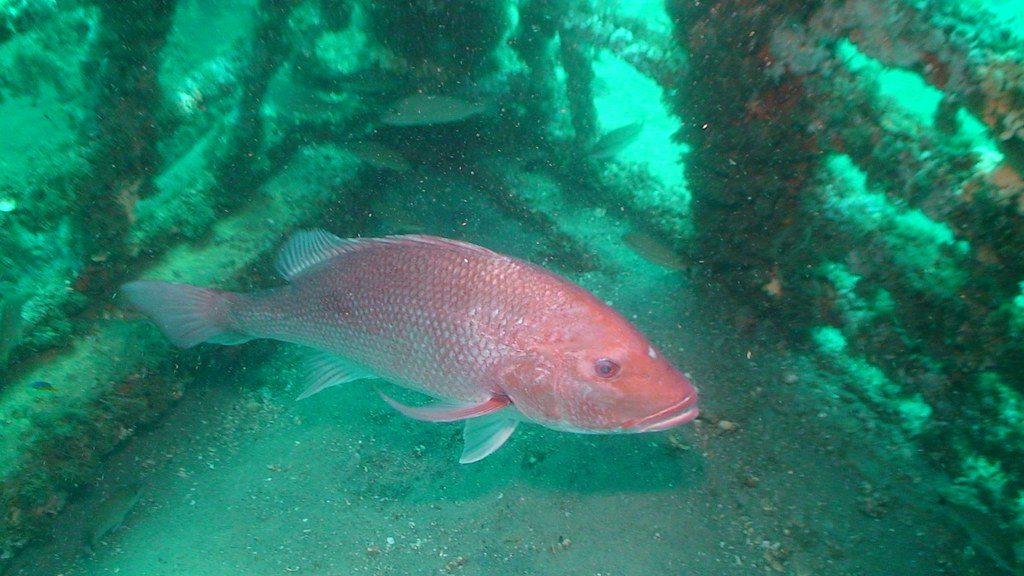
    Red Snapper Underwater” by MyFWC Florida Fish and Wildlife is licensed under CC BY-ND 2.0

    A federal judge stopped NOAA’s plan to extend the Atlantic red snapper fishing season in Florida, Georgia, North Carolina, and South Carolina. The ruling came shortly before the season was scheduled to open on May 22. The court expressed concerns about the environmental impact of the longer fishing season.

    The decision was influenced by information suggesting that recreational anglers could catch far more red snapper than sustainable limits allow. Because of these concerns, the judge issued an injunction that prevented the extended season from moving forward. The ruling changed plans for many anglers and charter operators who had expected more fishing opportunities.

    How does the plan fit into deregulation efforts?

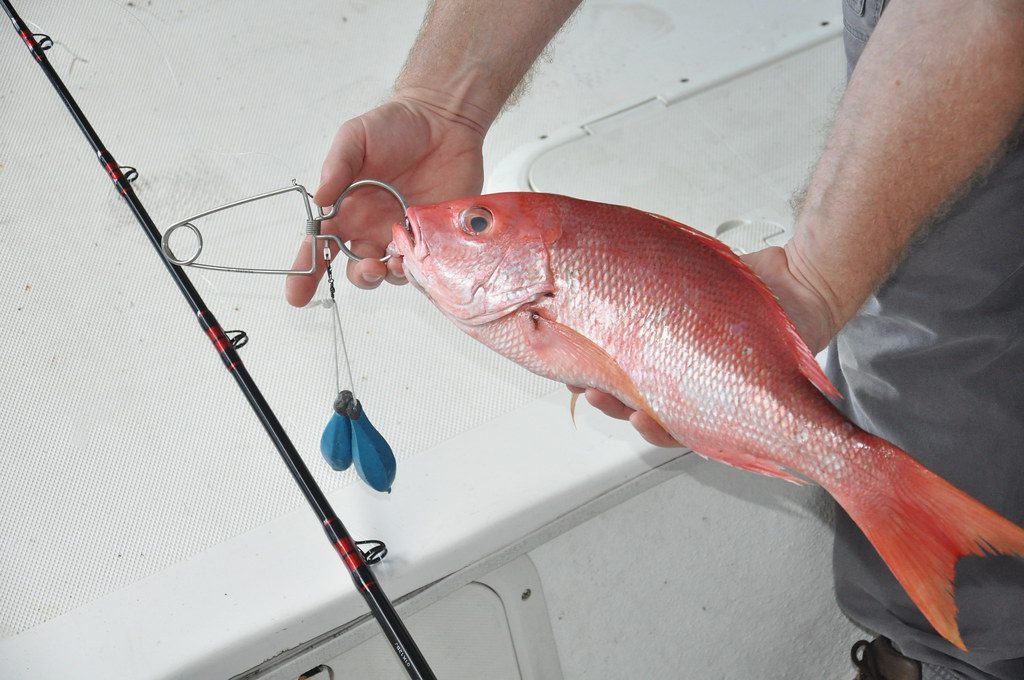
    Big Eyed Red Snapper in fish market” by FotoGrazio is licensed under CC BY-NC-ND 2.0

    The blocked fishing season was part of a broader effort to reduce federal restrictions on fisheries. Under the plan, states would have had greater control through exemptions under the Magnuson-Stevens Act. Supporters believed this approach would provide more flexibility for managing local fisheries.

    Instead of relying heavily on seasonal closures, the proposal allowed longer fishing periods while limiting anglers to one fish per day. Supporters viewed the plan as a way to expand access for recreational fishermen. However, the court’s decision created a major obstacle for these deregulation efforts and raised questions about future policy changes.

    Why environmental groups supported the ruling
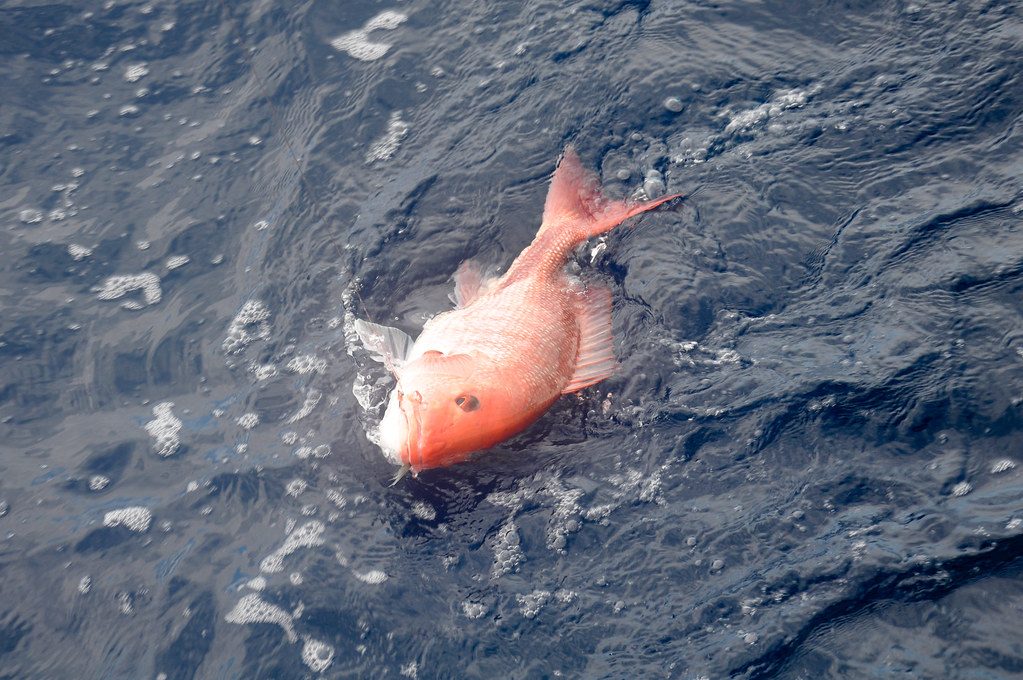
    Red Snapper” by MyFWC Florida Fish and Wildlife is licensed under CC BY-ND 2.0

    Environmental organizations welcomed the court’s decision because they believe longer fishing seasons could slow the recovery of red snapper populations. They argue that increasing recreational harvests may place additional pressure on a fish stock that is still rebuilding after years of overfishing.

    Another concern is fish caught and released. According to environmental advocates, a significant portion of released red snapper do not survive even when proper release methods are used. Because of this, conservation groups believe that longer seasons could increase fish mortality beyond what managers expect.

    Why do many anglers disagree
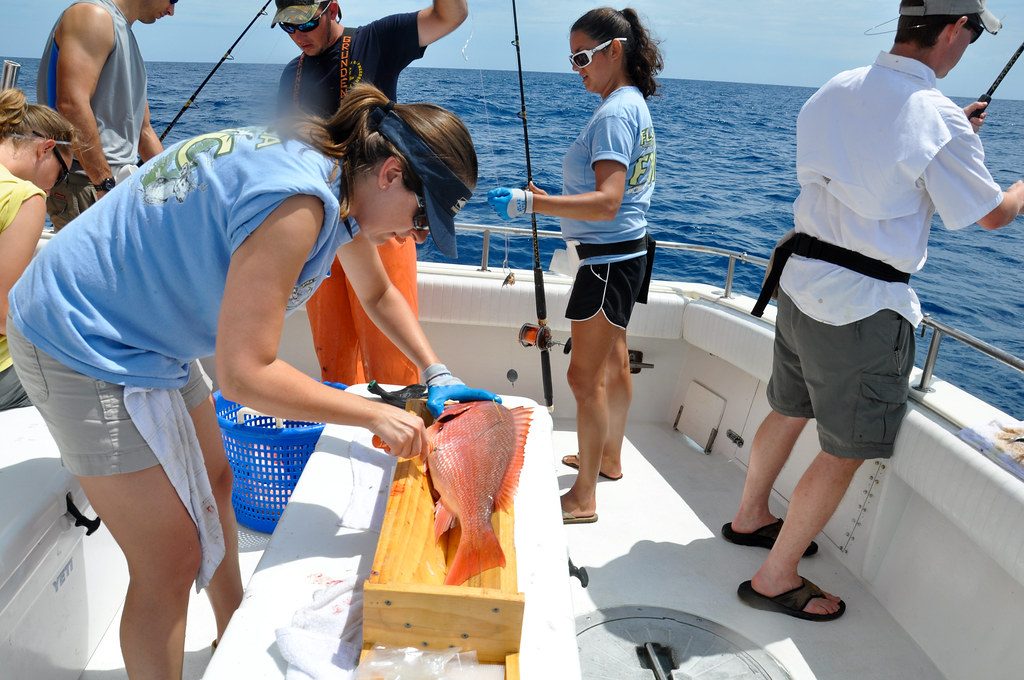
    Red Snapper” by MyFWC Florida Fish and Wildlife is licensed under CC BY-ND 2.0

    Many recreational anglers believe red snapper populations are much healthier than official assessments suggest. People spending time on the water often report seeing and catching more red snapper than they have in many years. These experiences have led some fishermen to question the need for strict regulations.

    Anglers and charter operators were especially disappointed because the extended season would have provided more opportunities for fishing trips. For businesses that depend on recreational fishing, longer seasons can bring more customers and economic activity. As a result, many fishing advocates viewed the court ruling as a missed opportunity.

    The challenge of balancing science and experience
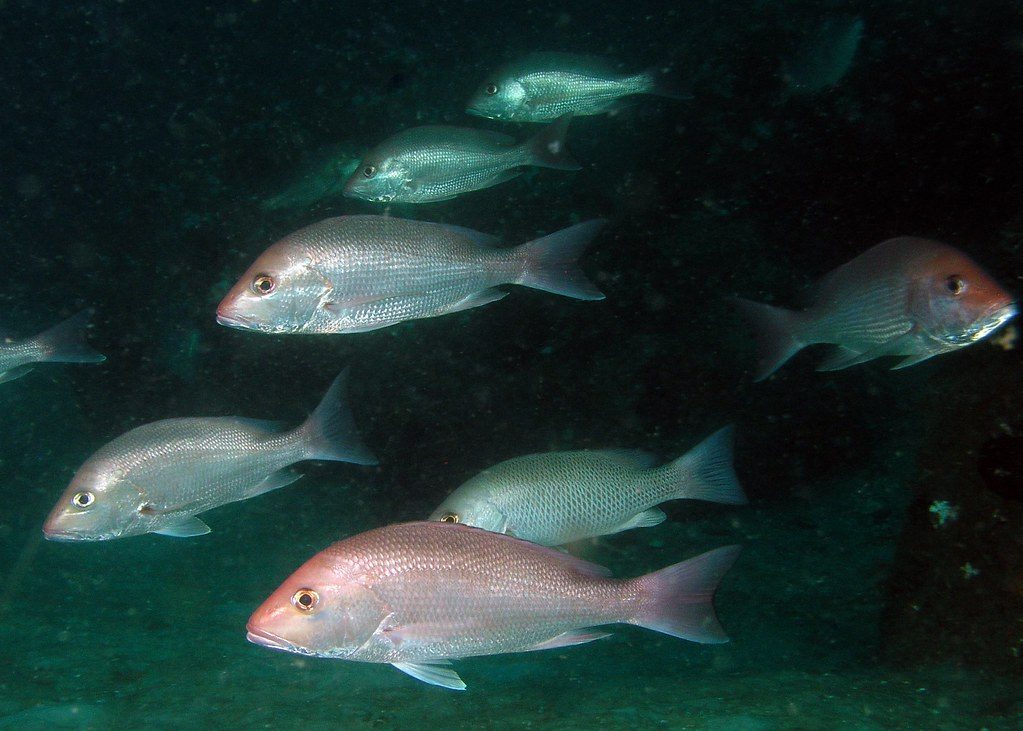
    Many Red Snapper” by MyFWC Florida Fish and Wildlife is licensed under CC BY-ND 2.0

    One of the biggest issues in the debate is the difference between personal observations and scientific research. Fishermen often judge fish populations based on what they see during trips, while scientists rely on broader biological data collected over time.

    Researchers caution that many red snapper being caught today may not yet have reached their peak reproductive years. Even if fish appear abundant, scientists argue that long-term recovery depends on maintaining healthy breeding populations. This difference in perspective continues to fuel disagreements between stakeholders.

    How red snapper management reached this point
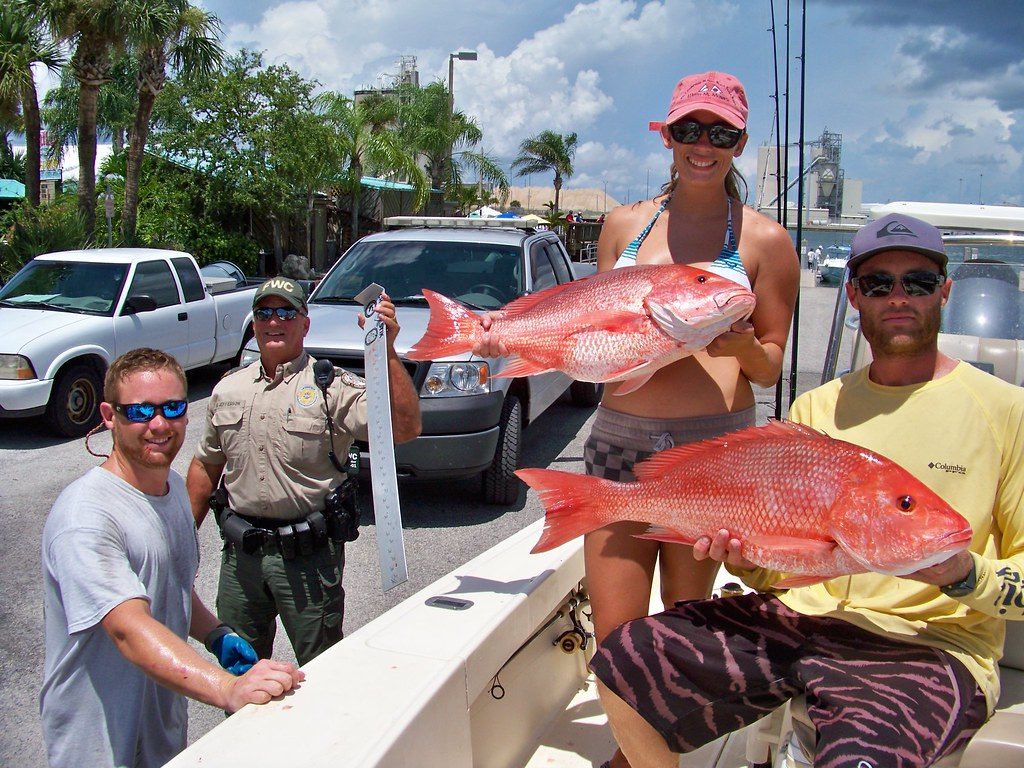
    Red Snapper” by MyFWC Florida Fish and Wildlife is licensed under CC BY-ND 2.0

    Red snapper populations faced serious pressure after decades of overfishing. To help rebuild the stock, strict federal rules were put in place. Since 2010, recreational fishing opportunities have often been limited to only a few days each year.

    In recent years, state leaders pushed for greater involvement in managing the fishery. Supporters argued that states could better balance conservation goals with recreational access. NOAA’s proposed season extension reflected this shift toward increased state influence, but the court’s intervention has left the future of that approach uncertain.
  • Shelter dog Rufus is a gentle giant who greets everyone with a big smile

    Shelter dog Rufus is a gentle giant who greets everyone with a big smile

    Losing a home can be confusing and heartbreaking for any dog. That is exactly what happened to Rufus, a friendly shelter dog who suddenly found himself alone and without a family. Even after facing difficult circumstances, Rufus has remained cheerful, loving, and full of hope.

    His story has touched shelter volunteers and visitors who have come to know his gentle personality. This article shares Rufus’s journey, how he ended up at the shelter, and why so many people believe he deserves a second chance with a caring family.

    Rufus captures hearts with his smile

    selective focus photo of short-coated tan dog
    Photo by Daniel Martins on Unsplash

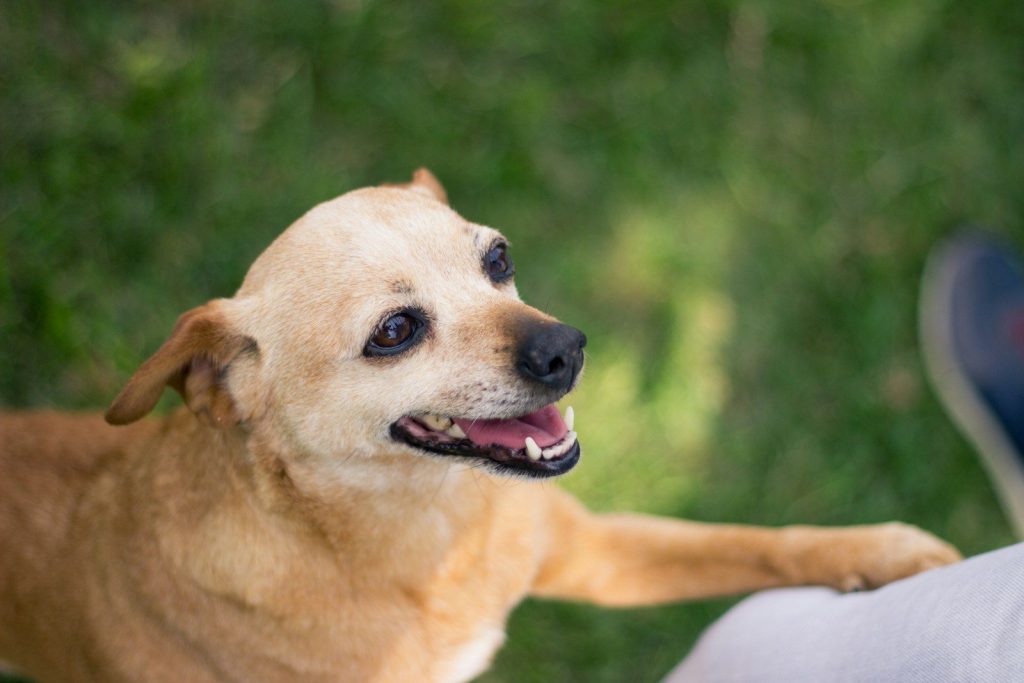
    Rufus recently gained attention after shelter volunteers shared his story online. The four-year-old dog was featured on an Instagram page run by volunteers who support dogs staying at the Queens ACC shelter. Their goal was to help more people learn about Rufus and his need for a loving home.

    One of the first things people notice about Rufus is his unique smile. Volunteers describe it as one of the funniest smiles a dog can have. Videos show him happily grinning as he spends time with people, and many believe his cheerful expression perfectly reflects his friendly personality.

    A gentle giant with a loving nature

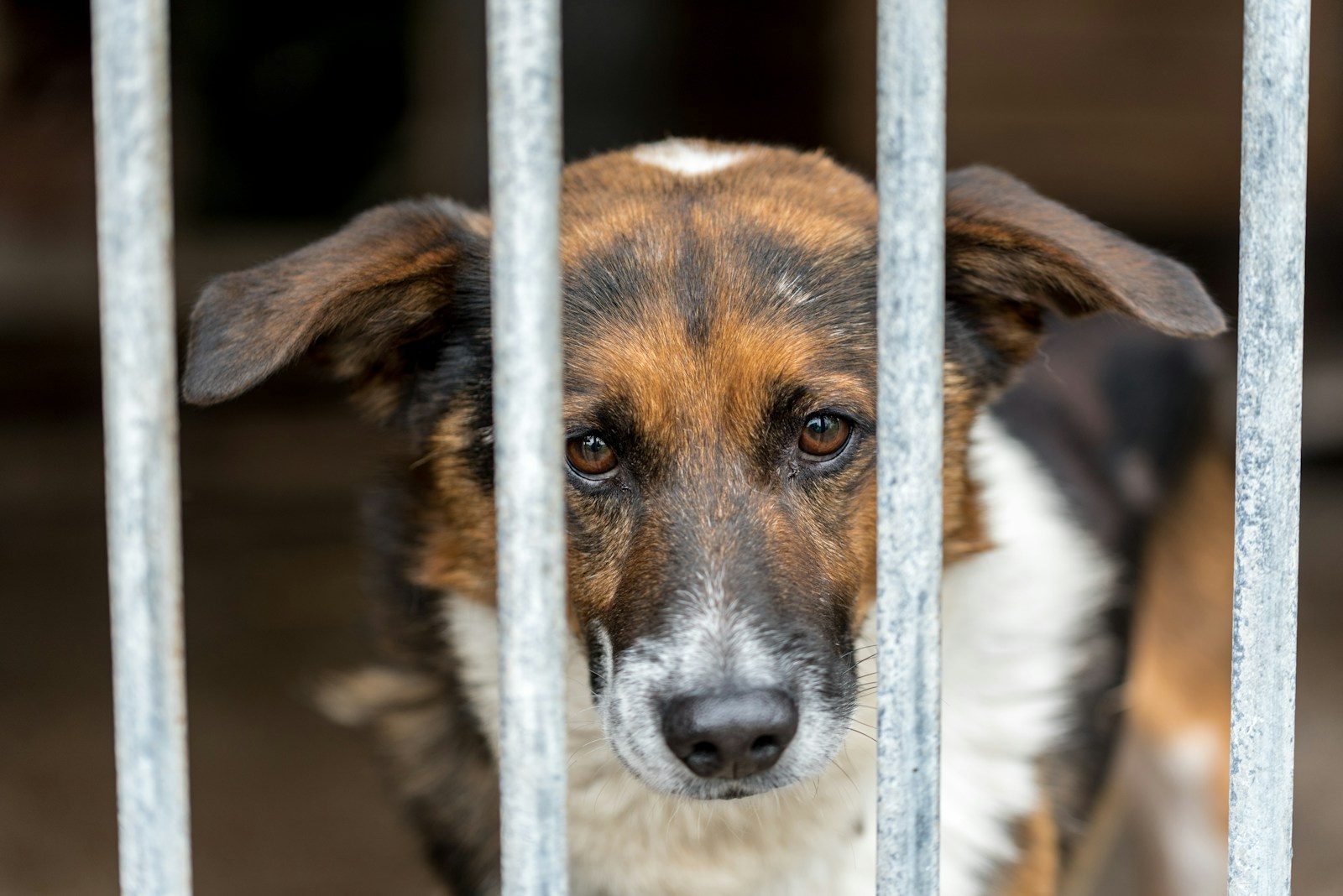
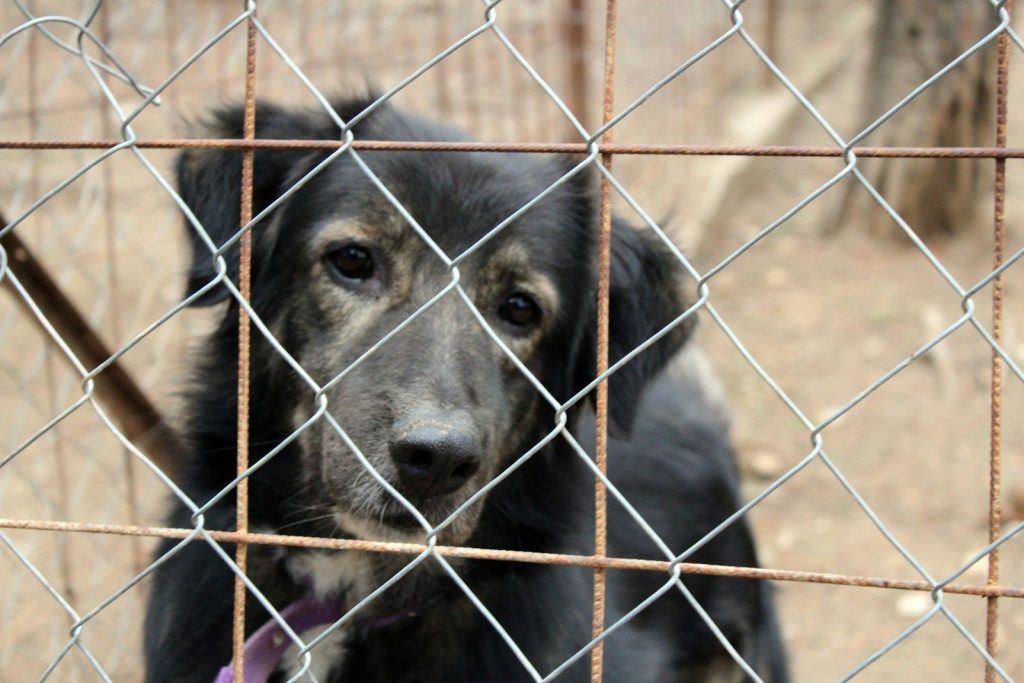
    Pit bull sadly looks through the fence.
    Photo by Anatoly Maltsev on Unsplash

    Rufus has been described as a gentle giant by the volunteers who care for him. Although he weighs about 72 pounds, he seems unaware of how large he is. Instead of acting tough, he prefers to seek affection and stay close to people.

    A volunteer who spent time with Rufus shared that much of their visit involved the dog climbing into their lap and leaning against them. His affectionate behavior quickly won over the people around him. Those who know Rufus say he loves attention and enjoys being near humans whenever possible.

    Found alone on the streets

    white and black short coat medium sized dog
    Photo by Sonya Brady on Unsplash

    Rufus’s return to shelter life began under difficult circumstances. In May, police found him wandering alone on a street. At the time, nobody knew where he had come from or how long he had been on his own.

    When he was found, Rufus was wearing a chain collar secured with a lock. Shelter staff had very little information about his background and could only focus on keeping him safe while hoping to learn more about his history.

    A surprising discovery about his past

    a brown and white dog behind a metal fence
    Photo by 12photostory on Unsplash

    Several weeks after Rufus arrived at the shelter, an unexpected breakthrough occurred. His former guardian recognized him and came forward to provide important information about his life before entering the shelter.

    The former guardian explained that Rufus had been rehomed only a few months earlier. Although they could not take him back, they shared detailed notes about his personality and daily life. This information helped shelter staff better understand his needs and behavior.

    Volunteers continue to support Rufus

    a small dog sitting behind a metal fence
    Photo by 12photostory on Unsplash

    Since learning more about Rufus, volunteers have worked hard to share his story with the public. They want potential adopters to see beyond his kennel and discover the loving dog waiting inside.

    Through social media posts and personal interactions, volunteers have highlighted his friendly attitude, affectionate nature, and playful smile. Their efforts are focused on helping Rufus find a family that will appreciate everything he has to offer.

    Hoping for a second chance

    black and tan short coat medium sized dog sitting on green grass field during daytime
    Photo by Artem Maltsev on Unsplash

    Today, Rufus remains at the Queens ACC shelter while waiting for the right person to adopt him. Despite losing the home he once knew, he continues greeting visitors with optimism and enthusiasm.

    Volunteers believe Rufus deserves another chance at a stable, loving home. They hope someone will see his wonderful personality and give him the fresh start he has been patiently waiting for.

  • Meet the ‘Frankenfish’ that can survive out of water for days

    Meet the ‘Frankenfish’ that can survive out of water for days

    Imagine catching a fish that can breathe air, survive on land for days, and threaten entire ecosystems. That is exactly why the northern snakehead fish has become a growing concern across the United States. This invasive predator, often called the “Frankenfish,” has now been spotted in New York for the first time.

    Wildlife officials are warning anglers to take immediate action if they catch one. In this article, you’ll learn why the northern snakehead fish is dangerous, how it spreads, what makes it unique, and what officials are doing to stop it from becoming established in new waterways.

    The first New York sighting raises concerns

    gray and brown fish
    Photo by Nigel Cohen on Unsplash

    The northern snakehead fish was first detected in United States waters in 2002. Since then, the invasive species has spread across much of the Mid-Atlantic and Eastern United States, creating concerns among wildlife officials and conservation groups.

    The latest discovery occurred at Lily Pond in Suffolk County on Long Island. A fisherman caught one of the unusual predators, marking the first reported sighting in New York. The discovery prompted the New York Department of Environmental Conservation to increase its efforts to prevent the species from becoming established in the state.

    Why the northern snakehead is a threat

    eel on green grass
    Photo by Krzysztof Niewolny on Unsplash

    The northern snakehead is a predatory fish native to Asia. It has earned a reputation for aggressive hunting behavior and for outcompeting native species for food and habitat. Wildlife experts worry that its presence could disrupt natural ecosystems.

    According to officials, the fish has no natural predators in many of the areas where it has been introduced. It feeds on fish, frogs, crayfish, and other aquatic animals. Because it consumes a wide variety of prey, it can significantly affect native fish populations and alter the balance of aquatic environments.

    Unique abilities help it survive

    Bullseye Snakehead” by MyFWC Florida Fish and Wildlife is licensed under CC BY-ND 2.0

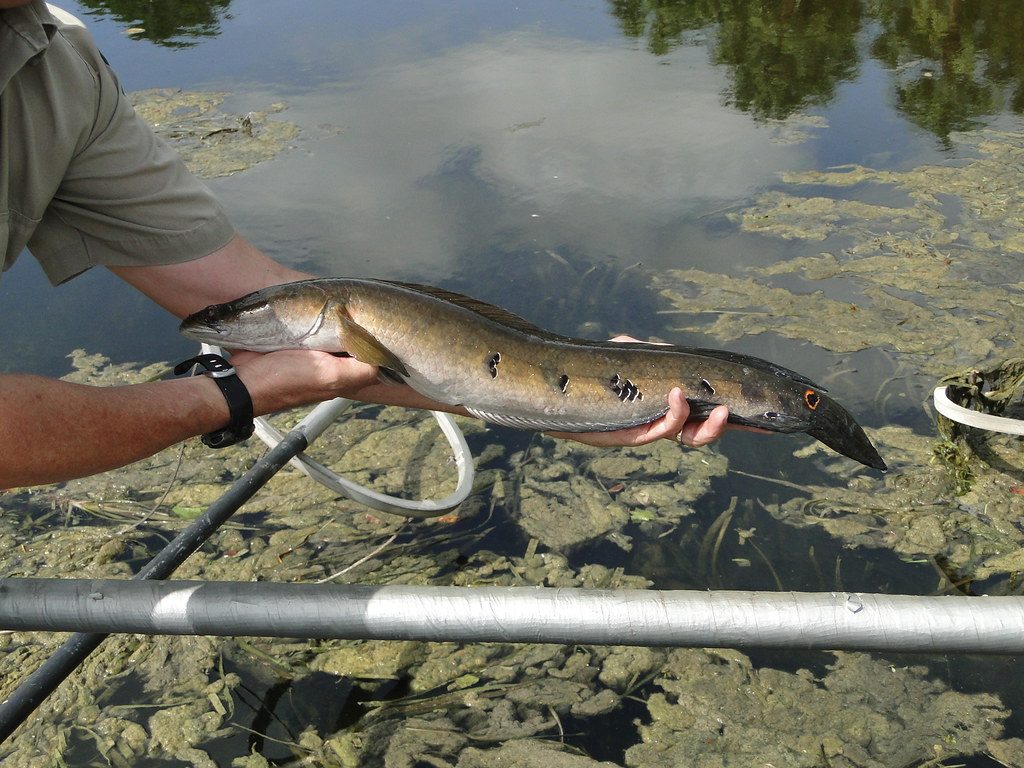
    One of the most unusual features of the northern snakehead is its ability to breathe air. As long as its skin remains moist, the fish can survive out of water for several days. This ability allows it to move between bodies of water under suitable conditions.

    Simply leaving a captured snakehead on shore may not be enough to kill it. Because of its remarkable survival skills, officials are advising anglers to take stronger measures if they catch one. The fish’s ability to live both in and out of water has made controlling its spread much more challenging.

    Rapid reproduction fuels its expansion

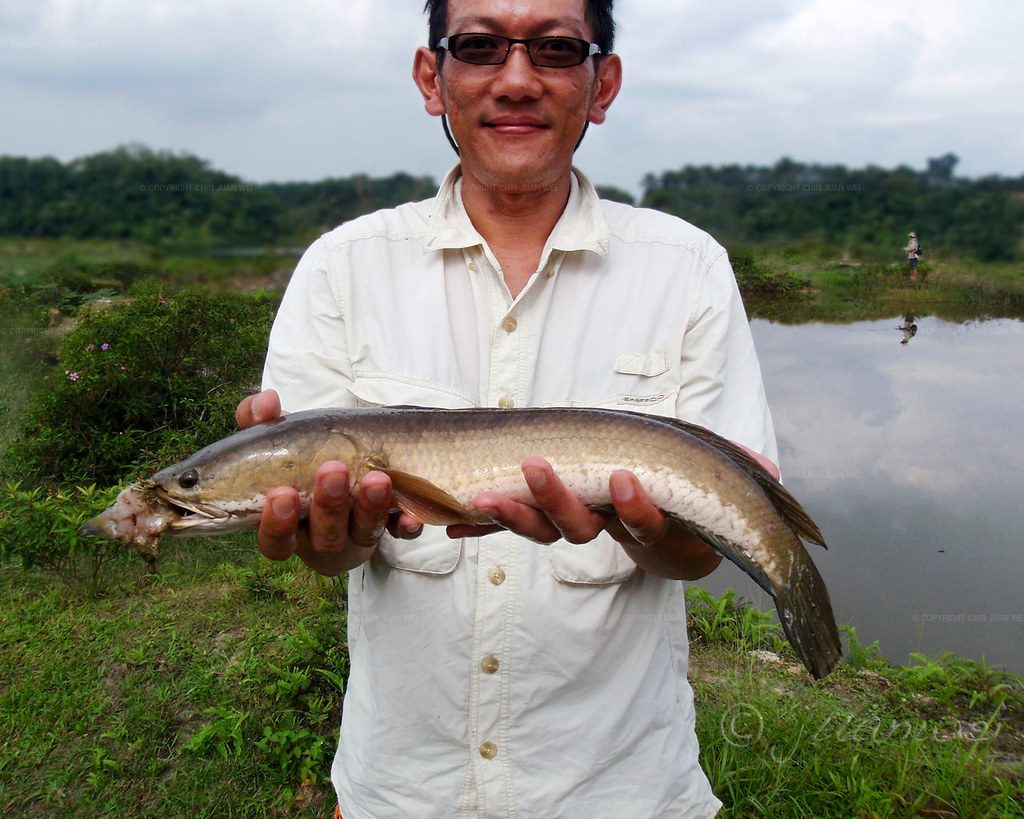
    Lure caught snakehead fish regurgitates Gourami” by juanwei is licensed under CC BY-NC-ND 2.0

    The northern snakehead can reproduce at an alarming rate. Females are capable of laying up to 15,000 eggs at one time and may spawn as many as five times in a single year. The eggs hatch within only a few days.

    This rapid reproductive cycle allows populations to grow quickly once the species becomes established. As more fish hatch and mature, they can spread through connected waterways, adding additional pressure on native species that already compete for limited resources.

    Identifying the invasive predator

    Snakehead 9.5 Pounds: NONNATIVE” by MyFWC Florida Fish and Wildlife is licensed under CC BY-ND 2.0

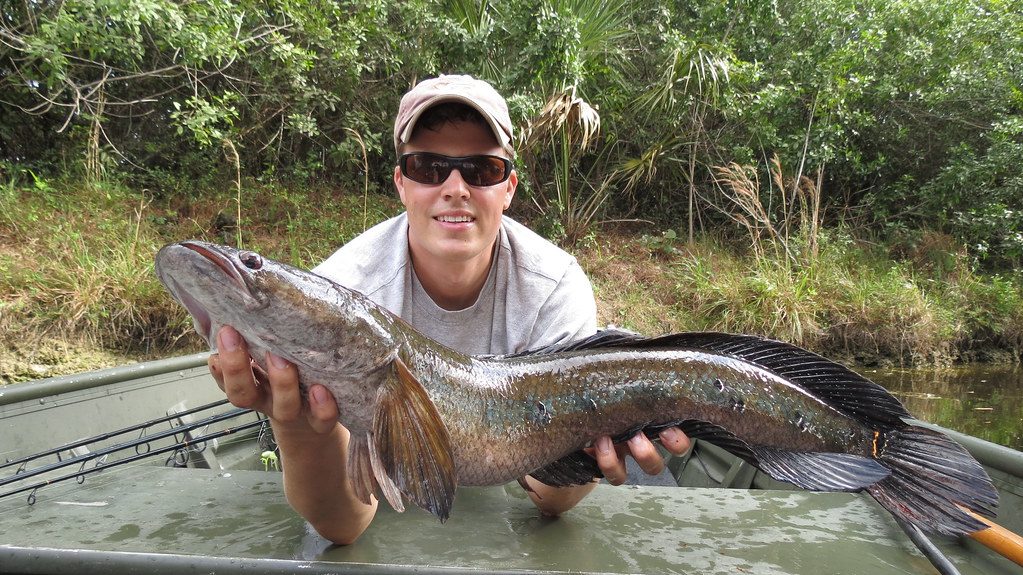
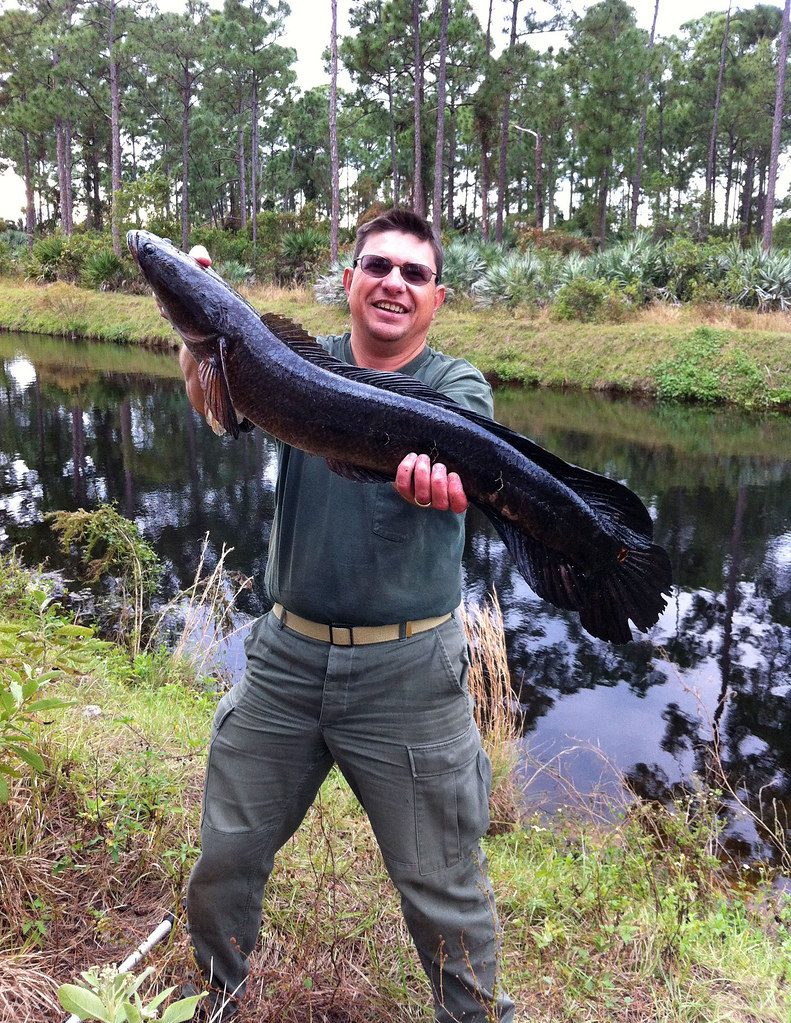
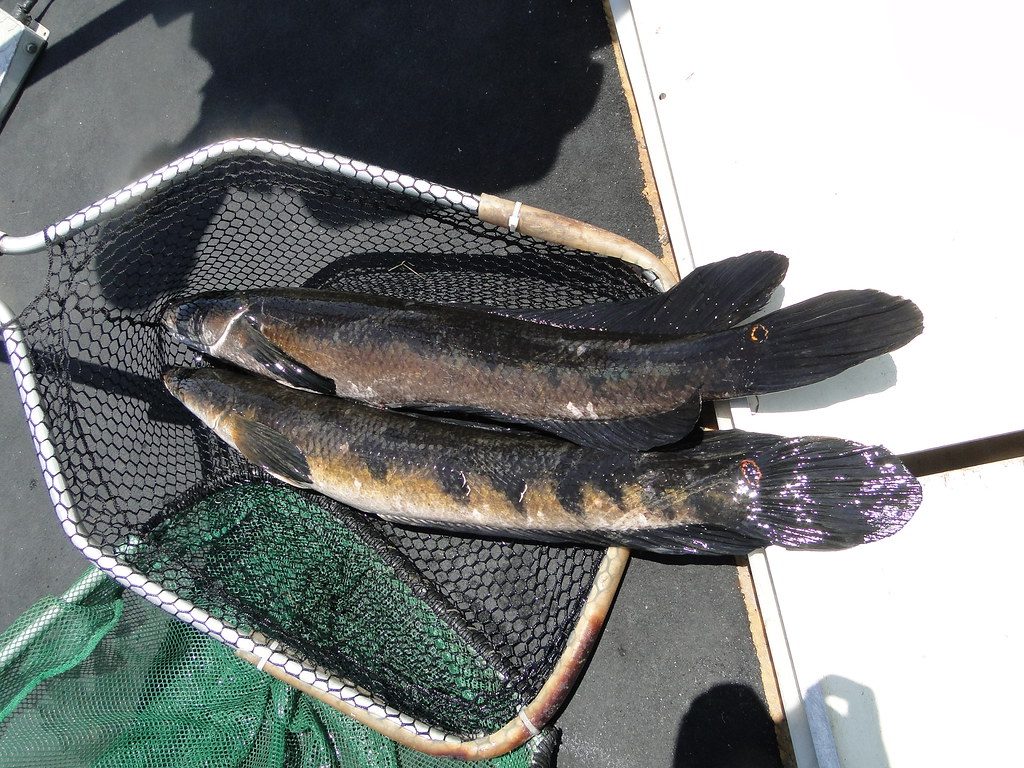
    The northern snakehead has a distinctive appearance that makes it easier to recognize. It has a long, slender body and an extended dorsal fin that runs along much of its back. Its brown, mottled pattern resembles a boa constrictor’s markings.

    Fully grown adults can reach about three feet in length. The fish is commonly found in freshwater ponds, wetlands, rivers, and slow-moving streams, especially in areas with stagnant water. Its snake-like appearance is one reason it earned the nickname “Frankenfish.”

    Research offers clues for future control

    Bullseye Snakehead” by MyFWC Florida Fish and Wildlife is licensed under CC BY-ND 2.0

    Scientists have been studying why northern snakeheads leave the water. In one experiment, researchers tested fish collected in Maryland under different environmental conditions, including warmer water, higher salinity, increased acidity, pollution, overcrowding, darkness, and low oxygen levels.

    The fish tolerated most conditions surprisingly well. However, researchers found that highly acidic water, elevated salinity, and stagnant water rich in carbon dioxide often caused the fish to emerge from the water in search of better conditions. Some remained on land for only seconds, while others stayed out of the water for as long as twenty minutes. Researchers believe these findings may help officials better predict movements and develop strategies to contain the species.

  • A tiny rescue kitten stepped up to protect his helpless sibling

    A tiny rescue kitten stepped up to protect his helpless sibling

    What would you do to protect someone you love? Most people expect bravery from adults, but one tiny rescue kitten showed remarkable courage when it mattered most. In a cold alleyway, a small black kitten stood between danger and his weaker sister, refusing to leave her side.

    His actions helped save both of their lives and touched everyone involved in their rescue. This heartwarming story shows the power of loyalty, family bonds, and determination. By the end of this article, you’ll discover how one tiny rescue kitten guarded his helpless sister and how their unbreakable connection led them to a happy new life.

    Finding the kittens in the alley

    silver tabby kitten on gray concrete floor
    Photo by Anang Ramadhan on Unsplash

    Animal rescuers often receive calls about stray animals in need of help. One night, a rescue worker named Marcus responded to a report about crying kittens behind a grocery store. The area was dark, cold, and filled with damp boxes and debris.

    Using a flashlight, Marcus carefully searched the alley. After looking through the clutter, he found two tiny kittens hiding beneath a wooden pallet. The sight immediately caught his attention because one kitten appeared to be standing guard over the other.

    The brave little protector

    orange tabby cat lying on floor
    Photo by little plant on Unsplash

    The black kitten was only about five weeks old, but he showed surprising courage. Instead of running away from Marcus, he puffed out his chest and let out weak hisses. He seemed determined to protect his sister at all costs.

    His smaller gray sister was trembling badly from the cold. The black kitten stayed directly in front of her, creating a shield between her and the unfamiliar human. Even though he was tiny, he acted like a fearless guardian protecting someone he loved.

    A gentle rescue mission

    short-fur gray kitten
    Photo by Nathan Anderson on Unsplash

    Marcus understood that the kittens were frightened and vulnerable. He moved slowly and carefully so as not to scare them further. His goal was to gain their trust while making sure they stayed safe.

    Using a soft towel, he gently wrapped both kittens together. Once the black kitten felt the warmth of the blanket, he stopped hissing and relaxed. He immediately snuggled close to his sister and stayed beside her as they were taken to a local shelter for help.

    Discovering a serious health problem

    A person holding a small white kitten in their hands
    Photo by Judy Beth Morris on Unsplash

    When the kittens arrived at the shelter, the veterinary team quickly examined them. They discovered that the gray kitten was suffering from severe hypothermia. She was extremely weak and could not stand or nurse herself.

    The staff realized that her brother had likely played a major role in keeping her alive. By staying close and sharing his body heat during the cold night, he helped protect her from even greater danger. The team worked quickly to stabilize her condition and give her the care she needed.

    An unbreakable sibling bond

    two cats on rock
    Photo by Juli Kosolapova on Unsplash

    As the kittens recovered, shelter workers noticed something special about their relationship. The black kitten, later named Leo, constantly stayed near his sister. He watched over her and seemed concerned whenever she was not close by.

    Leo even refused to eat unless Luna was nearby. He groomed her regularly and remained close to her incubator while she recovered. Their shared struggle had created a powerful bond that was impossible to ignore. Shelter staff knew the pair belonged together.

    Finding a forever home together

    two cats sitting next to each other on the ground
    Photo by Sergey Ovchinnikov on Unsplash

    Finding homes for bonded pairs can sometimes be difficult because many people prefer to adopt only one pet. Even so, the shelter refused to separate Leo and Luna. They shared the siblings’ touching story on social media and hoped the right family would come forward.

    The response was far greater than expected. Animal lovers from across the state submitted adoption applications after hearing about the kittens. Eventually, a caring family adopted both Leo and Luna, ensuring they could stay together forever.

    A happy future for Leo and Luna

    calico cat on brown wooden table
    Photo by Hilal Akbar on Unsplash

    Life changed completely for the two kittens after their adoption. No longer trapped in a cold alleyway, they now had a safe and loving home. They grew into healthy, playful cats surrounded by comfort and care.

    Even today, Leo continues to watch over Luna. Although they no longer face the hardships of their early days, their bond remains as strong as ever. Their story is a powerful reminder that courage, loyalty, and love can make a life-changing difference.

  • With her strength fading, this stray mother left her baby on a porch for one heartbreaking reason

    With her strength fading, this stray mother left her baby on a porch for one heartbreaking reason

    Have you ever wondered how far a mother would go to protect her child? A heartbreaking story from Ohio shows just how strong a mother’s love can be. The story of a dying stray cat and her kitten has touched many people because of the trust, courage, and sacrifice it reveals.

    In her final moments, this mother cat made a choice that changed several lives forever. By leaving her baby on one porch, she gave her kitten a chance to survive. This article explains why she chose that house, what happened next, and how one small act of kindness created a powerful story of hope.

    A surprise visitor at dawn

    brown tabby cat walking on sand during daytime
    Photo by Brian Wangenheim on Unsplash

    Arthur and Martha Pendleton enjoyed quiet mornings watching birds from the front window of their home. One chilly morning, something unusual caught their attention. A weak gray stray cat was slowly making her way toward their porch. She looked tired and sick, and she carried a tiny black kitten in her mouth.

    The couple watched closely as the cat continued moving forward despite her fading strength. She was limping and clearly struggling, yet she stayed focused on reaching one destination. Soon, they realized she was heading directly to their front door with her baby.

    The desperate plea for help

    a cat sitting on the ground looking at the camera
    Photo by engin akyurt on Unsplash

    When the cat reached the porch, she carefully placed the kitten on the doormat. After setting the baby down, she stepped back. Her body shook from exhaustion, and it was clear that she was very ill. The scene left the homeowners shocked and concerned.

    Veterinarians later confirmed that the mother cat suffered from an advanced kidney infection. Her condition was severe, and she did not have much time left. Even so, she used her remaining strength to bring her kitten somewhere safe. Her actions suggested she understood her situation and wanted help for her baby before it was too late.

    Why did she choose this specific house

    A cat sitting on a ledge looking up
    Photo by Tanja Tepavac on Unsplash

    Many stray cats avoid close contact with people. They often keep their distance and rely on instinct to stay safe. This mother cat, however, made a different choice. Instead of hiding her kitten, she brought the baby directly to humans she trusted.

    Feline behaviorists explain that pregnant and nursing cats look for secure places to protect their young. In this case, the mother cat went even further. The Pendeltons had occasionally left food outside, and their kindness had stayed in her memory. She recognized them as safe people and trusted them with her kitten’s life.

    A heartbreaking final goodbye

    a cat sitting on a step next to a door
    Photo by Emir Kandil on Unsplash

    Once the couple understood the seriousness of the situation, they acted quickly. Martha wrapped the weak cat in a warm towel while Arthur carefully held the kitten. They offered food and water, hoping to provide some comfort during a difficult moment.

    The mother cat responded with a soft, rattling purr. Then she closed her eyes and peacefully passed away. Although the moment was heartbreaking, there was also a sense of purpose in her final actions. She had completed the mission that mattered most to her. Her kitten was no longer alone and now had people to care for her.

    Caring for the orphaned kitten

    short-fur gray kitten
    Photo by Nathan Anderson on Unsplash

    The kitten was only four weeks old when her mother died. At that age, she still needed special care, regular feeding, and constant warmth. The situation was challenging, especially for Arthur and Martha, who had not owned a pet in many years.

    Despite the difficulties, they decided they could not give the kitten to a shelter. Instead, they committed themselves to helping her survive. They quickly began learning how to care for such a young kitten and worked hard to meet her daily needs. Their dedication gave the tiny orphan a chance to grow stronger each day.

    Hope brings new life to the home

    silver tabby kitten on gray concrete floor
    Photo by Anang Ramadhan on Unsplash

    The couple named the kitten Hope as a tribute to her mother’s brave final journey. The name reflected the second chance she had been given and the future her mother fought to protect. Caring for Hope required patience and effort, especially because she needed attention throughout the day and night.

    Over time, Hope grew into a healthy and playful young cat. She filled the Pendleton home with energy, companionship, and happiness. What began as a tragic encounter became a story of healing. The mother’s final act of trust not only saved her kitten’s life but also brought new purpose and joy to the people who cared for her.

  • Family finds two abandoned newborn kittens fighting for survival

    Family finds two abandoned newborn kittens fighting for survival

    Imagine opening your front door and finding two tiny newborn kittens left outside. That is exactly what happened to a family in Montreal, Canada, when they discovered two fragile kittens on their doorstep. The unexpected situation quickly turned into a rescue effort to save the young animals.

    The abandoned kittens were in critical condition and needed immediate care. Thanks to the quick actions of the family and the support of a local rescue organization, the kittens were given a chance to survive. This heartwarming story follows their rescue, recovery, and the bright future that now lies ahead for the inseparable pair.

    A surprising discovery on the doorstep

    Four fluffy kittens resting together on a soft blanket.
    Photo by zeliha turk on Unsplash

    In March, a feral cat gave birth to two kittens in Montreal, Canada. Shortly after giving birth, the mother cat left the newborn kittens on a family’s doorstep, creating a surprising and concerning situation.

    The family was shocked to find the tiny kittens outside their home. The newborns appeared extremely vulnerable and clearly needed help. Realizing the seriousness of the situation, the family acted quickly to bring the kittens to safety.

    The kittens needed urgent help

    a small kitten is sleeping on the floor
    Photo by Andriyko Podilnyk on Unsplash

    One of the kittens was completely cold and barely moving when discovered. The condition of the tiny animal raised immediate concerns about its chances of survival.

    The family rushed both kittens indoors and began warming them up. Since they had no experience caring for newborn kittens, they knew they needed professional help. Their quick response may have played an important role in giving the kittens a chance to recover.

    A rescue organization steps in

    white and black cat on white textile
    Photo by Jesús Boscán on Unsplash

    Looking for guidance, the family contacted Chatons Orphelins Montreal, a rescue center that helps vulnerable kittens. The organization quickly became involved in the effort to care for the newborn animals.

    The kittens were named Hermione and Griffon. Rescuers noticed that both kittens were smaller than average for their age, leading them to believe the pair may have been born prematurely. Because of their fragile condition, they required specialized care and close monitoring.

    An experienced foster family takes over

    person holding white kitten
    Photo by Sam Paeez on Unsplash

    To give the kittens the best chance of survival, the rescue placed them with a highly experienced foster family. The foster home provided a safe environment where the kittens could receive the attention they needed.

    Their foster mother carefully monitored their progress every day. She weighed the kittens regularly to make sure they were gaining weight and developing properly. This daily care helped track their recovery and ensure their health.

    A special bond between siblings

    white and black cat on pink textile
    Photo by Jesús Boscán on Unsplash

    Since birth, Hermione and Griffon have shared a close connection. The two kittens are rarely apart and spend much of their time together. Their strong bond has remained an important part of their development.

    The siblings especially enjoy sleeping curled up together. Whether resting or exploring their surroundings, they prefer to stay close. Their relationship provides comfort and companionship as they continue to grow.

    A bright future lies ahead

    a group of kittens huddled together in a pile
    Photo by Cüneyt Yardımcı on Unsplash

    As the kittens have grown stronger, their personalities have started to emerge. Hermione has shown a more playful and mischievous side, while Griffon tends to be calmer and more relaxed. Together, they balance each other perfectly.

    Today, the kittens are gaining weight, growing well, and enjoying life in their loving foster home. Their difficult start has been replaced by safety, care, and affection. Thanks to the efforts of the family, rescuers, and foster caregivers, Hermione and Griffon now have every reason to look forward to a bright future.

  • Blind but fiercely devoted, this mother cat never stops protecting her kittens

    Blind but fiercely devoted, this mother cat never stops protecting her kittens

    Can a mother care for her babies without being able to see them? A blind mother cat is proving that love, instinct, and determination can overcome many challenges. Her touching story has captured attention because of the remarkable way she protects and cares for her kittens every day.

    The blind mother cat protects her kittens using her other senses and a strong maternal instinct. Despite her condition, she remains devoted to their safety and well-being. Her story shows how animals can adapt to difficult circumstances and continue providing comfort, guidance, and protection to their young.

    A mother’s devotion never wavers

    a white and orange cat laying on a carpet
    Photo by Griffin Taylor on Unsplash

    From the moment her kittens arrived, the mother cat stayed close to them. She curled her body around them, forming a protective circle that kept them safe and comfortable. Even the smallest movement from her kittens seemed to capture her attention.

    People who observed the family noticed how calm and focused she remained. Rather than appearing worried or confused, she seemed confident in her role as a mother. Her constant presence provided security and reassurance to her young kittens during their earliest days.

    She relies on sound to find them

    shallow focus photography of white cat
    Photo by Echo on Unsplash

    Without sight, the mother cat depends heavily on her hearing. Every small sound her kittens make helps her understand where they are and what they need. A soft cry or tiny movement is often enough to draw her attention immediately.

    Observers noted how quickly she responded whenever one of her kittens made a noise. She would tilt her head and move toward the sound with confidence. Her ability to locate and care for her kittens solely by hearing highlights how adaptable cats can be when faced with challenges.

    Her instincts guide every action

    white and orange cat lying on white textile
    Photo by siddharth kushwaha on Unsplash

    When one of the kittens wandered slightly away from the group, the mother cat responded without hesitation. She gently reached out and guided the kitten back toward safety. Her actions appeared natural and carefully controlled rather than rushed.

    Each response showed the strength of her maternal instincts. She seemed to understand exactly when her kittens needed attention and comfort. The consistency of her behavior helped create a stable and reassuring environment for her growing family.

    Creating a safe place for her family

    a group of kittens huddled together in a pile
    Photo by Cüneyt Yardımcı on Unsplash

    The mother cat repeatedly returned to the same area with her kittens. Over time, this location became a familiar and secure space where the young cats could rest and grow. Her behavior suggested a strong awareness of her surroundings despite her blindness.

    The area became more than just a resting spot. It served as a small sanctuary where the kittens could feel protected. Through memory, scent, and routine, the mother cat created a dependable environment that supported her family’s needs.

    Gentle touch becomes her guide

    brown and white tabby cat on green grass during daytime
    Photo by Jack Brind on Unsplash

    As the kittens became more active, the mother cat adapted by using physical contact to communicate with them. Gentle nudges and soft movements helped guide the kittens and keep them close. Her interactions appeared calm and purposeful.

    Those who watched the family noticed how naturally the kittens responded to her touch. There was a strong sense of trust between the mother and her young. Through simple physical contact, she provided direction, comfort, and reassurance without needing sight.

    A powerful reminder of resilience

    a calico cat sitting in front of a red door
    Photo by Akira on Unsplash

    Many people were inspired not only by the mother’s blindness but by how effectively she adapted to it. She moved confidently through her environment and showed little uncertainty while caring for her kittens.

    Her story demonstrates that connection and devotion are not dependent on sight. Through hearing, touch, memory, and instinct, she continues to provide everything her kittens need. The bond she shares with her family serves as a powerful reminder of resilience, adaptability, and the strength of a mother’s care.

  • After waiting far too long, this shelter dog finally found someone who chose him

    After waiting far too long, this shelter dog finally found someone who chose him

    Every day, dogs in animal shelters wait for someone to notice them. Some find homes quickly, while others spend months or even years hoping their turn will come. For many long-term shelter residents, each day brings the same routine and the same uncertainty about the future.

    One shelter dog’s wait finally came to an end when a police officer made a life-changing decision. Instead of simply visiting the shelter, the officer chose to adopt the dog and give him a permanent home. This heartwarming story highlights the challenges shelter dogs face, the power of adoption, and how one simple choice can completely change an animal’s life.

    The reality of waiting in a shelter

    white and brown short coated dog standing on gray concrete floor during daytime
    Photo by Joe Cox on Unsplash

    Animal shelters across the country care for countless dogs looking for loving homes. While some dogs are adopted quickly, others spend much longer waiting for the right person to come along. Every day, these dogs watch visitors walk through shelter doors, hoping they might finally be chosen.

    Long stays in shelters can happen for many reasons. A dog’s age, size, appearance, medical history, or simple bad luck can affect adoption opportunities. Even friendly and healthy dogs can be overlooked. Despite receiving care from shelter staff and volunteers, many dogs continue waiting for months without finding a family.

    Why are some dogs often overlooked?

    Pit bull sadly looks through the fence.
    Photo by Anatoly Maltsev on Unsplash

    Many people enter shelters looking for a specific type of dog. Some want puppies, while others may have preferences about size, breed, or age. As a result, dogs that do not match those expectations can remain in shelters much longer than others.

    This does not mean these animals have behavioral problems or lack positive qualities. In many cases, they are loving, social, and ready for a home. Unfortunately, some dogs are repeatedly passed over while adopters focus on younger or more popular animals. Their long wait often has little to do with their personality.

    An unexpected bond changes everything

    black short coat large dog
    Photo by Margarita Kosior on Unsplash

    For one shelter dog, everything changed when a police officer met him. What started as a simple visit turned into something much more meaningful. The officer saw qualities in the dog that others may have missed during previous visits.

    Strong connections between people and animals often happen unexpectedly. Sometimes an adopter instantly feels a sense of trust or comfort with a dog. Rather than focusing only on appearance or background, they recognize a bond that feels natural. That connection can become the foundation for a successful adoption and a lasting friendship.

    How adoption transforms a dog’s life

    person holding brown and white short coated dog
    Photo by Madeline Bowen on Unsplash

    Leaving a shelter and entering a permanent home can have a major impact on a dog’s well-being. A stable environment provides consistency, comfort, and opportunities for closer relationships with people. Many dogs become more confident once they settle into a predictable daily routine.

    Regular walks, playtime, affection, and individual attention help dogs adjust to their new surroundings. Instead of living in a kennel, they can enjoy a home where they feel secure and valued. For many rescue animals, adoption marks the beginning of a happier and healthier chapter of life.

    The benefits reach both dog and owner

    a close up of a dog on a leash
    Photo by Leon Rockel on Unsplash

    While adoption changes a dog’s life, it can also positively affect the adopter. Dogs provide companionship, emotional support, and opportunities for daily activity. The relationship often develops into a strong bond that benefits both sides.

    Pet ownership can create a sense of routine and responsibility while offering comfort during difficult times. Many adopters say their rescue dogs bring joy and purpose into their lives. In return, the animals receive love, care, and the security they may have spent years searching for in a shelter.

    A fresh start and a hopeful future

    a small dog sitting behind a metal fence
    Photo by 12photostory on Unsplash

    For this former shelter resident, life now looks completely different. The uncertainty of shelter living has been replaced by the comforts of a permanent home. Instead of spending another day waiting behind kennel doors, the dog now has the chance to experience family life every day.

    Stories like this matter because they remind people that many shelter dogs are still waiting for the same opportunity. Long-term shelter residents are often overlooked despite having wonderful qualities. This dog’s adoption by a police officer serves as a powerful reminder that one decision can change an animal’s future forever and provide the loving home every shelter dog deserves.

  • Good Samaritan discovers 12 abandoned puppies trapped in a roadside tote

    Good Samaritan discovers 12 abandoned puppies trapped in a roadside tote

    What would you do if you heard cries coming from a plastic container sitting beside a road? That question became reality for one passerby in Ohio who made a heartbreaking discovery. Inside a blue plastic tote were 12 abandoned puppies struggling in the summer heat without food, water, or protection.

    The puppies rescued from a roadside tote in Ohio were facing a dangerous situation that could have ended in tragedy. Thanks to the quick actions of a good Samaritan, the dogs were given a second chance. This story follows the dramatic rescue, the emergency care that saved the puppies, and the ongoing effort to learn how they ended up abandoned on the side of the road.

    A shocking discovery on the roadside

    selective focus photography of three brown puppies
    Photo by Anoir Chafik on Unsplash

    A passerby noticed a blue plastic tote sitting along a roadside in Ohio and became concerned after hearing noises coming from inside. Instead of ignoring the sounds, the person decided to stop and investigate. What they found was both surprising and upsetting.

    Inside the container were 12 young puppies packed closely together. The dogs appeared frightened and exhausted as they looked out from the tote. Realizing the animals needed immediate help, the good Samaritan quickly gathered the puppies and transported them to safety before their condition worsened.

    The puppies faced dangerous conditions

    five yellow Labrador retriever puppies
    Photo by Bharathi Kannan on Unsplash

    According to the Jefferson County Humane Society and Animal Shelter, the puppies had been left without access to food, water, or shade. The hot summer weather created a serious threat to their health, especially while trapped inside a plastic container exposed to direct sunlight.

    Shelter officials said the puppies were shaking, crying, and exhausted from the experience. The rescue described the tote as becoming extremely hot under the sun. In addition to the heat, the puppies faced other dangers, including traffic nearby and the possibility of encounters with wild predators when left unattended.

    Why rescuers believed the puppies were trapped

    photo of man hugging tan dog
    Photo by Eric Ward on Unsplash

    Rescuers believe the puppies were effectively trapped inside the tote because of its design. The container’s sides were too high to allow climbing for such young dogs. Even if one of the puppies managed to get out, it likely would not have been able to climb back in.
    This situation left the animals vulnerable and unable to protect themselves. Without access to water or shelter, the puppies had little chance of escaping the heat on their own. Their survival depended on someone noticing the tote and taking action before it was too late.
    Emergency care began immediately

    four assorted-color puppies on window
    Photo by Jametlene Reskp on Unsplash

    The puppies were rushed to the shelter as soon as they were discovered. Staff members immediately assessed their condition and began providing emergency treatment. Their main concern was helping the puppies recover from the heat and preventing further health complications.

    Two of the smallest puppies received fluids as part of their treatment. Volunteers also used cool towels to lower the other dogs’ body temperatures. The shelter described the puppies as having spent hours inside what had become a dangerously hot plastic container, making quick medical attention essential.

    The puppies quickly showed signs of trust

    brown dog on grass looking at camera
    Photo by Austin Kirk on Unsplash

    Despite the frightening experience, the puppies responded positively to the shelter staff. Rescuers said the dogs seemed to recognize that they were finally safe and in the care of people who wanted to help them recover.

    The shelter shared that none of the puppies attempted to escape during treatment, even while receiving fluids and other care. Instead, they remained calm and accepted comfort from the people around them. Staff members said the puppies appeared happiest when being held, cuddled, and reassured that they were safe.

    The search for answers continues

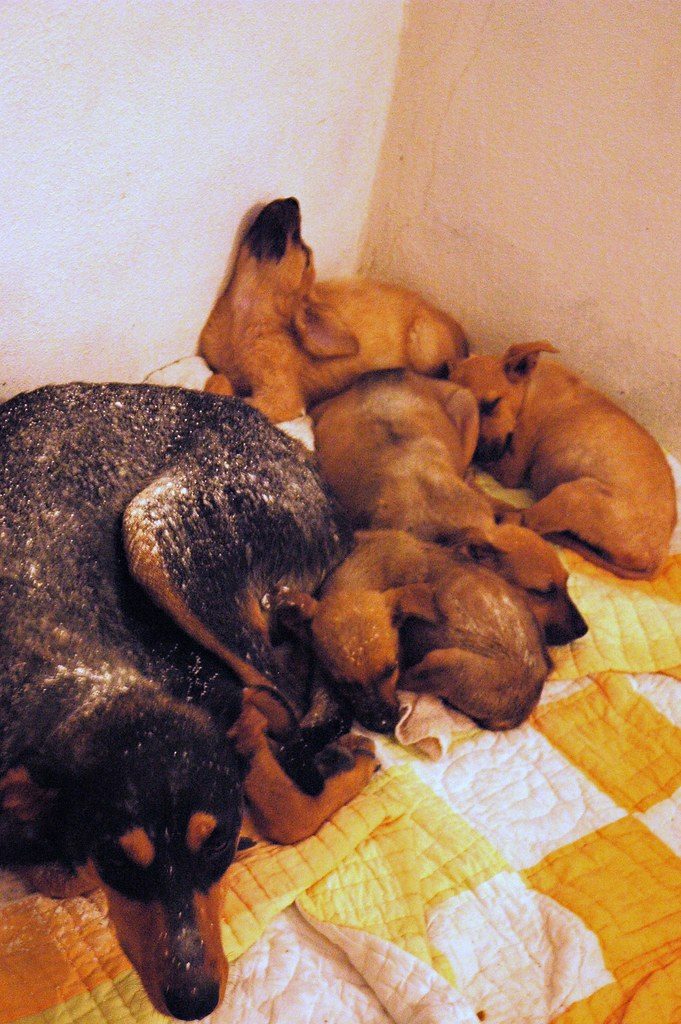
    All 5 dogs are captured and rescued!, 4 puppies and momma dog dusted with flea powder, snoozing, San Bruno, Baja California Sur, Mexico” by Wonderlane is licensed under CC BY 2.0

    The rescue organization is now asking the public for help identifying who may have abandoned the puppies. Anyone with information about the dogs or the circumstances surrounding the case is encouraged to contact the shelter. While investigators search for answers, the puppies continue to receive medical treatment and monitoring.

    The dogs are not yet available for adoption because their recovery remains the top priority. Once they are healthy enough to leave emergency care, they will need foster homes. The case also highlights the dangers of animal abandonment, especially during periods of extreme heat. Without access to shade or water, animals can quickly face life-threatening conditions. The puppies survived because a stranger chose to stop and help when it mattered most.

  • AI robot dogs are raising eyebrows among researchers and engineers

    AI robot dogs are raising eyebrows among researchers and engineers

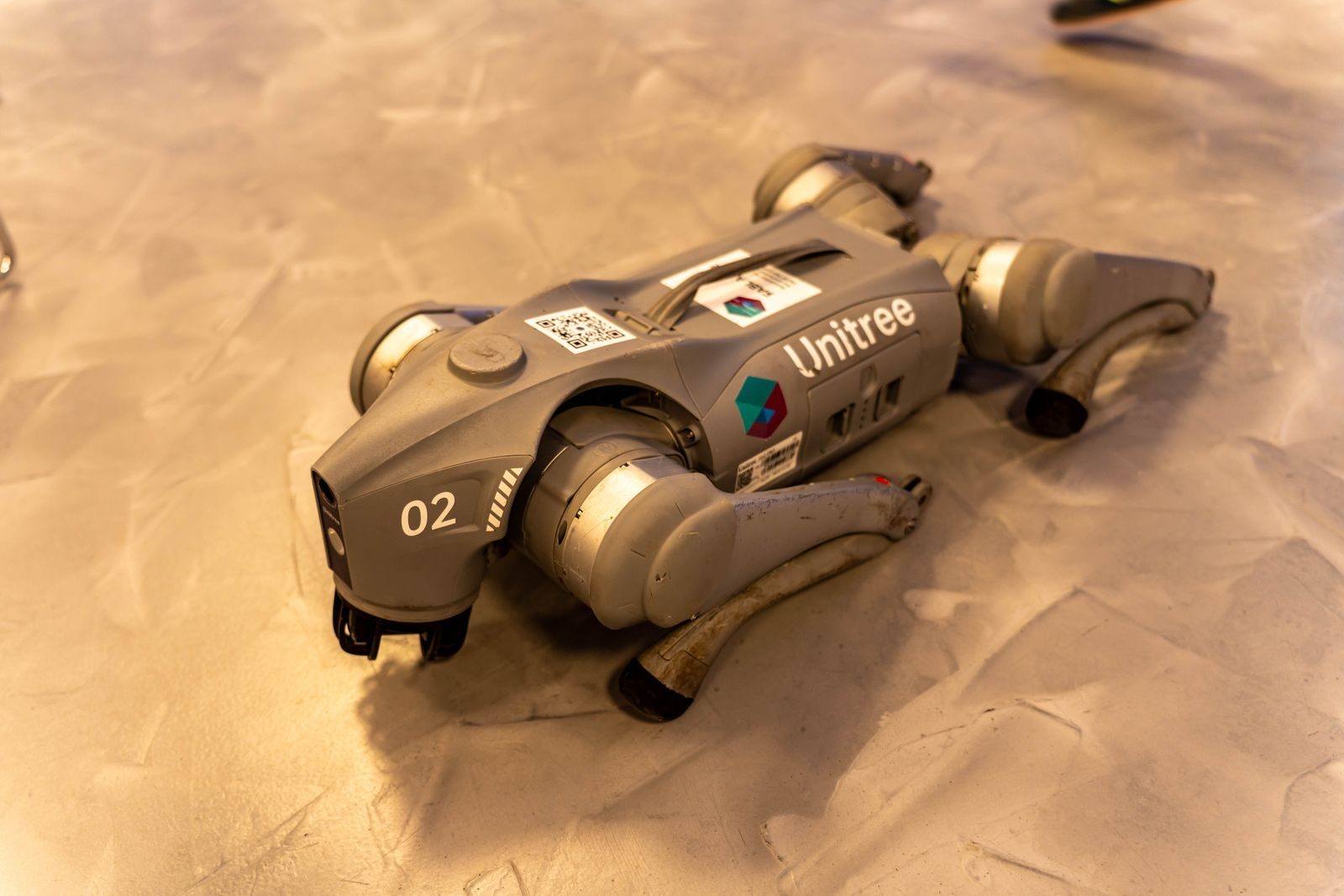
    Artificial intelligence is changing the world in exciting ways, but not every new invention is being welcomed without question. AI robot dogs are one example. These four-legged machines can walk, run, climb stairs, carry equipment, and even work in dangerous places. While many researchers and engineers see them as useful tools, others are becoming concerned about how they are being used and what they could mean for the future.

    The growing use of AI robot dogs has started a bigger conversation about privacy, safety, jobs, and ethics. Some people believe these machines could save lives and make difficult work easier. Others worry that they could increase surveillance, replace workers, or even become part of military systems. Understanding both the benefits and the risks helps explain why AI robot dogs are raising eyebrows among experts around the world.

    What AI robot dogs are and how they work

    A purple quadruped robot interacting with people in a Dubai exhibition space.
    Photo by aboodi vesakaran on Pexels

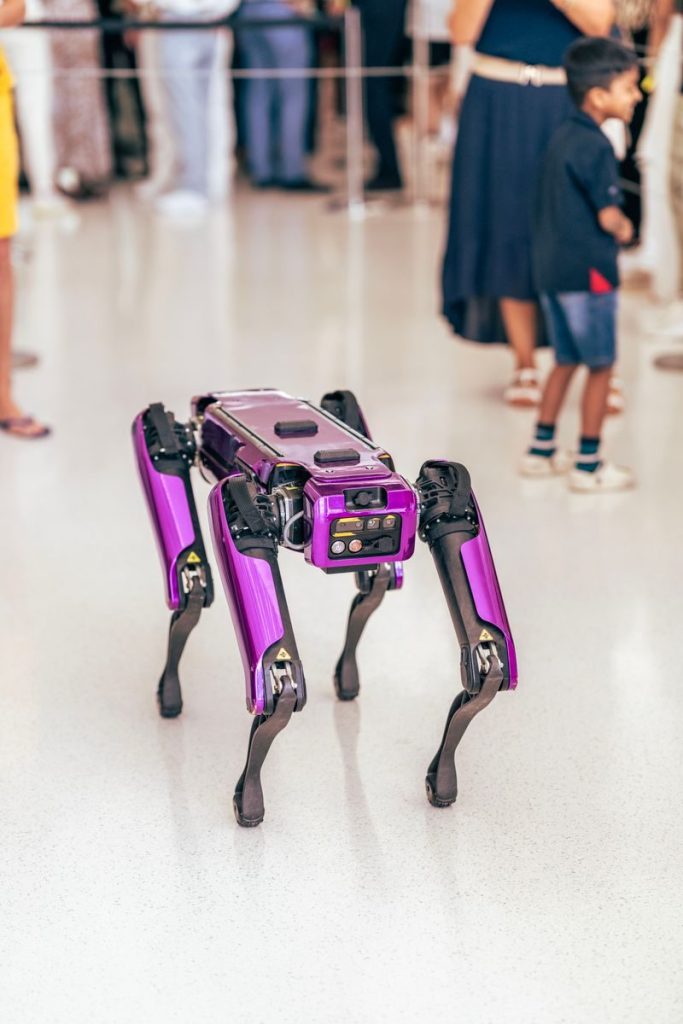
    AI robot dogs are machines designed to move like real dogs. They usually have four legs, cameras, sensors, and computer systems that help them understand their surroundings. Many can navigate rough ground, avoid obstacles, and perform tasks without needing constant human control. Some are operated remotely, while others use artificial intelligence to make simple decisions on their own.

    These robots are being developed by technology and robotics companies for many different jobs. They can inspect factories, explore disaster areas, monitor construction sites, and carry supplies. Because they can enter places that may be dangerous for people, engineers often view them as valuable tools that can improve safety and efficiency.

    Why researchers see value in robot dogs

    A robotic dog oversees an automated car assembly in a high-tech factory setting.
    Photo by Hyundai Motor Group on Pexels

    Many researchers believe robot dogs can help solve real-world problems. In search-and-rescue operations, they can enter collapsed buildings after earthquakes or explosions. They can also inspect areas affected by chemical spills, fires, or radiation where human workers may be at risk. Their ability to move through difficult terrain gives them advantages over traditional wheeled robots.

    Industries are also finding practical uses for these machines. Construction companies are testing them for site inspections, while energy and technology companies use them to monitor equipment and infrastructure. Since robot dogs can collect data continuously and work for long periods, they may help organizations improve safety while reducing the need for workers to enter hazardous locations.

    Growing concerns about surveillance

    CCD Chip” by fox-orian is licensed under CC BY-SA 2.0

    One of the biggest concerns surrounding AI robot dogs is surveillance. Many models carry cameras, microphones, thermal sensors, and other monitoring equipment. When used by security teams or law enforcement agencies, these machines can gather large amounts of information about people and places. Critics worry that this technology could make public monitoring more common and less noticeable.

    Researchers who study technology ethics argue that mobile surveillance tools may create new privacy challenges. Unlike fixed cameras, robot dogs can move through neighborhoods, buildings, and public spaces. Some experts fear that without clear rules and oversight, these systems could collect information in ways that citizens do not fully understand or expect. These concerns have led to debates about how robot dogs should be used and regulated.

    Questions about military and police use

    a close up of a police car with its lights on
    Photo by Max Fleischmann on Unsplash

    Another reason AI robot dogs are attracting attention is their use in defense and security operations. Several military organizations around the world have tested quadruped robots for reconnaissance, patrol missions, and other support roles. In some cases, developers have demonstrated robots carrying equipment that could be adapted for weapons systems.

    This possibility has raised ethical concerns among engineers and researchers. Many experts believe humans should remain responsible for important decisions involving the use of force. They worry that increasing autonomy in robotic systems could make military operations more complex and reduce accountability. Even when robot dogs are used only for support tasks, discussions continue about how far their role should expand in the future.

    The impact on jobs and human workers

    a security officer walking down a street
    Photo by Krzysztof Hepner on Unsplash

    Like many forms of automation, AI robot dogs have sparked concerns about employment. Businesses often invest in new technology to improve efficiency, reduce costs, and increase productivity. While this can create new opportunities in robotics and engineering, it may also reduce the need for some traditional jobs.

    Workers in areas such as security, inspection, monitoring, and maintenance may wonder how these technologies could affect their careers. Most experts do not believe robot dogs will completely replace human workers anytime soon. However, many researchers agree that automation will continue changing workplaces, making it important for workers to learn new skills and adapt to evolving technologies.

    Ethical concerns beyond technology

    people having meeting on rectangular brown table
    Photo by Christina @ wocintechchat.com M on Unsplash

    The debate over AI robot dogs is not only about what they can do. It is also about what society wants them to do. Some researchers believe the appearance of robot dogs may influence how people interact with technology. Because these machines resemble animals, people may develop emotional connections with them or place more trust in them than they would in other types of machines.

    Ethicists also question whether widespread use of animal-like robots could change human attitudes toward real animals. Others worry about transparency and accountability. If a robot dog makes a mistake, causes damage, or collects sensitive information, determining responsibility may become complicated. These questions show that the discussion is about more than engineering—it is also about values, trust, and social impact.

    What the future may hold

    person holding green paper
    Photo by Hitesh Choudhary on Unsplash

    AI robot dogs are likely to become more advanced in the coming years. Improvements in artificial intelligence, sensors, batteries, and computing power will make them faster, smarter, and more capable. As costs decrease, more industries may adopt them for inspections, security, logistics, and emergency response. Their presence could become much more common in everyday life.

    At the same time, researchers, policymakers, and engineers will continue discussing how these machines should be used. Many experts support stronger guidelines covering privacy, data collection, safety testing, and human oversight. The goal is not to stop innovation but to ensure that new technology serves society in a responsible way. Finding the right balance between progress and protection will likely shape the future of AI robot dogs.