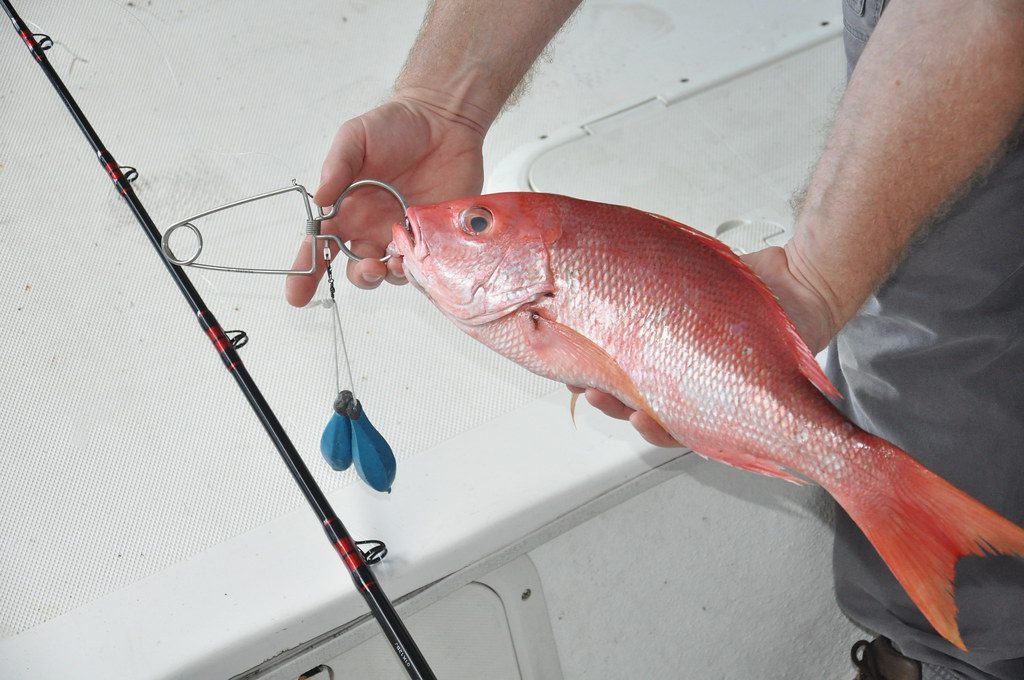
Recreational fishing is a major activity along the Atlantic coast. When fishing seasons change, it can affect anglers, charter boat operators, and local businesses. A recent court decision has brought new attention to the debate over red snapper management.
The red snapper season was expected to be the longest in years, but a federal judge stopped the plan just before it began. This article explains why the season was blocked, what the decision means for fishermen and environmental groups, and how the dispute reflects a larger debate over fishing regulations and conservation efforts.
Why was the red snapper season blocked?
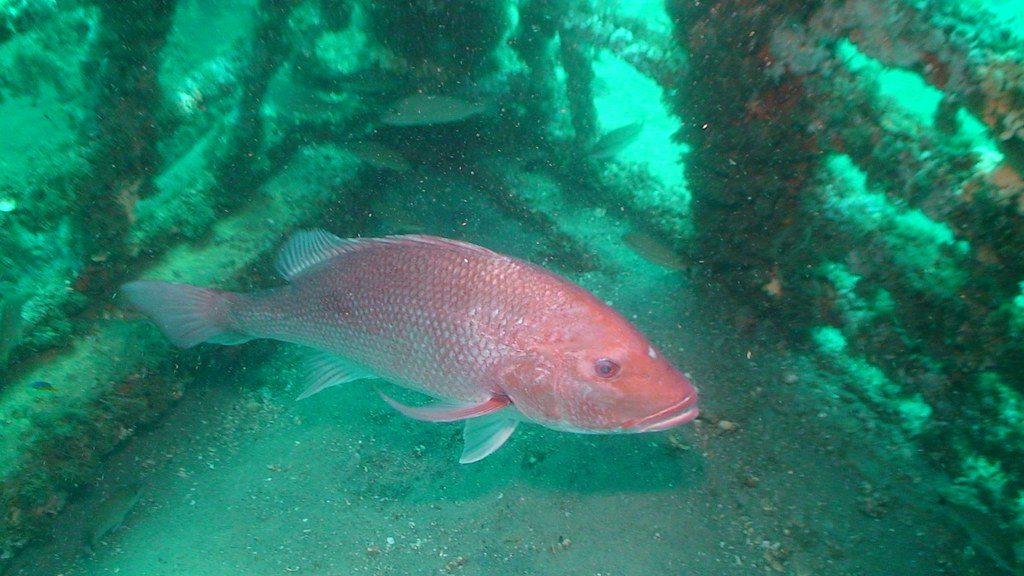
A federal judge stopped NOAA’s plan to extend the Atlantic red snapper fishing season in Florida, Georgia, North Carolina, and South Carolina. The ruling came shortly before the season was scheduled to open on May 22. The court expressed concerns about the environmental impact of the longer fishing season.
The decision was influenced by information suggesting that recreational anglers could catch far more red snapper than sustainable limits allow. Because of these concerns, the judge issued an injunction that prevented the extended season from moving forward. The ruling changed plans for many anglers and charter operators who had expected more fishing opportunities.
How does the plan fit into deregulation efforts?
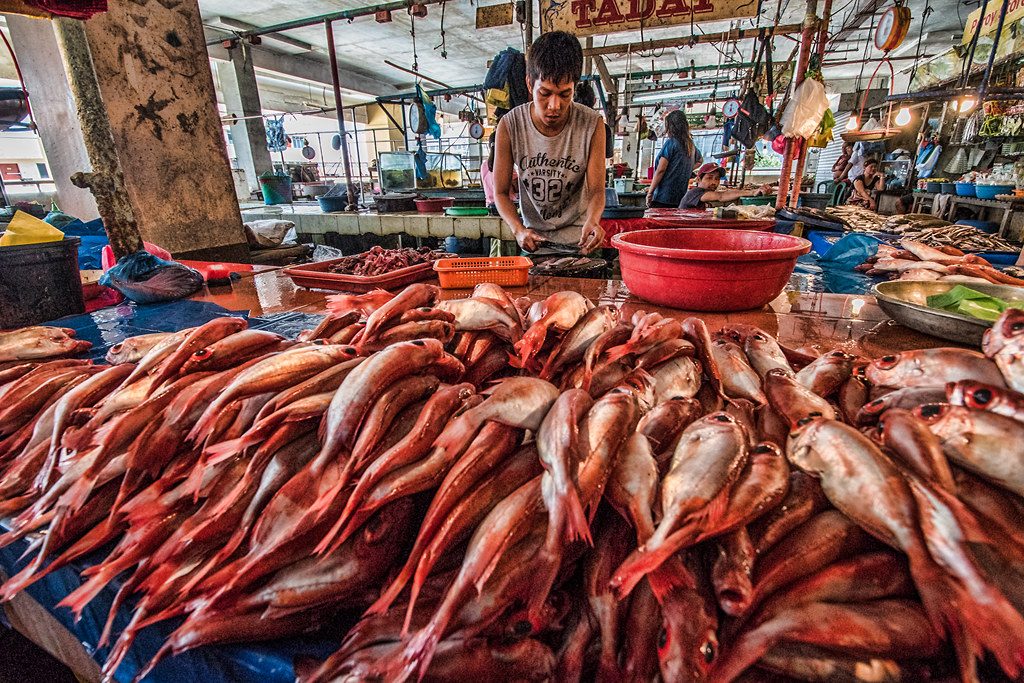
The blocked fishing season was part of a broader effort to reduce federal restrictions on fisheries. Under the plan, states would have had greater control through exemptions under the Magnuson-Stevens Act. Supporters believed this approach would provide more flexibility for managing local fisheries.
Instead of relying heavily on seasonal closures, the proposal allowed longer fishing periods while limiting anglers to one fish per day. Supporters viewed the plan as a way to expand access for recreational fishermen. However, the court’s decision created a major obstacle for these deregulation efforts and raised questions about future policy changes.
Why environmental groups supported the ruling
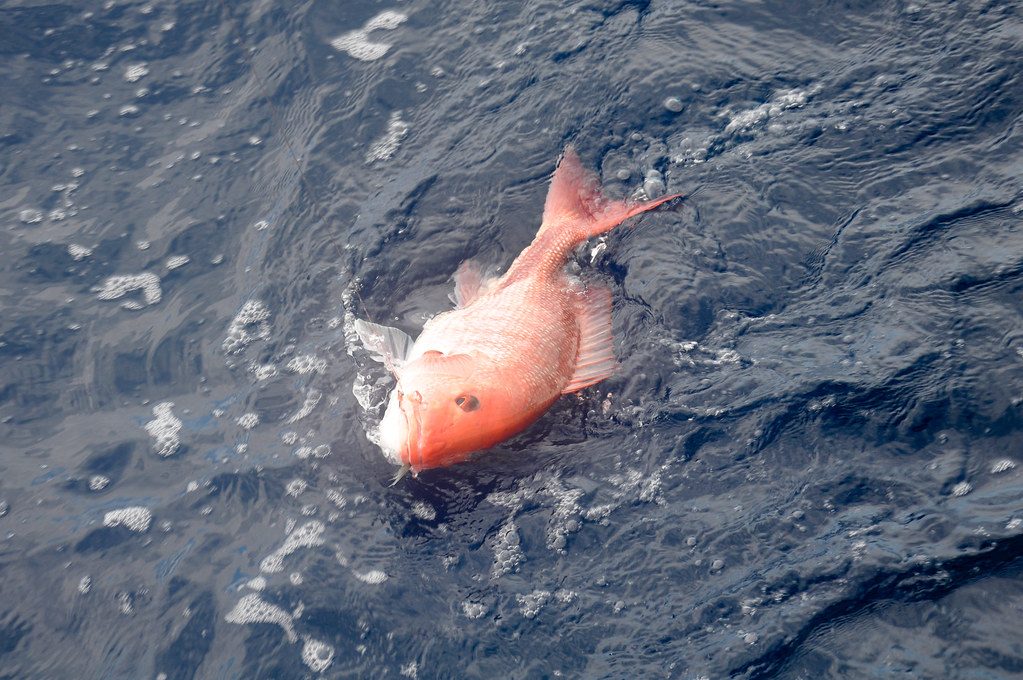
Environmental organizations welcomed the court’s decision because they believe longer fishing seasons could slow the recovery of red snapper populations. They argue that increasing recreational harvests may place additional pressure on a fish stock that is still rebuilding after years of overfishing.
Another concern is fish caught and released. According to environmental advocates, a significant portion of released red snapper do not survive even when proper release methods are used. Because of this, conservation groups believe that longer seasons could increase fish mortality beyond what managers expect.
Why do many anglers disagree
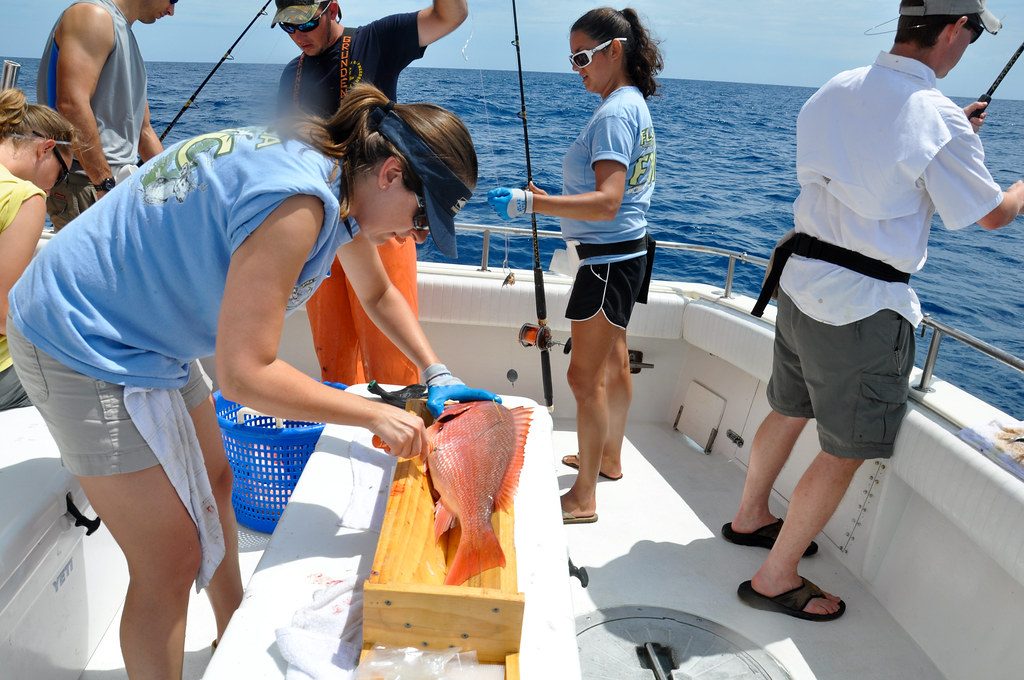
Many recreational anglers believe red snapper populations are much healthier than official assessments suggest. People spending time on the water often report seeing and catching more red snapper than they have in many years. These experiences have led some fishermen to question the need for strict regulations.
Anglers and charter operators were especially disappointed because the extended season would have provided more opportunities for fishing trips. For businesses that depend on recreational fishing, longer seasons can bring more customers and economic activity. As a result, many fishing advocates viewed the court ruling as a missed opportunity.
The challenge of balancing science and experience
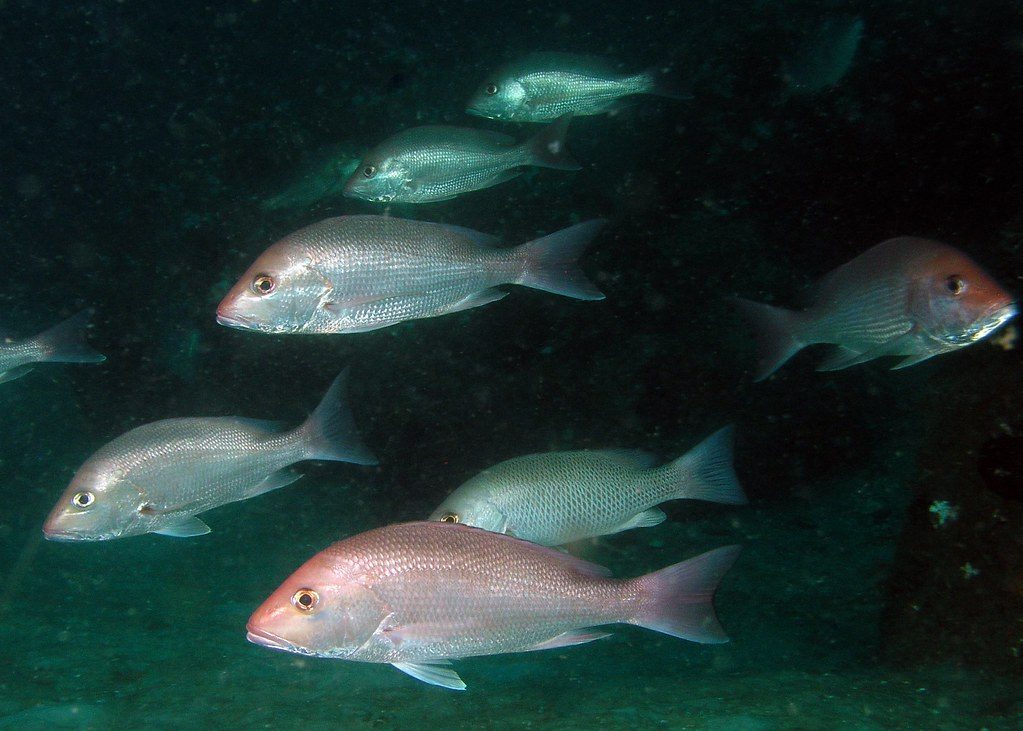
One of the biggest issues in the debate is the difference between personal observations and scientific research. Fishermen often judge fish populations based on what they see during trips, while scientists rely on broader biological data collected over time.
Researchers caution that many red snapper being caught today may not yet have reached their peak reproductive years. Even if fish appear abundant, scientists argue that long-term recovery depends on maintaining healthy breeding populations. This difference in perspective continues to fuel disagreements between stakeholders.
How red snapper management reached this point
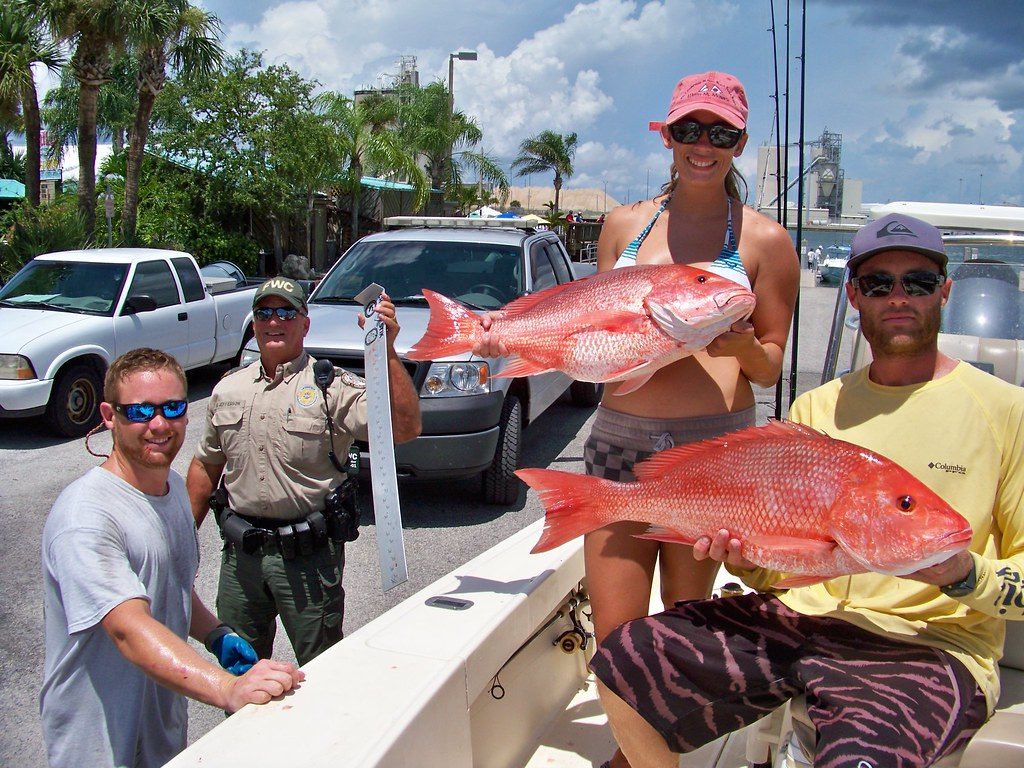
Red snapper populations faced serious pressure after decades of overfishing. To help rebuild the stock, strict federal rules were put in place. Since 2010, recreational fishing opportunities have often been limited to only a few days each year.
In recent years, state leaders pushed for greater involvement in managing the fishery. Supporters argued that states could better balance conservation goals with recreational access. NOAA’s proposed season extension reflected this shift toward increased state influence, but the court’s intervention has left the future of that approach uncertain.
Leave a Reply