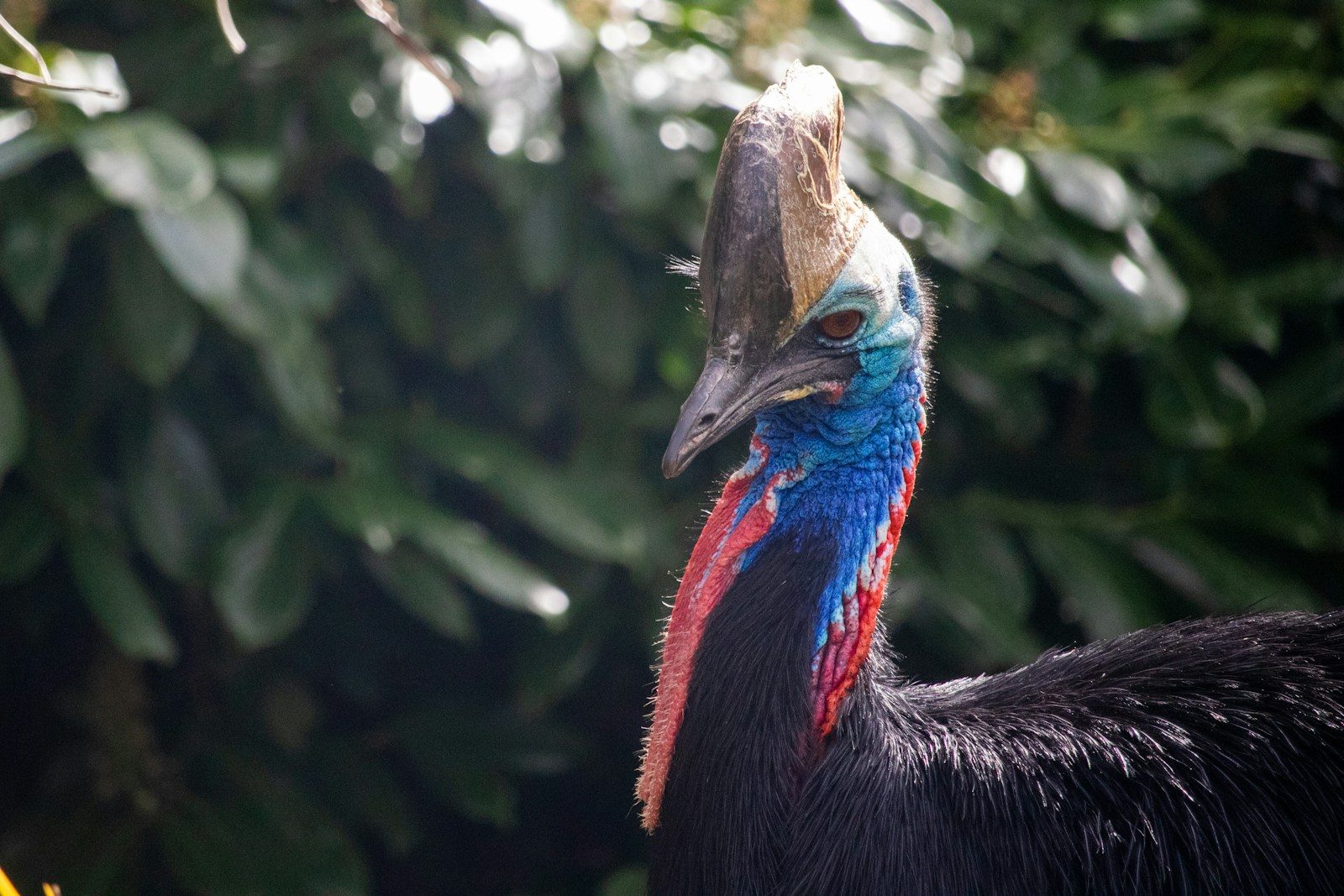
Have you ever wondered if a bird could be one of the most dangerous animals on Earth? Most people think of sharks, lions, or snakes when they hear the word “dangerous.” Birds usually seem harmless by comparison. But one bird stands out from the rest.
The cassowary is often called the world’s most dangerous bird because of its powerful legs, sharp claws, and ability to cause serious injuries. Found in the rainforests of New Guinea and Australia, this giant bird has earned a fearsome reputation. In this article, you’ll learn what makes the cassowary so dangerous, how it behaves in the wild, and why people should respect this remarkable creature.
Meet the cassowary
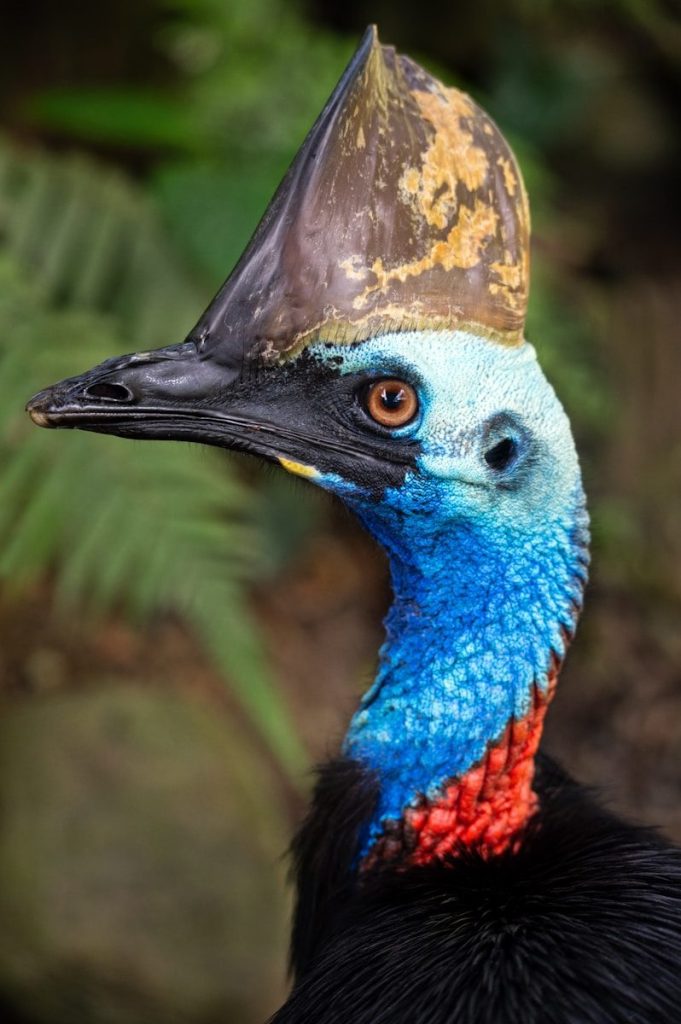
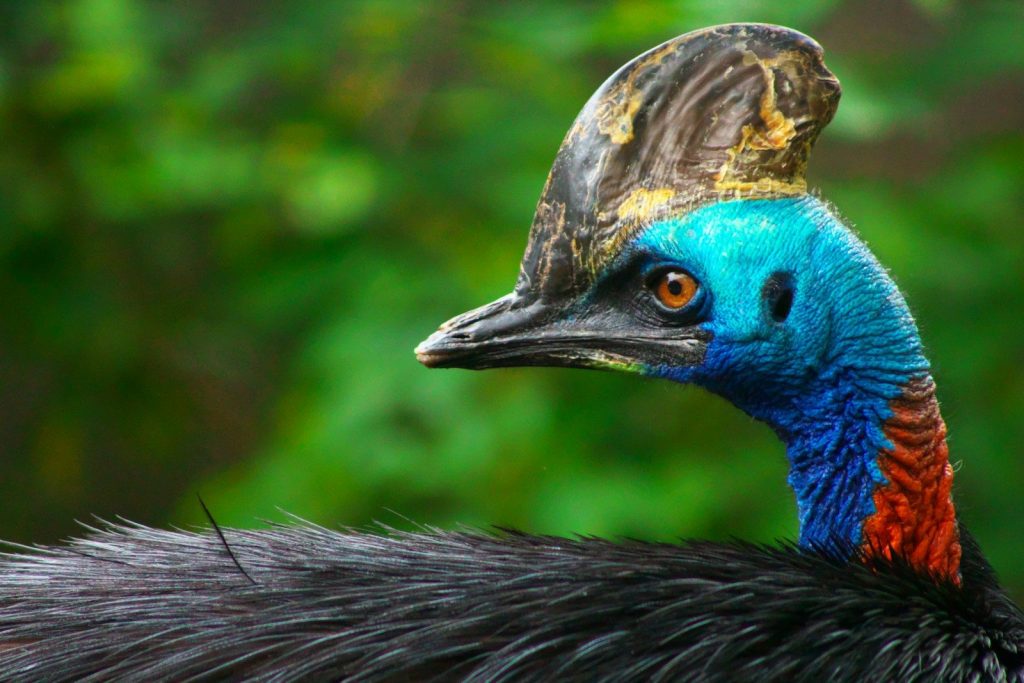
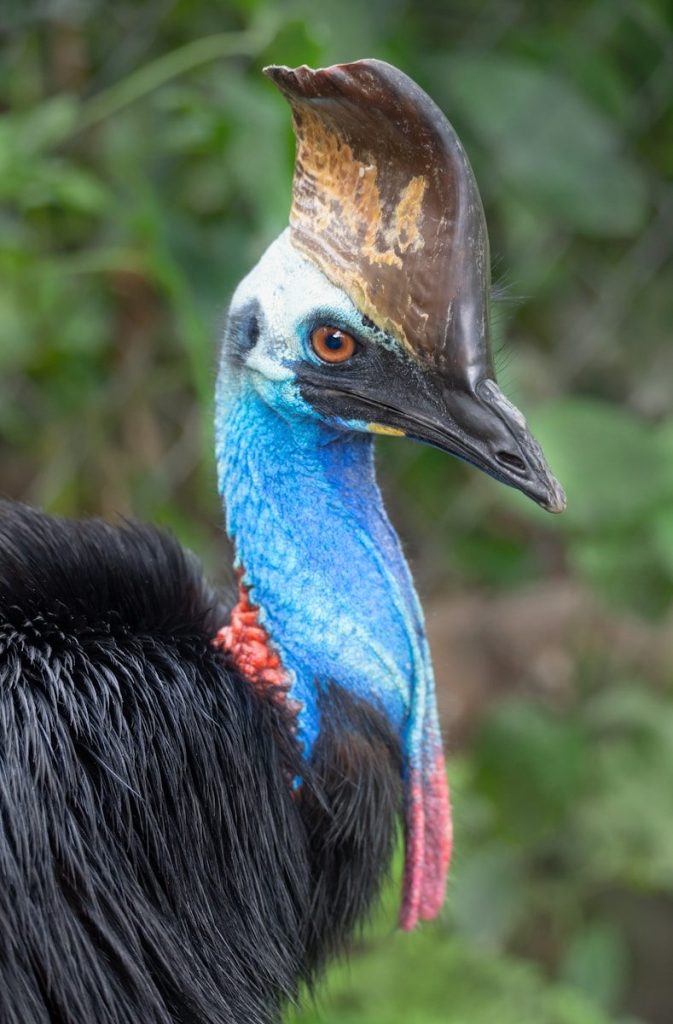
The cassowary is a large flightless bird that lives in the tropical rainforests of New Guinea and Australia. It has a bright blue and red head, black feathers, and a large, helmet-like structure called a casque on its head. Its unusual appearance makes it one of the most recognizable birds in the world.
Many people describe the cassowary as a living dinosaur because it is a direct descendant of ancient dinosaur species. Its strong build, large size, and prehistoric appearance give it an appearance unlike that of almost any other bird found today.
A bird built for power
One reason the cassowary is considered so dangerous is its impressive size and strength. It has powerful legs that help it move quickly through thick rainforest vegetation. These legs are also its main defense against threats.
Unlike birds that rely on beaks or wings for protection, the cassowary uses its legs to fight. When threatened, it can kick with great force. This ability makes it a serious danger when humans or animals get too close.
The razor-sharp claw
The cassowary’s most feared feature is the long claw found on its innermost toe. Each foot has three forward-facing toes, but the inner claw stands out because it can grow up to five inches long.
This claw resembles a dagger and can inflict deep wounds. During an attack, the bird can strike with its legs and use its claw to tear flesh. This natural weapon is one of the main reasons the cassowary is known as the world’s most dangerous bird.
The purpose of the casque
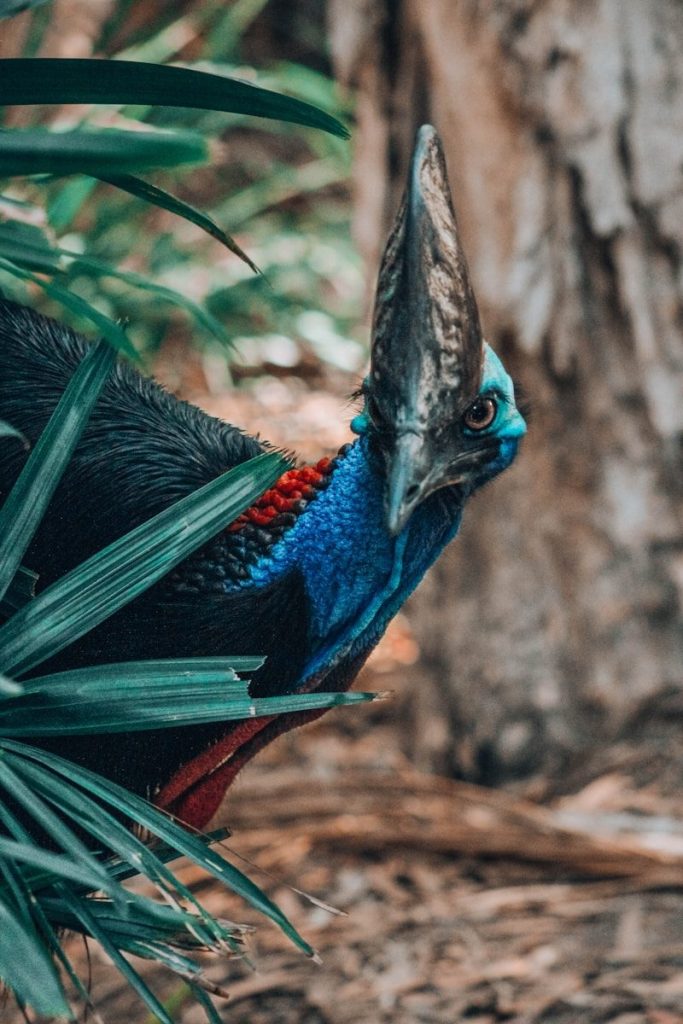
One of the cassowary’s most unique features is the casque on top of its head. At first glance, it may look like decoration, but it serves important purposes in the bird’s daily life.
The casque helps the cassowary move through dense rainforest plants by pushing vegetation aside. It may also protect the bird’s head from falling branches and other debris. Some experts believe it can even help the bird detect or amplify low-frequency sounds in the forest.
When cassowaries become aggressive
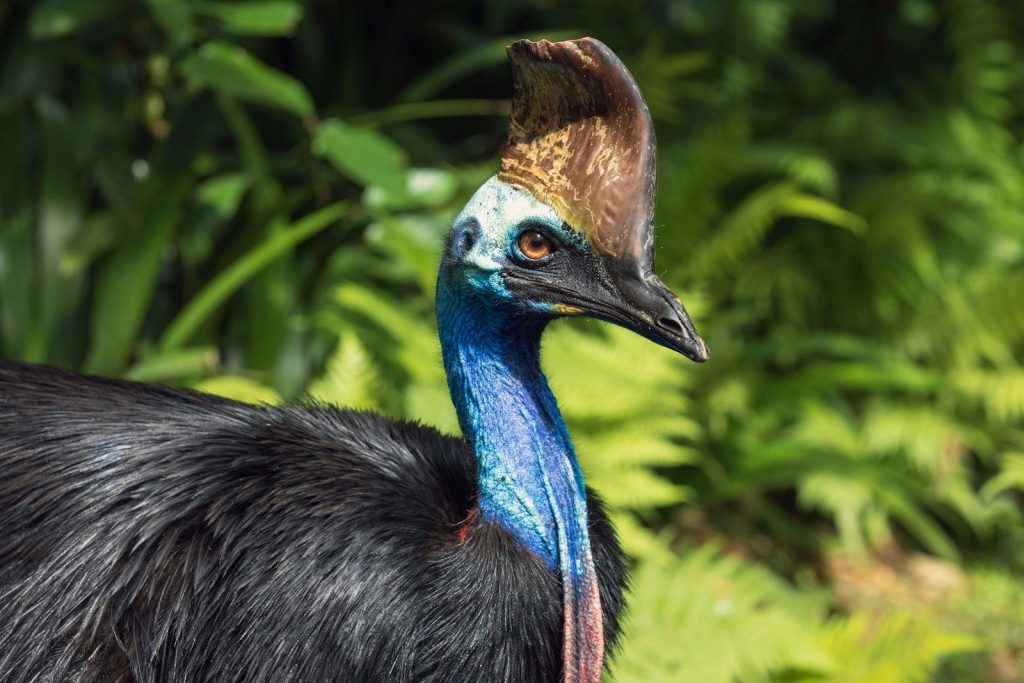
Cassowaries are generally shy animals that prefer to avoid people. Most encounters end without any problems because the birds usually stay away from human activity whenever possible.
However, a cassowary can become aggressive if it feels threatened, cornered, or is protecting its chicks. In these situations, it may charge forward and kick with tremendous force. Combined with its sharp claws, these attacks can result in serious injuries and, in rare cases, human fatalities.
Why cassowaries matter to the rainforest
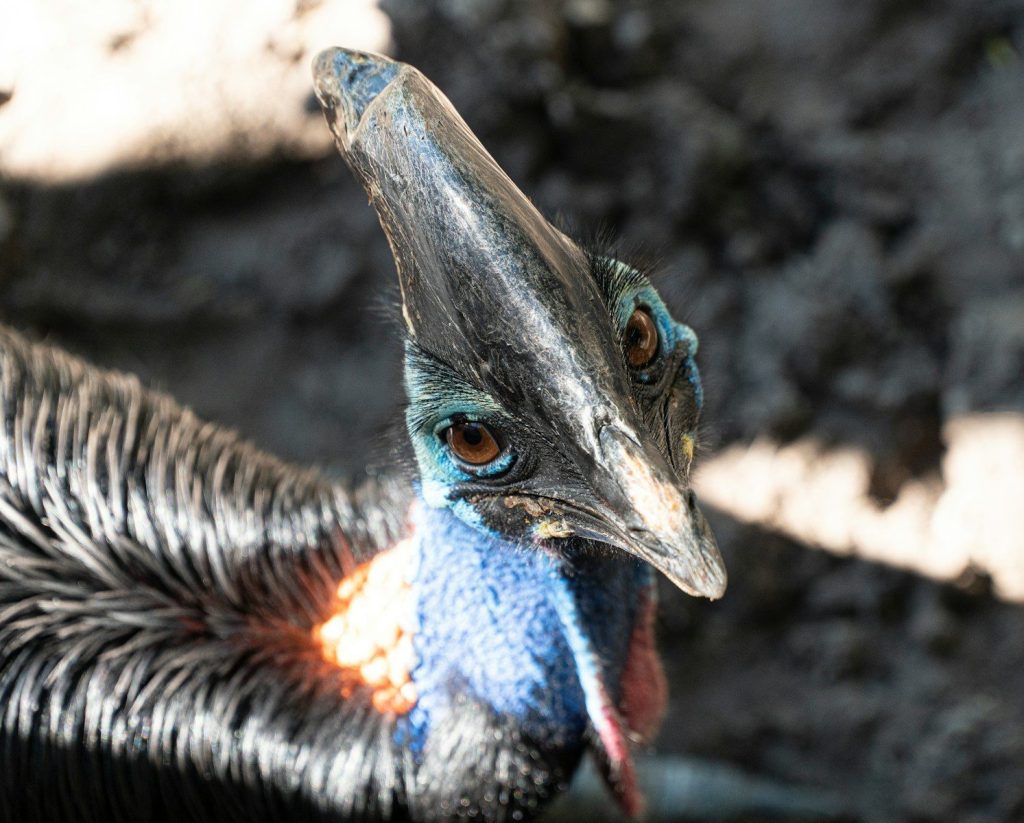
Despite their dangerous reputation, cassowaries play an important role in the rainforest ecosystem. They help spread seeds from the fruits they eat, allowing many plant species to grow in different parts of the forest.
Because of this role, cassowaries contribute to the health and survival of rainforest environments. While they deserve caution and respect, they are also valuable wildlife that supports the balance of nature in their native habitats.
Leave a Reply