Blog

  • 6 predators that can defeat a crocodile in the wild

    6 predators that can defeat a crocodile in the wild

    Crocodiles are among the oldest and most successful predators on Earth. Their ancestors appeared more than 200 million years ago and survived major extinction events that wiped out countless other species. Today, crocodiles remain powerful hunters capable of taking down a wide range of prey. However, even these fearsome reptiles are not invincible.

    While very few animals can challenge a fully grown crocodile, some species possess the size, strength, intelligence, or weapons needed to win such a confrontation. Here are six animals that could kill a crocodile under the right circumstances.

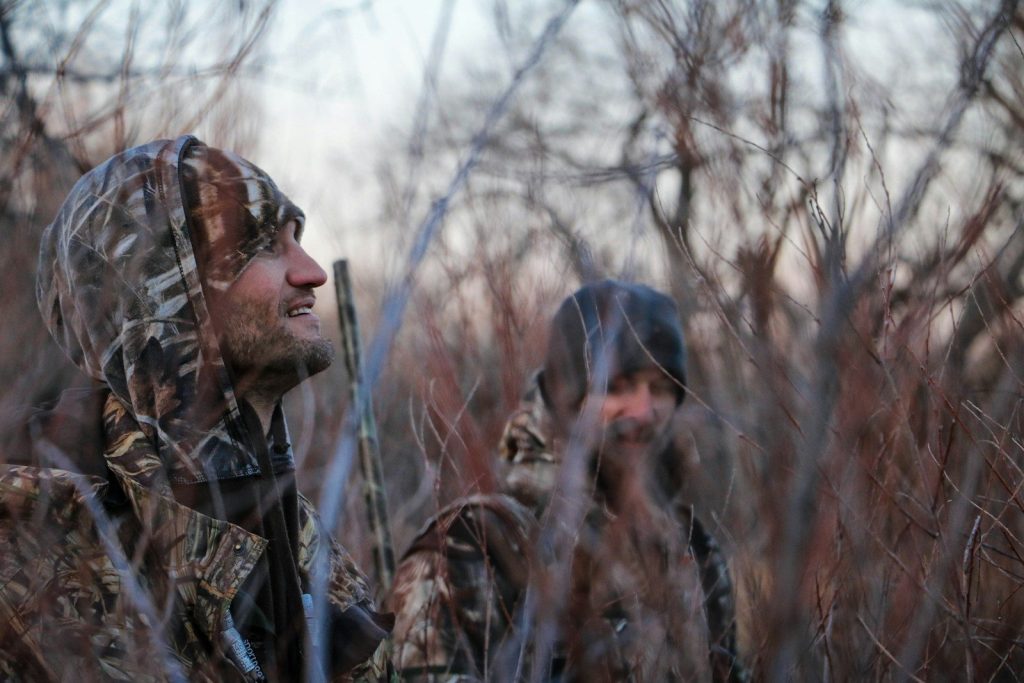
    Humans are one of the greatest threats
    two men's inside forest
    Photo by Rhett Noonan on Unsplash

    Humans may not be physically stronger than crocodiles, but their intelligence and technology make them extremely dangerous opponents. Throughout history, people have hunted crocodiles using tools and weapons that greatly reduce the reptile’s natural advantages.

    In many areas, human activity has also reduced crocodile populations by expanding into their habitats. While an unarmed person would struggle against a large crocodile, humans remain one of the most significant threats crocodiles face worldwide.

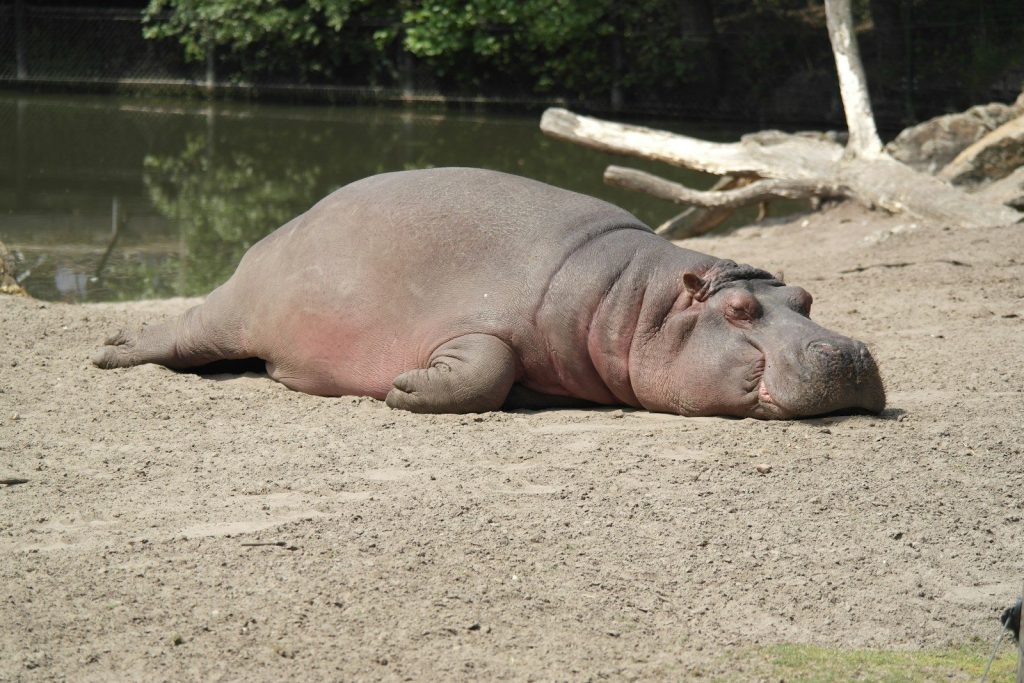
    Hippos can overpower crocodiles
    hippopotamus lying on surface near body of water
    Photo by Tim De Pauw on Unsplash

    Hippos are among the largest and most aggressive animals in Africa. Their enormous size, powerful jaws, and sharp teeth make them capable of seriously injuring or killing crocodiles.

    Hippos are especially protective of their territory and young. If a crocodile approaches too closely, a hippo may charge, bite, or crush it. In many situations, a fully grown hippo has the physical advantages needed to defeat a crocodile.

    Elephants have an overwhelming size and strength
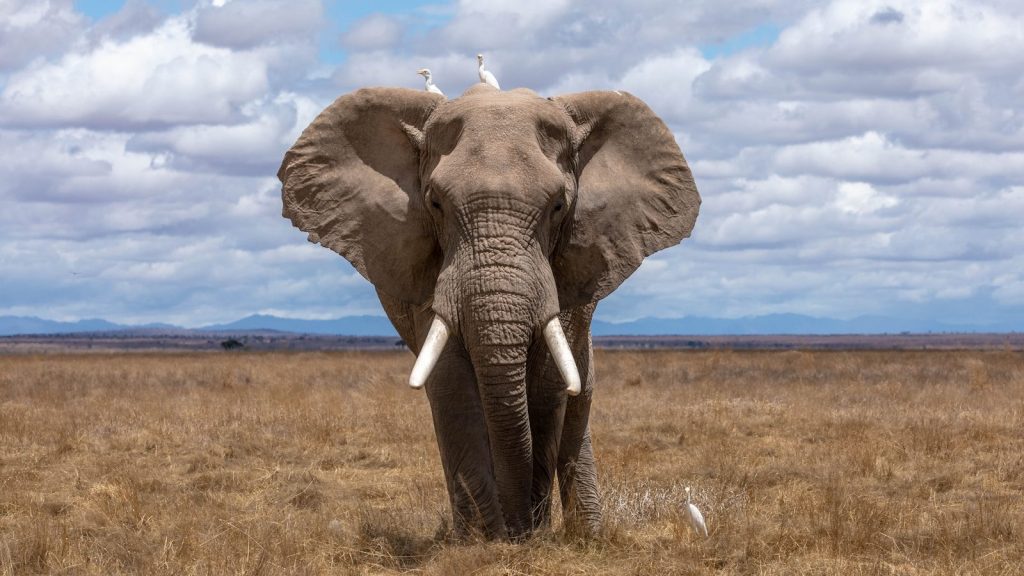
    elephant walking during daytime
    Photo by Nam Anh on Unsplash

    Elephants are simply too large for most crocodiles to handle. Adult elephants can weigh several times more than even the biggest crocodile species.

    On land, an elephant could kill a crocodile by stomping on it or using its tusks to inflict severe injuries. Without the ability to drag an elephant into deep water, a crocodile would have very few effective ways to fight back.

    Rhinos can use their horns as powerful weapons
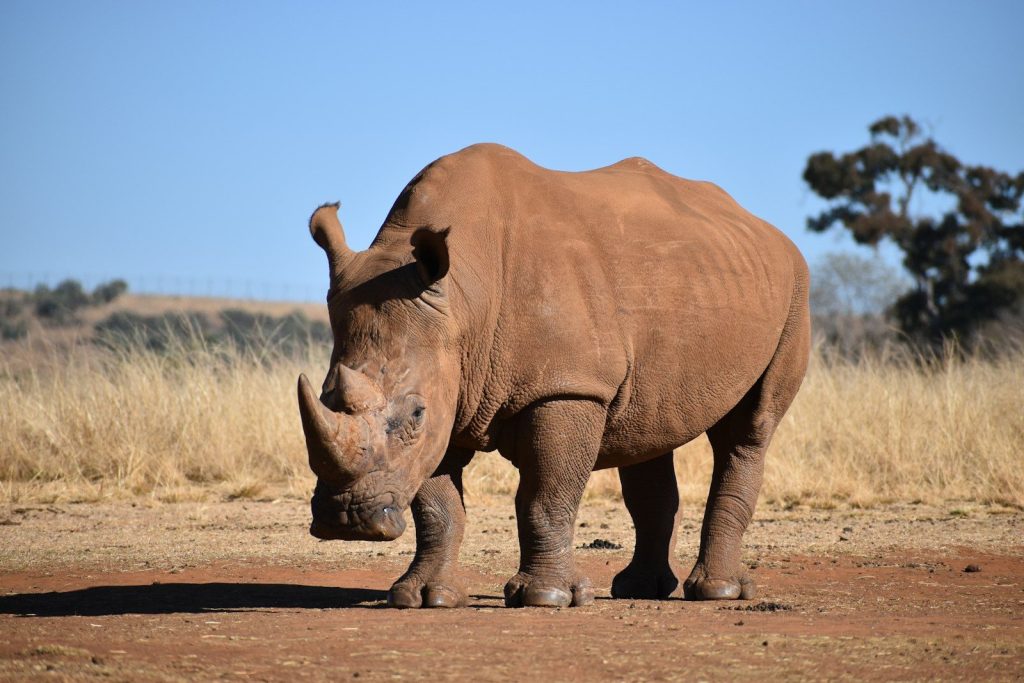
    brown rhinoceros on brown field during daytime
    Photo by Nicole Wreyford on Unsplash

    Rhinos are heavily built animals with thick skin and impressive horns that can be used for defense. Their size alone gives them a major advantage over most crocodiles.

    If threatened, a rhino could charge, gore, or trample a crocodile. Since these encounters would likely occur on land, the crocodile would be fighting outside its preferred environment, making the rhino even more dangerous.

    Tigers can defeat smaller crocodiles
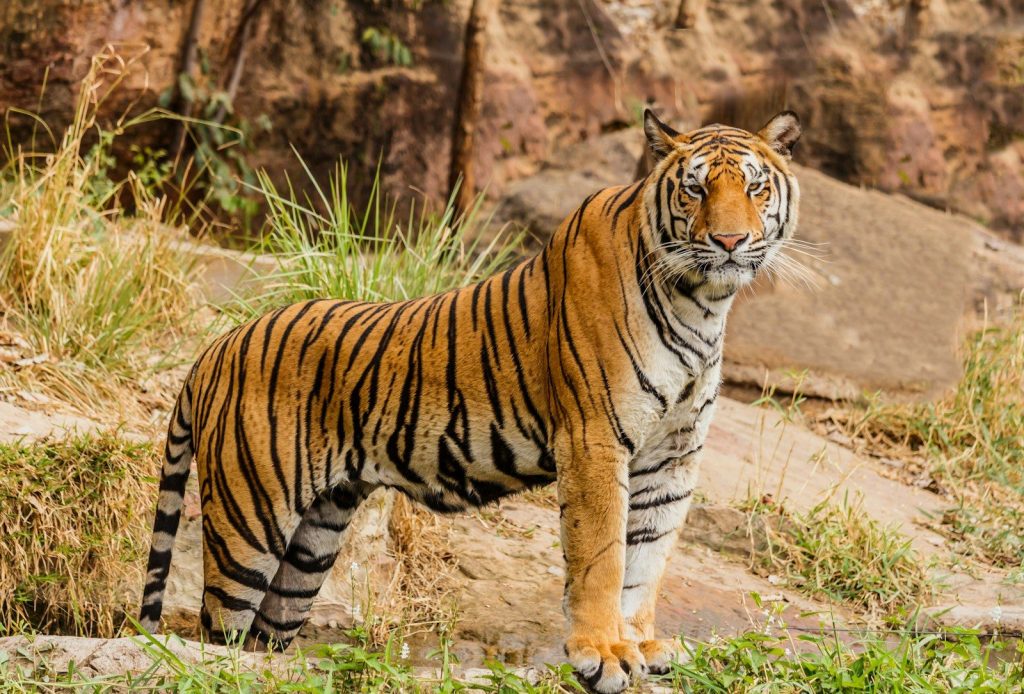
    brown and black tiger on focus photography
    Photo by A G on Unsplash

    Tigers are powerful predators known for their strength, speed, and agility. A large tiger has the ability to take down crocodiles that are similar in size or smaller than itself.

    However, the outcome depends heavily on the circumstances. A tiger would face a much greater challenge against the largest crocodile species, especially near water. On land, the tiger’s quick movements and powerful attacks could give it a significant advantage.

    Humpback whales possess immense power
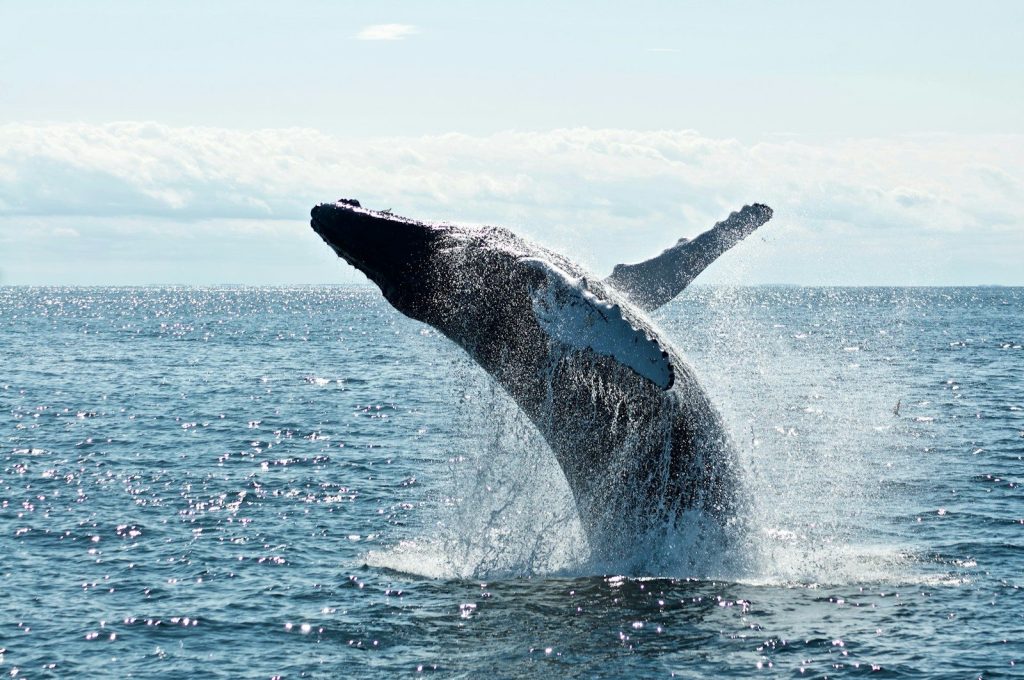
    grey dolphin on body of water during daytime
    Photo by Todd Cravens on Unsplash

    Humpback whales are not known for fighting crocodiles, but their enormous size and strength make them formidable animals. They are famous for confronting orcas and protecting other marine creatures from attacks.

    These whales possess powerful tail flukes and massive pectoral flippers capable of delivering tremendous force. Although direct conflicts between humpback whales and crocodiles are unlikely, the whale’s size and strength would make it a dangerous opponent for any crocodile that ventured too close.
  • 6 wild animals that became too dependent on humans to return to nature

    6 wild animals that became too dependent on humans to return to nature

    Many people assume that animals can easily survive on their own if released into the wild. After all, survival instincts should take over, right? In reality, domesticated animals have spent generations living alongside humans, and many have lost the skills needed to survive without our help.

    Selective breeding has changed everything from their behavior to their physical traits, making them better suited for homes, farms, and human care than life in the wild. Here are six domesticated animals that would face major challenges if suddenly forced to survive on their own.

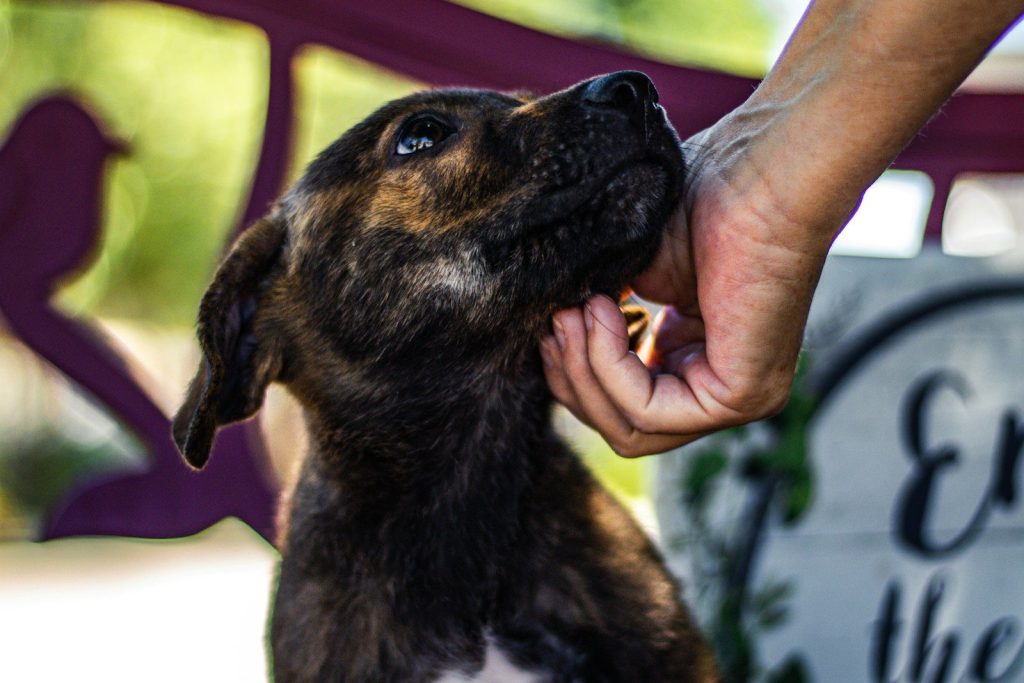
    Dogs face challenges without human support

    person holding brown and white short coated dog
    Photo by Madeline Bowen on Unsplash

    Dogs may be descendants of wolves, but thousands of years of domestication have changed them dramatically. Many modern breeds were developed for companionship rather than survival, leaving them with fewer skills for hunting, avoiding predators, and finding food independently.

    While some dogs can survive in feral groups, many would struggle alone. Smaller breeds and highly specialized dogs are especially vulnerable because they lack the size, strength, and hunting abilities needed to compete in wild environments.

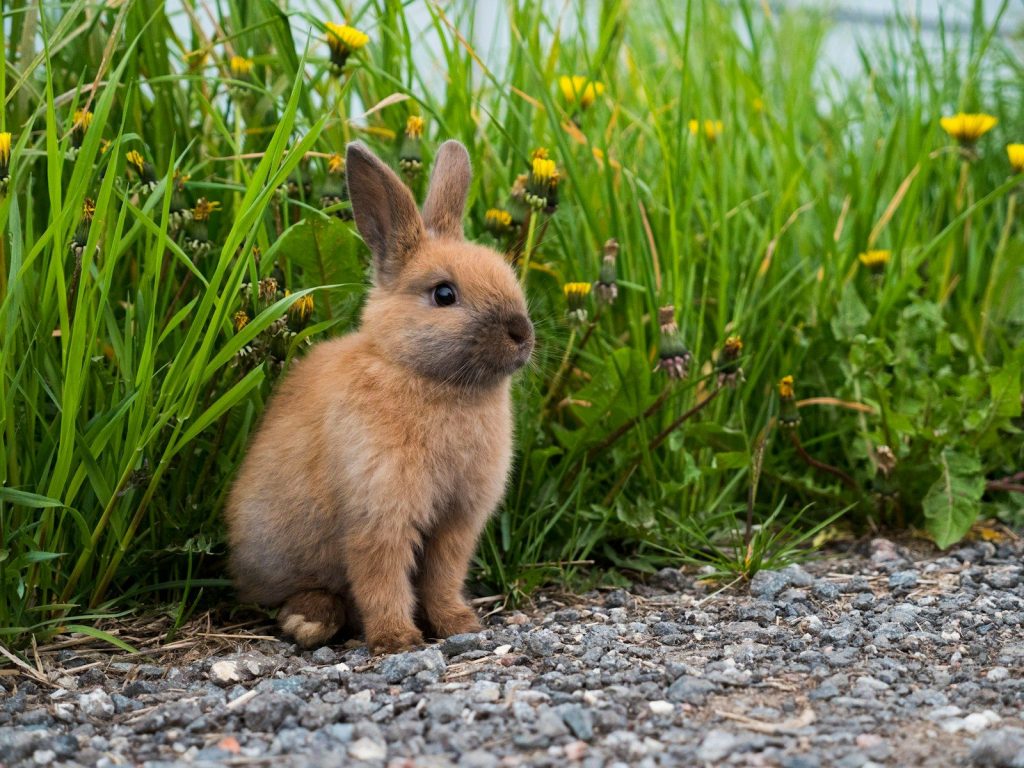
    Domestic rabbits are highly vulnerable

    a small rabbit is sitting in the grass
    Photo by Ансплэш Степана on Unsplash

    Domestic rabbits differ greatly from their wild relatives. They have been bred for calm temperaments, soft fur, and unique appearances rather than survival abilities.

    Many domestic rabbits lack strong predator awareness and often have coat colors that make them easy to spot. Without camouflage and natural survival instincts, they become easy targets for predators such as foxes, coyotes, and birds of prey.

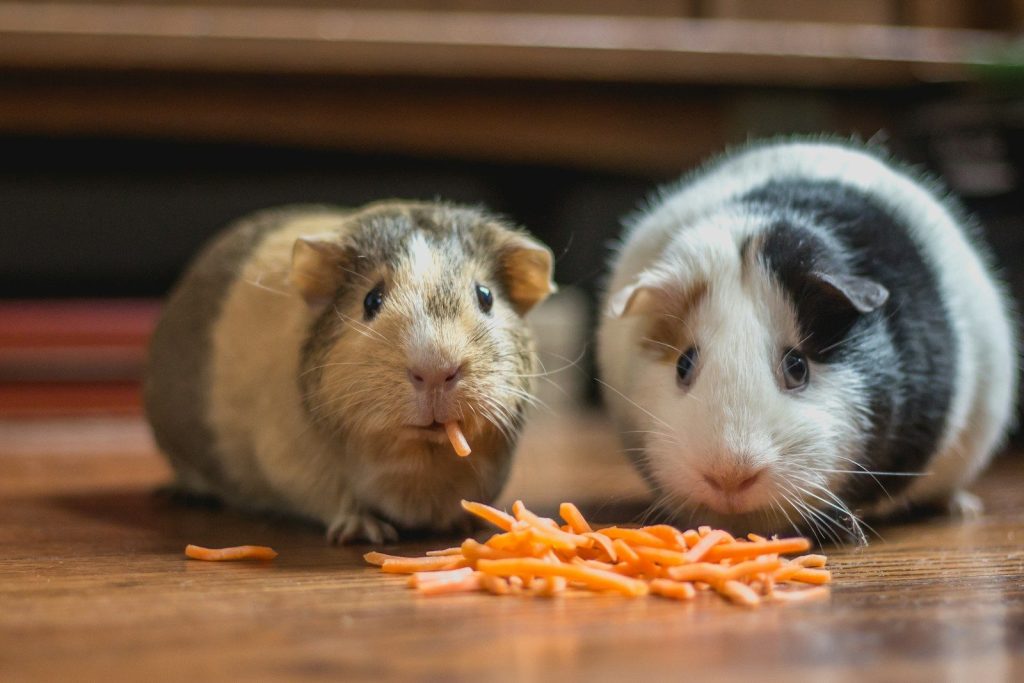
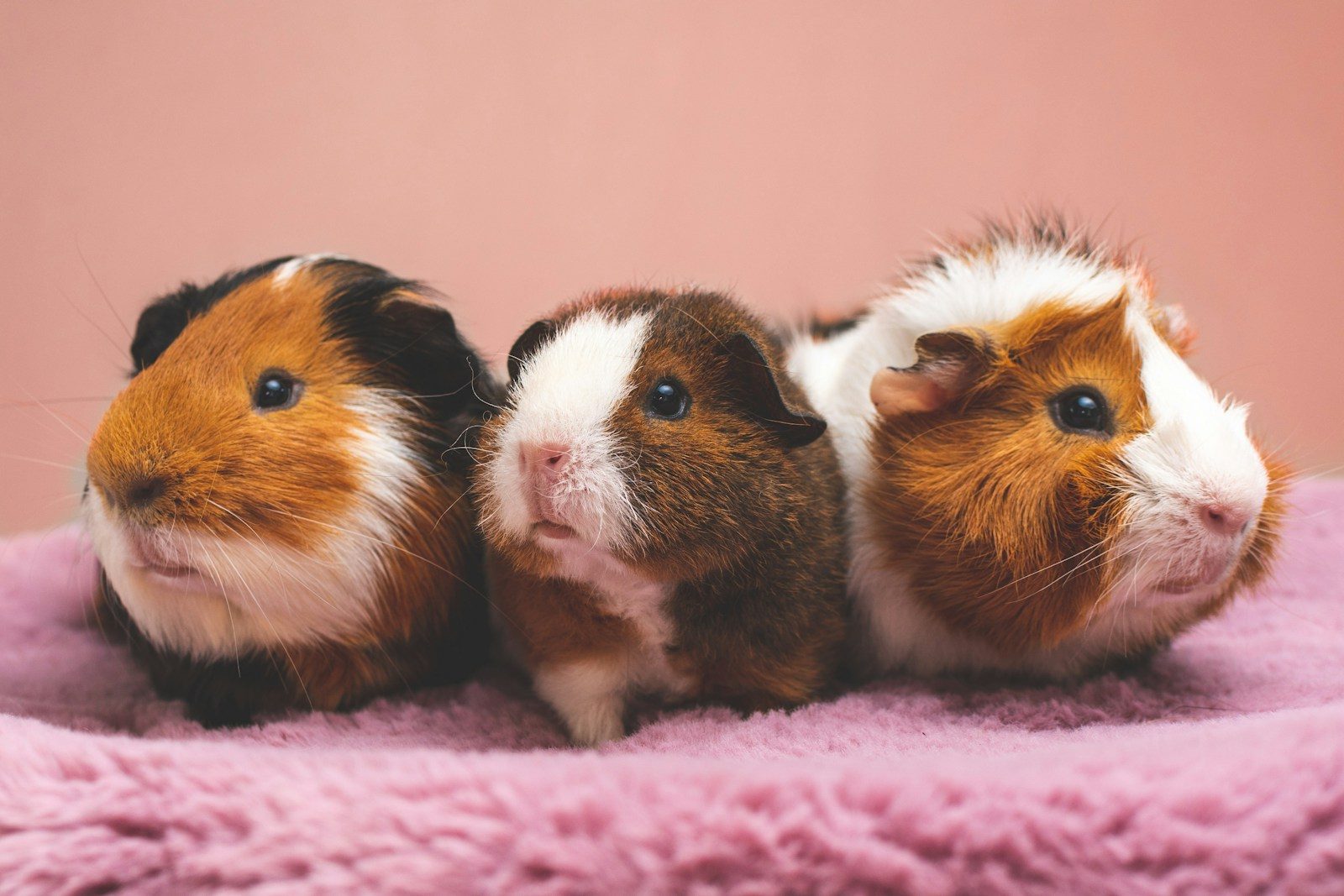
    Guinea pigs have lost key survival skills

    two guinea pigs eating carrot
    Photo by Bonnie Kittle on Unsplash

    Guinea pigs have lived alongside humans for thousands of years. During that time, they have become more social and dependent on predictable environments where food and shelter are readily available.

    Compared to their wild relatives, domestic guinea pigs are less cautious and less likely to explore unfamiliar surroundings. These traits may make them excellent pets, but they leave guinea pigs poorly equipped to find food or avoid predators in the wild.

    Cats retain some hunting abilities

    shallow focus photo of orange cat near laptop computer
    Photo by Catherine Heath on Unsplash

    Cats are often considered one of the more independent domesticated animals. Many still possess strong hunting instincts and can catch small prey when necessary.

    However, survival in true wilderness areas remains difficult for many house cats. While some feral cats adapt near human communities, domestic cats often face dangers from larger predators, harsh weather, disease, and limited food resources when removed from human environments.

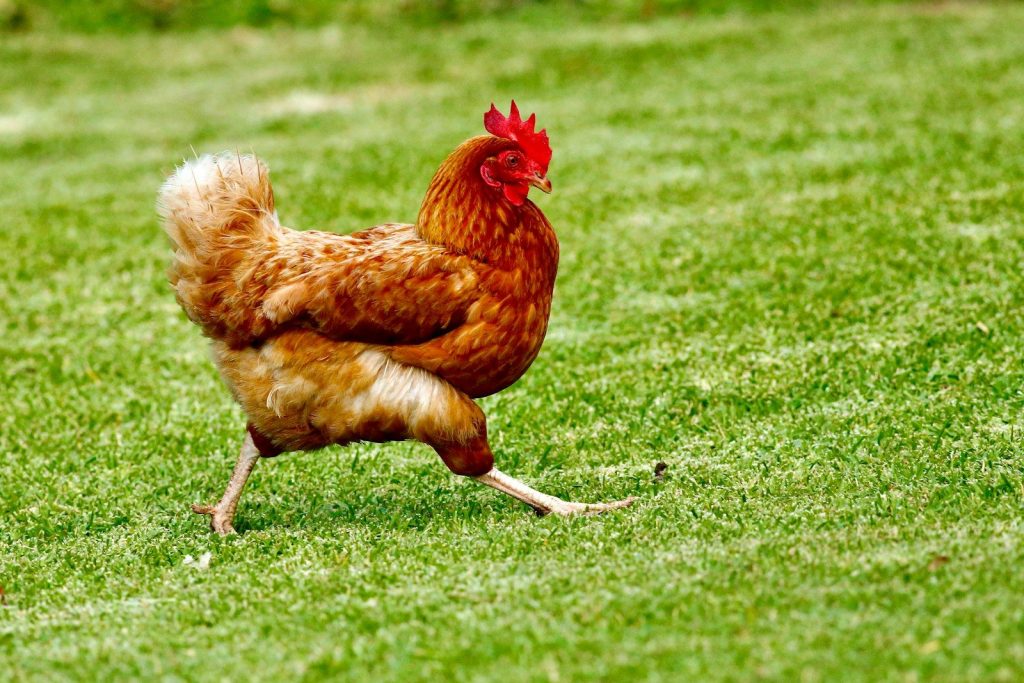
    Poultry struggle against predators

    brown chicken on green grass field during daytime
    Photo by James Wainscoat on Unsplash

    Domestic chickens and other poultry have been selectively bred for egg, meat, or ornamental traits. These characteristics often come at the expense of survival abilities.

    Many poultry breeds are highly visible, less agile, and unable to escape predators effectively. Without secure shelters and regular food sources, they can quickly become easy targets for foxes, coyotes, hawks, and other predators.

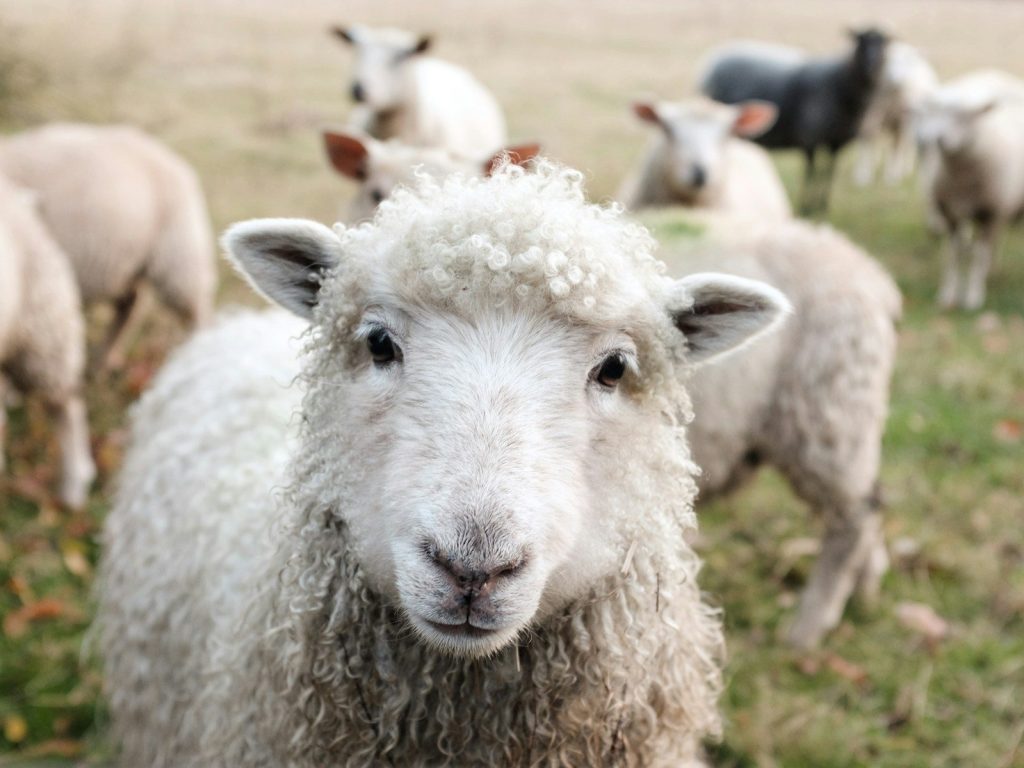
    Livestock and ornamental fish depend on human care

    white sheep on green grass during daytime
    Photo by Sam Carter on Unsplash

    Animals such as sheep, cattle, and goats have been bred for agricultural purposes rather than wilderness survival. Many rely on human management for protection, access to food, and health care. Sheep, in particular, require regular wool maintenance that would not occur naturally in domestic breeds.

    Ornamental fish face even greater challenges. Bright colors, unusual body shapes, and delicate fins make them vulnerable to predators and environmental conditions. Many aquarium species are simply not adapted to survive in natural waterways without human support.

  • This North Carolina rescue cares for up to eight orphaned fawns a day

    This North Carolina rescue cares for up to eight orphaned fawns a day

    Every spring and summer, wildlife rescue centers face their busiest time of year as young animals arrive in need of help. At Holly’s Nest Animal Rescue in Sanford, North Carolina, that challenge becomes especially intense during deer season. While many people may only see a few fawns each year, Byron and Kim Wortham can receive several new arrivals every day.

    Most of these young deer have lost their mothers in vehicle accidents and have nowhere else to go. Through patience, dedication, and compassion, the couple provides a safe place for orphaned wildlife to recover before returning to the wild where they belong.

    Deer season brings a flood of rescues

    brown deer beside plants
    Photo by Scott Carroll on Unsplash

    As peak deer season arrives, Holly’s Nest Animal Rescue becomes busier than ever. The rescue can take in between five and eight fawns each day, many of them orphaned after their mothers were struck by vehicles.

    The Worthams care for these vulnerable animals on their 12-acre property outside Sanford. Their facility is considered the largest deer rehabilitation center in North Carolina and helps an average of 150 deer every year.

    Caring for young fawns requires constant work

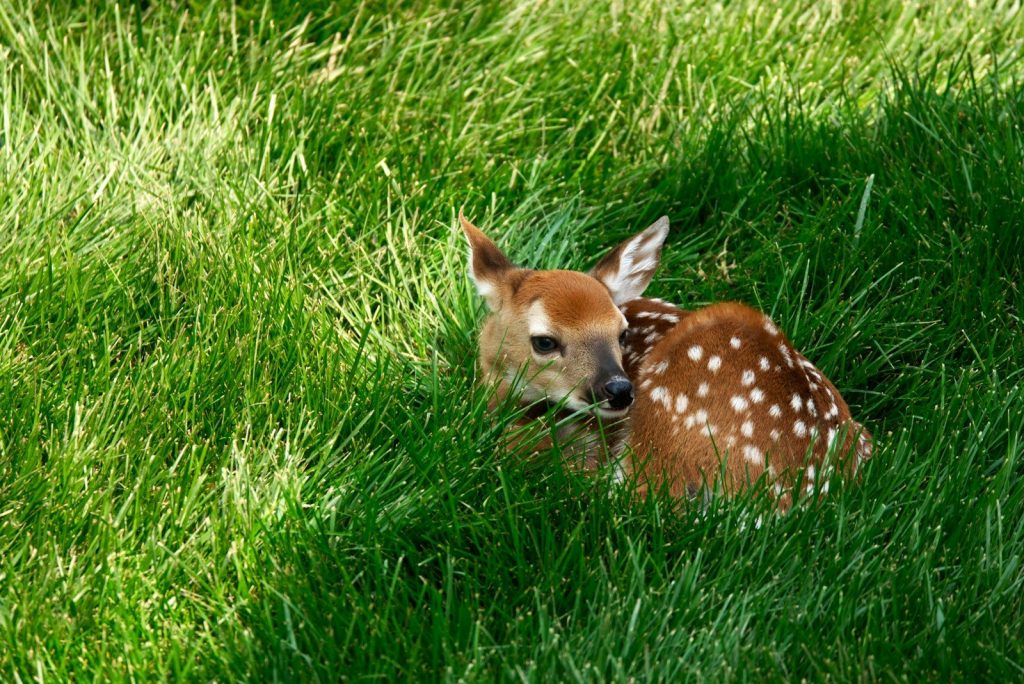
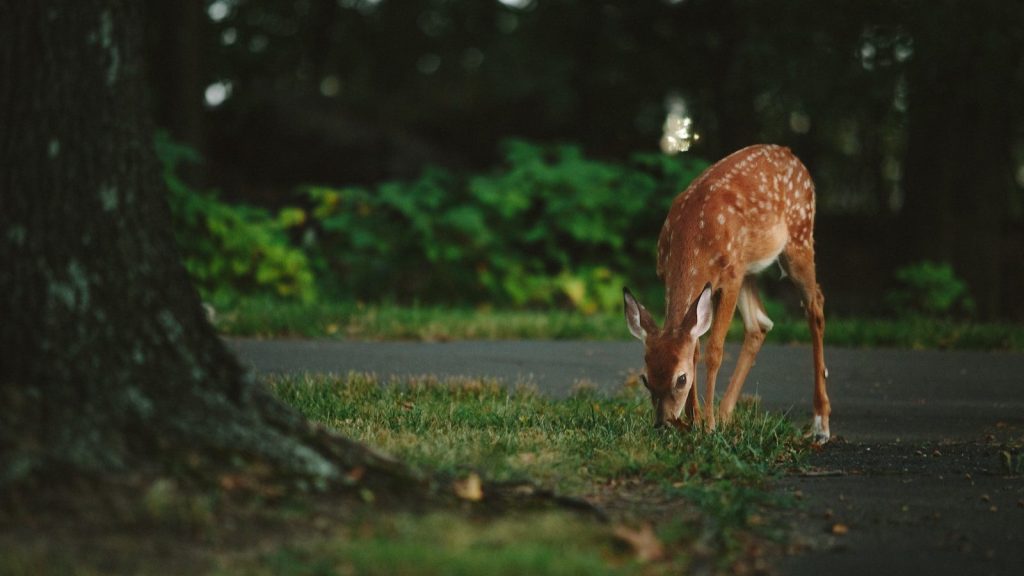
    A fawn rests peacefully in the grass.
    Photo by Nick Rizkallah on Unsplash

    Many of the rescued fawns arrive in heartbreaking condition. Some were born after their mothers were killed, while others continued trying to nurse even after losing their parents.

    Feeding the growing number of deer is a major responsibility. Byron Wortham estimates that by the end of June, he could be preparing around 100 baby bottles for the fawns at each feeding session, and repeating the process twice a day.

    A rescue home filled with many animals

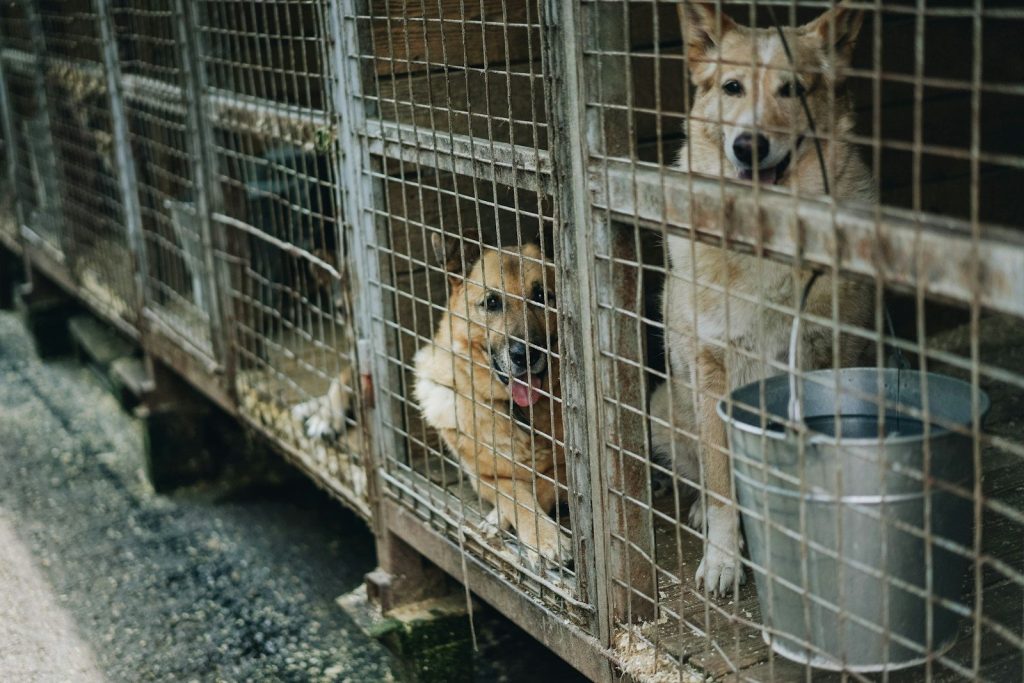
    dogs inside cages
    Photo by Sasha Sashina on Unsplash

    Although deer are a major focus, Holly’s Nest cares for a wide variety of wildlife. The rescue is home to animals ranging from baby beavers and skunks to foxes, raccoons, owls, and opossums.

    Each animal receives specialized care based on its needs. The property includes unique residents such as a one-legged duck nicknamed Pogo Stick, a barn owl named Arthur, and two macaws named Jimmy Buffet and Bruce Springsteen.

    Helping wildlife affected by human activity

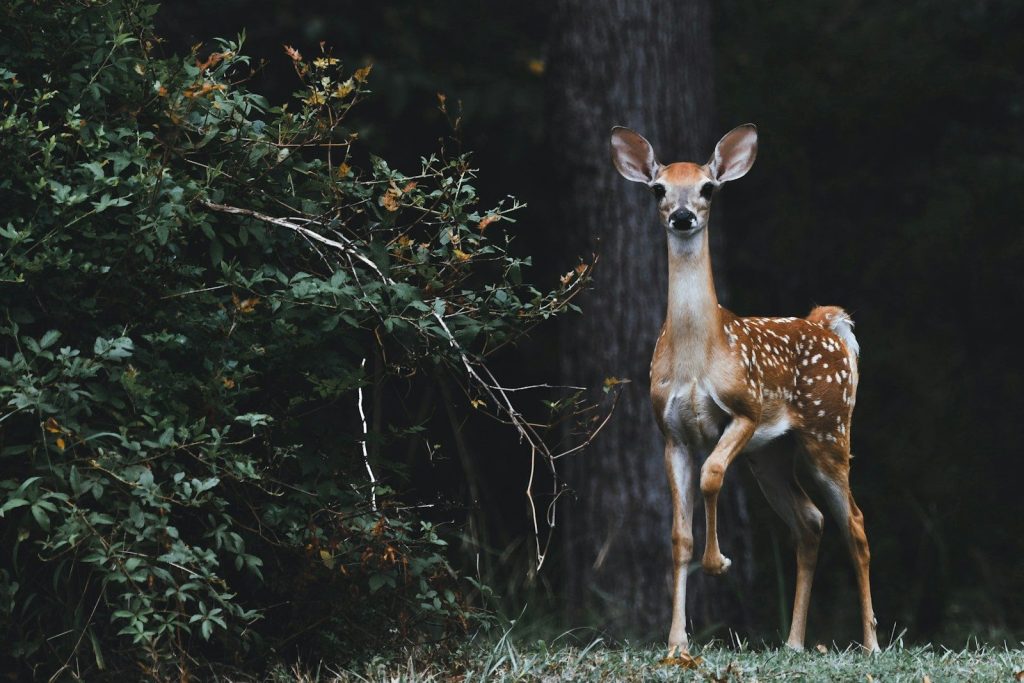
    brown deer standing near tree
    Photo by Vladimir Kudinov on Unsplash

    Byron Wortham believes that many wildlife emergencies are connected to human activity. From vehicle collisions to habitat disruption, animals often suffer because of changes to their environment.

    He encourages people to view wildlife with compassion rather than frustration. While some residents complain about deer damaging plants or appearing near roads, Wortham believes humans have a responsibility to help animals whenever possible.

    A mission inspired by family and loss

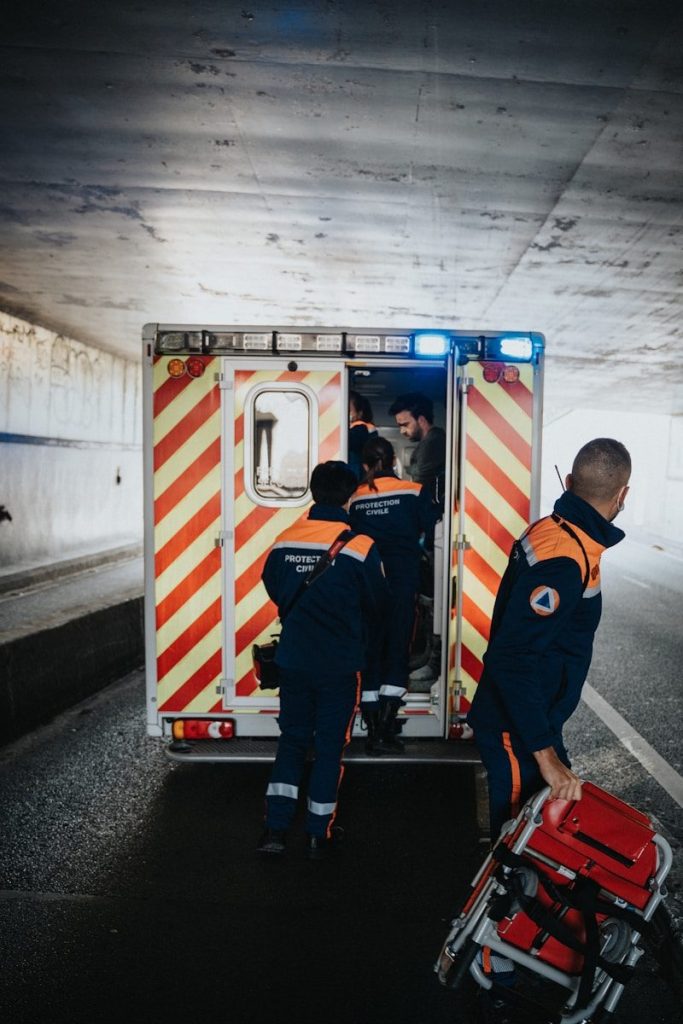
    a couple of men standing next to an ambulance
    Photo by Mathurin NAPOLY / matnapo on Unsplash

    The rescue carries deep personal meaning for Byron and Kim Wortham. In 2004, they lost their 18-year-old daughter, Holly, in a car accident, a tragedy that changed their lives forever.

    Holly loved animals, and the rescue was created to honor her memory. Through their work, the Worthams have transformed personal grief into a mission to help injured, orphaned, and displaced wildlife.

    Giving wild animals a future

    brown and black cat on green grass field during daytime
    Photo by Lori Ayre on Unsplash

    Unlike dogs and cats, most of the animals cared for at Holly’s Nest are not available for adoption. The goal is to rehabilitate them and eventually release them back into natural habitats where they can thrive.

    Support from donors and conservation partners helps make those releases possible. Large protected areas are used to return animals safely to the wild, allowing them to continue living as nature intended.

  • Stray mama dog shields her puppy from the Texas freeze until rescuers arrive

    Stray mama dog shields her puppy from the Texas freeze until rescuers arrive

    When a historic cold front swept across Texas, many people focused on protecting their families from the freezing temperatures. But for animal rescuers, another concern weighed heavily on their minds. Countless stray dogs were left outside with no shelter from the dangerous weather.

    During one rescue mission, volunteers discovered a heartbreaking scene that quickly captured the attention of animal lovers across the country. An extremely thin mother dog was found curled around her puppy, using her own body to keep him warm. Their rescue marked the beginning of an incredible journey from survival on the streets to the hope of a better future.

    A rescue mission during dangerous weather

    puppy lying with dog
    Photo by Kaemmon – on Unsplash

    As freezing temperatures spread across Texas, independent rescuers worked tirelessly to help homeless animals. Among them was Zuly Ventura Vasquez, who spent her time searching for stray dogs that might not survive the harsh conditions.

    During one of these rescue efforts, Vasquez came across a sight she could not ignore. A severely underweight mother dog was wrapped tightly around her puppy, shielding him from the cold and doing everything possible to keep him safe.

    A mother protecting her puppy

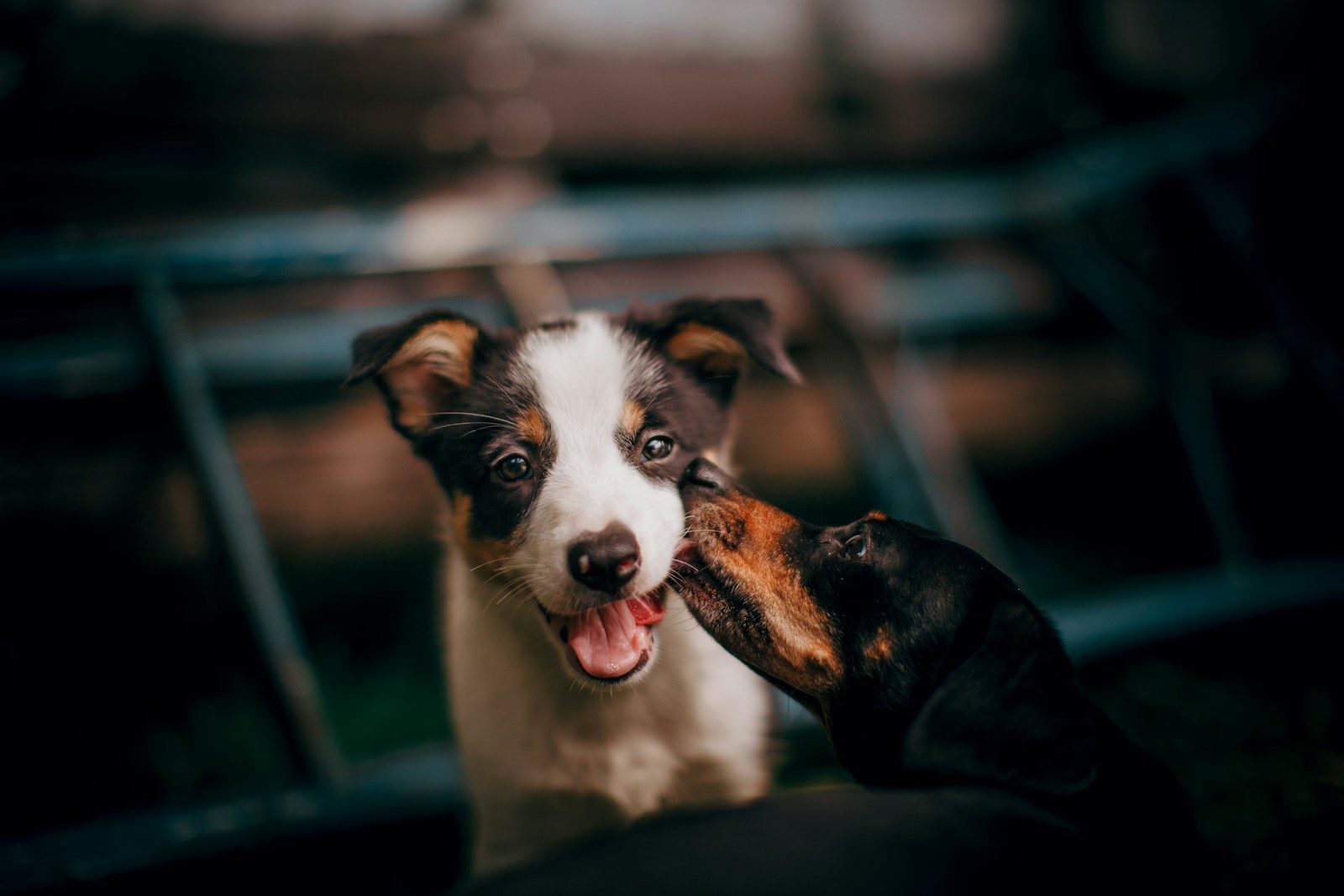
    shallow focus photography of short-coated brown and white puppy
    Photo by Jametlene Reskp on Unsplash

    The mother dog, later named Leia, was found curled around her white puppy, who would later be named Luke. Despite her own poor condition, Leia appeared focused on protecting her young pup from the freezing weather.

    Those who saw the scene immediately understood how serious the situation was. Leia was extremely thin, and rescuers feared that neither she nor Luke would survive if they remained outside much longer.

    Help arrives just in time

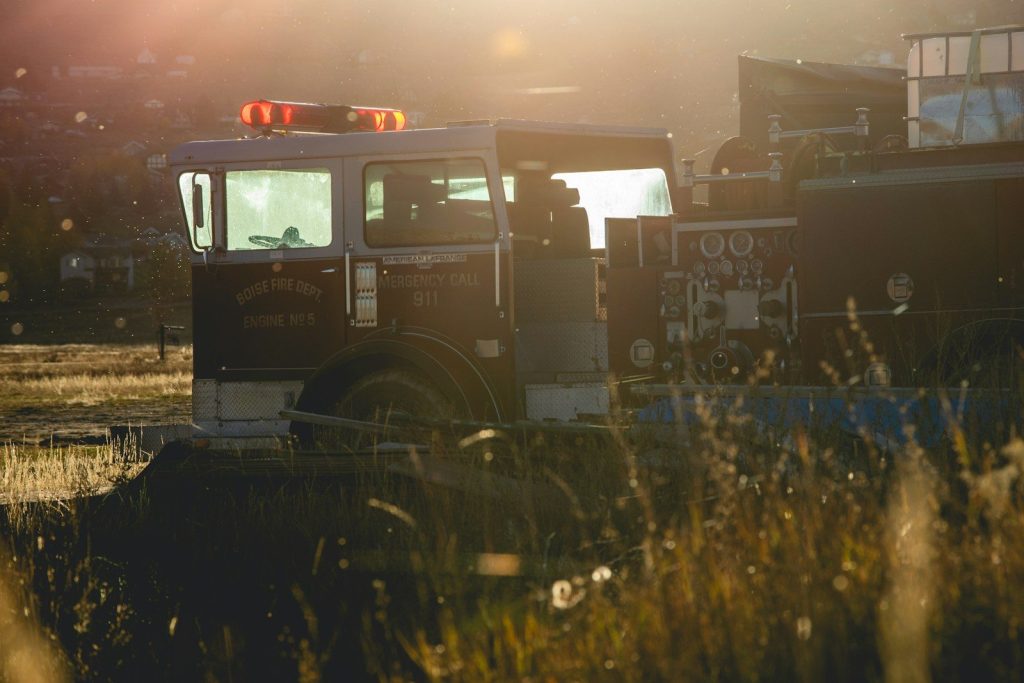
    Fire truck with flashing lights at sunset
    Photo by Paul Wuthrich on Unsplash

    After discovering the pair, Vasquez quickly contacted Houston K-911 Rescue. The rescue organization agreed to take both dogs and provide the care they urgently needed.

    Once safe, it became clear that Leia had been doing everything she could to care for Luke while living on the streets. The emotional photograph of the mother protecting her puppy soon spread online, touching people across the country.

    A new opportunity in Colorado

    selective focus photography of three brown puppies
    Photo by Anoir Chafik on Unsplash

    The story eventually reached a Colorado-based organization called Up Pup and Away. Moved by the image of Leia and Luke, the group offered to transfer them from Texas to Colorado and help them find permanent homes.

    After Leia received treatment for heartworm, the pair made the journey north. Since Luke was old enough to live independently, he and his mother were placed in separate foster homes where they could begin adjusting to a new life.

    Luke finds a forever family

    four assorted-color adult dogs
    Photo by Tatiana Rodriguez on Unsplash

    Luke’s foster family quickly fell in love with him. It did not take long for them to decide that they wanted him to become a permanent member of their household.

    His adoption marked a happy ending for the puppy who once depended entirely on his mother’s protection to survive. Luke now has the stable and loving home every rescue dog deserves.

    Leia continues her journey toward a forever home

    medium short-coated white dog
    Photo by leonides ruvalcabar on Unsplash

    Leia first went to foster caregiver Tory Shulman, who immediately saw how sweet and gentle the dog was despite her difficult past. Over time, Leia gained weight, became more confident, and learned to enjoy apartment living.

    Today, Leia remains in a foster home while waiting for the right family to adopt her. Although she is still learning to socialize with other dogs, those who know her describe her as loving, resilient, and deeply grateful for the warmth and security she now enjoys.

  • Abandoned dog came running when rescuers called her name

    Abandoned dog came running when rescuers called her name

    What would a dog do after being abandoned by the people she trusted? For one recently adopted dog, the answer surprised rescuers. Left alone in a wooded area just days after finding what should have been her forever home, the frightened dog faced an uncertain future.

    Yet when rescue workers searched for her, one familiar sound changed everything. Hearing her name being called, she ran toward the people looking for her. The emotional rescue highlights the strong bond dogs can form with humans and shows how compassion and persistence can help animals get a second chance at life.

    A promising new start suddenly ended

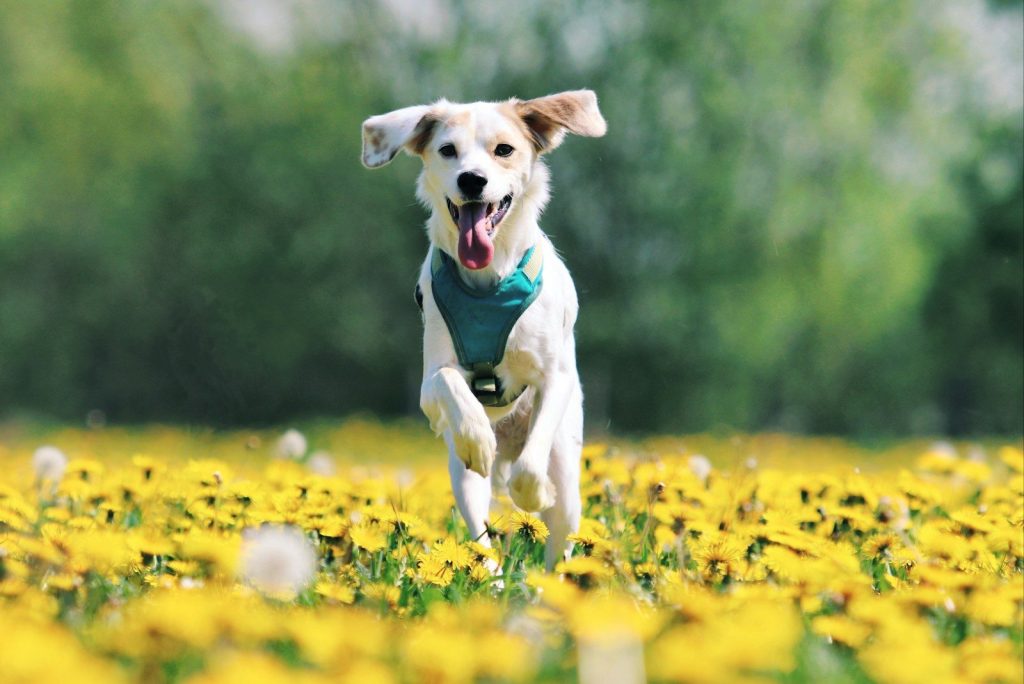
    a dog running through a field of yellow flowers
    Photo by Rafaëlla Waasdorp on Unsplash

    The dog’s story became especially sad because she had been adopted recently. What should have been the beginning of a happy new chapter quickly turned into another difficult experience.

    Only days after leaving the shelter, she was reportedly abandoned in a wooded area. For many shelter dogs, adoption marks the end of uncertainty. In this case, it became the start of another challenge.

    Rescue teams began searching for her

    Firefighter in helmet sits on a ladder truck.
    Photo by Ryleigh Henschen on Unsplash

    Finding a dog in a large outdoor area is often difficult. Frightened animals frequently hide in thick vegetation or continue moving through unfamiliar surroundings in search of safety.

    Rescuers knew they needed patience and determination. Search efforts often depend on understanding animal behavior and finding ways to make scared dogs feel comfortable enough to approach.

    One familiar word made all the difference

    person in black jacket walking on pathway between green trees during foggy weather
    Photo by jen ramona on Unsplash

    During the search, rescuers tried something simple but powerful. They began calling the dog’s name as they looked for her in the wooded area.

    Instead of running away, the dog responded immediately. Hearing her name appeared to break through her fear and confusion. She came running toward the people searching for her, allowing them to bring her to safety.

    Dogs form strong connections to voices

    person holding brown and white short coated dog
    Photo by Madeline Bowen on Unsplash

    Animal behavior experts have long observed that dogs can recognize familiar voices and words. Through daily interactions, dogs learn to associate certain sounds with comfort, attention, and positive experiences.

    A dog’s name often becomes one of the strongest signals in its life. Even during stressful situations, those learned connections can remain powerful. For this dog, hearing her name helped guide her back to safety.

    Recovery takes time and patience

    a small white and brown dog standing on top of a lush green field
    Photo by Thea Harrison on Unsplash

    Rescuing a dog is only the first step toward healing. Animals that experience abandonment or repeated changes in ownership often need time to rebuild trust and confidence.

    Rescue organizations work hard to provide stability through routine, care, and positive social interactions. Emotional recovery is just as important as meeting physical needs such as food, water, and shelter.

    A second chance at a better future

    a brown dog sitting on top of a cement floor
    Photo by Doğan Alpaslan DEMİR on Unsplash

    The rescue touched many people because it showed both the vulnerability and resilience of dogs. Despite being abandoned, this dog still chose to trust the people calling her name.

    For rescuers, the moment reinforced the importance of never giving up on animals in need. Her response likely changed the course of her life and gave her another opportunity to find the loving home she deserved.

  • These 6 protected animals can’t be legally removed from your property

    These 6 protected animals can’t be legally removed from your property

    Finding wildlife on your property can be surprising. Some people may want to move an animal right away, especially if it settles near a home, garden, or outdoor structure. However, many wild animals in the United States are protected by federal and state laws that limit what property owners can do.

    These protections help preserve wildlife populations and maintain healthy ecosystems. Understanding these rules is important because disturbing certain animals, their nests, or their habitats can lead to legal penalties. Here are six protected animals that may appear on private property, along with the reasons they are given special protection.

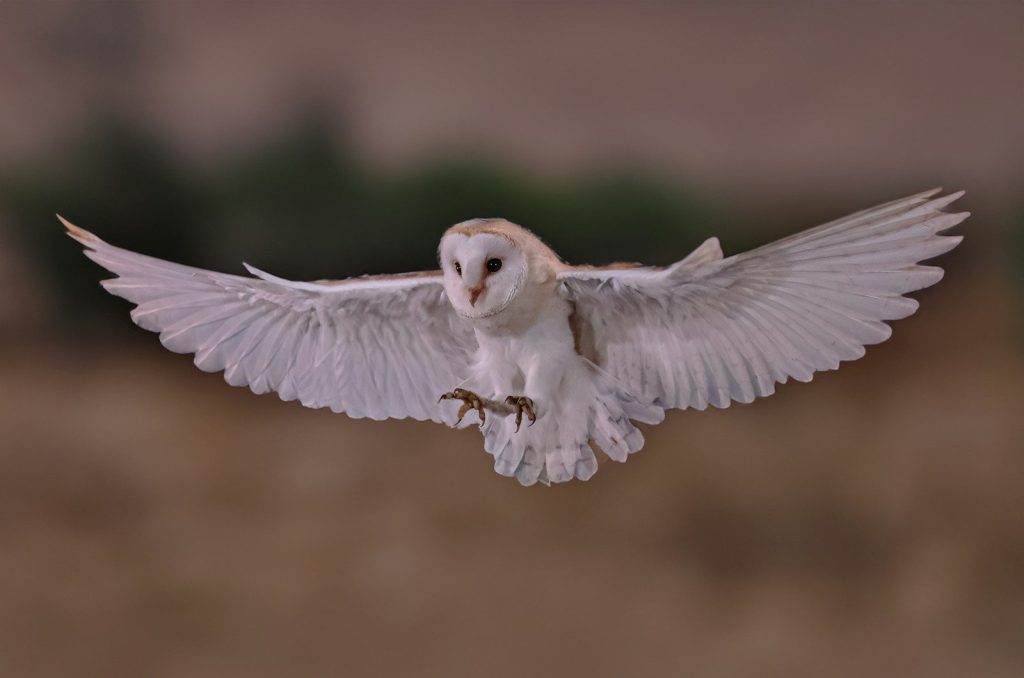
    Barn owls help control rodent populations

    a white owl is flying in the air
    Photo by Phil Robson on Unsplash

    Barn owls are highly valued for their ability to hunt mice and rats around homes, farms, and open land. Their populations have faced challenges due to habitat loss and pesticide use, prompting strong legal protections in many areas.

    Property owners cannot remove barn owls or disturb their nesting sites without proper authorization. Having barn owls nearby can be beneficial, as a single family can consume thousands of rodents during a breeding season, providing natural pest control.

    Great horned owls receive federal protection

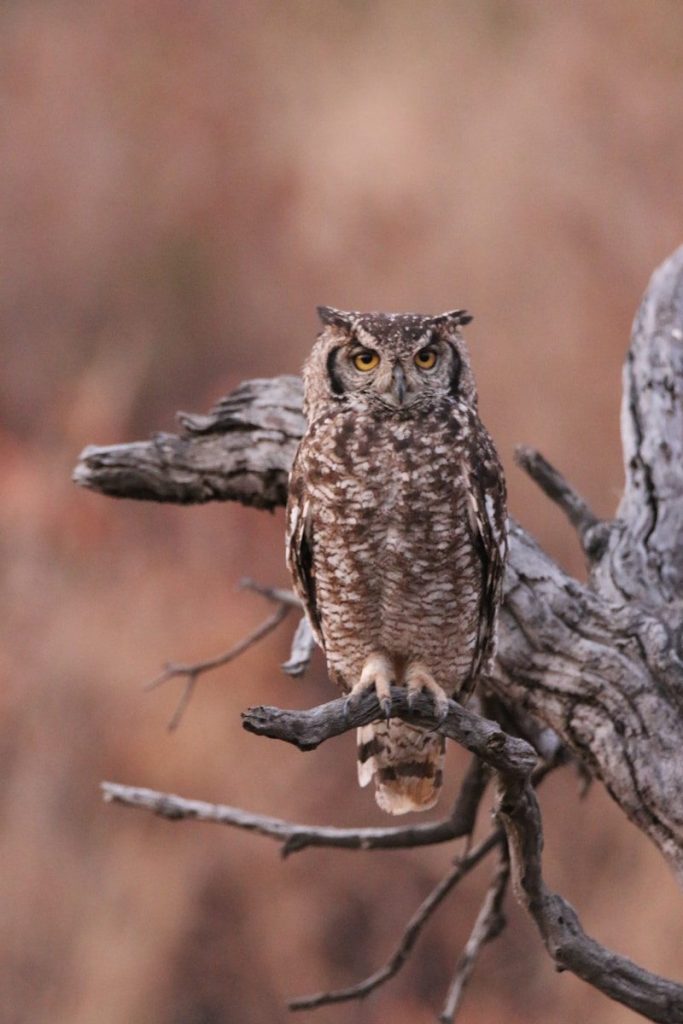
    brown owl perching on branch
    Photo by Matthew Wyche on Unsplash

    Great horned owls are protected under federal migratory bird laws. These powerful birds often live in suburban and rural areas and commonly use abandoned nests originally built by hawks or crows.

    Because they are important predators, disturbing their nests or breeding activities can result in serious legal consequences. If a great horned owl nests on a property, homeowners must allow the birds to complete their nesting cycle before the area can be disturbed.

    Monarch butterflies need safe breeding habitats

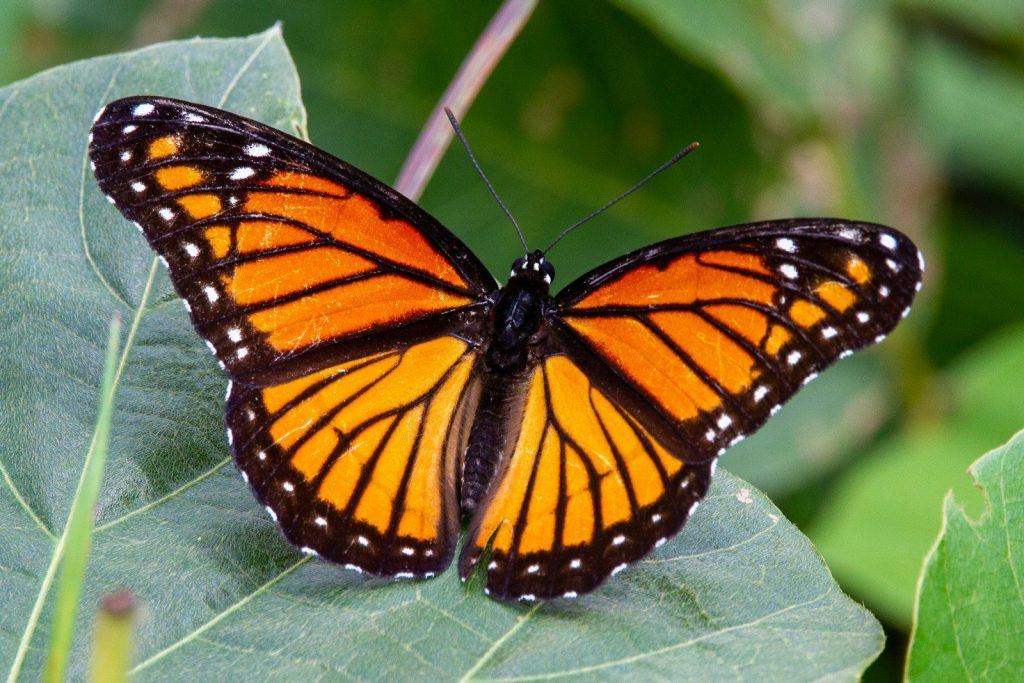
    monarch butterfly perched on green leaf
    Photo by Joshua J. Cotten on Unsplash

    Monarch butterflies have experienced significant population declines over the past few decades. As a result, several regions provide special protections for these well-known pollinators and their breeding habitats.

    These butterflies depend on milkweed plants to reproduce successfully. Destroying caterpillars or using pesticides near active breeding areas can threaten local populations. Allowing milkweed and other native plants to remain undisturbed helps support monarch survival and migration.

    Desert tortoises are a protected threatened species

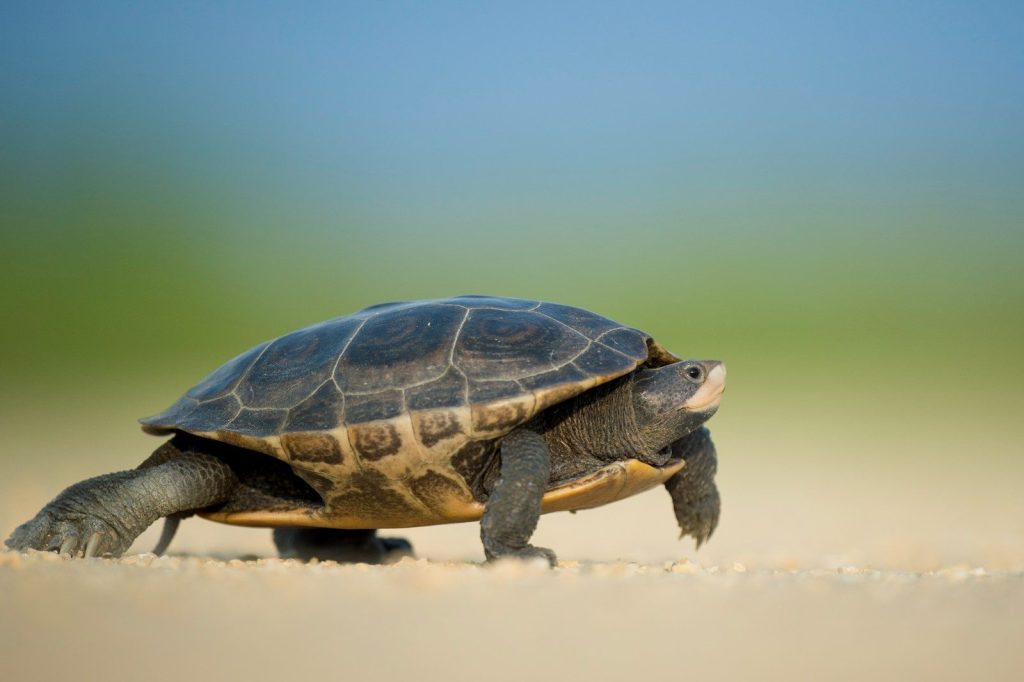
    focused photo of a sea turtle walking on the seashore
    Photo by Ray Hennessy on Unsplash

    Desert tortoises are listed as a threatened species under the Endangered Species Act. These reptiles face many environmental pressures, making legal protection necessary for their survival.

    Property owners are not allowed to touch, move, or harass wild desert tortoises. If one enters a residential area, construction or landscaping activities nearby may need to be paused until the tortoise naturally leaves. Officials closely monitor violations involving this protected species.

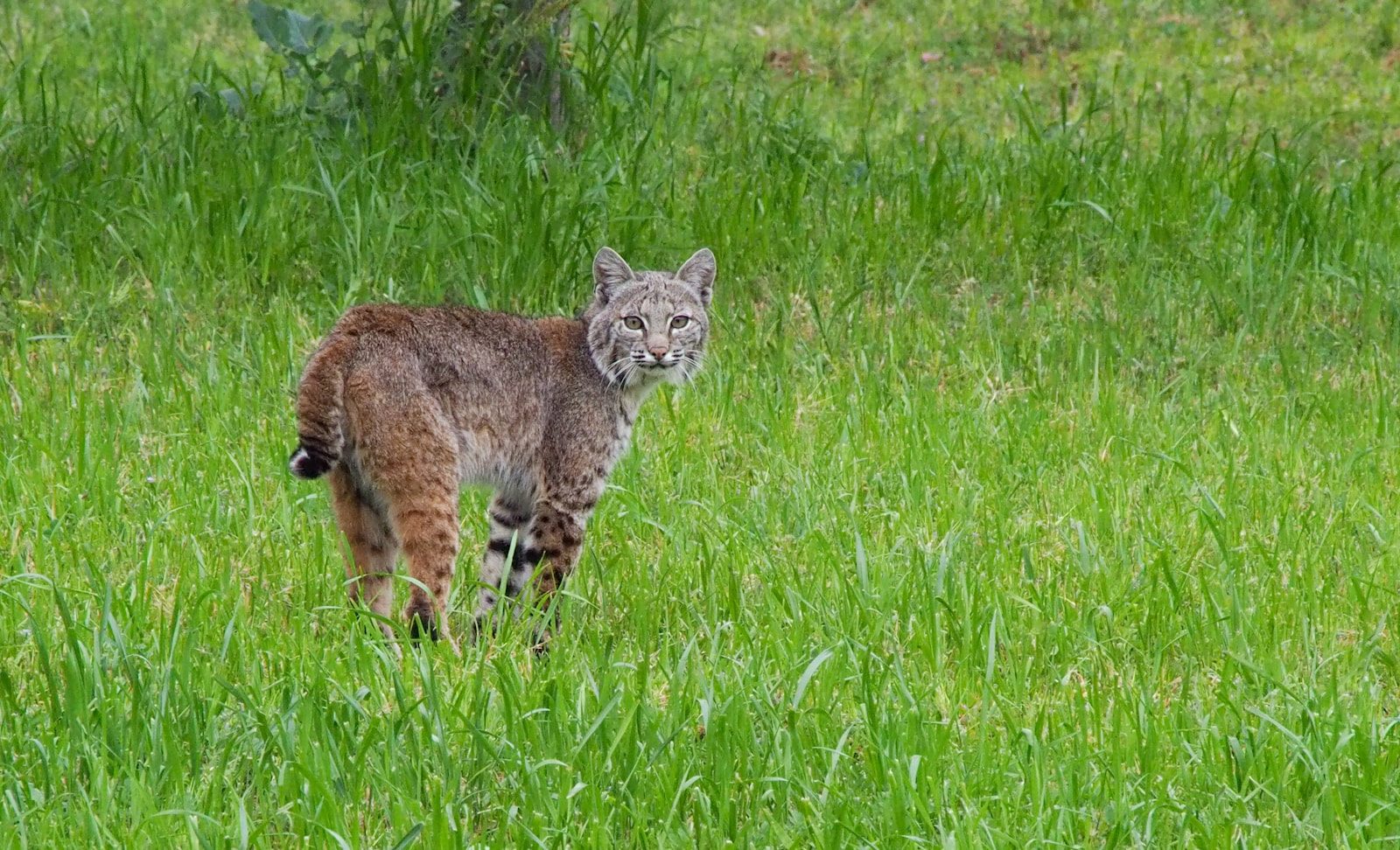
    Bobcats are regulated by wildlife laws

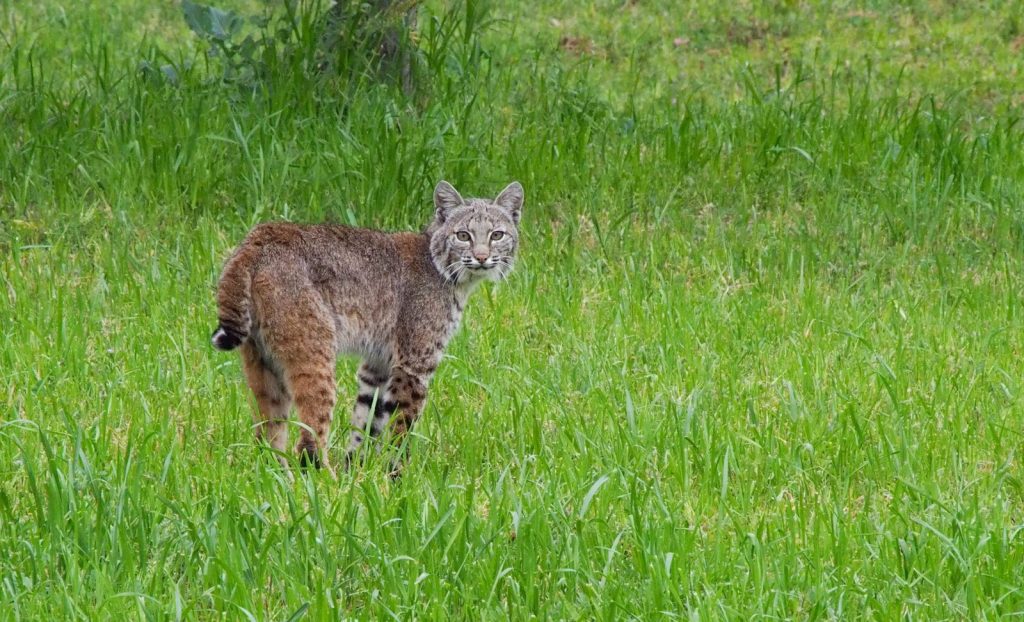
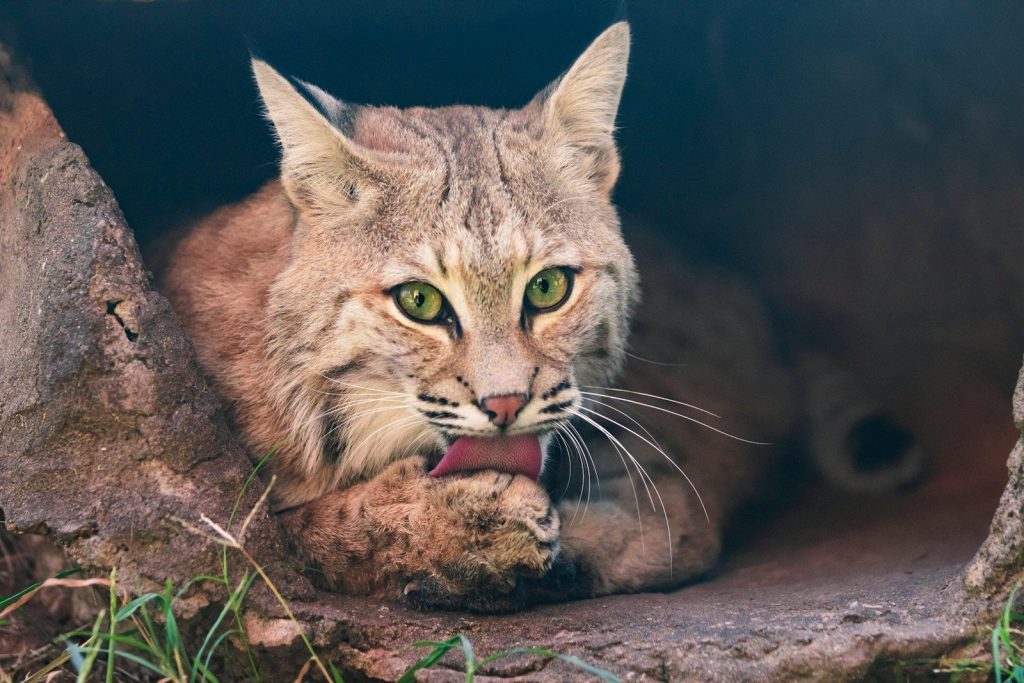
    a close up of a cat laying on the ground
    Photo by Chandler Cruttenden on Unsplash

    Bobcats are skilled predators that help control populations of rabbits, rodents, and other small animals. Although they occasionally pass through residential areas, they generally avoid direct contact with people.

    Many states strictly regulate the trapping, relocation, and handling of bobcats. Property owners who encounter one should keep pets indoors and allow the animal to move through the area naturally. In most cases, bobcats leave on their own without causing problems.

    Hummingbird nests cannot be disturbed

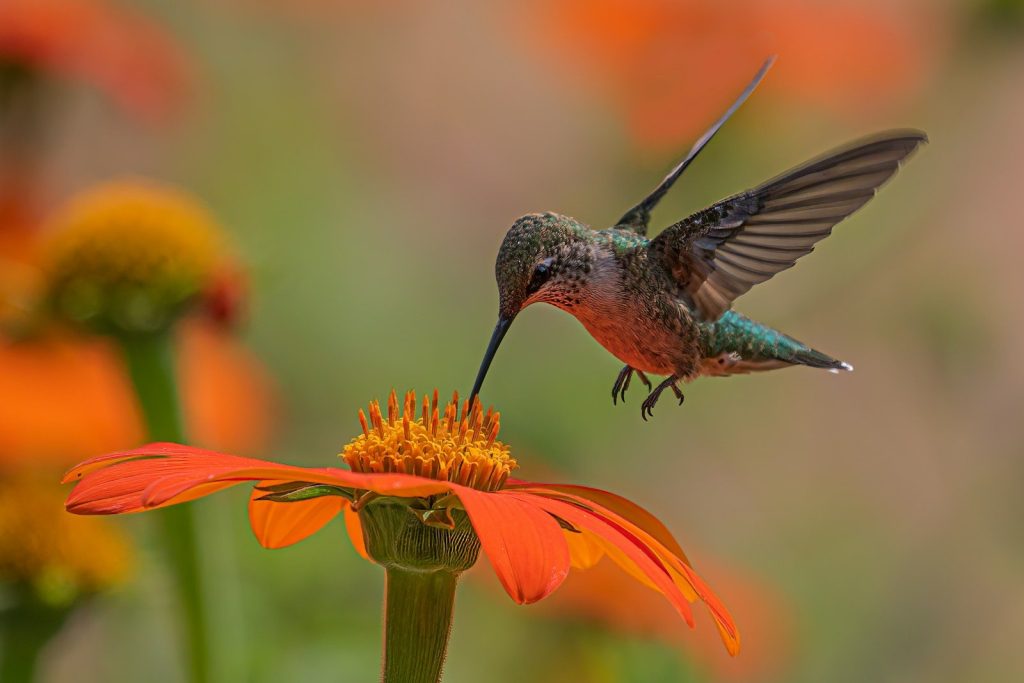
    a hummingbird hovering over an orange flower
    Photo by Dulcey Lima on Unsplash

    Hummingbirds are fully protected under federal migratory bird laws. Once a female hummingbird begins building a nest, the structure and its contents are protected from disturbance.

    Even when nests are built in inconvenient locations, such as hanging plants or porch fixtures, they must remain untouched. Moving a nest often causes the mother bird to abandon her eggs or young. Homeowners must wait until the chicks have left before removing any remaining nesting materials.

  • These 6 countries have some of the strictest pet ownership laws

    These 6 countries have some of the strictest pet ownership laws

    Animal welfare has become an important issue worldwide as governments work to prevent cruelty and improve animal lives. While many nations have laws that protect animals, some countries have gone much further by creating strict rules for pet owners, farmers, researchers, and businesses. These laws focus on reducing suffering and ensuring animals are treated with care and respect.

    Several countries have become global examples of strong animal protection policies. Here are six countries known for some of the strictest animal welfare laws and practices, along with lessons other nations can learn from their approaches.

    Austria treats animal welfare as a serious responsibility

    houses near body of water and mountain during daytime
    Photo by Hasmik Ghazaryan Olson on Unsplash

    Austria is widely recognized as one of the most animal-friendly countries in the world. The Austrian Animal Welfare Act 2004 places great importance on protecting animals and promoting their well-being. The law reflects the belief that animal welfare should be highly valued in society.

    Austria also enforces strict anti-cruelty measures. Pet owners are not allowed to crop dogs’ ears or tails, and farmers must provide better living conditions for chickens. Violators can face significant financial penalties, and in severe cases, authorities can remove animals from their owners.

    Switzerland protects the dignity of animals

    brown wooden houses near green trees and mountain under white clouds during daytime
    Photo by Patrick Robert Doyle on Unsplash

    Switzerland became the first country to include animal protection provisions in its constitution. In 1992, the nation introduced a provision recognizing and protecting the dignity of living creatures. Activities considered harmful to an animal’s dignity are prohibited by law.

    The country also recognizes that some animals are naturally social and should not be kept alone. Certain species must be kept in pairs, and dog owners are expected to learn proper pet care. Switzerland’s approach focuses not only on preventing cruelty but also on supporting animals’ emotional and social needs.

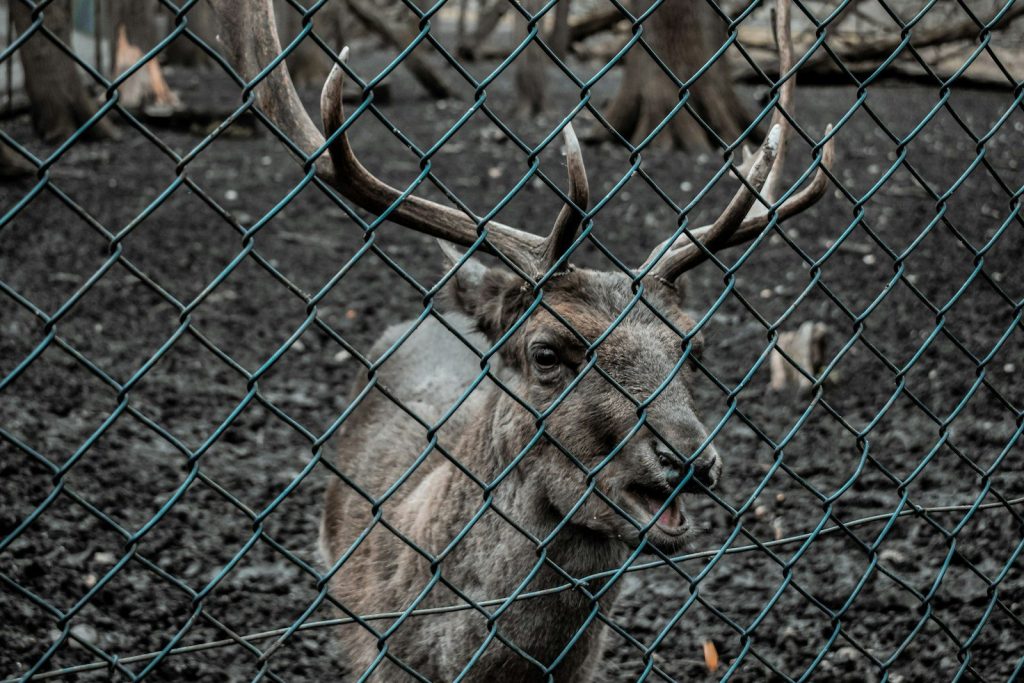
    The United Kingdom enforces tough penalties for cruelty

    a close up of a deer behind a fence
    Photo by Yajnesh Rao on Unsplash

    The United Kingdom has some of the strictest penalties for animal abuse and neglect. Its animal welfare legislation covers both intentional cruelty and failure to provide proper care.

    People convicted of serious offenses can face large fines, imprisonment, and even lifetime bans on owning pets. These strong penalties are designed to discourage mistreatment and ensure that animal welfare remains a priority nationwide.

    Germany gives animals constitutional protection

    white concrete building with flags on top under blue sky during daytime
    Photo by Maheshkumar Painam on Unsplash

    Germany became the first country in the European Union to provide constitutional protection for animals. The German Constitution states that the government has a responsibility to protect animals and the natural foundations of life for future generations.

    This constitutional recognition gives animal welfare an important place in national policy. By including animals in its highest legal framework, Germany demonstrates a long-term commitment to protecting both domestic and wild animals from harm.

    The Netherlands limits animal testing and promotes care

    body of water under white sky
    Photo by Adrien Olichon on Unsplash

    The Netherlands has developed animal welfare laws that include anti-cruelty measures and a duty of care for animals. These rules apply not only to pets but also to farm animals and other animals under human supervision.

    The country prohibits the use of great apes in experiments and adheres to European Union rules that ban cosmetic testing on animals. These measures reflect a commitment to reducing unnecessary animal suffering while encouraging responsible treatment.

    Sweden focuses on humane treatment of animals

    photo of brown high-rise building
    Photo by Raphael Andres on Unsplash

    Sweden is known for providing strong legal protection for both domestic and wild animals. The country places a strong emphasis on ensuring that animals are treated humanely throughout their lives.

    Swedish law requires domestic animals to be sedated before slaughter. Farm animals are also provided with enriched living conditions. Cattle and pigs must receive straw, while dairy animals are allowed to graze outdoors during the summer months, helping support their natural behaviors.

  • Authorities rescue fawn found confined in a dog crate in Sonoma County

    Authorities rescue fawn found confined in a dog crate in Sonoma County

    What seems like a kind act can sometimes do more harm than good when it comes to wild animals. That was the case in Sonoma County, California, where a deer fawn was rescued after being kept in a dog crate outside a home for more than three weeks. Wildlife officials say the people involved believed they were helping the young animal after finding it alone in the wild.

    However, experts explain that many fawns are not abandoned, even when they appear to be by themselves. The rescue highlights the importance of understanding wildlife behavior and knowing when to contact trained professionals.

    The report leads officers to the fawn

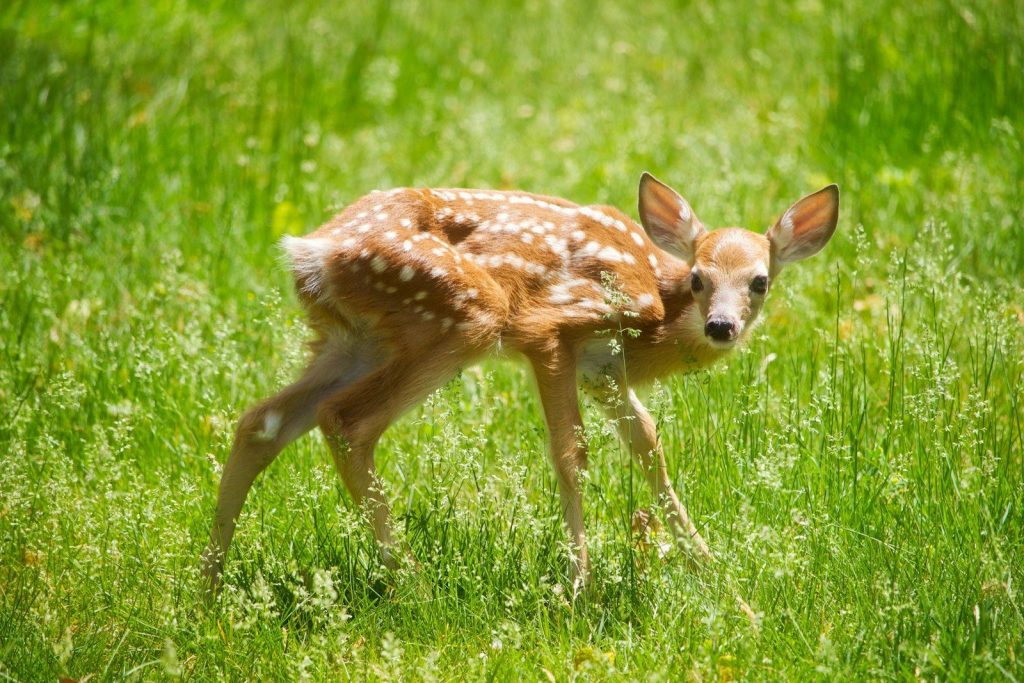
    brown and white deer on green leafed grass during daytime
    Photo by Julie Marsh 🇨🇦 on Unsplash

    The rescue began when the California Department of Fish and Wildlife received a report about a deer fawn being taken from the wild. According to officials, a group of people had allegedly removed the animal from its natural habitat and placed it in a cage.

    Wildlife Officer Cameron Blechert responded to the report and visited the location where the fawn was reportedly being kept. Upon arrival, he found the young deer confined inside an outdoor wire dog crate at a residence in Sonoma County.

    Residents admitted to keeping the animal

    beige baby deer on brown soil between green grasses at daytime
    Photo by Vincent van Zalinge on Unsplash

    According to wildlife officials, the people at the home said they had found the fawn alone in the wild. They believed the animal needed help and decided to take it home.

    The residents also acknowledged that they had been caring for the fawn for more than three weeks. While their actions may have been intended to protect the animal, keeping wildlife in captivity without authorization violates state regulations.

    Wildlife laws protect deer and other animals

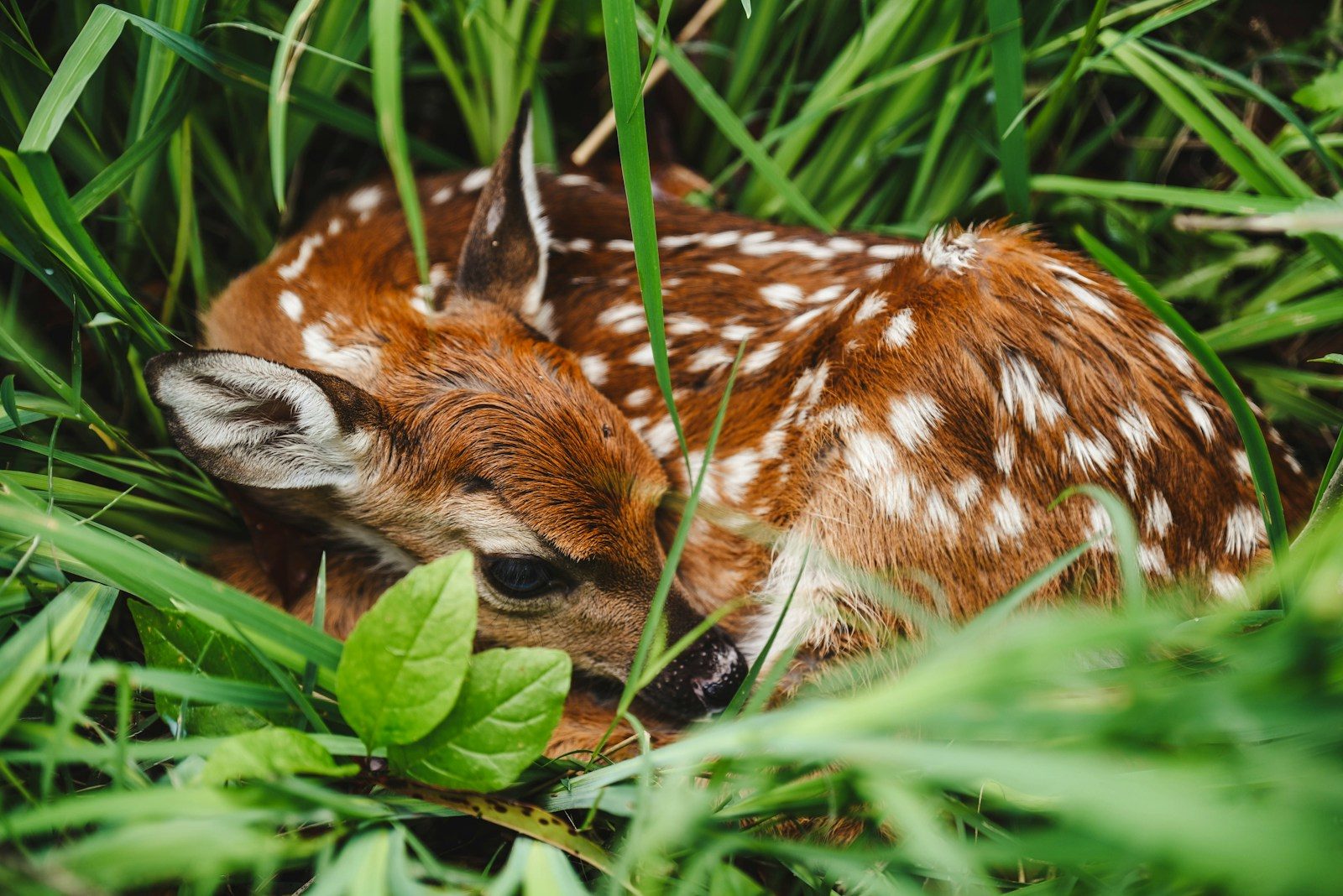
    A fawn rests peacefully in the grass.
    Photo by Nick Rizkallah on Unsplash

    Following the investigation, one of the individuals involved received a citation for unlawfully capturing and confining wildlife. California wildlife officials take these cases seriously because wild animals require specialized care and natural environments.

    The department noted that keeping deer in personal possession is illegal. Violations are considered misdemeanors and can result in penalties including fines of up to $1,000, jail time of up to 6 months, or both.

    Fawn transferred to the rehabilitation experts

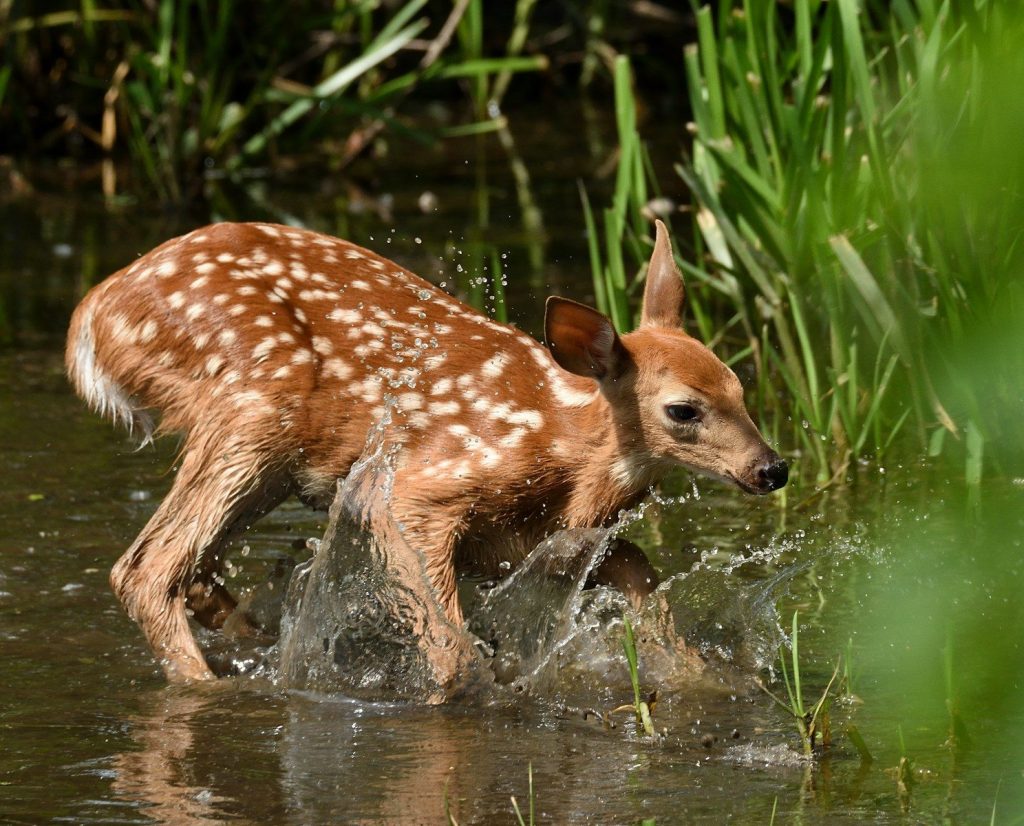
    a baby deer is walking through the water
    Photo by Alex Makarov on Unsplash

    After being removed from the property, the fawn was transported to a wildlife rehabilitation center. There, trained professionals can provide the care needed to prepare the animal for a return to the wild.

    The goal of wildlife rehabilitation is to help animals recover while limiting human contact whenever possible. Officials said the fawn will receive appropriate treatment and care before eventually being released back into its natural habitat.

    Why fawns are often left alone

    brown and white spotted deer on green grass during daytime
    Photo by Robert Woeger on Unsplash

    Wildlife experts explain that people frequently mistake normal deer behavior for abandonment. During the spring and summer months, mother deer often leave their fawns alone for extended periods while they search for food.

    According to wildlife rescue organizations, it is common for does to leave and return several times throughout the day. A fawn that appears to be alone is often exactly where it is supposed to be, waiting for its mother to return.

    Officials urge the public to call for help

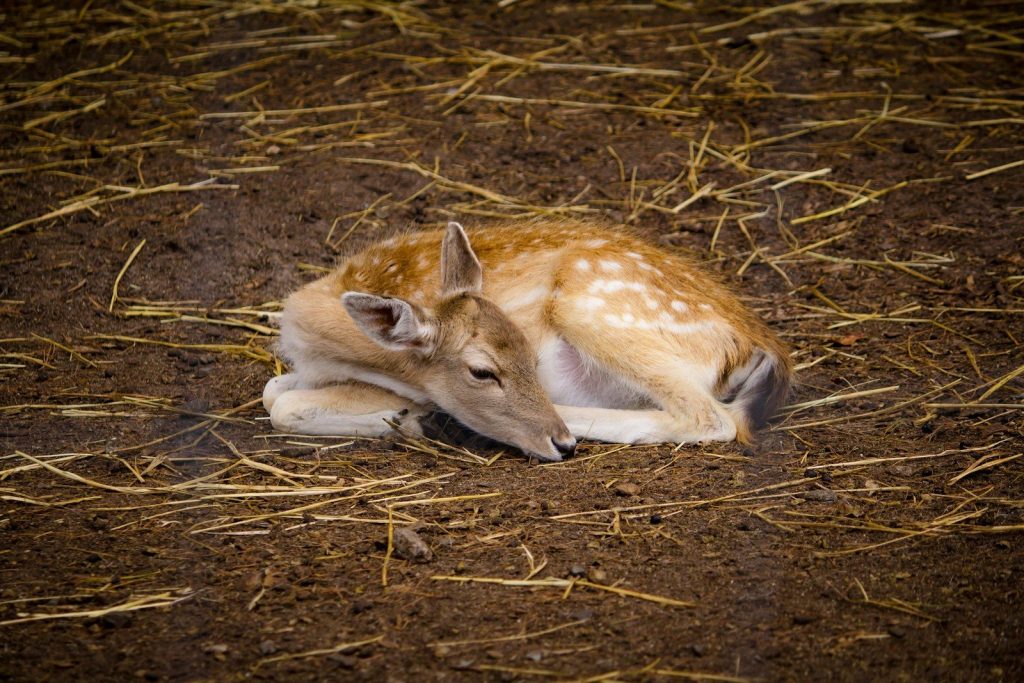
    deer lying on brown dirt soil
    Photo by Bonnie Kittle on Unsplash

    The California Department of Fish and Wildlife and wildlife rehabilitation groups encourage residents to avoid touching or moving fawns they encounter. Human intervention can sometimes create additional risks for young wildlife.

    If someone is concerned that a fawn is injured, sick, or truly orphaned, experts recommend contacting wildlife professionals immediately. Trained specialists can assess the situation and determine whether assistance is actually needed.

  • Shelter dog who spent 7 years waiting finally finds a family

    Shelter dog who spent 7 years waiting finally finds a family

    How long would you wait for a dream to come true? For a shelter dog named Gizmo, that wait lasted more than seven years. While many dogs quickly find homes, Gizmo spent his entire youth in a shelter, watching people come and go while hoping his turn would finally arrive.

    His story recently touched thousands of animal lovers online after volunteers shared the news they had been waiting years to announce. After more than 2,600 days in a shelter, Gizmo was finally adopted. His journey is a reminder that even dogs who wait the longest can still find the loving family they deserve.

    Gizmo spent most of his life waiting

    fawn pup on red and white textile
    Photo by Markus Winkler on Unsplash

    Gizmo first arrived at the shelter as a small puppy. Like many young dogs, he needed care, attention, and a family to help him grow. Instead, he spent year after year living in the shelter while other animals came and went.

    As time passed, Gizmo became one of the shelter’s longest-term residents. Volunteers watched him grow from a playful puppy into an adult dog, always hoping that someone would eventually choose him. Sadly, that moment took much longer than anyone expected.

    The announcement volunteers dreamed of sharing

    a brown and white dog behind a metal fence
    Photo by 12photostory on Unsplash

    The update was shared by Helping Forgotten Paws and quickly caught the attention of animal lovers online. The reason was simple but powerful. Gizmo had finally been adopted after spending more than seven years at the shelter.

    According to the volunteer who shared the story, Gizmo recently left the facility for the final time. His days of kennel walls, shelter routines, and waiting for visitors were finally over. Instead, he was heading toward a new life with a family of his own.

    A heartbreaking beginning

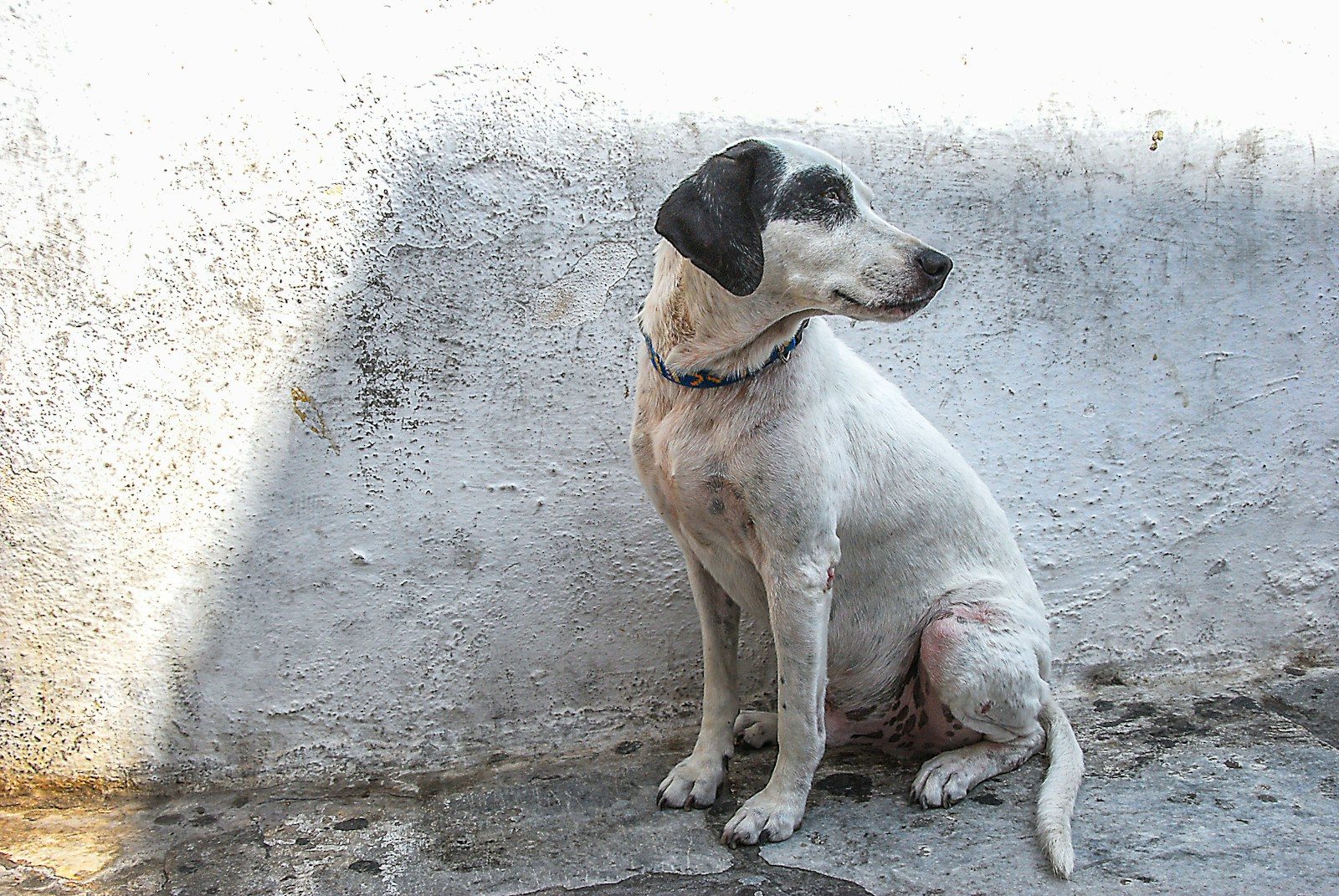
    a brown and white dog sitting on top of a cement floor
    Photo by Bruno Souza on Unsplash

    Gizmo’s story becomes even more emotional when looking back at how it started. Volunteers later learned that he arrived at the shelter alongside three siblings when they were all puppies.

    Unfortunately, none of his siblings ever found permanent homes. While that part of the story is difficult to hear, Gizmo now carries their memory forward. His adoption represents the happy ending that volunteers had hoped for all of them.

    The life Gizmo always deserved

    black dog on brown wooden armchair
    Photo by Alice Dote on Unsplash

    After waiting more than 2,600 days, Gizmo finally has something many dogs take for granted. He now has a place where he belongs and people who will care for him every day.

    His future will be filled with comforts that were missing during his years in the shelter. He can relax on couches, enjoy familiar surroundings, and greet the same loving faces each day. Most importantly, he now has a home that is truly his.

    Animal lovers celebrate the happy news

    brown and white short coated dog
    Photo by Cierra Voelkl on Unsplash

    The adoption news quickly spread across social media. Many people shared messages of support, happiness, and relief after learning that Gizmo had finally found a family.

    One commenter said they were beyond relieved and excited for him. Another thanked the adopters for giving him a chance after so many years. The emotional response showed just how deeply people connected with Gizmo’s journey.

    A reminder about long-term shelter pets

    white and black short coat medium sized dog
    Photo by Sonya Brady on Unsplash

    For many dogs, adoption happens early in life. Their stories often begin when they arrive in a new home. Gizmo’s journey was different because it took seven years for that chapter to begin.

    Volunteers hope his story will encourage people to think about other long-term shelter residents still waiting for families. Many animals continue to spend months or years in shelters, hoping someone will give them the same opportunity that finally came for Gizmo.

  • A faint meow led a Long Island woman to a cat abandoned on the roadside

    A faint meow led a Long Island woman to a cat abandoned on the roadside

    What would you do if you spotted a pet carrier sitting alone on the side of the road? That question became very real for one Long Island, New York, resident on May 12 when she noticed an unusual box near a stop sign. At first, she drove past it. But something did not feel right. Trusting her instincts, she returned with her son to take a closer look.

    What they found inside the carrier would lead to a rescue effort, an investigation, and a hopeful new beginning for a cat named Mittens. This story shows how one small act of kindness changed the future of an abandoned pet.

    A strange sight on a quiet road

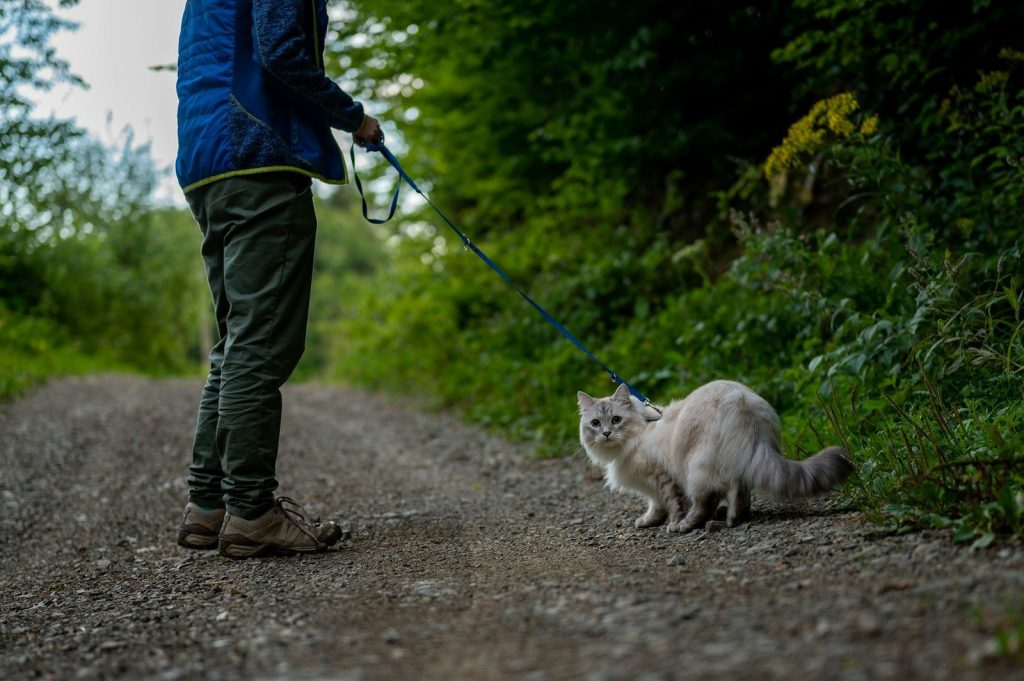
    a person walking a cat on a leash
    Photo by Piotr Musioł on Unsplash

    The day began like any other for a woman driving home on Long Island. As she approached a stop sign, she noticed a pet carrier sitting by the roadside. It looked out of place, but she continued driving.

    A few minutes later, she could not stop thinking about it. The image stayed in her mind, and she decided to turn around and investigate. She brought her son along as they walked toward the carrier to see what was inside.

    A shocking discovery inside the carrier

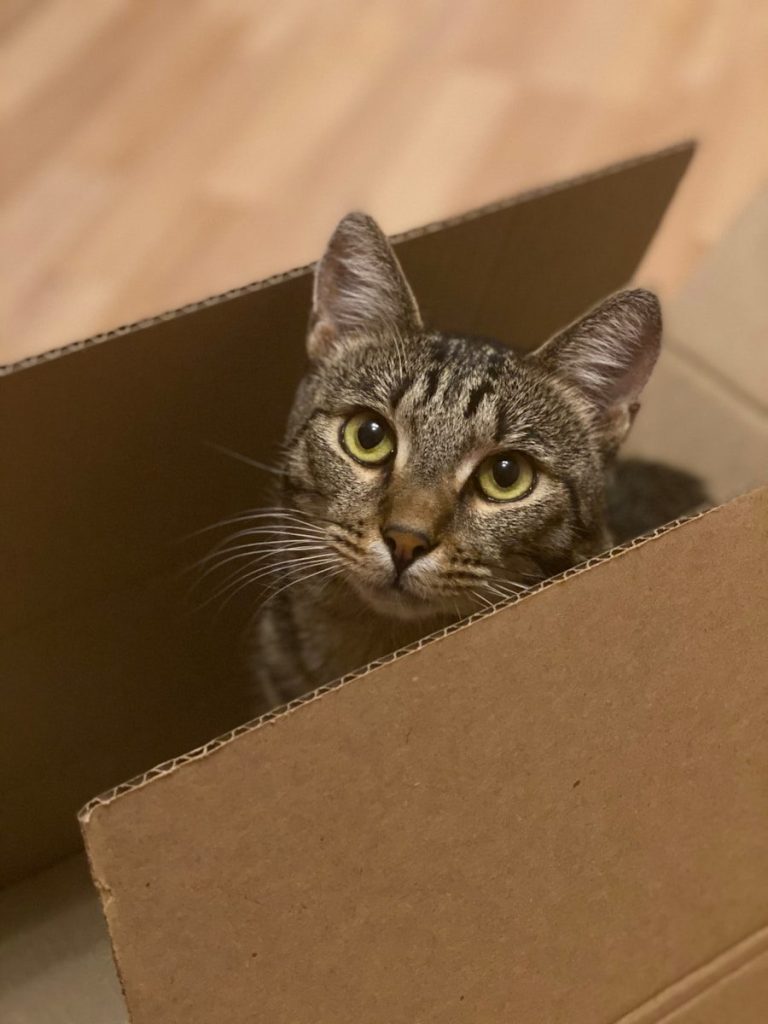
    silver tabby cat in brown cardboard box
    Photo by mary rabbit on Unsplash

    As the pair got closer, they heard a faint meow coming from inside the box. The sound confirmed their fears that an animal had been left behind. They carefully approached the carrier and looked inside.

    There, they found a 4-year-old cat named Mittens. The cat had been left without food or water during an unusually hot period in the area. No one knew how long she had been sitting there alone, exposed to the heat and waiting for help.

    The note that broke rescuers’ hearts

    yellow sticky notes on white wall
    Photo by Paper Textures on Unsplash

    Attached to the carrier door was a handwritten note. A small cross made of black beads had also been taped to the front. The message provided details about Mittens and described her as an extremely affectionate cat.

    The note revealed that Mittens had been born in Kentucky and ended with a simple but emotional request. It asked whoever found her to please take care of her. For rescuers, the message suggested that the person who left her behind may have been facing a difficult situation.

    Rescue volunteers step in to help

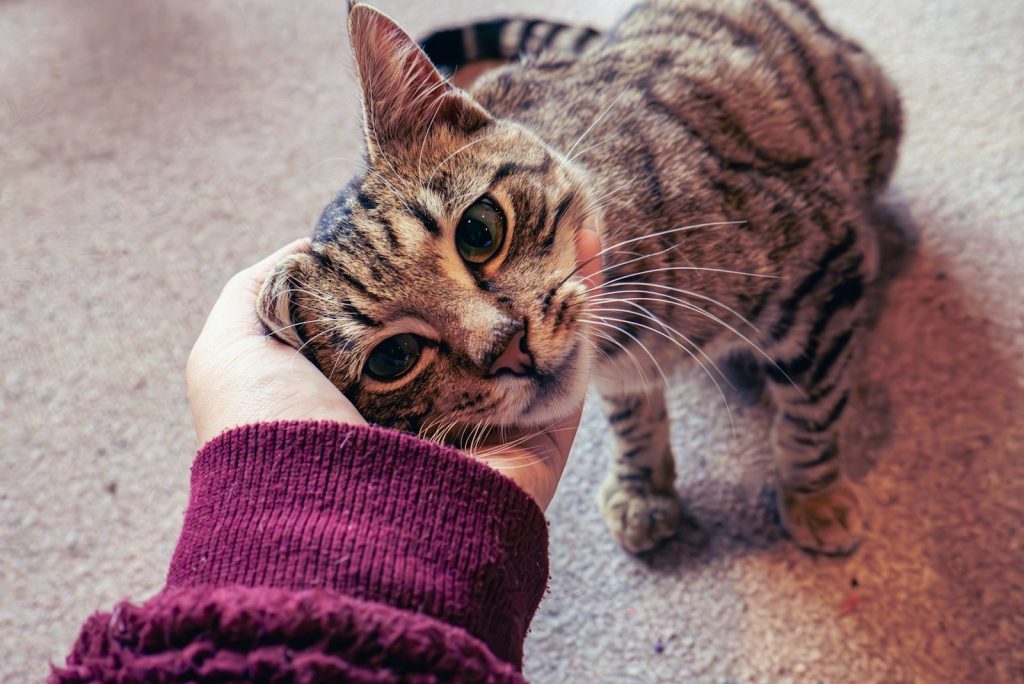
    a cat being pet by a hand
    Photo by Nicholas Ng on Unsplash

    After being discovered, Mittens was quickly taken to safety. One of the first things she did was drink water. She appeared thirsty after spending an unknown amount of time inside the carrier.

    The cat was then placed with a foster family through the Northport Cat Rescue Association. According to rescue director Lora Wild, no one knows exactly how long Mittens had been abandoned. She explained that the cat could have been there for only a few hours or for several days.

    Mittens shows her loving personality

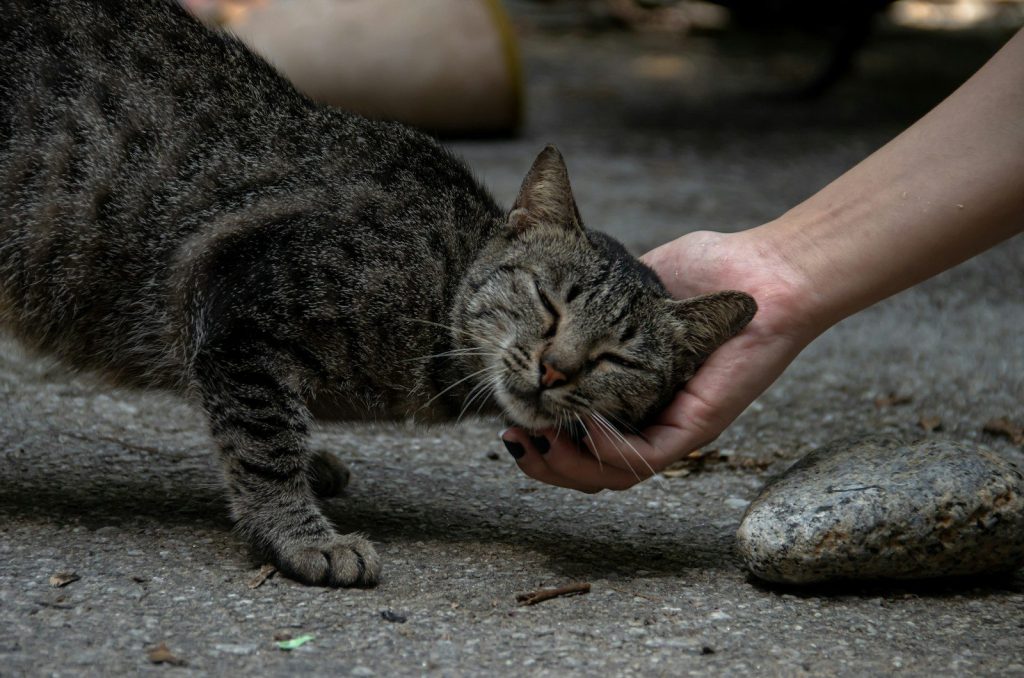
    a person petting a cat on the nose
    Photo by Katelyn G on Unsplash

    Despite everything she had been through, Mittens remained friendly and affectionate. Instead of showing fear or aggression, she welcomed attention from the people caring for her. Her gentle behavior impressed everyone she met.

    The cat quickly became known for seeking cuddles and giving soft headbutts to visitors. Her sweet personality made it clear why the note described her as loving. Even after her difficult experience, she continued to trust people and enjoy their company.

    A hopeful future awaits Mittens

    short-fur white and brown cat close-up photography
    Photo by Thanh Soledas on Unsplash

    Lora Wild believes the abandonment may have been driven by desperation rather than a lack of love. She said that whoever owned Mittens appeared to care deeply about her. At the same time, she stressed that abandoning an animal is a crime and that safer options exist through rescue organizations.

    During a veterinary examination, volunteers discovered a unique marking on Mittens. She has a patch of white fur on her belly shaped like a perfect heart. Now fully vaccinated and medically cleared, she is ready for adoption. Friendly with children and dogs, Mittens is waiting for a forever family who can help her begin a happier chapter of her life.