Blog

  • Chihuahua adopted after owner’s death leaves family convinced he thinks he’s a cat

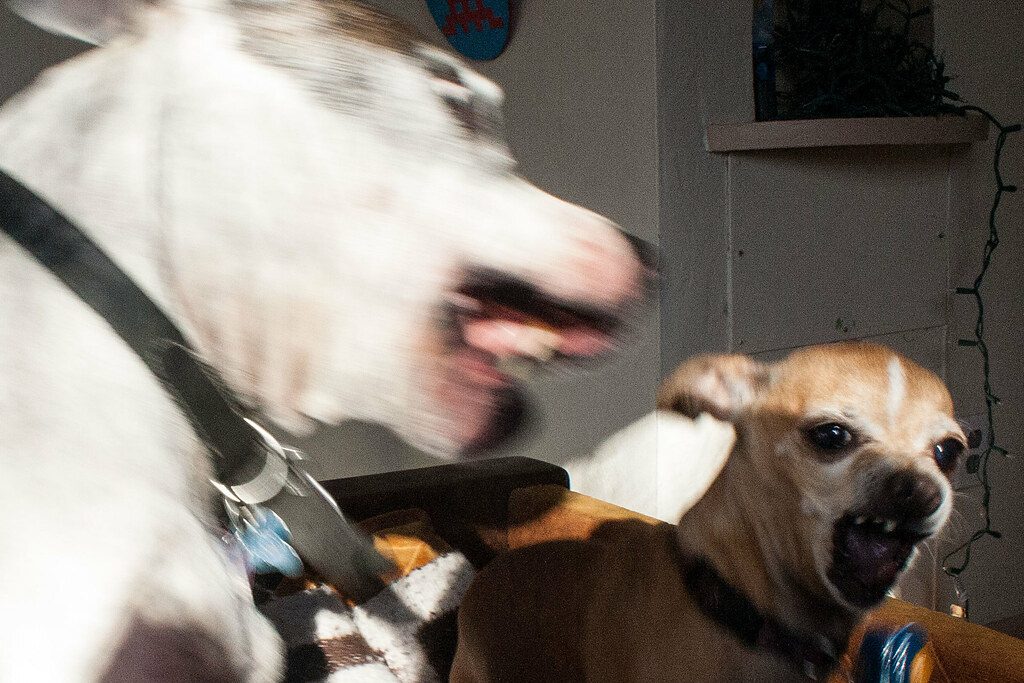
    Chihuahua adopted after owner’s death leaves family convinced he thinks he’s a cat

    Have you ever wanted an unusual pet that stands out from the crowd? Many people are attracted to exotic animals because they look unique or seem exciting to own. However, not every animal can legally be kept as a pet in the United States. Different states have laws that restrict or ban certain animals for safety, health, and environmental reasons.

    This article explores six illegal pets in the United States and explains why they are restricted in many places. By learning about these animals and the challenges they present, you can better understand the importance of checking local laws before bringing home an exotic pet.

    Hedgehogs are illegal in many states
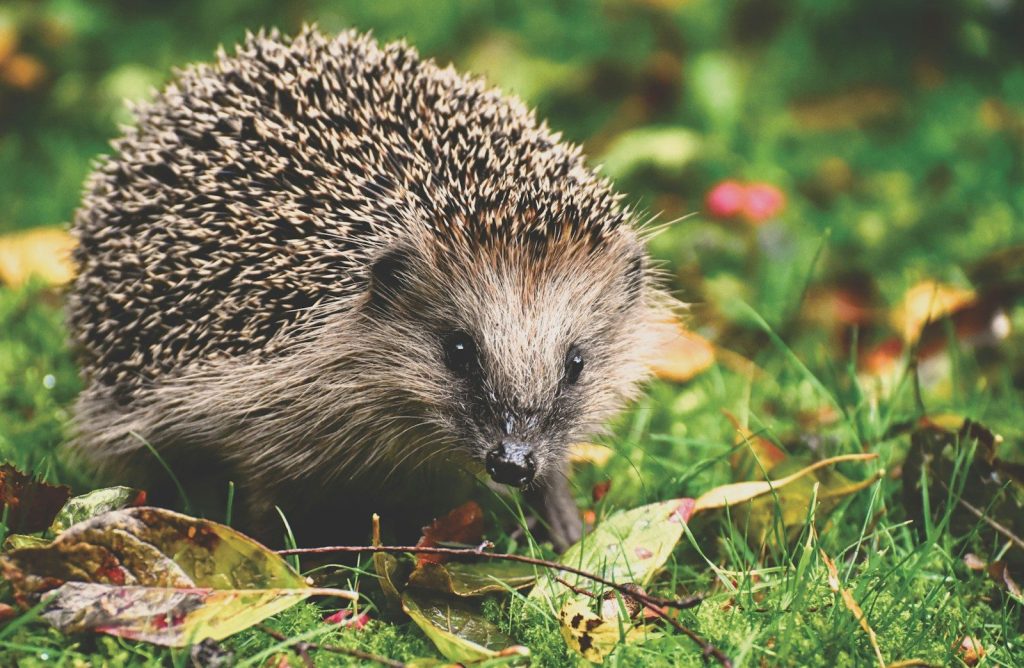
    black and white hedgehog on green and red leaves
    Photo by Alexas_Fotos on Unsplash

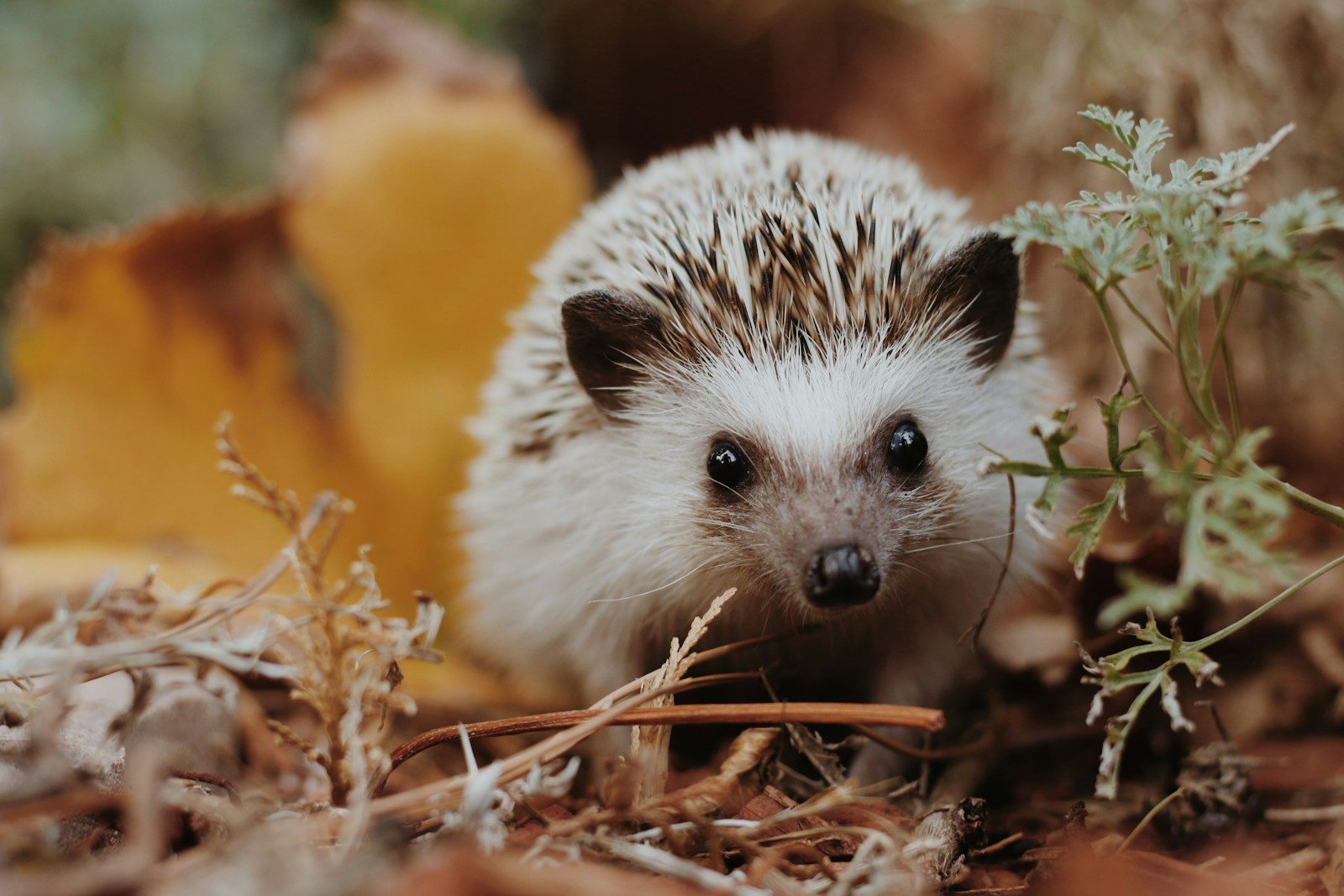
    Hedgehogs are small animals known for their sharp spines. They may look cute and easy to care for, which is why many people consider them pets. However, they are illegal to own in several states, including California, Hawaii, Georgia, and Pennsylvania. Some cities, such as Washington, D.C., and New York City, also prohibit ownership.

    One reason for these restrictions is the health concerns linked to hedgehogs. They are also nocturnal animals, which means they are most active at night. Their nighttime activity can make them noisy pets, and they may be difficult to handle when frightened because they curl into a tight ball covered in spines.

    Ferrets face restrictions across the country
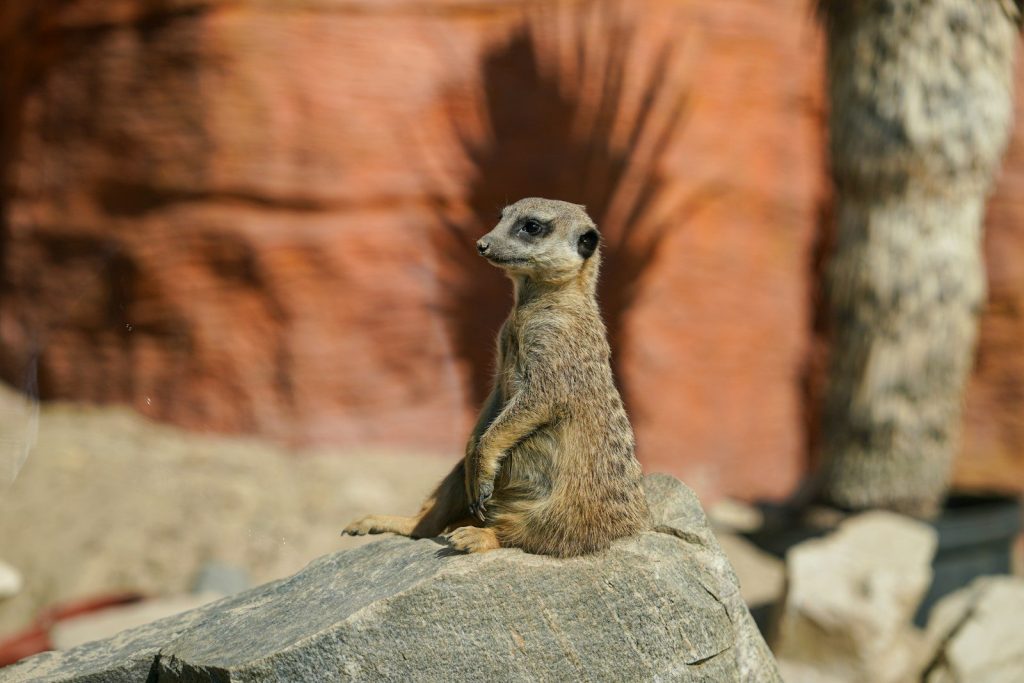
    A small meerkat sitting on top of a rock
    Photo by Zosia Szopka on Unsplash

    Ferrets have been kept as pets for many years, but they are still illegal in some states and cities. California and Hawaii are among the places where ferret ownership is banned. Cities such as Washington, D.C., and New York City also have restrictions on these animals.

    A major concern is that ferrets are skilled escape artists. If they get loose, they could affect local ecosystems. Ferrets may also bite when they feel threatened, want attention, or experience changes in their environment. In addition, they require regular care because they can develop a strong musky smell that many people find unpleasant.

    Monkeys can be difficult to control
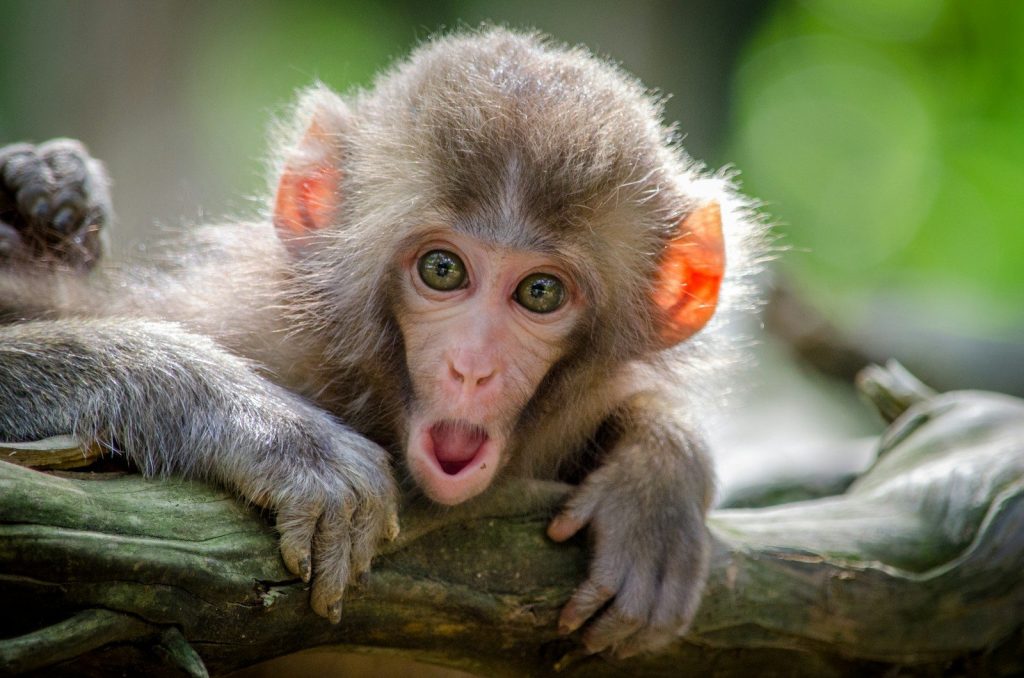
    brown coated monkey on branch
    Photo by Jamie Haughton on Unsplash

    Many people are fascinated by monkeys because of their intelligence and human-like behavior. Even so, owning a monkey is illegal in many states across the United States. Some states have complete bans, while others require strict permits and special qualifications.

    Monkeys often form strong bonds with one person and may view others as threats. They can become aggressive and may bite or scratch when they feel uncomfortable. Monkeys can also be messy and difficult to manage in a home setting. Since some monkeys can live for up to 40 years, caring for one is a very long-term commitment.

    Sugar gliders require special care
    brown and white dog on brown fur textile
    Photo by Henry Lai on Unsplash

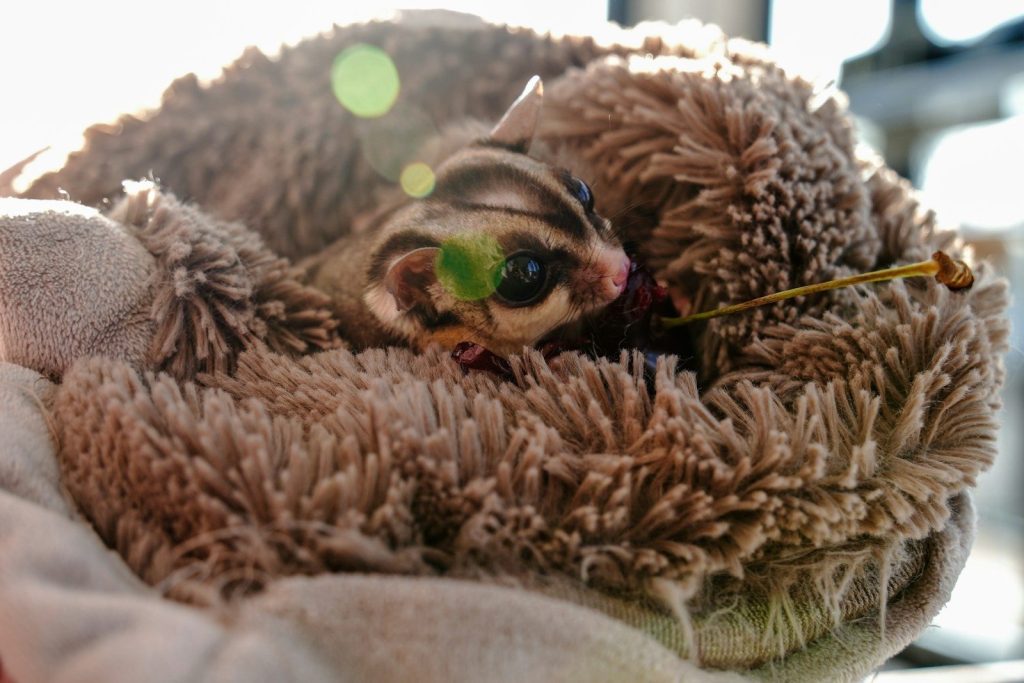
    Sugar gliders have become increasingly popular because of their small size and playful appearance. Despite their popularity, they are illegal in states such as Alaska, California, Hawaii, and Pennsylvania. Some cities also restrict ownership.

    These animals are nocturnal and prefer a dark environment during the day. Their diet can be difficult to maintain because they need specialized food and drinks. Another challenge is finding proper veterinary care, as many veterinarians do not treat sugar gliders. These factors make them difficult pets for many owners.

    Bengals remain restricted in many areas
    short-fur orange and black cat
    Photo by Caleb Woods on Unsplash

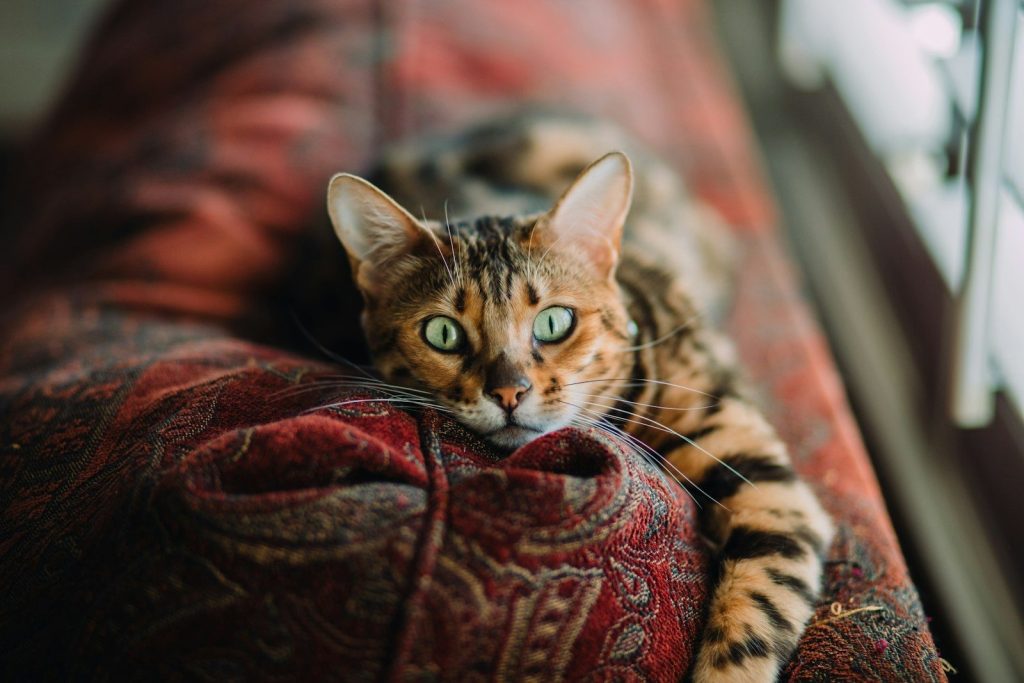
    Bengals are hybrid cats created by breeding wild Bengal tigers with domestic cats. Because of their connection to wild ancestors, ownership is restricted or illegal in many states. Some locations only allow Bengals that are several generations removed from their wild lineage.

    Many Bengals are energetic and require significant attention. Some are bred in facilities that provide minimal care, which can lead to health and behavior problems. While they may look similar to domestic cats, they often have needs and behaviors that are much harder to manage than those of a typical household pet.

    Zebras are not truly domesticated
    zebra in Savanna
    Photo by Ron Dauphin on Unsplash

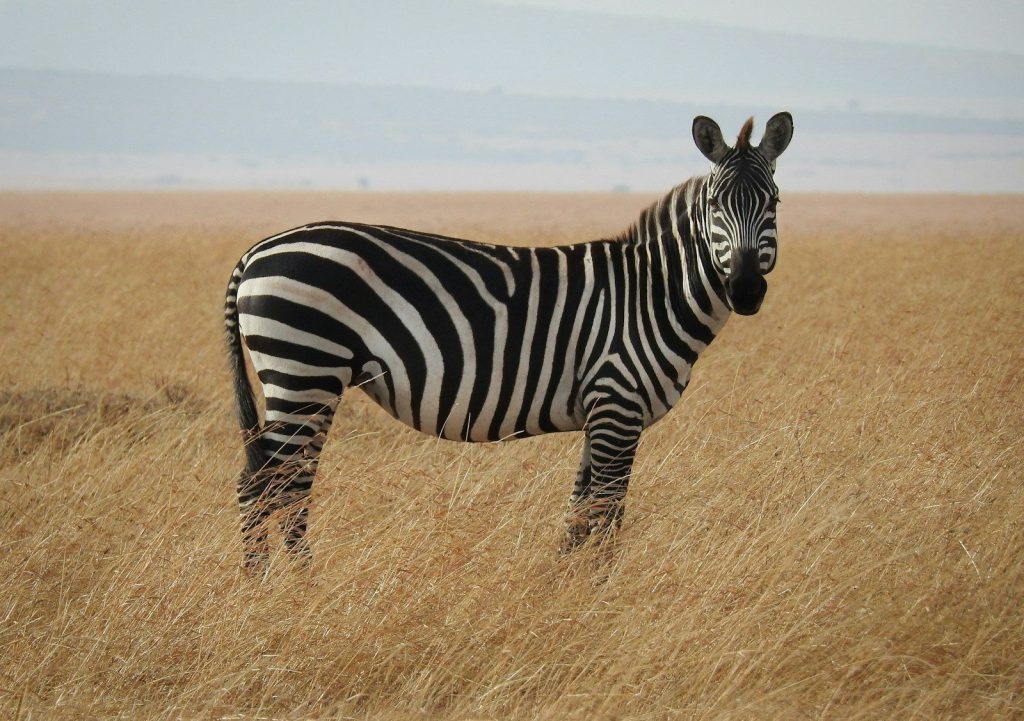
    Zebras may resemble horses, but they are very different in behavior. They are illegal pets in some states because they are considered difficult, and often impossible, to domesticate. Even zebras raised around humans can remain unpredictable.

    One of the biggest concerns is their powerful kick, which can seriously injure or even kill a person. Zebras are also known for being difficult to contain because they frequently try to escape. Many owners report spending months trying to gain a zebra’s trust, making them a poor choice for life as a household pet.

  • Unusual things cats do when they’re truly attached to their owners

    Unusual things cats do when they’re truly attached to their owners

    Cats are often seen as independent pets that like their own space. Because of this, many people miss the quiet ways cats show affection. A cat in love with its owner does these 5 things that many might think go against normal cat behavior, but each reveals trust and emotional connection.

    In this article, you will learn about five surprising cat behaviors that show strong attachment. These actions may look strange or even confusing at first, but they are often signs that your cat feels safe, relaxed, and deeply bonded with you. Understanding them can help you better read your cat’s emotions and strengthen your relationship.

    Ignoring you while staying close shows trust

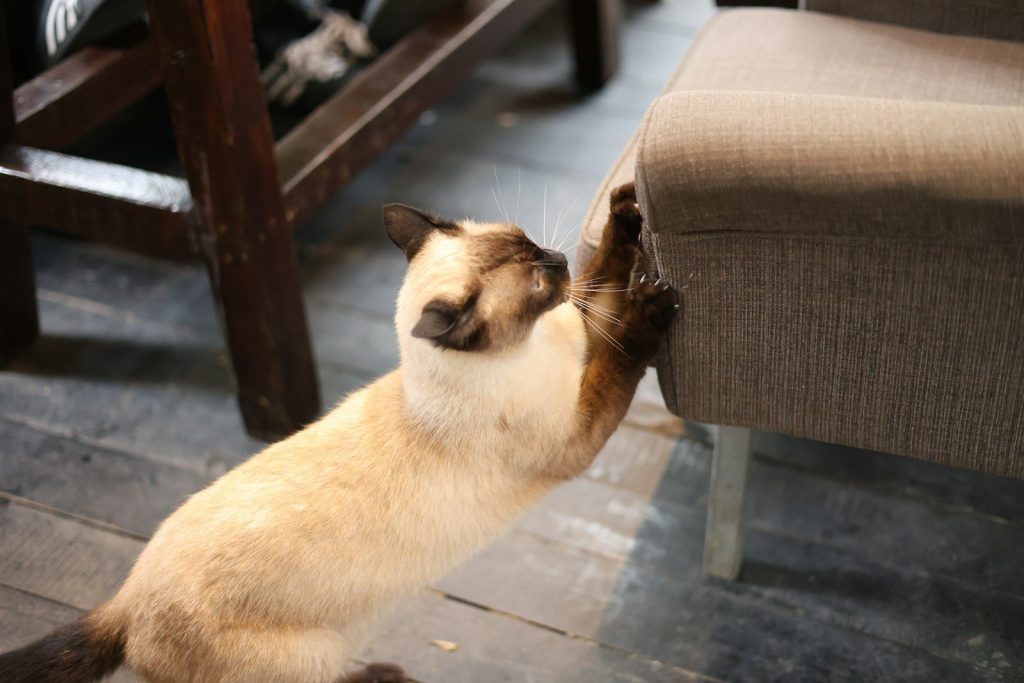
    Siamese cat scratching a chair leg
    Photo by Thức Trần on Unsplash

    When a cat ignores you but still stays near you, it can feel like rejection at first. However, this behavior is actually a strong sign of comfort. Cats that feel safe do not always need to demand attention. Instead, they choose to stay close without constant interaction.

    This quiet presence shows that your cat completely trusts you. Your company alone is enough, even without play or petting. It is a calm form of bonding where your cat feels secure just being in the same space.

    Light biting or love biting is a form of affection

    person holding orange tabby cat
    Photo by Piotr Musioł on Unsplash

    Gentle biting, often called “love biting,” can be confusing for cat owners. It may happen during petting or play, but it is usually soft and controlled. This behavior is not meant to hurt and is different from aggressive biting.

    Cats use these light bites as a form of social interaction. It reflects your comfort and familiarity. While it may seem strange, it often shows that your cat sees you as part of its close social circle.

    Walking in front of you is a bonding behavior

    orange tabby cat on gray asphalt road during daytime
    Photo by Josue Aguazia on Unsplash

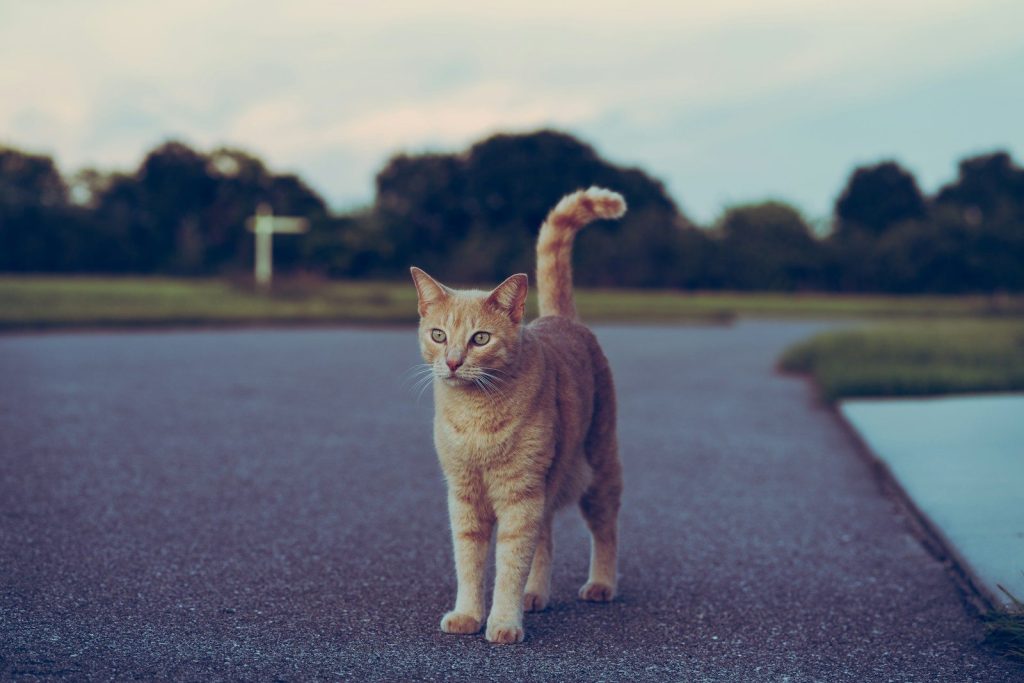
    Some cats constantly walk in front of their owners, making their owners feel blocked. While this can be annoying, it is actually a sign of attachment. Your cat may be trying to stay close and involved in your movement.

    This behavior also shows that your cat is aware of you and wants to maintain a connection. By staying on your path, your cat maintains proximity and expresses interest in your actions. It is a simple but clear sign of bonding.

    Showing their belly without wanting to be touched shows trust

    brown cat lying gray wooden plank
    Photo by Jacalyn Beales on Unsplash

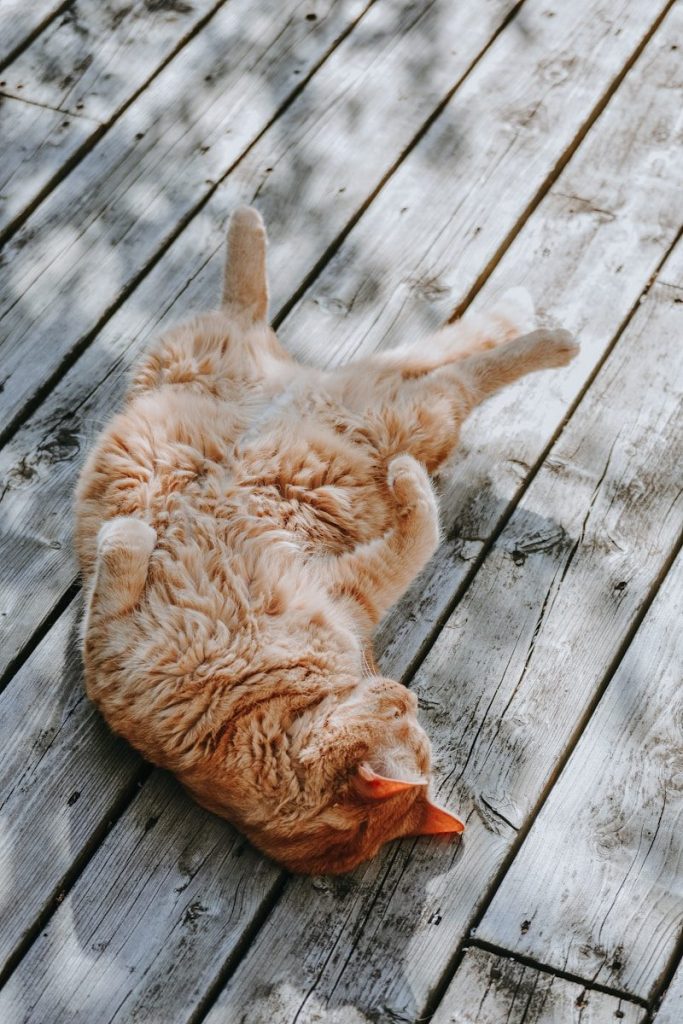
    When a cat rolls over and shows its belly, it is exposing one of its most vulnerable areas. This behavior is a strong sign of trust because it means your cat feels safe in its environment. However, many cats do not actually want their belly touched.

    This can be confusing for owners, but it has an important meaning. The action is about feeling secure, not requesting contact. Your cat is simply showing that it trusts you enough to relax completely.

    Following you but keeping a distance shows independence and love

    a cat laying on the floor next to a remote control
    Photo by Andrey Stakhovskiy on Unsplash

    A cat that follows you from room to room but does not always ask for attention is showing a special kind of attachment. It wants to be near you but still maintain its independence. This balance is very natural for cats.

    This behavior shows both trust and emotional comfort. Your cat chooses to stay close without needing constant interaction. It is a quiet but meaningful way of showing love and connection.

    What these behaviors mean for your bond with your cat

    black cat on white table
    Photo by Luku Muffin on Unsplash

    All of these behaviors may look different on the surface, but they share one important meaning: trust. Cats do not always show affection in obvious ways like other pets, so their love is often hidden in small actions and habits.

    When you understand these signals, you can build a stronger bond with your cat. Respecting their space, reading their body language, and recognizing their unique communication styles can help create a deeper, more comfortable relationship.

  • 6 of North America’s most endangered animals

    6 of North America’s most endangered animals

    Across North America, many wild animals are struggling to survive in a changing world. From oceans to deserts to small lakes, their habitats are shrinking, polluted, or disrupted by human activity. In fact, more than one-third of wildlife in the United States is now at risk of extinction, showing how serious the problem has become.

    In this article on the most endangered animals in North America, you will learn about six species that are in critical danger. These animals include land reptiles, ocean giants, and rare amphibians, each facing unique threats like habitat loss, fishing activity, pollution, and climate change. By understanding their situation, we can see why protecting wildlife is so important for the future of nature and ecosystems.

    Red wolf survival is under threat

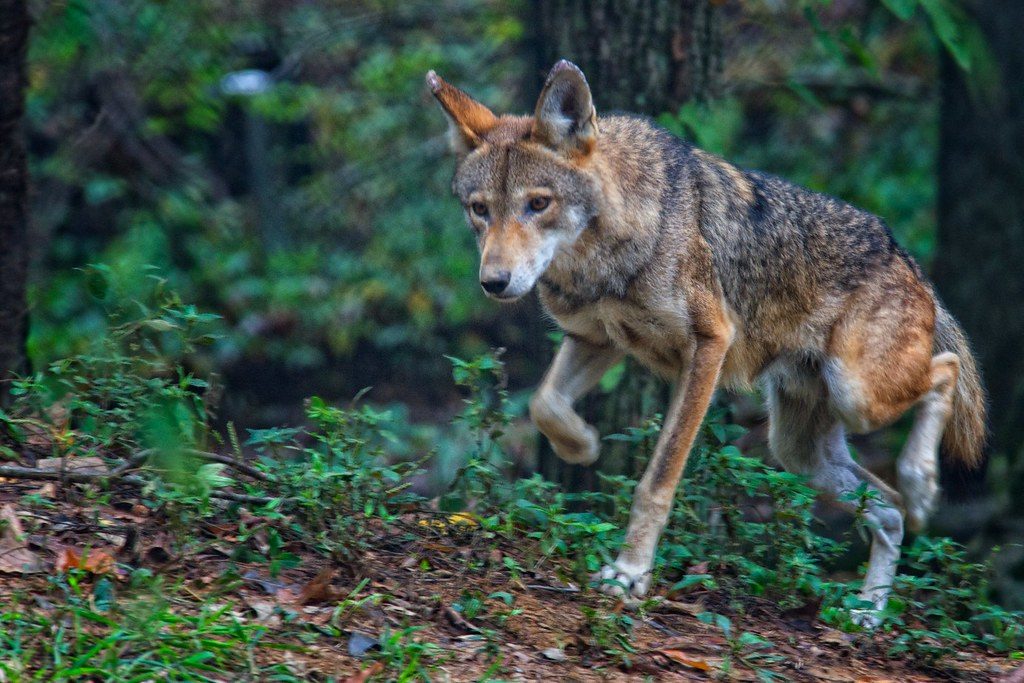
    Red Wolf” by Jim Liestman is licensed under CC BY-NC-ND 2.0

    Red wolves are part of the dog family and are smaller than gray wolves but larger than coyotes. They have tawny red-gray coats and once lived across the eastern and southern United States. Today, they are found only in North Carolina, where they live in forests, swamps, and coastal prairies, and hunt deer, raccoons, and rabbits.

    Red wolves were declared extinct in the wild in 1980, but were brought back in 1987. Even with this effort, their numbers are still falling. In 2025, only about 20 to 30 mature red wolves are left in the wild. They are listed as critically endangered.

    One major threat is hybridization with coyotes. Another serious issue is illegal killing, especially when wolves come into conflict with landowners. These pressures continue to push the species closer to extinction.

    Axolotls are disappearing from their only home

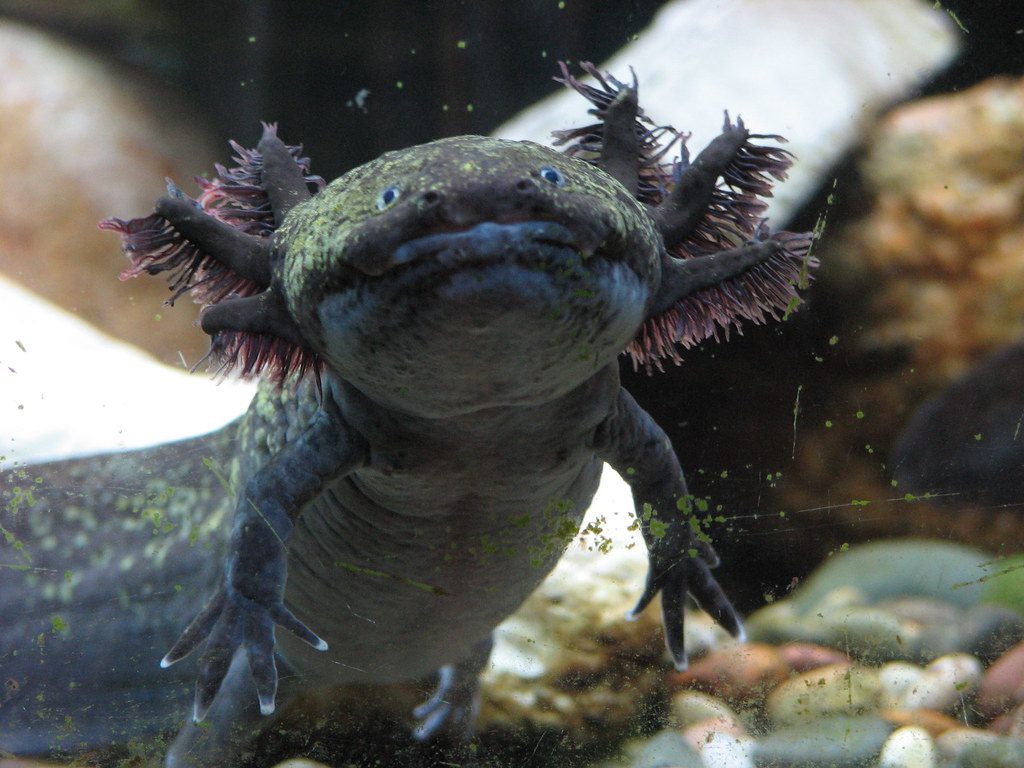
    Axolotl” by guppiecat is licensed under CC BY-NC-ND 2.0

    Axolotls are unique amphibians with feathery gills, webbed feet, and a permanent smile-like mouth shape. They are salamanders that never leave their larval stage and stay underwater for their entire lives. They grow to about 25 centimeters long and eat small aquatic animals, such as crustaceans and fish eggs.

    These animals are found only in Lake Xochimilco in Mexico City. This very small natural range makes them extremely vulnerable. In the wild, axolotls are usually gray-brown and depend entirely on this water system to survive.

    In 2025, axolotls are listed as critically endangered with a declining population. Pollution and the draining of their habitat for flood control are major threats. Even though conditions have improved slightly in recent years, their survival is still at risk.

    North Atlantic right whales face ocean dangers

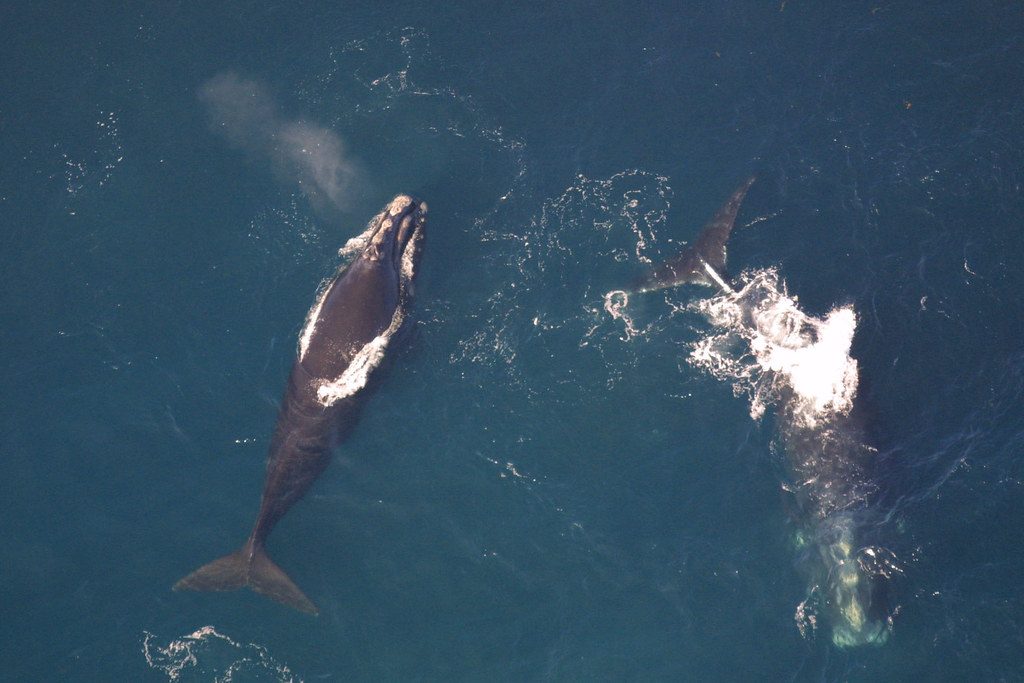
    North Atlantic Right Whale” by lauren.packard is licensed under CC BY 2.0

    North Atlantic right whales are enormous marine mammals that can grow up to 15 meters long and weigh up to 70,000 kilograms. They move slowly through the Atlantic Ocean, feeding on tiny sea creatures like krill and zooplankton. They travel between deep waters for feeding and shallow waters for calving.

    These whales are critically endangered, with only about 370 individuals left in 2025. Even more concerning, only around 70 are reproductive-age females. Their survival is extremely fragile.

    The biggest threats to these whales are vessel strikes and entanglement in fishing gear. Climate change has also shifted their habitats, forcing them into areas with more human activity. This increases the chances of deadly encounters.

    Vancouver Island marmot is critically endangered in Canada

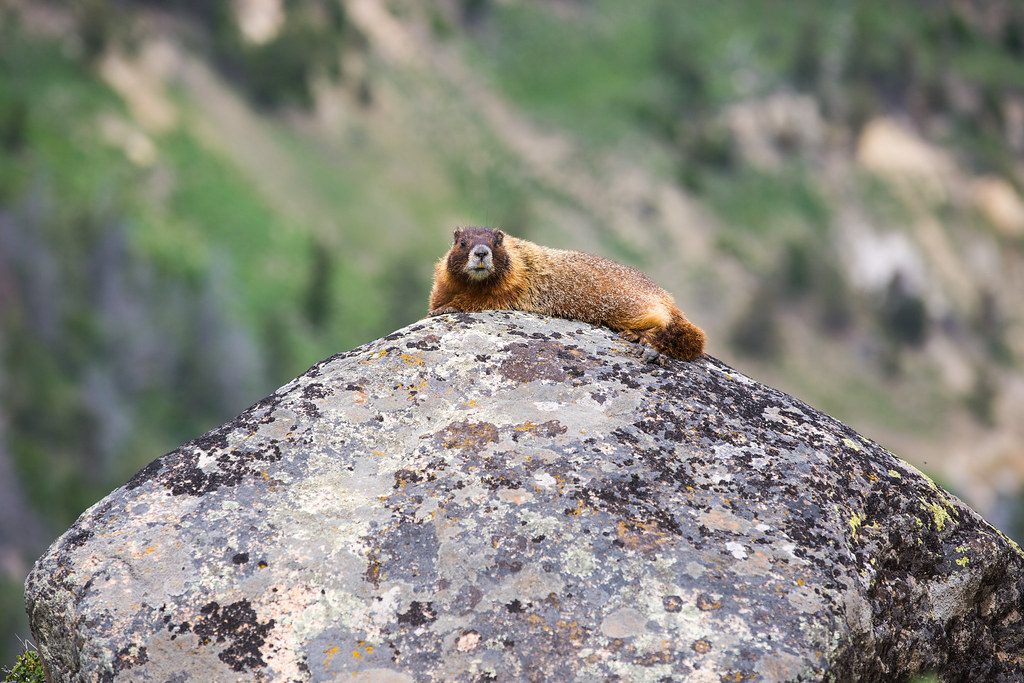
    Marmot, Lamar Valley” by YellowstoneNPS is licensed under CC PDM 1.0

    The Vancouver Island marmot lives only on Vancouver Island in Canada. It lives in forests, grasslands, and rocky mountain areas. These marmots are dark brown with white markings on their noses, bellies, and heads, and they also have bushy brown tails.

    They are larger than many other marmots, growing up to about 62 to 72 centimeters long and weighing between 3.5 and 5.5 kilograms. Like many mountain animals, they gain weight in warmer months and lose weight during winter hibernation when they sleep for long periods underground.

    This species is critically endangered. As of 2025, only about 90 mature individuals are left in the wild. Their biggest threats include predators like cougars and eagles. Human activities such as logging also destroy their habitat and make it easier for predators to reach them, putting the species at even greater risk.

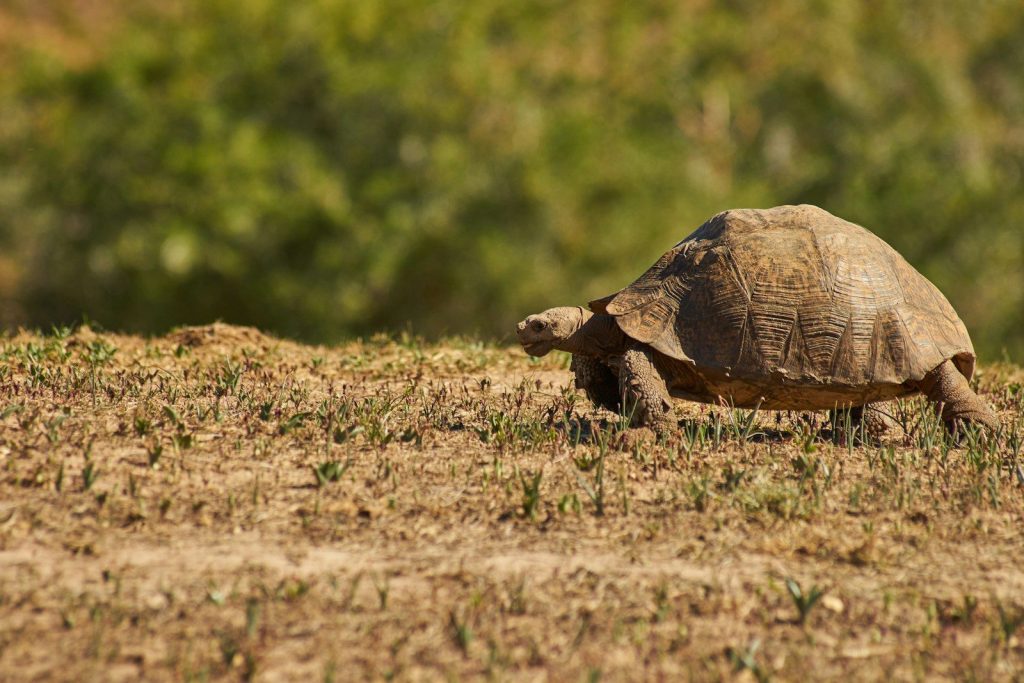
    Mojave Desert tortoises are losing their habitat

    brown turtle on brown grass during daytime
    Photo by Wolfgang Hasselmann on Unsplash

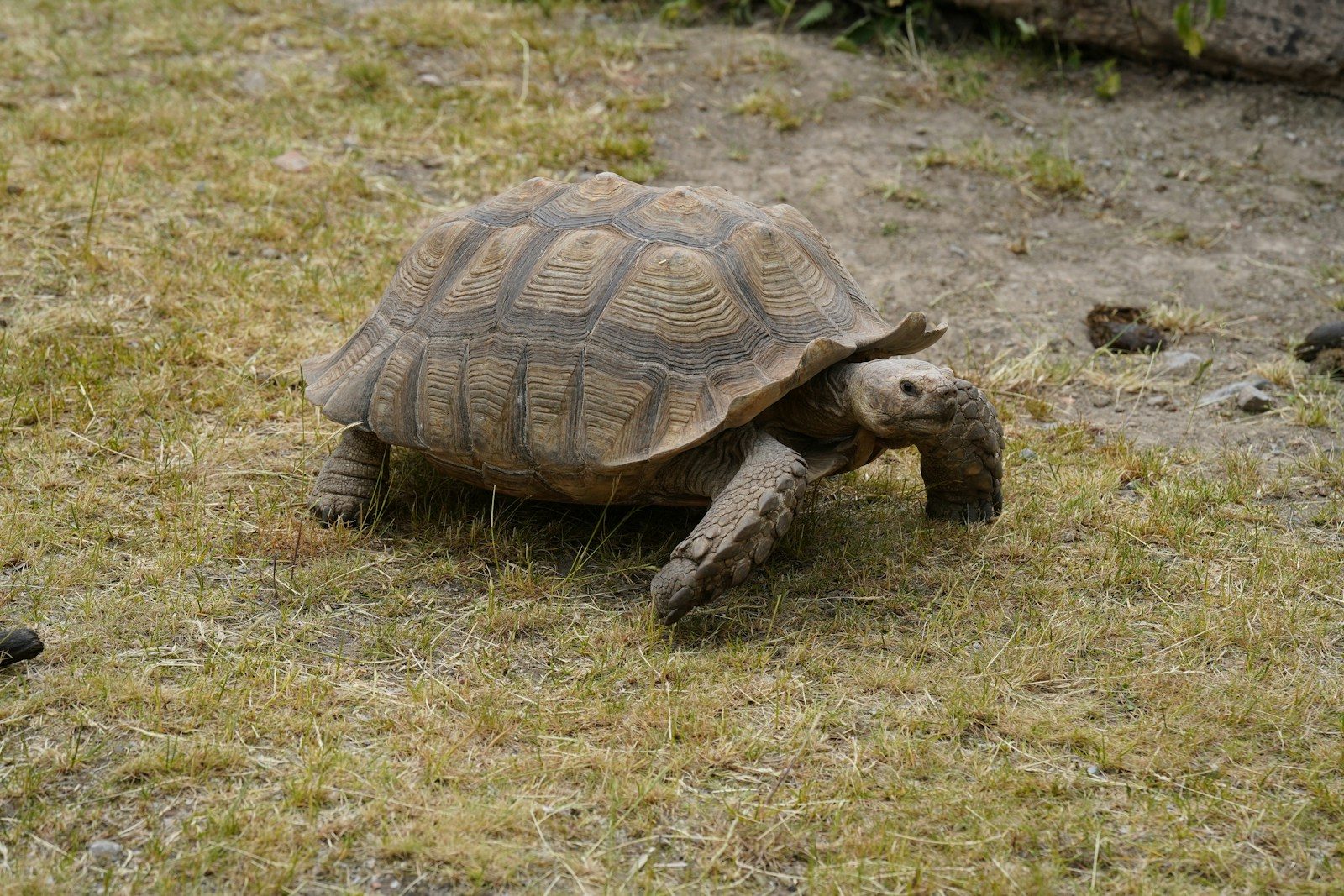
    Mojave Desert tortoises have lived in the Mojave Desert for millions of years. They are medium-sized reptiles that feed on plants such as grasses, flowers, and shrubs, as well as cacti. They spend much of the year underground in burrows to avoid extreme heat.

    These tortoises are critically endangered, and their numbers have declined significantly over time. Between 2001 and 2020, the number of adults decreased by 36 percent. Their population is also highly fragmented.

    Human development is the main cause of their decline. Roads, towns, and cities break up their habitat. Invasive plants also compete with the native vegetation they depend on for food.

    Kemp’s ridley sea turtles are caught in fishing activity

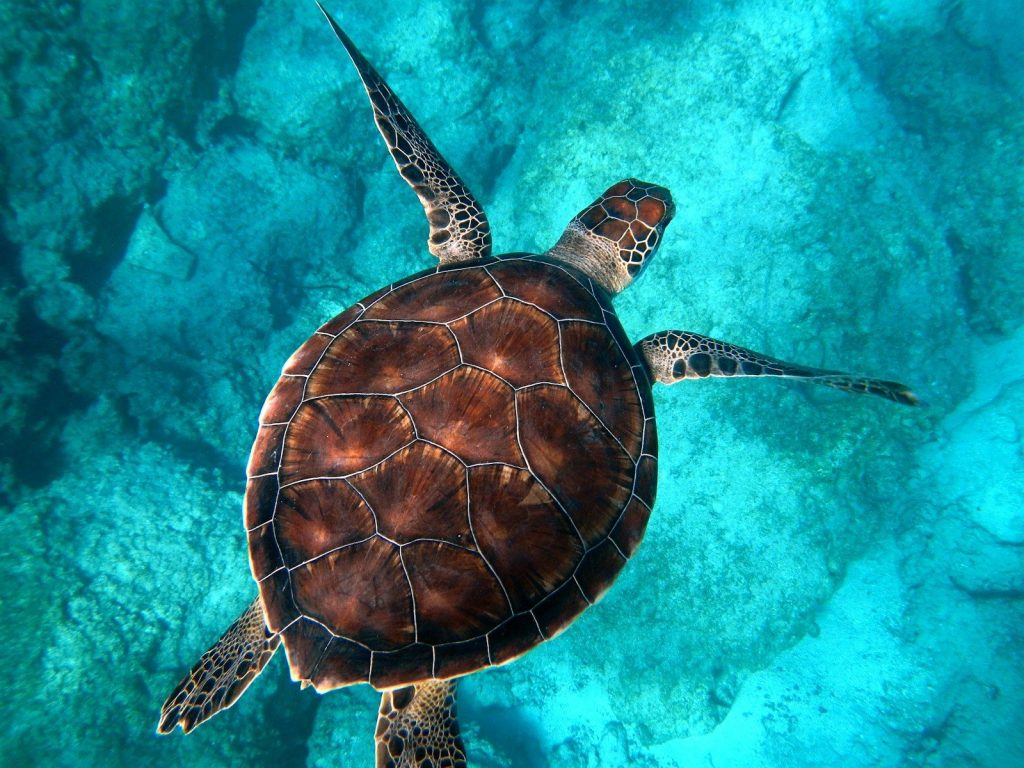
    brown turtle swimming in ocean
    Photo by Randall Ruiz on Unsplash

    Kemp’s ridley sea turtles are the smallest sea turtles in the world. They live mainly in the Gulf of Mexico but can travel as far north as the Great Lakes. Adults can live up to 50 years and migrate long distances when it is time to nest.

    These turtles are critically endangered, and their greatest threat is fishing. They often get accidentally caught in fishing nets and equipment, which can lead to drowning or injury.

    Female turtles return to the same beaches where they were born to lay eggs. They sometimes gather in large groups during nesting events called arribadas. Despite this natural cycle, their survival remains uncertain due to ongoing human impacts.

  • 6 cat breeds that form an unbreakable bond with one person

    6 cat breeds that form an unbreakable bond with one person

    Many cat owners wonder if their pets truly love them or simply tolerate them. The truth is that while cats are often independent, some breeds are known for being especially warm, social, and affectionate. The topic of most affectionate cat breeds helps explain which cats tend to show more love and closeness toward humans.

    This article explores several cat breeds known for their friendly behavior. It highlights how each breed shows affection in different ways and what makes them special companions for families and individuals.

    Abyssinian cats are playful and always close to their owners

    a cat laying on the floor next to a remote control
    Photo by Andrey Stakhovskiy on Unsplash

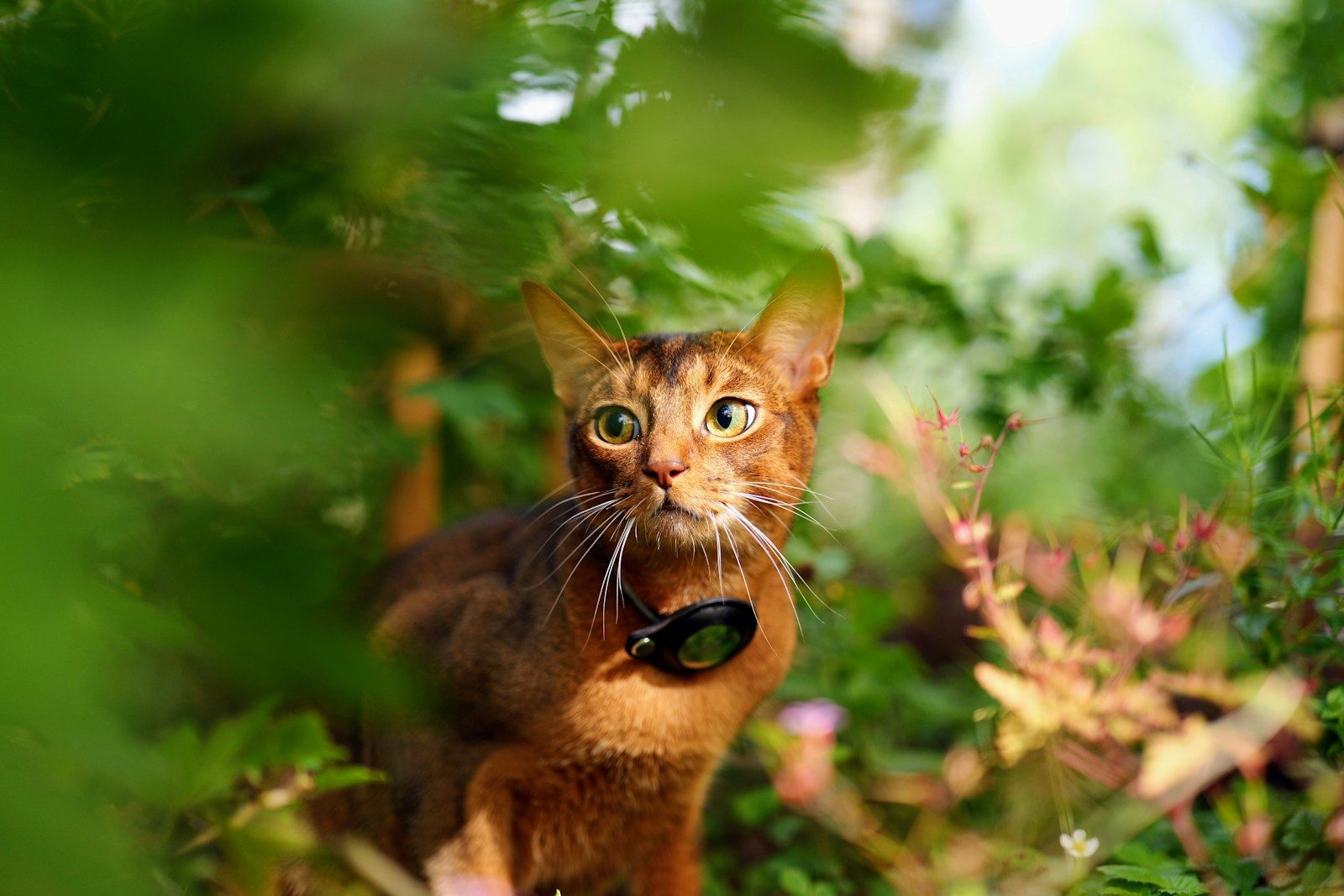
    Abyssinian cats are known for their high energy and strong bond with their owners. They enjoy being part of everything their humans do, from cooking in the kitchen to relaxing on the couch. Their active personality makes them feel like constant companions.

    These cats often stay close to their owners and enjoy physical closeness. They are intelligent, curious, and always ready to interact, making them among the most engaging and affectionate cat breeds.

    Ragdoll cats love being held and cuddled

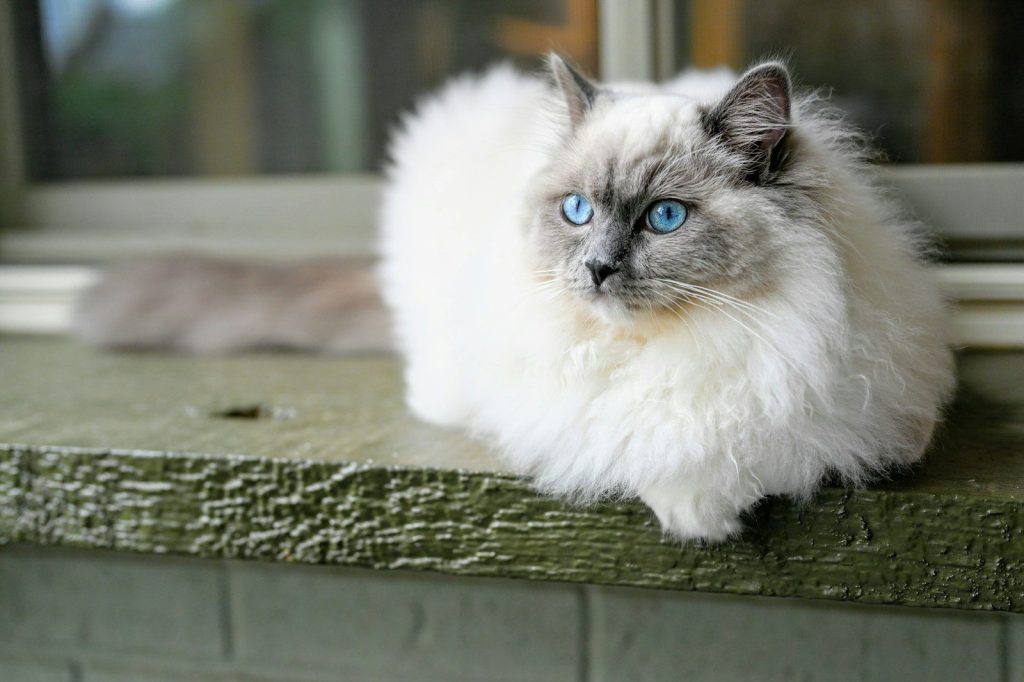
    white and gray long fur cat on green wooden surface
    Photo by David Brooke Martin on Unsplash

    Ragdoll cats are often described as one of the most relaxed and loving breeds. They enjoy spending time with people and are known for following their owners from room to room. Their calm nature makes them easy to handle and very affectionate.

    Many Ragdolls enjoy being held and will even “flop” into their owner’s arms. Their gentle behavior often reminds people of dogs, especially because they can be trained to play games like fetch or respond to their names.

    Persian cats enjoy quiet companionship

    a cat sitting on grass
    Photo by DailyHawker Lenses on Unsplash

    Persian cats are known for their fluffy coats and calm personalities. They are often content to sit quietly and enjoy gentle attention from their owners. Their relaxed nature makes them ideal lap cats.

    While they may not demand constant interaction, Persians show affection through their calm presence. They enjoy sitting nearby and being petted, often forming strong but peaceful bonds with their human families.

    Burmese cats are curious, and people are focused

    shallow focus photo of orange cat near laptop computer
    Photo by Catherine Heath on Unsplash

    Burmese cats are very social and love being involved in daily activities. They are curious animals that enjoy exploring their surroundings and often follow their owners around the house. Their behavior shows a strong interest in human interaction.

    These cats often seek attention and enjoy being physically close to people. They may sit on shoulders, watch screens, or observe household activities, making them one of the most people-oriented and affectionate breeds.

    Chartreux cats are calm and loyal companions

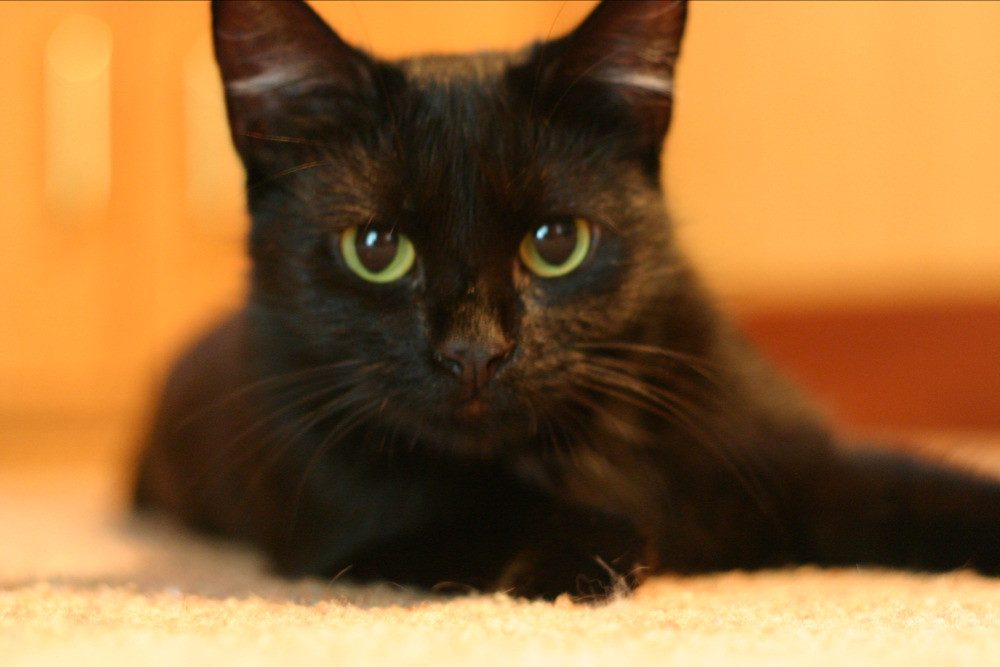
    black cat on white table
    Photo by Luku Muffin on Unsplash

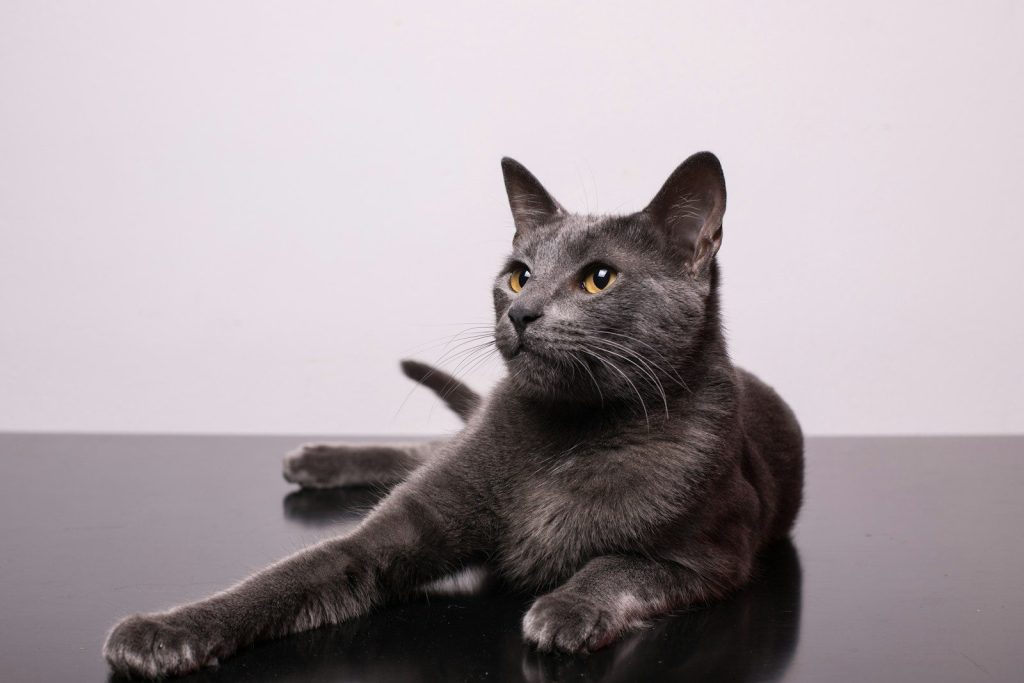
    Chartreux cats are known for their quiet and gentle personalities. They are not overly demanding but still form strong bonds with their owners. Their calm nature makes them easy to have as companions in many households.

    These cats are loyal and often show affection in subtle ways. They may greet family members or quietly stay nearby, offering companionship without being overly active or noisy.

    Exotic Shorthair cats are gentle and loving pets

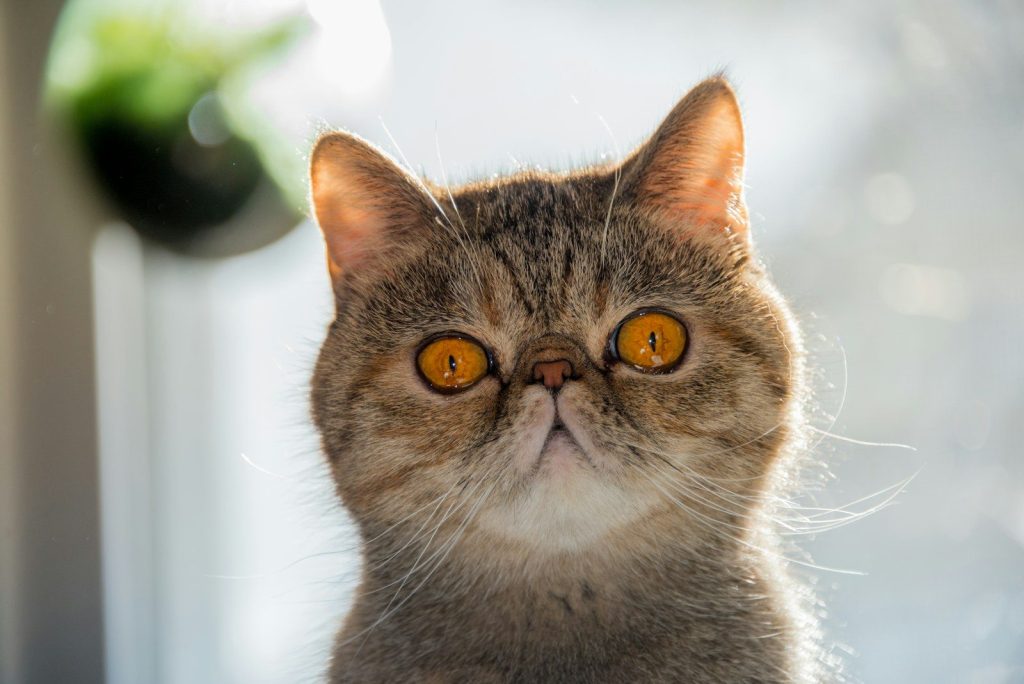
    brown tabby cat
    Photo by Dan Wayman on Unsplash

    Exotic Shorthairs share many traits with Persians, including their calm, sweet nature. They are affectionate pets that enjoy spending time with their owners in a relaxed way.

    Unlike Persians, Exotic Shorthairs are often slightly more playful. They still enjoy cuddling and quiet time, making them a balanced choice for people who want both affection and light activity in a cat.

  • Man implants himself with a pet microchip and checks it 10 years later

    Man implants himself with a pet microchip and checks it 10 years later

    A man’s “first real job” involved working with animals and implanting microchips in puppies. Years later, his curiosity led him to try the same procedure on himself. The story of a man testing a pet microchip on himself shows how a routine veterinary tool works and how long it can stay in the body.

    This article explains what happened when the man implanted a microchip in himself, how pet microchips work, and why they are important for identifying lost animals. It also looks at how these tiny devices help reunite pets with their owners.

    Man decides to experience microchipping himself

    brown tabby cat on black leather chair
    Photo by Chewy on Unsplash

    The man, known on TikTok as @shrunky.dunks, once worked a job that involved microchipping puppies. Wanting to understand what animals go through, he chose to have a microchip implanted nearly 10 years ago.

    He said the decision was partly curiosity-driven, and he wanted to know what the procedure felt like. The microchip he received was the same type commonly used in veterinary care and shelters for pets.

    What pet microchips are and how they work

    Pets” by Pak Gwei is licensed under CC BY-NC-SA 2.0

    Pet microchips are very small devices, about the size of a grain of rice. They are usually placed under the skin between an animal’s shoulder blades using a special needle during a quick procedure.

    Each microchip contains a unique identification number. This number can be scanned by veterinarians or animal shelters to help identify lost pets and connect them with their owners through a database.

    A microchip is still detectable after many years

    Microchips” by fdecomite is licensed under CC BY 2.0

    In a TikTok video posted on April 16, the man showed the results of his unusual experiment. He visited a veterinary office where a worker scanned his back with a microchip reader during a routine visit.

    To everyone’s surprise, the scanner detected the chip that had been implanted nearly a decade earlier. The worker reacted with shock and laughter after confirming the signal was real and still active under his skin.

    Public reaction to the unusual experiment

    person holding black android smartphone
    Photo by Jonas Leupe on Unsplash

    The video quickly gained attention online, reaching millions of views. Many viewers commented on the man’s unusual decision to test a pet microchip on himself.

    He responded to questions by saying he had some “liquid courage” before the injection. He also said the procedure itself did not feel too painful, which surprised many people watching the video.

    How long are pet microchips designed to last

    a brown dog sitting on top of a cement floor
    Photo by Doğan Alpaslan DEMİR on Unsplash

    Pet microchips are built to last for many years without needing replacement. In many cases, they can function for at least 25 years, which is often longer than a pet’s lifetime.

    This long lifespan makes them a reliable tool for permanent identification. Even years after being implanted, they can still be scanned and read by veterinary equipment.

    Why microchips are important for lost pets

    person holding computer cell processor
    Photo by Brian Kostiuk on Unsplash

    Microchips play a key role in helping reunite lost pets with their owners. Studies show that pets with microchips are significantly more likely to be returned home compared to those without one.

    However, the chip only stores an identification number. This means owners must keep their contact information updated in the database so the chip can successfully lead to a reunion.

  • A person sets out a bed for a feral cat and wakes up to an unexpected guest

    A person sets out a bed for a feral cat and wakes up to an unexpected guest

    A simple act of kindness turned into a surprising wildlife moment when a raccoon took over a cozy bed meant for a feral cat. The story of a raccoon finding comfort in a feral cat bed setup quickly gained attention online because of how unexpectedly the animal reacted to the situation.

    This article explains how the raccoon ended up in the cat’s space, why urban wildlife often interacts with human homes, and what risks can come from feeding wild animals. It also highlights how people reacted to the unusual but heartwarming scene.

    A cozy bed meant for a feral cat

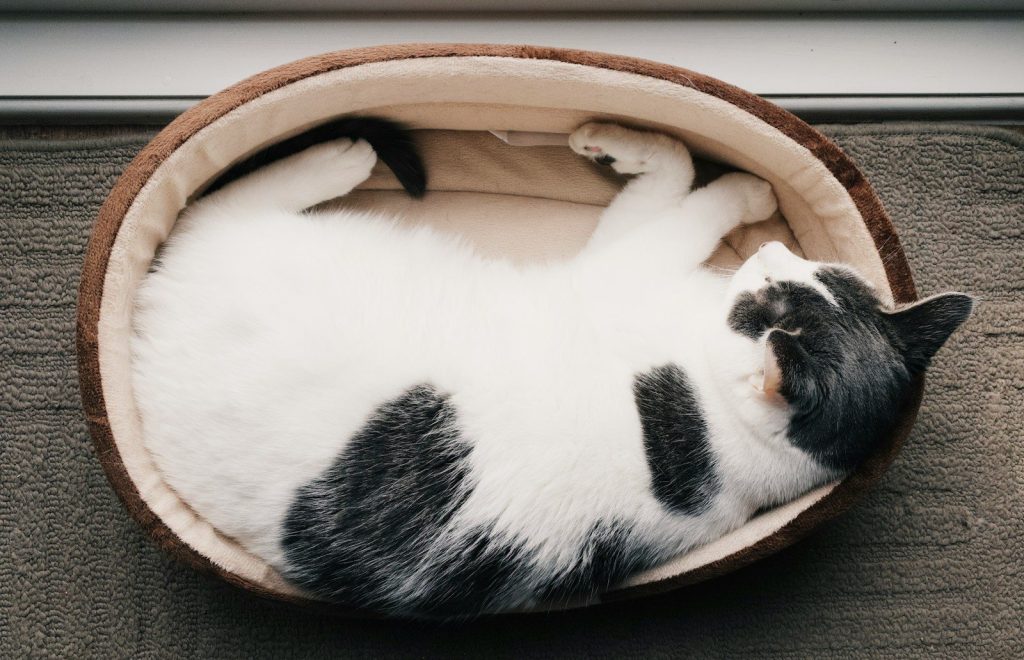
    white and black coated cat laying on beige pet bed
    Photo by Ryland Dean on Unsplash

    A person set out a soft bed and some food for a feral cat they had been feeding regularly. The goal was to provide the cat with a safe, comfortable place to rest while staying outdoors.

    However, when they checked the spot later, they were surprised to find the cat was gone. Instead, a raccoon had taken over the bed and made itself completely at home.

    The raccoon takes over the sleeping spot

    The raccoon was found curled up inside the cat bed, looking relaxed and comfortable. It appeared to fully accept the space as its own and showed no signs of wanting to leave.

    The person who found it also left some food, including a bagel and kibble, for the animal. Rather than chasing it away, they allowed the raccoon to stay in the cozy spot.

    Why raccoons enter human spaces

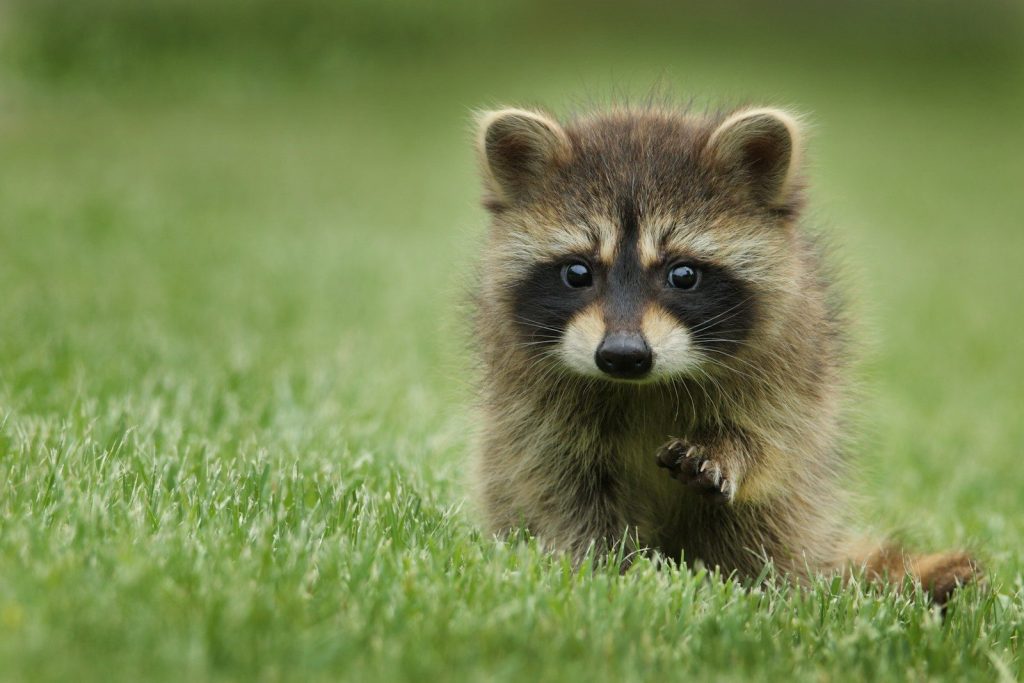
    raccoon walking on lawn grass
    Photo by Gary Bendig on Unsplash

    Raccoons are highly adaptable animals that often live near people. They are known for using human-made structures for food and shelter, especially in areas with limited natural habitats.

    Outdoor feeding stations and pet food left outside can attract raccoons and other wildlife. Over time, these animals learn that human environments offer easy access to resources such as food and warmth.

    Risks of feeding wild animals

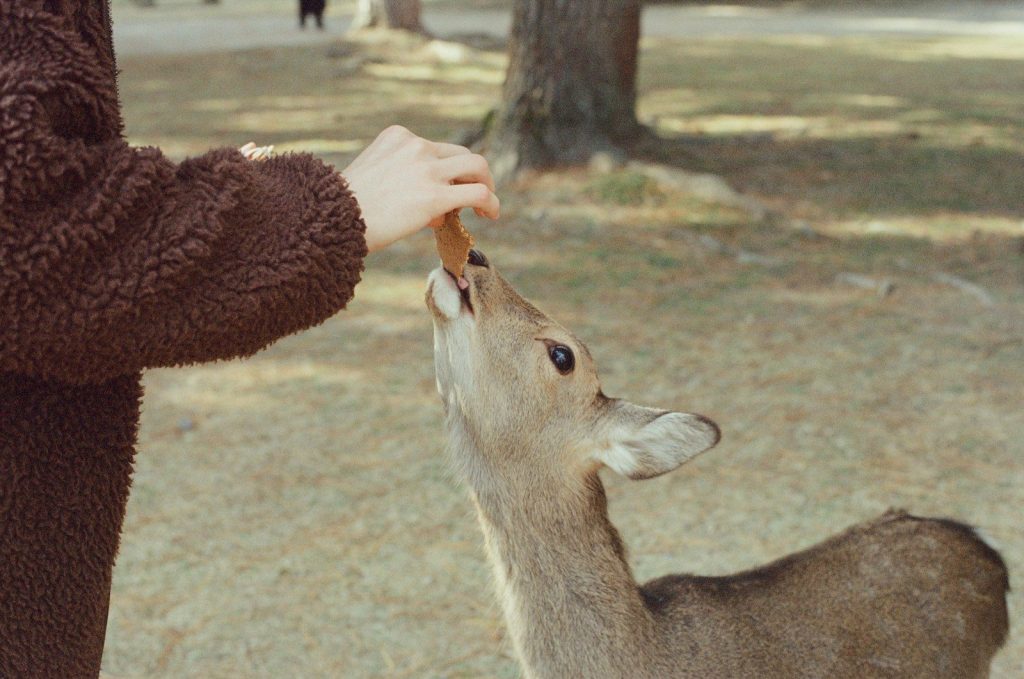
    Person feeding a deer a carrot in a park.
    Photo by Margarita B on Unsplash

    While scenes like this may look cute, feeding wildlife can create serious problems. It can encourage animals to return repeatedly and become dependent on human food sources instead of finding their own natural diet.

    It can also increase the presence of other animals, such as coyotes, in neighborhoods. This raises potential risks for pets and even children who may encounter wildlife more often than expected.

    Human-wildlife interactions can grow quickly

    A person's hand offers a nut to a squirrel.
    Photo by Charles Puaud on Unsplash

    In some cases, feeding wildlife can lead to large numbers of animals gathering in one place. One example mentioned a homeowner who fed raccoons for years and eventually found themselves surrounded by a large group of them.

    These situations can become difficult to manage and may create safety concerns. When animals begin relying on humans for food, their behavior can change unpredictably.

    Public reaction to the raccoon story

    A raccoon reaching for a treat from a hand
    Photo by Erwin Bosman on Unsplash

    Even with the concerns, many people online found the raccoon’s behavior charming. Commenters described the animal as happy, cozy, and amusing to watch in its unexpected bed.

    Some joked about how relaxed the raccoon looked, while others shared similar experiences of raccoons and feral cats interacting in their neighborhoods. Despite the humor, many also recognized the importance of keeping wildlife wild.

  • Inseparable shelter dogs get adopted together after touching hearts

    Inseparable shelter dogs get adopted together after touching hearts

    Animal shelters are often filled with emotional stories, but some stand out for showing how deep animal friendships can be. A powerful example comes from two shelter dogs who formed a close bond while waiting for a forever home. The story of shelter dogs forming lifelong friendships at the rescue shows how strong emotional connections between animals can become.

    This article explains how two very different dogs became inseparable, how their bond affected their adoption journey, and why their story highlights the emotional lives of animals in shelters. It also shows how friendships can shape life-changing decisions.

    Two shelter dogs meet at the rescue center

    All 5 dogs are captured and rescued!, 4 puppies and momma dog dusted with flea powder, snoozing, San Bruno, Baja California Sur, Mexico” by Wonderlane is licensed under CC BY 2.0

    Merrill, a 3-year-old Pit Bull, and Taco, an 8-year-old Chihuahua, met at Rocket Dog Rescue in California. This organization works to help dogs rescued from overcrowded shelters find permanent homes.

    Even though the two dogs were very different in size and age, they quickly became close companions. Shelter staff noticed that they started spending almost all their time together soon after meeting.

    A strong bond grows between Merrill and Taco

    short-coat tan and white dog with grey leash
    Photo by Justin Veenema on Unsplash

    As time passed, Merrill and Taco’s friendship became even stronger. They were rarely seen apart and seemed to rely on each other for comfort and security. Their bond became a special part of life inside the shelter.

    Staff members observed that the two dogs became emotionally connected. Whenever they were apart, they seemed restless and searched for each other until they were reunited.

    Emotional support during medical recovery

    adult white Chihuahua with red clothes
    Photo by Tamara Bellis on Unsplash

    Their connection became especially clear during a difficult time when Merrill needed medical care. Taco stayed close to her during her recovery and rarely left her side.

    This behavior showed how deeply the two dogs cared for each other. Their companionship seemed to offer comfort during a stressful, uncertain moment in their lives at the shelter.

    Separation caused distress for both dogs

    Pancake the pit bull at Dog Day Afternoon in downtown L.A.” by LA Wad is licensed under CC BY-NC-SA 2.0

    As their bond grew, shelter workers noticed that separating the dogs caused emotional distress. Both Merrill and Taco would cry or show signs of stress when they were apart.

    They often searched for one another until they were reunited. This reaction made it clear that their friendship had become a strong emotional attachment, difficult to break.

    Adoption decision changed by their friendship

    Tussle” by feverblue is licensed under CC BY-SA 2.0

    Eventually, a person visited the shelter and wanted to adopt Merrill. At first, it seemed like a happy moment for her to find a home. However, it quickly became complicated when it was clear she did not want to leave without Taco.

    Both dogs became upset at the idea of being separated. Their reaction showed that their bond was too strong to break, even for adoption purposes.

    A shared forever home for both dogs

    brown and white short coated dog
    Photo by Cierra Voelkl on Unsplash

    Instead of separating them, the adopter made an important decision. He chose to adopt both Merrill and Taco so they could stay together in the same home.

    Today, the two dogs are living happily with their new family. Their story highlights how important companionship can be for animals and how keeping bonded pets together can lead to better outcomes for everyone involved.

  • Scientists reveal what happens to a cat’s brain when it never goes outside

    Scientists reveal what happens to a cat’s brain when it never goes outside

    Many cat owners wonder what happens inside a cat’s mind when it never goes outside. While indoor living keeps cats safe from traffic, predators, and disease, it also changes how their brains work over time. The article on what happens to a cat’s brain when it never goes outside explains how indoor environments affect a cat’s thinking, behavior, and instincts.

    This article explores how reduced stimulation, routine habits, and natural instincts shape an indoor cat’s brain. It also explains possible behavior changes and ways owners can help keep their cats mentally healthy and active.

    Reduced sensory input changes brain activity

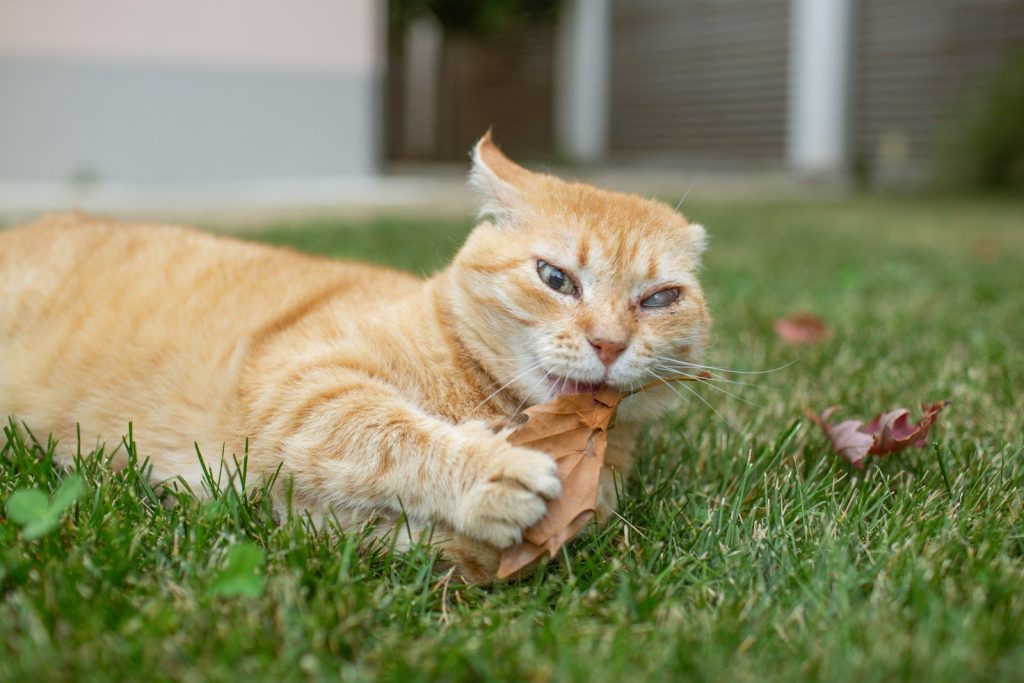
    An orange cat chews a fallen leaf on grass.
    Photo by Tatyana Rubleva on Unsplash

    When cats live all the time indoors, they experience fewer sights, sounds, and smells than outdoor cats. The outside world is full of constant change, but indoor spaces are usually familiar and predictable. This difference reduces the level of mental stimulation a cat receives each day.

    Without new sensory input, a cat’s brain adjusts to a slower pace of activity. This may look like calm behavior, but it can also be a sign of boredom. Over time, the brain becomes used to a less exciting environment.

    Indoor cats develop strong routine awareness

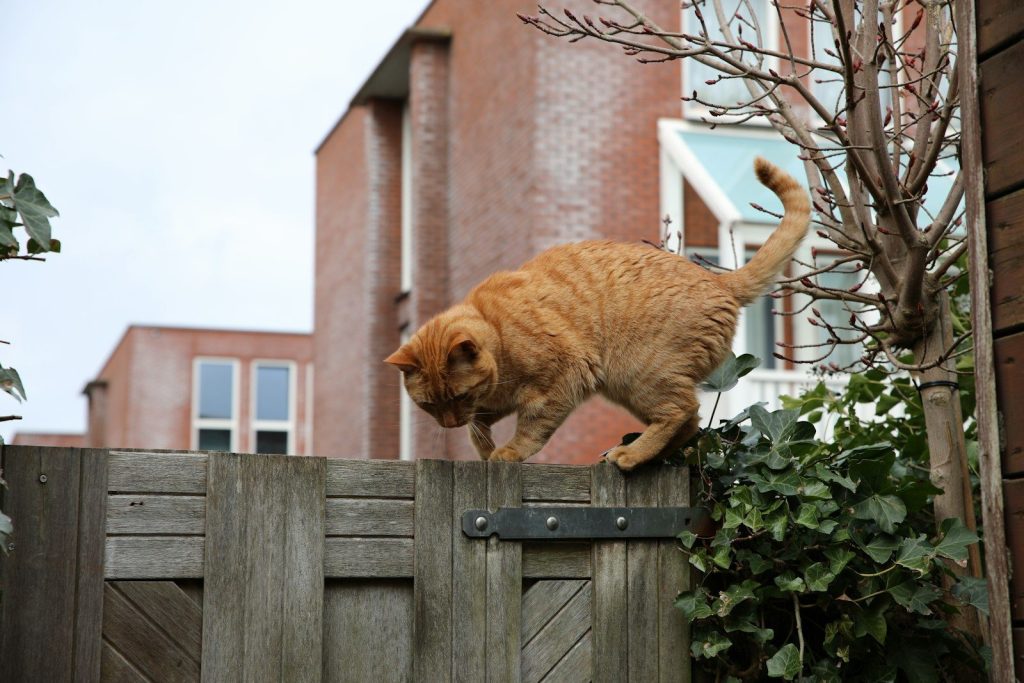
    orange tabby cat on brown wooden fence
    Photo by Oscar Fickel on Unsplash

    Indoor cats often become highly focused on daily routines. They quickly learn feeding times, household sounds, and home movement patterns. This makes their behavior more predictable and structured.

    While this can help cats feel safe, it can also create stress when routines change. Even small disruptions, like a missed meal or a different schedule, may cause anxiety. Their brains become deeply tuned to patterns in their environment.

    Natural hunting instincts remain active

    orange tabby cat on gray asphalt road during daytime
    Photo by Josue Aguazia on Unsplash

    Even when cats live indoors, their brains are still wired for hunting behavior. Cats are natural predators, and instincts like stalking, chasing, and pouncing remain strong. When these instincts cannot be used in the wild, they often show up in other ways.

    Indoor cats may chase toys, jump suddenly, or stalk moving objects, such as shadows or feet. This is their natural hunting system, looking for an outlet. Without proper stimulation, these instincts can sometimes lead to frustration.

    Behavioral changes from mental boredom

    brown cat lying gray wooden plank
    Photo by Jacalyn Beales on Unsplash

    A lack of stimulation can lead to several behavioral changes in indoor cats. Some cats may become overly playful or shift their energy to objects in the home. This can include scratching furniture or biting moving items.

    Other cats may exhibit stress behaviors, such as overgrooming or increased destructiveness. These actions are not random but are often signs that the cat is trying to create activity or relieve boredom. Their brains are searching for engagement.

    Brain adaptation and long-term effects

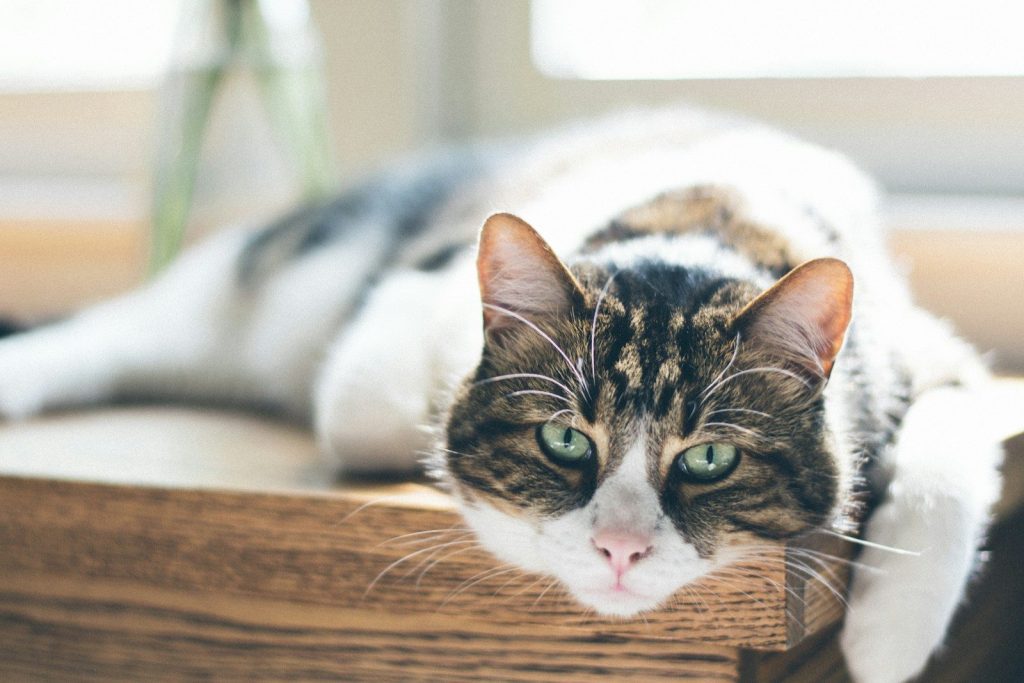
    selective focus photography of black, white, and brown cat lying on wooden table
    Photo by Nathan Fertig on Unsplash

    A cat’s brain can adapt to its environment over time through a process called neuroplasticity. This means that indoor cats can still develop healthy mental patterns if their environment is rich and engaging. Toys, climbing spaces, and interaction can all support brain activity.

    However, in low-stimulation environments, mental decline may happen faster. Cats that lack enrichment may struggle more with cognitive changes as they age. This underscores the importance of their environment for long-term brain health.

    Cognitive decline and mental aging in cats

    brown tabby cat on black wooden table
    Photo by Jonas Jaeken on Unsplash

    As cats age, they may develop cognitive issues similar to those seen in humans, such as memory decline. Indoor cats, especially those living long lives, can experience changes in sleep patterns, memory, and awareness of their surroundings.

    Some cats may forget familiar routines or locations, including the litter box. These changes are part of aging but can be supported with mental stimulation. Activities like puzzle feeders and play sessions can help slow this decline.

  • 6 animals often accused of killing for no reason

    6 animals often accused of killing for no reason

    People often think only humans kill for fun, but nature tells a very different story. Some animals also show behaviors scientists call “surplus killing,” where they kill more than they can eat or need. The topic of animals that kill for sport in the wild explores these surprising and sometimes shocking behaviors.

    In this article, you will learn about six animals that have been observed killing other animals without eating them or defending territory. These actions are often linked to instinct, play, or hunting behavior that goes beyond survival needs.

    Bottlenose dolphins show aggressive killing behavior

    2 dolphins in the water
    Photo by Jonas Von Werne on Unsplash

    Bottlenose dolphins are known for their intelligence and playfulness, but they have also been linked to violent behavior toward other animals. Scientists have documented cases in which dolphins killed porpoises even though they did not eat them or needed to defend themselves.

    In one well-known example from 1997, dead porpoises were found with broken ribs, punctured lungs, and other severe injuries. Researchers concluded that bottlenose dolphins were responsible based on bite marks. The attacks appeared slow and controlled, leading scientists to believe the behavior was not for food or survival but something more complex.

    House cats are natural thrill killers

    selective focus photography of orange and white cat on brown table
    Photo by Amber Kipp on Unsplash

    House cats may look cute and harmless, but they are natural hunters with strong instincts. Even well-fed pet cats often hunt small animals like birds and rodents without eating them. This behavior is a normal part of their hunting drive.

    Cats use behaviors like pouncing, biting, and kicking with their back legs to capture prey. These actions are similar to how they would kill in the wild. Studies show that domestic cats kill billions of animals each year, often without needing food from these hunts.

    Foxes often kill more than they need

    brown fox on snow field
    Photo by Ray Hennessy on Unsplash

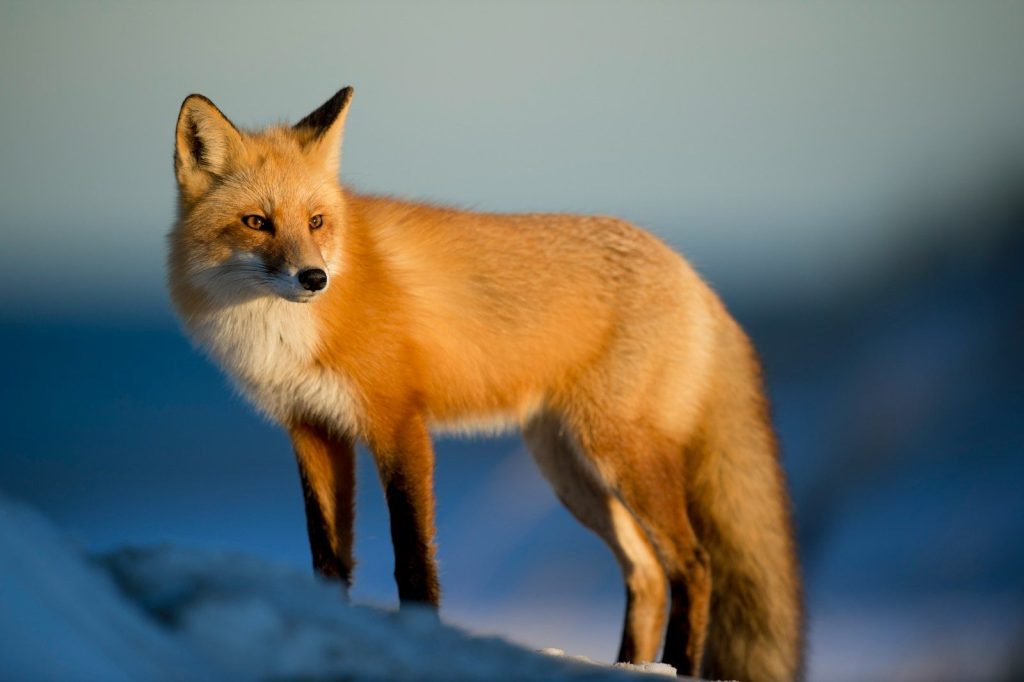
    Foxes are clever hunters, but they are also known for killing more prey than they can eat. This behavior, called surplus killing, has been observed in many parts of the world. In some cases, foxes leave most of the animals behind after attacking them.

    One major example happened in Australia, where a fox killed many animals in a single night without eating most of them. In another case, a fox killed dozens of penguins in just a few days. Researchers believe this happens because the sight of easy prey triggers the fox’s strong hunting instinct.

    Leopards sometimes kill large numbers of prey

    Tiger animal
    Photo by Uriel Soberanes on Unsplash

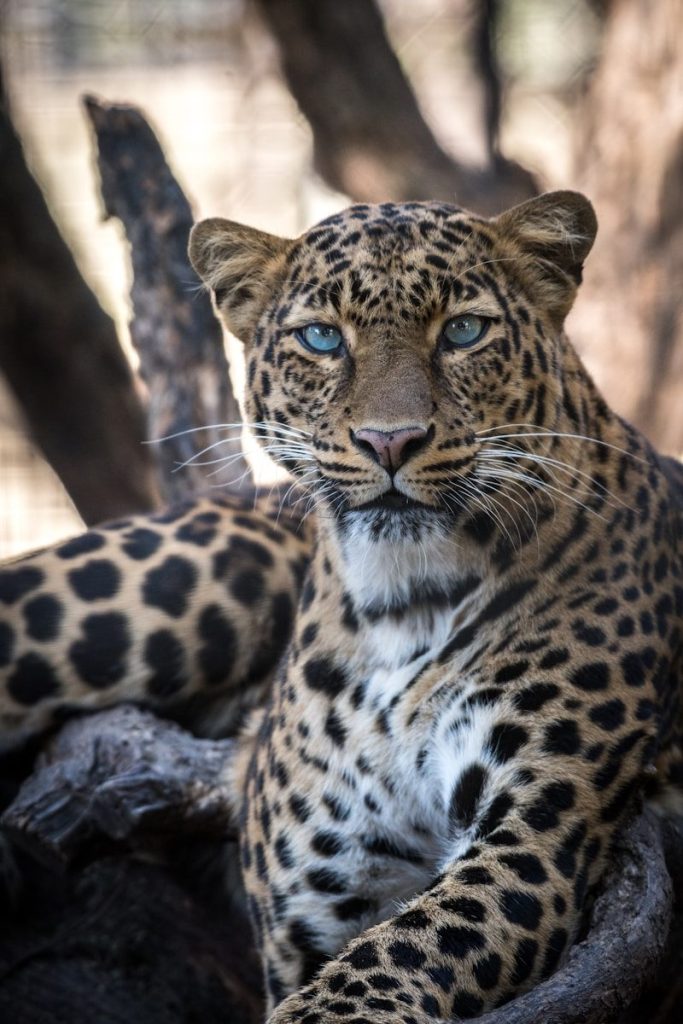
    Leopards are powerful big cats that can hunt animals much larger than themselves. However, they sometimes kill far more prey than they can eat. In farming areas, this behavior can lead to serious livestock losses.

    In one recorded case, a leopard killed more than 50 sheep and lambs in a single hunting event. Many of these animals were not eaten. Scientists believe that, in certain situations, leopards may continue killing out of instinct rather than hunger.

    Hyenas engage in mass killing behavior

    brown and black animal on green grass during daytime
    Photo by mana5280 on Unsplash

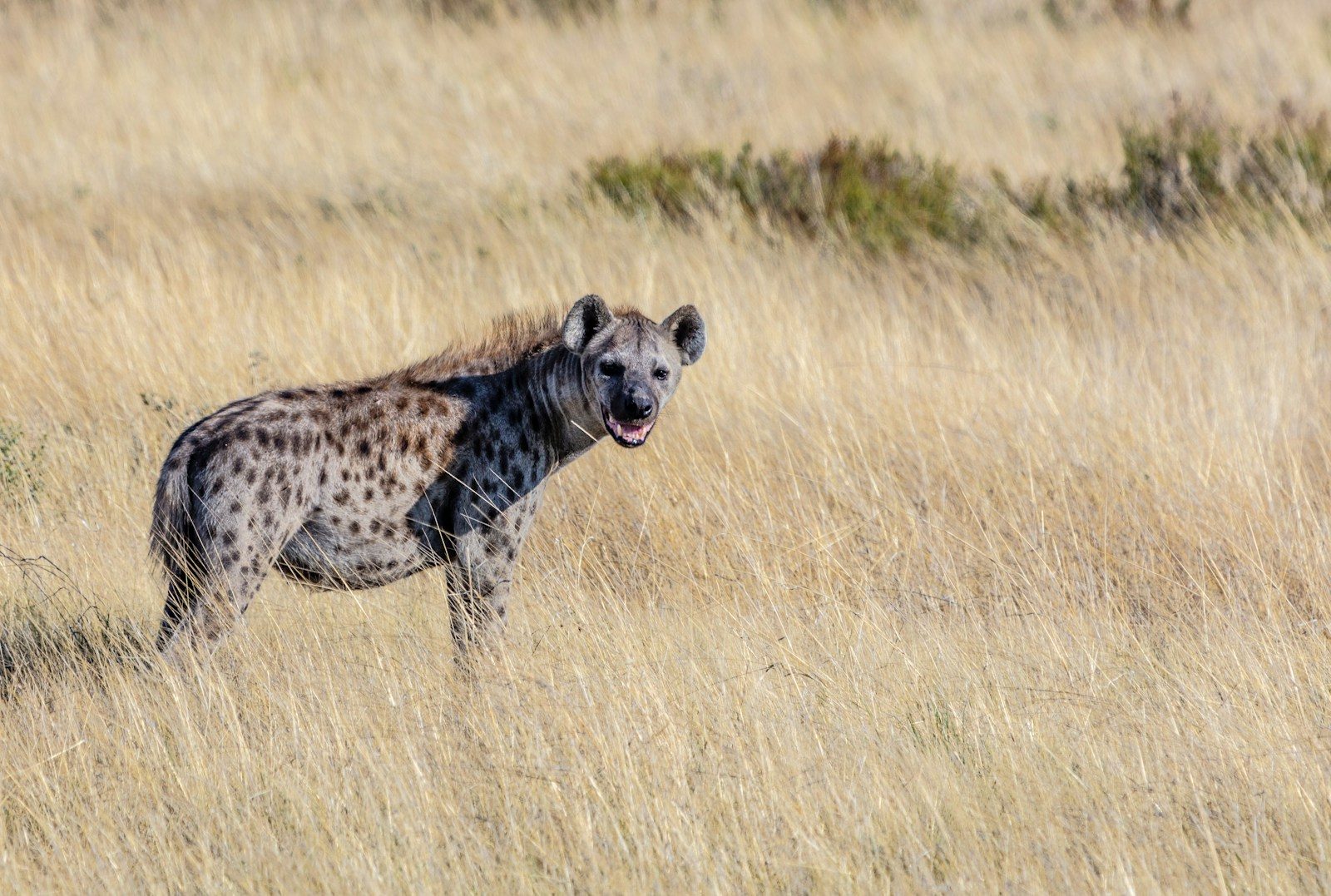
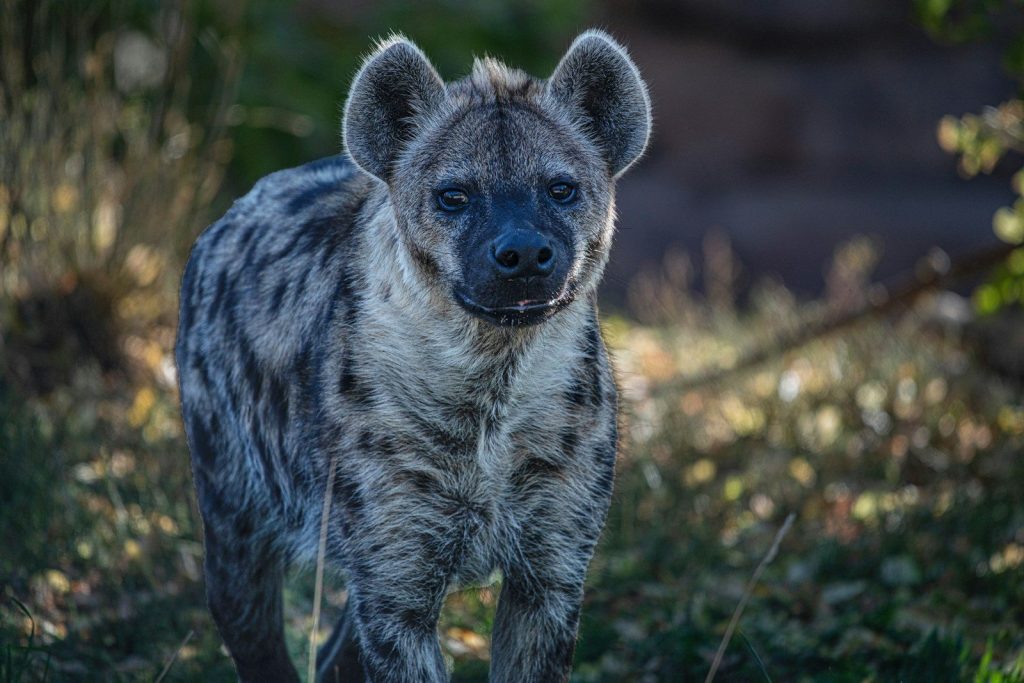
    Hyenas are known for their strong hunting skills and social behavior in groups. However, they have also been observed killing large numbers of animals in a short time. These events can include more kills than the group can possibly consume.

    In one study, a group of hyenas killed over 80 gazelles and left many of them uneaten or only partially eaten. Researchers noted that the hyenas moved from one animal to another in a calm, steady manner. This behavior suggests that the killings were not only for food but may have been driven by hunting instinct.

    Lions sometimes kill even when full

    Lion” by jonesbusy is licensed under CC BY-NC 2.0

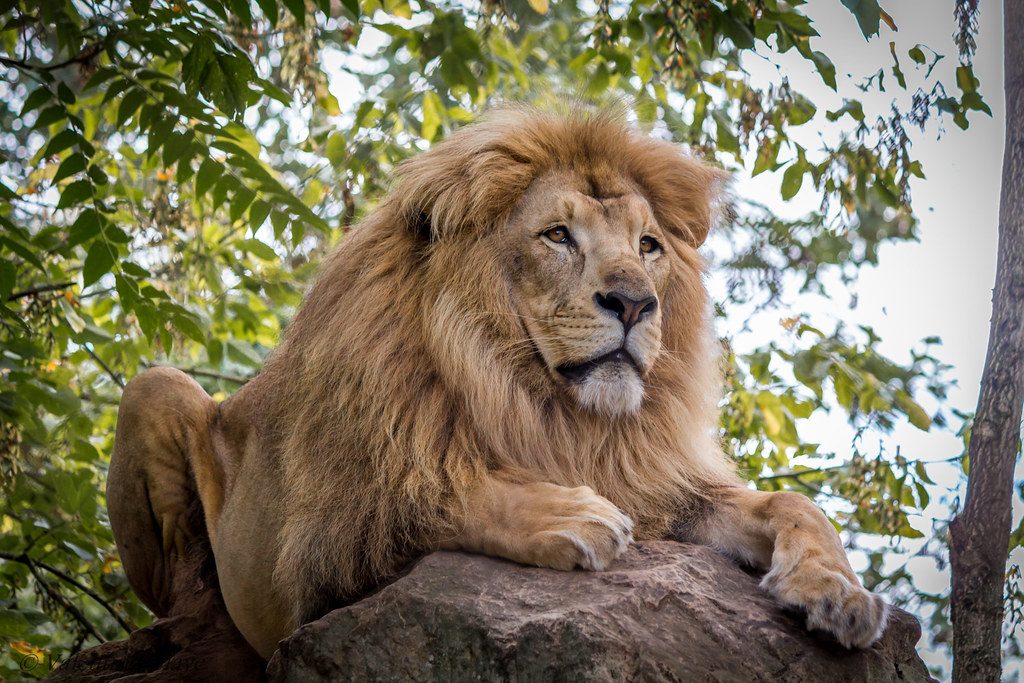
    Lions are often seen as powerful predators that hunt for survival, but they can also show surplus killing behavior. Even when they are not hungry, lions may still chase and kill other animals they encounter.

    In one example, lions that were already feeding on a carcass began chasing birds and killing them despite having no need for food. Another well-known case involved lions in Tsavo, Kenya, where they killed many humans over time. Some of these victims were not eaten, adding to the mystery behind their behavior.

  • Rising vet costs are forcing pet owners into heartbreaking decisions

    Rising vet costs are forcing pet owners into heartbreaking decisions

    For many families, pets are more than animals. They are part of the household and deeply loved. But rising prices are making it harder for people to care for them. The topic of rising pet care costs in America shows how financial pressure is changing the way owners make decisions about their pets.

    This article explains how veterinary costs are increasing, how many pet owners are affected, and what this means for families. It also examines how financial stress can affect pet health care choices and the options owners may have when facing high bills.

    Many pet owners struggle with veterinary costs

    man sitting beside dog
    Photo by Xan Griffin on Unsplash

    A large number of pet owners in the United States are struggling to afford veterinary care. A Gallup poll found that 52% of pet owners have delayed vet visits because of cost. Even more concerning, about seven in ten owners say they avoid pet care for financial reasons.

    These numbers show that money is becoming a major factor in pet health decisions. Many families are forced to wait before getting help for their pets, even when their pets need care. This delay can lead to more serious health problems over time.

    The idea of “economic euthanasia” in pet care

    person holding silver tabby cat
    Photo by Werzk Luuuuuuu on Unsplash

    Because of rising costs, experts have described a painful situation called “economic euthanasia.” This refers to situations in which pet owners are forced to delay treatment or even consider putting down a pet because they cannot afford care.

    This situation is heartbreaking for many families. It shows how financial limits can directly affect a pet’s life and health. For many owners, choosing between cost and care becomes an emotional and difficult decision.

    Veterinary costs are rising quickly

    A man in a black shirt is petting a white cat
    Photo by Sueda Güzeldere on Unsplash

    Pet care costs in the United States have increased significantly in recent years. In 2023, Americans spent about $38 billion on pet healthcare, compared to $29 billion in 2019. This shows how quickly spending has grown in just a few years.

    Experts also expect total pet-related spending to keep rising in the future. One projection estimates it could reach $157 billion by 2025. These rising numbers reflect how expensive modern pet care has become for many households.

    Why veterinary bills keep getting higher

    white and black short coated dog wearing white and black polka dot shirt
    Photo by Karsten Winegeart on Unsplash

    One reason for rising costs is the improvement in veterinary medicine. Today’s clinics use advanced tools such as ultrasound machines, X-ray equipment, and lab equipment. These technologies help pets receive better care and more accurate diagnoses.

    However, these improvements also increase the cost of treatment. Many of these expenses are passed on to pet owners. Unlike human healthcare, most pet owners do not have employer plans or insurance support to reduce the financial burden.

    How financial limits affect pet treatment decisions

    a dog laying on the floor with a person holding a stick
    Photo by Ayla Verschueren on Unsplash

    Many pet owners set limits on how much they can spend on veterinary care. Reports show that most people cap treatment costs at around $1,000. This means expensive procedures are often avoided, even when they could help the pet.

    Surveys also show that while many owners could pay more if given flexible payment plans, only a small number actually receive them. Without financial options, some pets may go untreated, be surrendered, or, in extreme cases, be euthanized.
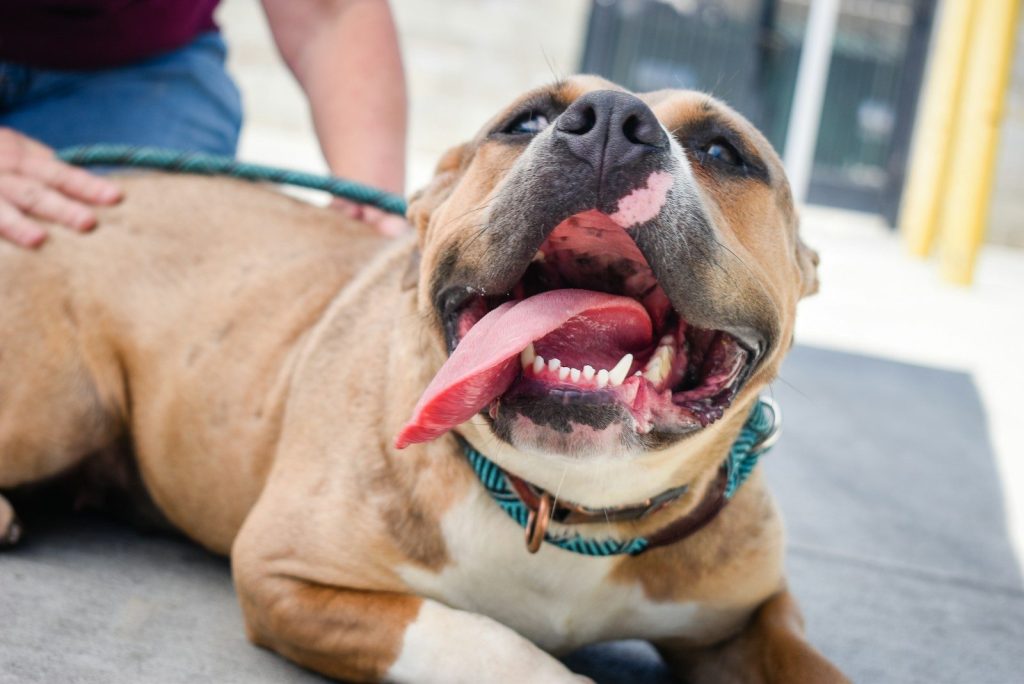
    What can pet owners do to manage costs?

    woman carrying adult white and brown dog
    Photo by Sam McNamara on Unsplash

    Even with rising prices, pet owners can still manage veterinary expenses. Some people use budgeting strategies to plan for routine and emergency care. This helps reduce the financial stress of unexpected pet care costs.

    Pet insurance is another option that can help lower costs. It can cover parts of routine checkups or emergency visits that would otherwise be expensive. Comparing different plans may help owners find coverage that fits their budget and their pet’s needs.