
For many families, pets are more than animals. They are part of the household and deeply loved. But rising prices are making it harder for people to care for them. The topic of rising pet care costs in America shows how financial pressure is changing the way owners make decisions about their pets.
This article explains how veterinary costs are increasing, how many pet owners are affected, and what this means for families. It also examines how financial stress can affect pet health care choices and the options owners may have when facing high bills.
Many pet owners struggle with veterinary costs

A large number of pet owners in the United States are struggling to afford veterinary care. A Gallup poll found that 52% of pet owners have delayed vet visits because of cost. Even more concerning, about seven in ten owners say they avoid pet care for financial reasons.
These numbers show that money is becoming a major factor in pet health decisions. Many families are forced to wait before getting help for their pets, even when their pets need care. This delay can lead to more serious health problems over time.
The idea of “economic euthanasia” in pet care

Because of rising costs, experts have described a painful situation called “economic euthanasia.” This refers to situations in which pet owners are forced to delay treatment or even consider putting down a pet because they cannot afford care.
This situation is heartbreaking for many families. It shows how financial limits can directly affect a pet’s life and health. For many owners, choosing between cost and care becomes an emotional and difficult decision.
Veterinary costs are rising quickly
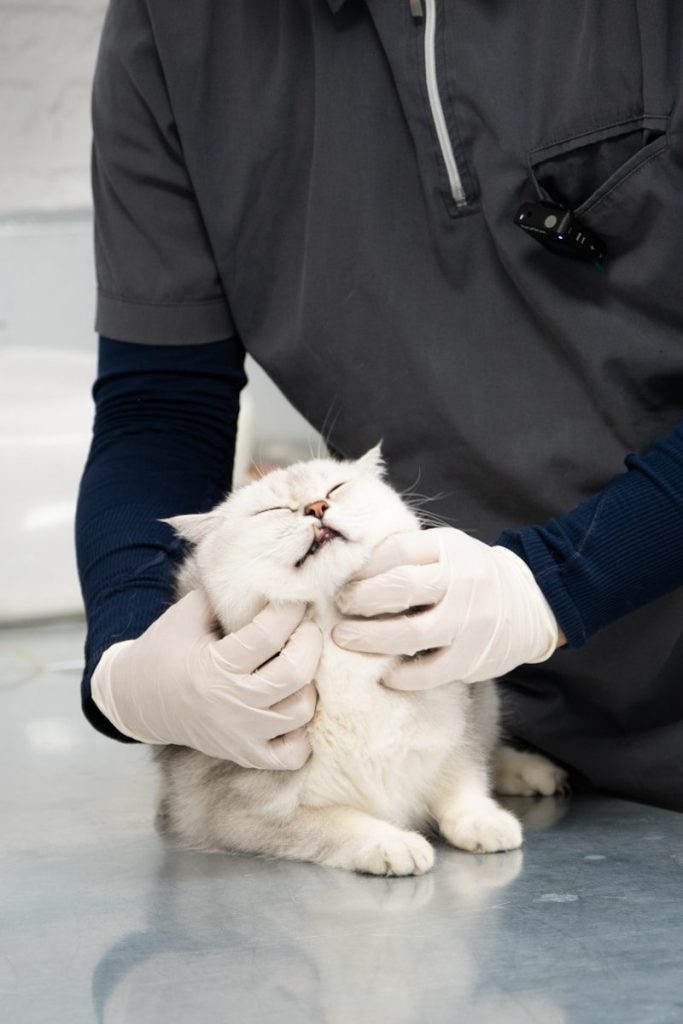
Pet care costs in the United States have increased significantly in recent years. In 2023, Americans spent about $38 billion on pet healthcare, compared to $29 billion in 2019. This shows how quickly spending has grown in just a few years.
Experts also expect total pet-related spending to keep rising in the future. One projection estimates it could reach $157 billion by 2025. These rising numbers reflect how expensive modern pet care has become for many households.
Why veterinary bills keep getting higher

One reason for rising costs is the improvement in veterinary medicine. Today’s clinics use advanced tools such as ultrasound machines, X-ray equipment, and lab equipment. These technologies help pets receive better care and more accurate diagnoses.
However, these improvements also increase the cost of treatment. Many of these expenses are passed on to pet owners. Unlike human healthcare, most pet owners do not have employer plans or insurance support to reduce the financial burden.
How financial limits affect pet treatment decisions

Many pet owners set limits on how much they can spend on veterinary care. Reports show that most people cap treatment costs at around $1,000. This means expensive procedures are often avoided, even when they could help the pet.
Surveys also show that while many owners could pay more if given flexible payment plans, only a small number actually receive them. Without financial options, some pets may go untreated, be surrendered, or, in extreme cases, be euthanized.
What can pet owners do to manage costs?

Even with rising prices, pet owners can still manage veterinary expenses. Some people use budgeting strategies to plan for routine and emergency care. This helps reduce the financial stress of unexpected pet care costs.
Pet insurance is another option that can help lower costs. It can cover parts of routine checkups or emergency visits that would otherwise be expensive. Comparing different plans may help owners find coverage that fits their budget and their pet’s needs.
Leave a Reply