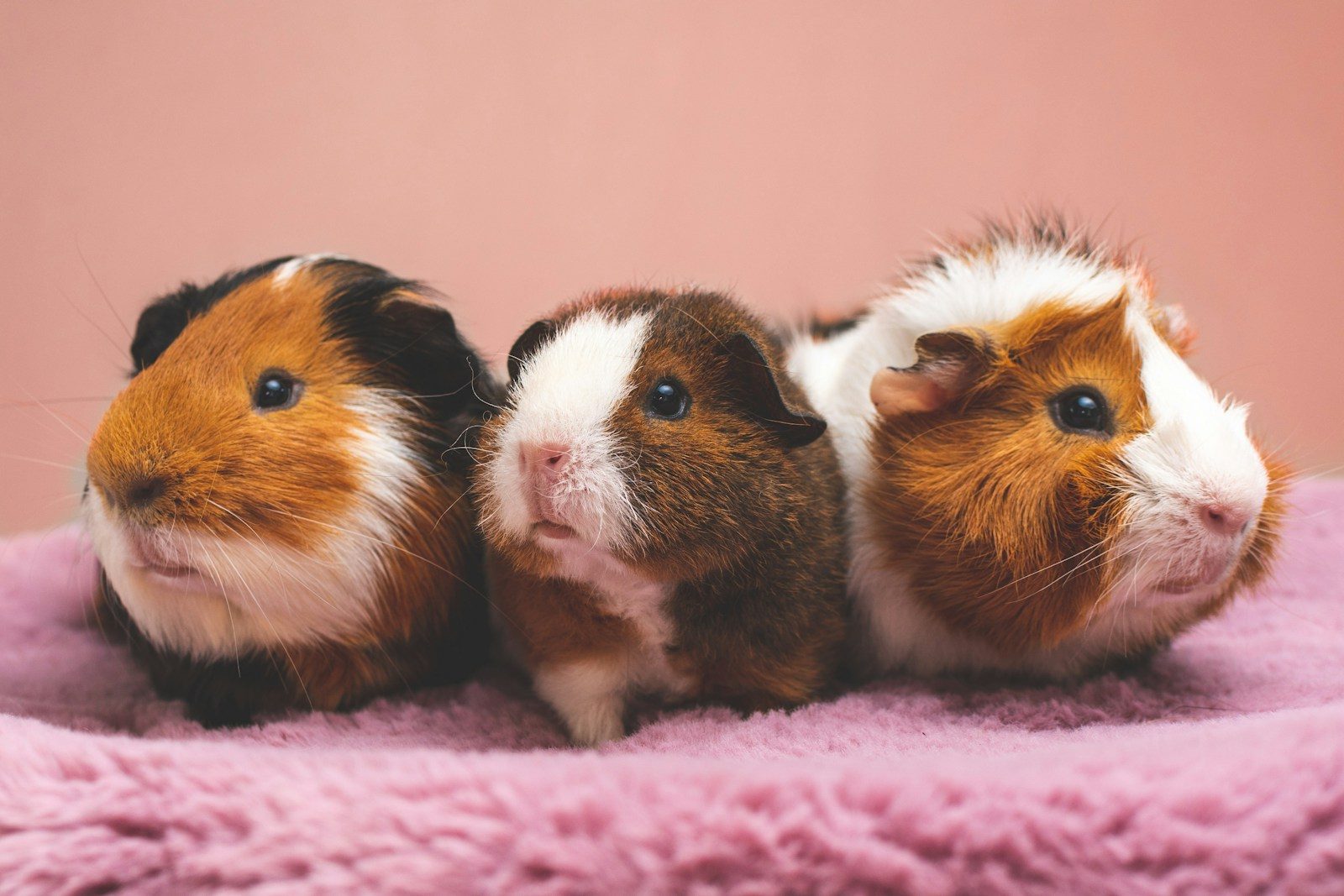
Many people assume that animals can easily survive on their own if released into the wild. After all, survival instincts should take over, right? In reality, domesticated animals have spent generations living alongside humans, and many have lost the skills needed to survive without our help.
Selective breeding has changed everything from their behavior to their physical traits, making them better suited for homes, farms, and human care than life in the wild. Here are six domesticated animals that would face major challenges if suddenly forced to survive on their own.
Dogs face challenges without human support
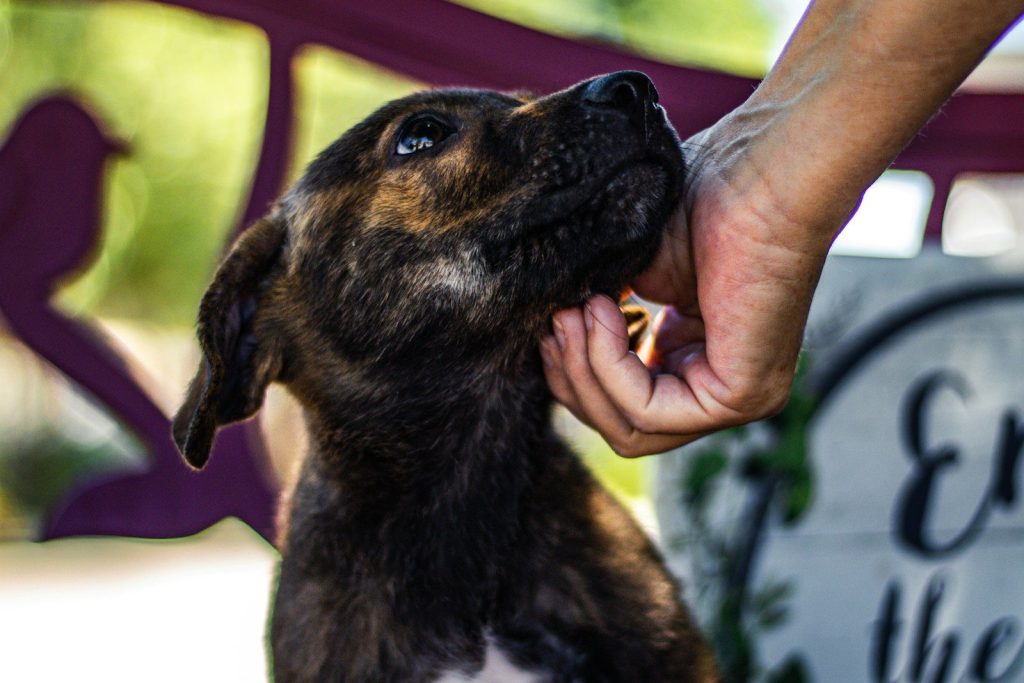
Dogs may be descendants of wolves, but thousands of years of domestication have changed them dramatically. Many modern breeds were developed for companionship rather than survival, leaving them with fewer skills for hunting, avoiding predators, and finding food independently.
While some dogs can survive in feral groups, many would struggle alone. Smaller breeds and highly specialized dogs are especially vulnerable because they lack the size, strength, and hunting abilities needed to compete in wild environments.
Domestic rabbits are highly vulnerable
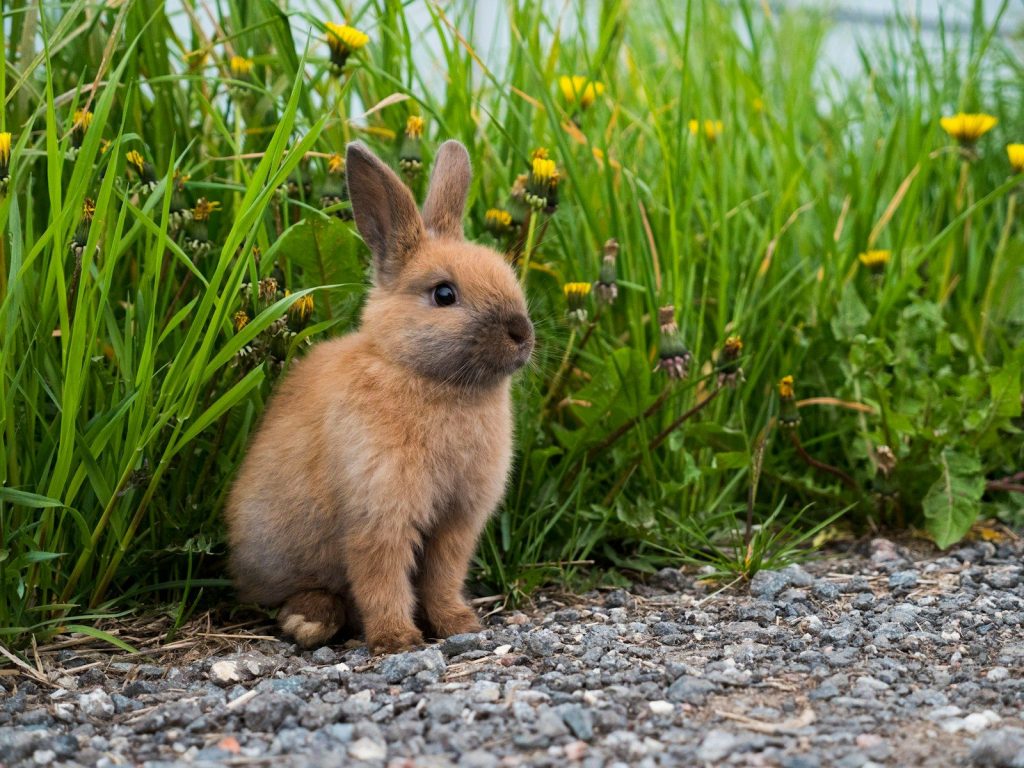
Domestic rabbits differ greatly from their wild relatives. They have been bred for calm temperaments, soft fur, and unique appearances rather than survival abilities.
Many domestic rabbits lack strong predator awareness and often have coat colors that make them easy to spot. Without camouflage and natural survival instincts, they become easy targets for predators such as foxes, coyotes, and birds of prey.
Guinea pigs have lost key survival skills
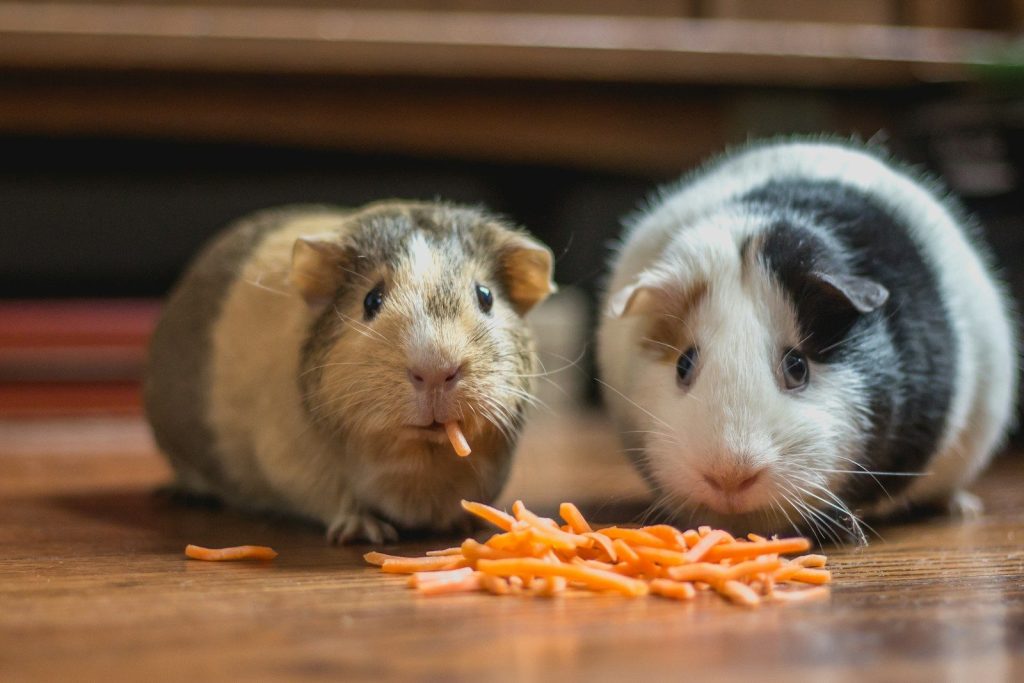
Guinea pigs have lived alongside humans for thousands of years. During that time, they have become more social and dependent on predictable environments where food and shelter are readily available.
Compared to their wild relatives, domestic guinea pigs are less cautious and less likely to explore unfamiliar surroundings. These traits may make them excellent pets, but they leave guinea pigs poorly equipped to find food or avoid predators in the wild.
Cats retain some hunting abilities

Cats are often considered one of the more independent domesticated animals. Many still possess strong hunting instincts and can catch small prey when necessary.
However, survival in true wilderness areas remains difficult for many house cats. While some feral cats adapt near human communities, domestic cats often face dangers from larger predators, harsh weather, disease, and limited food resources when removed from human environments.
Poultry struggle against predators
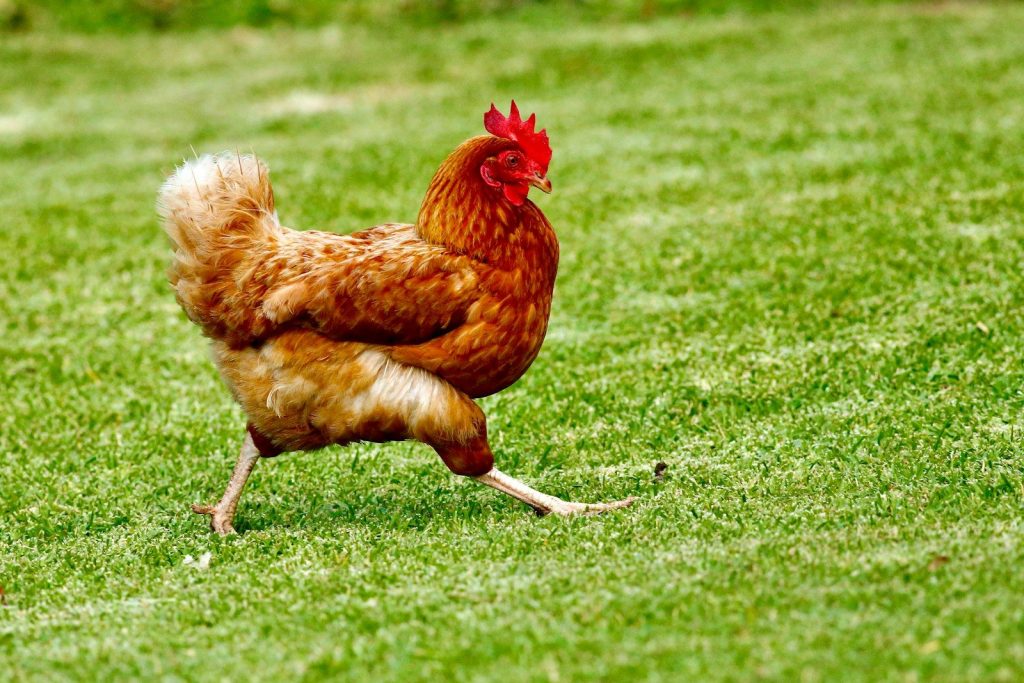
Domestic chickens and other poultry have been selectively bred for egg, meat, or ornamental traits. These characteristics often come at the expense of survival abilities.
Many poultry breeds are highly visible, less agile, and unable to escape predators effectively. Without secure shelters and regular food sources, they can quickly become easy targets for foxes, coyotes, hawks, and other predators.
Livestock and ornamental fish depend on human care
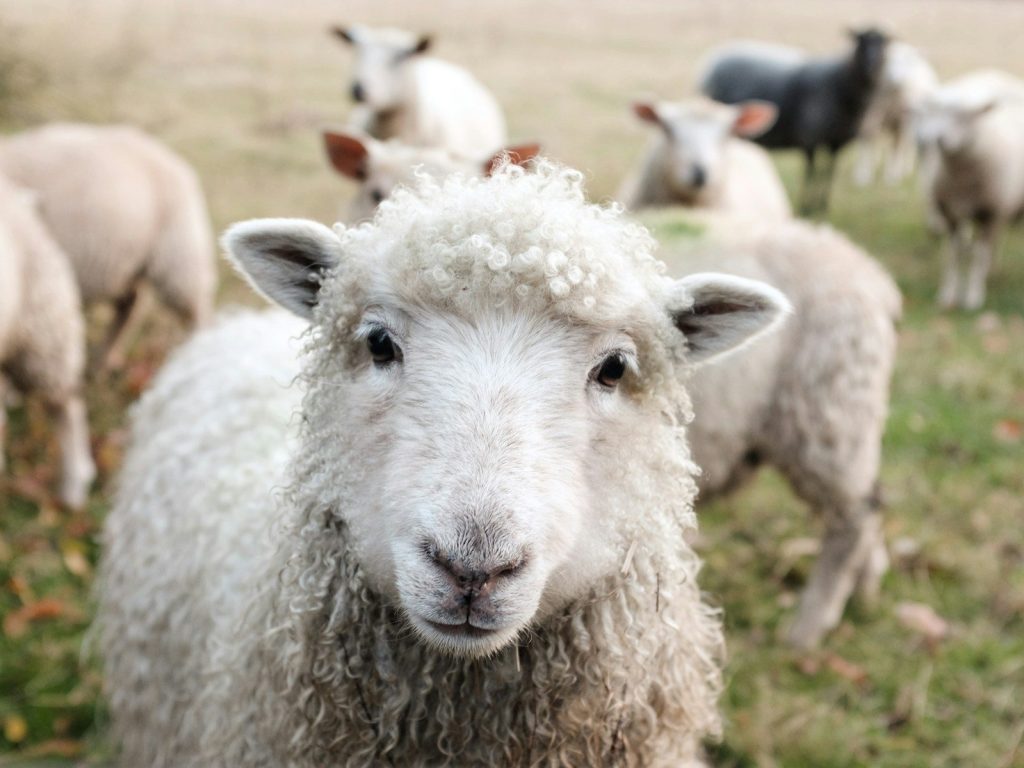
Animals such as sheep, cattle, and goats have been bred for agricultural purposes rather than wilderness survival. Many rely on human management for protection, access to food, and health care. Sheep, in particular, require regular wool maintenance that would not occur naturally in domestic breeds.
Ornamental fish face even greater challenges. Bright colors, unusual body shapes, and delicate fins make them vulnerable to predators and environmental conditions. Many aquarium species are simply not adapted to survive in natural waterways without human support.
Leave a Reply