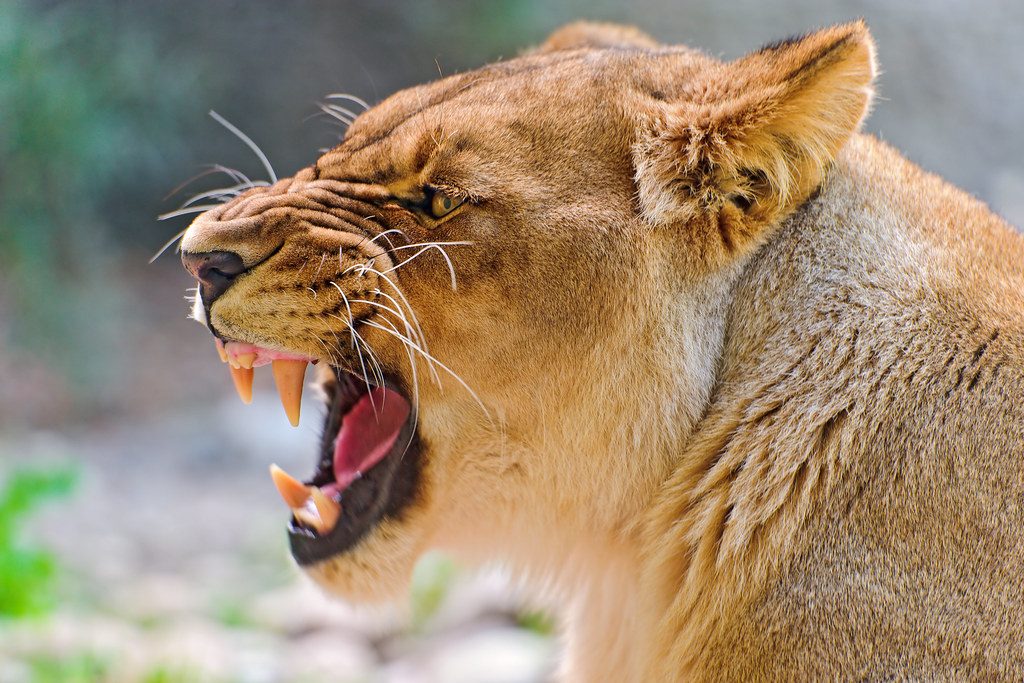
A lioness standing tall after a medical emergency can create a powerful image of recovery. The supplied account describes a lioness standing above a transport truck after surviving a dangerous poisoning scare. It says contaminated meat caused a serious reaction and that veterinary care helped stabilize her before she returned to a sanctuary environment.
While the exact incident could not be independently confirmed, lion poisoning is a real threat documented in both wild and captive animals. Contaminated food can also make large carnivores seriously ill. These cases show why quick veterinary attention, careful monitoring, and safe food handling can matter when a lion suddenly becomes sick.
Poisoning can become a serious threat to lions
Lions are among the most powerful predators on land, but their size does not protect them from toxic substances. If a lion eats contaminated food, harmful material can enter its body just as it can in other animals. Published veterinary records contain examples of captive carnivores becoming seriously ill after eating unsafe meat. In some cases, lions have been among the animals affected.
Poisoning also occurs among wild lions. In these cases, meat may be deliberately contaminated and left where predators can find it. This creates a wider wildlife problem because other animals can also feed on the same remains. Conservation groups have documented incidents in which lions and scavenging animals were put at risk by poisoned carcasses.
Contaminated meat has harmed big cats before
There are documented cases showing how dangerous contaminated meat can be for captive carnivores. Scientific reviews have recorded poisoning involving lions and other big cats. One review described a lioness that survived an earlier poisoning event but later died following another exposure. It also documented other captive carnivores affected after unsafe carcass meat was used as food.
Other forms of contaminated meat can also cause serious disease. A major scientific reference on anthrax describes incidents involving carnivores that became sick after consuming contaminated raw meat. Lions were among the animals described in historical cases. The illness could progress rapidly once symptoms appeared.
Veterinary teams must act quickly when lions become sick
Treating a sick lion creates challenges that do not exist with an ordinary household animal. A lion is large, fast, and extremely powerful. Even when the animal is weak, veterinarians have to think carefully about how to examine it without putting the lion or the rescue team at unnecessary risk.
Wildlife veterinary teams may need to immobilize a lion before performing a close examination. A documented case from Amboseli National Park involved a young lioness that appeared lame and very thin. A veterinary team immobilized her so it could carry out a physical examination and provide treatment. The lioness was monitored during the procedure and later revived.
Recovery does not end when treatment is finished
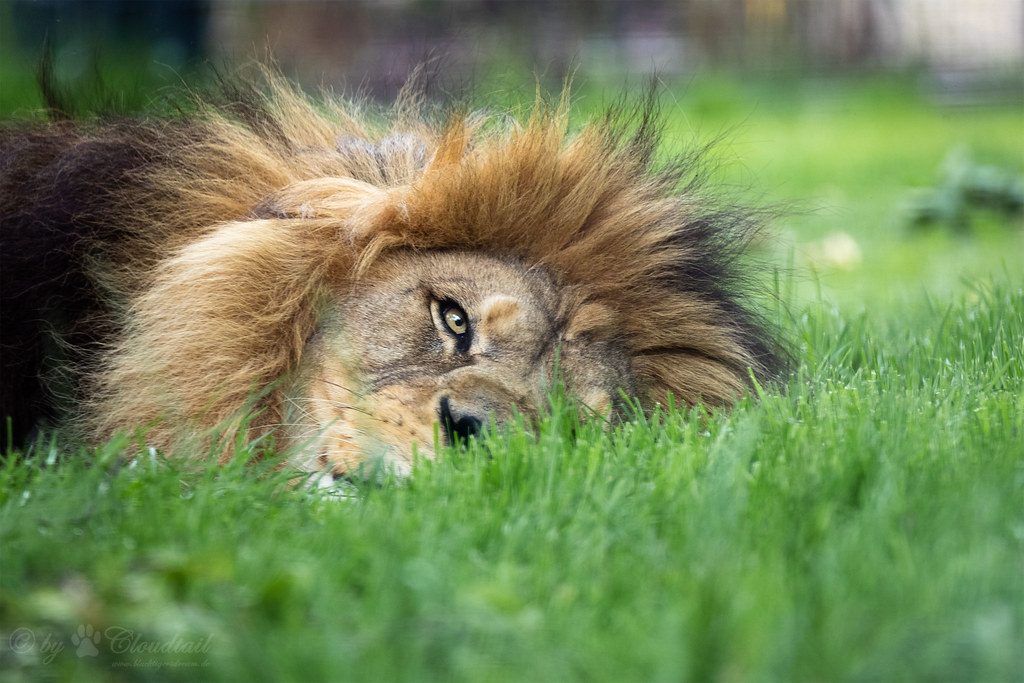
Giving medical treatment is only one part of helping a seriously sick animal. Wildlife teams also have to watch what happens afterward. A lion that has been weakened by illness may need time before it returns to normal movement and behavior.
Veterinary teams can observe whether an animal is able to stand, walk, eat, and respond normally after treatment. In the documented Amboseli case, the lioness was revived after her examination and treatment. She later recovered enough to feed. Such observations can give veterinarians useful information about how the animal is responding.
Lion poisoning can affect an entire ecosystem
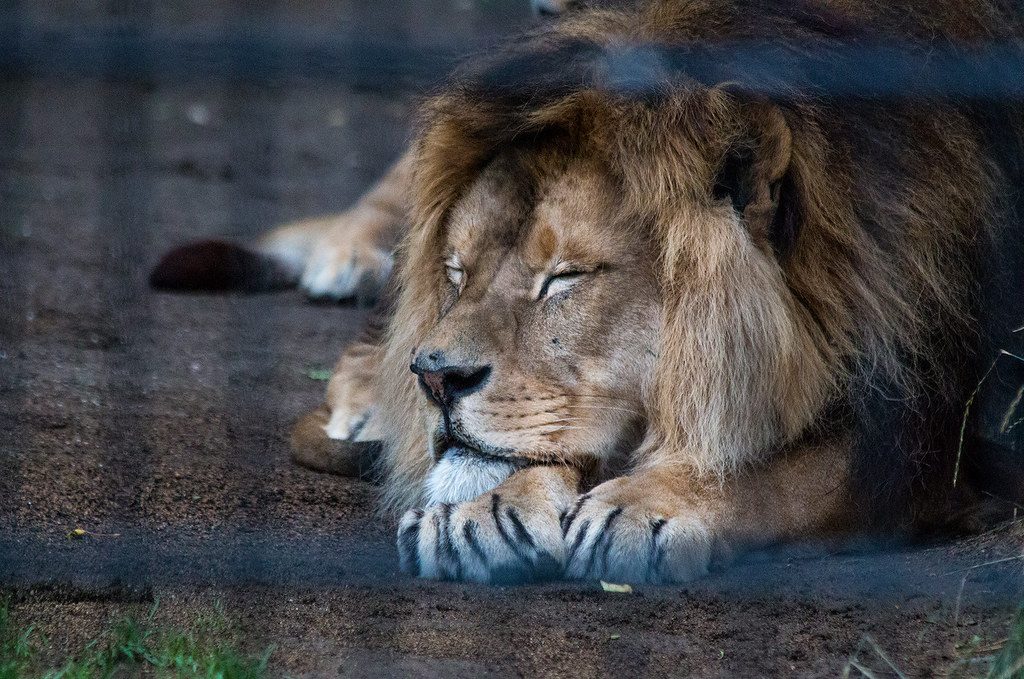
A poisoned animal can be part of a much larger problem. When contaminated meat is left in a wild environment, it does not remain available to only one species. Lions may feed from it, but so can other predators and scavengers.
This creates the possibility of several animals being harmed by the same source. Conservation teams have reported finding contaminated carcasses while scavenging birds were already arriving nearby. Those teams have warned that birds and mammals could become additional victims if they consumed the remains.
A standing lioness can become a symbol of recovery
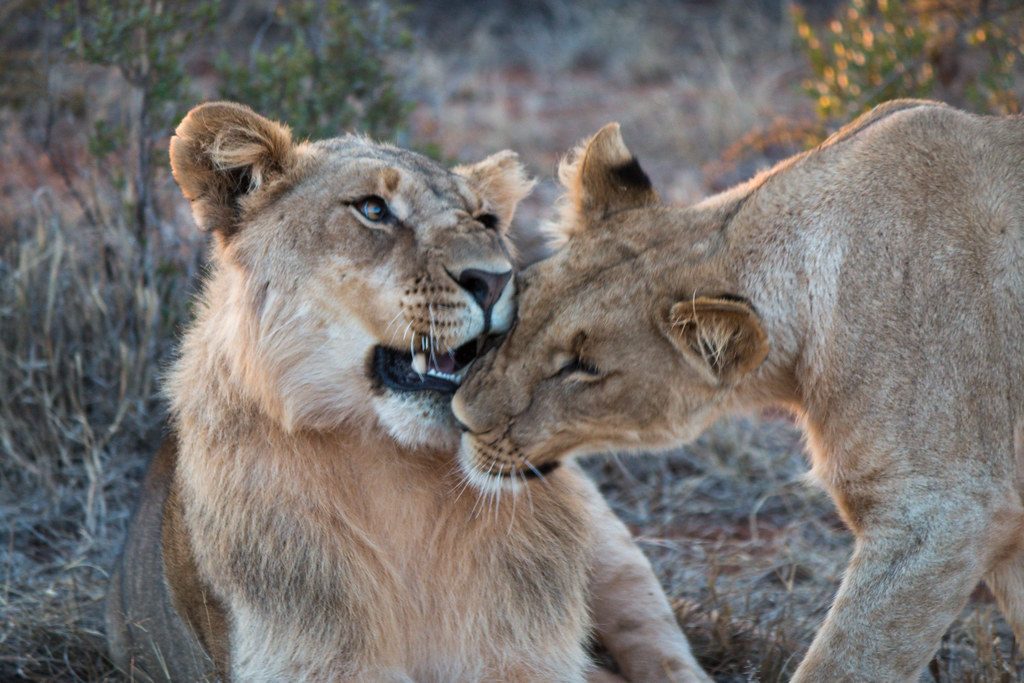
The most striking part of the supplied story is its final image. A lioness that had recently needed urgent help is described as standing high above a transport truck. Visually, the moment creates a dramatic contrast between weakness and recovery.
However, an image alone cannot tell viewers the complete medical story behind an animal. Seeing a lion standing does not reveal what caused an earlier illness, what treatment it received, or whether its recovery is complete. Those details need confirmation from the veterinarians or the rescue organization responsible for the animal.
Featured Image: “Profile of a lioness starting to yawn” by Tambako the Jaguar is licensed under CC BY-ND 2.0
Leave a Reply