
Sometimes the greatest danger is the one that nobody notices. That was the case for a young seal carrying a hidden trap that caused pain every day, yet remained almost invisible to the people around it. Even experienced rescuers nearly missed the problem before finally spotting it.
By then, the seal had already spent a long time living with discomfort and an uncertain future. This article tells the story of the remarkable rescue, explains why hidden entanglements are so dangerous, and shows how one careful observation gave this seal a second chance.
A hidden danger no one could easily see

At first glance, the seal appeared to be moving normally among many other animals. Nothing immediately suggested that it was in serious trouble, making the hidden trap extremely difficult to notice.
As time passed, the unseen object continued causing pain. Because the danger blended into the seal’s body and surroundings, it remained hidden even from people who regularly watched the colony.
Living with pain every single day
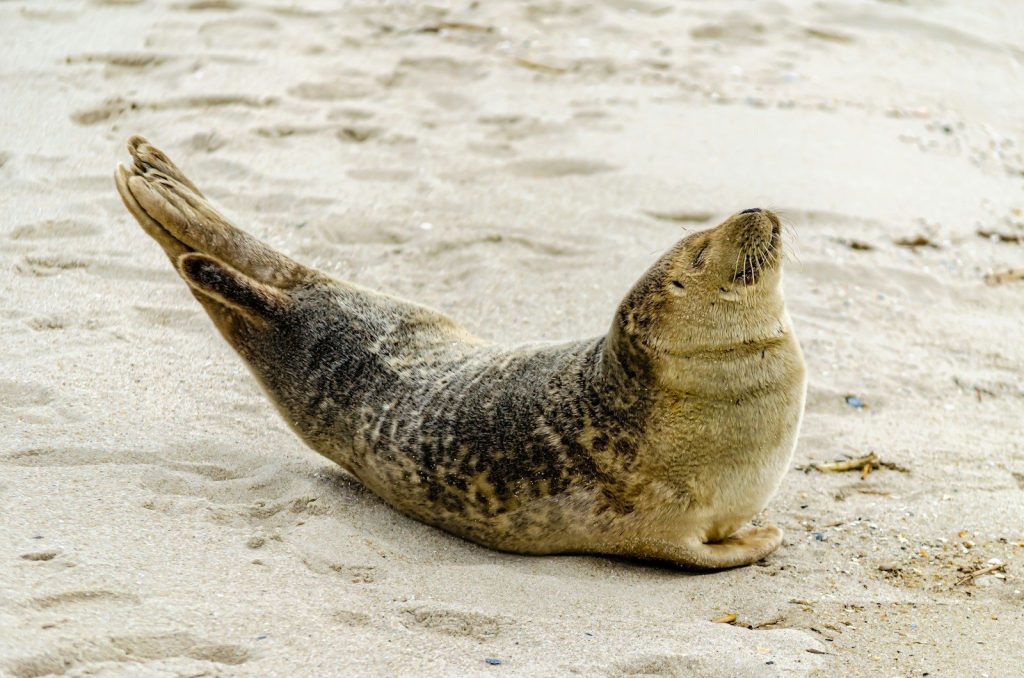
The seal continued swimming, resting, and searching for food while carrying the hidden trap. Every movement likely added more pressure as the object stayed tightly wrapped around its body.
Without help, these types of entanglements can become worse as young seals grow. What begins as a small problem may slowly lead to deep wounds, infection, and increasing difficulty moving or feeding.
The moment rescuers finally noticed

During a careful search, rescuers spotted the subtle sign that everyone else had overlooked. What seemed like a normal seal was actually carrying a dangerous piece of debris that needed immediate attention.
Once the problem was identified, the rescue team acted quickly. Their experience and patience allowed them to approach the seal safely and remove the hidden trap before further damage could occur.
Why entanglements are so dangerous
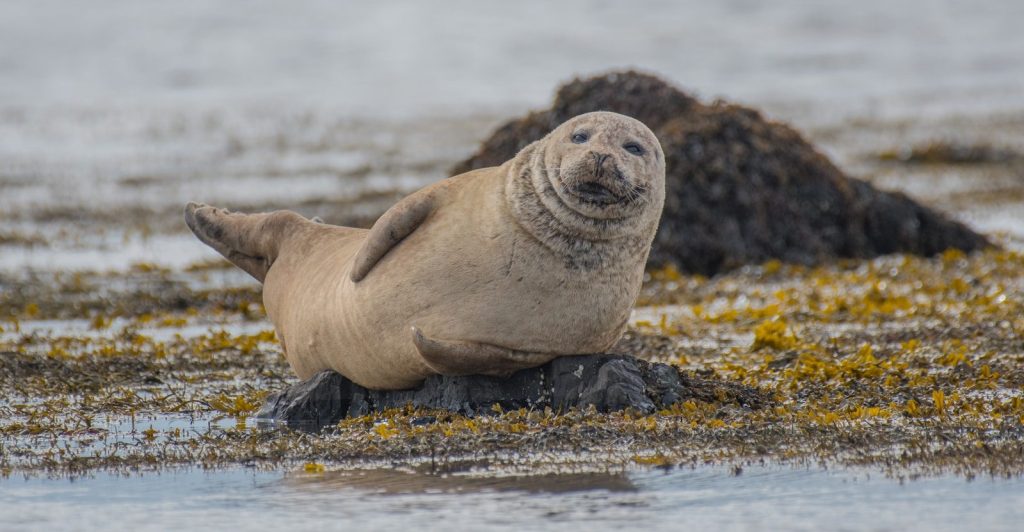
Marine debris such as discarded fishing line, rope, and plastic loops can tighten over time as seals continue to grow. Because these animals are active swimmers, the material often cuts deeper into the body instead of falling away.
Many entangled seals survive for weeks or even months despite injuries that become increasingly severe. Early detection greatly improves the chances of a successful rescue.
A powerful reminder for wildlife conservation
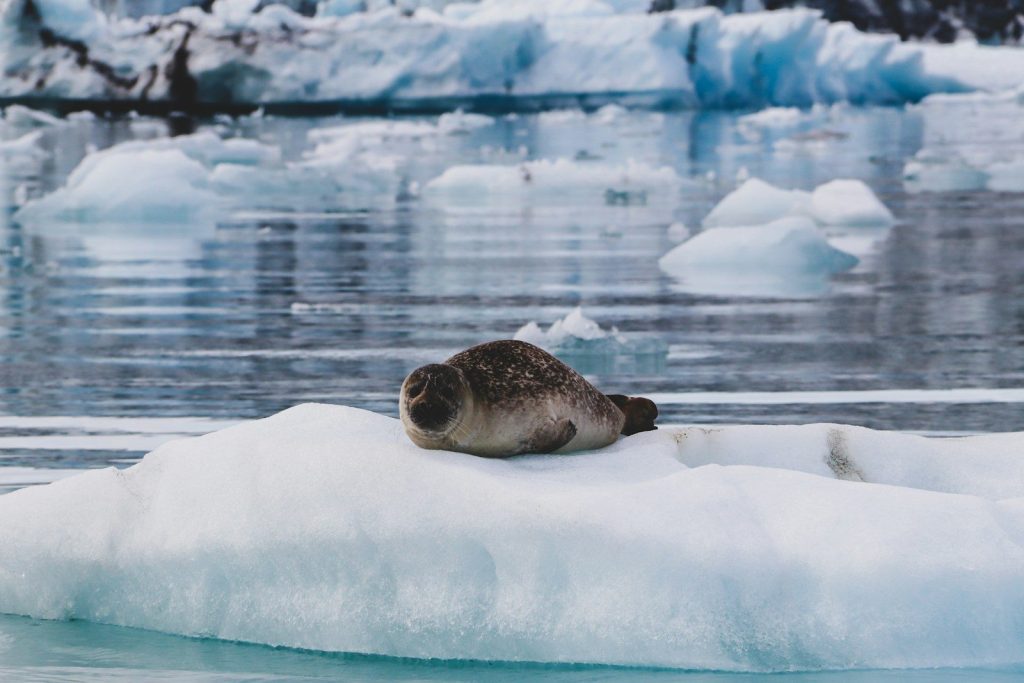
The rescue showed how easily dangerous debris can go unnoticed in the wild. Even trained wildlife teams sometimes need several opportunities before spotting an entangled animal hidden among hundreds of healthy seals.
Removing marine debris from beaches and coastal waters can help reduce these injuries. Every successful rescue also reminds people of the importance of protecting ocean wildlife from human-made hazards.
Relief at last
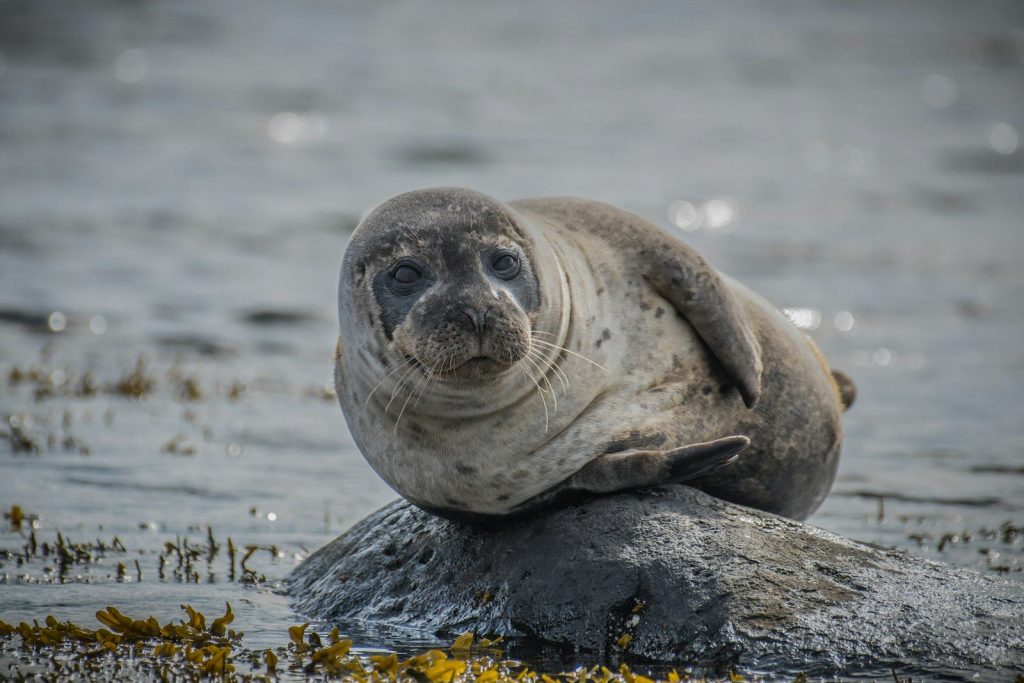
After the hidden trap was removed, the seal was finally free from the object that had caused so much pain. The rescue marked the end of a long period of suffering and the beginning of recovery.
The emotional moment demonstrated how a single act of careful observation can change an animal’s future. It also reminded everyone that some of the most serious threats to wildlife are the hardest to see.
Leave a Reply