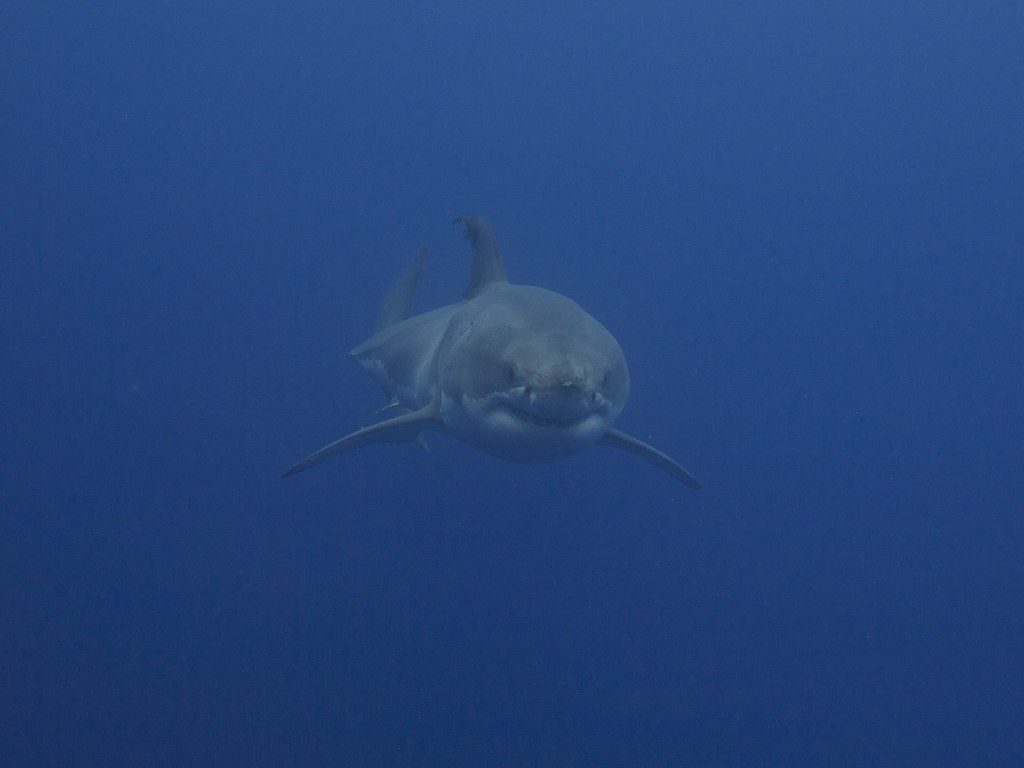
A rare incident involving two great white sharks and a surfer has caught the attention of researchers and ocean safety experts. Encounters between surfers and great white sharks are already uncommon, but seeing two great whites close to the same surfer is even more unusual. Scientists are studying what happened to better understand shark behavior and improve public safety.
This article explains what researchers know about the incident, why it matters, how great white sharks behave, and what surfers can learn from it. You will also discover why experts say these events are extremely rare and why sharks are not usually interested in people.
Why this shark encounter was so unusual
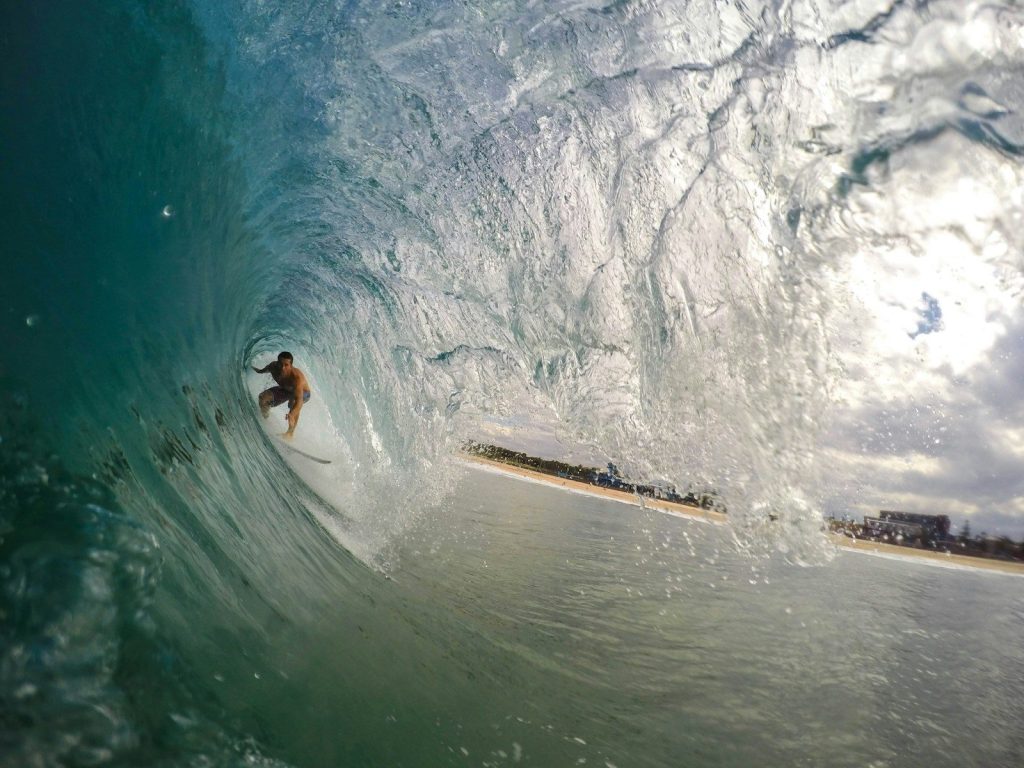
Researchers say the surfer was in the water when two great white sharks were seen nearby at the same time. Great white sharks are usually found alone, so seeing two around one surfer made the event stand out. Scientists are now studying the conditions that may have brought both sharks to the same area.
Marine experts believe the sharks were likely focused on food or natural ocean activity rather than the surfer. Great white sharks often gather where seals, fish, or whale remains are present, and they may cross paths without working together.
What researchers are learning

Scientists are using reports, drone footage, and witness accounts to understand exactly what happened. Every unusual shark encounter gives researchers new information about how these animals move, hunt, and respond to changes in the ocean.
Experts also remind people that great white sharks do not hunt humans as prey. Many incidents happen because a shark is investigating something unfamiliar or mistakes a surfer’s outline for a seal before quickly leaving the area.
Why two great white sharks may share the same area
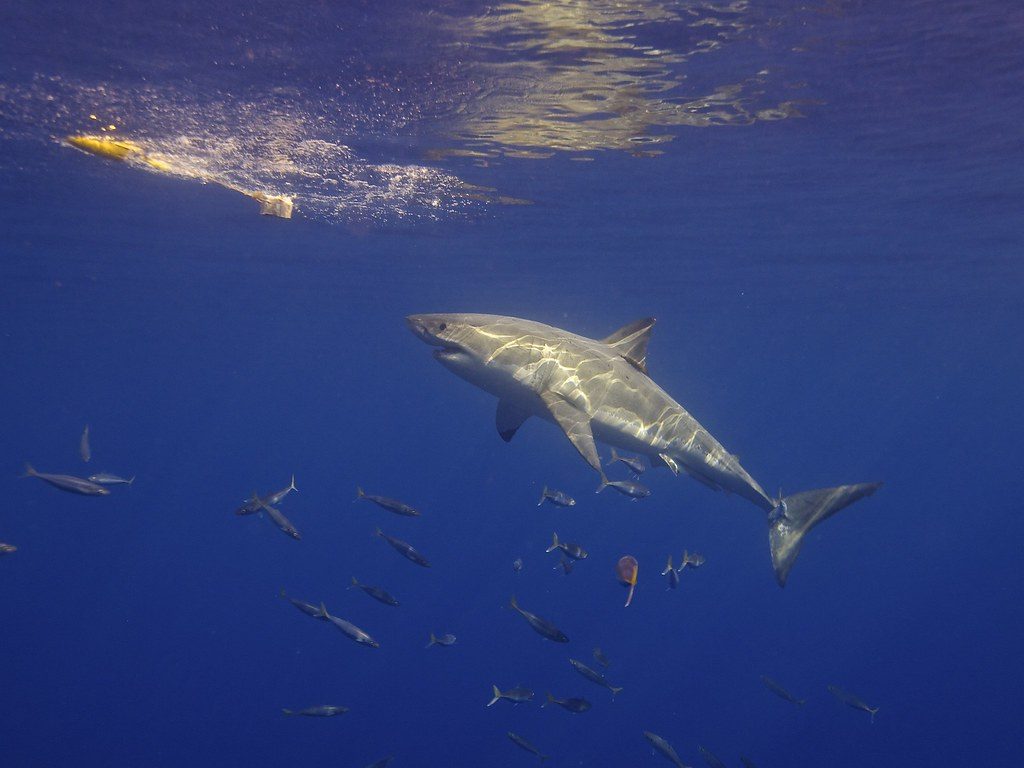
Although great white sharks usually travel alone, they can gather in places with plenty of food. Dead whales, large schools of fish, and seal colonies can attract more than one shark at the same time. This does not mean the sharks are hunting together.
Researchers have documented cases where several great white sharks feed in the same location without acting like a pack. Each shark is still acting on its own, even when others are nearby.
How surfers can stay safer in the water

Experts recommend avoiding the water at dawn and dusk because sharks are often more active during these times. Surfers should also stay away from areas where seals are common or where people are fishing, since these places can attract sharks.
Checking local beach warnings before entering the water is another smart step. Many beaches now use drones, lifeguards, and patrols to watch for sharks and alert people if one is spotted nearby.
What this means for shark research

Rare events like this help scientists improve their understanding of great white sharks. Every observation adds to long-term research on shark movement, feeding habits, and how changing ocean conditions affect their behavior.
Researchers also hope these studies will improve beach safety while protecting sharks. Great white sharks are an important part of healthy ocean ecosystems because they help keep marine food chains balanced.
Why people should not panic

Even though stories about sharks can sound frightening, shark incidents remain very rare compared with the millions of people who enter the ocean each year. Most surfers and swimmers never experience a close encounter with a great white shark.
Researchers encourage people to respect the ocean while remembering that sharks play a valuable role in nature. Learning more about their behavior helps reduce fear and supports safer beaches for everyone.
Featured Image: “Great White Shark” by Elias Levy is licensed under CC BY 2.0
Leave a Reply