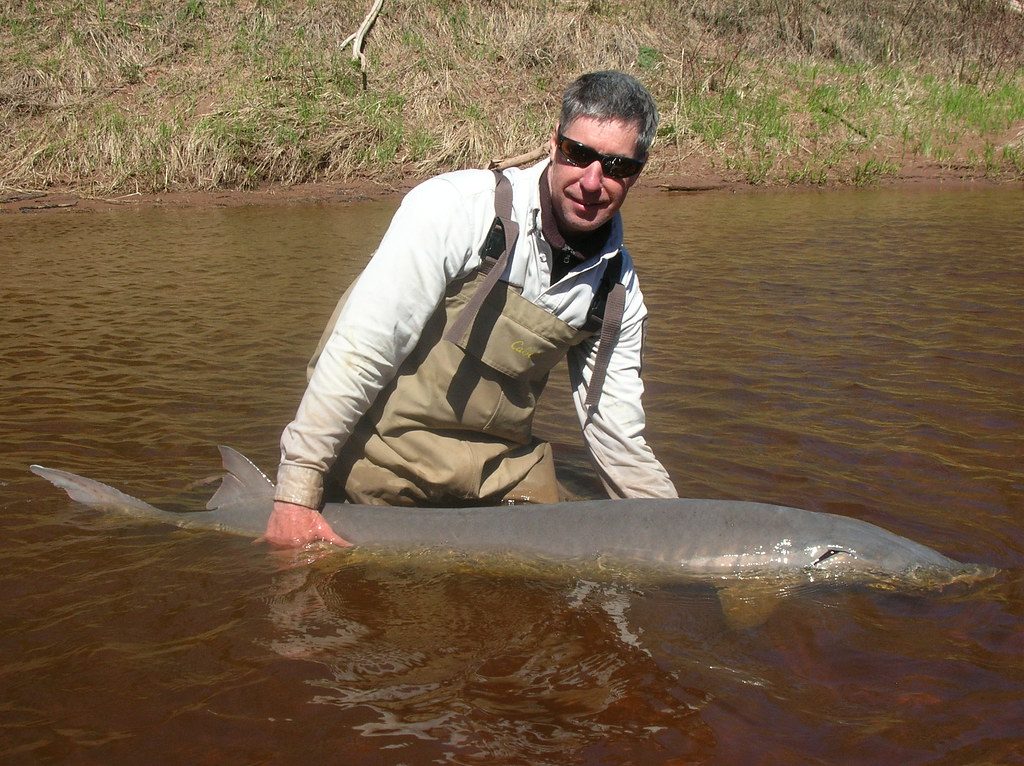
Lake sturgeon have already earned a reputation as some of North America’s oldest freshwater fish. Now, new research suggests these ancient animals may be capable of living for centuries longer than scientists previously believed.
A study based on 44 years of tracking data found that some lake sturgeon could potentially survive for more than 400 years.
That is more than twice the previous estimate of about 150 years.
These fish may be much older than scientists realized
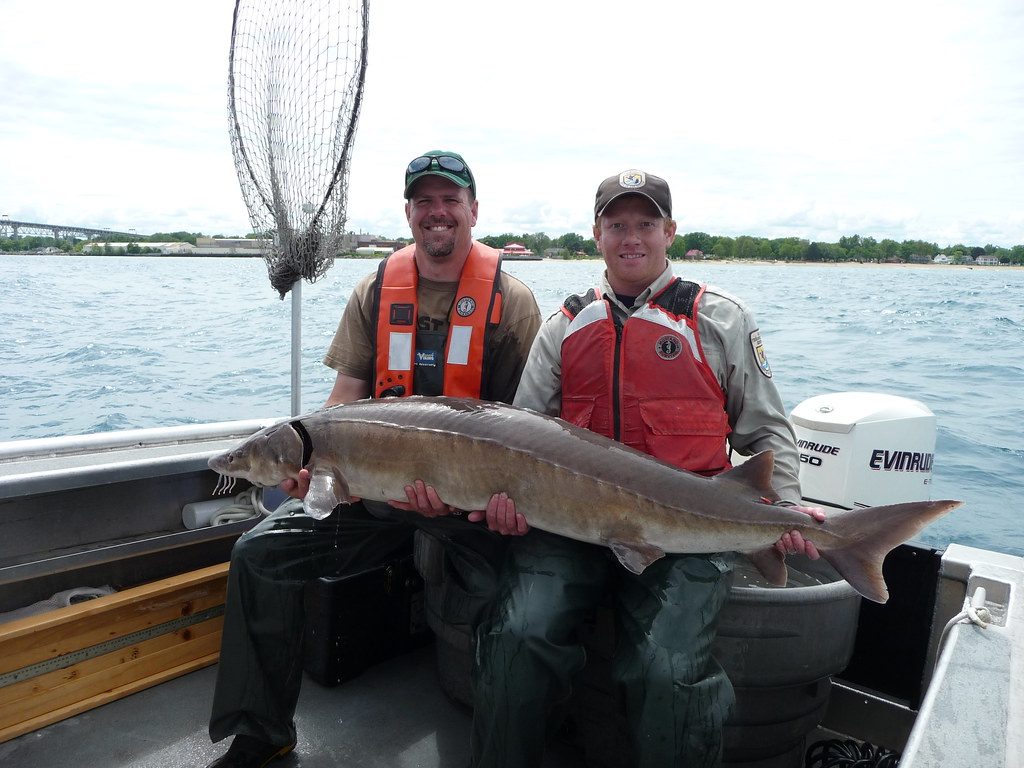
Lake sturgeon (Acipenser fulvescens) are native to the Great Lakes and the Mississippi River Basin. They can grow to around 7 feet long and weigh as much as 300 pounds.
The U.S. Fish and Wildlife Service has estimated that the species can live for up to 150 years. But researchers now believe that figure may significantly underestimate their true lifespan.
Scientists have traditionally estimated a sturgeon’s age by counting growth rings on a spine-like structure in its pectoral fin.
The problem is that those rings become increasingly difficult to distinguish as the fish gets older.
That means some of the oldest sturgeon may have been mistaken for younger fish.
Researchers found another way to estimate their age
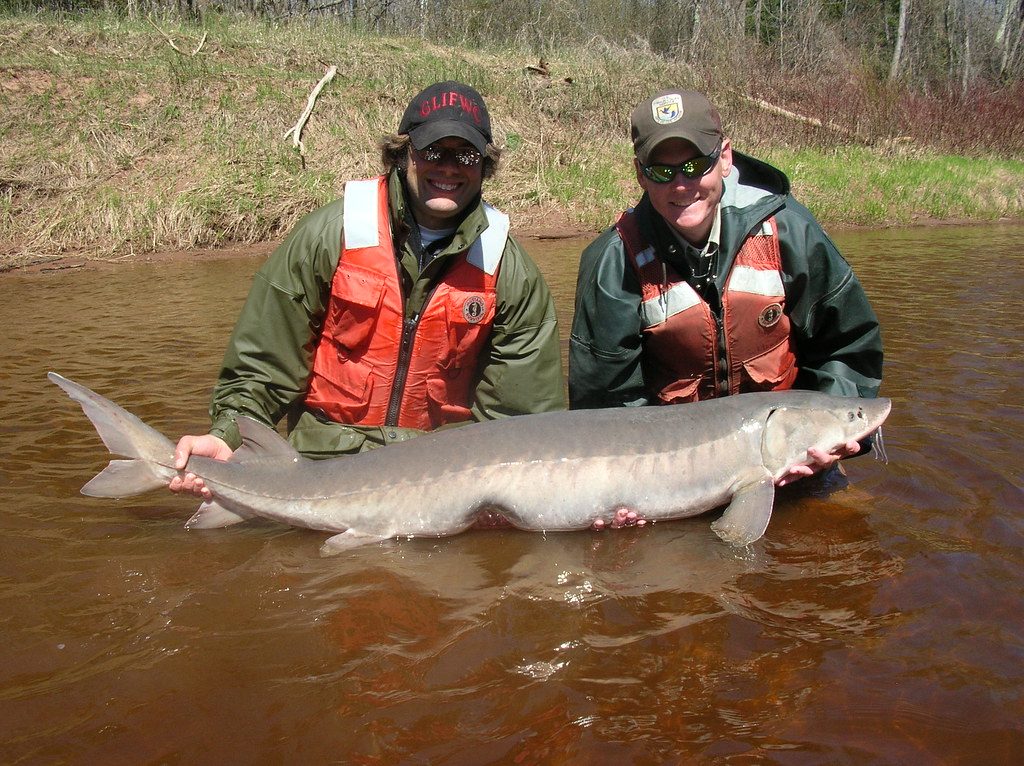
To investigate, researchers led by Edward Baker of the Michigan Department of Natural Resources turned to decades of conservation records.
The team analyzed 44 years of capture-mark-recapture data. These records allowed researchers to compare the size of tagged sturgeon when they were captured at different points in their lives.
By looking at how the fish grew over time, the researchers were able to estimate adult growth rates without relying on growth rings.
Their approach was based on mathematical modeling previously used to estimate the extreme lifespans of Greenland sharks.
The results suggested that some lake sturgeon could live for 200 or 300 years, with certain individuals potentially surviving for more than 400 years.
Their unusual lifestyle may help them survive
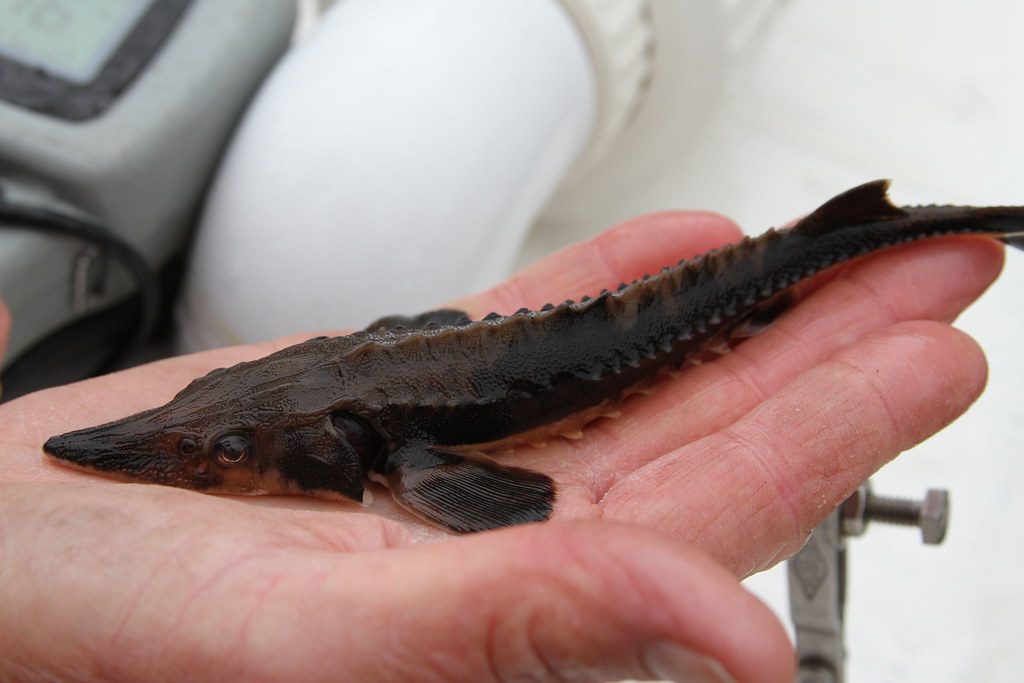
One possible explanation for their remarkable longevity is the way lake sturgeon cope with winter.
The fish can enter a low-energy state known as torpor during the colder months. This allows them to conserve energy when conditions are less favorable.
Their slow growth and long lives may also be connected to the species’ evolutionary history. Lake sturgeon have existed for nearly 150 million years, making them a remarkable living link to the distant past.
Researchers say the findings also echo knowledge held by Indigenous communities, which have long recognized that these fish can live extraordinarily long lives.
The discovery could change conservation efforts
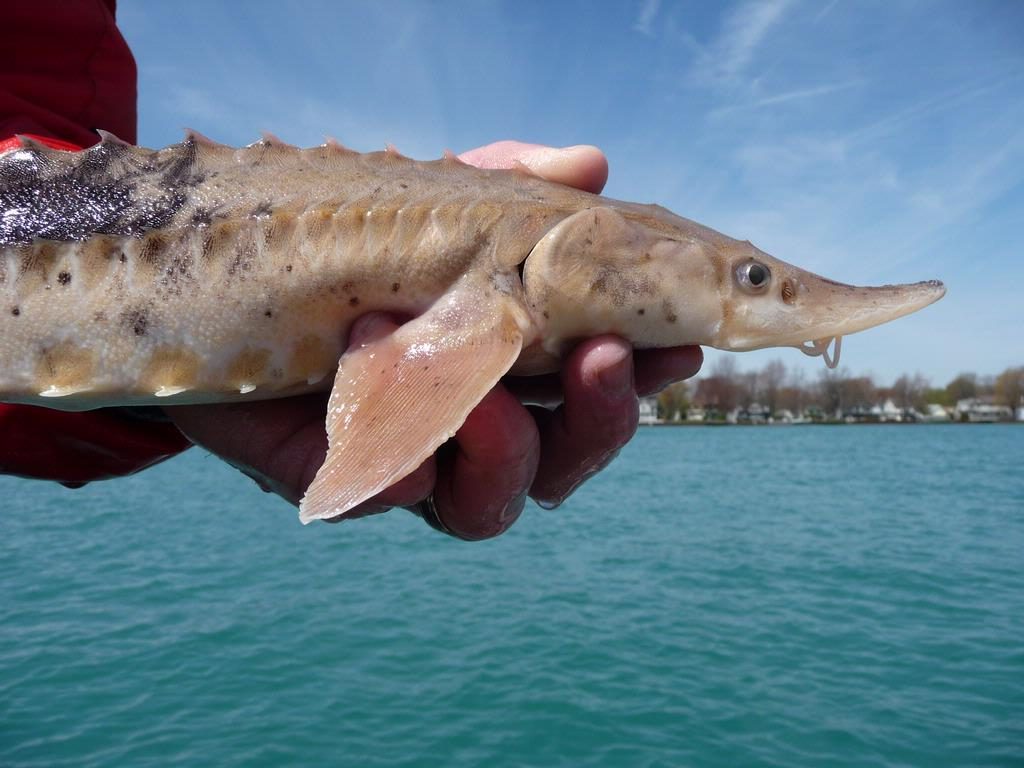
Understanding how long lake sturgeon can actually live could be important for conservation.
These fish have faced major threats from habitat loss, dams, pollution and changes to their freshwater environments. Because they mature slowly and reproduce later in life, populations can take a long time to recover when numbers decline.
Decades of conservation work have already helped sturgeon populations in parts of the United States.
A fish that may outlive generations
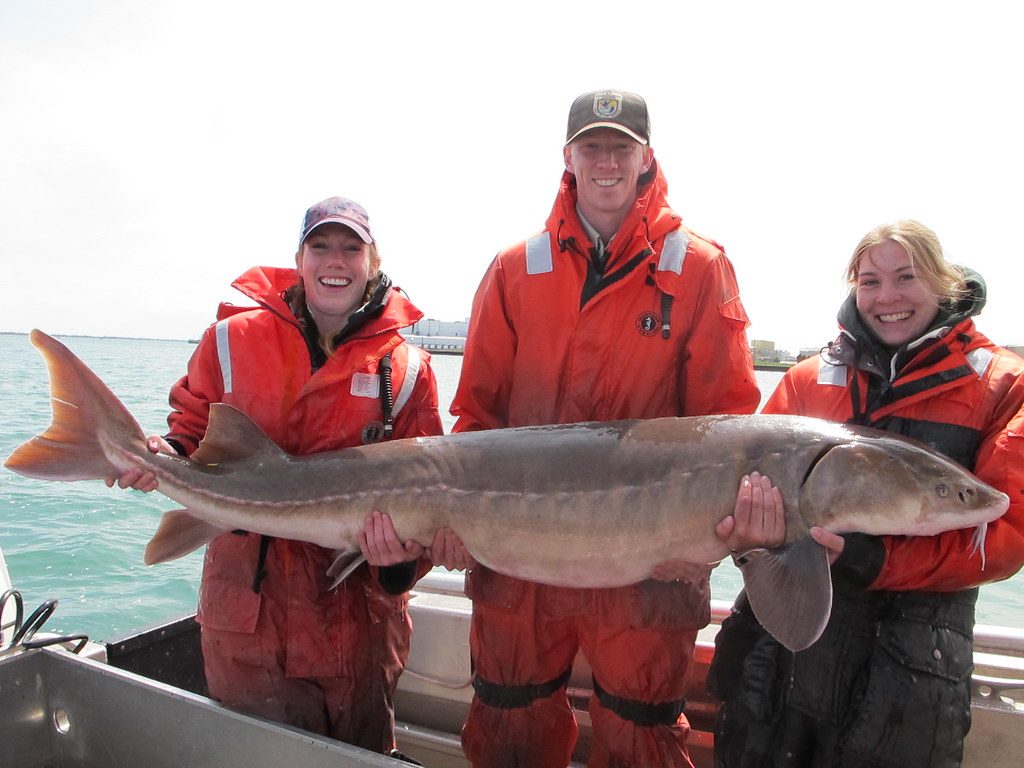
Researchers say knowing their true lifespan could help wildlife managers better understand population growth, reproduction and recovery.
“Because of their life history, sturgeon are very resilient and adaptable animals,” study co-author Scott Colborne said.
“If we give them the opportunity to survive, they’ll figure it out.”
If the new estimates are correct, some lake sturgeon swimming through North American waters today could have been alive for generations before the modern world took shape.
And that makes these enormous freshwater fish even more extraordinary than scientists once thought.
Featured Image: “Henry Quinlan with 74 lb adult Lake Sturgeon” by U.S. Fish and Wildlife Service – Midwest Region is licensed under CC PDM 1.0
Leave a Reply