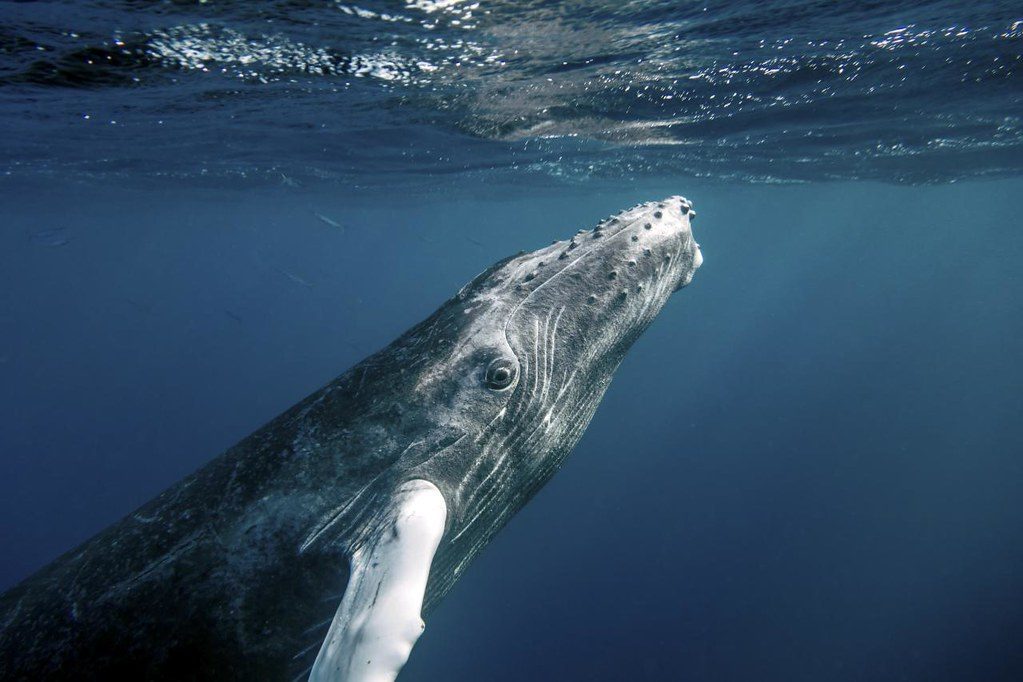
For decades, thick sea ice kept some of the world’s largest whales away from parts of East Greenland.
Now, that barrier is disappearing.
Scientists studying the region have documented hundreds of humpback, fin and minke whales feeding in coastal waters that were once largely inaccessible to them. The findings suggest that warming seas are creating new feeding opportunities for some whale species.
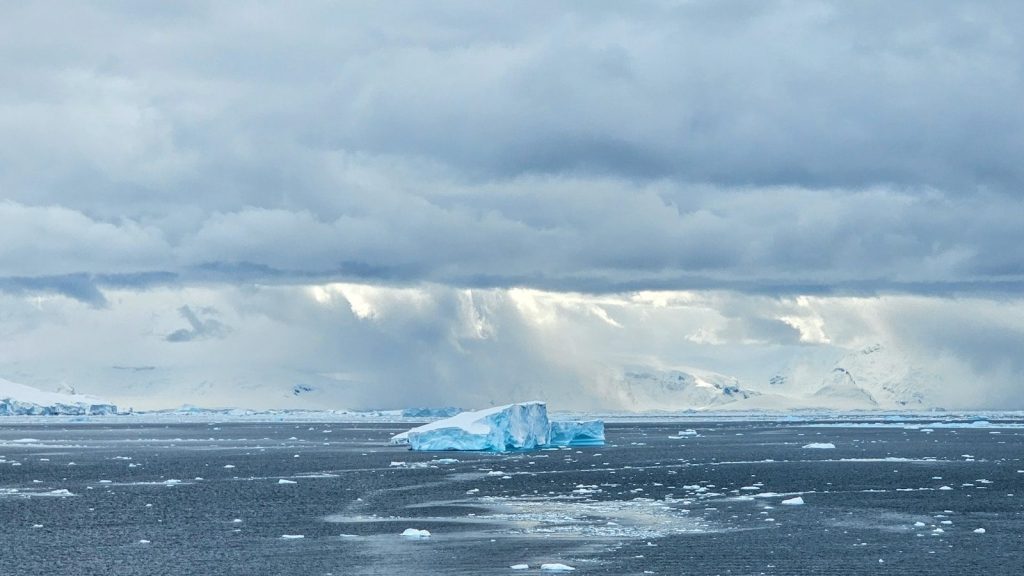
Sea ice loss is changing the Arctic coastline
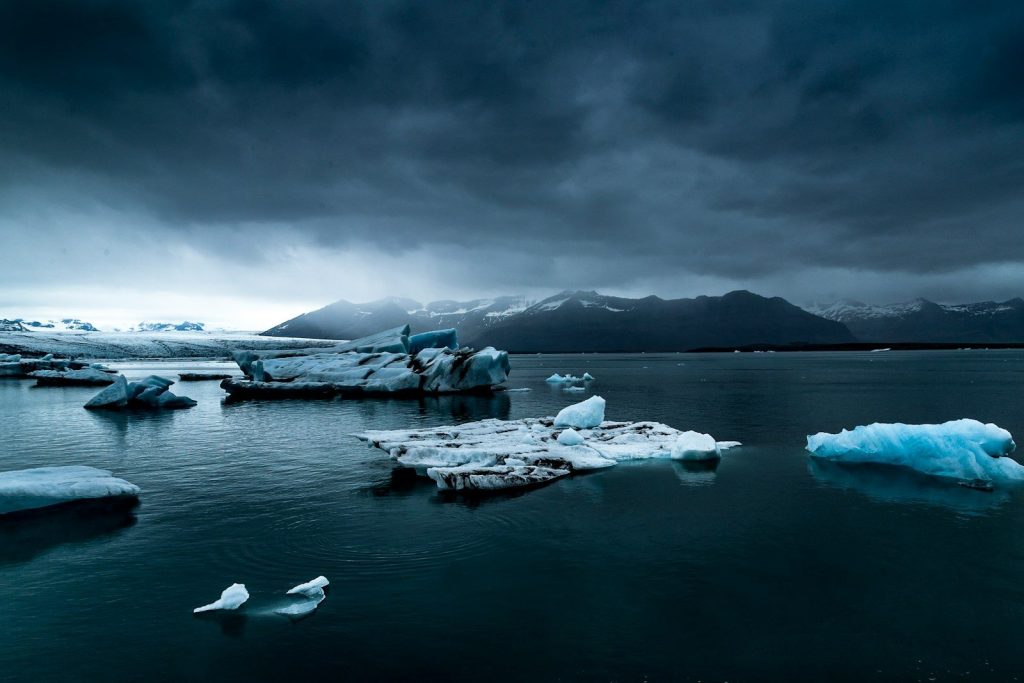
Researchers have spent decades monitoring whales along the East Greenland coast. Their observations show a dramatic change in where some of the animals are appearing.
Ship-based surveys recorded no humpback whales in the region until 2006. A year later, researchers spotted seven.
By 2024, the number of ship-based humpback sightings had risen to 150.
Scientists also conducted systematic aerial surveys in 2015 and 2024 to better understand how baleen whales were using the area.
Thousands of whales are now using the region
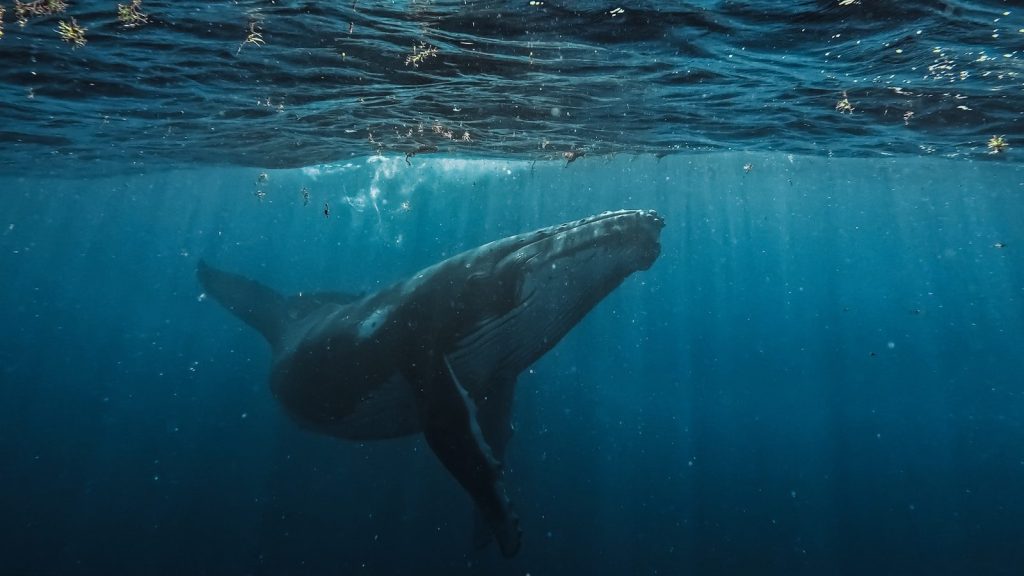
The researchers combined survey data with satellite tracking and information from Inuit hunters to build a clearer picture of the whales’ movements.
Their estimates suggest that about 4,000 humpback whales, 6,000 fin whales and 6,000 minke whales visited the Greenland Sea during the summer of 2024.
Some of the whales were fitted with satellite tags, allowing scientists to follow their movements and determine how they were using the changing waters.
Researchers estimate the three species consumed at least 800,000 tonnes of fish and krill during the summer feeding season.
Warming waters are bringing new food sources
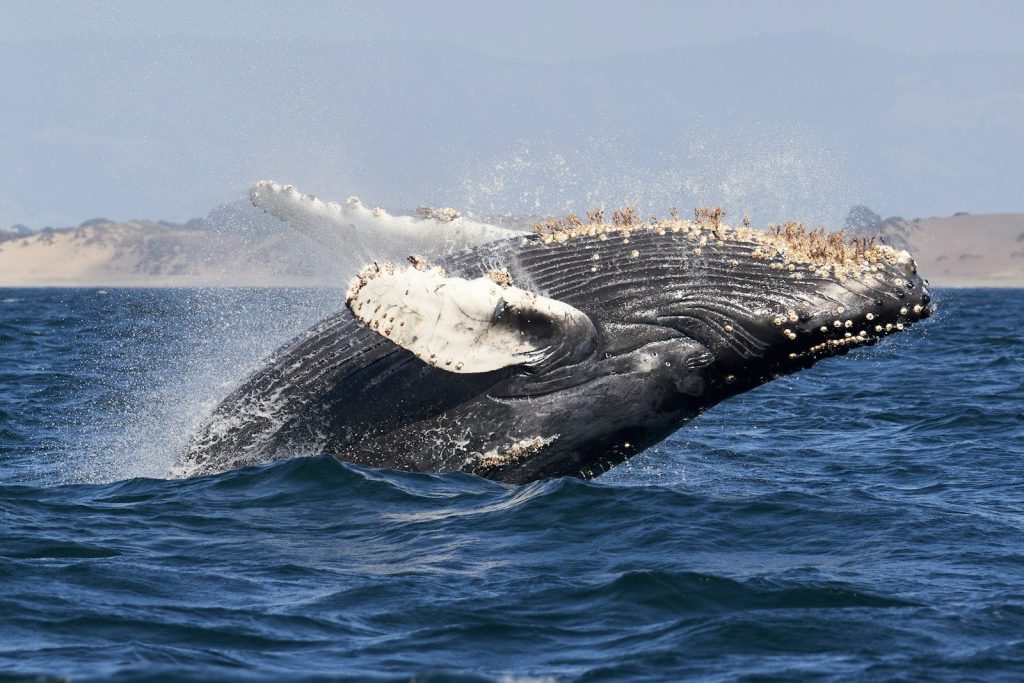
The whales appear to be taking advantage of changes farther down the food chain.
As ocean temperatures rise, fish have moved into East Greenland waters. The whales have followed that food source, turning parts of the region into what scientists describe as seasonal Arctic “feeding frenzies.”
Prof Mads Peter Heide-Jørgensen of the Greenland Institute of Natural Resources described the transformation as a major ecological regime shift.
He told BBC News that the changes may be among the most dramatic occurring anywhere in the subarctic.
Not every Arctic species is benefiting
The arrival of these whales does not necessarily mean climate change is good for the Arctic ecosystem.
Species that depend more heavily on traditional Arctic conditions could lose out as their habitat changes.
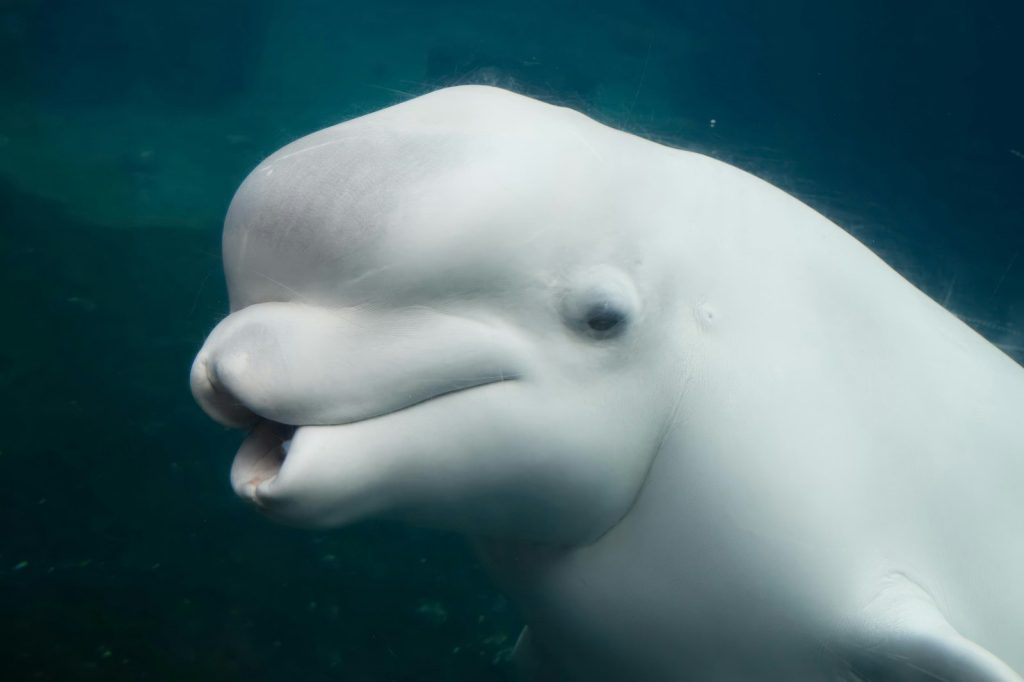
Narwhals and belugas, for example, are now sharing some areas with the larger baleen whales. In some cases, they may even be pushed out of habitats they previously occupied.
Researchers also cannot yet determine whether the increase in whale sightings means their populations are growing or whether animals are simply moving into East Greenland from other areas.
A changing Arctic could create winners and losers
The study highlights how differently species can respond to a warming climate.
For adaptable whales, melting sea ice may open access to new feeding grounds. For animals that depend on colder, ice-covered habitats, the same transformation could make survival more difficult.
“For some species, climate change is not necessarily a problem – it opens up new opportunities,” Heide-Jørgensen said. “But other species are losing their habitat.”
The study was published in Frontiers in Marine Science.
Featured Image: “Humpback Whales” by Christopher.Michel is licensed under CC BY 2.0
Leave a Reply