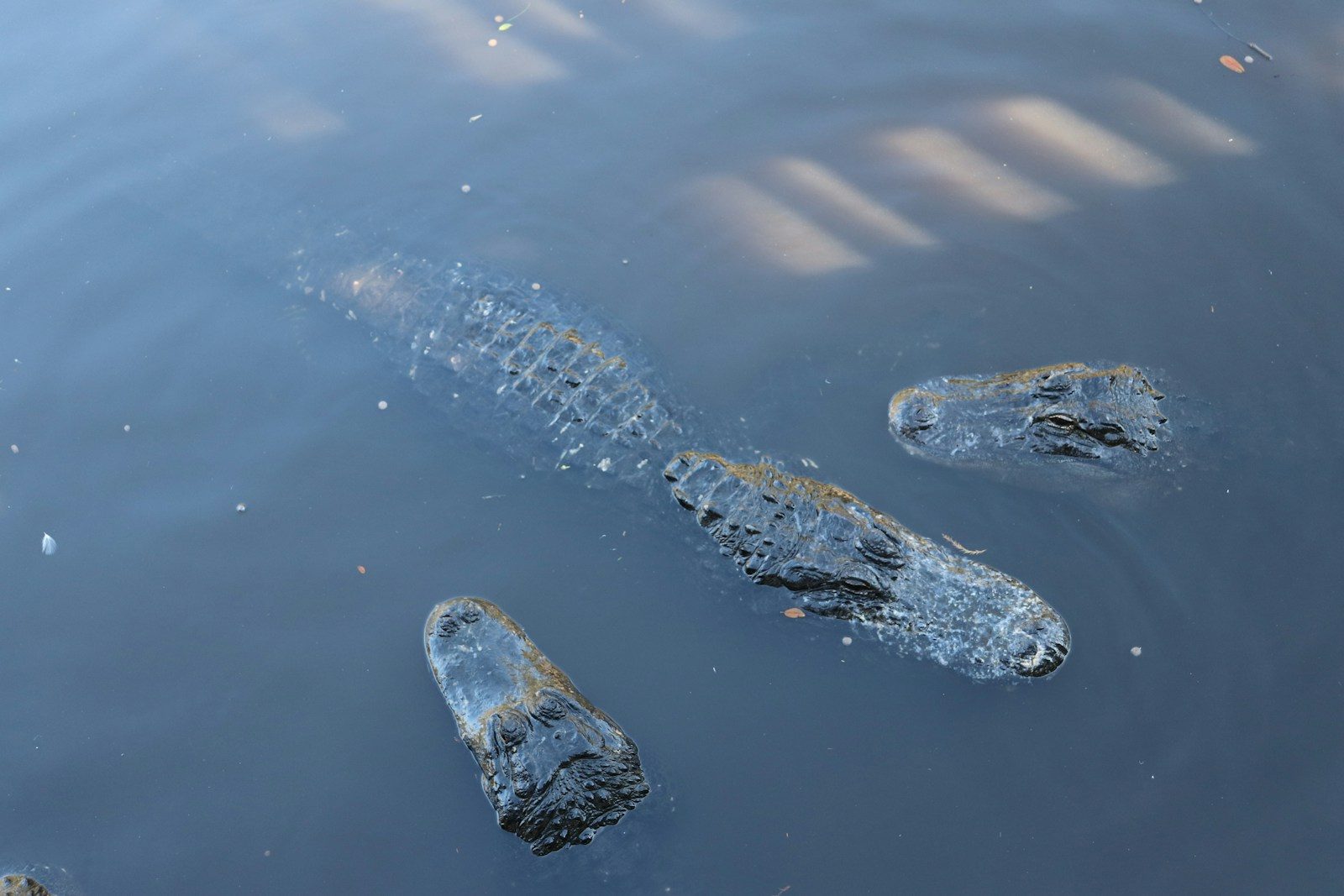
Florida is famous for sunny beaches, warm weather and abundant wildlife. But as cities and suburbs expand, one of the state’s oldest residents is increasingly turning up where people live.
Alligators are appearing in neighborhood ponds, canals, retention basins and even around homes. While encounters can be frightening, wildlife experts say the reptiles aren’t necessarily invading human territory. In many cases, humans have simply built closer to theirs.
Development is creating new alligator habitat
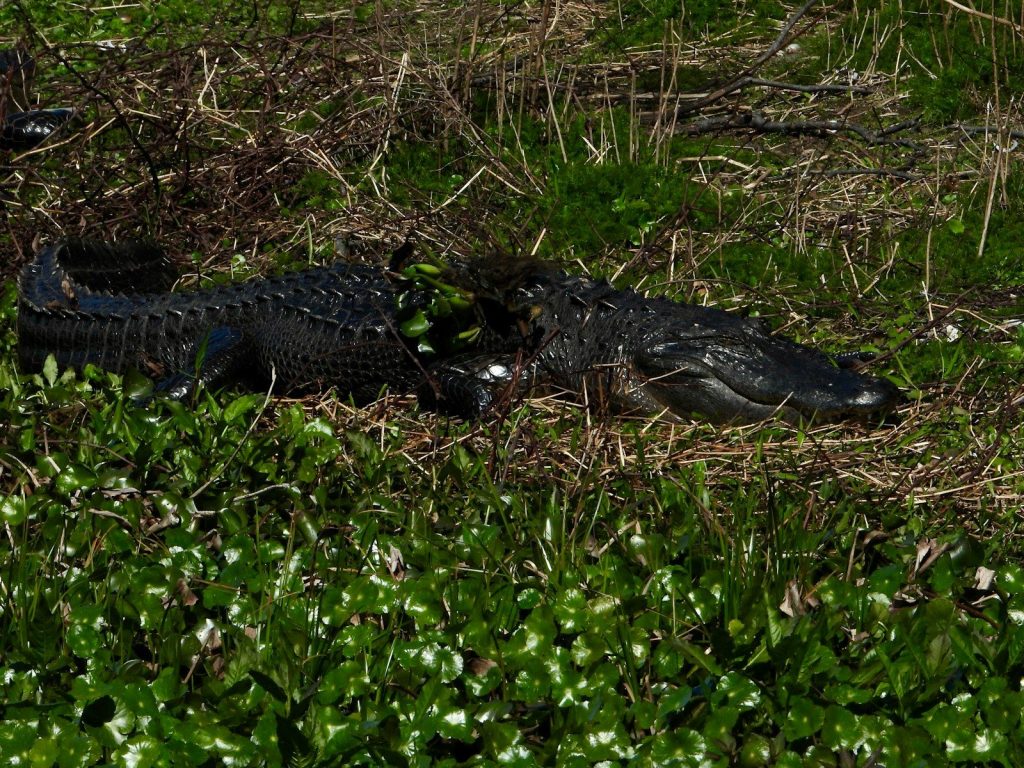
As development pushes deeper into areas surrounding the Everglades, natural wetlands are being replaced or altered. At the same time, communities create artificial waterways to manage stormwater and provide drainage.
Those ponds and canals can become attractive habitats for alligators.
Frank Mazzotti, a University of Florida wildlife ecology professor who specializes in alligators, argues that people often look at the situation from the wrong perspective.
Alligators were living in Florida long before modern neighborhoods existed. Expanding development has reduced some of their natural habitat while creating new waterways where they can survive.
The result is an increasingly common overlap between people and wildlife.
Florida’s canals can act like alligator highways
Wildlife trapper Todd Hardwick has spent years responding to calls about alligators in urban areas.
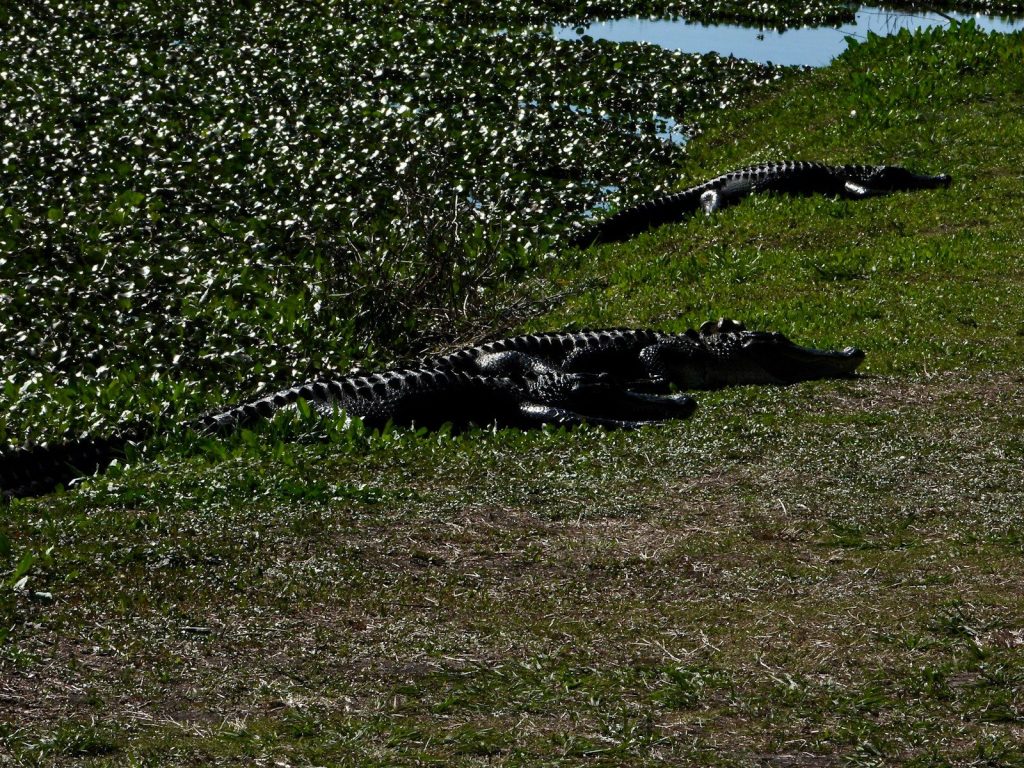
He describes South Florida’s canal network as an “alligator turnpike” because the waterways give the reptiles an easy route between different bodies of water.
Alligators can travel through canals before emerging near homes, roads, garages or residential lakes. Hardwick recalled one case in which a woman called for help after hearing a strange hissing sound near her car. The source turned out to be an alligator hiding underneath it.
Not every reported sighting is quite as dramatic. Hardwick has also been called to investigate supposed alligators that turned out to be objects such as palm fronds and even a tire tread.
Alligator encounters can still be dangerous
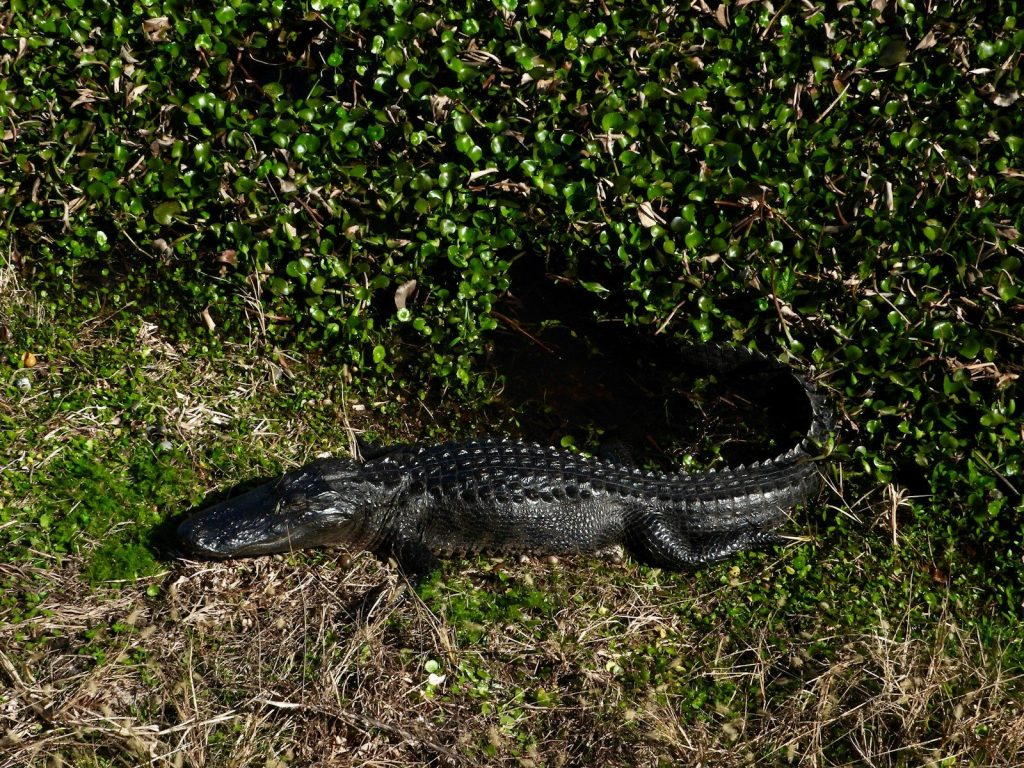
Although most alligators avoid people, encounters can become dangerous when humans get too close.
Florida recorded 13 alligator attacks last year, including two that were fatal. Central Florida has also experienced several attacks this year, including one that killed a woman who was swimming with friends.
In other cases, people have been attacked after approaching waterways or entering areas where alligators were present.
Mazzotti says people are generally more likely to drown near a pond or canal than to be attacked by an alligator. But that doesn’t mean people should ignore the risks.
Problems can arise when people feed or deliberately approach the reptiles. Feeding an alligator can make it lose its natural fear of humans and associate people with food.
Not every alligator needs to be removed
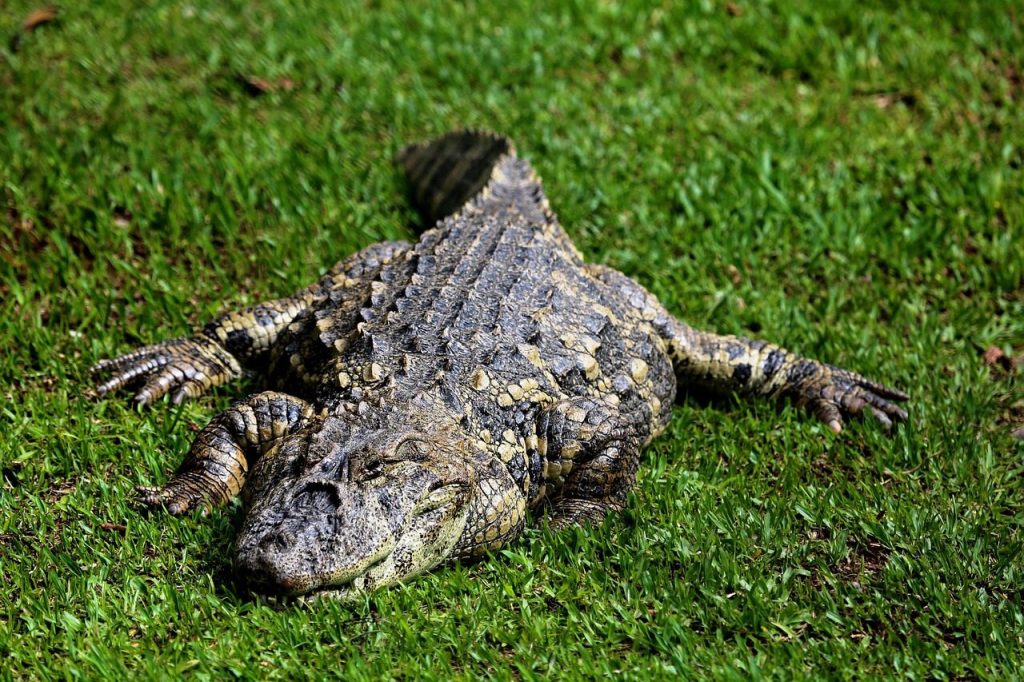
Florida has a specific process for dealing with nuisance alligators.
The Florida Fish and Wildlife Conservation Commission generally doesn’t remove alligators shorter than four feet. Larger animals may be removed when they show aggressive behavior or pose a legitimate threat.
But removal doesn’t usually mean the animal will simply be released somewhere else.
According to Mazzotti, relocating alligators isn’t considered a practical solution because the animals can attempt to return to their original territory and may create problems elsewhere.
Many nuisance alligators are ultimately euthanized, while a small number end up in permanent captivity.
How people can safely live alongside alligators
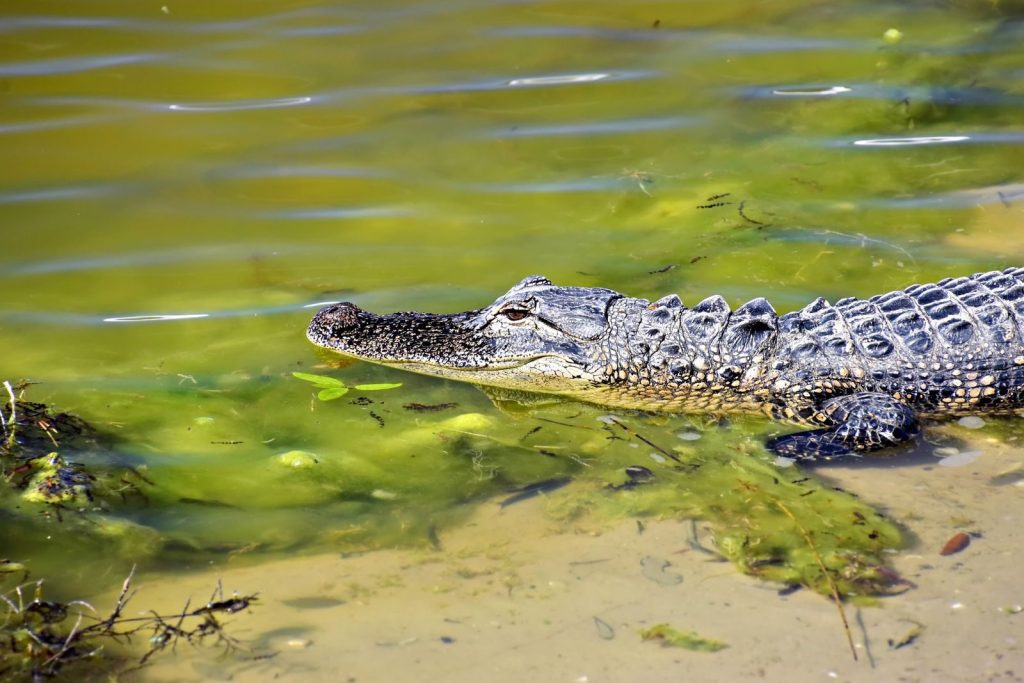
Experts say the best way to reduce conflicts is to give alligators space.
People should never feed or intentionally approach an alligator. Swimming or fishing in waters where alligators may be present can also create unnecessary risks.
Pet owners should be especially cautious around ponds, canals and other waterways. Keeping dogs away from the shoreline can help prevent them from getting too close to an unseen animal.
The bigger lesson is that alligators aren’t newcomers to Florida. They are a natural part of the state’s ecosystem.
As development continues, encounters between people and wildlife may become more common. Learning where alligators live, understanding their behavior and knowing when to call wildlife authorities could help Florida residents share the landscape with them more safely.
Featured Image: Photo by Lia Schmidt on Unsplash
Leave a Reply