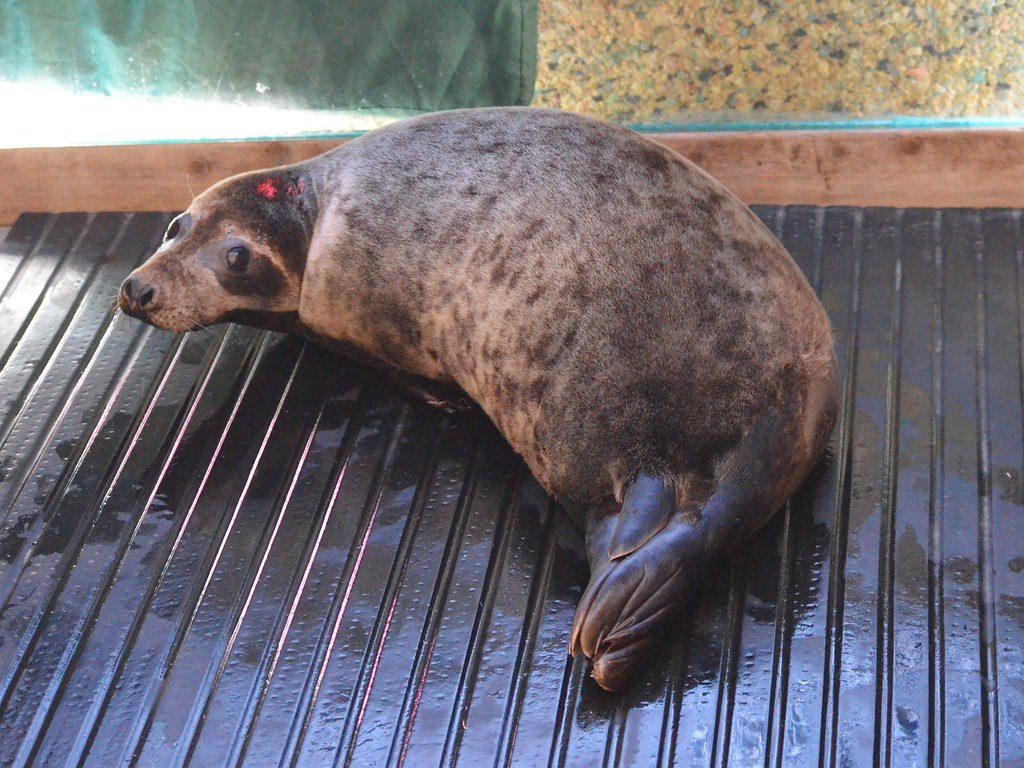
A deep scar can tell an entire story. When rescuers spotted a mother seal with an old entanglement scar, they initially worried that something might still be wrapped around her body. A closer look brought much better news. The seal was free of debris, and the team believed they recognized her as an animal they had rescued before. This time, she was not caught in fishing gear. She was resting beside her pup and feeding it.
The supplied footage comes from the type of seal rescue work carried out by Ocean Conservation Namibia, which regularly frees Cape fur seals from fishing line, nets, and other marine debris. Her old injury made the peaceful scene with her pup especially meaningful.
Rescuers first noticed the terrible scar
The encounter began with something worrying. Rescuers noticed a female seal carrying a major scar across her body. From a distance, the mark made them wonder whether she had become tangled in marine debris again. Entanglement can be difficult to judge when seals are moving among large groups.
Getting a better look changed the situation. According to the supplied account, the rescuers discovered that nothing was currently wrapped around her. What they were seeing was an old injury. The scar then raised another possibility. The team believed this might be a seal they had already helped during an earlier rescue.
The old wound pointed to an earlier rescue
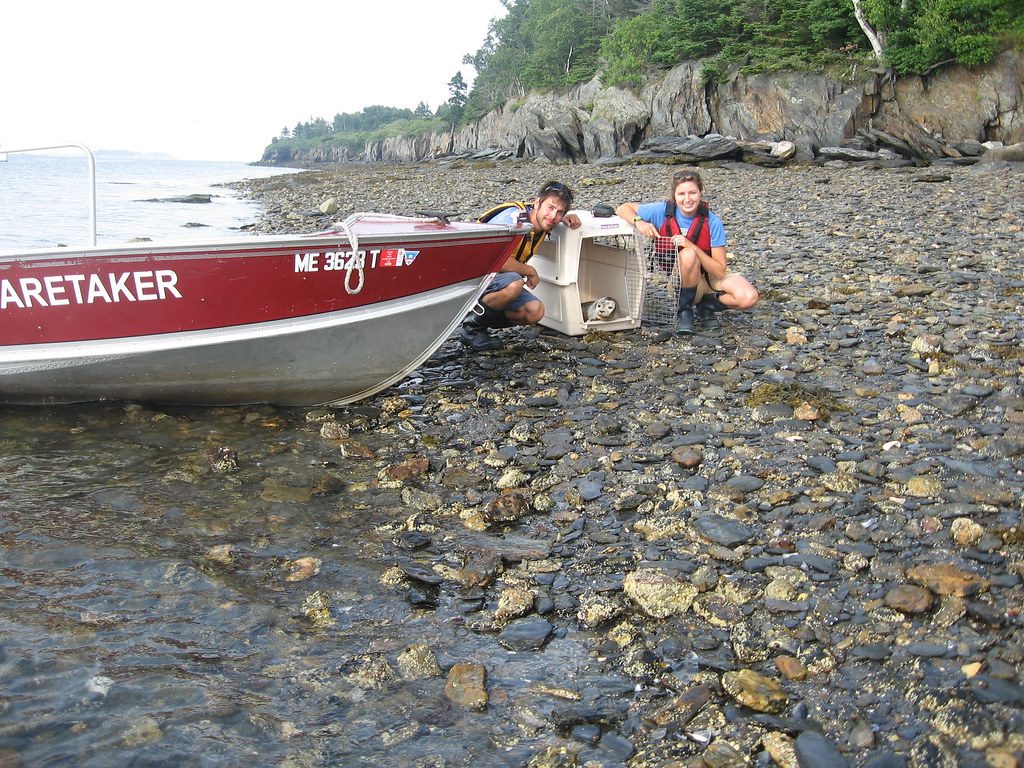
The scar appeared severe enough for the rescuers to connect it with a previous entanglement. That possibility fits the work carried out by Ocean Conservation Namibia, whose teams search seal colonies for animals caught in fishing line, nets, plastic, and other waste.
The scale of that work is significant. Reporting from Namibia says the organization had already rescued 107 seals by April 30, 2023. During April alone, its team freed 38 seals from debris. The organization has said that the animals shown in its many rescue videos represent only part of the wider marine debris problem.
Entanglement can become a deadly problem
Marine debris can remain dangerous long after people lose or throw it away. Fishing lines and nets can become wrapped around a seal. As the animal continues moving and growing, the material may remain trapped against its body instead of simply falling away.
Ocean Conservation Namibia focuses heavily on this problem. An account of the group’s work described teams going out every day to help seals caught in fishing lines, nets, plastic, and other discarded material. In one earlier period, the organization reported freeing hundreds of seals from plastic waste.
This time she had a baby beside her
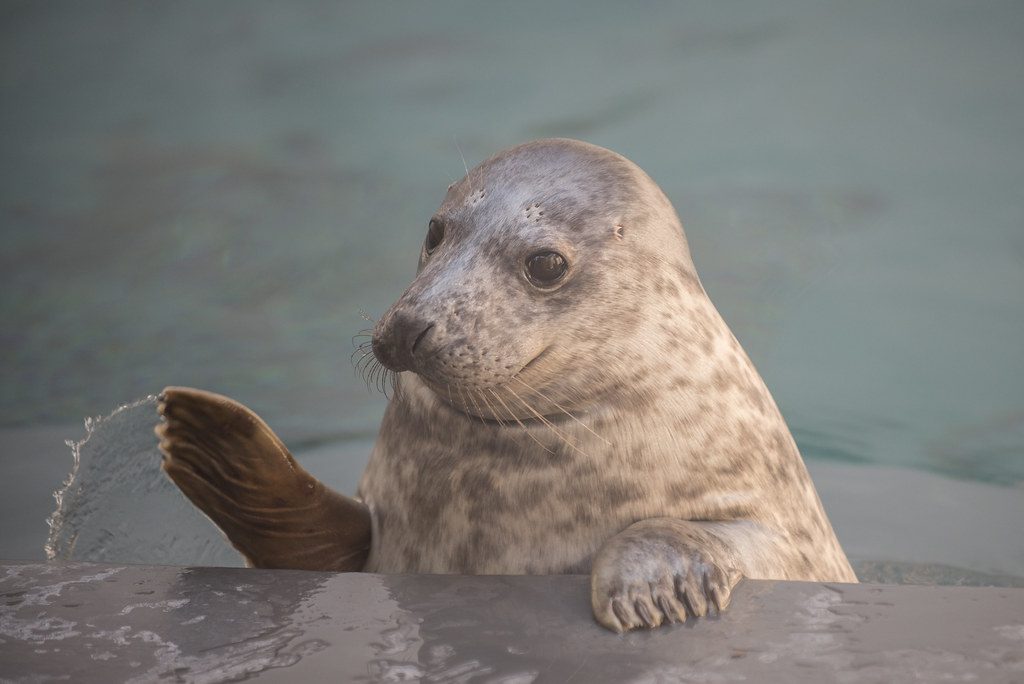
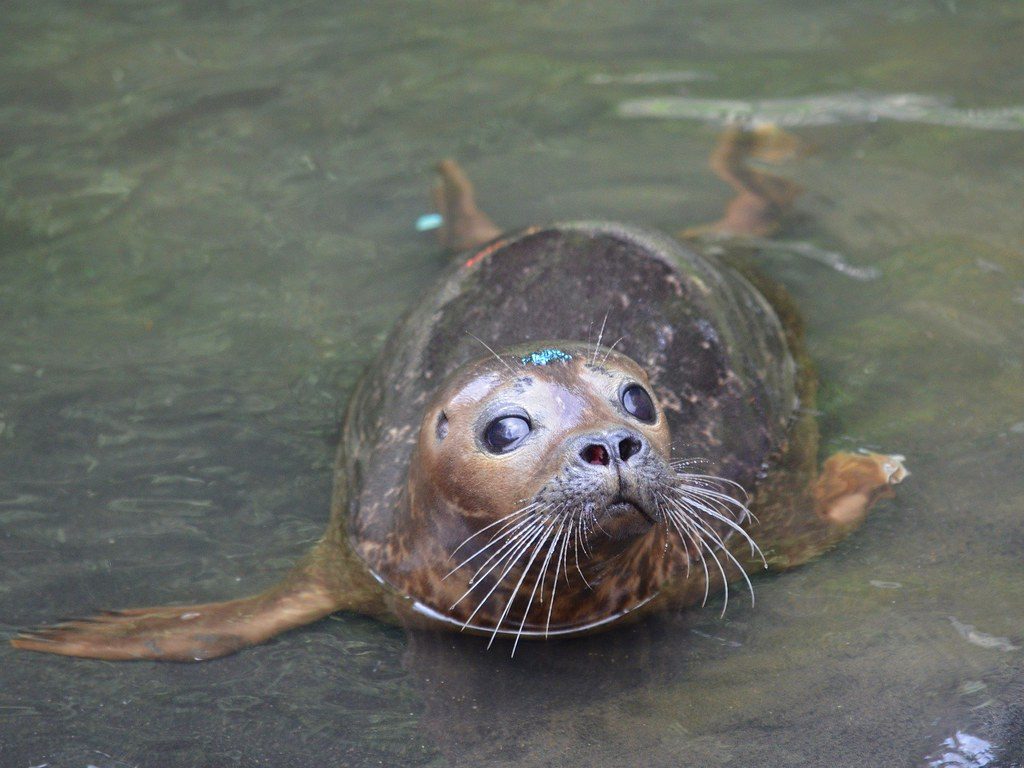
The biggest surprise came when rescuers realized the female was not alone. A pup was resting beside her. Instead of finding an animal that needed another rescue, the team had apparently encountered a healthy mother caring for her baby.
According to the supplied description, the mother was also feeding her pup. That detail changed the meaning of her scar. It was no longer only evidence of an earlier injury. For the rescuers who believed they had saved her before, it represented an animal that had survived long enough to become a mother.
Her survival gave the rescue new meaning
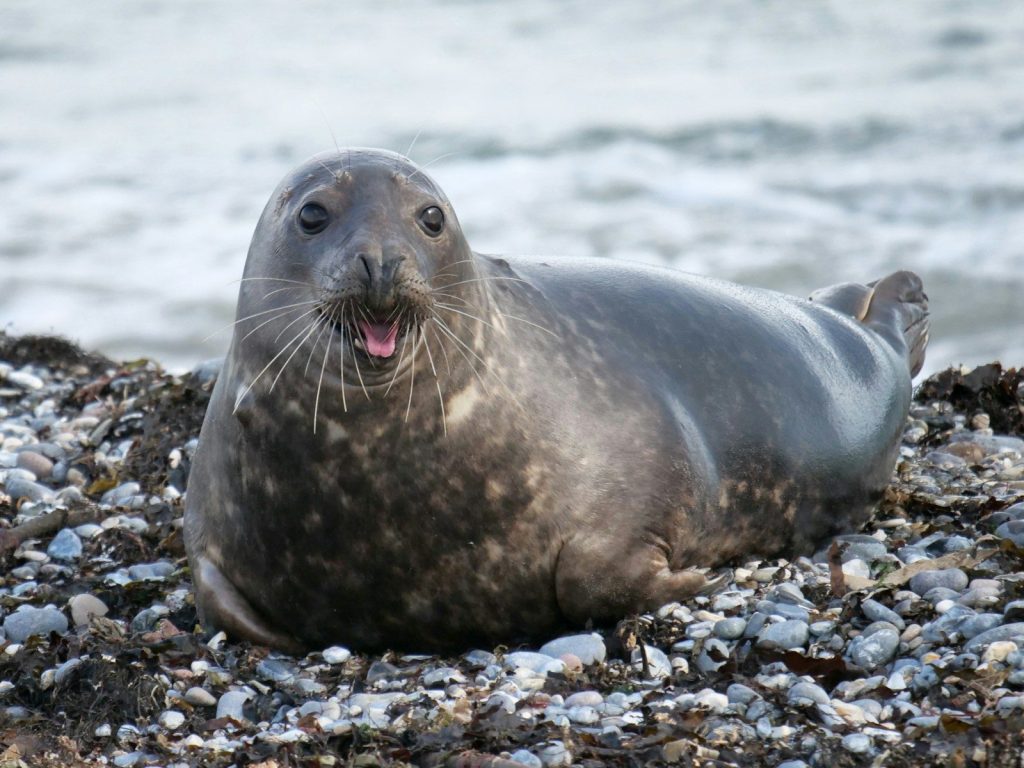
The rescue team believed the old wound had once placed the female in serious danger. Based on its severity, they said she might not have survived without the earlier intervention. That conclusion should remain attributed to the people who examined or rescued her because the exact earlier case could not be independently verified.
Still, the broader danger of entanglement is well established by the organization’s work. Ocean Conservation Namibia has warned that some marine animals remain caught in debris until the material around them contributes to their deaths. Its rescuers continue searching large colonies because entangled animals, especially smaller pups, can be difficult to spot.
One rescue may have helped two generations
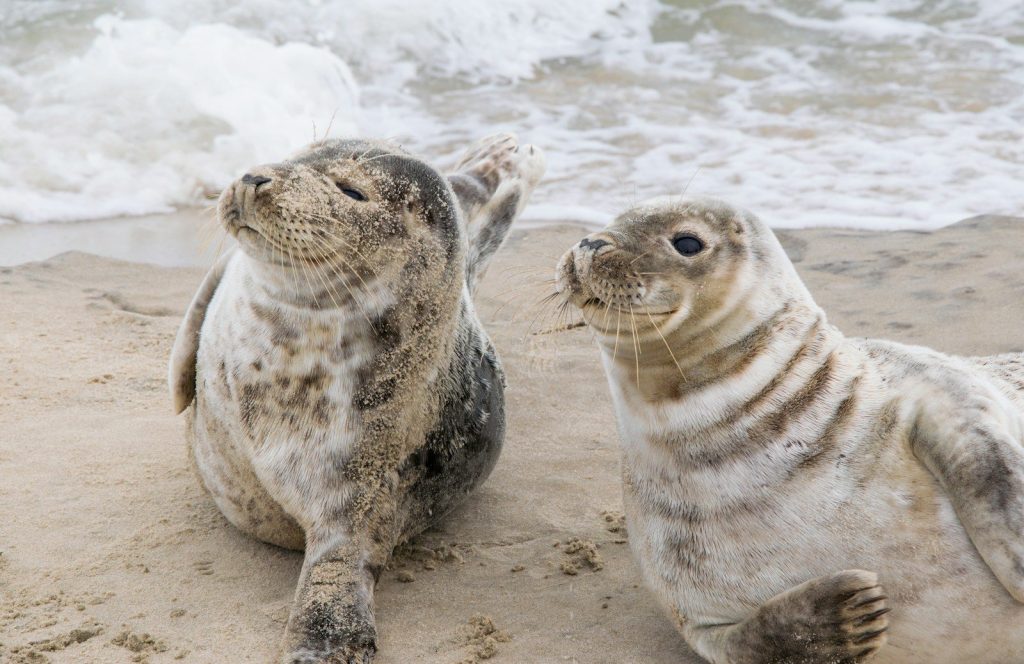
Wildlife rescue usually focuses on the animal facing an immediate problem. A team removes the dangerous material, releases the animal, and moves on to another case. Rescuers may never know what happens to that individual afterward.
That is what makes the supplied encounter unusual. If the team’s identification is correct, the female they once helped survived her injury, returned to normal life, and later produced a pup. The baby beside her gave the earlier rescue a much larger meaning. Saving one animal may have also allowed another generation to exist.
Featured Image: “Seal Rescue Ireland” by chripell is licensed under CC BY-SA 2.0
Leave a Reply