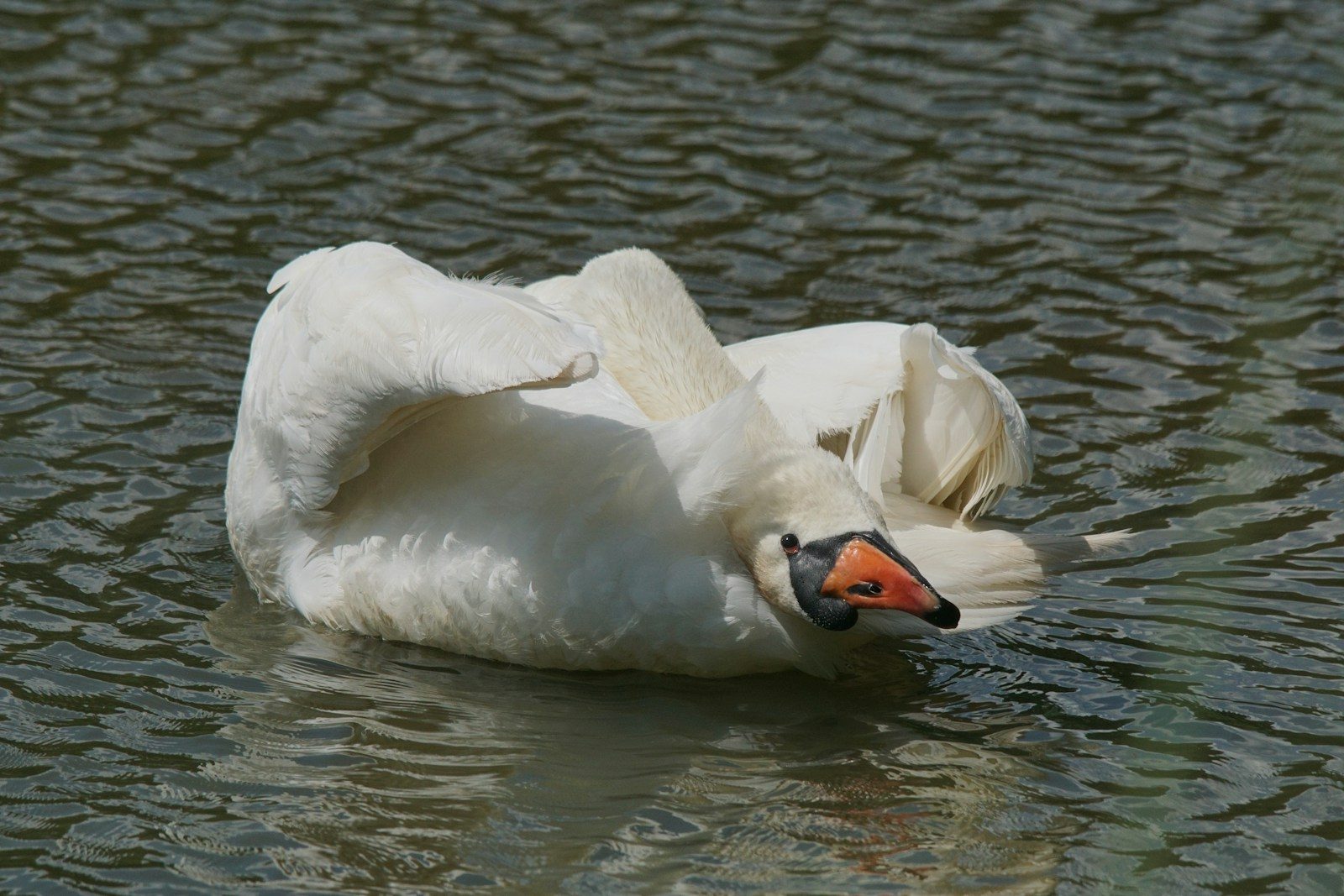
Wildlife rescue can become difficult when a frightened animal does not understand that a person is trying to help. That is what makes this injured swan rescue so compelling. In the supplied footage, rescuer Nancy works to control an injured male swan while his mate remains close by. What begins as an attempt to help quickly turns into a physical struggle as the powerful bird resists being handled.
Nancy has to keep working while making sure the swan can receive the care he needs. At the same time, his mate’s presence adds another layer to the scene. The footage shows both the difficulty of handling a large wild bird and the close connection that can exist between a pair of swans.
Nancy approaches the injured swan
Nancy’s goal is simple, but reaching the injured swan safely is another matter. The bird does not understand why a person is approaching or what is about to happen. From the swan’s point of view, being grabbed can naturally trigger resistance. That turns a rescue meant to help him into a difficult physical encounter.
The supplied footage shows Nancy working through that resistance rather than simply reaching down and carrying the bird away. The swan has a large body, a long neck, and powerful wings, so controlling its movement takes effort. The rescue becomes less about speed and more about getting the animal under control without making an already difficult situation worse.
The rescue becomes a wrestling match
The footage describes the capture as something close to a wrestling match. That wording captures the visible struggle, but the swan is not fighting Nancy because it understands her purpose and rejects it. A wild animal being restrained may simply be responding to the frightening experience of being caught.
Wildlife rescue groups warn that handling injured wild animals requires experience. Even guidance about swan rescue notes that capturing and transporting one should not be attempted by someone without suitable rescue experience. Nancy’s struggle, therefore, highlights why trained rescuers are important. Getting close enough to help is sometimes one of the hardest parts of the entire rescue.
His mate stays close during the rescue

While Nancy focuses on the injured bird, its mate remains nearby, according to the supplied footage. She does not simply disappear when the human approaches. Her presence makes the rescue stand out because viewers are watching 2 birds rather than only the injured animal.
Close pair relationships are well-documented among swans. Trumpeter swans, for example, form pair bonds, and males can remain closely involved in raising young. One documented male stayed near his mate while she nested and later remained with the family after their cygnets hatched. That does not tell us exactly what the female in this particular video was thinking, but it gives useful context for why a mate remaining nearby is not surprising.
Swans can be powerful when handled
Their graceful appearance can make swans seem delicate, but getting close to one can reveal a very different side. A frightened or defensive swan can flap, hiss, move quickly, and resist someone trying to restrain it. That makes proper handling important during a rescue.
Documented encounters also show that swans can actively defend themselves and their families. In one Texas observation, adult mute swans deliberately positioned themselves between their young and a nearby person. One adult later came out of the water, hissing and flapping when a small dog was nearby. Nancy’s struggle with the injured male, therefore, should not be treated as unusual aggression. A large bird resisting close handling can make even a well-planned rescue physically demanding.
Getting control allows rescuers to help
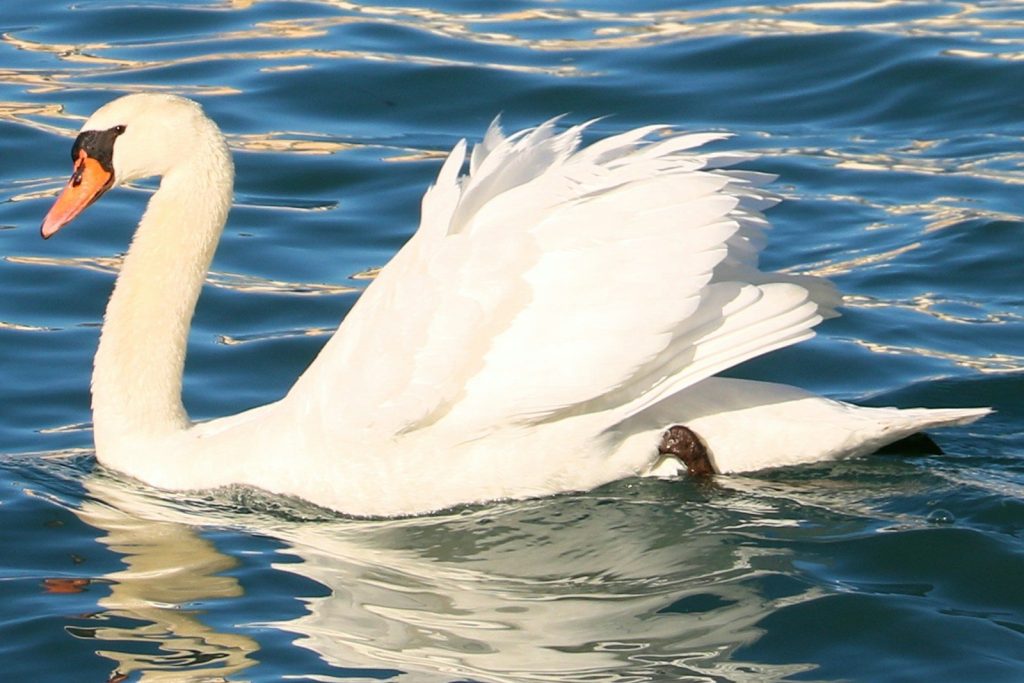
The struggle itself is only one stage of the rescue. Nancy needs enough control over the swan to move from capture to treatment. An injured animal cannot be properly examined if it continues escaping or moving in a way that prevents rescuers from reaching the affected area.
This is why the physical part of wildlife rescue can look rougher than viewers expect. The goal is not to overpower an animal for entertainment. Restraint allows trained people to move an injured animal and provide whatever care the situation requires. The supplied footage says Nancy’s intervention ultimately saved the swan’s life, although the exact injury and treatment should not be specified unless the original rescue provides those details.
The pair makes the rescue memorable
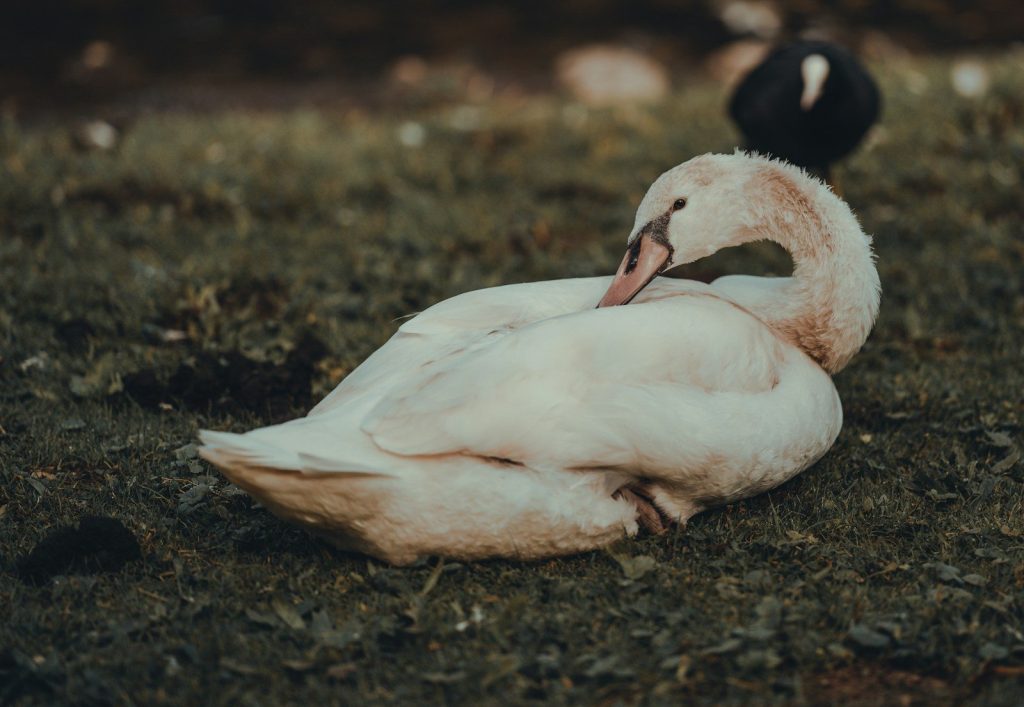
The strongest part of the story is not simply Nancy struggling with a swan. It is the combination of the injured male, the determined rescuer, and the mate who reportedly remains nearby throughout the ordeal. Those 3 parts turn a straightforward wildlife rescue into a much more memorable scene.
It is still important not to assign human thoughts to the female. We cannot say she understood that Nancy was saving her mate or knew exactly what was happening. What the footage can show is simpler and stronger. Her mate was in trouble, rescuers stepped in, and she stayed nearby while they worked. That visible behavior tells the story without needing to guess what either swan was thinking.
Featured Image: Photo by Walter Brunner on Unsplash
Leave a Reply