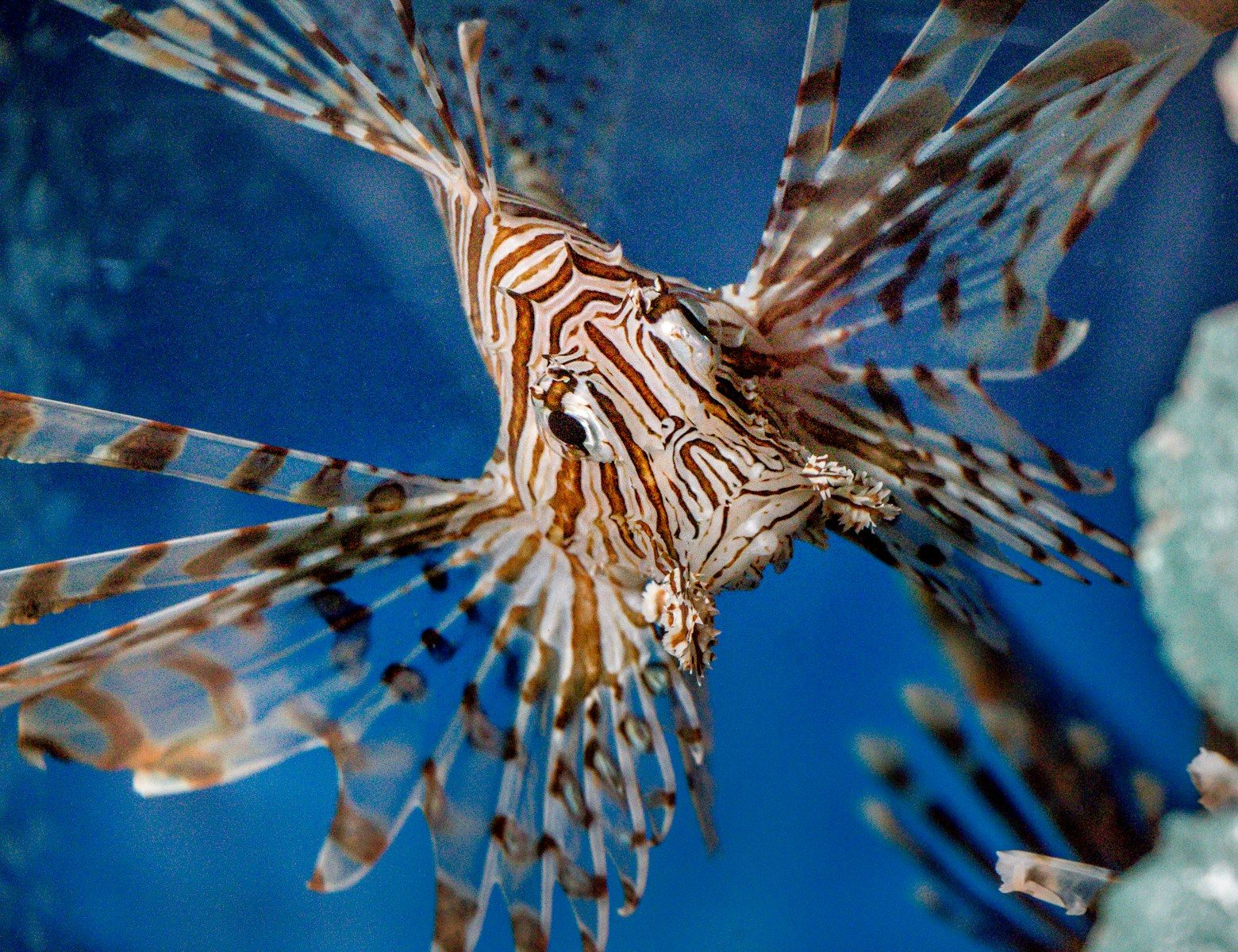
The Mediterranean Sea is facing an unusual invasion. Fish species that once belonged in the warmer waters of the Red Sea and Indo-Pacific are spreading into the region, putting pressure on native wildlife and the fishermen who depend on them.
Among the most concerning newcomers are lionfish and silver-cheeked toadfish. Both species have found conditions in the eastern Mediterranean increasingly favorable, while native fish and local fishing communities are paying the price.
Lionfish are becoming a major problem
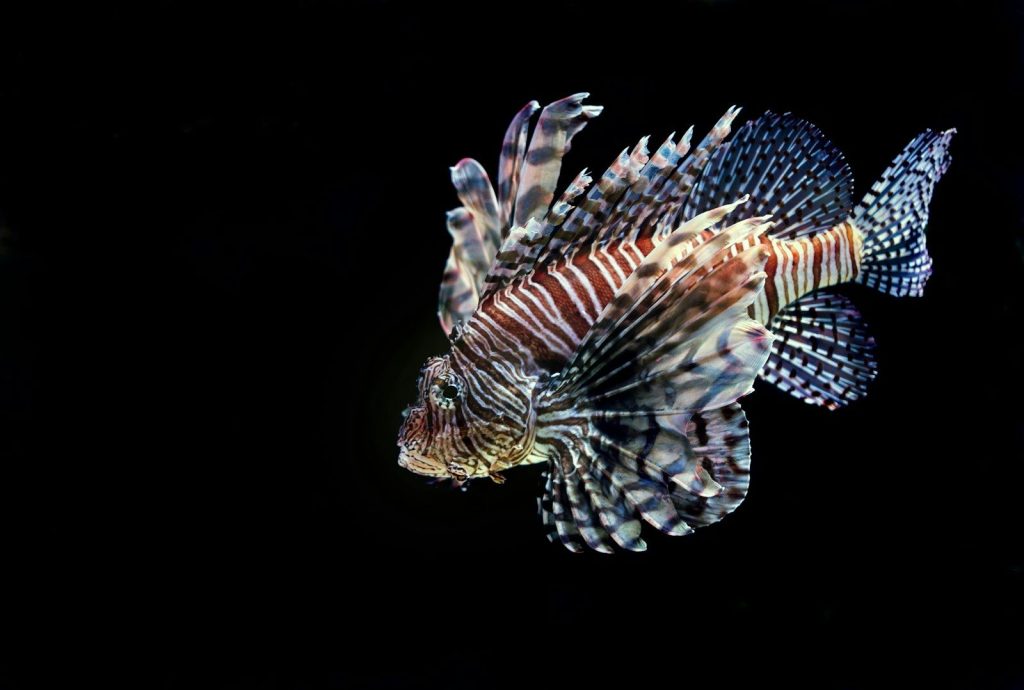
With their striking red-and-orange bodies and long, venomous spines, lionfish may look beautiful. But beneath that appearance is an efficient predator capable of consuming large numbers of smaller fish.
In Cyprus, the species has become a serious concern for fishermen. Lionfish have few natural predators in the Mediterranean, allowing their populations to grow rapidly and compete with native species for food and habitat.
The problem has spread beyond Cyprus, too. Lionfish have been spotted farther north in the Ionian Sea, prompting Italian authorities to encourage people to photograph and report sightings.
The Mediterranean is welcoming more invasive species
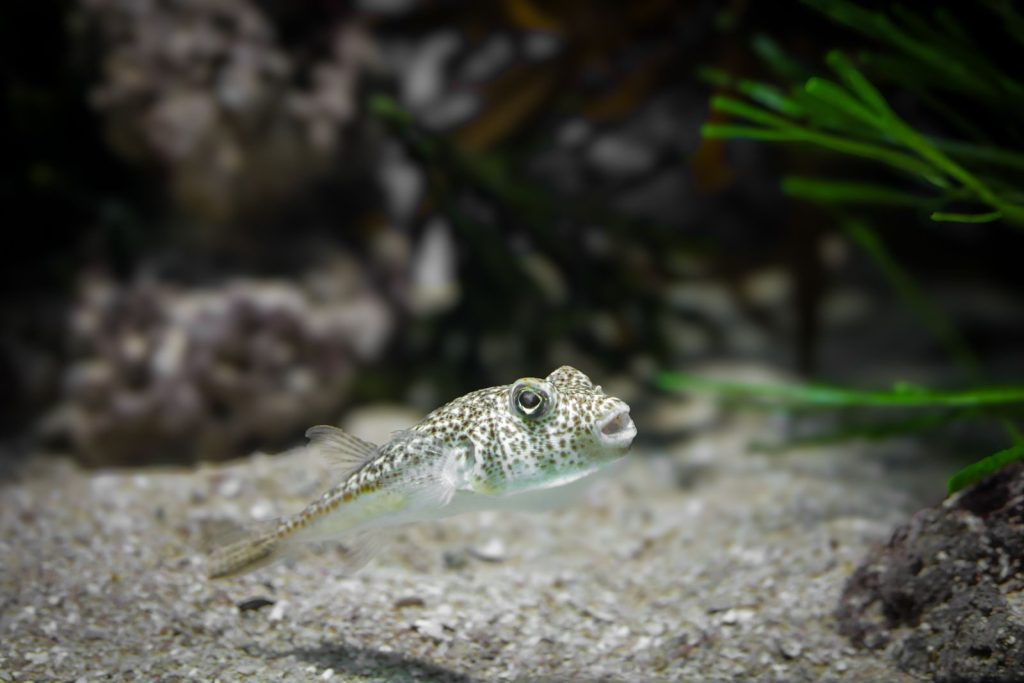
Lionfish aren’t the only Red Sea species causing trouble. The silver-cheeked toadfish has also established itself in the eastern Mediterranean.
Its powerful jaws can tear through fishing nets and damage catches, creating another financial burden for fishermen. Unlike lionfish, the toadfish isn’t suitable for eating because it produces a potentially lethal toxin.
With few natural predators in the region, its population has increased rapidly.
Climate change is helping tropical fish spread
The spread of these fish isn’t happening by chance. As ocean temperatures rise, tropical and subtropical species can survive in areas that were previously too cold for them.
The opening and expansion of the Suez Canal has also made it easier for species from the Red Sea to enter the Mediterranean.
Scientists warn that continued warming could allow lionfish to spread across much more of the Mediterranean in the coming decades.
Fishermen are feeling the impact

For local fishermen, the invasion isn’t simply an environmental concern. It can directly affect their livelihoods.
Photis Gaitanos, a fisherman from Cyprus, said he once regularly caught species such as red mullet and sea bream. Now, he says, some of those familiar catches have become increasingly difficult to find.
Invasive species can compete with native fish for food while also damaging fishing equipment. Fishermen may also have to spend more time and money dealing with unwanted species.
Could eating lionfish help solve the problem?
Cyprus has come up with an unusual way to tackle at least part of the invasion: putting lionfish on the menu.
Once their venomous spines are carefully removed, lionfish can be prepared as food. Some restaurants have begun serving the fish, while European officials and chefs have promoted campaigns encouraging people to try invasive species as an alternative to more common seafood.
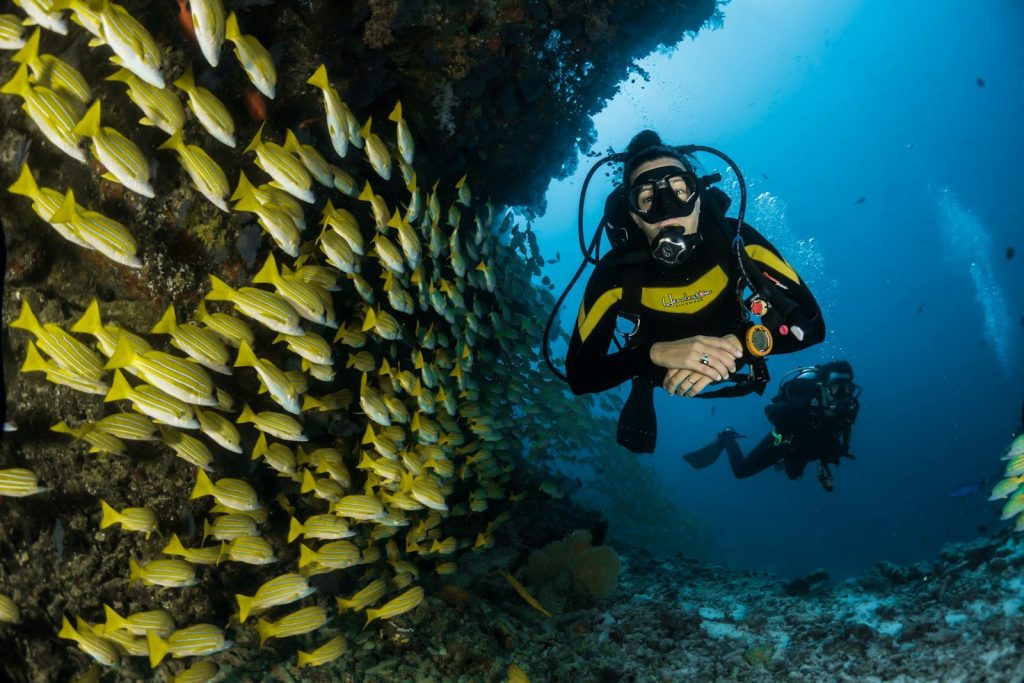
Other efforts include scuba divers removing lionfish from reefs, wrecks and protected marine areas. These measures can temporarily reduce their numbers, but scientists say they are not a permanent solution while warmer waters continue to favor the invasive species.
Featured Image: Photo by Ray Harrington on Unsplash
Leave a Reply