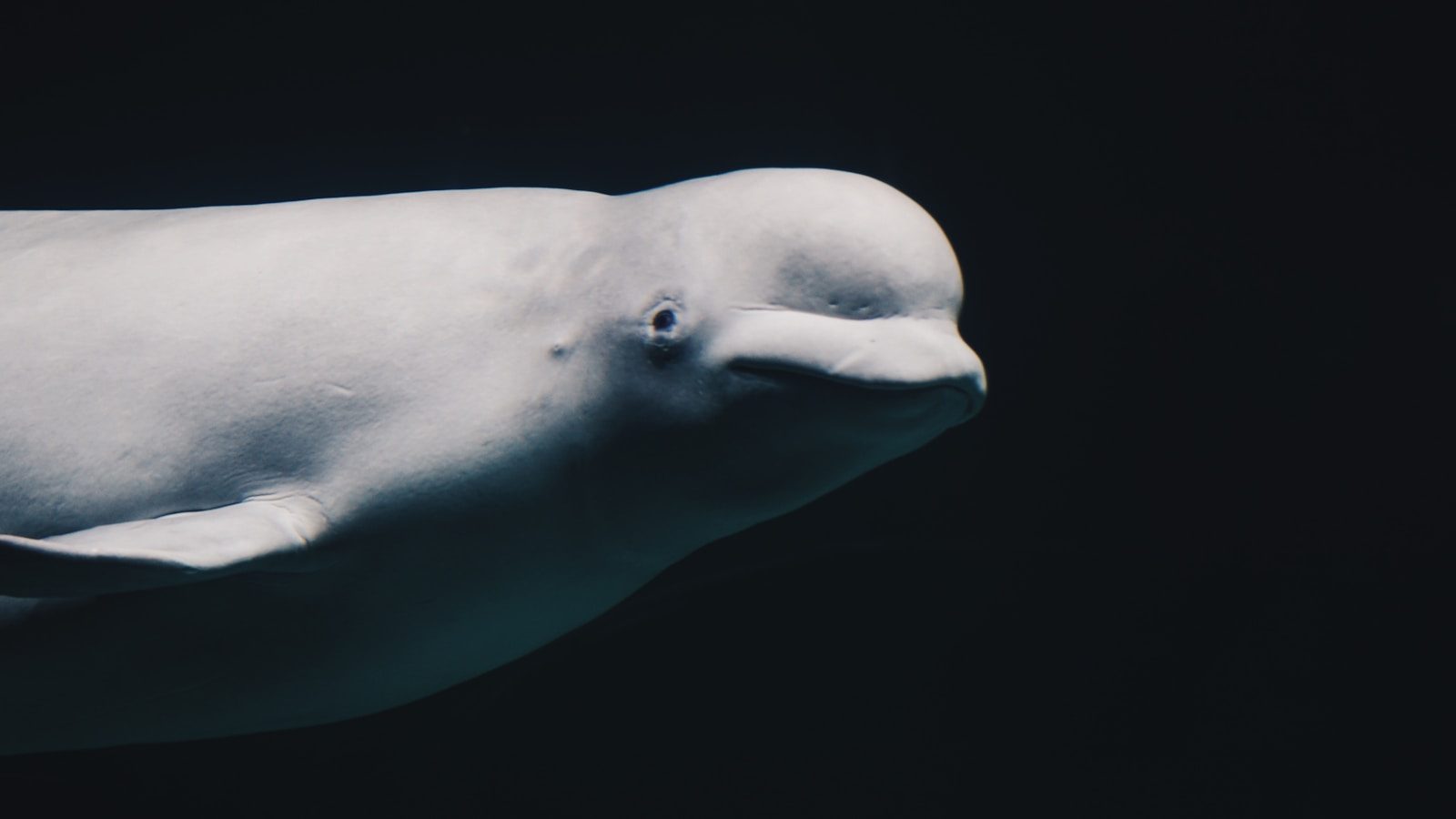
What happens when dozens of whales are left behind after a marine park closes? SeaWorld takes part in a mission to save 30 whales from a closed park, joining several accredited aquariums in an international rescue effort. The goal is to move the beluga whales to facilities that can provide long-term care.
This article explains why the rescue is needed, which organizations are involved, how the whales will be moved, and what this mission means for the animals’ future.
Why did the whales need help
The 30 beluga whales have been living at Marineland in Niagara Falls, Ontario, after the park closed to visitors in 2024. As the facility faced financial problems, officials said they could no longer provide the long-term care the whales needed.
The situation became urgent after Marineland warned that the whales could face euthanasia if they could not be relocated or receive financial support. Canadian and U.S. officials later approved a new rescue plan to move the animals to accredited marine facilities.
SeaWorld joins an international rescue effort
SeaWorld San Antonio and SeaWorld San Diego are taking part in the rescue alongside Shedd Aquarium in Chicago, Georgia Aquarium, Oceanogràfic València in Spain, and Mystic Aquarium, which is providing expertise but will not house whales.
The rescue involves veterinarians, animal care experts, government agencies, and marine mammal specialists. The organizations say the project is focused on giving the belugas safe homes where they can receive expert care for many years.
How the whales will be relocated
Before any whale travels, veterinarians will examine each animal to make sure it is healthy enough for transport. The health checks are expected to take several weeks because every whale must be carefully evaluated.
Once cleared, each beluga will swim onto a stretcher before being placed into a specialized transport tank. The whales will then travel under the supervision of experienced animal care teams using carefully planned transportation methods.
Where the belugas will live
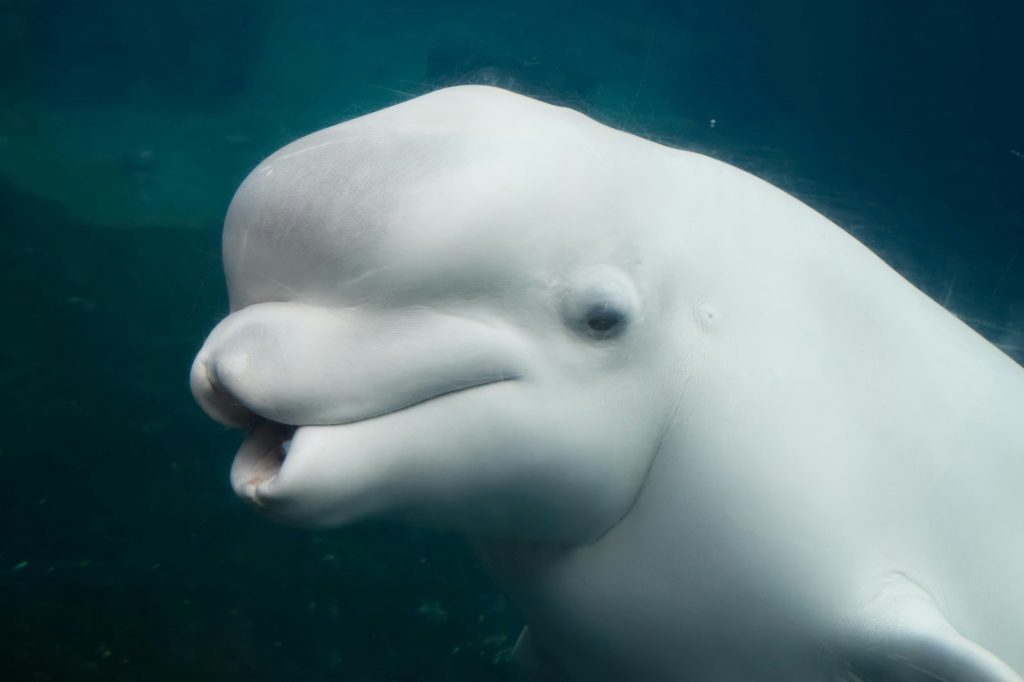
Current plans call for most of the whales to move to accredited aquariums in the United States, while two are expected to go to Oceanogràfic València in Spain. Final numbers depend on health evaluations and transportation approvals.
The receiving facilities have experienced veterinary teams, controlled water quality, specialized diets, and habitats designed for beluga whales. Staff members will continue monitoring each animal after arrival to help them adjust to their new surroundings.
Why this rescue matters
Beluga whales are highly social marine mammals that naturally live in Arctic and sub-Arctic waters. Experts say moving the whales to facilities with experienced caregivers offers a better long-term option than leaving them at a closed park without enough resources.
The rescue has also renewed discussions about the future of marine mammals in human care. While many animal welfare groups welcomed the rescue as the safest available solution, some continue calling for broader changes in how captive whales are managed.
What happens next
The relocation will not happen all at once. Each whale must receive medical clearance, and government agencies must complete the remaining permits before transportation begins.
Officials say the rescue will take weeks to complete because animal welfare comes first. Teams will continue working together until every beluga reaches its new home and receives ongoing professional care.
Featured Image: Photo by Mendar Bouchali on Unsplash
Leave a Reply