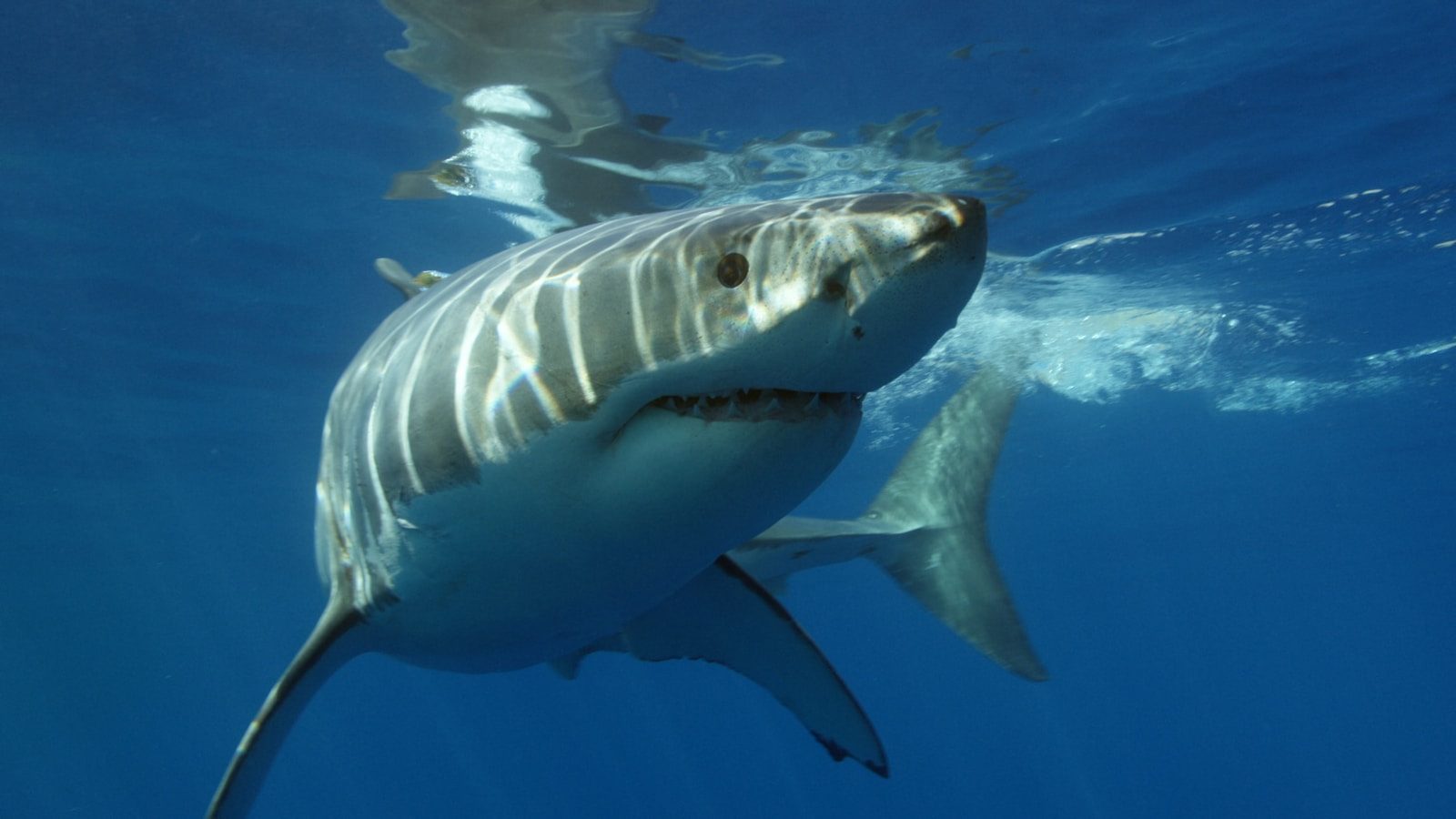
Sharks are often portrayed as dangerous predators, but experts say humans can also create unnecessary risks by getting too close to them.
Several recent incidents involving tourists, influencers and content creators have highlighted the dangers of swimming, diving, photographing and even attempting to ride sharks.
A nurse shark suddenly attacked a diver
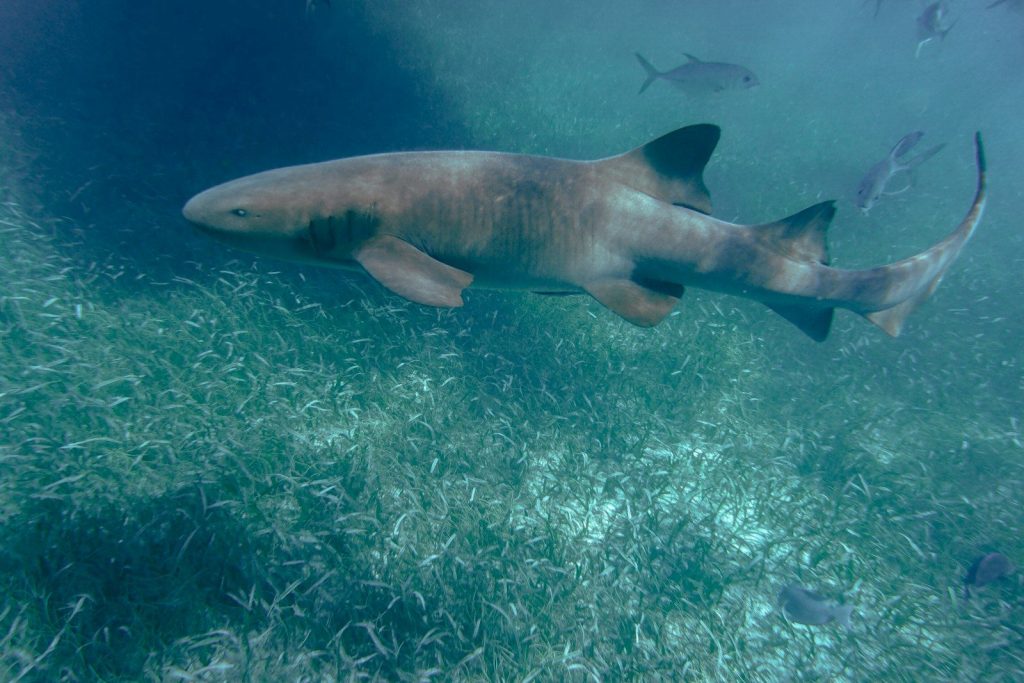
In April, Tayane Dalazen, a 37-year-old lawyer from São Paulo, was on a shark dive off the Brazilian coast when a 7-foot nurse shark grabbed her thigh.
The shark held onto her for several seconds while she was underwater.
Nurse sharks are generally considered relatively harmless, but Dalazen said she noticed something unusual before the incident. The sharks had been swimming near the surface.
She later said she realized something was different because of their behavior.
The incident has raised questions about the risks of feeding sharks during organized encounters. According to the information provided, the sharks had been receiving fish from tour operators as part of a feeding program.
A shark bite led to multiple surgeries
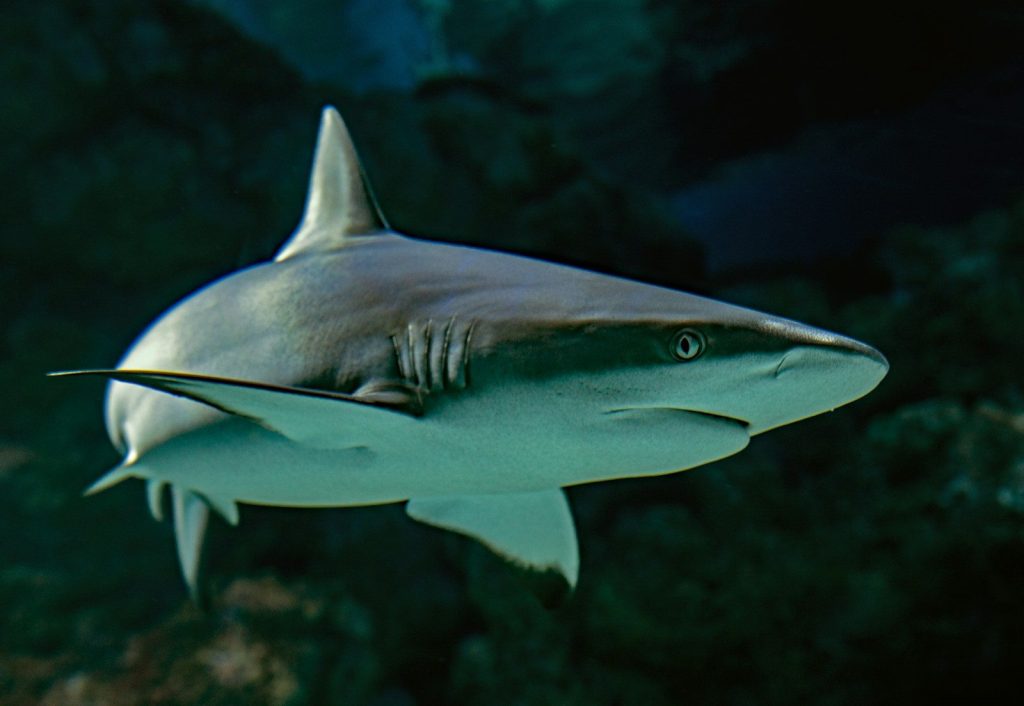
In July, New Zealand fishing influencer Henry Gibbs was bitten by a reef shark while spearfishing in Fiji.
The injury was serious enough to require four surgeries and a skin graft.
The incident was one of several reported shark encounters involving people who were in the water for photography, fishing or other activities.
More encounters were reported around the world
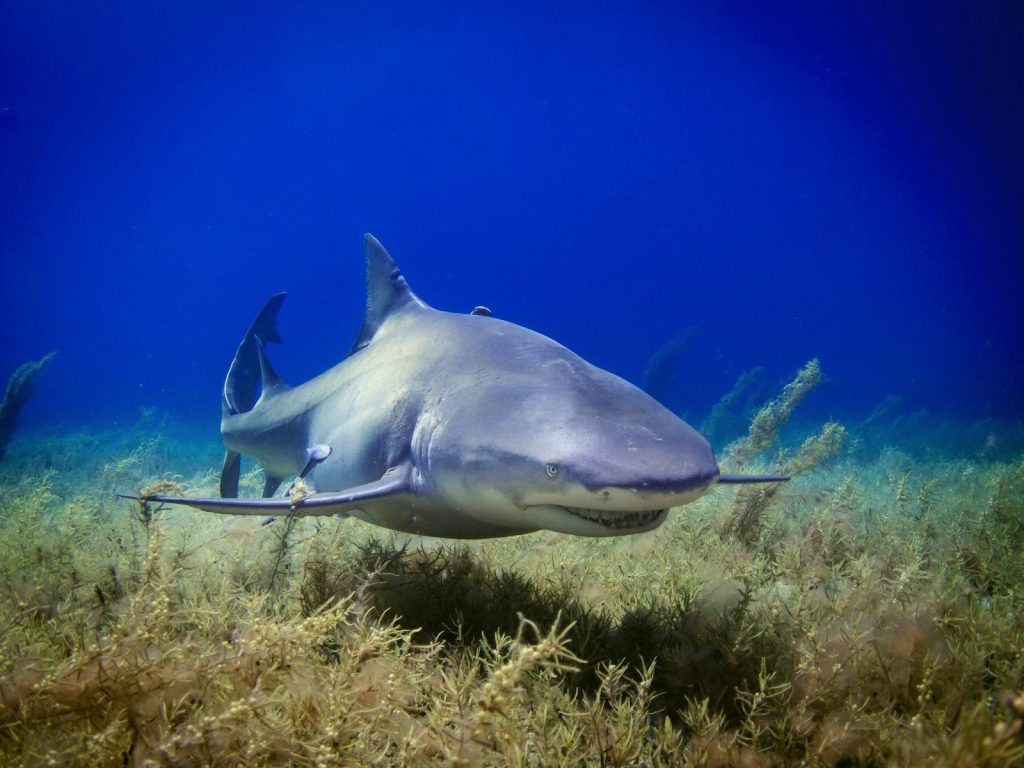
In December, another Chinese content creator was bitten by a shark in the Maldives.
Elsewhere in the Caribbean, a woman photographing a bull shark from shallow water lost both of her hands during an encounter with the animal.
Two months later, a snorkeler in Israel was killed in a shark attack.
The incidents occurred in different locations and involved different shark species, but they have drawn attention to the risks of approaching wild animals at close range.
Experts warn against getting too close
Kristian Parton, a shark scientist who runs the YouTube channel Shark Bytes, said videos showing sharks biting influencers regularly appear in his social media feeds.
He said he was seeing such videos every week, suggesting that close encounters between people and sharks had become increasingly visible online.
Shark researcher Dr Jack Cooper has also criticized the practice of approaching and touching sharks.
He questioned how activities such as touching or riding sharks could contribute to conservation.
His comments reflect a broader concern among researchers about treating wild sharks as if they were predictable or harmless animals.
Some encounters go far beyond photographing sharks
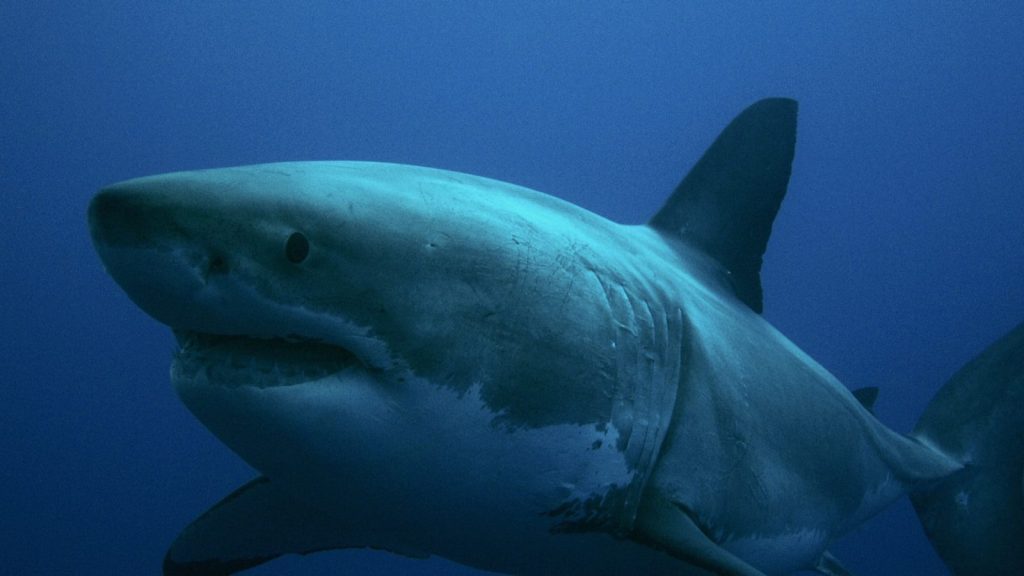
One particularly controversial example involves Ocean Ramsey, a former model who became widely known in 2019 after grabbing the dorsal fin of a great white shark.
Ramsey now sells shark-riding experiences through her Hawaii tour company, Dive With Ocean.
Activities like these can create dramatic images for social media, but experts have warned that close physical interaction with large wild predators carries obvious risks.
Sharks are still wild animals
More than 500 shark species are known to exist, but only about a dozen have been responsible for fatal attacks on humans.
That means shark attacks remain relatively uncommon compared with the number of people who enter the ocean every year.
However, experts’ concerns are not simply about shark attacks.
When people deliberately approach, touch, feed or attempt to ride wild sharks, they can create situations that are difficult to predict. The behavior of an animal can change suddenly, even when previous encounters have appeared peaceful.
The recent incidents serve as a reminder that getting the perfect underwater photograph or video can come with serious consequences.
Sharks may be fascinating to observe, but keeping a safe distance allows people to appreciate these powerful predators without turning an encounter into a dangerous one.
Featured Image: Photo by Oleksandr Sushko on Unsplash
Leave a Reply